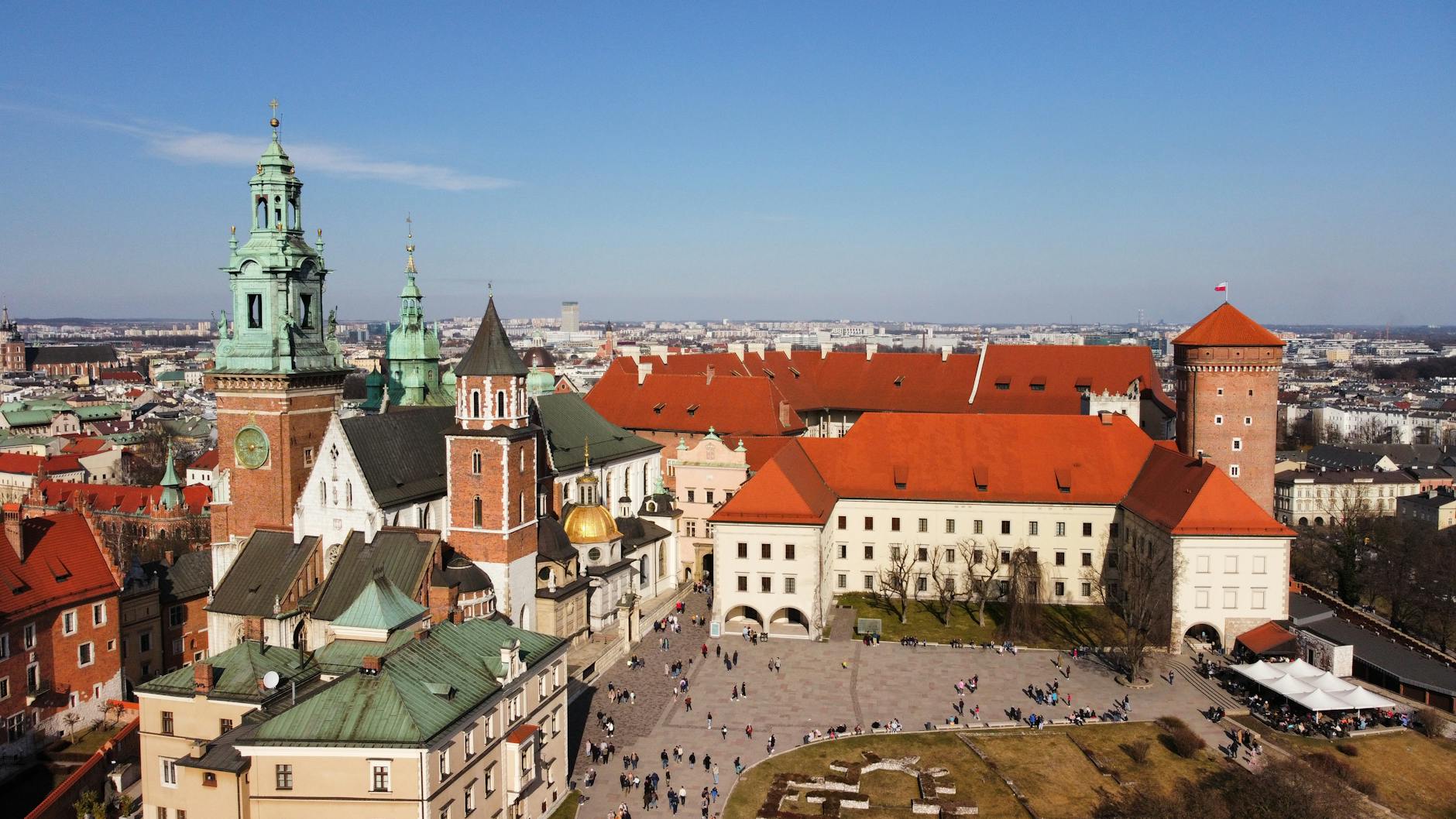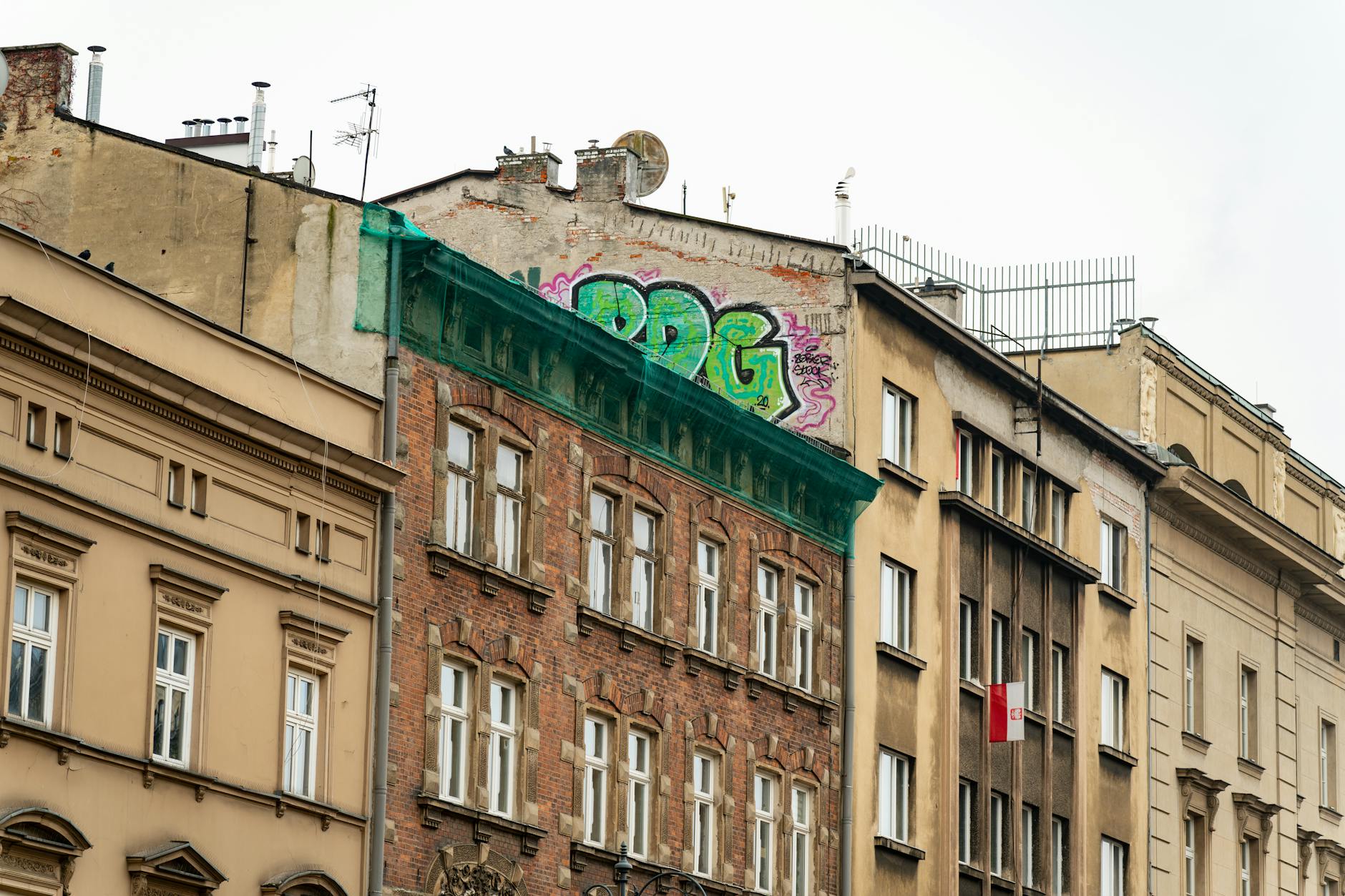
Krakow can work well for families because Old Town, Wawel, river walks, cafes, parks, museums, and tram routes can be combined into manageable days. The key is matching the trip to children's ages, attention spans, walking tolerance, food needs, sleep, and the emotional weight of certain historical sites.
Choose lodging around family logistics
A family Krakow trip depends on the base. The right hotel or apartment should handle sleep arrangements, breakfast, laundry, elevators, stroller storage, quiet rooms, and quick returns for naps or breaks. A central location can help, but only if it does not create noise or access problems.
Family comfort begins before sightseeing.
- Check room layout, elevator access, breakfast timing, laundry options, crib or extra bed rules, and noise.
- Confirm whether taxis can reach the door if the property is near pedestrian streets.
- Choose lodging close enough for mid-day breaks, especially with younger children.
Match Old Town and Wawel to attention spans
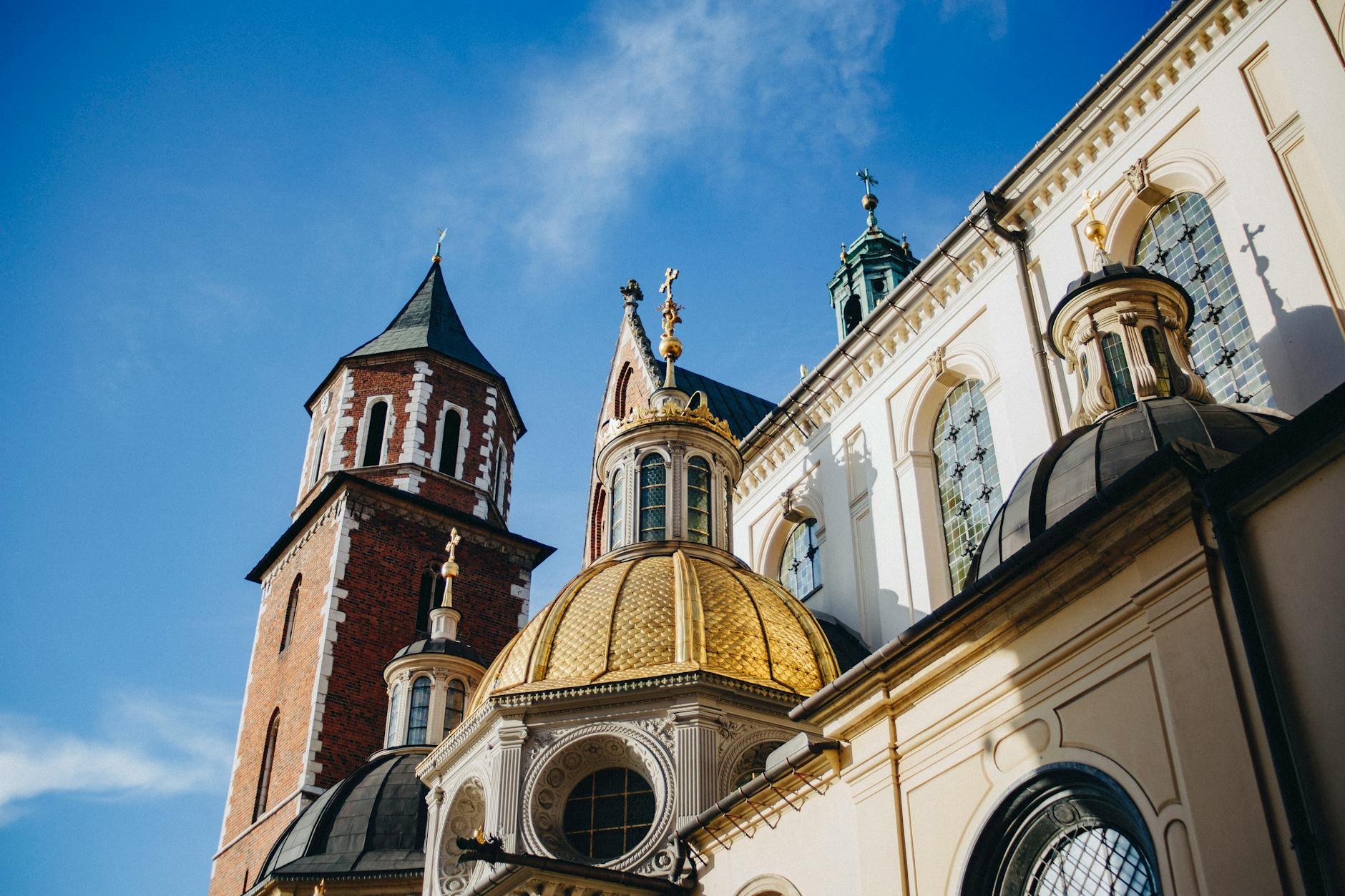
Old Town, the Main Market Square, Wawel, churches, courtyards, and river walks can be excellent family experiences when paced well. Children often do better with short explanations, visible landmarks, snacks, and pauses than with long historical narration.
The route should fit the youngest traveler.
- Break Old Town and Wawel into shorter blocks with food, restrooms, and open space between them.
- Use one or two memorable stories rather than overloading children with dates and names.
- Avoid long ticketed visits when the family is tired from arrival or poor sleep.
Plan movement for strollers and tired legs
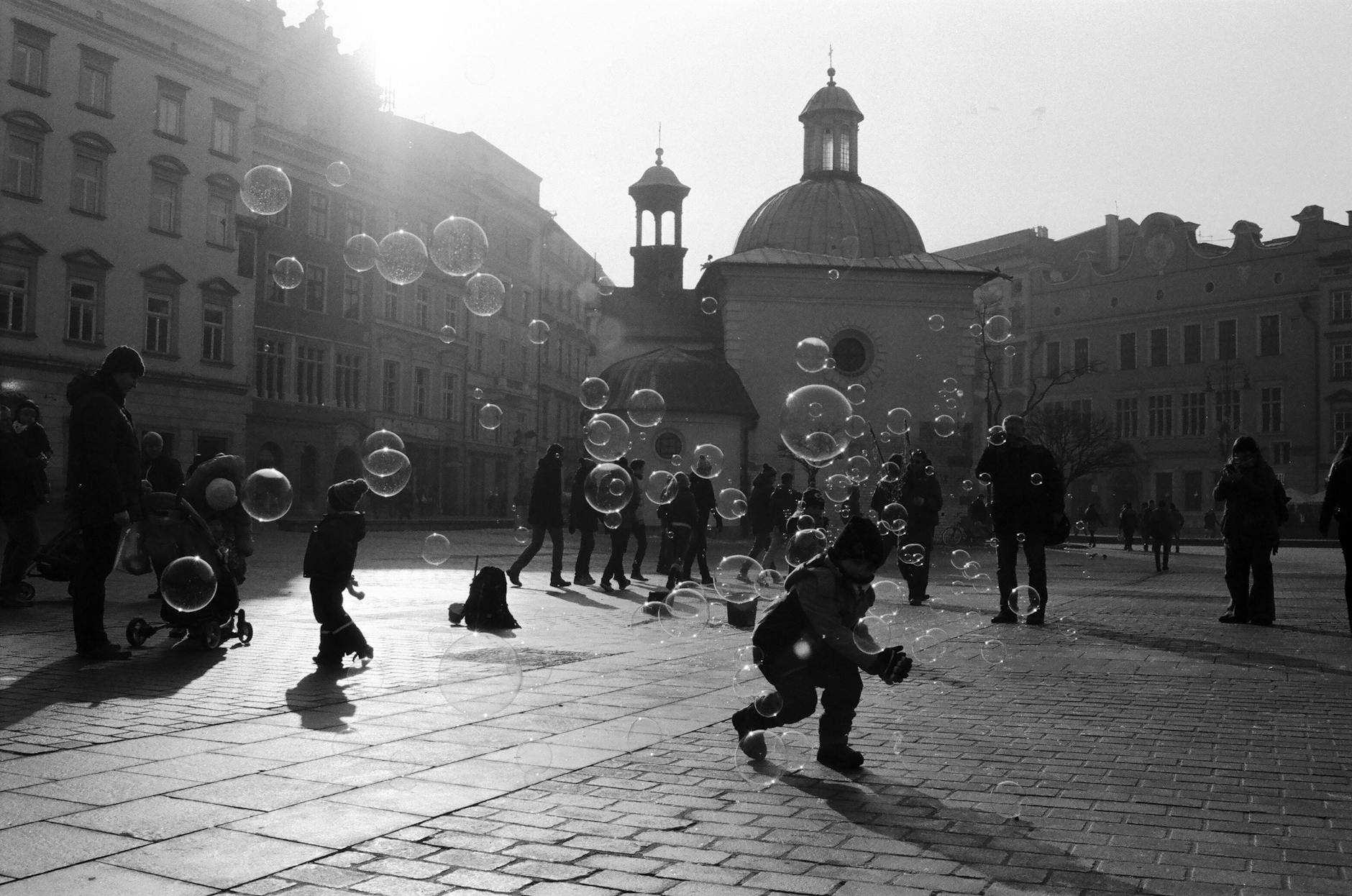
Krakow's central streets are walkable but not always smooth. Cobblestones, curbs, stairs, tram stops, crowds, and weather can affect families with strollers, toddlers, grandparents, or tired older children. A good plan includes transport before everyone is exhausted.
Movement should conserve energy for the best parts of the day.
- Check stroller practicality, walking surfaces, restroom access, and tram or taxi options before each route.
- Use taxis or trams for longer moves rather than insisting on walking every segment.
- Carry layers, snacks, water, wipes, and a battery pack for navigation and tickets.
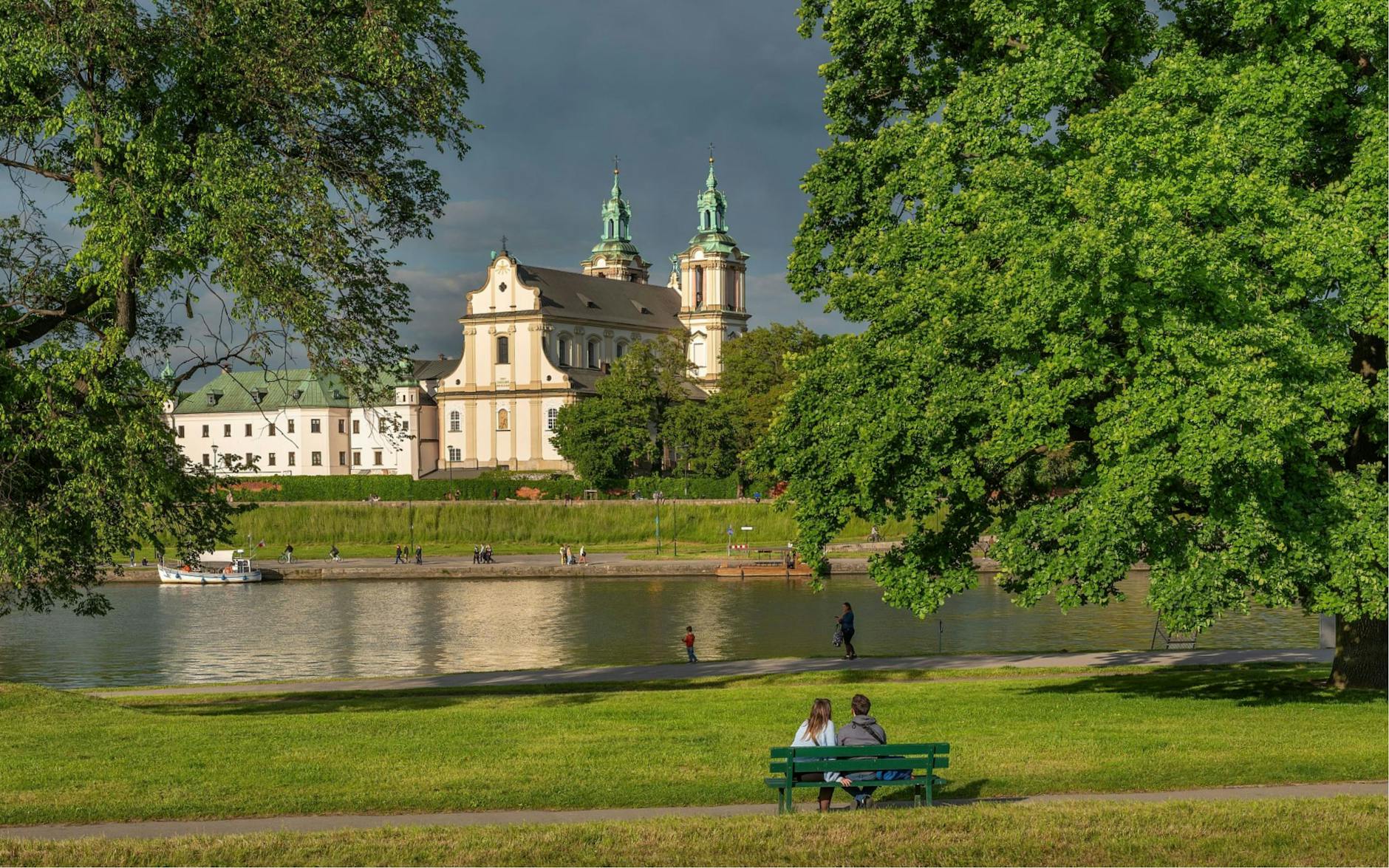
Choose age-appropriate history
Krakow and nearby sites include powerful history that may not suit every child or every short trip. Families should decide how much wartime, memorial, religious, or heritage material is appropriate by age, temperament, and timing. A meaningful visit can also require quiet time afterward.
Not every important site belongs in every family itinerary.
- Research content intensity before booking museums, memorial sites, or heavy-history day trips.
- Prepare children with simple context and give them room to ask questions afterward.
- Avoid placing emotionally demanding visits before a long dinner, late travel, or early departure.
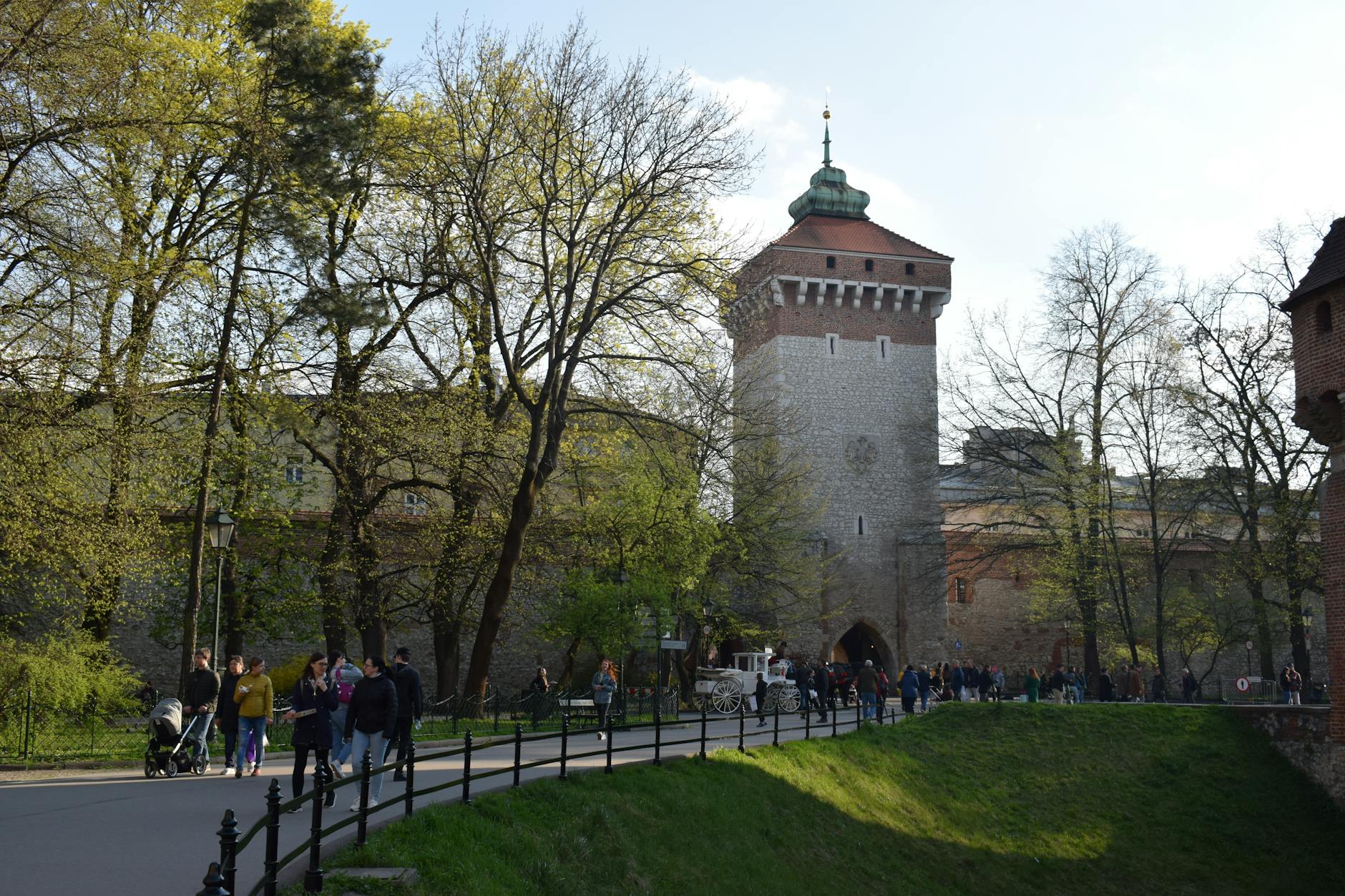
Make meals easy before they become urgent
Family meals in Krakow work best when they are planned near the route, hotel, or next rest stop. Waiting until children are hungry can turn a good day into a scramble, especially in crowded central areas or after long tours.
Food timing is family infrastructure.
- Save casual restaurants, bakeries, cafes, and simple backup meals near each day's route.
- Reserve key dinners when the group is large or timing matters.
- Carry snacks and water so the family is not dependent on the next available table.

Be selective with day trips
Krakow day trips can appeal to families, but they need honest screening. Pickup time, driving distance, walking load, stairs, emotional intensity, bathrooms, food, naps, and return timing all matter. A family with limited time may benefit more from a shorter city day than a full excursion.
The best day trip is the one the family can actually enjoy.
- Check duration, pickup point, vehicle comfort, restroom access, food, guide pace, and age suitability.
- Avoid full-day plans after a late arrival or before an early departure.
- Keep the evening simple after a demanding excursion.
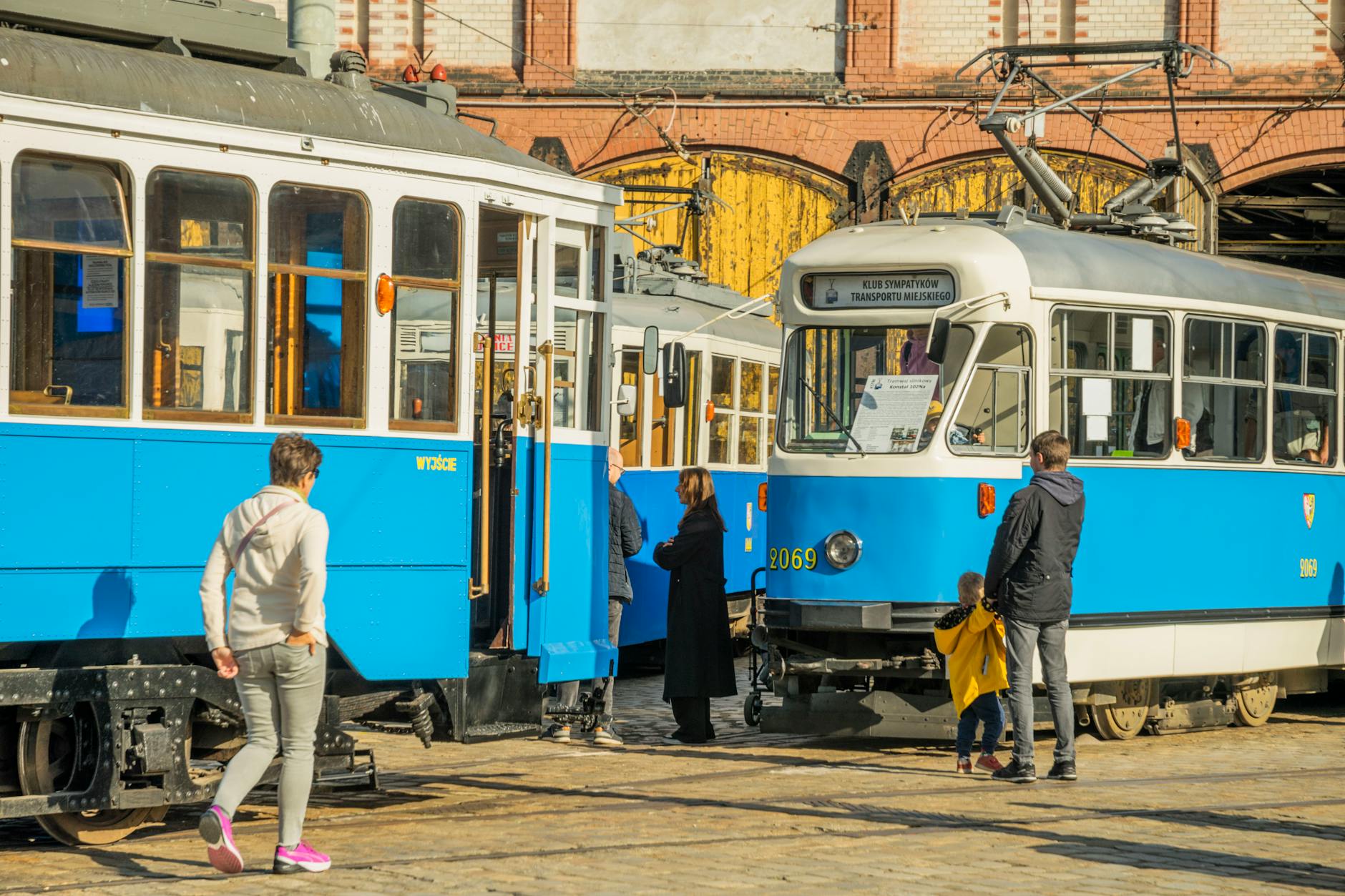
When to order a short-term travel report
A family with older children, central lodging, and a relaxed schedule may not need a custom report. A report becomes useful when the trip includes young children, strollers, grandparents, day trips, food constraints, age-sensitive history, multiple rooms, airport or rail timing, or limited recovery time.
The report should test lodging layout, walking surfaces, stroller or mobility needs, age-appropriate sites, meals, day trips, weather, rest points, and departure buffers. The value is a Krakow family stay that feels rich without pushing the group past its limits.
- Order when lodging, routes, strollers, meals, child-friendly sites, day trips, weather, or departure timing need exact planning.
- Provide dates, children's ages, hotel candidates, room needs, mobility concerns, food needs, interests, and arrival details.
- Use the report to keep the family trip practical, memorable, and paced for everyone.