Krakow is not a sea port, so a cruise or port-call traveler usually reaches it as a pre-cruise extension, a post-cruise stay, a river itinerary segment, or a long excursion from another Polish arrival point. That makes timing more important than ambition. The traveler needs to protect the transfer, choose a focused city plan, and avoid treating Krakow like a casual walk-off port call.
Start with the real transfer window
A Krakow cruise or port-call plan begins with the journey into the city. The traveler may be coming from a Baltic port, a river itinerary, a rail connection, a coach tour, or a post-cruise hotel stay. A plan that ignores the transfer can make the city feel rushed before it even begins.
The arrival window should set the size of the day.
- Confirm ship, rail, coach, airport, or driver timing before choosing museums, restaurants, or tours.
- Build margin for road delays, station navigation, weather, luggage, and group movement.
- Keep the final return connection visible throughout the itinerary, especially on same-day visits.
Choose one compact city focus
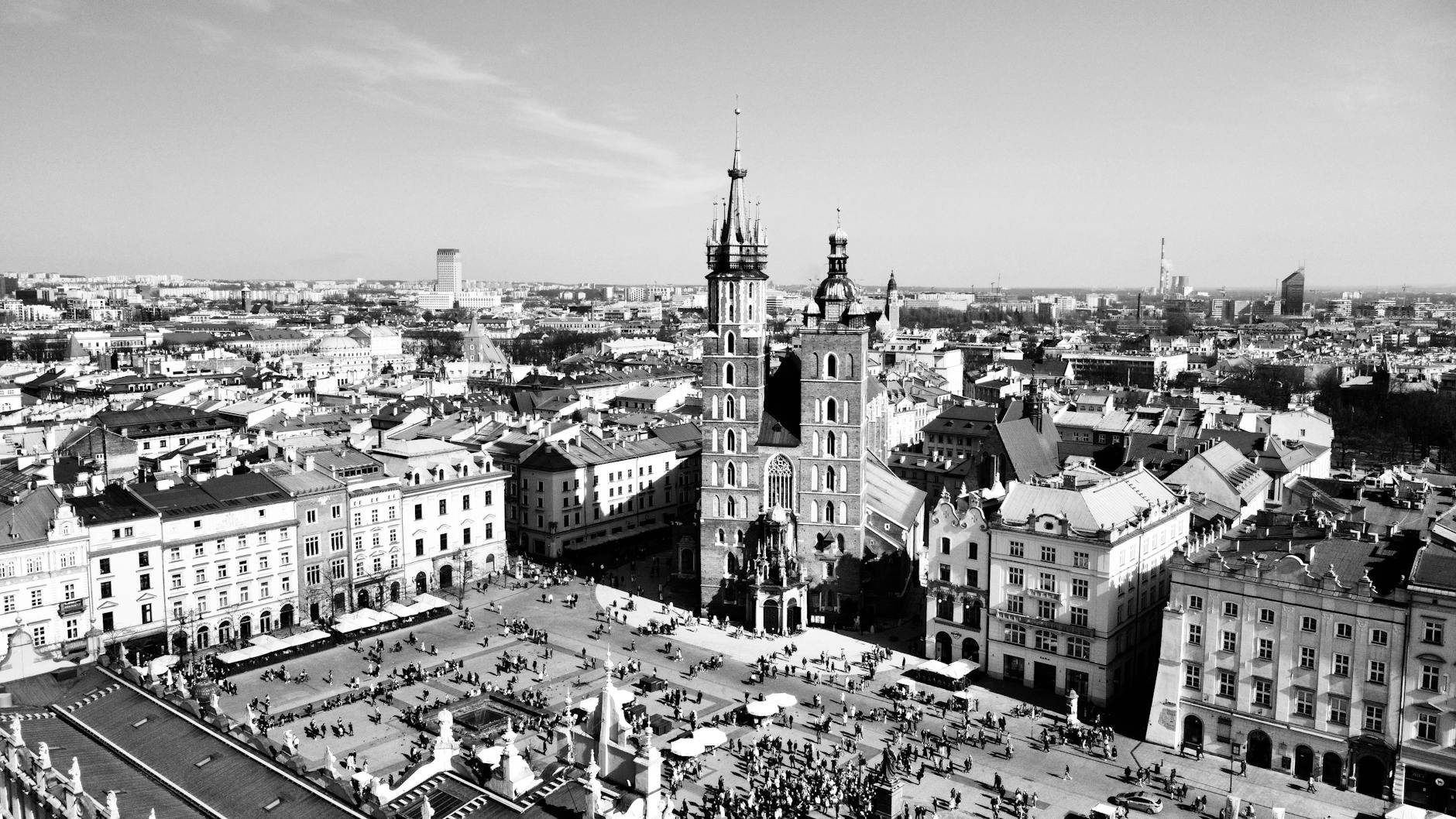
Krakow rewards a slower route through Old Town, Wawel, Kazimierz, churches, cafes, and river views. A port-call style traveler may be tempted to add every landmark because the stay is short. That usually creates more transit than memory.
A compact focus works better.
- Choose Old Town and Wawel, Kazimierz, Jewish heritage, food, or a river route as the main theme.
- Avoid combining distant sites unless the visit has a full overnight stay.
- Use nearby backup stops in case crowds, closures, or weather change the first plan.
Decide whether a guide is worth it
A guide can make a short Krakow visit more efficient, especially when the traveler has limited time, heritage priorities, mobility needs, or a group with mixed interests. A guide can also prevent over-planning by choosing the right streets, entrances, and timing.
Guidance should reduce friction.
- Use a private guide when timing is tight, the group is large, or historical context matters.
- Confirm meeting point, language, walking pace, accessibility, and what happens if arrival is late.
- Avoid tours that finish too close to the return transfer or require difficult luggage handling.
Handle luggage before sightseeing
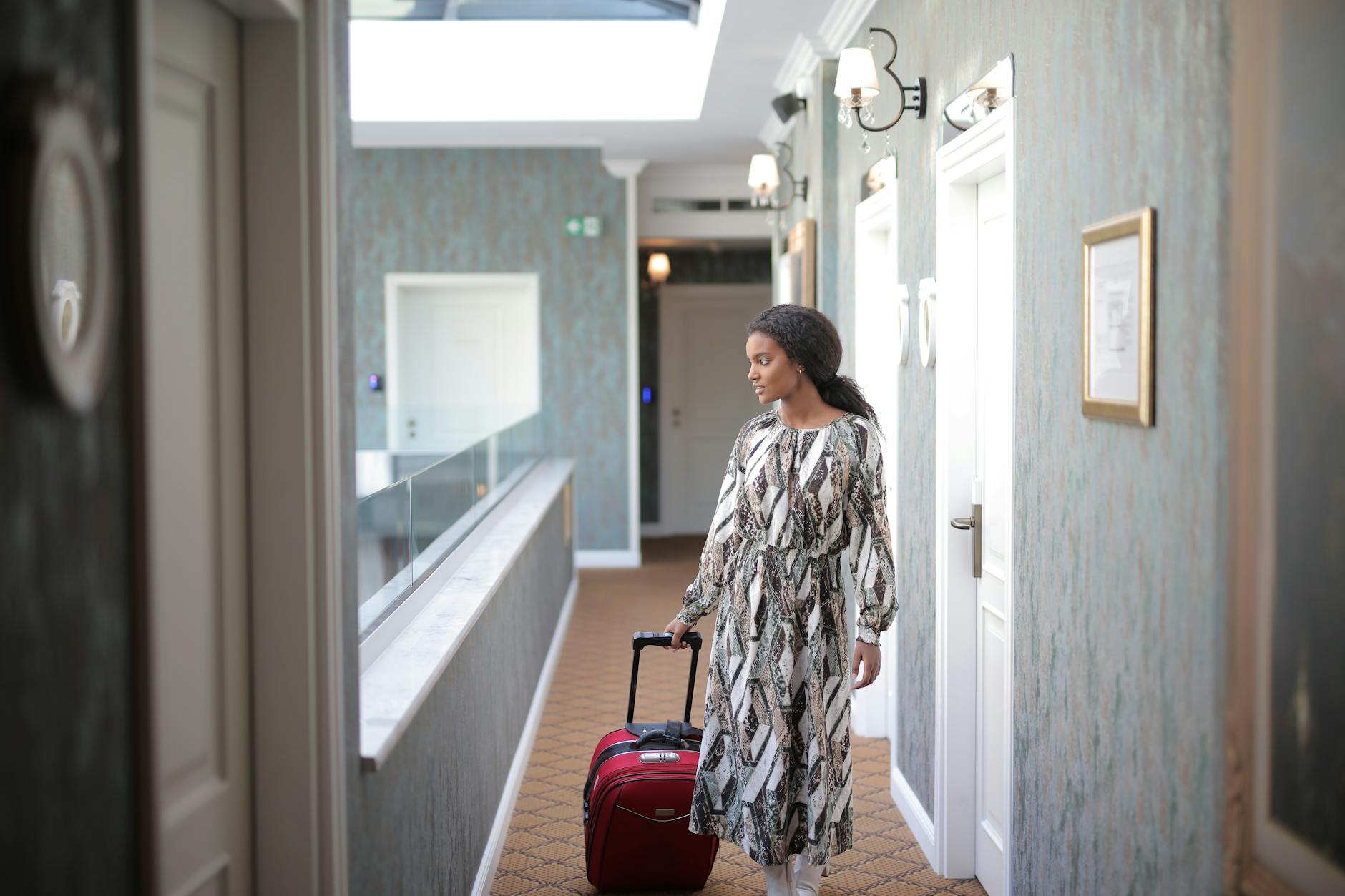
Luggage can distort a short Krakow visit. Rolling bags on cobblestones, crowded cafes, stairs, museum rules, hotel check-in timing, and station lockers all affect what is realistic. The traveler should solve luggage before committing to a route.
The best excursion is usually hands-free.
- Confirm hotel storage, station lockers, driver storage, or tour-bus luggage rules in advance.
- Keep medication, documents, valuables, chargers, and weather layers in a small day bag.
- Avoid routes that require carrying full luggage through Old Town or Kazimierz.
Plan meals around timing, not only taste
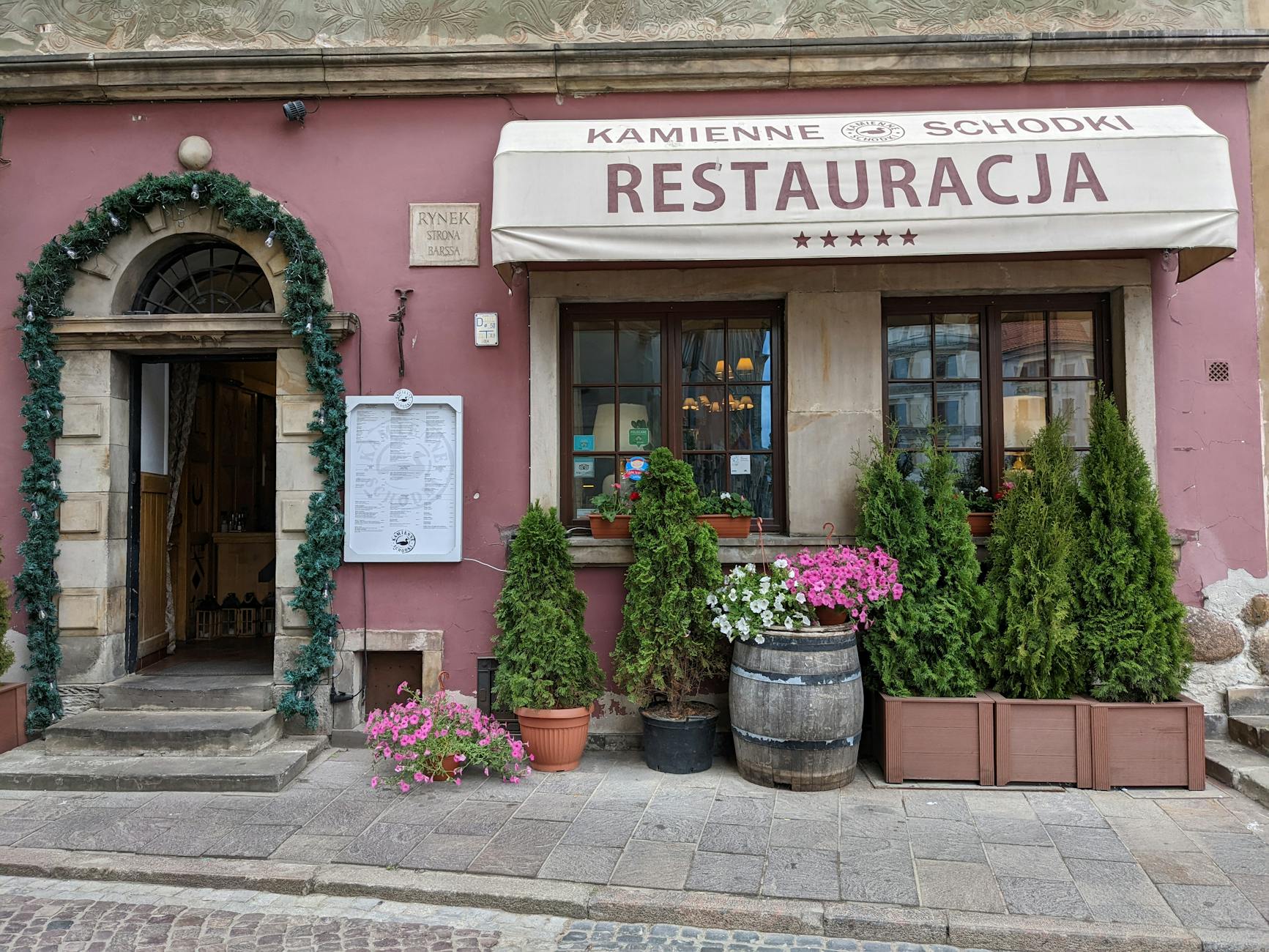
Krakow has strong restaurants and cafes, but a short cruise-style visit needs meals that fit the schedule. A long lunch may be worthwhile on an overnight extension; it can be risky on a same-day transfer. The traveler should choose meal formats that match the return obligation.
Food planning should protect the clock.
- Reserve meals when the group is large, the schedule is tight, or the traveler wants a specific restaurant.
- Save quick cafe, bakery, and casual meal options near the main route and transfer pickup point.
- Leave enough time for payment, restroom stops, and walking back to the meeting place.
Respect mobility and weather limits
Cruise and port-call travelers may include older relatives, multi-generation groups, formal clothing, limited mobility, or people already tired from earlier travel. Krakow's cobblestones, stairs, winter cold, summer heat, and crowded interiors can change the day quickly.
Comfort affects how much the group can absorb.
- Check walking distances, surfaces, seating, restroom access, and taxi pickup points before arrival.
- Use shorter loops, trams, taxis, or private transfers when the group needs rest or weather protection.
- Carry layers, water, medication, and a clear meeting point if people split up.
When to order a short-term travel report
A cruise traveler with a hosted Krakow excursion may not need a custom report. A report becomes useful when the traveler is arranging independent transfers, adding Krakow before or after a cruise, coordinating a group, managing luggage, visiting heritage sites, or facing a strict return deadline.
The report should test transfer timing, luggage storage, compact routes, guide options, meals, mobility, weather, and departure buffers. The value is a Krakow visit that respects the clock without wasting the city.
- Order when transfers, luggage, routes, guides, meals, mobility, weather, or return timing need exact planning.
- Provide dates, ship or rail timing, arrival point, group size, lodging, site priorities, budget, and mobility needs.
- Use the report to keep the Krakow extension focused, comfortable, and reliable.