Krakow can be a strong short-stay business destination because it combines airport and rail access, a compact historic center, hotels, universities, technology and service offices, and good client-entertainment settings. The risk is that the charm of Old Town and Kazimierz can hide ordinary business-trip constraints: transfer time, meeting distance, weather, work blocks, and the need to arrive prepared.
Map meetings before choosing the base
A Krakow business trip should start with the meeting map, not the prettiest hotel photo. Old Town may be ideal for client dinners and central access, while other meetings may sit closer to office parks, university sites, industrial areas, or rail-linked districts. A poor base can add hidden travel time to every appointment.
The hotel should follow the work.
- List each meeting address, expected arrival time, and host contact before selecting lodging.
- Check whether meetings cluster near Old Town, Kazimierz, the airport corridor, rail links, or outlying offices.
- Avoid changing hotels for a short stay unless the meeting geography clearly requires it.
Treat arrival reliability as business risk
Krakow arrival plans can involve the airport, rail from Warsaw or other Polish cities, private drivers, taxis, or regional transfers. A delayed arrival affects more than sightseeing; it can affect a pitch, site visit, conference session, or client meal. The first meeting should not depend on a perfect transfer.
Arrival margin is professional insurance.
- Build buffers between landing, rail arrival, hotel check-in, and the first commitment.
- Keep presentation materials, clothes, medication, and chargers in hand luggage.
- Have a backup plan for reaching the hotel or meeting if the preferred transfer slips.
Choose lodging for work and access
A business hotel in Krakow should support sleep, work, calls, breakfast timing, taxi access, and quick returns between commitments. A scenic location is useful only if it also lets the traveler function. Noise, slow elevators, limited desks, weak workspace, or awkward pickup points can matter on a short business stay.
The room is part of the office.
- Check desk space, Wi-Fi, quiet-room options, breakfast hours, late arrival, and laundry or pressing needs.
- Confirm taxi or driver pickup access, especially near pedestrian streets.
- Choose a base that makes both meetings and evening work blocks realistic.
Keep Old Town charm from distorting the schedule
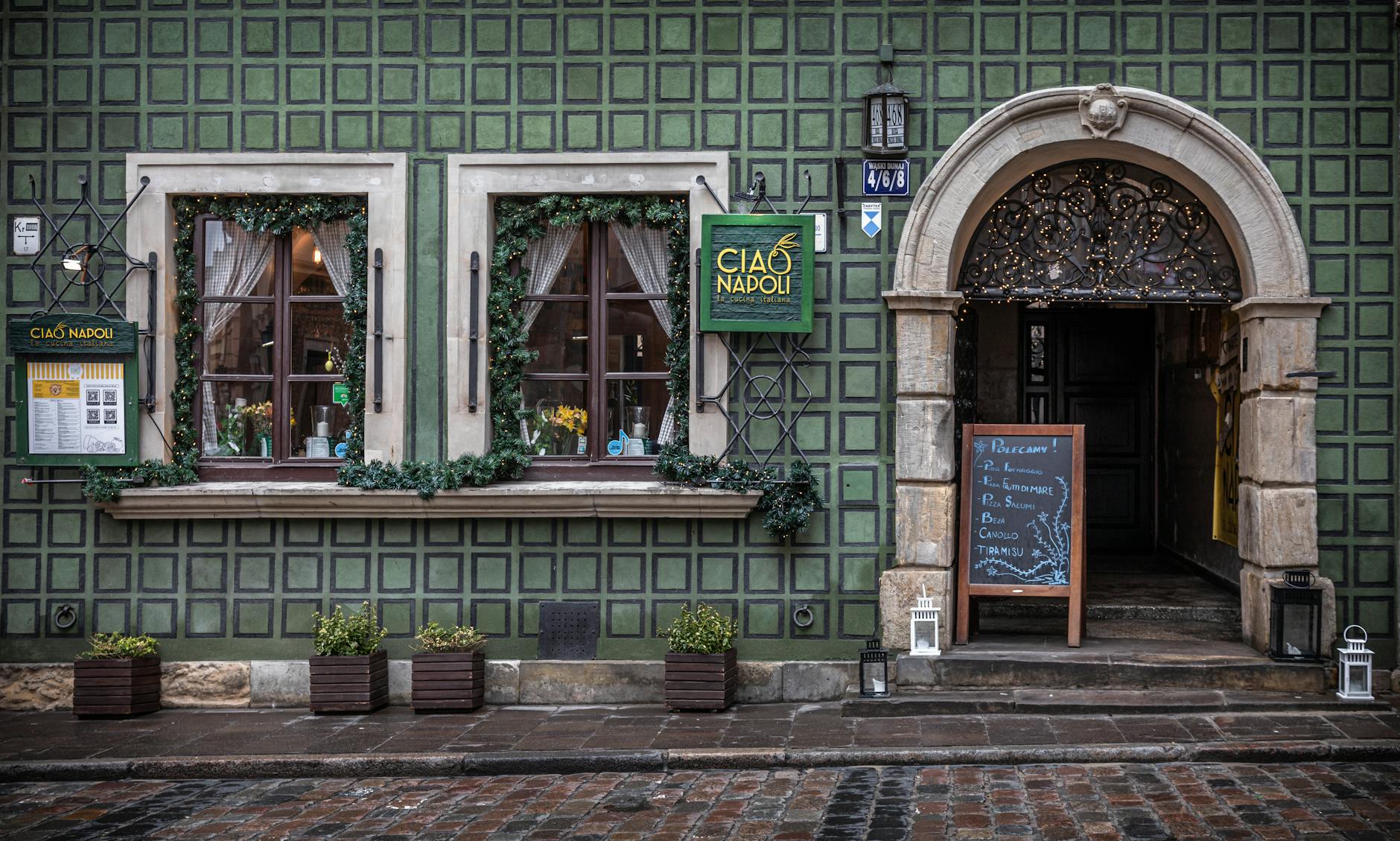
Krakow Old Town is valuable for walking, meals, hotels, and client atmosphere, but it can distort time estimates. Pedestrian areas, cobblestones, crowds, weather, event closures, and taxi drop-off limits can make a short distance feel longer when the traveler is dressed for business or carrying a laptop.
Beauty still needs logistics.
- Check walking times from hotel doors, not only map distance between landmarks.
- Leave extra time for pedestrian zones, weather, crowds, and unfamiliar entrances.
- Use Old Town and Kazimierz deliberately for meals or atmosphere rather than as default routing for every meeting.
Build buffers between client sites
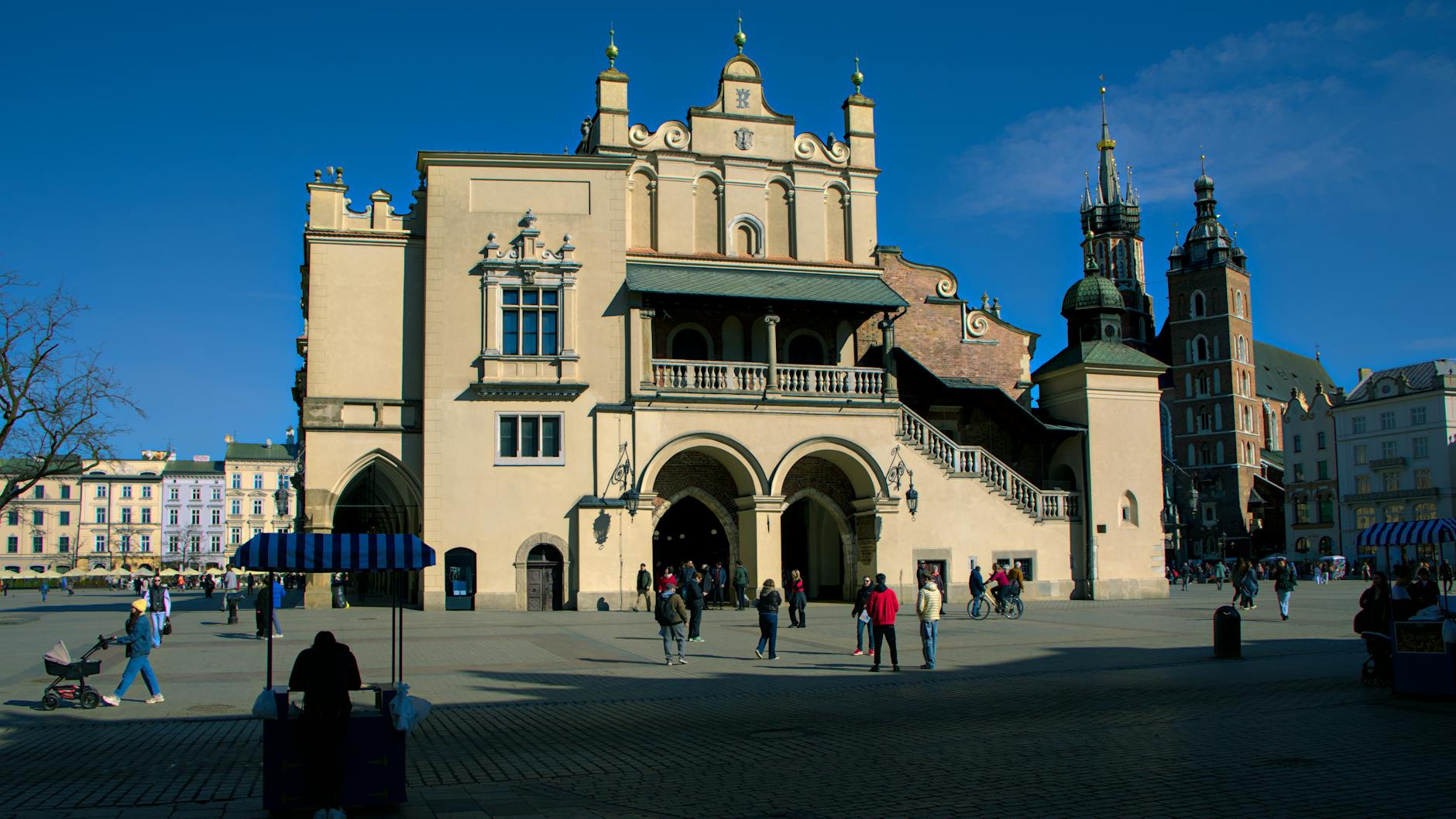
Short business trips often fail in the gaps between commitments. A meeting runs long, a taxi takes longer than expected, a badge process is slow, or the traveler needs ten minutes to send follow-up notes. Krakow is manageable, but the calendar still needs breathing room.
Buffers protect credibility.
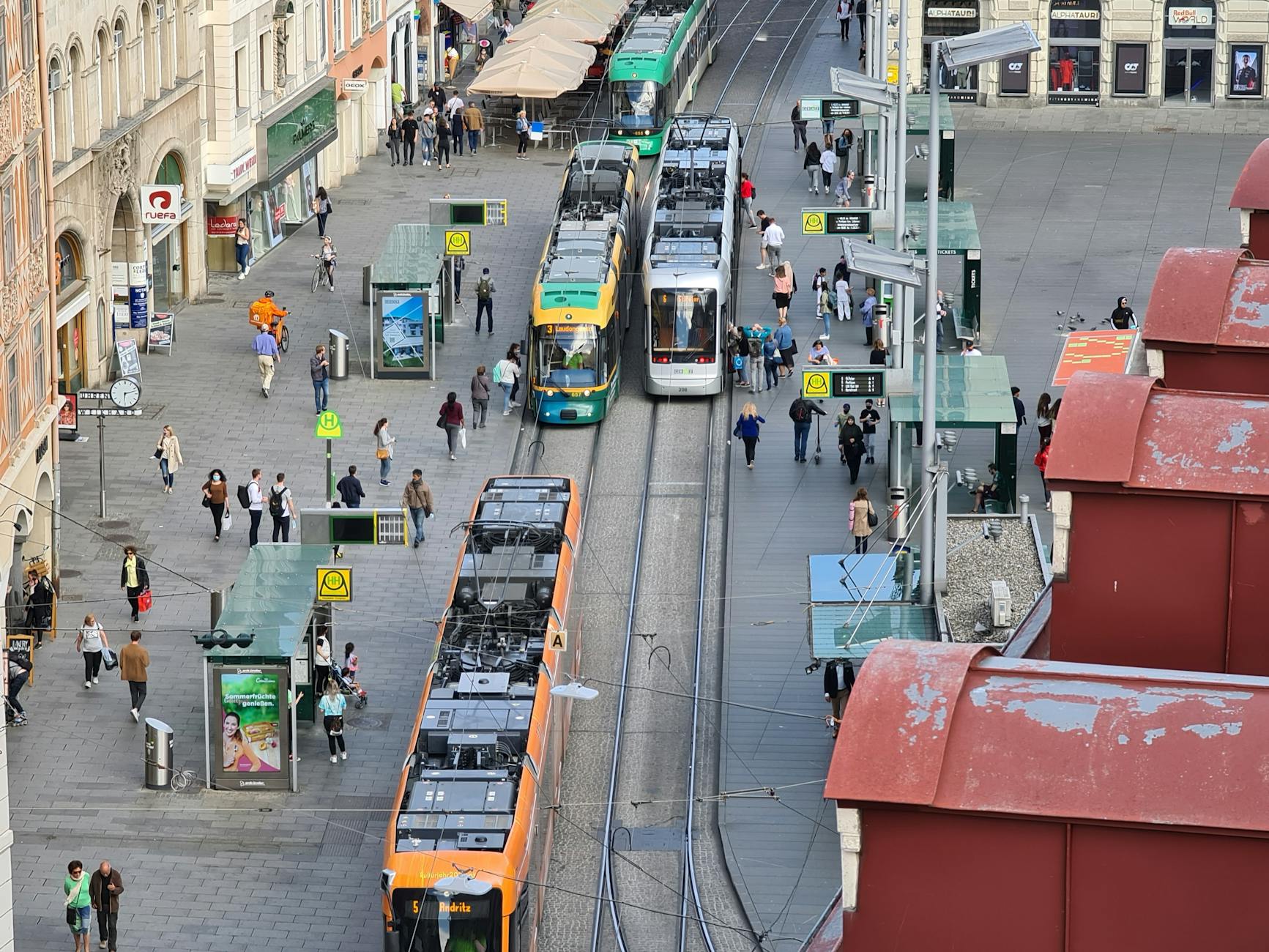
- Add margin for taxis, tram or rail movement, building security, weather, and host delays.
- Avoid stacking appointments in different districts with no recovery time.
- Keep one flexible block for calls, email, document edits, or a meeting that runs long.
Plan meals and follow-up time
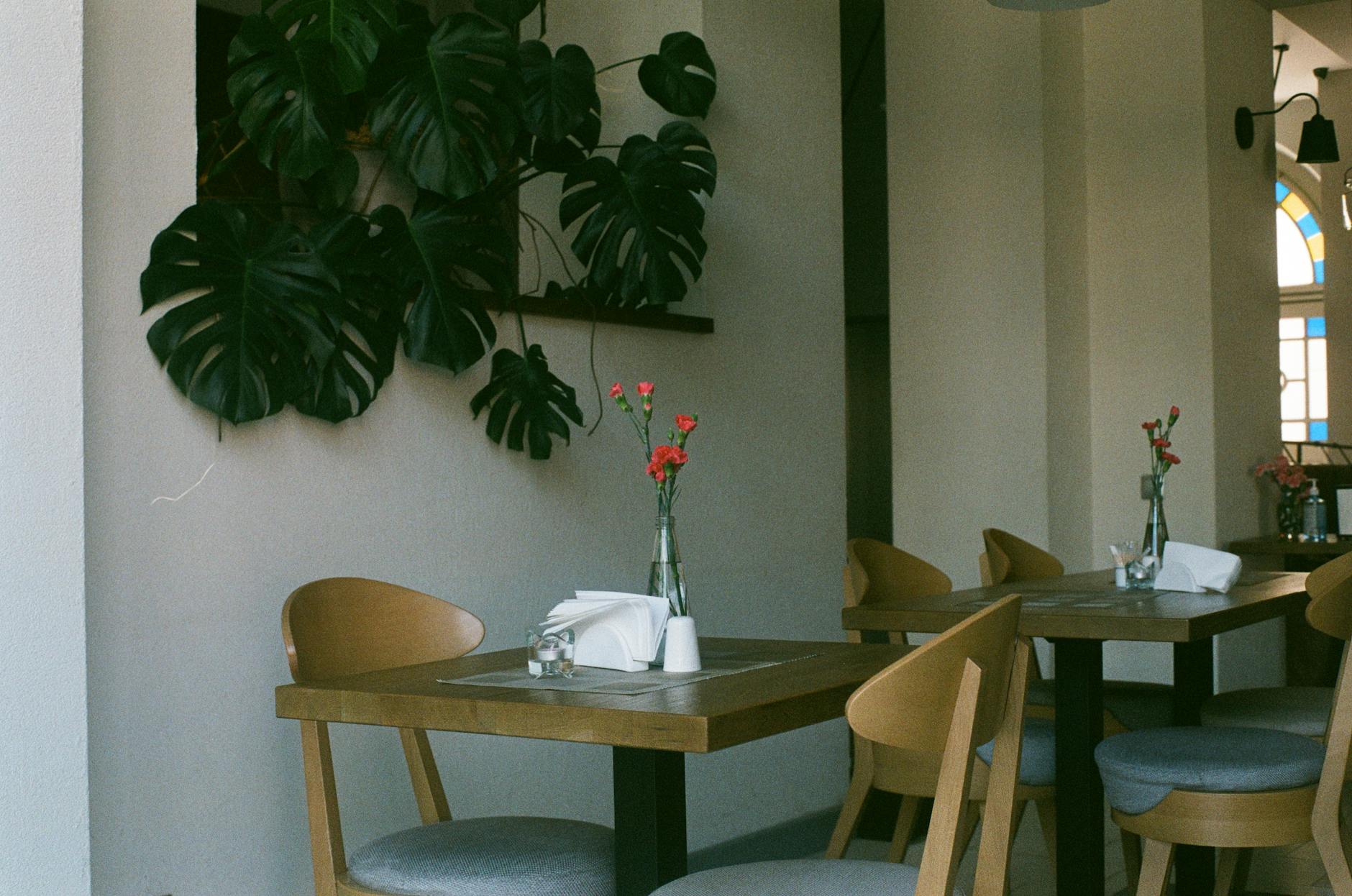
Krakow is good for business meals, but restaurants should fit the working day. A client dinner in Old Town, a quieter Kazimierz meal, a hotel breakfast meeting, or a quick cafe between visits all imply different travel and preparation needs. The traveler should also protect time after meetings to write notes while details are fresh.
Hospitality and follow-up should share the schedule.
- Reserve important meals near the meeting route or hotel rather than across town.
- Check opening hours, dietary needs, payment norms, noise level, and table style before inviting clients.
- Block time after key meetings for notes, file sharing, expense capture, and next-step emails.
When to order a short-term travel report
A business visitor with one hotel meeting and a flexible evening may not need a custom report. A report becomes useful when the trip includes multiple client sites, tight arrival timing, airport or rail uncertainty, Old Town logistics, dinner hosting, equipment, accessibility needs, or limited time to recover before the next leg.
The report should test meeting geography, arrival buffers, hotel access, transport, meals, work blocks, weather, and departure timing. The value is a Krakow business trip where the city supports the work instead of competing with it.
- Order when meetings, lodging, airport or rail timing, Old Town routing, meals, work blocks, or departure timing need exact planning.
- Provide dates, meeting addresses, hotel candidates, arrival details, equipment needs, meal plans, budget, and mobility constraints.
- Use the report to keep the business day punctual, prepared, and realistic.