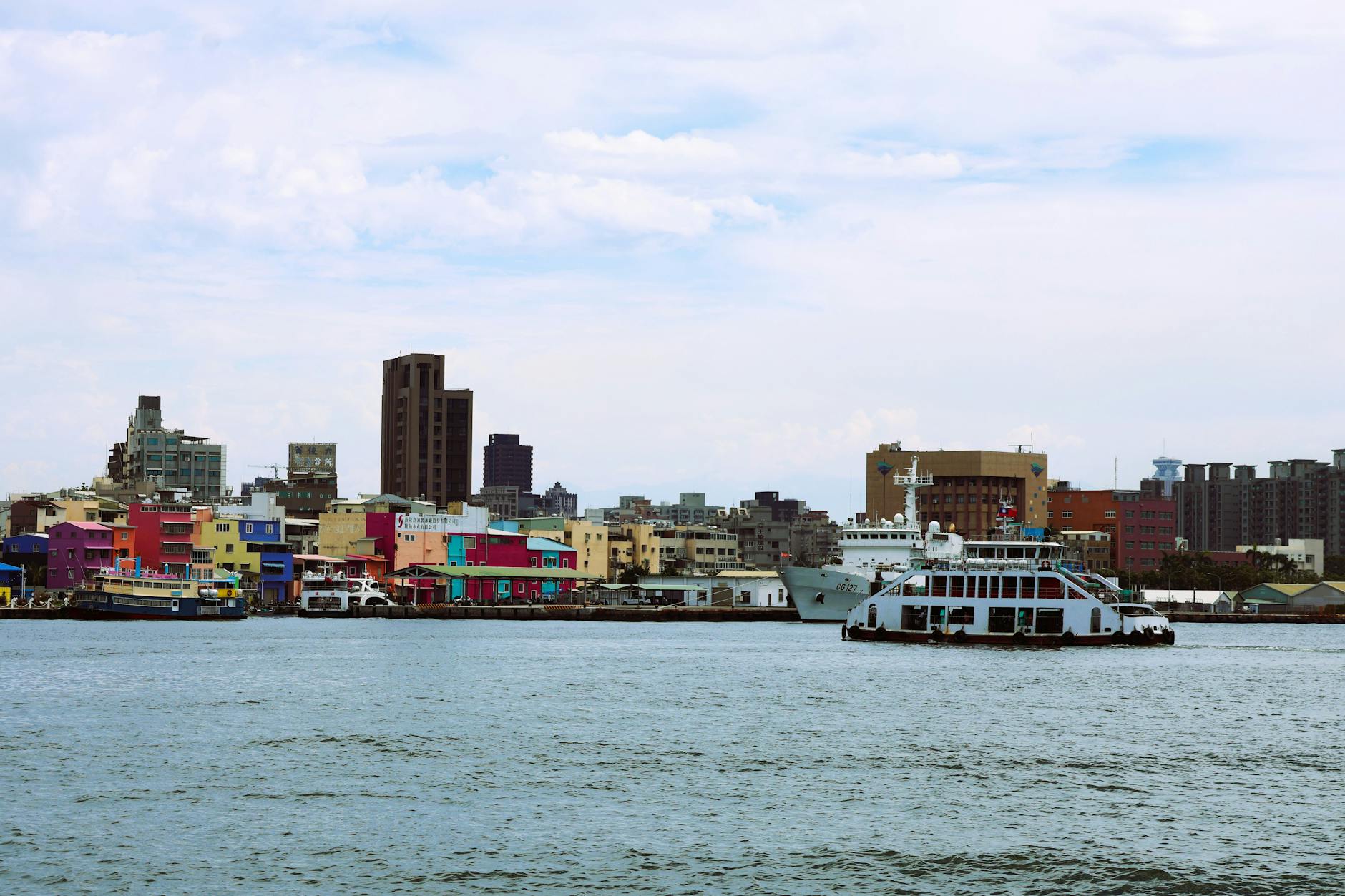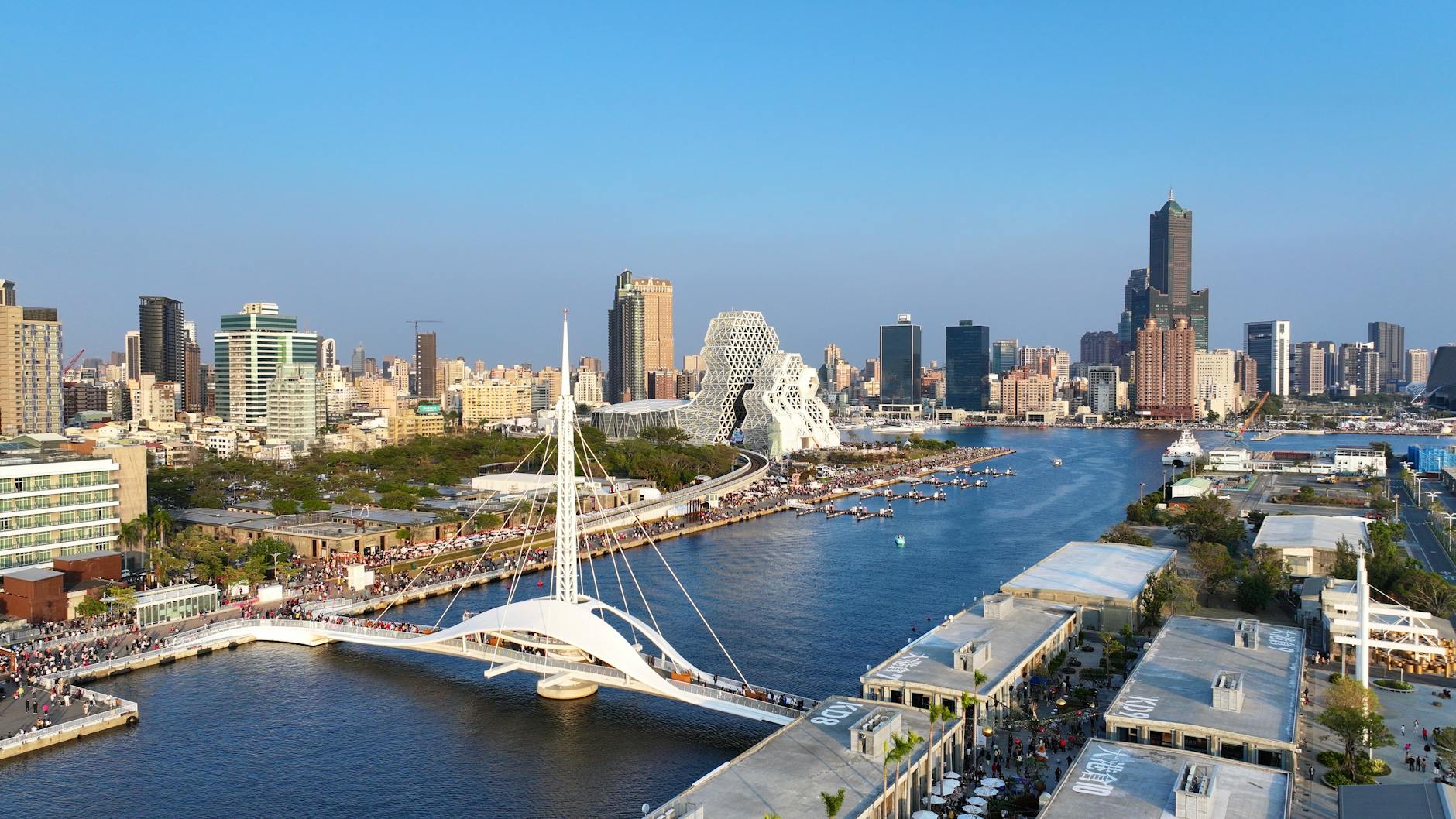
Kaohsiung can be a practical base for volunteer or NGO travel because it connects urban communities, port and industrial districts, universities, hospitals, religious organizations, coastal areas, and southern Taiwan transport links. The work may be hosted by a formal organization, a school, a community group, a faith-based partner, or a local project that does not operate on tourist rhythms. A good short Kaohsiung volunteer or NGO trip protects the relationship first. It clarifies who is hosting, where the work happens, how the traveler moves, what documentation is needed, and how to stay useful without turning limited time into avoidable burden.
Clarify the host and field geography
The traveler should know whether the work is based at an office, school, clinic, university, religious organization, community site, coastal project, port-adjacent partner, or several locations. Kaohsiung is spread out enough that the difference matters. A short placement can lose value if the traveler discovers the daily field site only after choosing lodging.
The first useful map connects the host, work site, housing, transit, meals, pharmacy, hospital awareness, and evening return route.
- Confirm host office, field site, partner location, housing, meeting points, and daily reporting location.
- Check whether transport is arranged by the host or handled independently.
- Choose lodging only after the daily service geography is understood.
Make arrival easy for the host
A volunteer or NGO traveler may arrive through HSR Zuoying, Kaohsiung International Airport, Taipei connections, a bus, or a host pickup. The plan should include station exit, terminal meeting point, phone data, address text in Chinese and English, luggage, payment, and a backup taxi route. The host should not have to solve basic arrival confusion during a workday.
A clear first transfer starts the relationship in a calmer way and reduces pressure on local staff.
- Plan HSR, airport, bus, pickup, taxi, phone data, payment, luggage, and check-in timing.
- Keep addresses and host contacts available in Chinese and English.
- Have a backup plan if pickup, SIM setup, or the first transfer fails.
Choose lodging for safety and daily usefulness
The lodging should support early starts, late returns, laundry, quiet sleep, air conditioning, simple meals, taxi pickup, and a safe route back after evening activities. A cheaper or more atmospheric location may not be useful if it adds stress before service days. If the traveler is staying with a host family, dorm, or partner housing, expectations should be clear before arrival.
The base should make the traveler easier to host, not harder.
- Check air conditioning, laundry, quiet sleep, breakfast, late entry, nearby food, and taxi pickup.
- Clarify host-family, dorm, residence, or shared-housing expectations before arrival.
- Choose a base that supports the workday and safe evening returns.
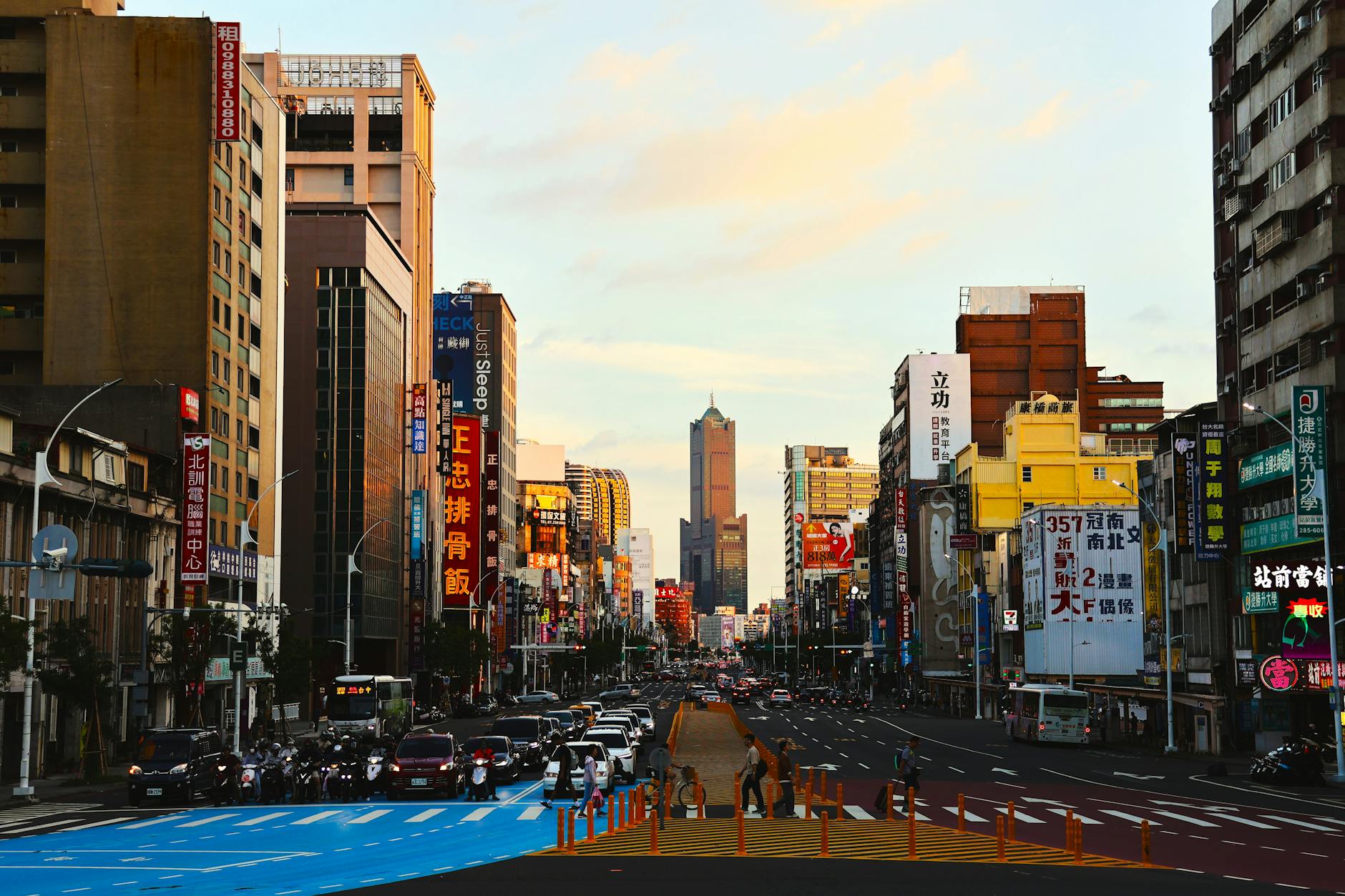
Respect community, religious, and partner spaces
Volunteer and NGO work can involve communities that are not tourist settings. The traveler should ask about dress, photography, privacy, introductions, language support, gifts, donations, religious norms, and when observation is more appropriate than action. Kaohsiung may involve temple networks, schools, health settings, coastal communities, or industrial neighborhoods where local context matters.
The traveler should arrive with humility and practical discipline. Good intentions do not replace local guidance.
- Ask about clothing, photography, privacy, introductions, language support, gifts, and donations.
- Follow local guidance in schools, clinics, religious sites, community projects, and partner offices.
- Avoid turning service locations into tourist content or personal proof points.
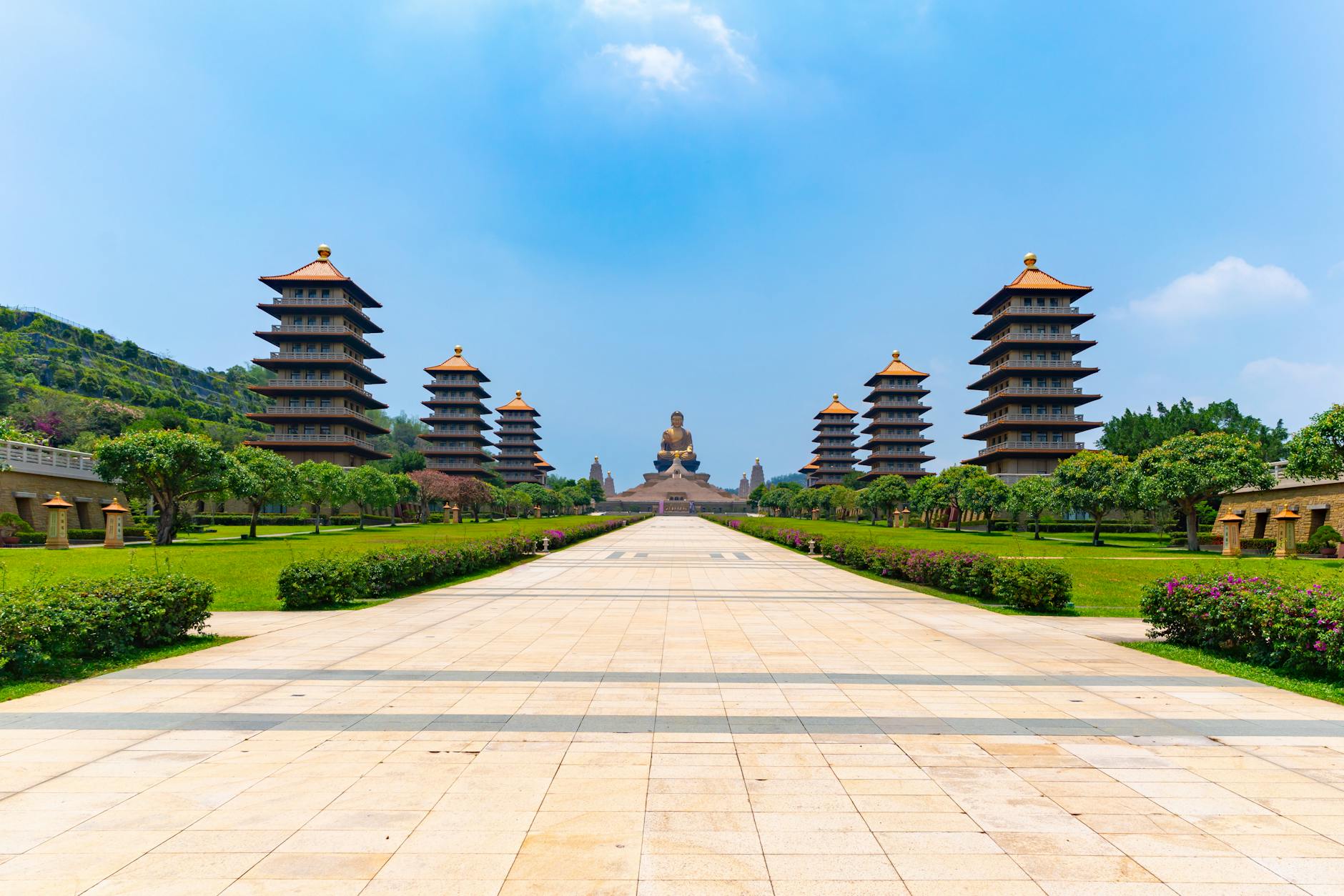
Plan heat, rest, and debrief time
Kaohsiung heat, humidity, rain, field movement, and emotional intensity can affect a short service trip quickly. The traveler should plan water, sun protection, spare clothing, laundry, rest windows, and time to debrief with the host or team. A day that moves from field site to dinner to planning session without pauses may reduce the traveler's usefulness.
Rest is not separate from the work. It helps the traveler stay attentive, respectful, and reliable.
- Plan water, sun protection, rain cover, spare clothing, laundry, and rest windows.
- Leave time for host debriefs, team check-ins, and practical adjustments.
- Use taxis or shorter routes when heat or fieldwork would otherwise drain the day.
Handle documents, money, and communication plainly
The traveler should organize visas or entry rules, host letters, insurance, emergency contacts, medical needs, donation handling, reimbursement rules, receipts, data access, translation tools, and backup communication. If the trip includes field visits, the host should know where the traveler is and how to reach them.
Clear administration protects both the traveler and the organization. It also avoids awkward conversations about money, receipts, or authority after arrival.
- Organize entry rules, host letters, insurance, emergency contacts, medical needs, and receipts.
- Clarify donation handling, reimbursements, cash, cards, and who approves expenses.
- Set up data, translation tools, check-in expectations, and backup contact methods.
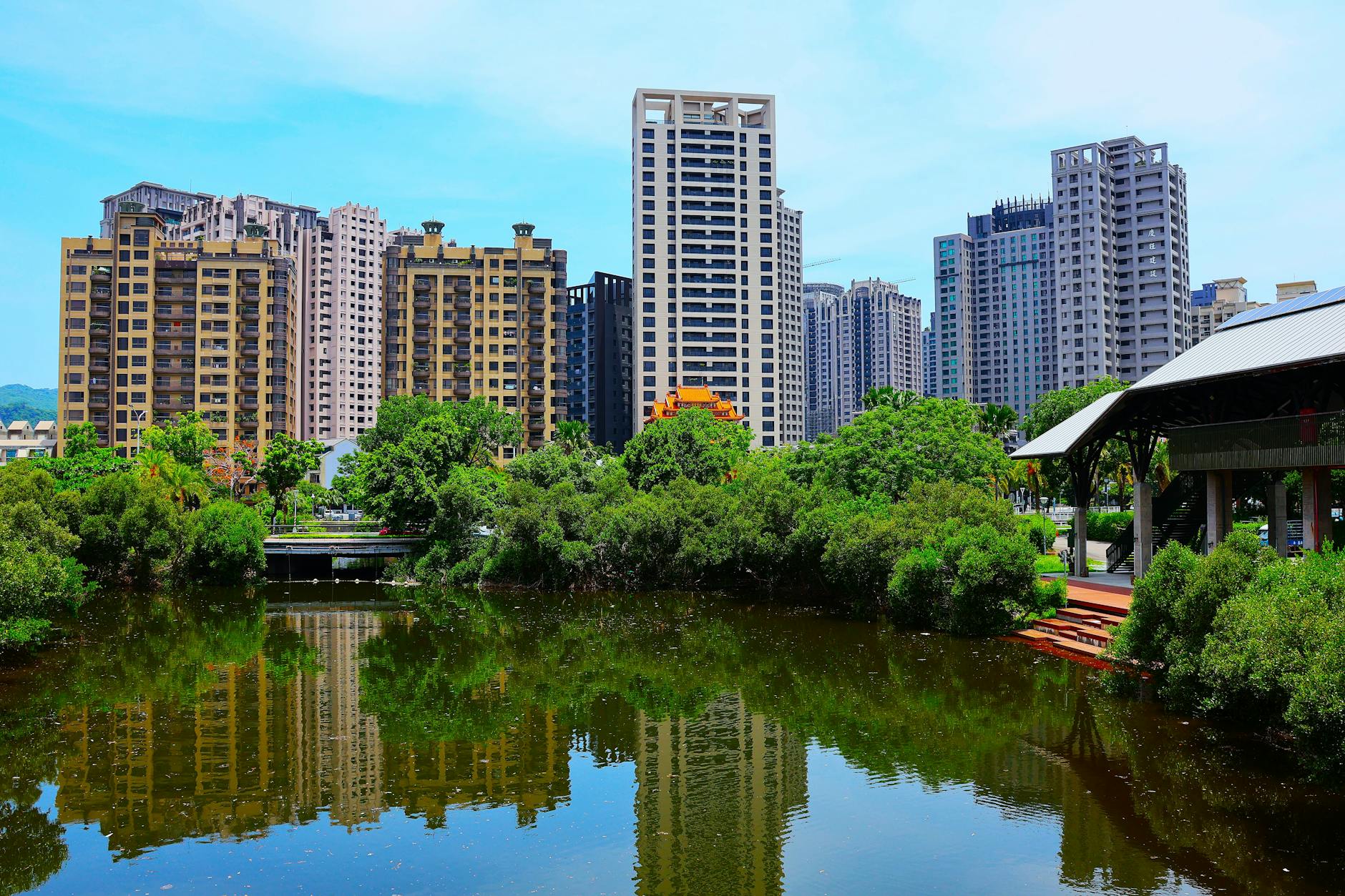
When to order a short-term travel report
A traveler joining a fully managed program may not need a custom Kaohsiung report. A report becomes useful when the host is small, field sites are spread out, arrival is independent, lodging is uncertain, heat or medical constraints matter, community expectations need preparation, or the traveler needs a realistic plan for service time and limited city time.
The report should test host geography, arrival route, lodging, daily transfers, field-site access, documentation, safety, heat, meals, communication, budget, and what to cut. The value is a Kaohsiung service trip that is easier for both the traveler and the host.
- Order when host geography, lodging, arrival, field sites, documents, heat, or safety need testing.
- Provide dates, host contacts, work locations, arrival mode, housing options, constraints, and budget.
- Use the report to make the short service trip respectful, practical, and less improvised.