Kaohsiung can be workable for travelers with mobility limitations, but the trip should be designed around real movement rather than map distance. HSR Zuoying, Kaohsiung International Airport, MRT stations, light rail stops, ferry routes, waterfront areas, temples, hotels, taxis, and heat all affect how much effort the visit requires. A good short Kaohsiung plan protects step-free movement, shaded pauses, vehicle access, and reliable returns. The traveler can still enjoy the harbor, food, temples, and city views, but the route should be built for the body that is actually traveling.
Start with the hotel access test
A mobility-limited Kaohsiung trip should begin with the hotel, not the sightseeing list. The traveler should confirm step-free entry, elevators, room size, bathroom setup, shower threshold, bed height, nearby food, taxi pickup, lobby seating, and whether the hotel is easy to identify in Chinese and English. A well-located hotel can still be wrong if arrival or room access is difficult.
The best base makes it easy to leave, return, cool down, and reset without renegotiating access each time.
- Confirm step-free entry, elevators, room layout, bathroom setup, shower threshold, and bed height.
- Check taxi pickup, lobby seating, nearby food, air conditioning, laundry, and luggage help.
- Choose lodging that makes returns and rest breaks easy.
Treat station exits as part of the route
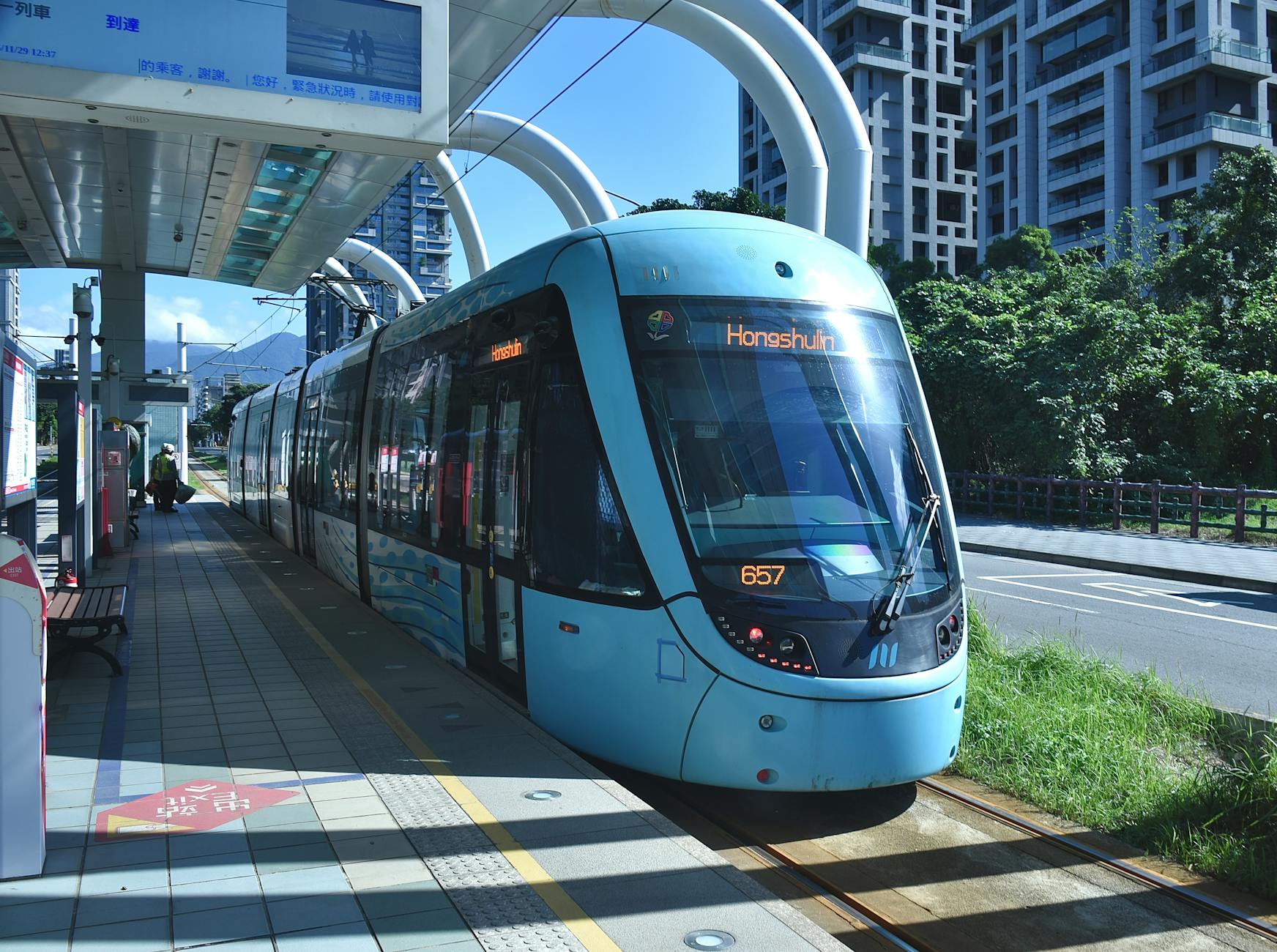
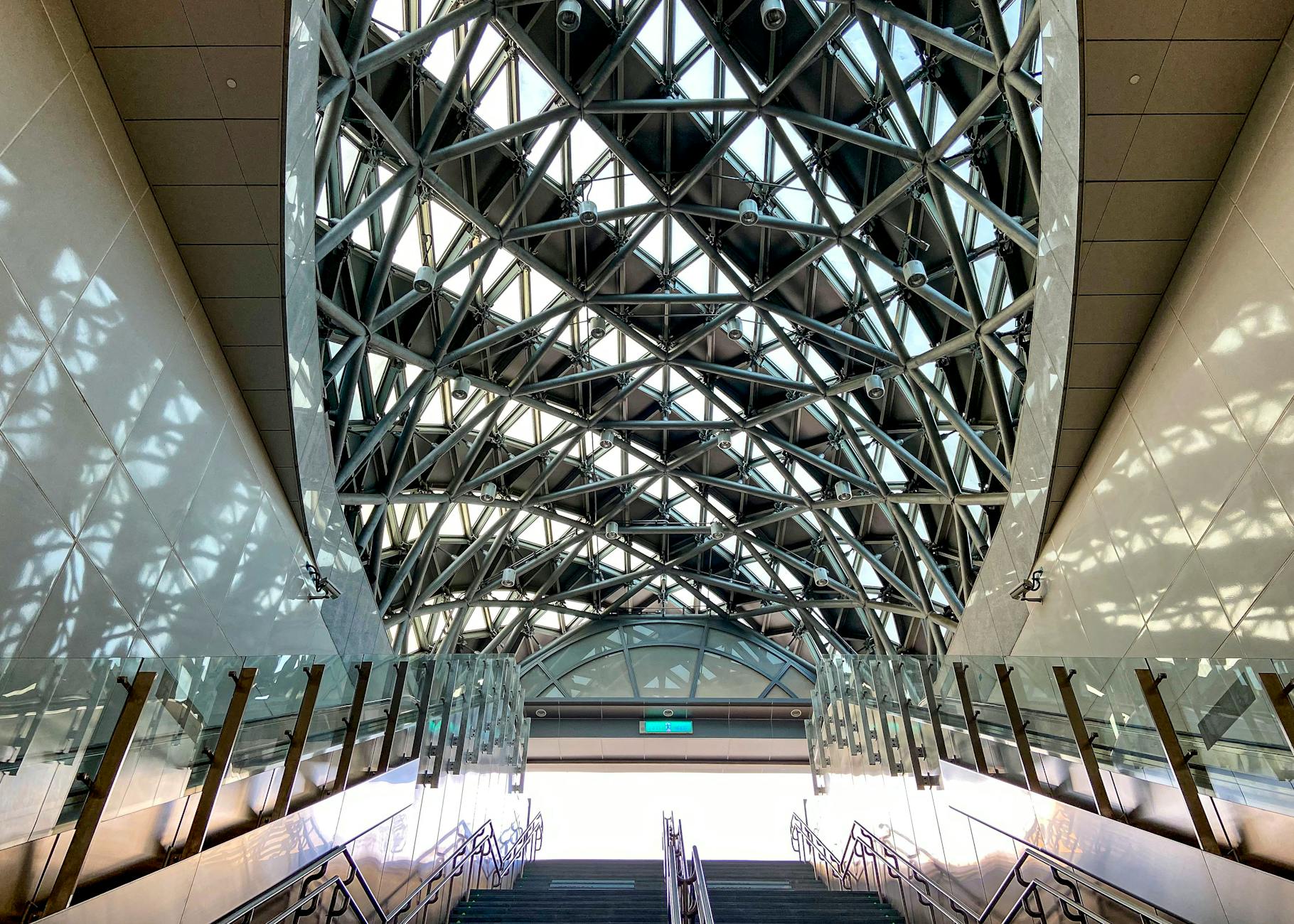
HSR Zuoying, airport arrivals, MRT stations, and light rail stops may look simple on a transit map, but the usable route depends on exits, elevators, escalators, curb cuts, luggage, crowding, rain, and the final approach to the hotel or venue. The traveler should identify the exact exits and backup taxi points before arrival.
A route is not accessible because the line exists. It is accessible only if the full transfer works from platform to door.
- Check HSR, airport, MRT, and light rail exits, elevators, escalators, and walking distance.
- Plan backup taxis for heat, rain, crowds, luggage, or elevator problems.
- Confirm the final approach from station or stop to hotel, pier, venue, or restaurant.
Use the waterfront selectively
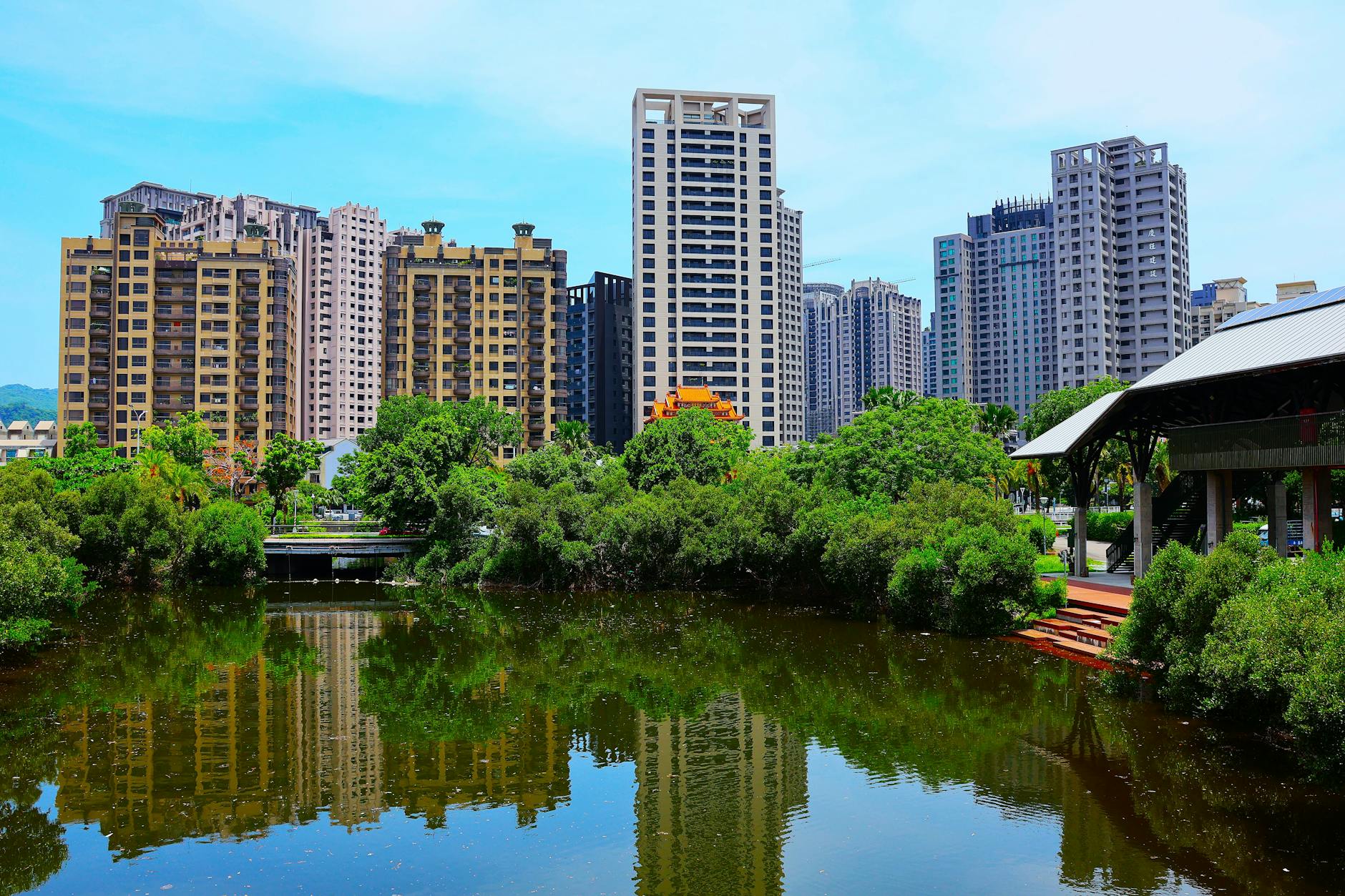
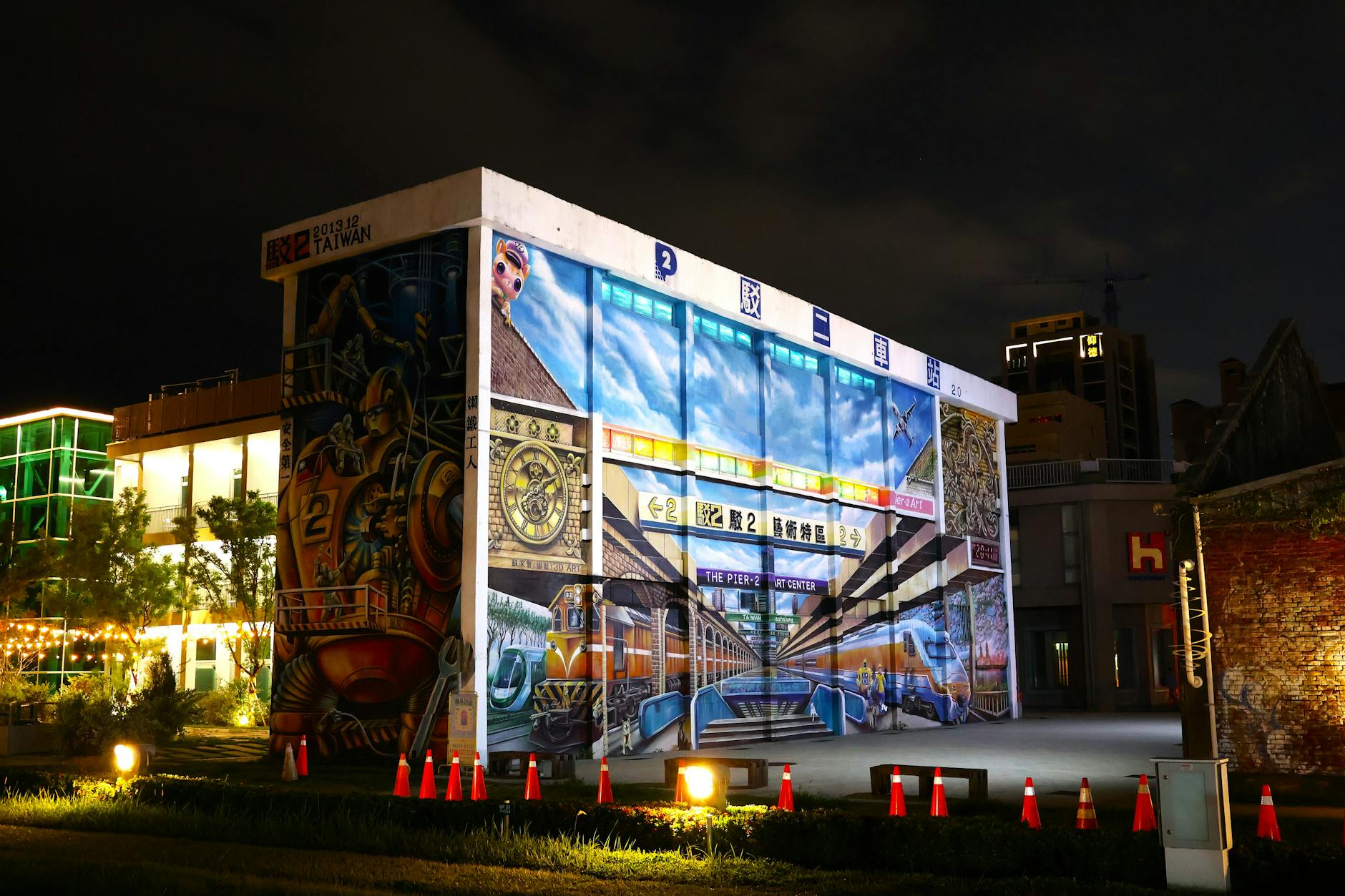
Kaohsiung's harbor, Love River, Pier-2, and light rail corridors can be good for travelers with mobility limitations when the route is chosen carefully. The traveler should check surface quality, shade, seating, bathroom access, distance between stops, taxi pickup, and whether the area is crowded at the planned hour.
A shorter waterfront segment with a clear return point is usually better than a long exposed route that becomes difficult halfway through.
- Check surface quality, shade, seating, bathrooms, crowds, and vehicle access along waterfront routes.
- Choose shorter segments near reliable transport rather than long one-way walks.
- Plan the return point before starting the route.
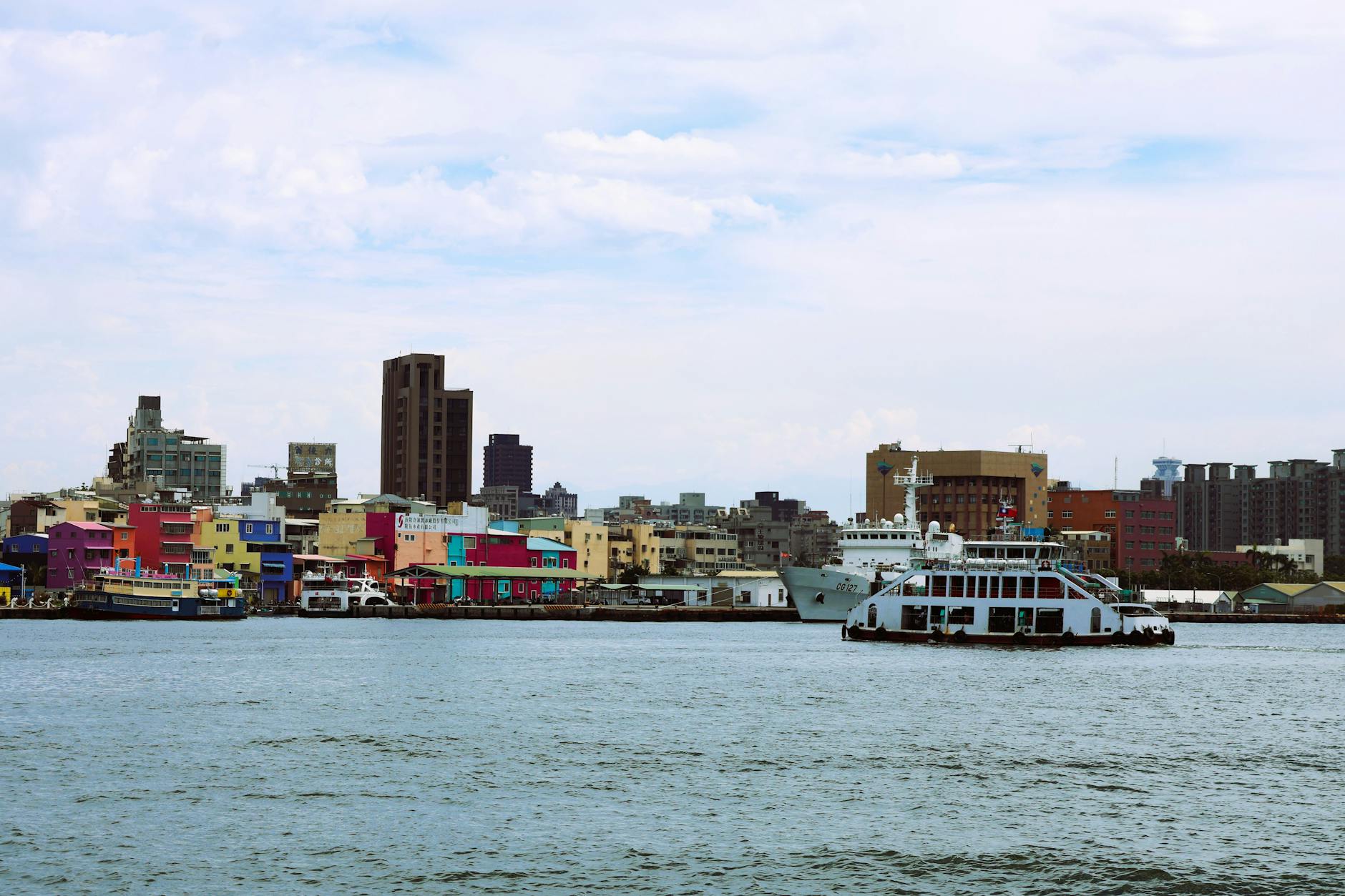
Assess ferries and Cijin before committing
Cijin can be enjoyable, but ferry movement, boarding gaps, crowds, ramps, weather, beach surfaces, scooters, seafood areas, and return timing should be assessed in advance. Some travelers may find a short ferry-and-meal route manageable. Others may prefer a harbor view without the crossing.
The right choice depends on the traveler's equipment, walking tolerance, balance, heat tolerance, and how easily the plan can reverse if conditions are poor.
- Check ferry boarding, ramps, crowds, weather, beach surfaces, food locations, and return timing.
- Decide whether Cijin adds enough value for the effort required.
- Keep a waterfront alternative if the ferry route is too crowded or exposed.
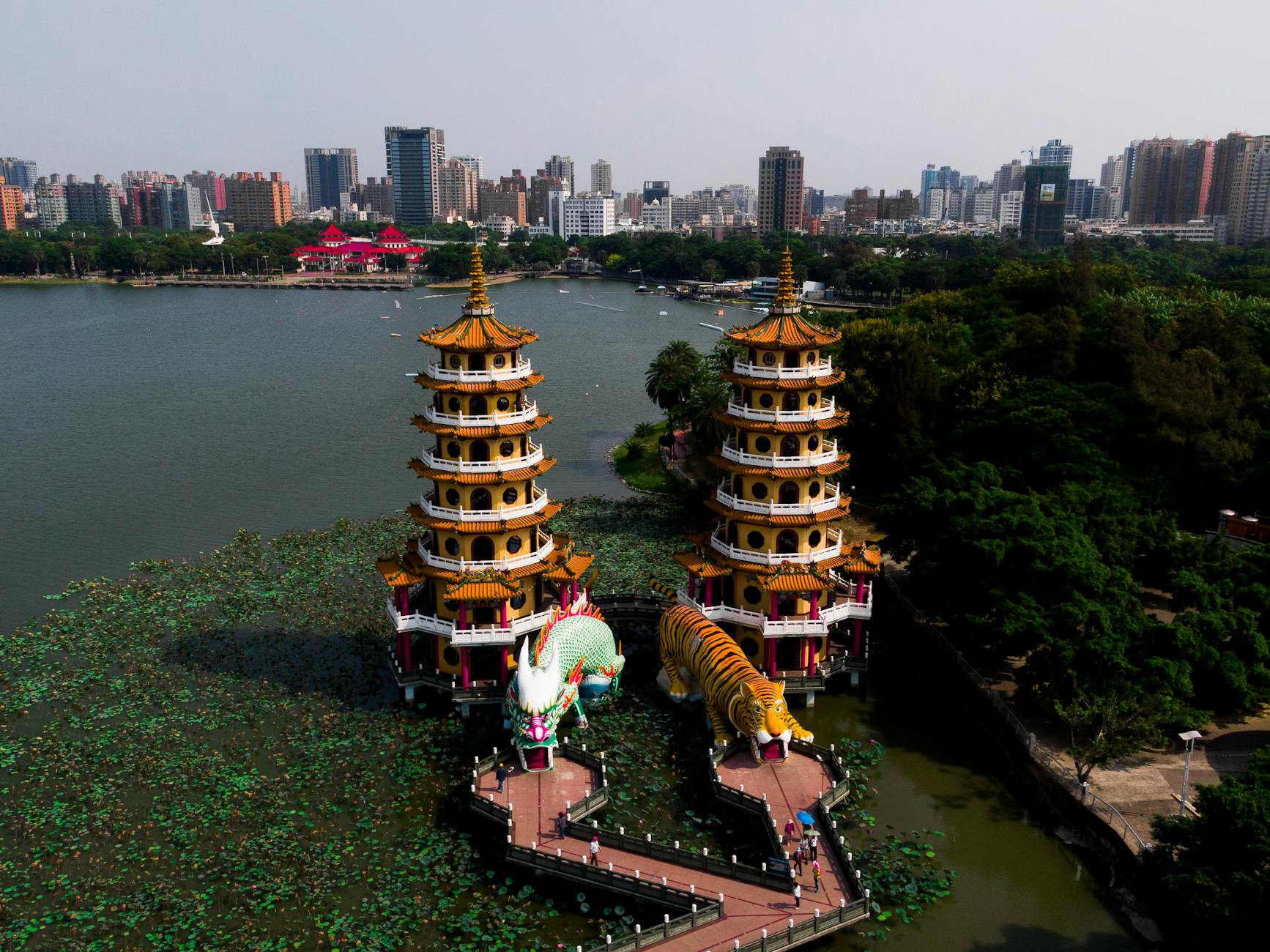
Compare temples by access, not only importance
Lotus Pond, Fo Guang Shan, and other religious or cultural sites may be meaningful, but they can involve wide grounds, steps, sun, crowds, vehicle drop-off questions, and uneven surfaces. A mobility-limited traveler should compare them by actual access, seating, bathrooms, shade, transfer time, and how much of the site can be experienced comfortably.
A smaller, better-supported visit is stronger than an ambitious route that leaves the traveler exhausted before the main view.
- Compare Lotus Pond, Fo Guang Shan, and temple areas by steps, surface, shade, bathrooms, and vehicle access.
- Check how much of each site is realistic with the traveler's mobility aids and stamina.
- Prioritize one meaningful cultural stop over several difficult ones.
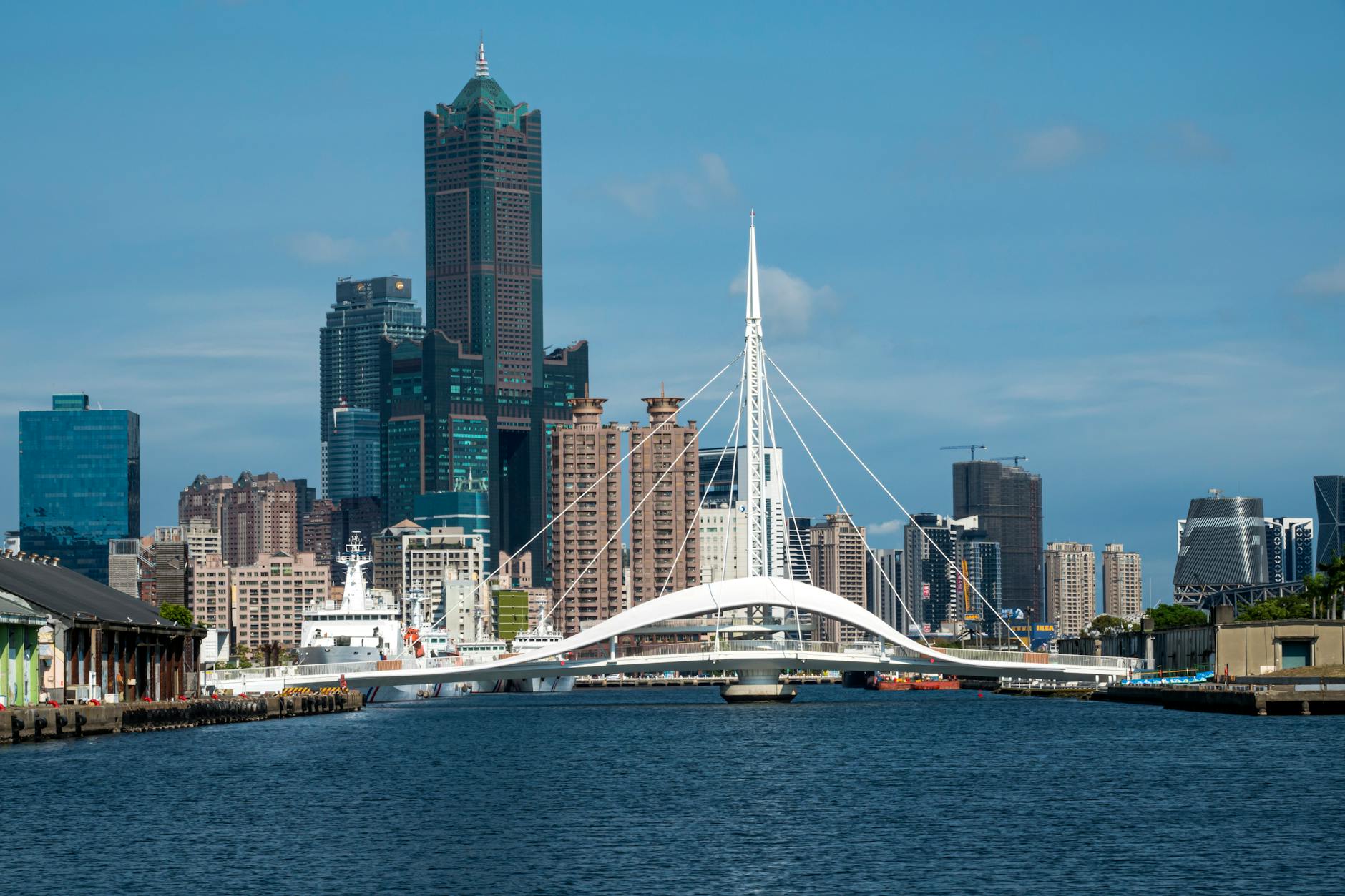
Budget for taxis and cooling time
Mobility limitations and Kaohsiung heat make taxis, hotel returns, indoor breaks, and extra time practical necessities rather than luxuries. The traveler should budget for paid rides during midday heat, after dinner, between distant stops, and when a public-transport route has too much walking.
The trip should conserve energy for the parts that matter. Saving a small fare can be poor value if it removes the traveler's ability to enjoy the next stop.
- Budget for taxis, hotel returns, indoor breaks, water, and extra time.
- Use paid rides when they protect stamina, safety, or the next activity.
- Avoid routes that depend on pushing through heat or long station walks.
When to order a short-term travel report
A traveler with a familiar hotel and hosted transport may not need a custom Kaohsiung report. A report becomes useful when hotel access, HSR or airport transfers, station exits, Cijin ferry choices, temple access, heat, taxis, medical needs, or rest windows need closer review before a short visit.
The report should test lodging access, transfer effort, elevator and exit choices, waterfront route, ferry viability, temple access, food areas, cooling points, taxi use, budget, and what to cut. The value is a Kaohsiung trip that protects mobility without removing the city's character.
- Order when hotel access, station exits, ferries, temples, heat, taxis, or rest windows need testing.
- Provide dates, arrival mode, mobility aids, hotel options, must-see interests, constraints, and budget.
- Use the report to keep the trip realistic, comfortable, and still specific to Kaohsiung.