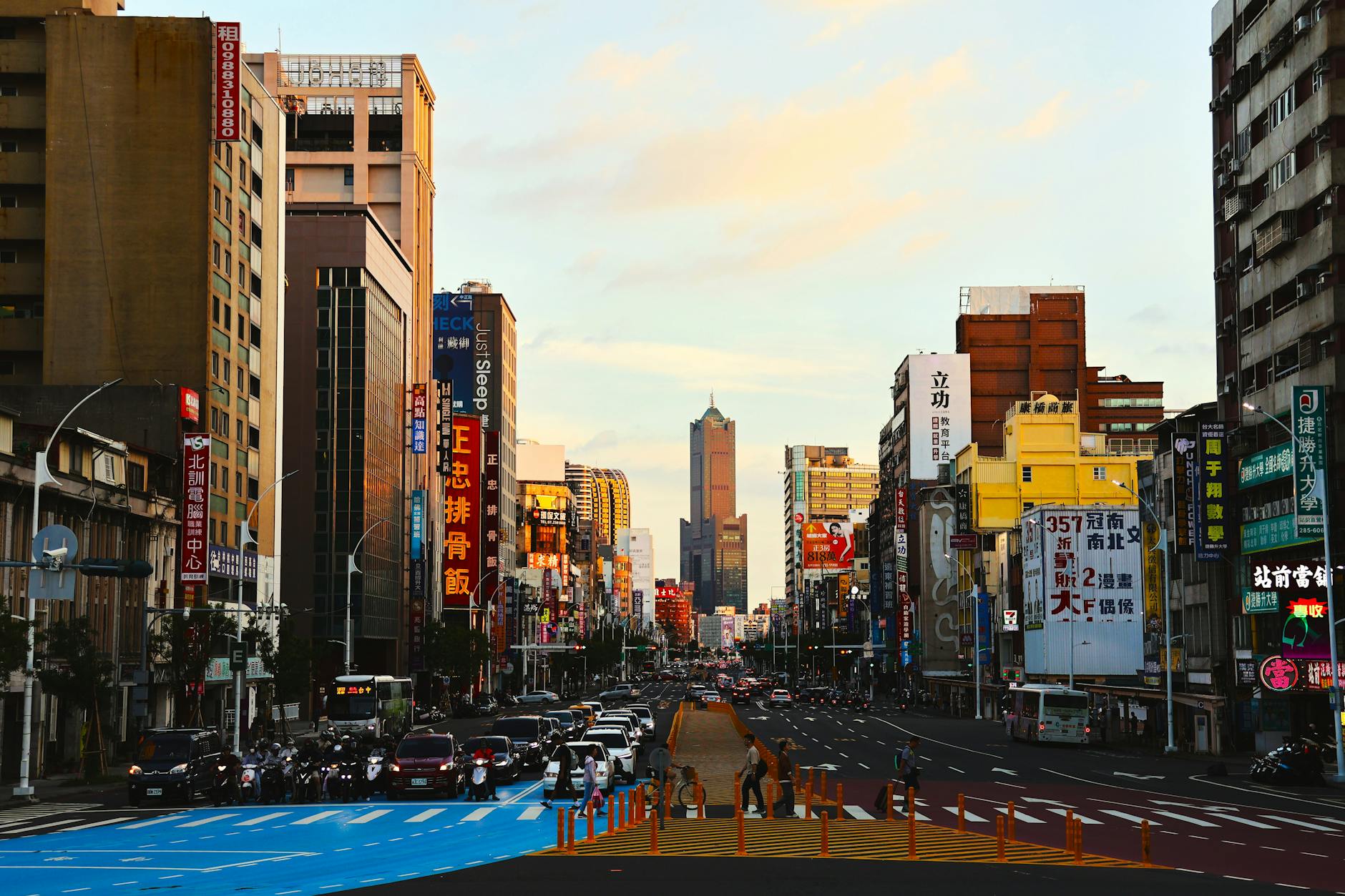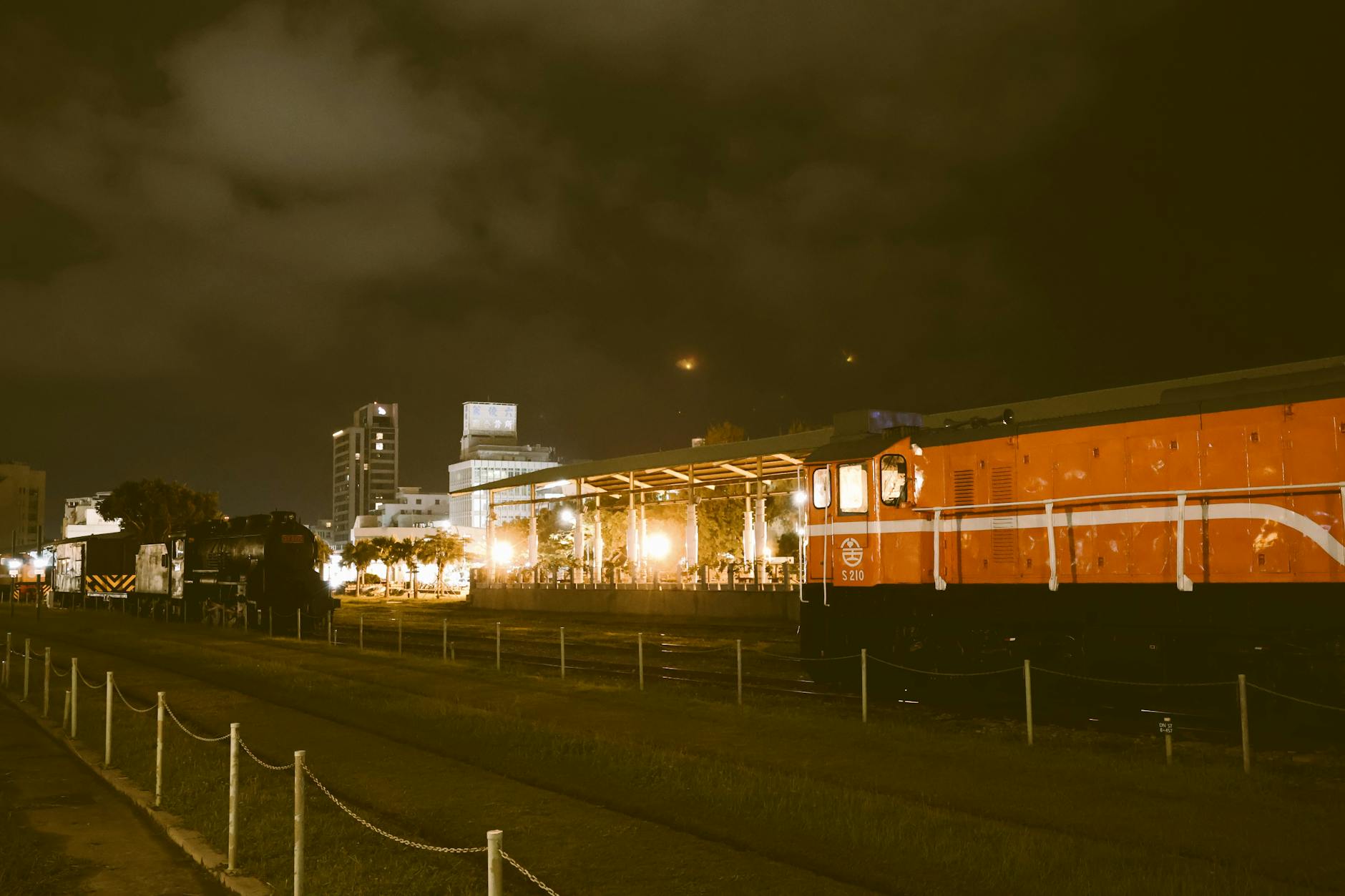
A Kaohsiung stopover can be more rewarding than simply waiting in a station or airport. The city has usable MRT links, harbor districts, food, waterfront walks, and compact cultural stops. The important question is not whether there is enough to do. The important question is how much can be done without threatening the onward train, flight, cruise departure, or regional transfer.
Start with the onward connection
Every Kaohsiung stopover should be planned around the next departure. HSR tickets, regional trains, airport check-in, ferry timing, cruise boarding, and hotel check-in all create different levels of consequence if the traveler is late. The first decision is the protected return time, not the sightseeing wish list.
A stopover that leaves too little buffer is not efficient. It is fragile.
- Confirm onward departure time, station or airport, ticket rules, check-in cutoffs, and baggage needs.
- Protect a return buffer before choosing food, sightseeing, or errands.
- Treat a delayed arrival as a reason to shorten the plan immediately.
Separate HSR Zuoying, the airport, and the harbor
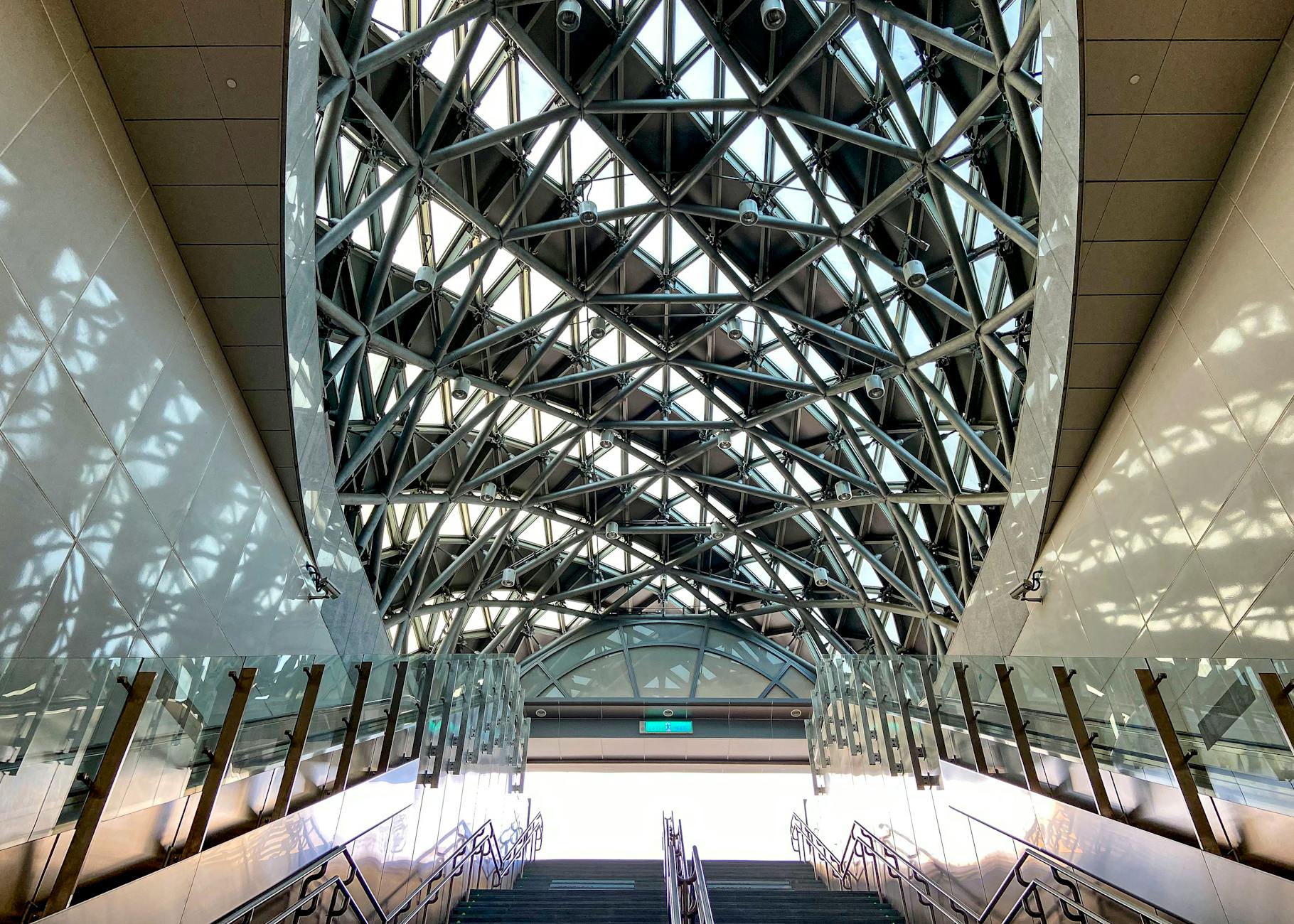
Kaohsiung has several useful transit anchors, but they are not interchangeable. HSR Zuoying sits north of central harbor districts. Kaohsiung International Airport is south of the center on the MRT red line. The port and Pier-2 sit in a different movement pattern near the waterfront. A traveler should map the actual entry and exit points before deciding what feels nearby.
The city can be easy when the anchors are clear and frustrating when they are blurred together.
- Map HSR Zuoying, Kaohsiung International Airport, the port, Pier-2, and the hotel as separate anchors.
- Use the MRT red line and orange line only after checking transfers and walking distance.
- Avoid routes that require crossing the city twice during a short layover.
Choose one stopover route, not three
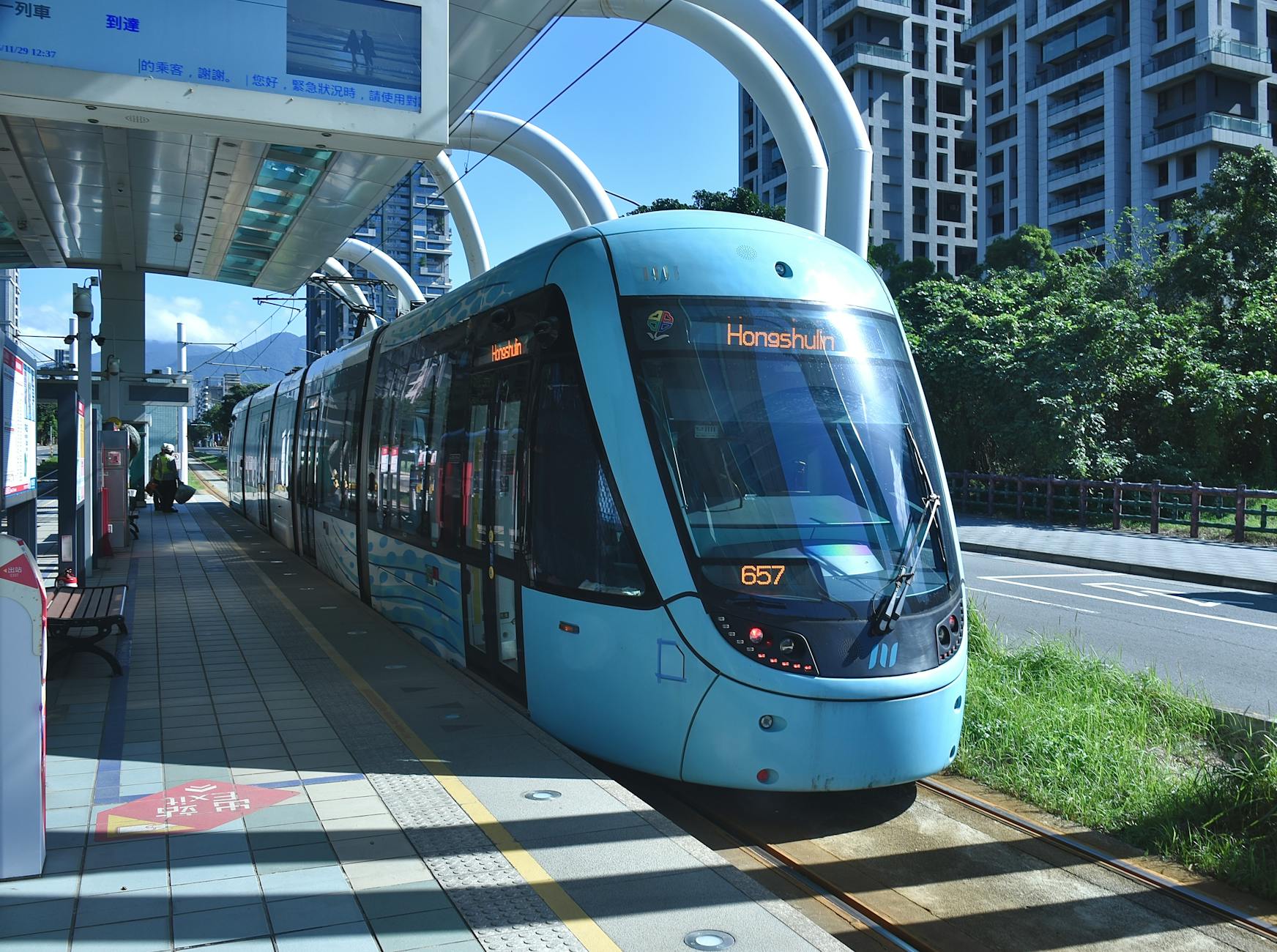
A practical stopover might be a meal near the station, a quick Formosa Boulevard and Central Park movement, a Pier-2 waterfront loop, or a short Cijin ferry visit with a generous buffer. The problem starts when the traveler tries to combine all of them. Each extra transfer consumes attention and recovery time.
The best Kaohsiung stopover has one main purpose and one clean exit.
- Pick one route: station meal, central MRT stop, Pier-2 waterfront loop, or Cijin only with enough time.
- Prefer direct MRT or taxi movement over complicated transfers.
- Leave the route before it becomes a race back to the connection.
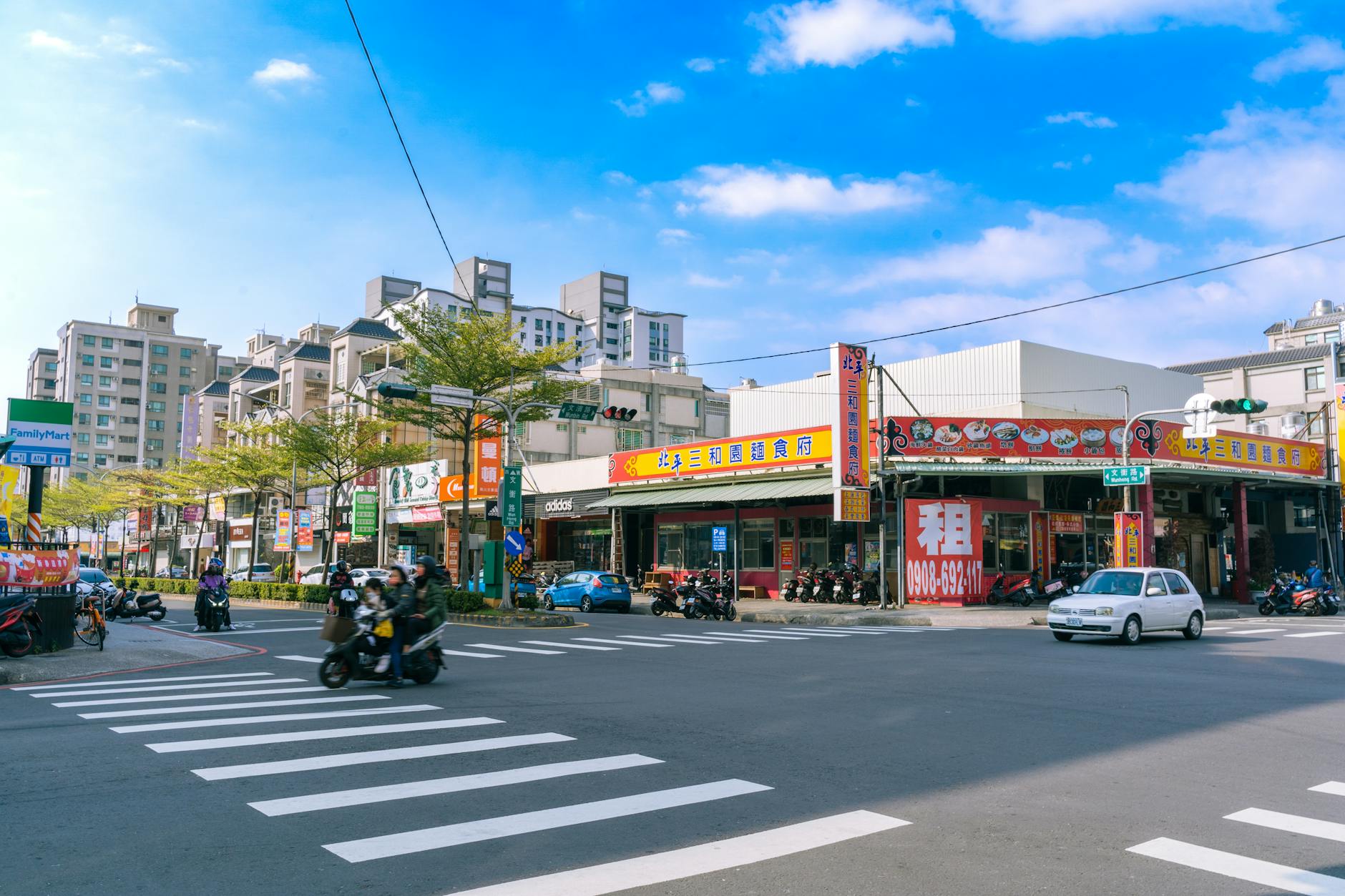
Solve luggage before leaving the hub
Luggage changes the whole stopover. A small backpack is one thing; wheeled bags in heat, station stairs, ferry queues, and crowded food streets are another. The traveler should identify lockers, hotel storage, station storage, or a luggage-friendly taxi plan before leaving the arrival point.
If luggage storage is uncertain, the plan should shrink.
- Check station lockers, hotel storage, luggage size rules, payment method, and retrieval time.
- Do not take large bags into Pier-2, ferry routes, markets, or long outdoor walks unless necessary.
- Keep passports, tickets, medicine, chargers, and payment with the traveler, not in stored luggage.
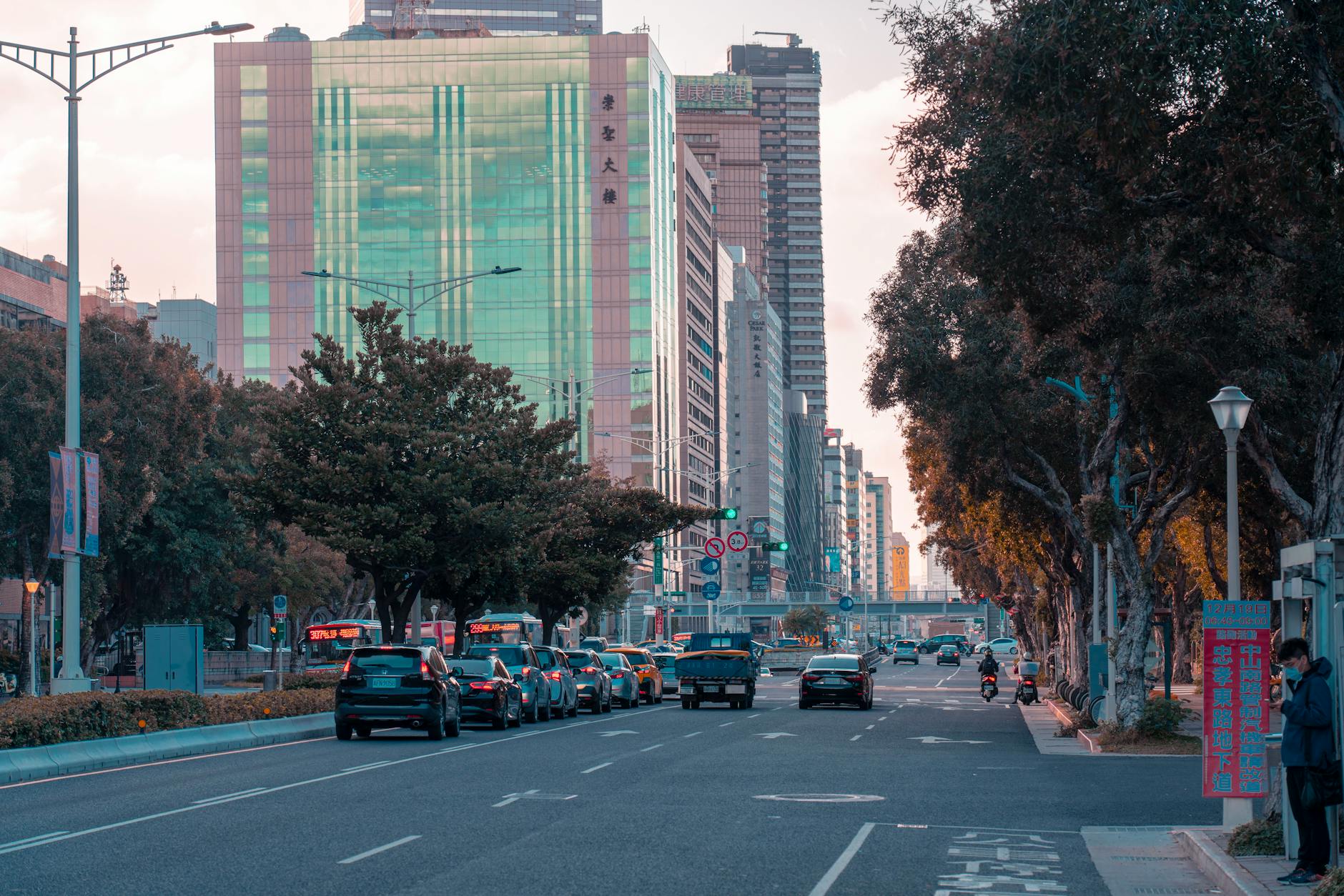
Use food and waterfront time conservatively
Kaohsiung is a good city for making a short stop feel worthwhile through food and waterfront atmosphere. A stopover traveler can often do better with a focused meal, tea, shaved ice, harbor view, or short art-district walk than with a rushed monument checklist. The timing still matters: ordering, eating, paying, and walking back all take longer when the route is unfamiliar.
A good stopover meal should feel like a pause, not a clock problem.
- Choose food near the return route, not only by online reputation.
- Use Pier-2, harbor views, tea, shaved ice, or a simple meal to make a short stop distinctive.
- Set a departure alarm before sitting down.
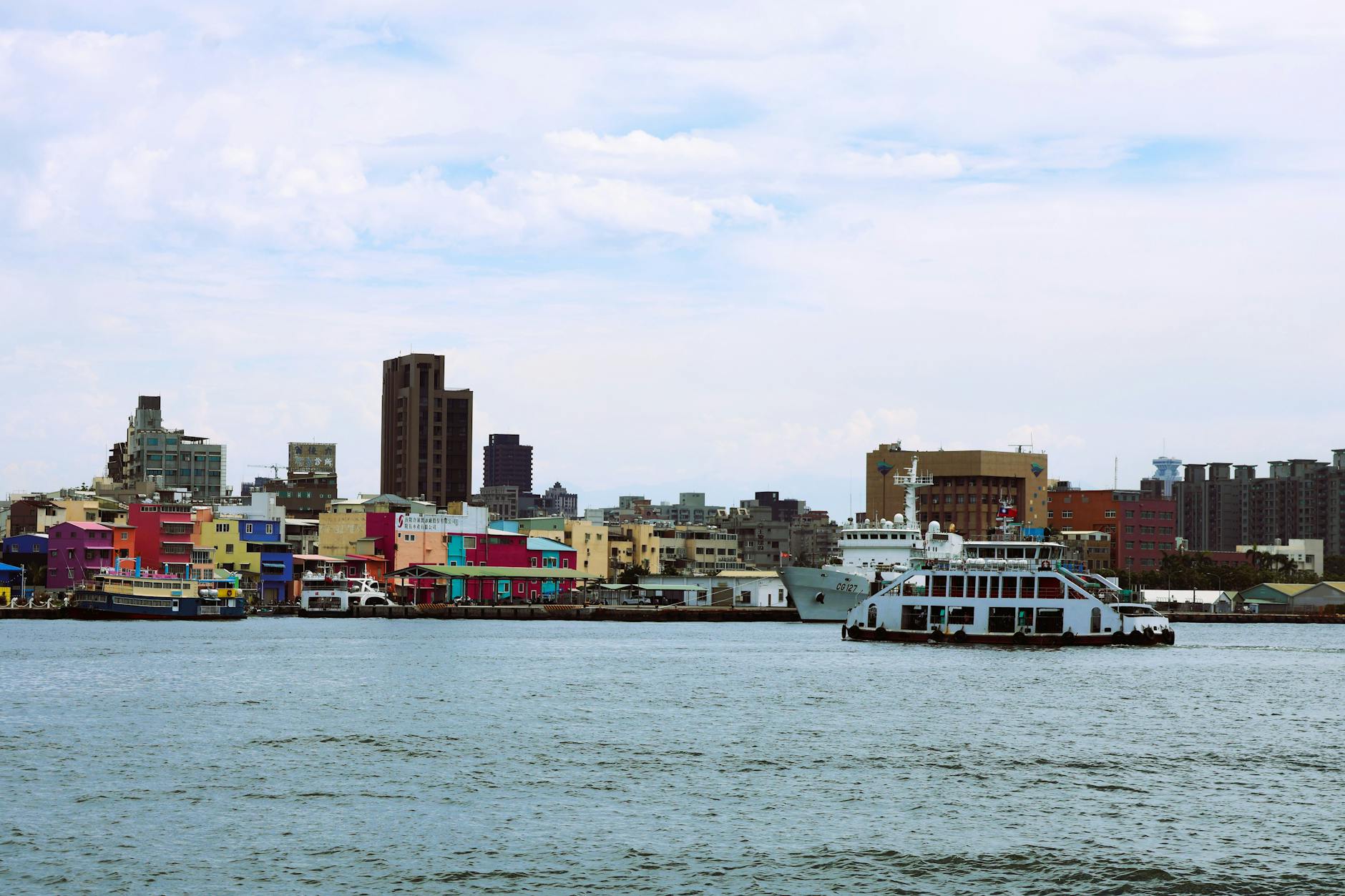
Avoid distant sights on tight layovers
Lotus Pond, Fo Guang Shan, Cijin, and more distant coastal or mountain ideas can be tempting, but they need time. A traveler with a tight flight, HSR ticket, or cruise connection should not rely on best-case travel times. Heat, traffic, ferry queues, and payment delays can remove the margin quickly.
Short stopovers are strongest when they accept their limits early.
- Skip distant sights when the onward connection is tight or the arrival is delayed.
- Use taxis selectively when they reduce uncertainty rather than adding traffic risk.
- Keep an indoor or shaded backup for heavy rain, heat, or low energy.
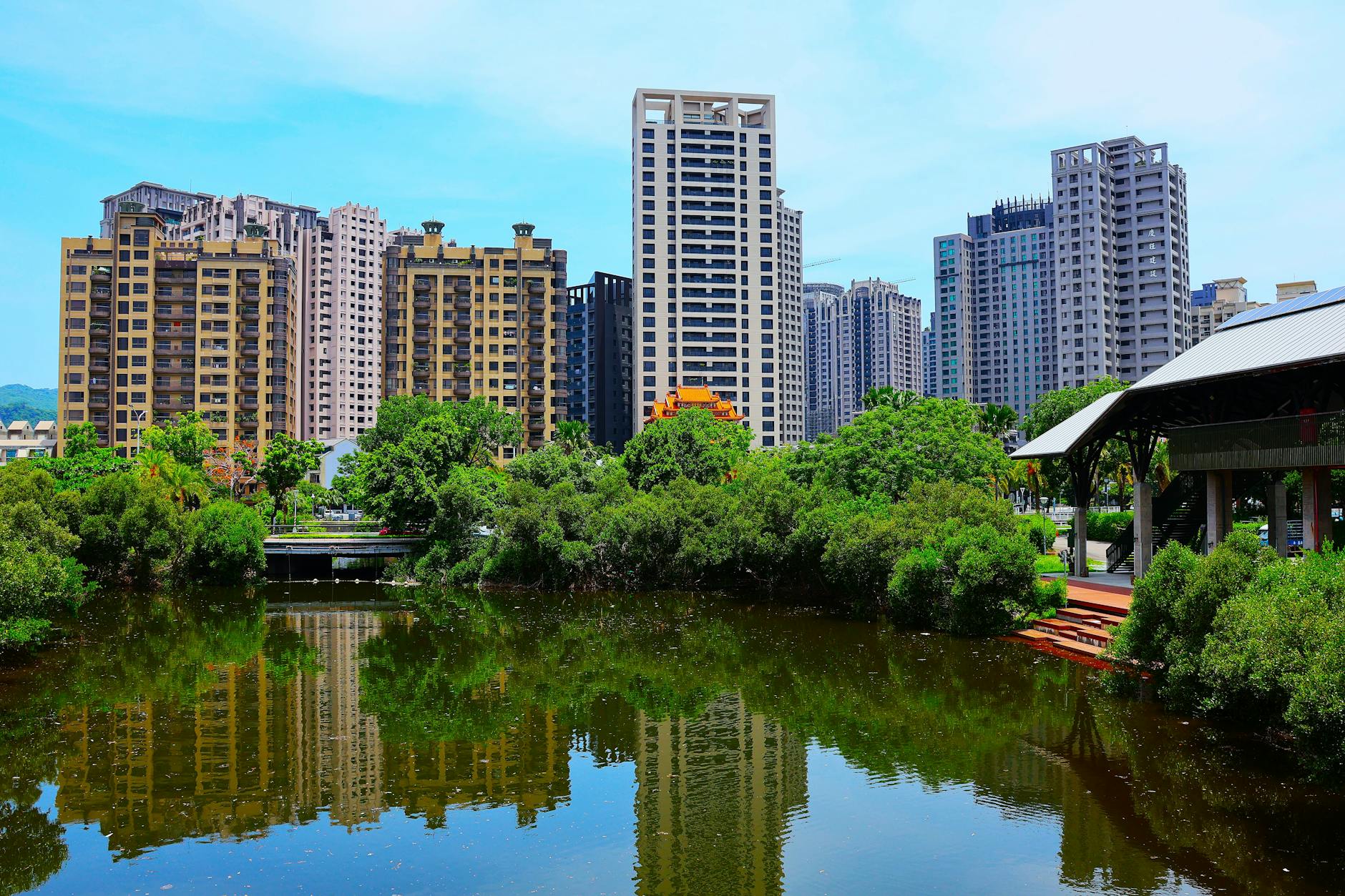
When to order a short-term travel report
A transit traveler with several spare hours and a simple station meal may not need a custom Kaohsiung report. A report becomes useful when the traveler has a meaningful layover, luggage questions, a split between HSR and airport movement, a possible Cijin or Pier-2 route, or a hard onward deadline that should be protected.
The report should test the arrival hub, luggage plan, MRT or taxi route, food stop, waterfront option, heat and weather backup, and the exact cutoff for turning back. The value is a stopover that feels intentional without becoming risky.
- Order when HSR, airport, port, luggage, Cijin, Pier-2, food, or onward timing needs a tighter plan.
- Provide arrival and departure times, baggage details, tickets, mobility needs, and interests.
- Use the report to decide what fits and what should wait for a longer Kaohsiung stay.