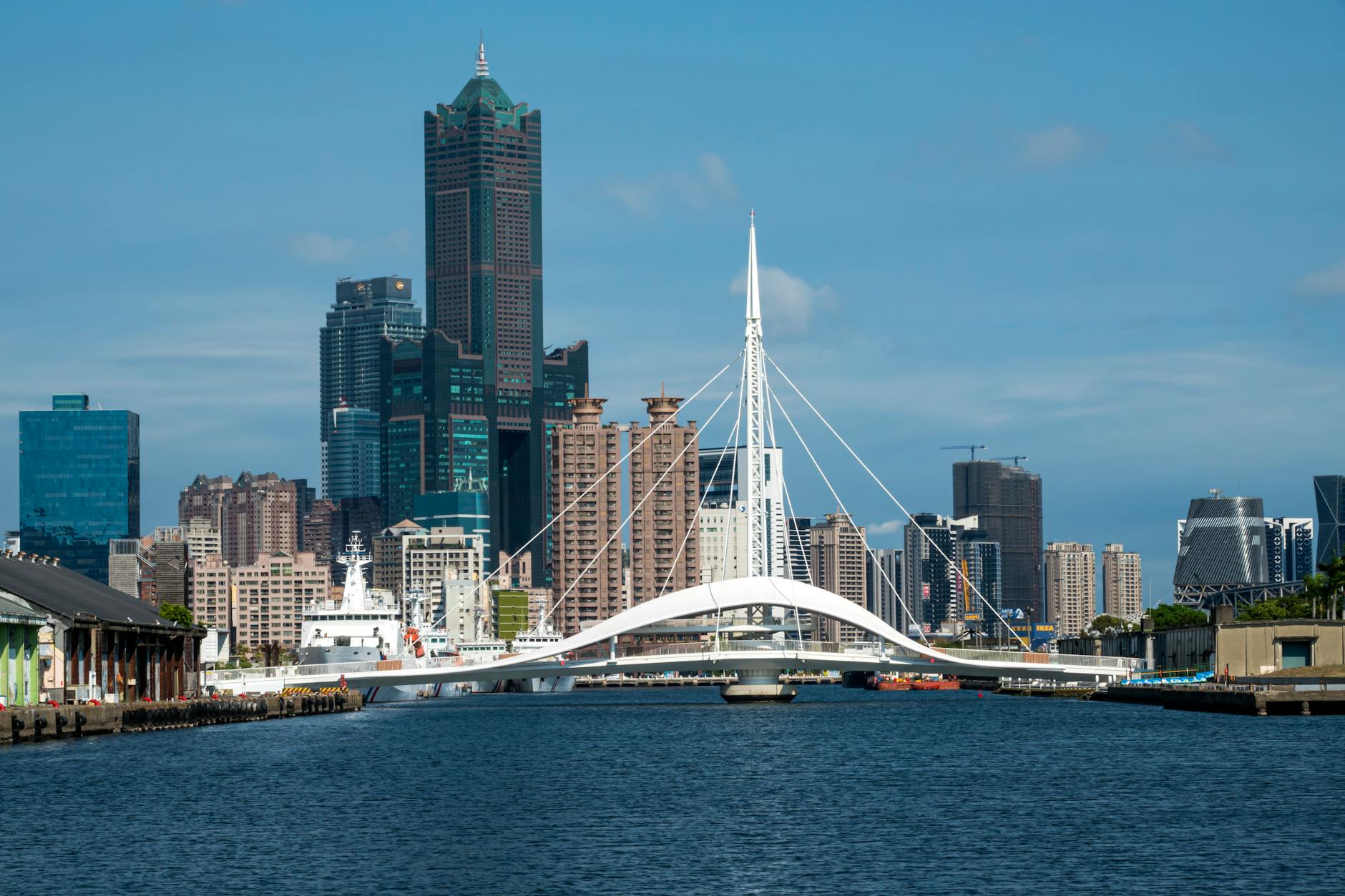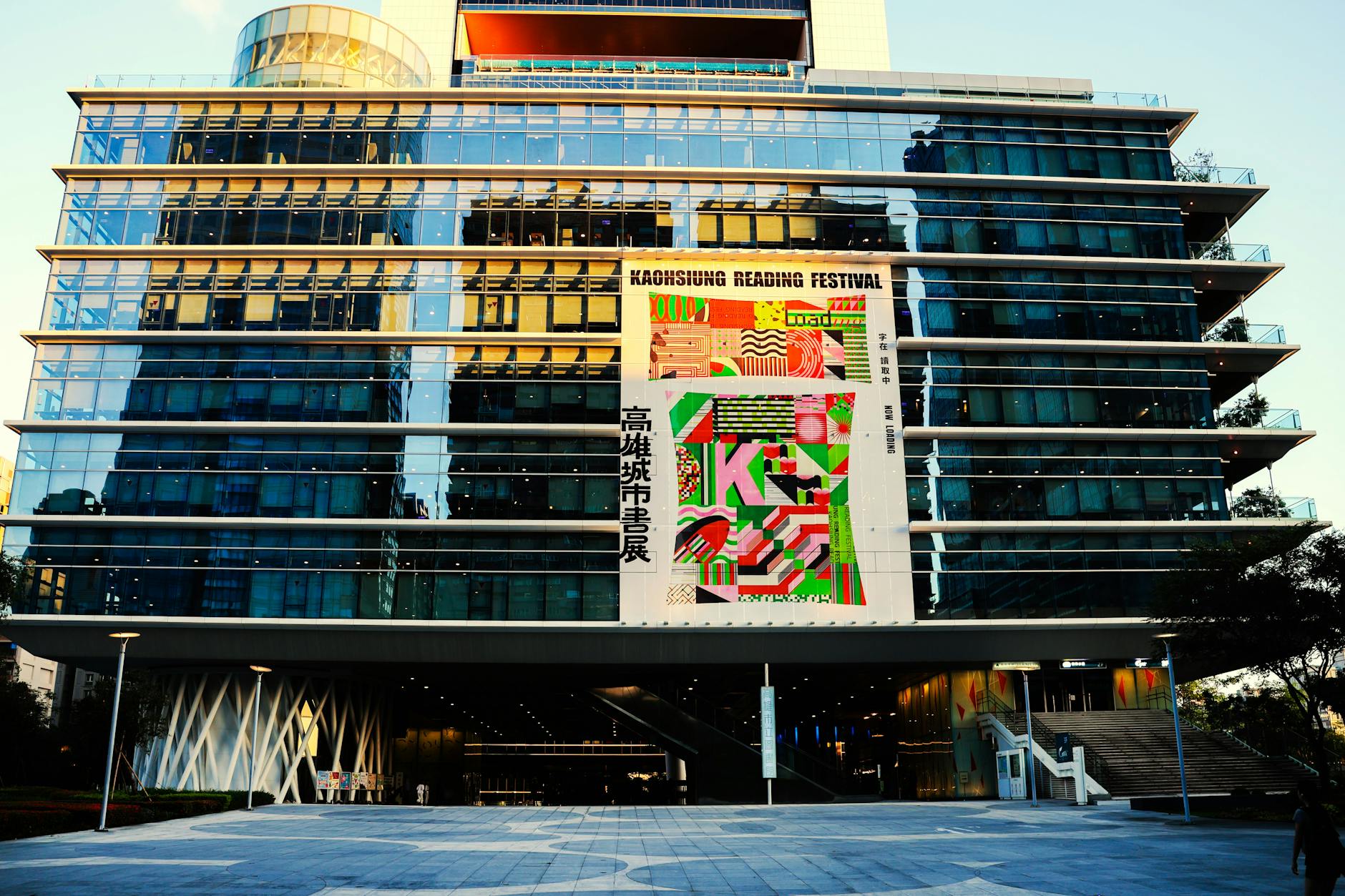
Kaohsiung trade-show travel is not the same as ordinary sightseeing or a single office visit. The attendee may need to manage an exhibition venue, booth setup, samples, display materials, badge pickup, sponsor meetings, buyer dinners, hotel logistics, and early departures across a warm, spread-out port city. A good short Kaohsiung trade-show plan treats the event as the fixed anchor. It protects setup, presentation condition, freight or sample movement, networking, and recovery before deciding how much of the city can fit around the show.
Confirm the event footprint before booking
The attendee should confirm the exact venue, hall, registration area, exhibitor entrance, loading or delivery rules, meeting rooms, reception location, and whether related events happen in hotels or partner offices. Kaohsiung can support large business activity, but venues, hotels, harbor districts, industrial contacts, and dinner locations may not sit close together.
A trade-show itinerary starts with the event footprint. Only then can the hotel and transfers be judged honestly.
- Confirm venue address, hall, exhibitor entrance, registration, loading rules, and meeting rooms.
- Check whether receptions, buyer meetings, sponsor events, or partner visits happen off-site.
- Choose lodging after the event geography is clear.
Separate passenger arrival from material movement
A trade-show attendee may arrive through HSR Zuoying or Kaohsiung International Airport while samples, literature, equipment, or booth materials move by courier, checked baggage, local partner, or freight forwarder. Those are different plans. The attendee should confirm customs, delivery address, receiving hours, hotel storage, venue acceptance, and what must stay in hand luggage.
The event can fail if the person arrives on time and the materials do not.
- Plan personal travel and samples, displays, literature, tools, or freight as separate workstreams.
- Confirm delivery address, receiving hours, venue rules, hotel storage, and customs or courier details.
- Carry essentials that cannot be late in hand luggage when practical.
Choose the hotel by show rhythm
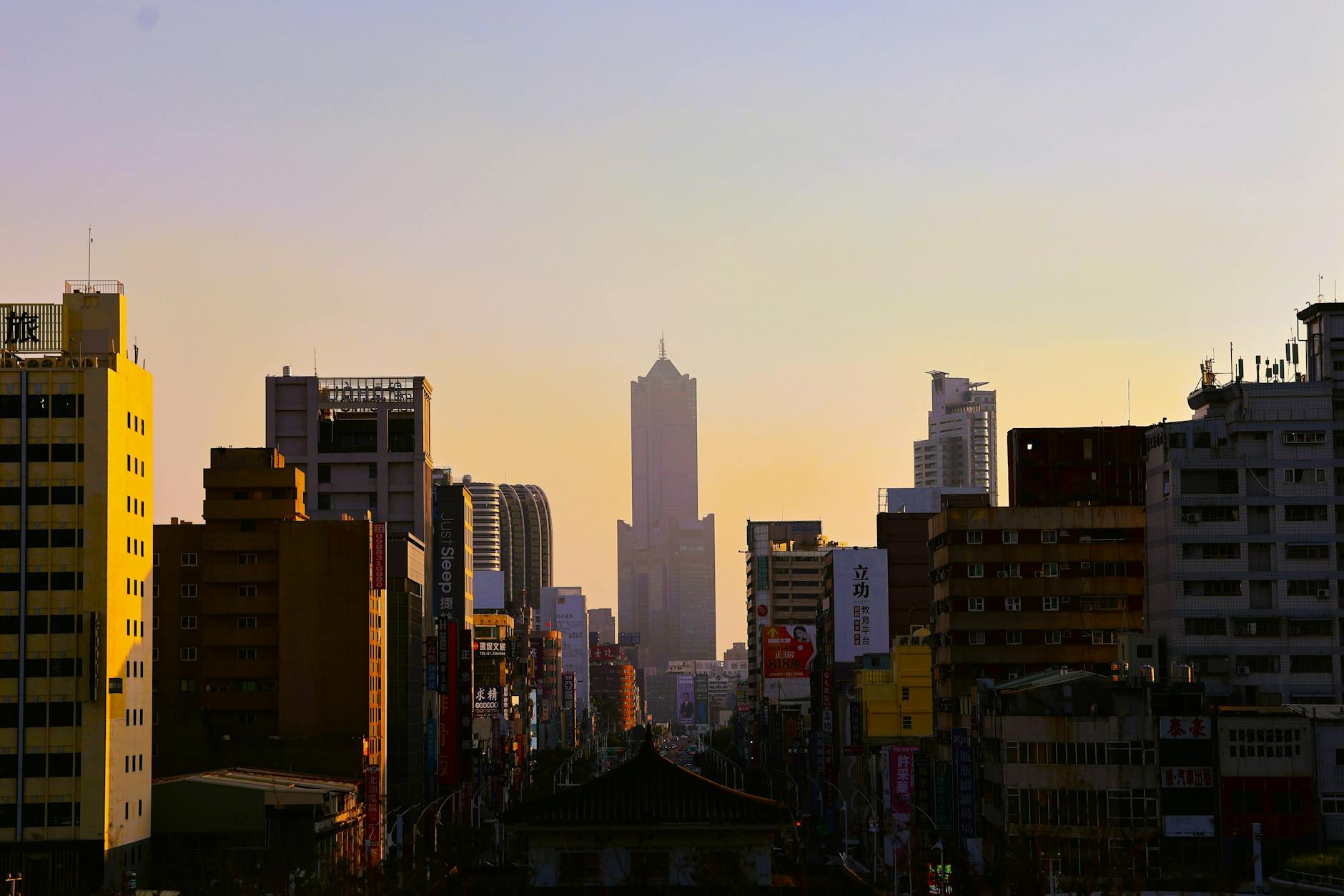
Trade-show days often start early and end late. A venue-adjacent hotel may save energy, while an MRT-connected or central hotel may make client dinners easier. The attendee should check desk space, Wi-Fi, laundry, quiet rooms, breakfast timing, taxi pickup, late return, luggage storage, and whether the hotel can handle samples or display items.
The best hotel is the one that protects the workday, not necessarily the one with the best view.
- Compare venue-adjacent, MRT-connected, central, harbor, and airport-side hotels by show schedule.
- Check desk space, Wi-Fi, laundry, breakfast, quiet room, taxi pickup, late return, and storage.
- Choose the base that reduces morning and evening friction.
Protect booth and presentation condition
Kaohsiung heat, humidity, rain, formal clothing, standing time, and material handling can affect booth performance. The attendee should plan clothing, spare shirts, water, shoes, rain cover, badge pickup, setup timing, power needs, chargers, printed materials, and a way to cool down before meetings. Long station walks with samples or booth bags should be avoided when possible.
Presentation condition is part of the event logistics. It should be planned like transport or hotel access.
- Plan clothing, shoes, spare shirts, water, rain cover, chargers, power needs, badges, and setup timing.
- Avoid long exposed transfers with samples, booth bags, or formal clothing.
- Build time to cool down and reset before buyer or partner meetings.
Plan networking meals like appointments
Trade-show value often comes from meals, coffee meetings, buyer dinners, supplier introductions, and informal conversations after the hall closes. In Kaohsiung, those may happen near the venue, along the waterfront, in hotels, or across town. The attendee should plan dietary needs, alcohol expectations, payment, taxi return, language needs, and the next morning's setup or first appointment.
A good networking meal is convenient enough that it strengthens the event rather than draining it.
- Plan buyer dinners, supplier meals, coffee meetings, alcohol, dietary needs, payment, and return transport.
- Keep business cards, QR codes, sample notes, and follow-up tasks ready.
- Protect the next morning's setup, appointments, and travel timing.
Add one city reset, not a second itinerary
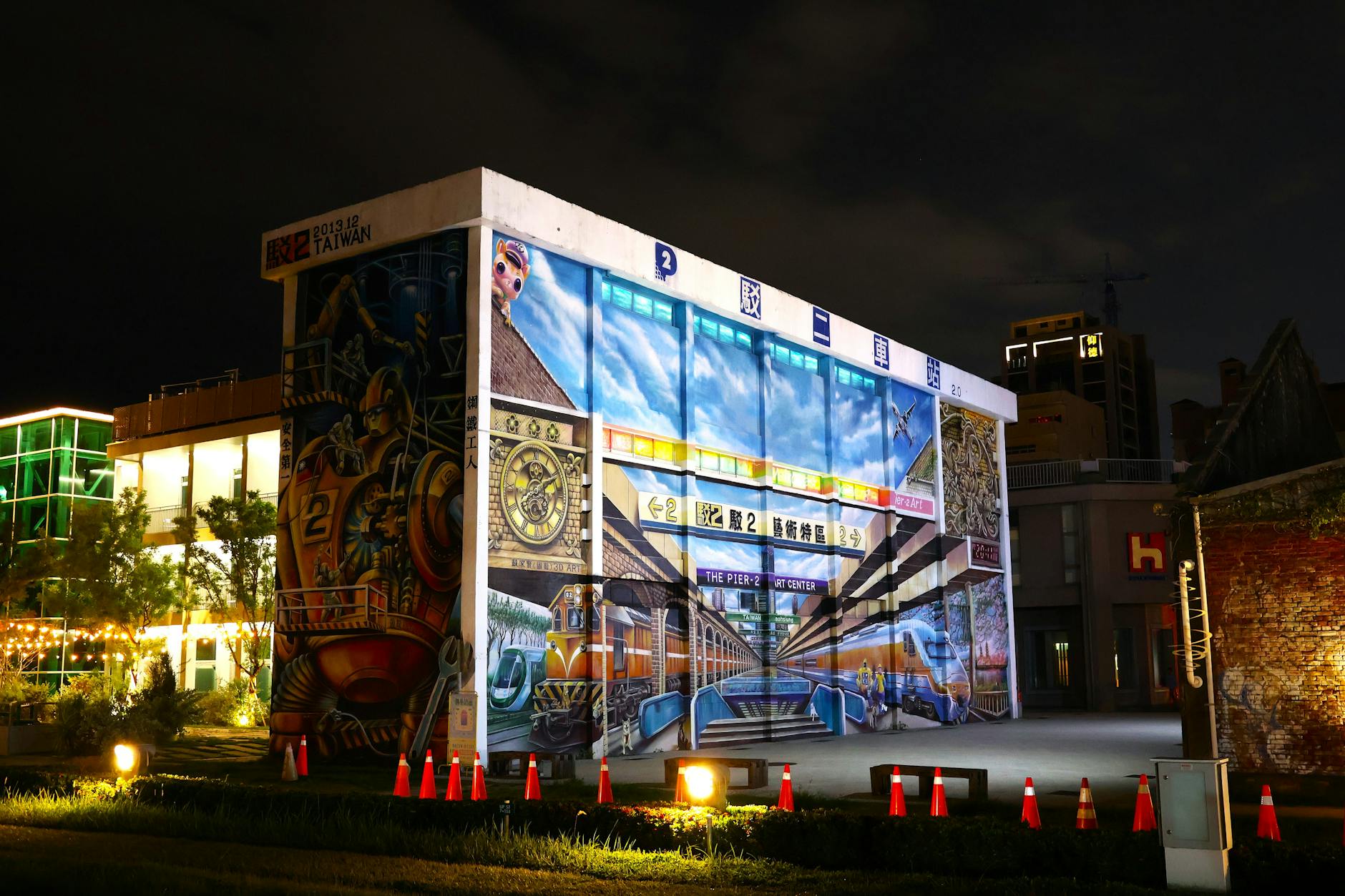
A trade-show attendee may still want a sense of Kaohsiung, but the city portion should be light. Pier-2, Love River, a harbor view, a night-market meal, or a short light rail route may work better than a distant excursion. Cijin, Lotus Pond, or Fo Guang Shan should be added only when the schedule has real space.
The event is the purpose of the trip. City time should restore attention, not become another obligation.
- Choose one light city reset near the venue, hotel, waterfront, or transit route.
- Use Pier-2, Love River, harbor views, light rail, or a practical meal when time is limited.
- Avoid distant sightseeing when setup, meetings, or travel are tight.
When to order a short-term travel report
A trade-show attendee staying in the venue hotel with no materials may not need a custom Kaohsiung report. A report becomes useful when the trip involves samples, booth setup, multiple off-site meetings, HSR or airport timing, hotel uncertainty, heat-sensitive presentation needs, buyer meals, or a tight departure after the show.
The report should test venue access, hotel base, setup timing, material movement, HSR and airport routes, MRT and taxi use, networking meals, city reset options, weather, budget, and what to cut. The value is an event trip that stays focused and functional.
- Order when venue access, materials, hotel choice, transfer timing, meals, or city add-ons need testing.
- Provide dates, venue address, show schedule, booth needs, arrival mode, hotel options, constraints, and budget.
- Use the report to keep the trade-show trip punctual, practical, and less tiring.