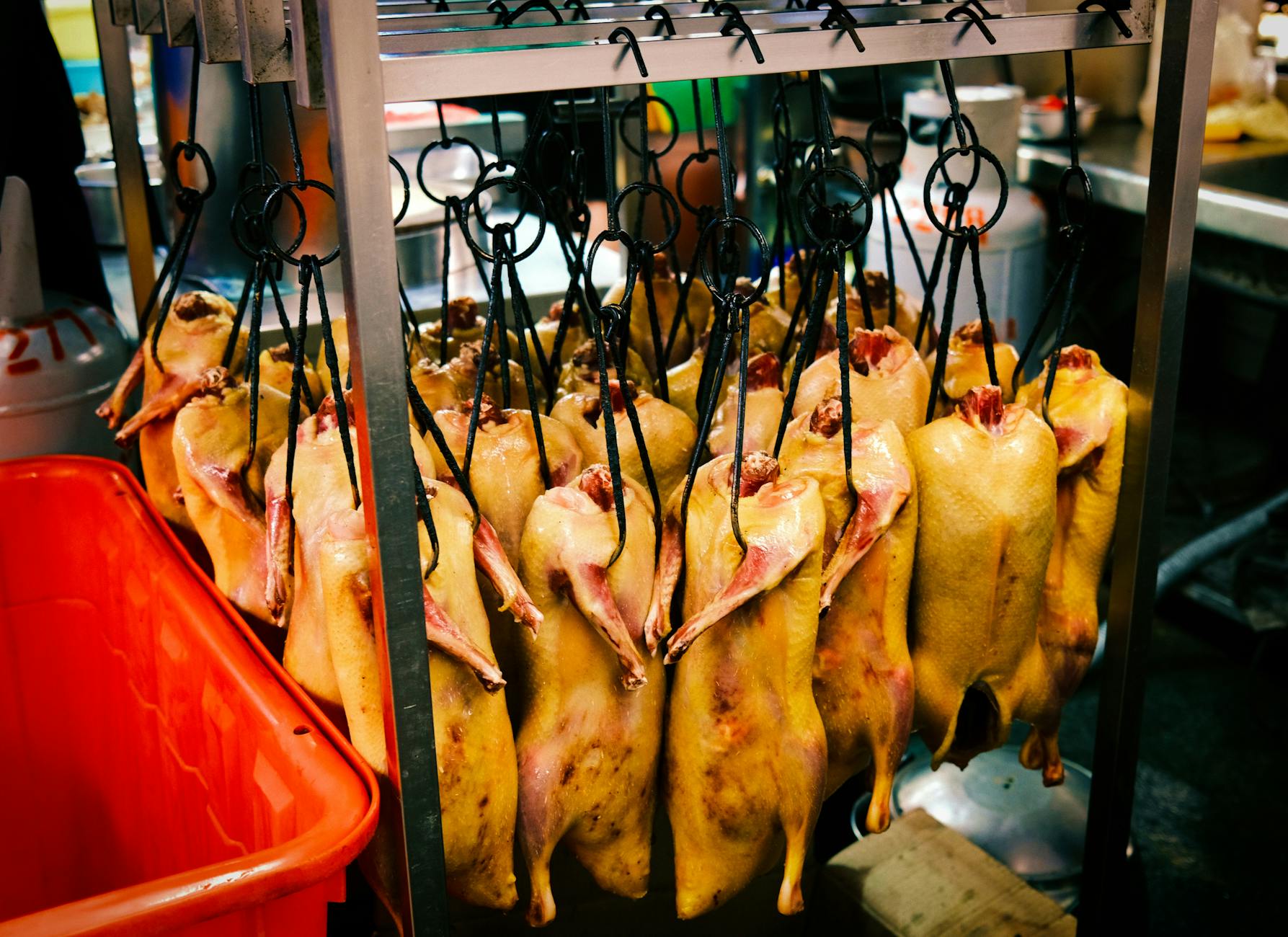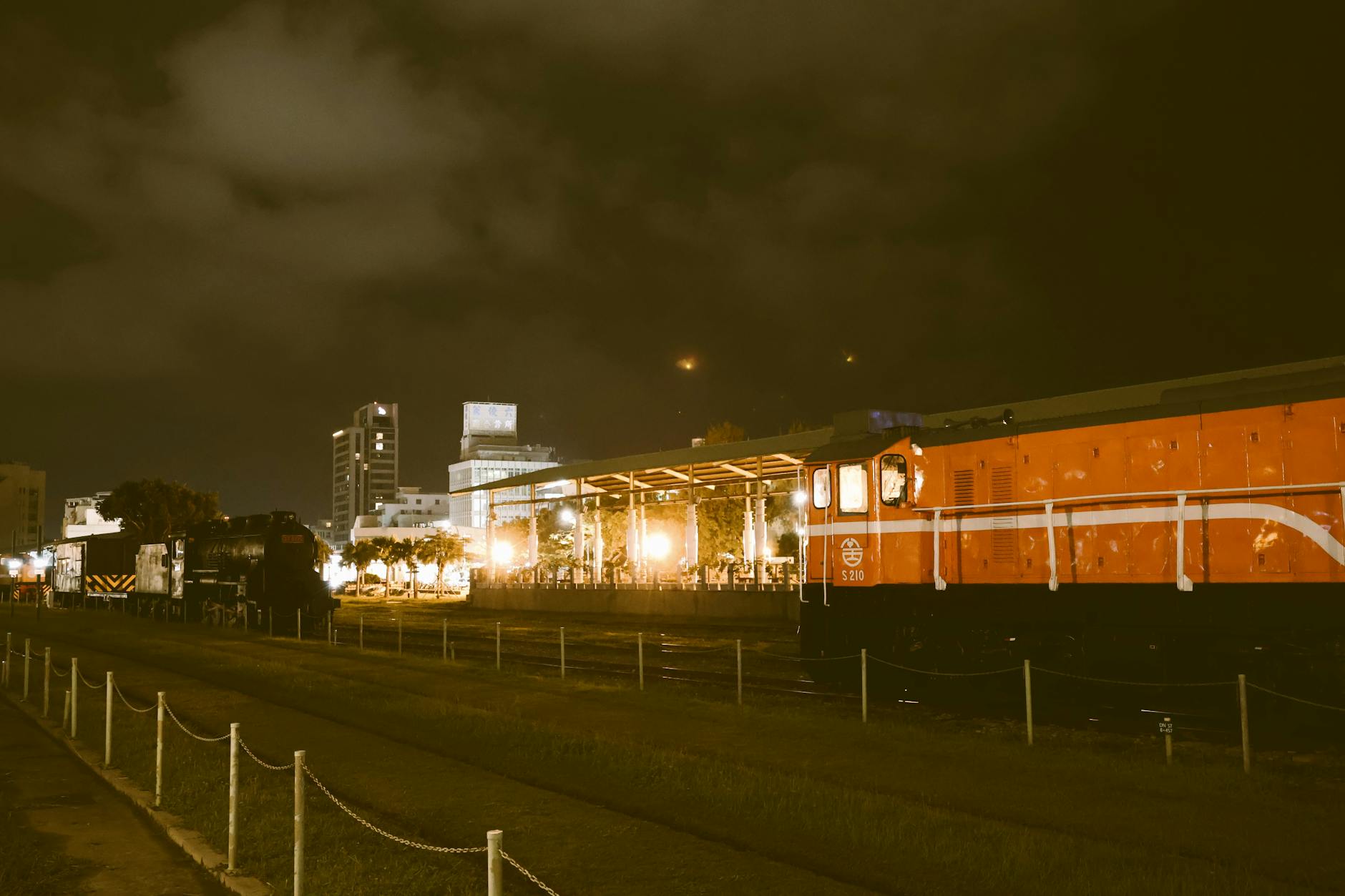
Kaohsiung can be a strong city for a short study, language, exchange, research, internship, or field program because it offers universities, waterfront districts, temples, public transport, night markets, and a different southern Taiwan rhythm from Taipei. The student still needs a practical plan. Program housing, campus location, arrival route, heat, food, budget, and peer activities can shape the stay quickly. A good short Kaohsiung student plan gets the first days right. It makes arrival, housing, classes, money, meals, safety, and weekend choices clear enough that the student can participate instead of constantly troubleshooting.
Confirm the program geography early
A student should know whether the program is based on a campus, hospital, language school, field site, partner office, or hotel meeting space. Kaohsiung is spread out enough that housing, class times, meals, and social plans can change depending on the exact base. The program name alone is not enough.
The first useful map connects housing, class location, nearest transit, food, pharmacies, laundry, and the safest return route after evening activities.
- Confirm campus, classroom, field site, lab, hospital, partner office, or meeting-space addresses.
- Map housing, transit, food, laundry, pharmacy, and evening return routes.
- Ask the program which movements are group-arranged and which are the student's responsibility.
Make arrival boring and clear
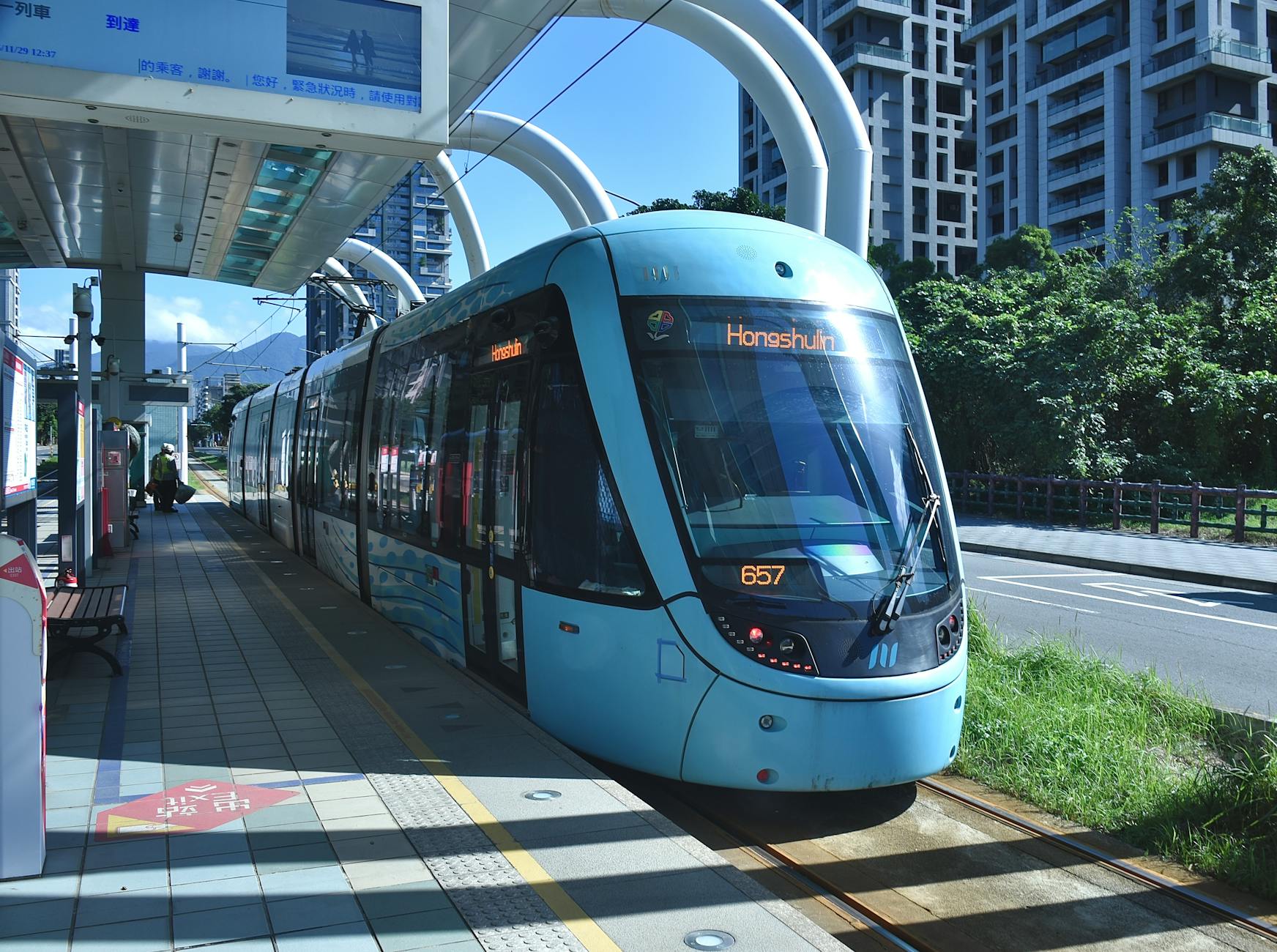
Students may arrive by HSR, Kaohsiung International Airport, Taipei connection, bus, local pickup, or group transfer. The plan should include station or terminal exit, data setup, payment, luggage, housing address in Chinese and English, check-in timing, and a backup taxi plan. A tired student should not have to solve the city from scratch on arrival.
The first day should be simple by design. That simplicity creates room for orientation, classmates, and the actual program.
- Plan HSR, airport, bus, pickup, taxi, data, payment, luggage, and check-in before arrival.
- Keep the housing address available in Chinese and English.
- Have a backup route if the group pickup, SIM setup, or first transfer fails.
Check housing like a daily base
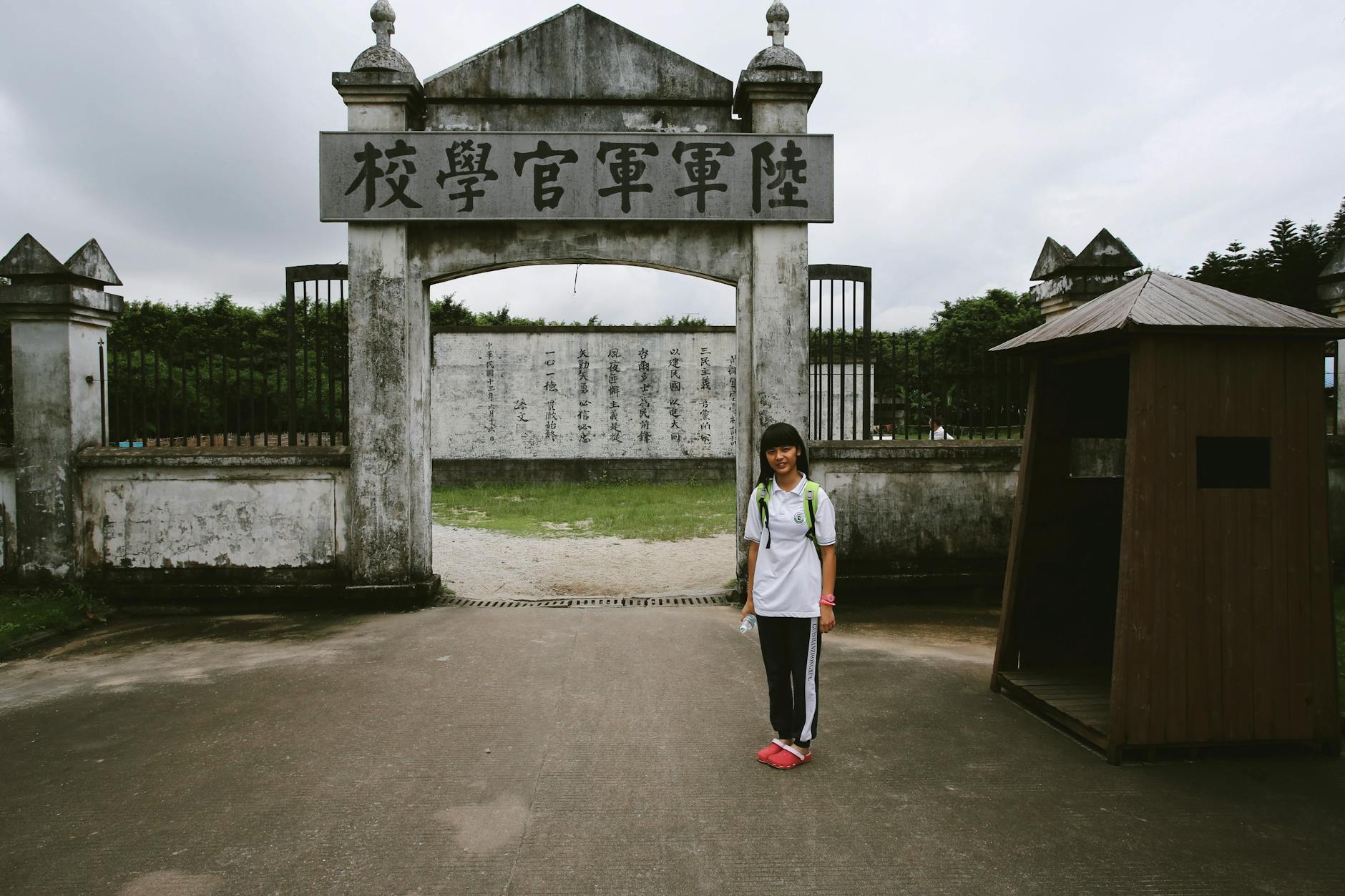
Short-program housing may be a dorm, apartment, hotel, homestay, or partner residence. The student should check air conditioning, Wi-Fi, laundry, bathroom setup, curfew or entry rules, roommate expectations, desk space, nearby meals, drinking water, and transit access. A short stay can still be derailed by poor sleep, heat, or unclear house rules.
The base should support study, rest, and ordinary daily life, not just a place to leave luggage.
- Check air conditioning, Wi-Fi, laundry, bathroom setup, entry rules, desk space, and quiet hours.
- Map nearby food, water, transit, pharmacy, and safe evening returns.
- Clarify roommate, host-family, dorm, or residence expectations before problems appear.
Budget for ordinary student life
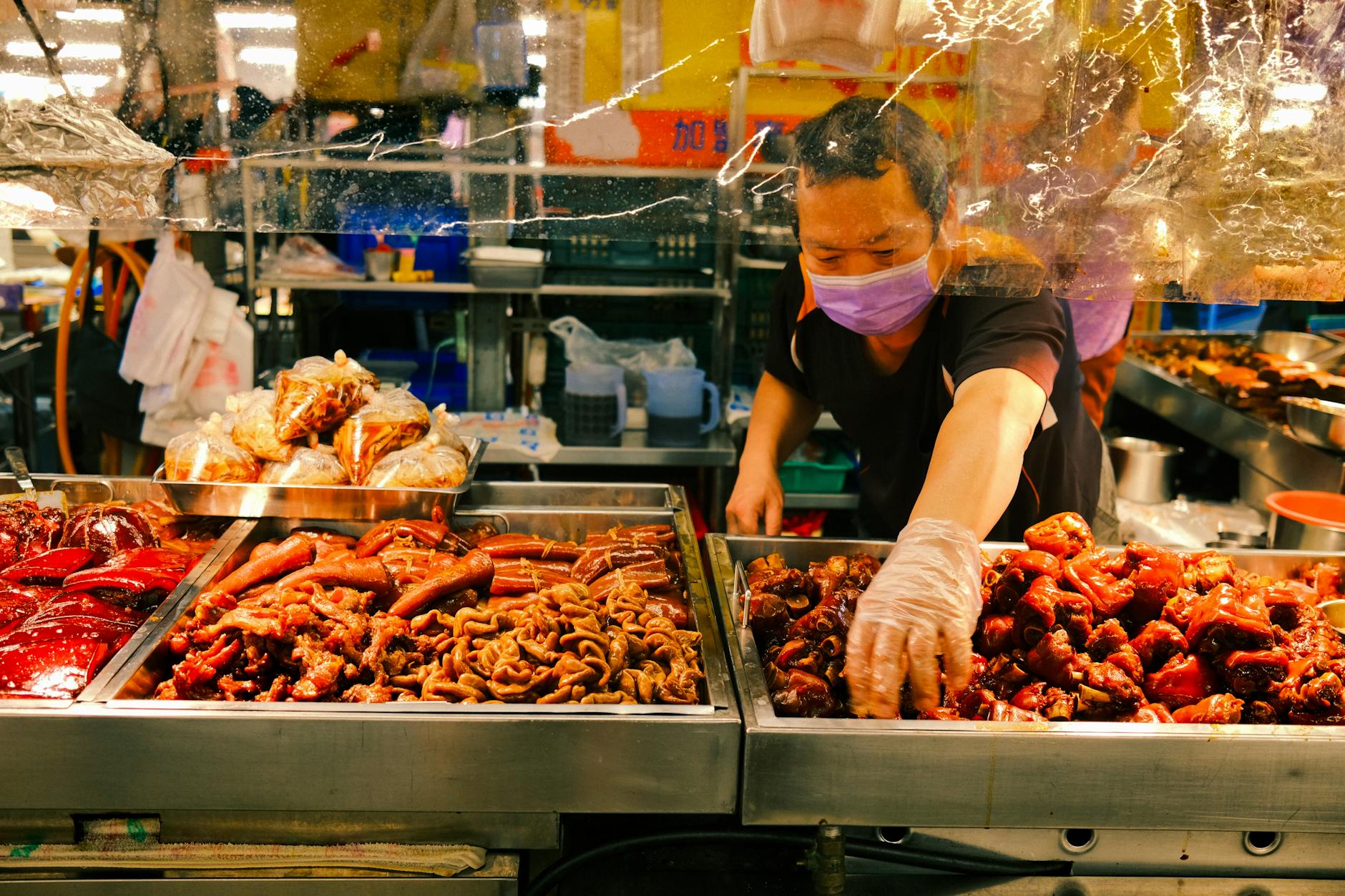
A student budget should include more than program fees and flights. Kaohsiung spending can include transit, taxis, laundry, water, snacks, markets, coffee, group meals, weekend trips, museum or temple transport, SIM or data, medicine, and replacement items. Small costs can add up when every classmate invitation feels like a chance to participate.
The student should decide what is worth joining and what can be skipped without guilt.
- Budget for transit, taxis, laundry, water, snacks, markets, group meals, data, medicine, and weekend trips.
- Keep a reserve for heat, rain, late returns, or unexpected program needs.
- Decide which social or weekend activities are worth the money before overspending by default.
Plan heat, health, and daily rhythm
Kaohsiung heat, humidity, rain, late nights, early classes, and unfamiliar food can affect a student's energy quickly. The plan should include water, sunscreen, umbrella, breathable clothing, medication, sleep, laundry, and realistic walking distances. Peer plans may not match every student's health or stamina.
The student should participate actively without treating exhaustion as the price of belonging.
- Plan water, sunscreen, umbrella, breathable clothing, medication, sleep, and laundry.
- Account for heat before class, fieldwork, temple visits, markets, and waterfront routes.
- Keep permission to skip or shorten activities when health or study needs require it.
Choose weekend and free-time routes carefully
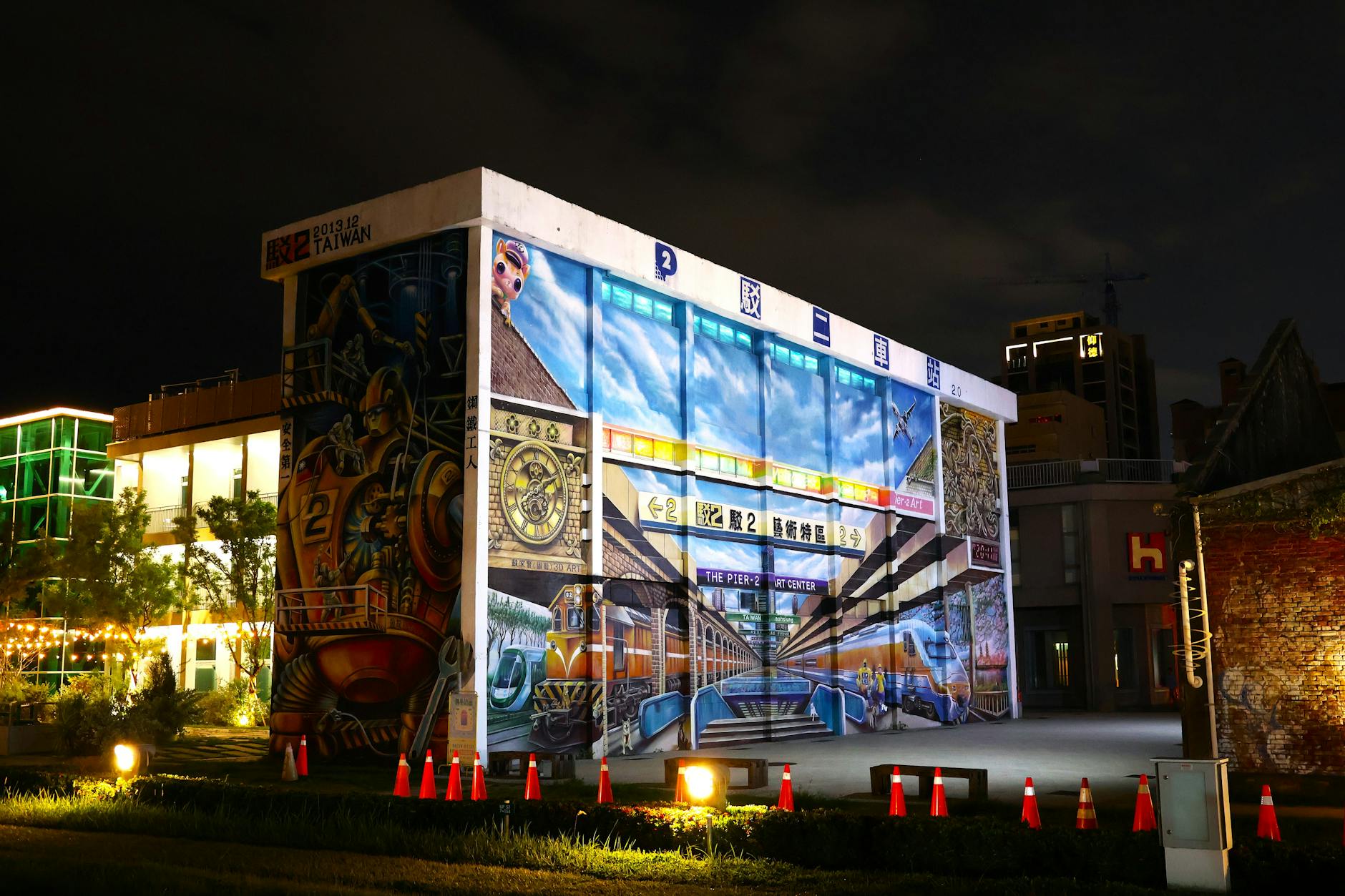
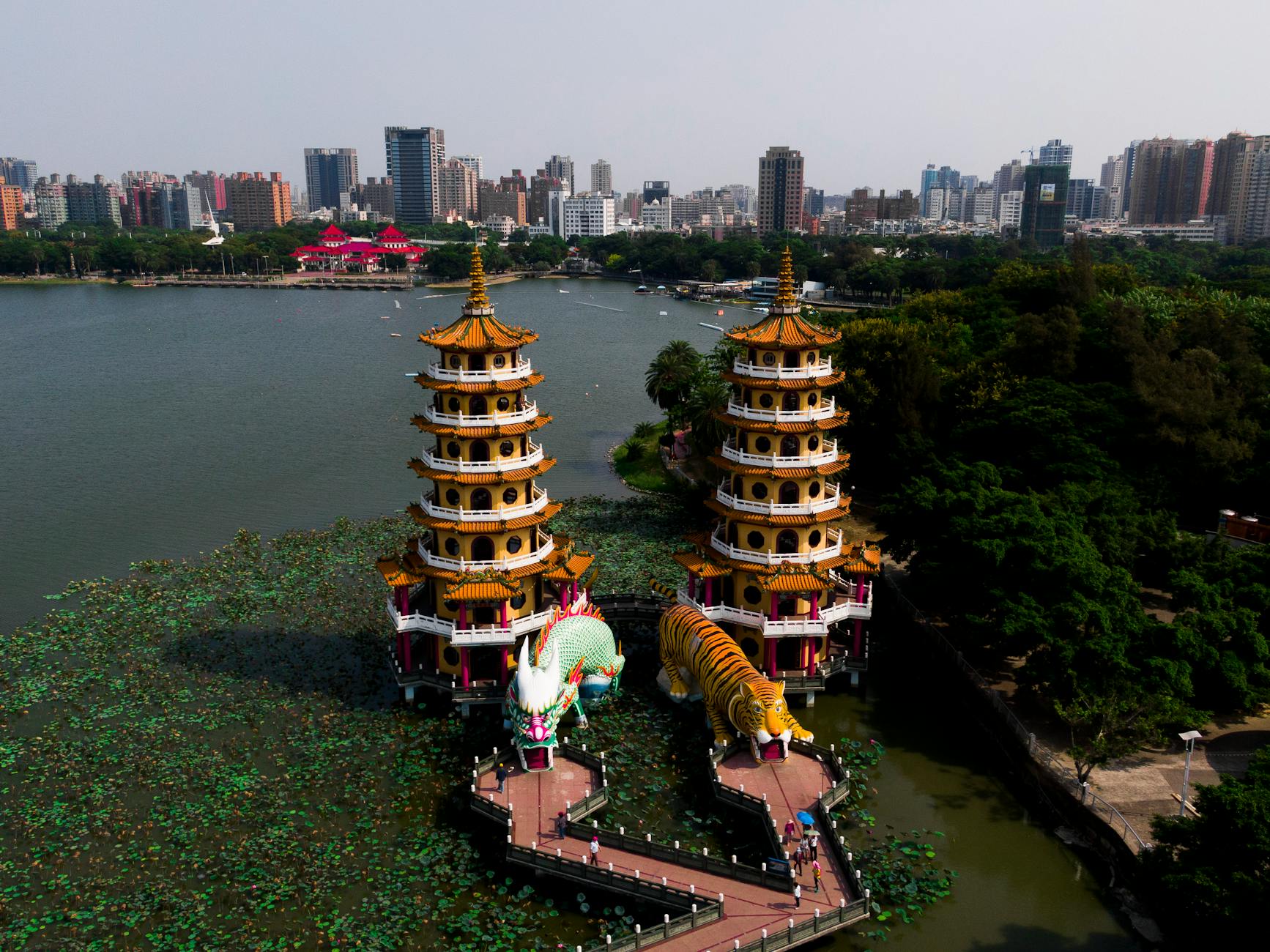
Short-program students may want to see Pier-2, Love River, Cijin, Lotus Pond, Fo Guang Shan, night markets, beaches, or nearby cities. Those options can be excellent, but the student should choose by class schedule, budget, weather, group safety, return timing, and next-day responsibilities. A weekend does not need every highlight.
One well-planned free-time route is better than an exhausted checklist that weakens the program week.
- Compare Pier-2, Love River, Cijin, Lotus Pond, Fo Guang Shan, markets, and side trips by time and budget.
- Plan group return routes, phone battery, data, meeting points, and next-day class obligations.
- Choose fewer stronger outings when the program schedule is demanding.
When to order a short-term travel report
A student whose program provides housing, transfers, and a full schedule may not need a custom Kaohsiung report. A report becomes useful when the student is arranging arrival independently, choosing housing, budgeting free time, managing health or mobility constraints, joining weekend routes, or needing family-level clarity before a short program.
The report should test arrival route, housing location, campus access, transit, daily meals, budget, heat, safety, weekend options, communication, and what to cut. The value is a Kaohsiung student stay that starts clearly and leaves more attention for learning.
- Order when arrival, housing, campus access, budget, health, safety, or weekend planning need testing.
- Provide dates, program address, housing options, arrival mode, age or support needs, constraints, and budget.
- Use the report to make the short program easier to enter and easier to sustain.