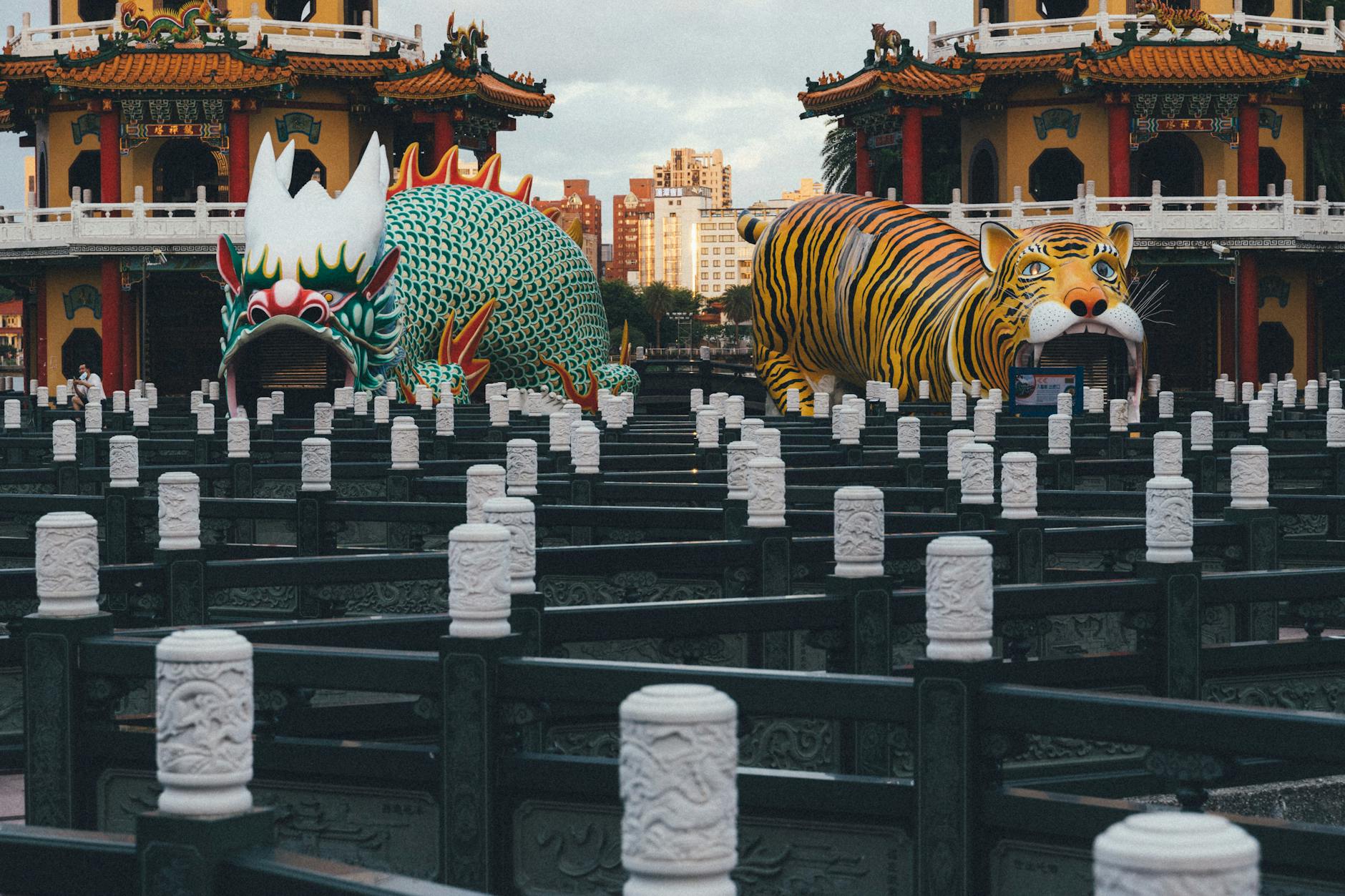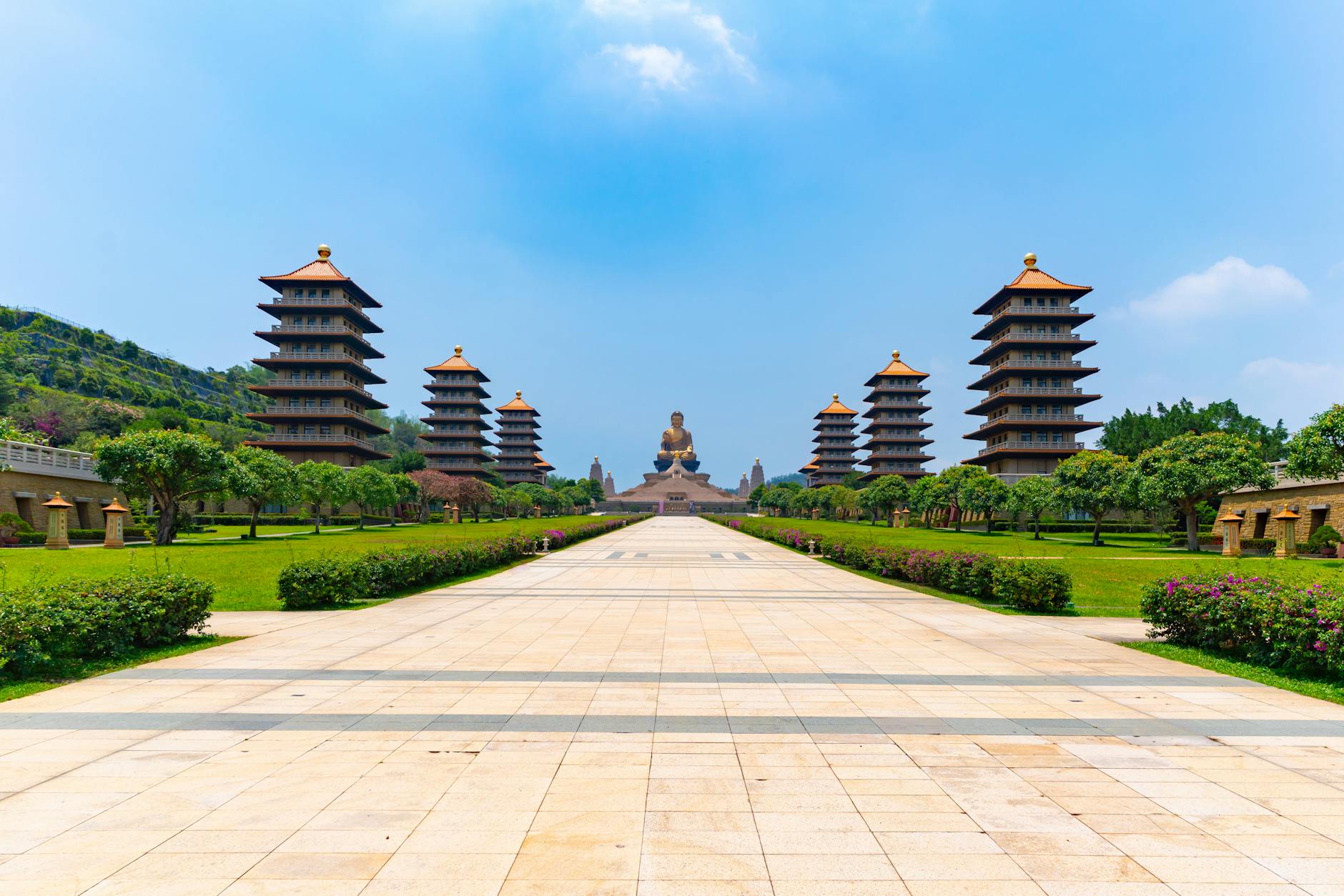
Kaohsiung can be a meaningful destination for religious and pilgrimage travelers because it offers major Buddhist sites, neighborhood temples, Lotus Pond landmarks, Cijin religious life, and access to Fo Guang Shan. The city also has practical challenges: heat, distance, temple etiquette, transport timing, group movement, and the difference between a quick cultural visit and a deliberate spiritual itinerary. A good short Kaohsiung religious trip chooses the right level of depth. It protects reverence, timing, clothing, rest, meals, and transport so the traveler is not rushing through sacred spaces as if they were ordinary attractions.
Decide whether the trip is pilgrimage, cultural interest, or both
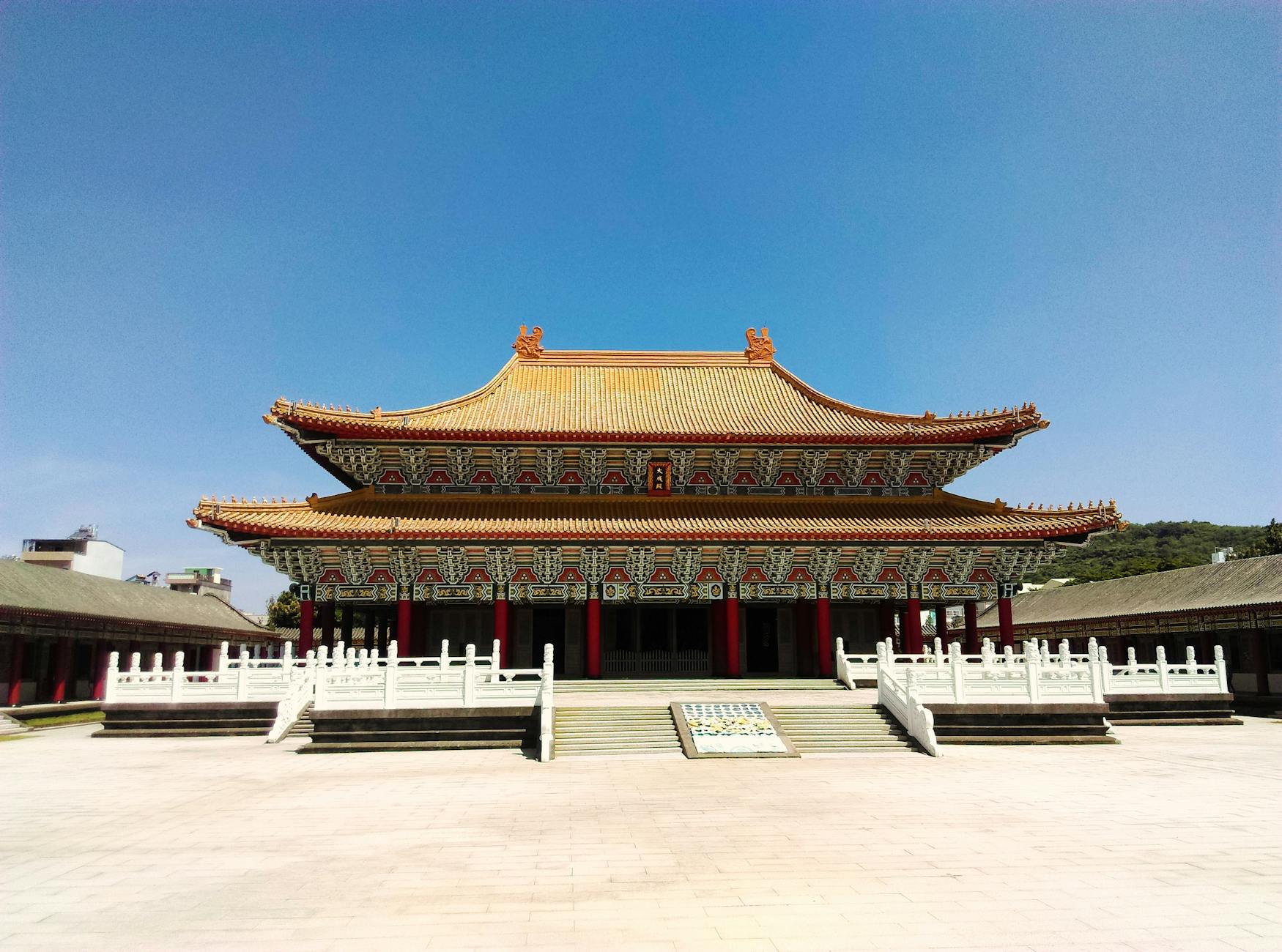
A religious traveler should be honest about the purpose of the Kaohsiung visit. Fo Guang Shan, Lotus Pond, Cijin Tianhou Temple, neighborhood temples, and other sites can be approached as pilgrimage, religious study, family devotion, architecture, photography, or cultural learning. Each purpose changes pace, clothing, silence, photography, and how much time is appropriate.
The traveler should not let a sacred stop become just another rushed photo point unless that is truly the intention. Purpose should lead the route.
- Clarify whether the trip is pilgrimage, study, family devotion, architecture, photography, or cultural learning.
- Choose sites, timing, clothing, and behavior according to the purpose.
- Avoid crowding sacred stops into an ordinary sightseeing checklist.
Give Fo Guang Shan enough room
Fo Guang Shan can be the central religious site of a Kaohsiung trip, but it needs more time than a quick urban stop. The traveler should plan transport, opening hours, walking distance, shade, food, ceremonies or museum interests, group needs, and return timing. A visit that is too short may feel visually impressive but spiritually thin.
If Fo Guang Shan is the main purpose, the rest of the day should be built around it rather than forcing it between unrelated city stops.
- Plan transport, opening hours, walking distance, shade, food, group needs, and return timing.
- Check whether ceremonies, museum spaces, or quiet time are part of the purpose.
- Avoid treating Fo Guang Shan as a quick add-on when it is the main reason to visit.
Use Lotus Pond and Cijin thoughtfully
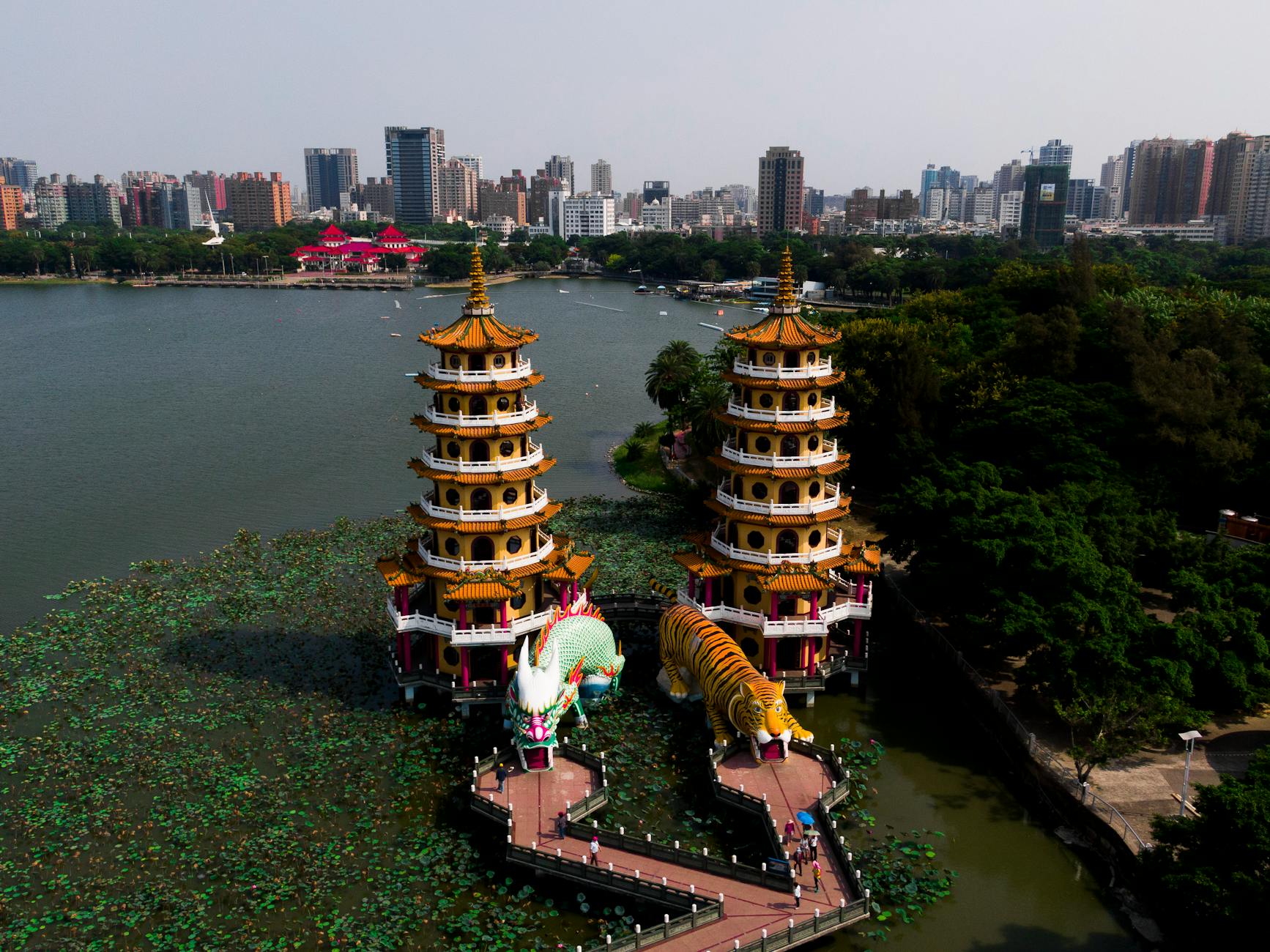
Lotus Pond and Cijin can add strong religious and cultural texture to a short Kaohsiung stay. Lotus Pond offers temple landscapes, water, and iconic views. Cijin can combine ferry movement, maritime religious life, seafood, and a different neighborhood pace. Both should be judged by heat, walking distance, crowds, clothing, and how much attention the traveler can give.
A shorter, attentive visit is better than running through multiple shrines with no time to understand where the traveler is.
- Compare Lotus Pond and Cijin by religious purpose, transport, walking distance, heat, and return timing.
- Plan clothing, photography restraint, offerings or donations, and meal timing.
- Choose fewer sites when the goal is attention rather than collection.
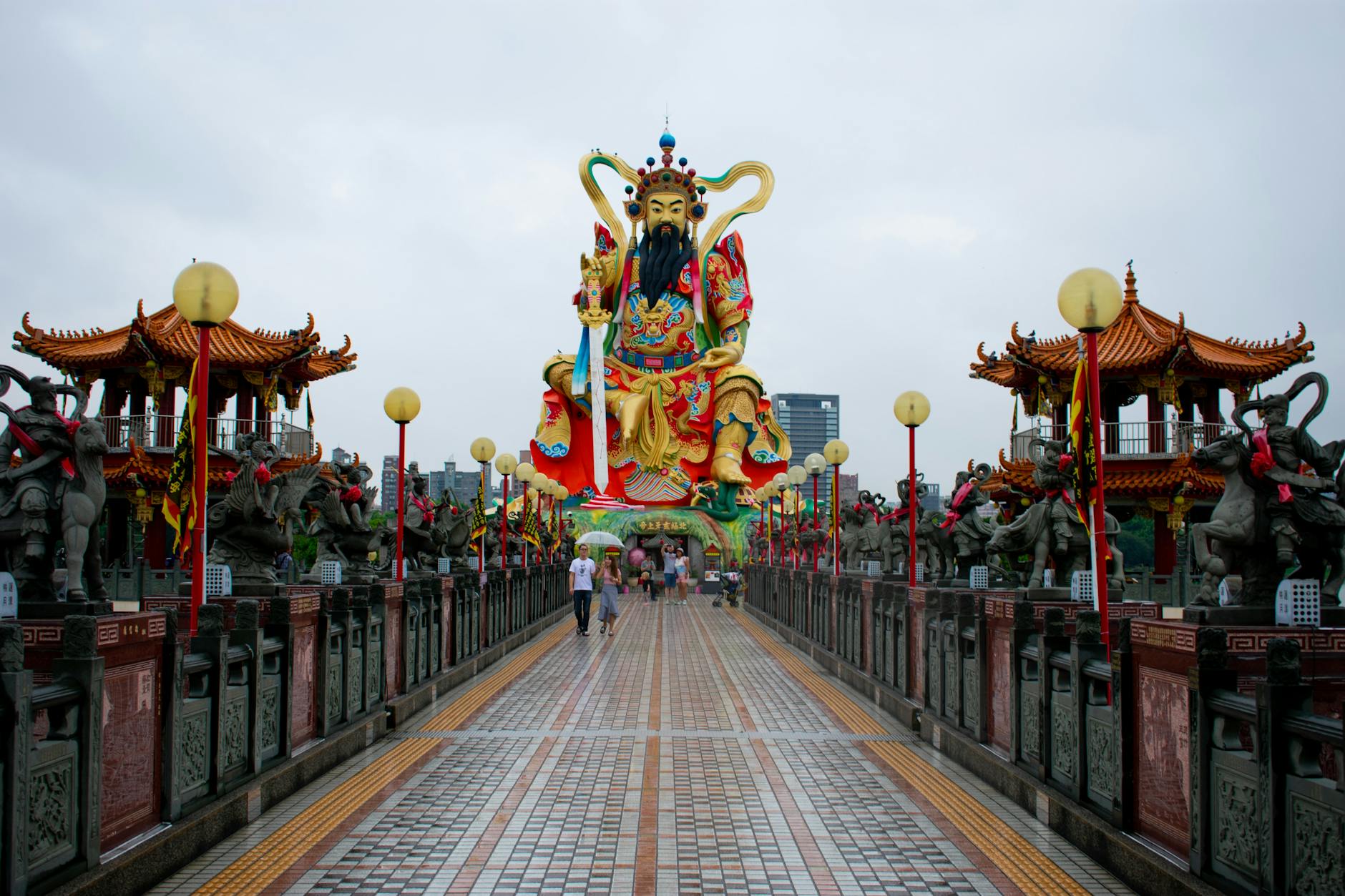
Plan etiquette before arrival
Temple etiquette should not be improvised in the doorway. The traveler should understand clothing, footwear, photography, offerings, incense, donation norms, quiet areas, procession awareness, and how to behave around people who are praying. If the traveler is unfamiliar with Taiwanese religious practice, a local guide, host, or careful pre-trip briefing can prevent awkwardness.
Respect is practical. It shows in timing, movement, voice level, and the decision not to turn every ritual into content.
- Review clothing, footwear, photography, offerings, incense, donations, quiet areas, and procession awareness.
- Ask a host or guide when religious practice is unfamiliar.
- Avoid filming or photographing worshippers closely without clear permission.
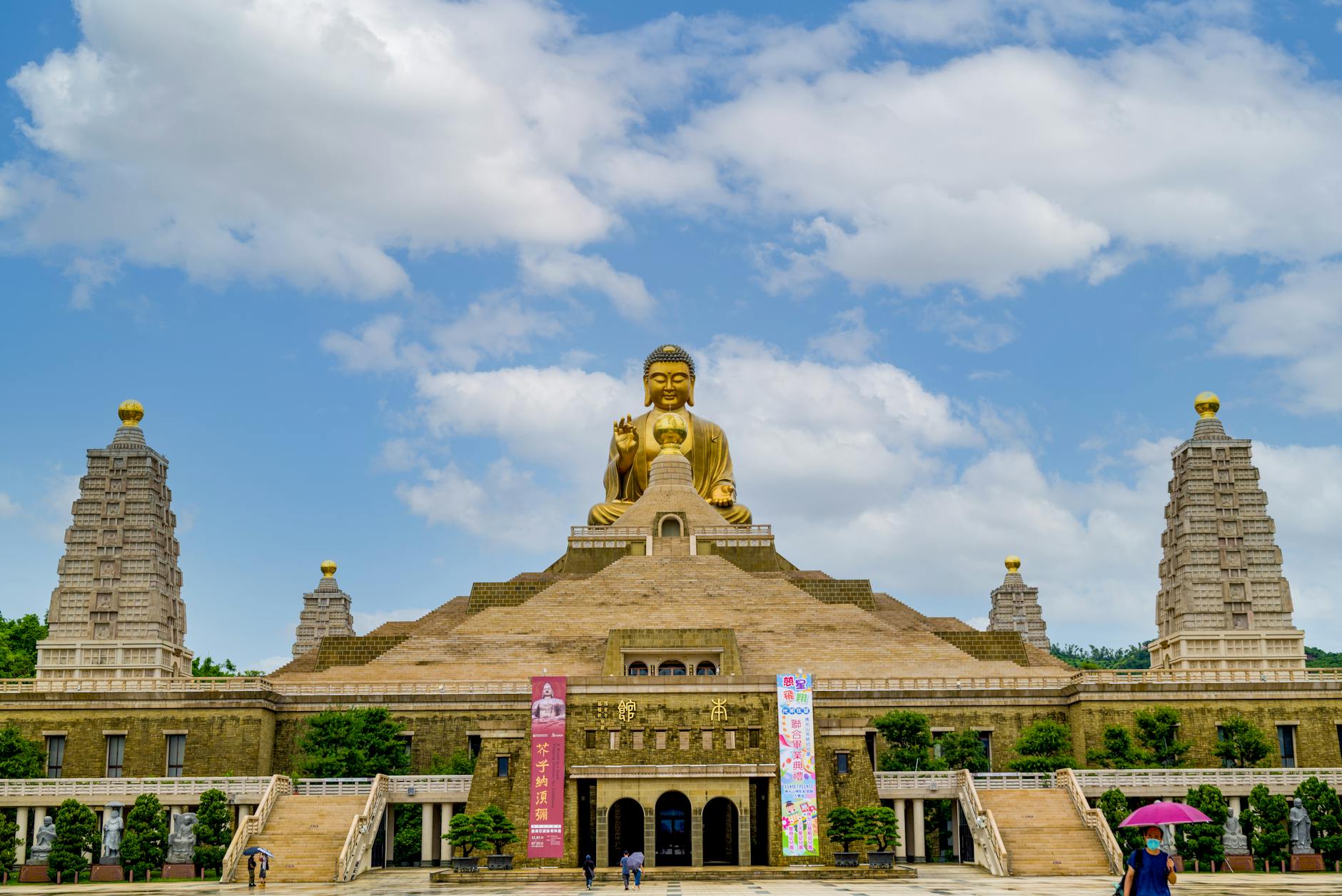
Account for heat, shade, and accessibility
Kaohsiung religious sites can involve open courtyards, stairs, broad grounds, exposed paths, crowds, and limited seating. Heat and humidity can affect older travelers, children, pilgrims with medical concerns, and anyone moving slowly. The plan should include water, shade, umbrellas, taxis, rest points, bathrooms, and realistic walking distances.
A spiritual visit is not improved by exhaustion. The itinerary should make room for the body as well as the intention.
- Plan water, shade, umbrellas, taxis, bathrooms, seating, and rest points.
- Check stairs, surface quality, walking distance, crowding, and vehicle access.
- Shorten the route when heat or mobility limits would weaken the purpose of the visit.
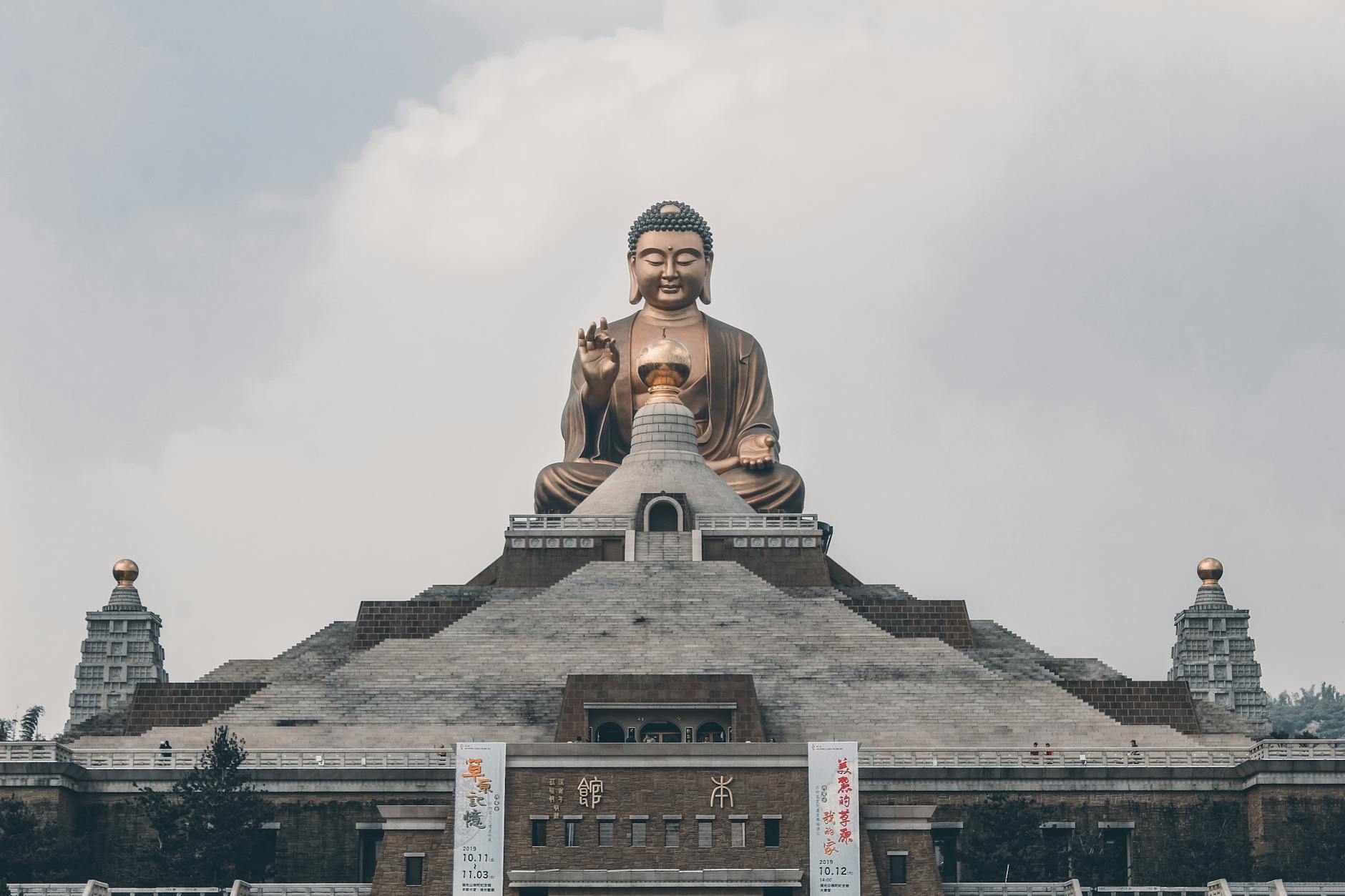
Connect meals and lodging to the religious route
Food and lodging can support or disrupt a religious trip. The traveler should plan vegetarian needs, fasting or dietary rules, group meals, temple-area food, hydration, hotel return, laundry, and evening quiet. A hotel near transit may be more useful than a scenic hotel if it makes the main religious route smoother.
The day should not depend on finding the right meal after everyone is hot, tired, or far from the hotel.
- Plan vegetarian needs, fasting or dietary rules, group meals, hydration, and temple-area food options.
- Choose lodging by religious route, transit, taxi access, quiet rooms, and rest returns.
- Keep meal timing simple when the main site requires a longer transfer.
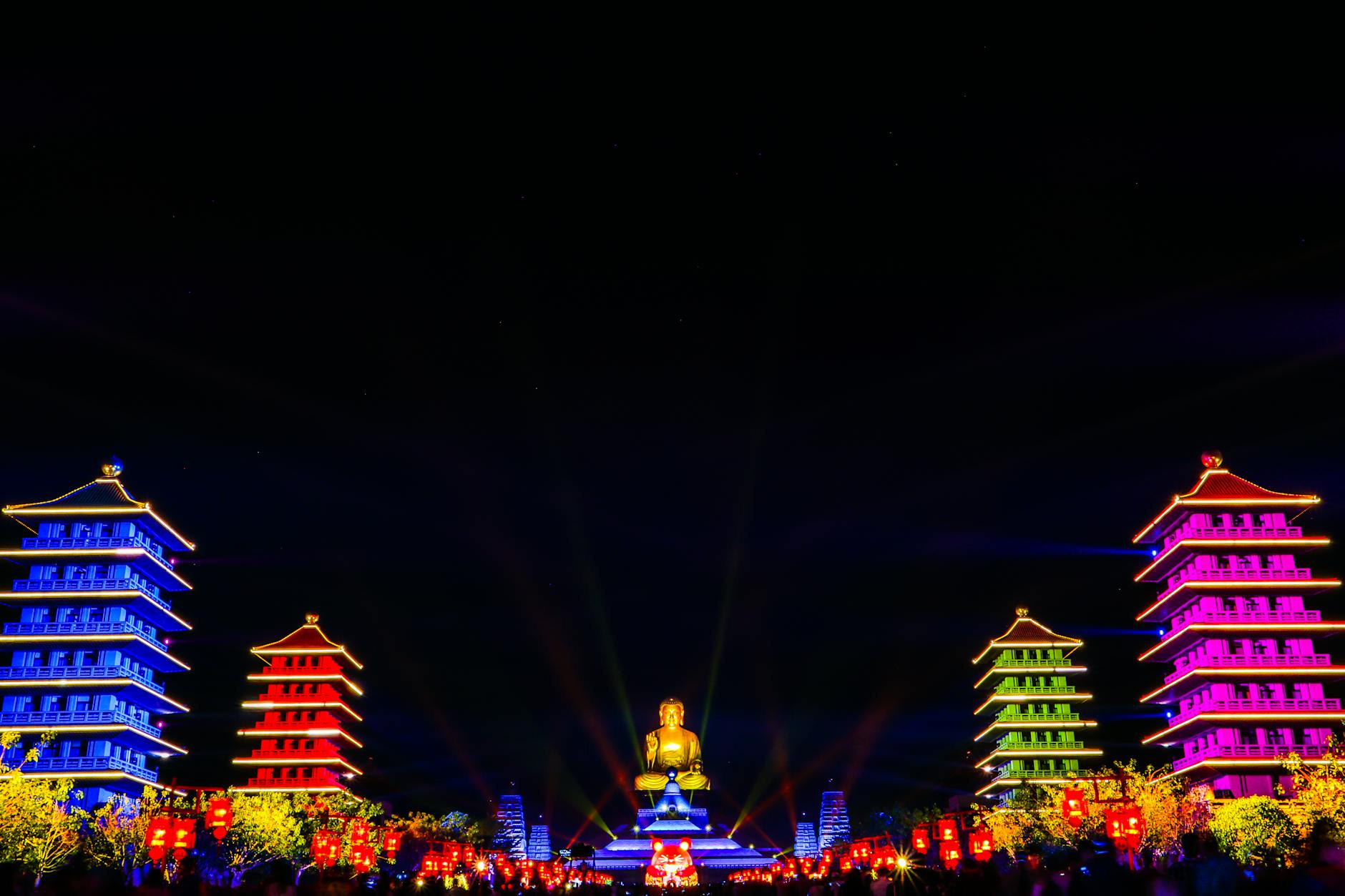
When to order a short-term travel report
A traveler visiting one well-known temple with a local host may not need a custom Kaohsiung report. A report becomes useful when the trip must balance Fo Guang Shan, Lotus Pond, Cijin, religious etiquette, group needs, accessibility, heat, meals, and limited time.
The report should test religious purpose, site sequence, transport, hotel base, clothing, etiquette, food, accessibility, heat, rest windows, budget, and what to cut. The value is a Kaohsiung religious trip that feels deliberate rather than rushed.
- Order when Fo Guang Shan, Lotus Pond, Cijin, etiquette, access, meals, or heat need coordination.
- Provide dates, religious purpose, group size, mobility needs, hotel options, dietary rules, and budget.
- Use the report to make the short pilgrimage respectful, paced, and coherent.