Kaohsiung gives journalists a wide range of possible stories: port and logistics, industry, energy, universities, medicine, politics, religion, coastal life, food, urban development, and southern Taiwan culture. The city is accessible, but the reporting geography can be scattered. A journalist who treats Kaohsiung as a compact waterfront beat may miss the practical spread of sources and sites. A good short reporting trip maps the story, source locations, permissions, translation needs, filing setup, equipment load, heat, and safe return routes before arrival. The goal is to protect reporting time, not spend it solving basic movement.
Map the story before the city
A Kaohsiung reporting trip should start with the story question, not a list of scenic districts. Sources may be near the port, industrial corridors, universities, hospitals, government offices, temples, waterfront development, markets, or coastal areas. The journalist should map interview locations, visual needs, travel time, and backup sources before booking the day too tightly.
The strongest itinerary follows the reporting logic. The city becomes more legible once the story geography is clear.
- Map source locations, visual sites, government offices, campuses, port areas, markets, and coastal routes.
- Check which movements require taxis, hosts, translation help, or extra access time.
- Build the day around the story question rather than attraction proximity.
Protect arrival and filing time
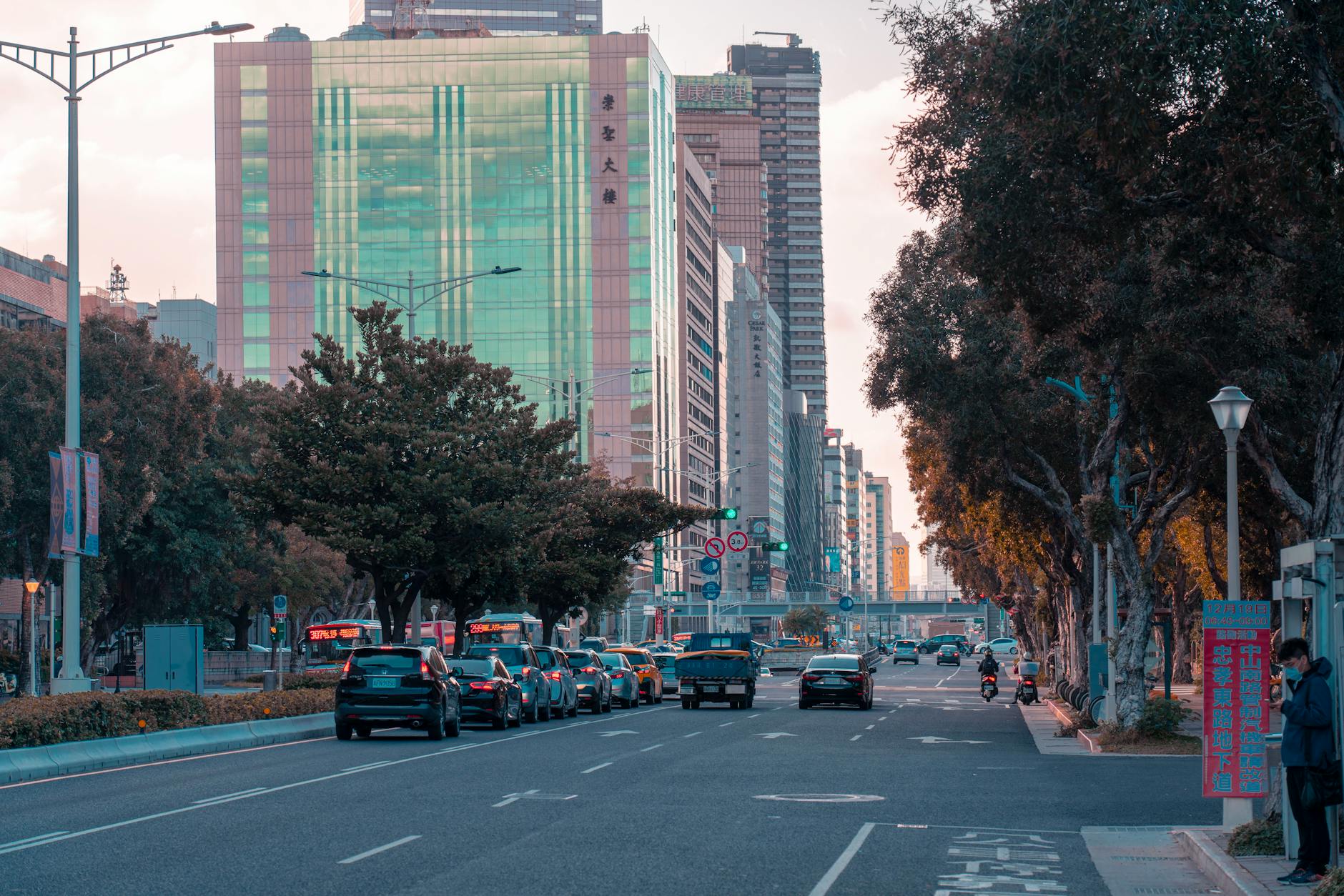
HSR Zuoying and Kaohsiung International Airport can support a tight reporting trip, but the journalist should separate arrival from usable work time. Station exits, luggage, camera gear, taxi pickup, hotel check-in, data setup, and heat can all reduce the first reporting window. Filing time should be scheduled before the day is filled with interviews.
A reporting trip without filing space becomes fragile quickly, especially when edits, photo transfers, or source follow-ups begin.
- Plan HSR, airport, taxi, MRT, luggage, gear, check-in, and data setup before scheduling the first interview.
- Reserve filing time for notes, edits, photo transfers, source follow-up, and calls.
- Do not leave all writing or uploading to the final transit window.
Choose lodging for reporting function
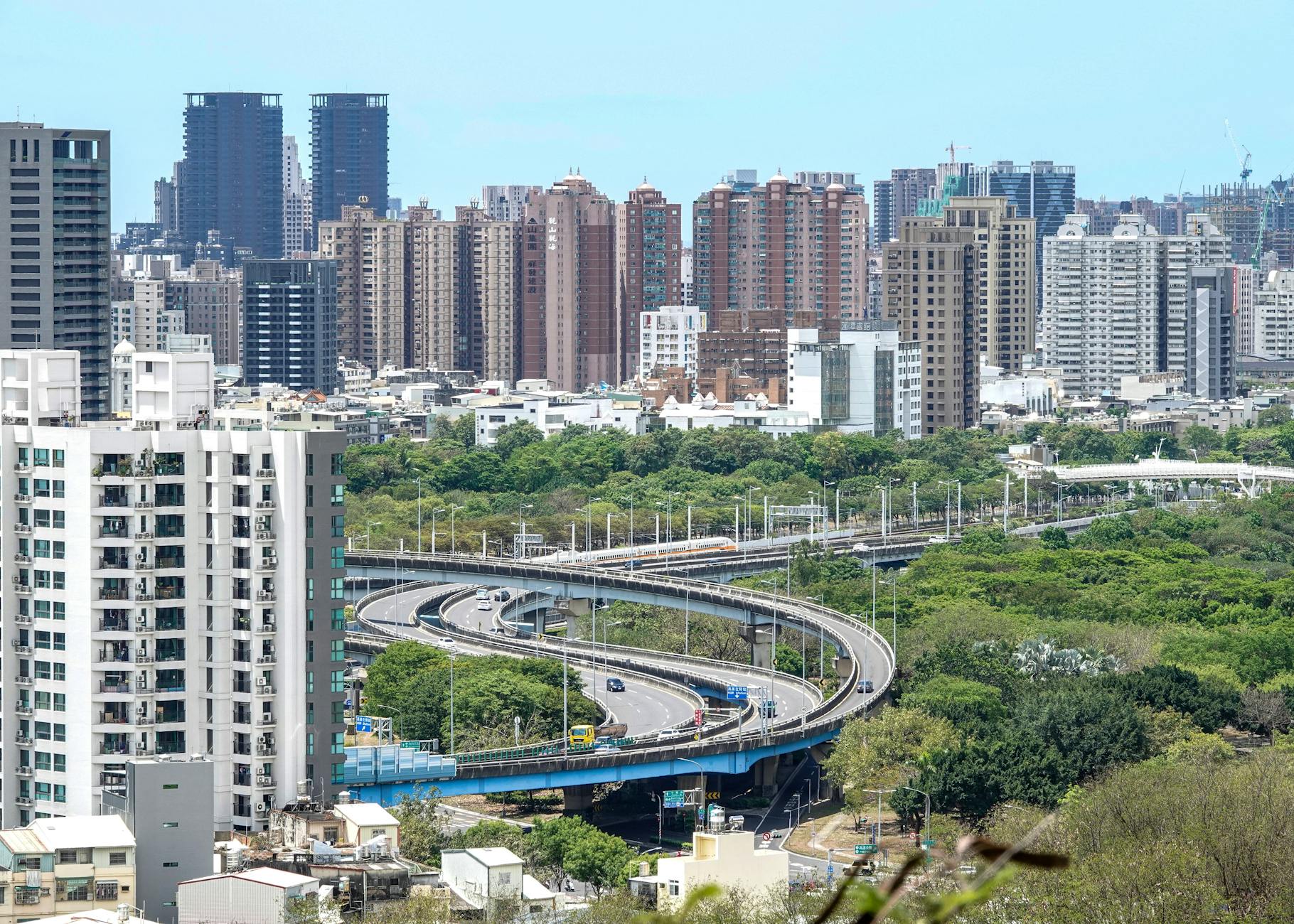
A journalist's hotel should support Wi-Fi, quiet calls, secure gear storage, late return, laundry, breakfast timing, desk space, and easy taxi pickup. A waterfront or central base may help with visuals and evening interviews. A Zuoying, airport, or client-adjacent base may work better for certain stories. The decision should follow source geography.
The best base gives the journalist somewhere reliable to file, regroup, and protect equipment.
- Check Wi-Fi, desk, quiet rooms, secure storage, laundry, breakfast, late entry, and taxi pickup.
- Choose a base by source geography, visuals, evening interviews, HSR, and airport timing.
- Avoid lodging that makes filing, calls, or gear movement harder.
Handle access, language, and consent carefully
Kaohsiung stories may involve institutions, religious spaces, community groups, industrial areas, markets, or private businesses. The journalist should clarify interview access, translation, photography, recording consent, background terms, security rules, and whether a local fixer or host contact is appropriate. Visual access should not be assumed because an area is public-facing.
Good reporting logistics protect sources as well as the story.
- Clarify interviews, translation, recording consent, photography, background terms, and security rules.
- Ask before filming or photographing in temples, markets, schools, clinics, factories, and community spaces.
- Use a local contact or fixer when story complexity or language warrants it.
Plan equipment around heat and movement
Heat, humidity, rain, long station walks, crowded markets, and ferry movement can affect cameras, audio gear, laptops, batteries, and the journalist's stamina. The plan should include weather cover, power banks, backup storage, water, comfortable shoes, lighter kit choices, and secure transport between distant sites.
The best equipment is the kit that can actually be carried through the reporting day without weakening the work.
- Plan weather cover, batteries, power banks, backup storage, water, and lighter kit choices.
- Account for heat, rain, crowded markets, ferries, long walks, and taxi transfers.
- Keep gear security and source comfort in mind when choosing what to carry.
Use city context without flattening the story
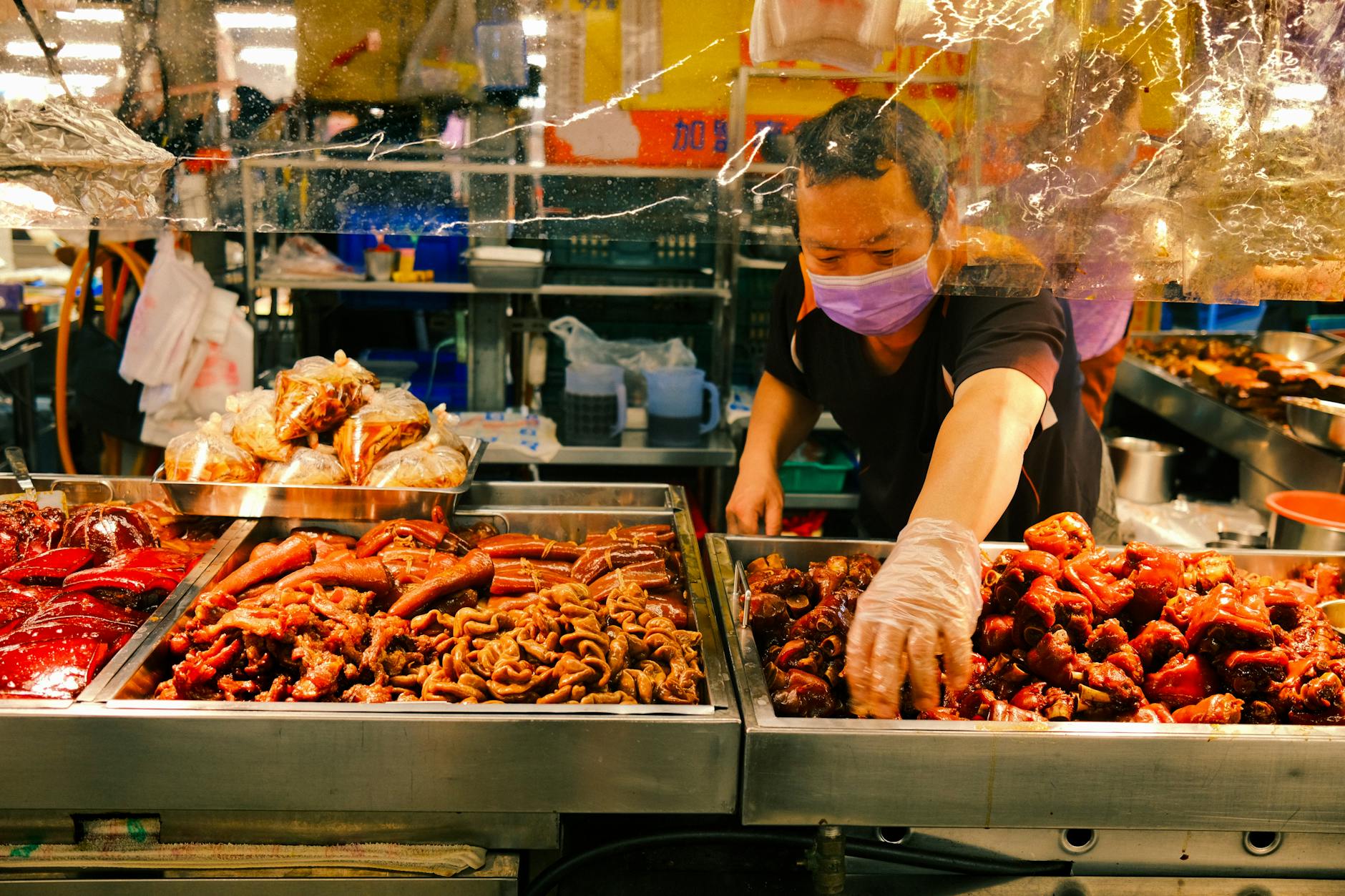
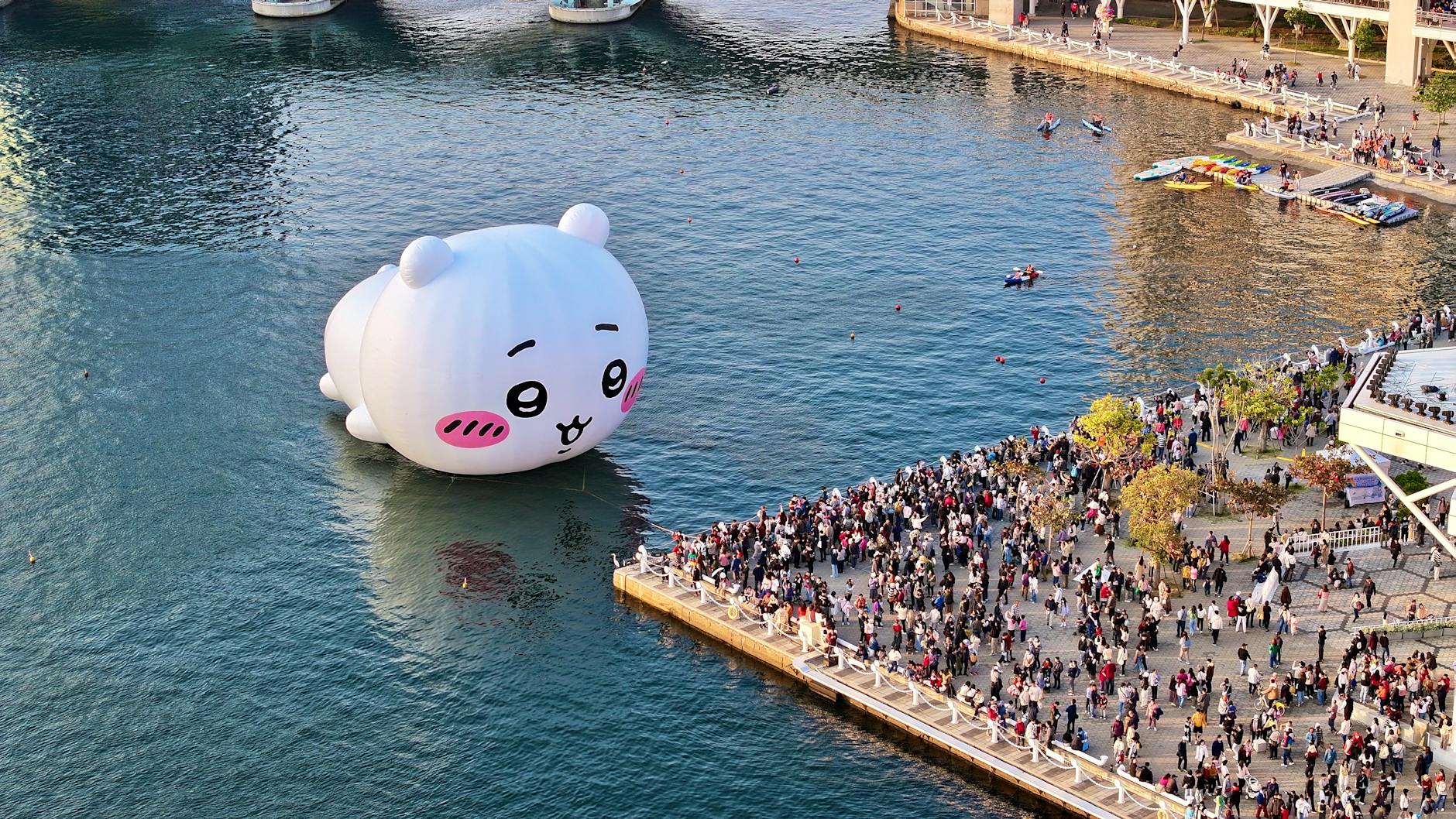
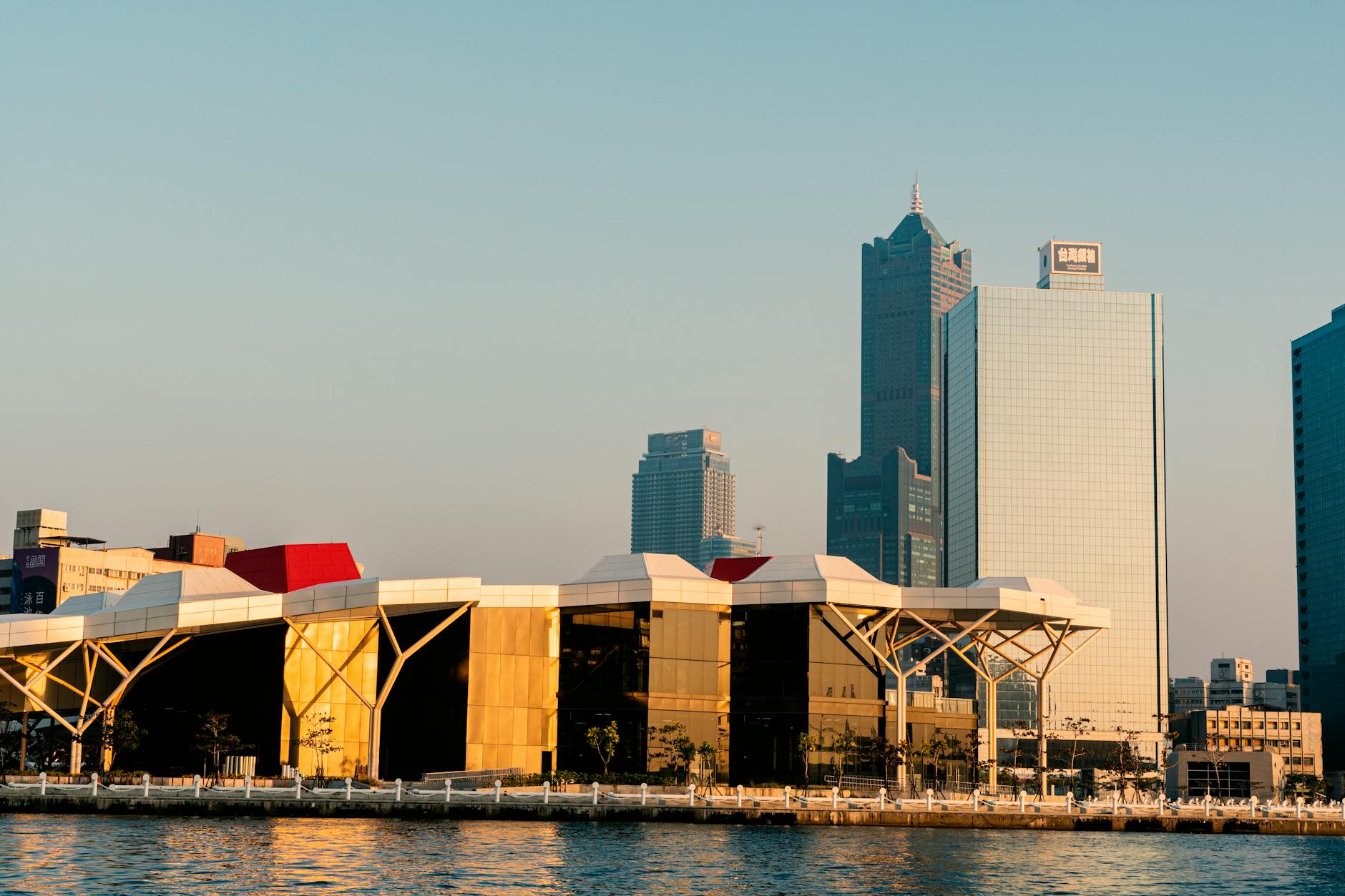
Waterfront redevelopment, Pier-2, Love River, night markets, Cijin, temples, port views, and industrial edges can all help explain Kaohsiung. They should be used with care. A journalist should avoid using the same scenic images to stand in for every story, especially when the reporting concerns labor, environment, health, politics, faith, or local community life.
Context should sharpen the piece. It should not turn a specific reporting trip into generic city color.
- Use waterfront, market, temple, port, and industrial context only when it supports the story.
- Avoid scenic shorthand when the reporting needs more specific locations or voices.
- Build time for source follow-up and fact checks after contextual visits.
When to order a short-term travel report
A journalist with a single hosted interview may not need a custom Kaohsiung report. A report becomes useful when sources are spread out, port or industrial access matters, translation is needed, filing time is tight, equipment movement is heavy, or the story requires balancing public visuals with specific reporting locations.
The report should test story geography, arrival route, hotel base, source access, translation, equipment movement, filing windows, weather, safety, meals, budget, and what to cut. The value is a Kaohsiung reporting trip that preserves attention for the story.
- Order when source geography, access, translation, equipment, filing time, or safety need testing.
- Provide dates, story locations, interview windows, arrival mode, hotel options, constraints, and budget.
- Use the report to make the reporting trip more focused and less exposed to logistics failures.