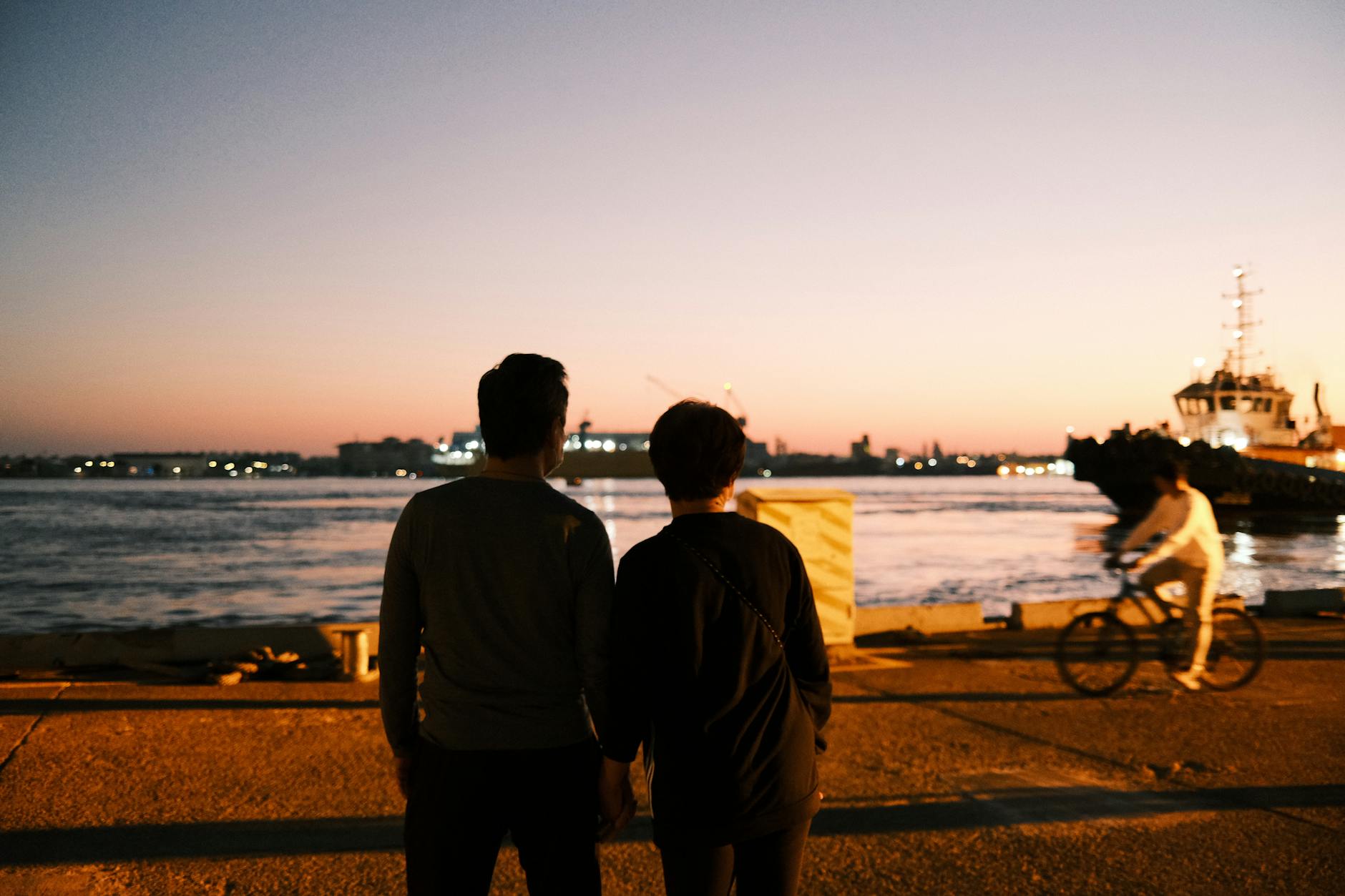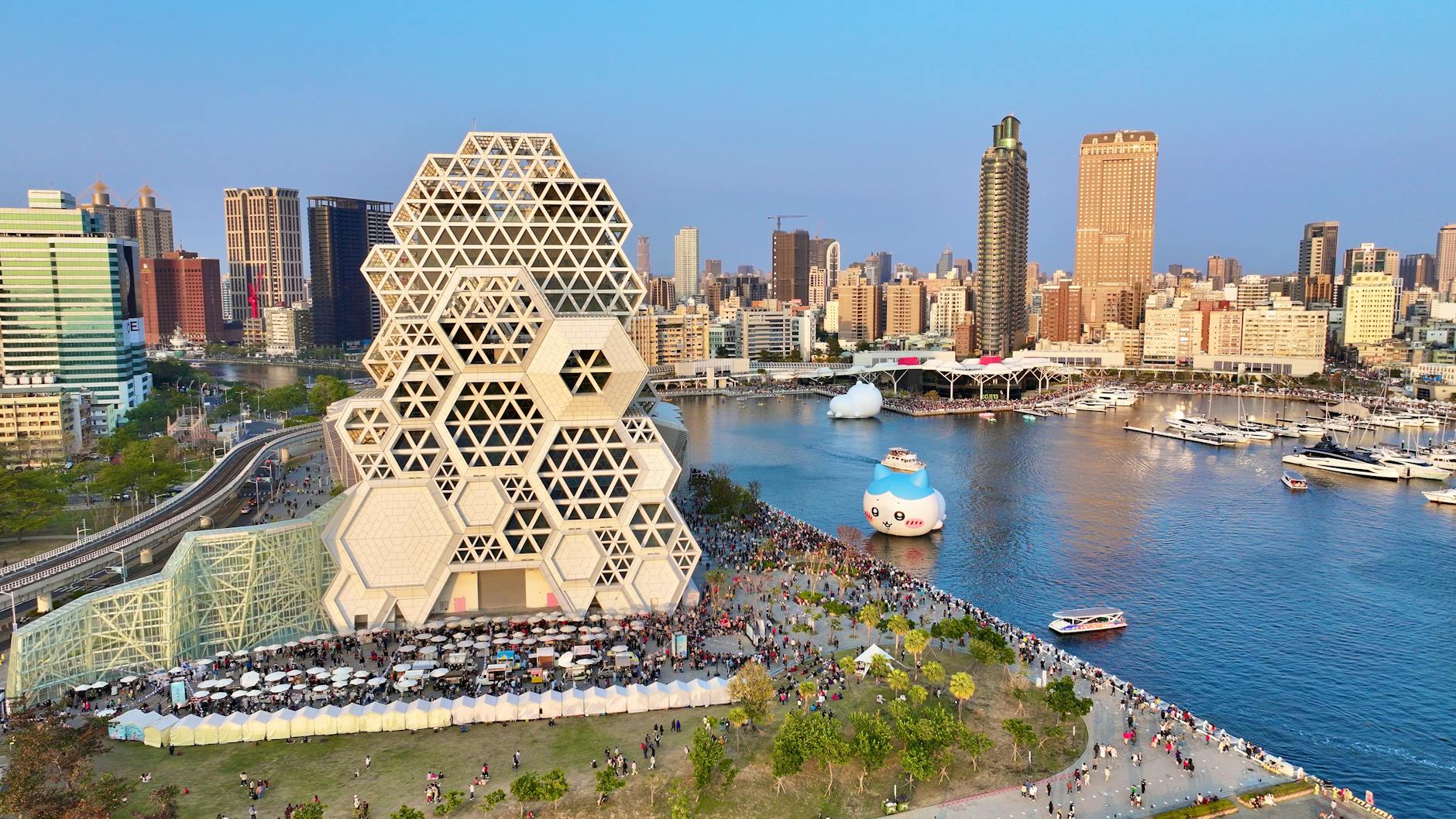
Kaohsiung can be a serious diligence city because its economy touches ports, logistics, manufacturing, energy, healthcare, education, public infrastructure, and southern Taiwan supply chains. For an investor or deal team member, the challenge is not simply getting to the city. It is arranging a short visit that supports clear judgment while protecting confidentiality, timing, site access, and stamina. A good Kaohsiung deal trip maps company locations, facility visits, advisors, meals, hotel work setup, HSR and airport movement, and debrief windows before the itinerary hardens. The city can be useful, but only if the team avoids spending its best attention on preventable logistics.
Map the diligence footprint first
A deal trip may involve management meetings, plant visits, port or logistics areas, advisors, banks, government contacts, universities, hospitals, or client reference calls. These locations can sit across a wide area. The team should map every address before choosing a hotel or accepting a compressed schedule.
The first itinerary should show where judgment will actually be formed. Meeting sequence, travel time, and debrief space are part of the diligence process.
- Map management meetings, site visits, advisors, banks, reference calls, meals, HSR Zuoying, and airport routes.
- Check which locations are office calls, host-driven site visits, or taxi-dependent movements.
- Build the trip around the highest-value diligence moments.
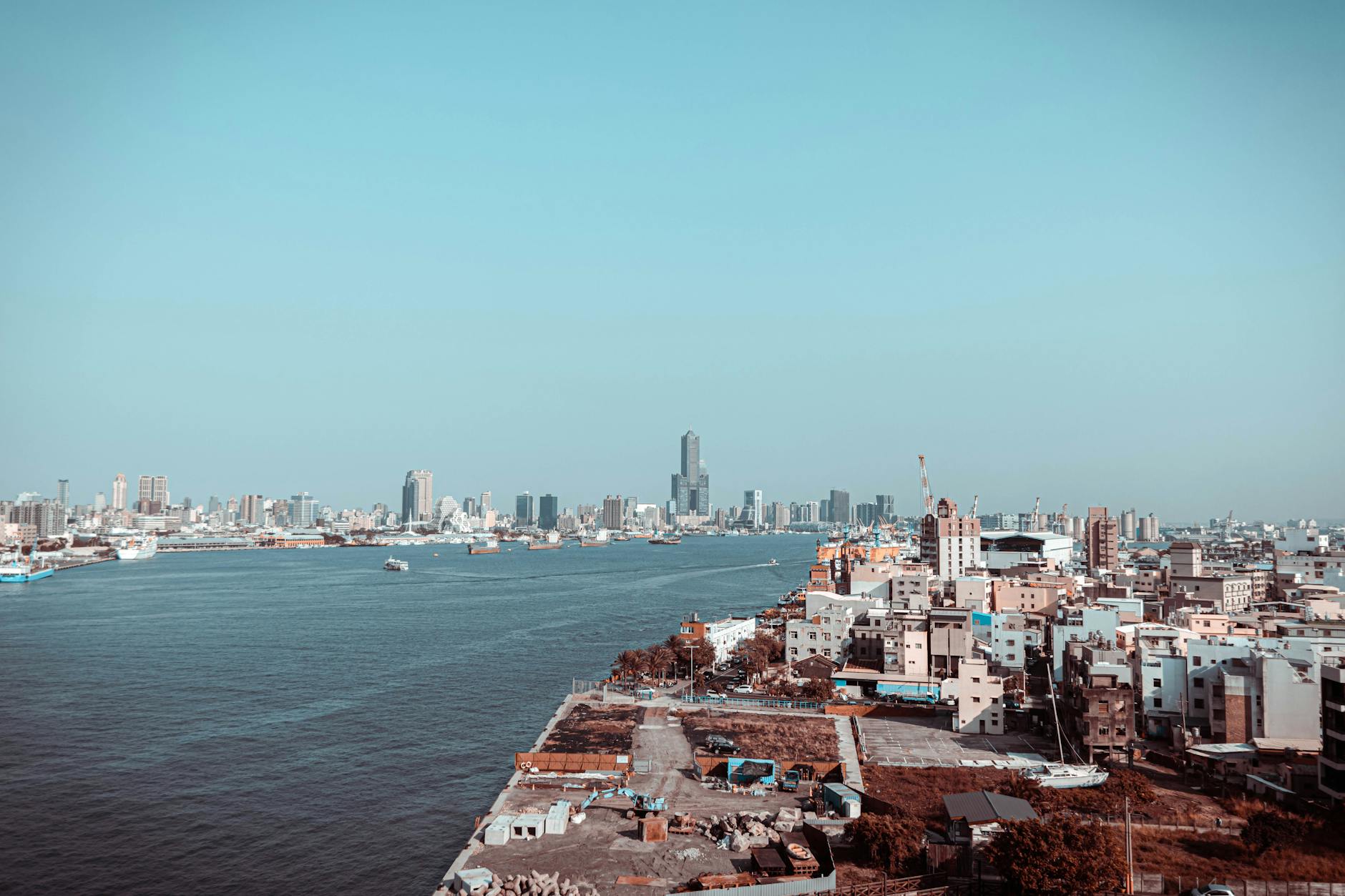
Treat industrial and port access as diligence risk
Kaohsiung facility visits can require identification, host escort, safety rules, photography restrictions, device limits, translation support, and extra time at gates. A factory, warehouse, port-adjacent site, or operations center may reveal important information, but only if the team arrives prepared and has enough time to observe, ask questions, and debrief.
The site visit should not be treated as a quick stop between boardroom meetings. It is often the reason to travel.
- Ask about ID, host escort, safety clothing, photography rules, device limits, and translation needs.
- Leave time for gates, facility movement, management conversation, and immediate debrief.
- Do not squeeze a critical site visit between unrelated meetings without buffers.
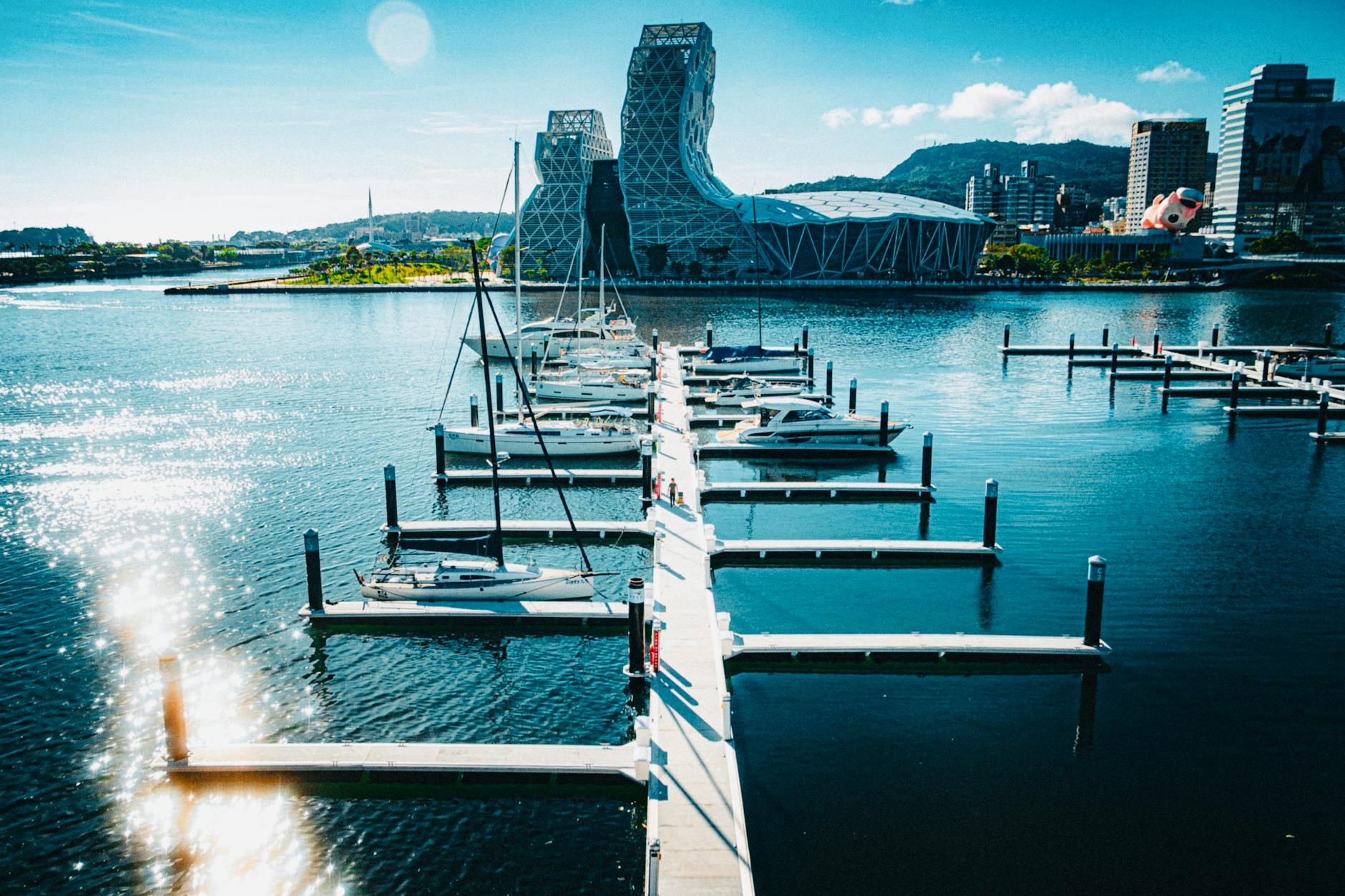
Choose a hotel for work, privacy, and transfers
The hotel should support confidential calls, document review, late debriefs, early breakfast, quiet sleep, laundry, taxi pickup, and easy movement to the main diligence locations. A scenic hotel can be useful, but only if it does not add friction before important meetings or make private work difficult.
The team should also consider where sensitive conversations can happen without relying on public lobbies or crowded cafes.
- Check desk space, Wi-Fi, quiet rooms, meeting areas, laundry, breakfast, taxi access, and late return.
- Choose a base by company geography, HSR, airport, site visits, advisor meetings, and dinners.
- Protect confidential calls and team debriefs when selecting lodging.
Protect timing from HSR and airport optimism
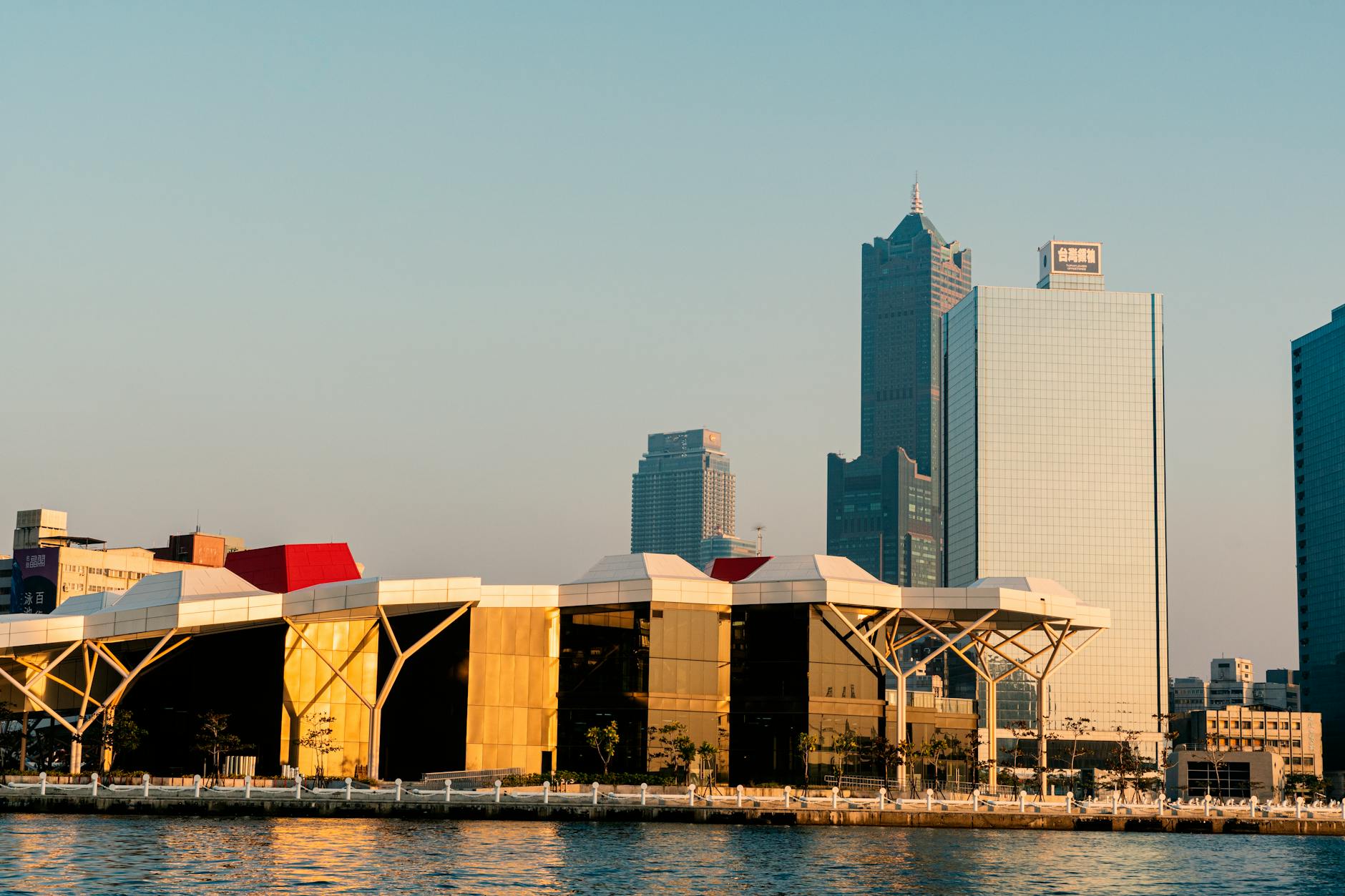
HSR Zuoying and Kaohsiung International Airport make the city accessible, but a deal team should still plan station exits, taxi pickup, MRT alternatives, luggage, traffic, weather, and the distance to the first meeting. The team may also need to coordinate arrivals from Taipei, Singapore, Hong Kong, Tokyo, or other regional hubs.
A diligence day should not begin with a rushed transfer that weakens the first conversation.
- Plan HSR, airport, MRT, taxi, luggage, hotel check-in, and first-meeting readiness separately.
- Coordinate staggered arrivals if team members are entering Kaohsiung from different hubs.
- Leave time to align internally before the first management meeting.
Use meals without losing control of the agenda
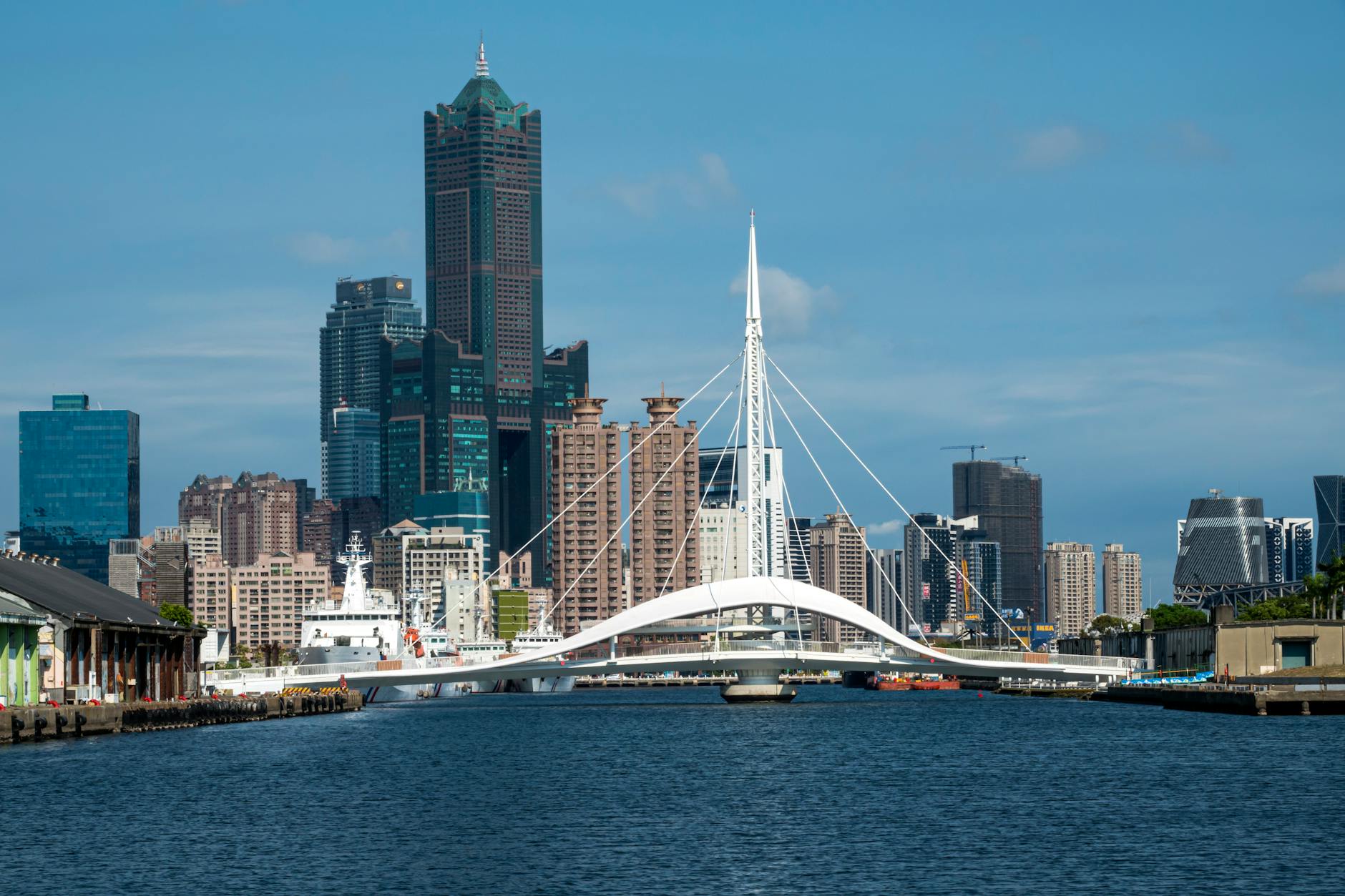
Management dinners, advisor coffees, shareholder meals, and informal drinks can help the team understand people and context. They can also blur the agenda if location, alcohol, translation, confidentiality, payment, and next-day timing are not handled. The team should decide which meals are relationship-building, which are information-gathering, and which are simply logistics.
A good meal plan creates useful conversation without compromising rest, privacy, or judgment.
- Plan management dinners, advisor coffees, alcohol, translation, payment, privacy, and return transport.
- Decide which meals are relationship-building, diligence, negotiation, or logistics.
- Protect next-day site visits, calls, and decision meetings from late-night drift.
Make room for context without tourism creep
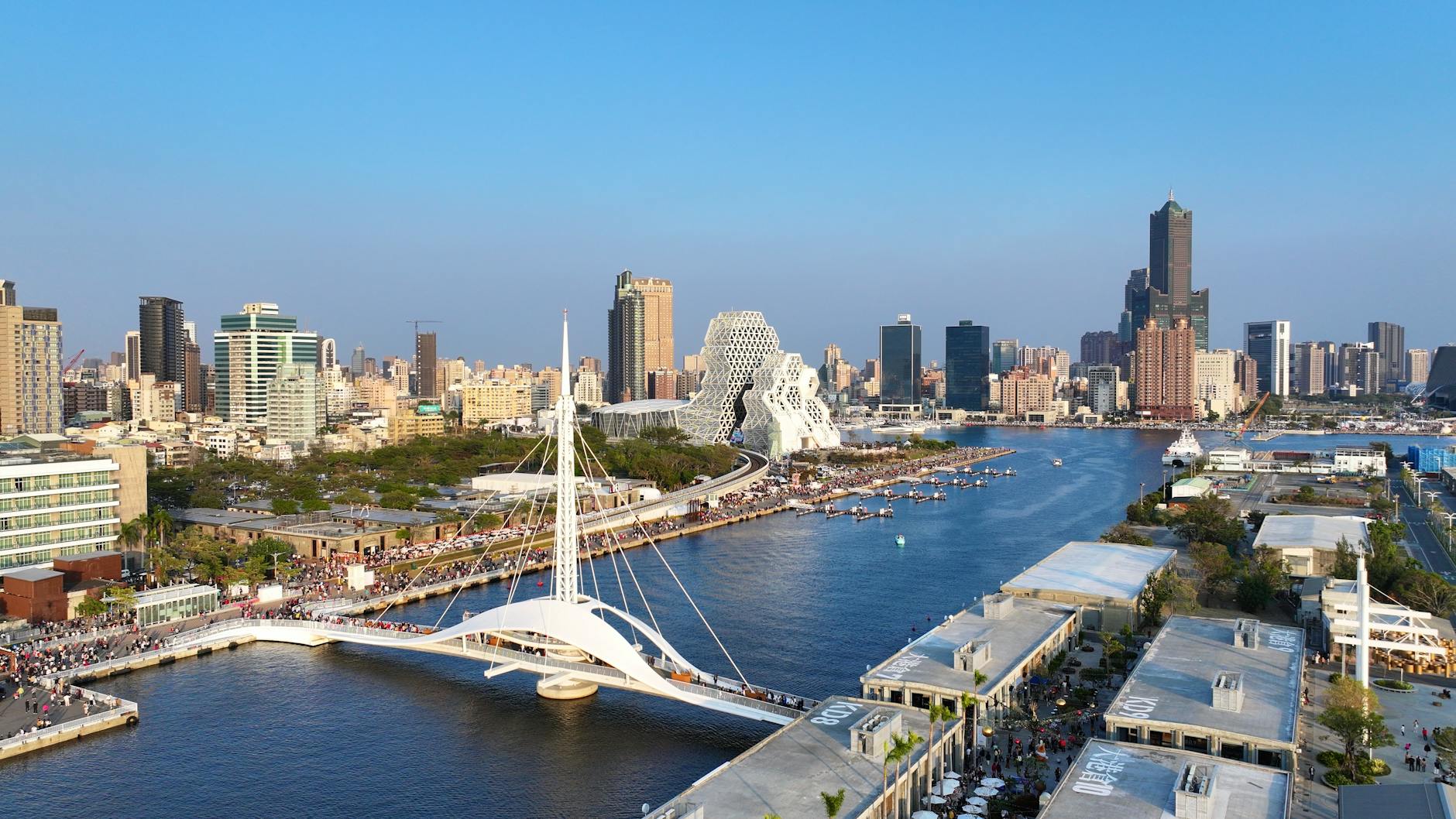
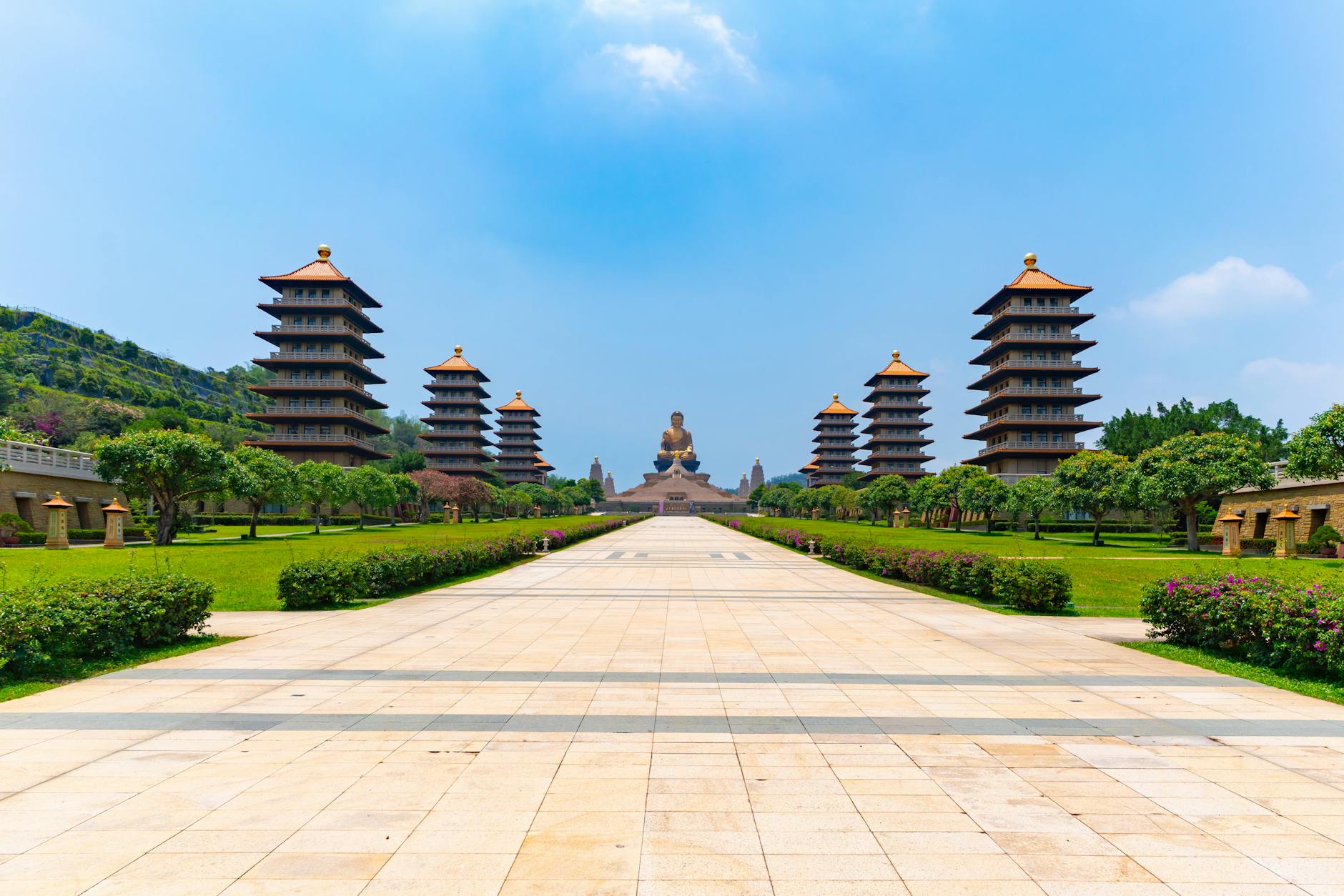
Some local context can help a deal team understand Kaohsiung: the harbor, industrial corridors, waterfront development, Fo Guang Shan, Lotus Pond, university areas, or logistics routes may all tell a broader story. But context stops being useful when it crowds out diligence.
The team should add one purposeful local view or transfer route when it supports the investment question. It should not become a separate sightseeing program.
- Use harbor, industrial, waterfront, temple, or university context only when it supports the diligence question.
- Avoid distant sightseeing if it weakens site visits, debriefs, or management time.
- Place local context near existing transfers when possible.
When to order a short-term travel report
An investor or deal team with a fully hosted itinerary may not need a custom Kaohsiung report. A report becomes useful when company locations are spread out, site access is uncertain, confidentiality matters, HSR and airport timing is tight, advisors or meals are involved, or the team needs enough local context to understand what it is seeing.
The report should test diligence geography, hotel base, transfer buffers, site-access requirements, private work space, meal logistics, weather, debrief windows, local context, budget, and what to cut. The value is a Kaohsiung visit that supports better judgment under time pressure.
- Order when company geography, site access, privacy, timing, meals, or local context need testing.
- Provide dates, company and advisor addresses, meeting schedule, arrival mode, hotel options, constraints, and budget.
- Use the report to make the diligence trip sharper, calmer, and less exposed to logistics noise.