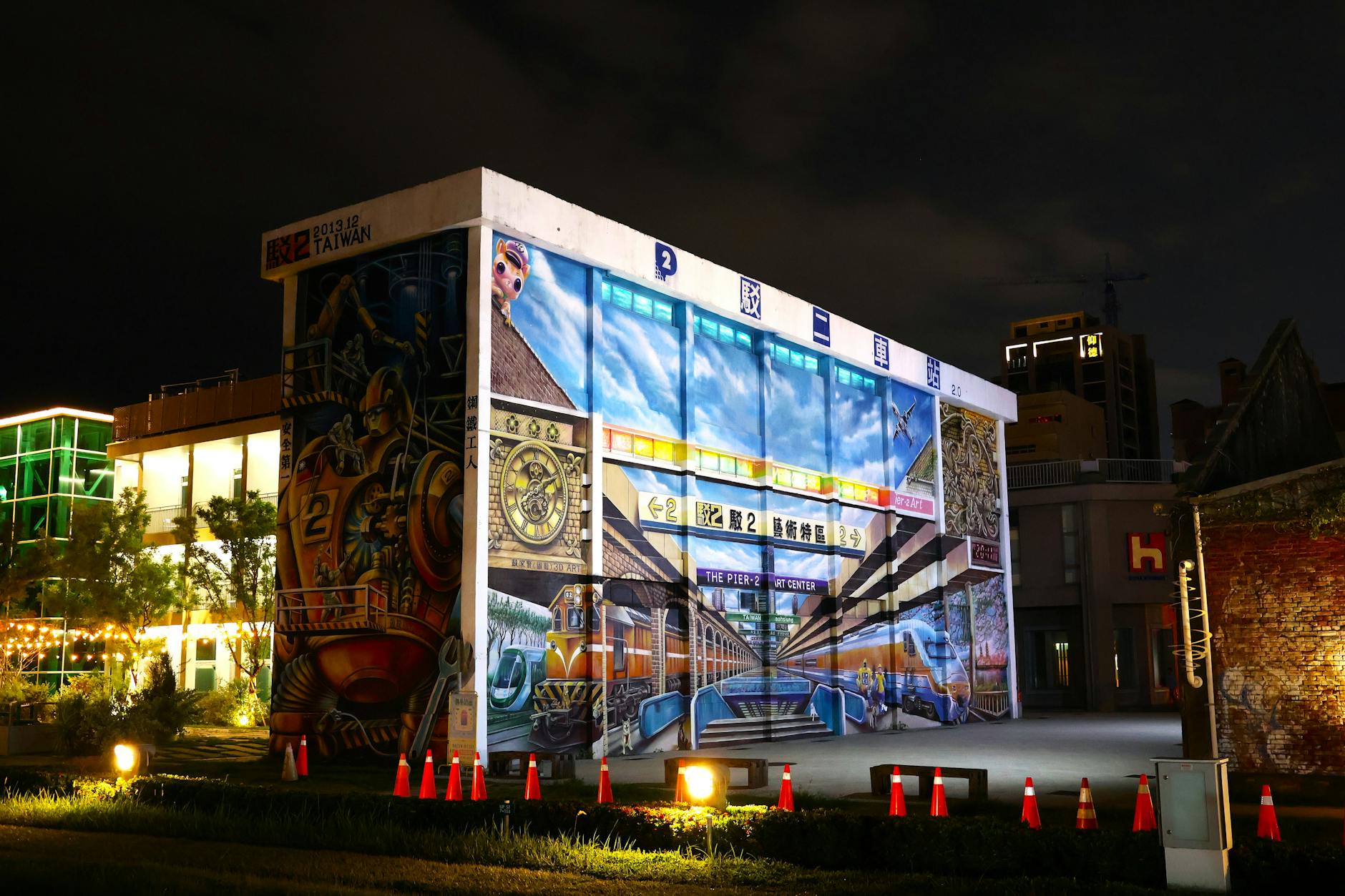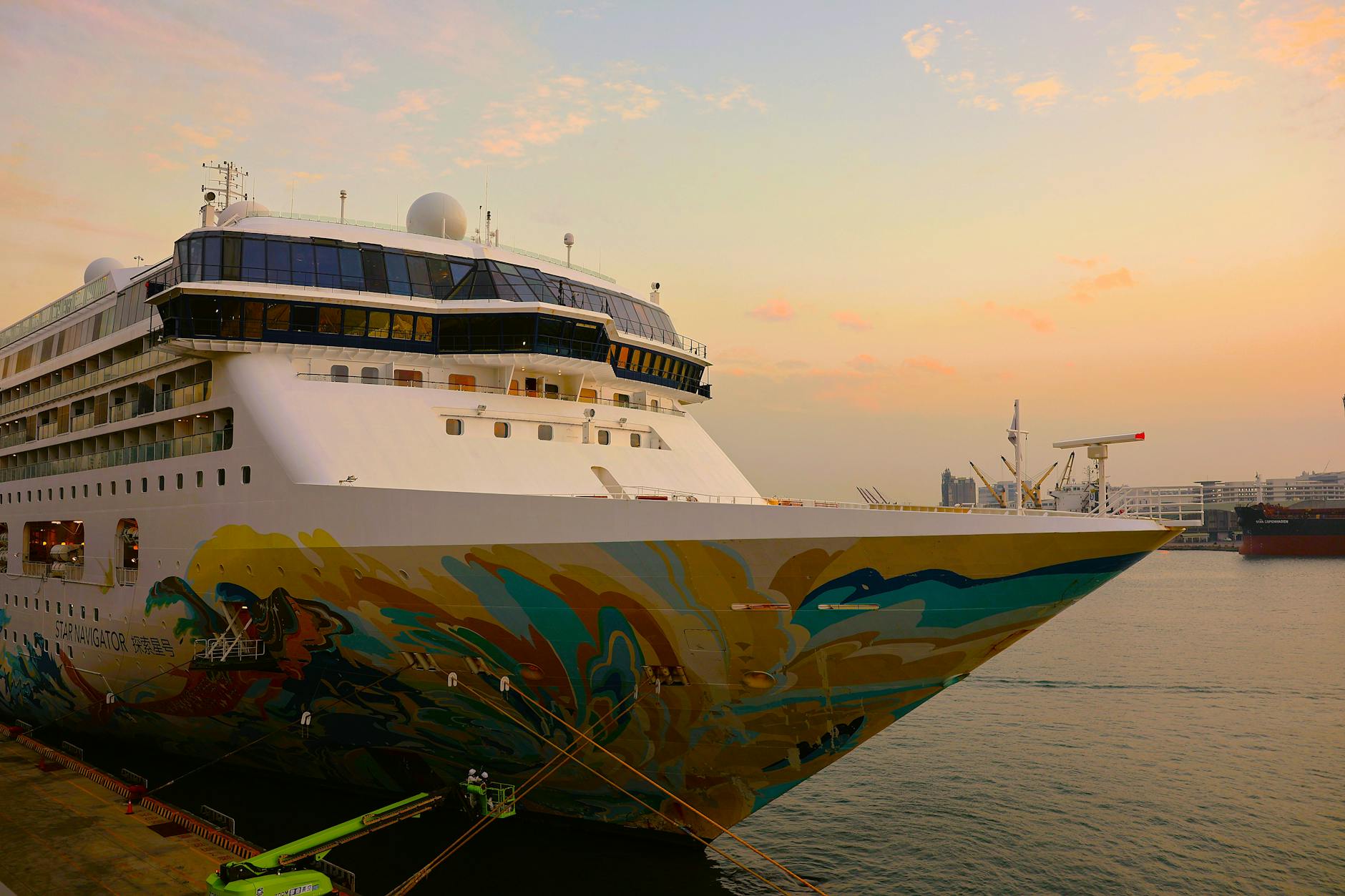
A Kaohsiung port call should be planned from the gangway back to the gangway. The city gives a cruise traveler useful options close to the harbor: Pier-2, Cijin, Love River, light rail, seafood, temples, and skyline views. The risk is not that Kaohsiung is difficult. The risk is treating a ship day like an ordinary city day and forgetting how quickly heat, ferry queues, port gates, traffic, and all-aboard timing can narrow the margin.
Confirm the pier and all-aboard time first
The useful Kaohsiung plan starts with the exact berth, not a list of sights. Cruise calls can involve port gates, shuttle procedures, immigration checks, taxi pickup points, and walking distances that are not obvious from a city map. A traveler should know the ship's all-aboard time, whether local time has changed, how long disembarkation normally takes, and whether returning passengers must clear any extra port step.
A good shore day feels relaxed because the hard deadline has been respected from the start.
- Confirm berth, shuttle rules, port gate, local time, immigration process, and all-aboard deadline.
- Build the day backward from the ship return rather than forward from the first attraction.
- Keep a conservative final return plan even if the morning disembarkation feels easy.
Choose one compact harbor route
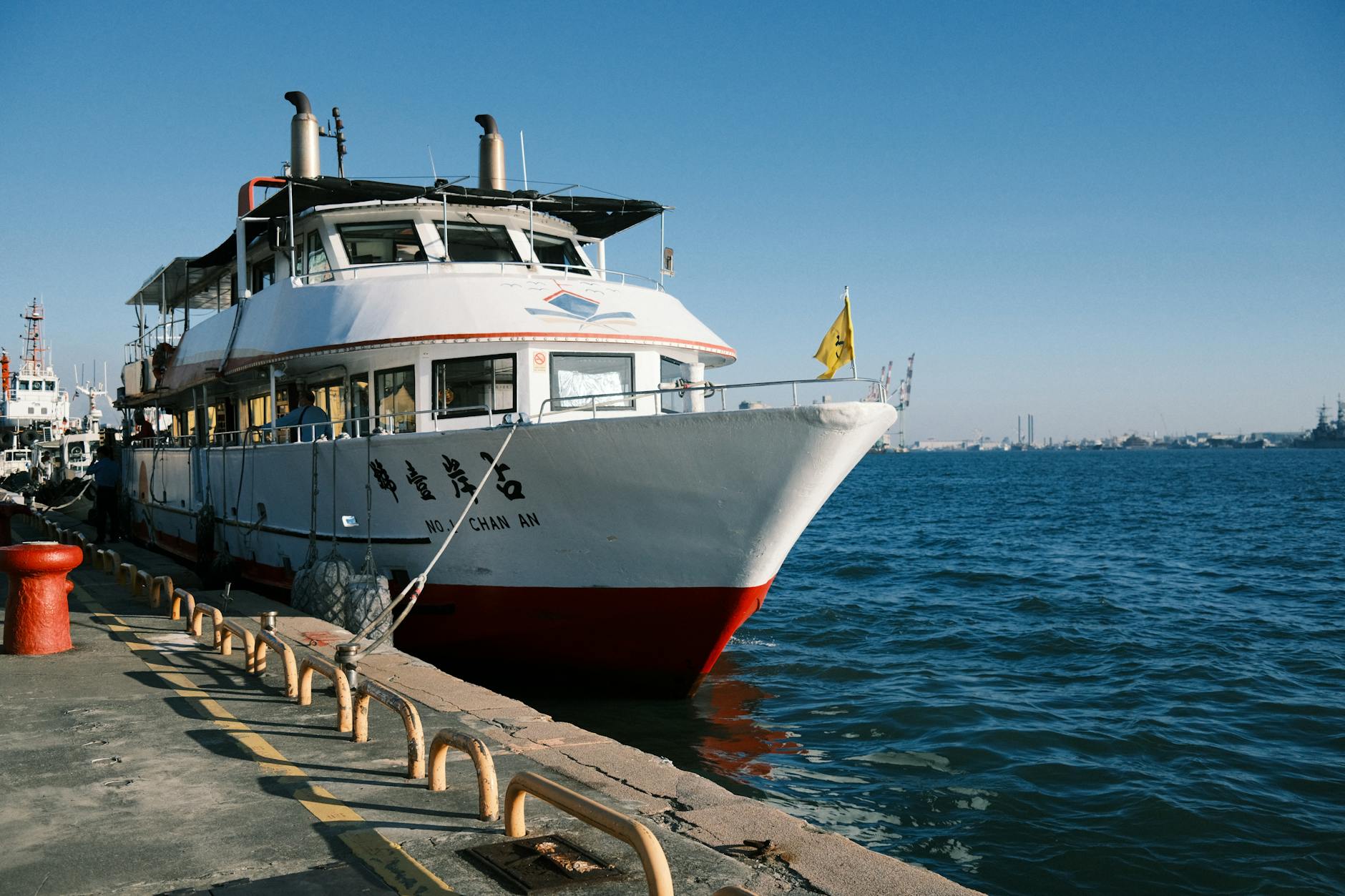
A short Kaohsiung call works best when the route is compact. Pier-2 Art Center, Hamasen, light rail stops, harbor viewpoints, and nearby cafes can create a strong local day without pushing deep into the city. The traveler should avoid combining too many districts just because each item looks close on a map.
The strongest route is often a small loop that gives harbor texture, food, shade, and a clean return.
- Keep Pier-2, Hamasen, harbor views, light rail, cafes, and return pickup points in one practical loop.
- Do not stack Cijin, Lotus Pond, Fo Guang Shan, and Pier-2 into one short call.
- Prefer a route that can be shortened without losing the whole day.
Treat Cijin as a timed decision
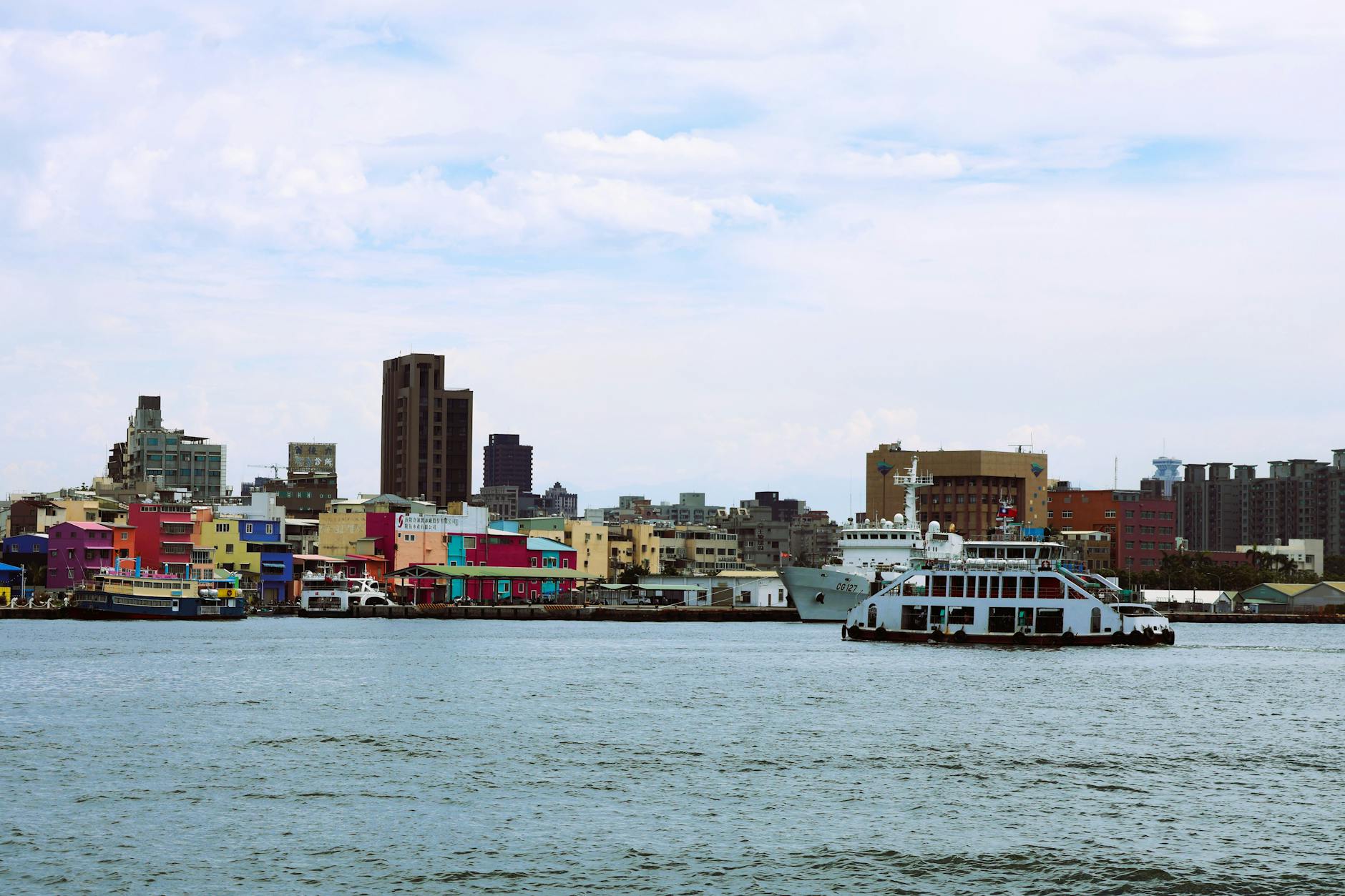
Cijin can be one of the most satisfying shore choices because it gives seafood, harbor movement, beach air, Fort Cihou, and a different feel from the central waterfront. It is also a ferry-based decision. Queues, weather, heat, and the return crossing matter more when a ship departure is fixed.
Cijin should be chosen when the traveler has enough time to enjoy the island and still return with a serious buffer.
- Check ferry point, queue risk, cash or payment needs, walking distance, heat, and return timing.
- Use Cijin for seafood, harbor views, beach air, and Fort Cihou only when the buffer is healthy.
- Have a Pier-2 or harbor-side alternative if ferry timing starts to look tight.
Compare inland sights by transfer risk
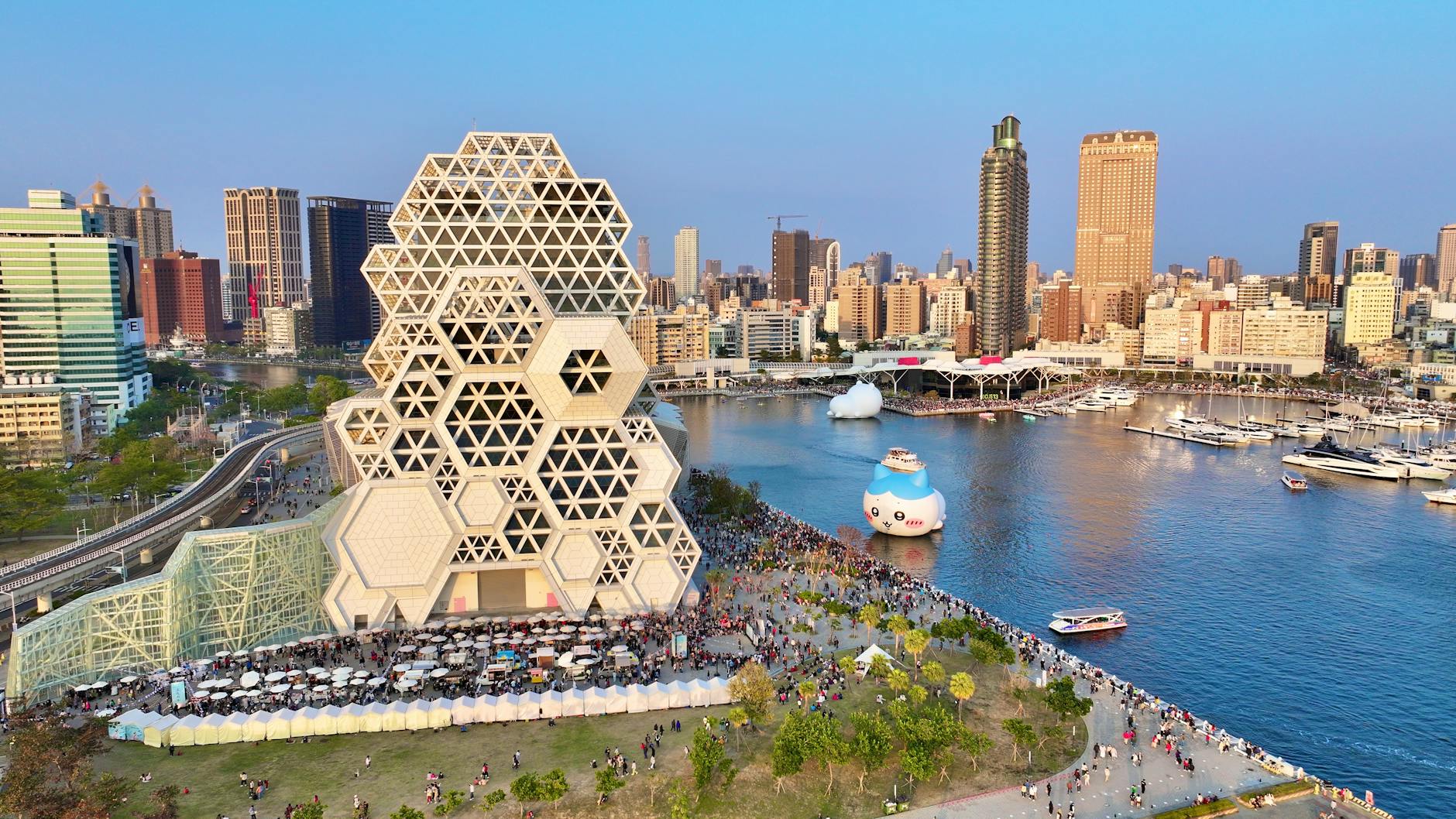
Lotus Pond, Dragon and Tiger Pagodas, and Fo Guang Shan can be worthwhile, but they are not the same kind of shore choice as the harbor. They require more transfer certainty, more heat planning, and a clearer understanding of how the traveler will get back to the ship. A cruise traveler should judge them by round-trip reliability, not only by appeal.
If the port call is short, inland sightseeing usually needs a private driver, a ship excursion, or a very conservative independent plan.
- Compare Lotus Pond, Dragon and Tiger Pagodas, and Fo Guang Shan by return reliability and heat exposure.
- Use private transport or an organized excursion when the ship deadline is unforgiving.
- Skip distant sights if the call is short, weather is poor, or disembarkation is delayed.
Plan food without stretching the return
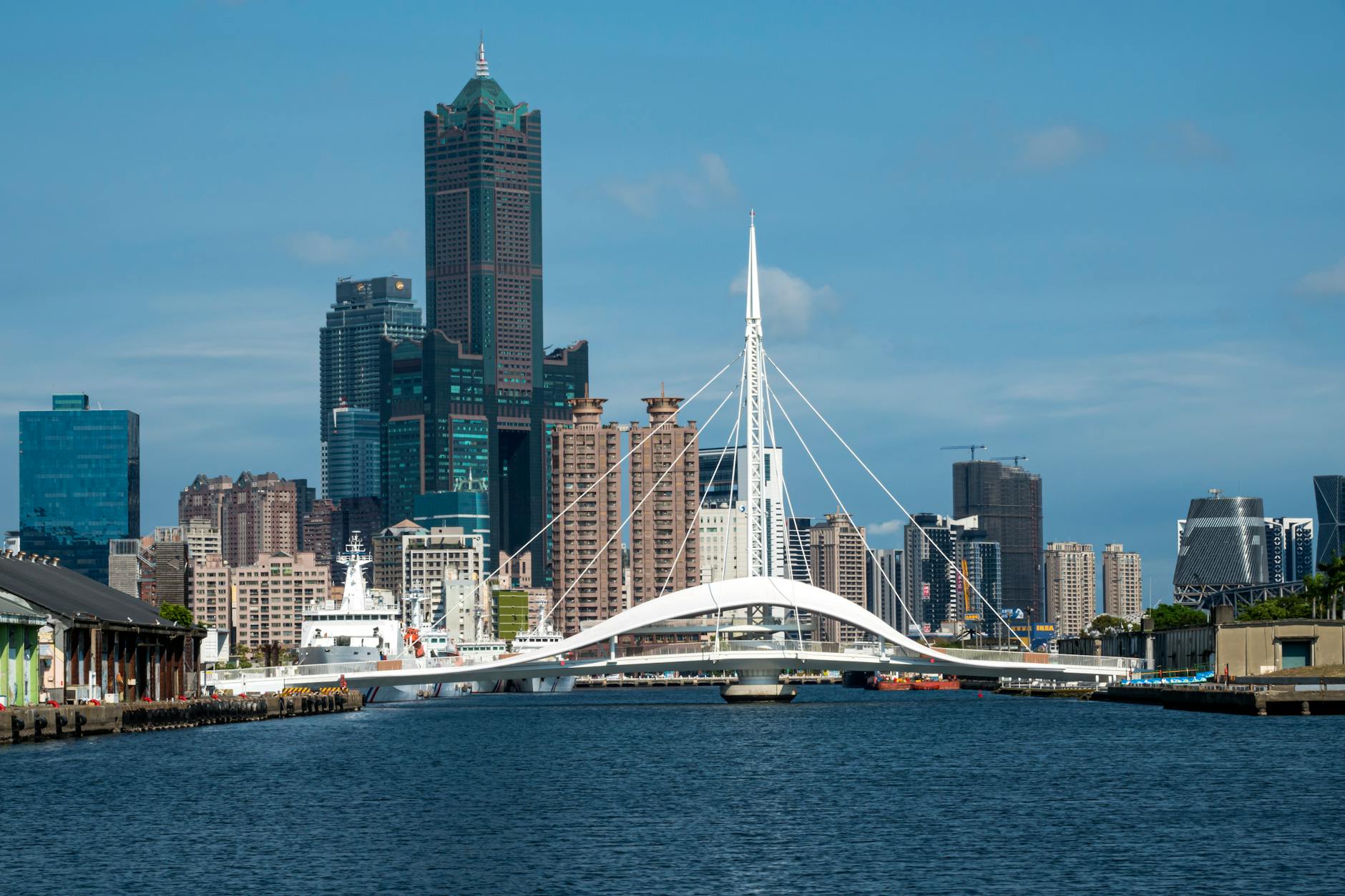
A Kaohsiung port day should include food, but food should not become the reason the traveler cuts the ship return close. Seafood in Cijin, casual Taiwanese dishes near the harbor, shaved ice, tea, bakeries, and market snacks can all fit if the route is deliberate. The traveler should check opening times, seating, payment, and the distance back to the pickup point.
The best meal is the one that still leaves enough time to return calmly.
- Plan seafood, tea, shaved ice, snacks, or a harbor cafe around route timing and payment needs.
- Avoid long sit-down meals far from the port late in the call.
- Keep water and a shade break in the schedule, especially in hot months.
Build heat and mobility buffers
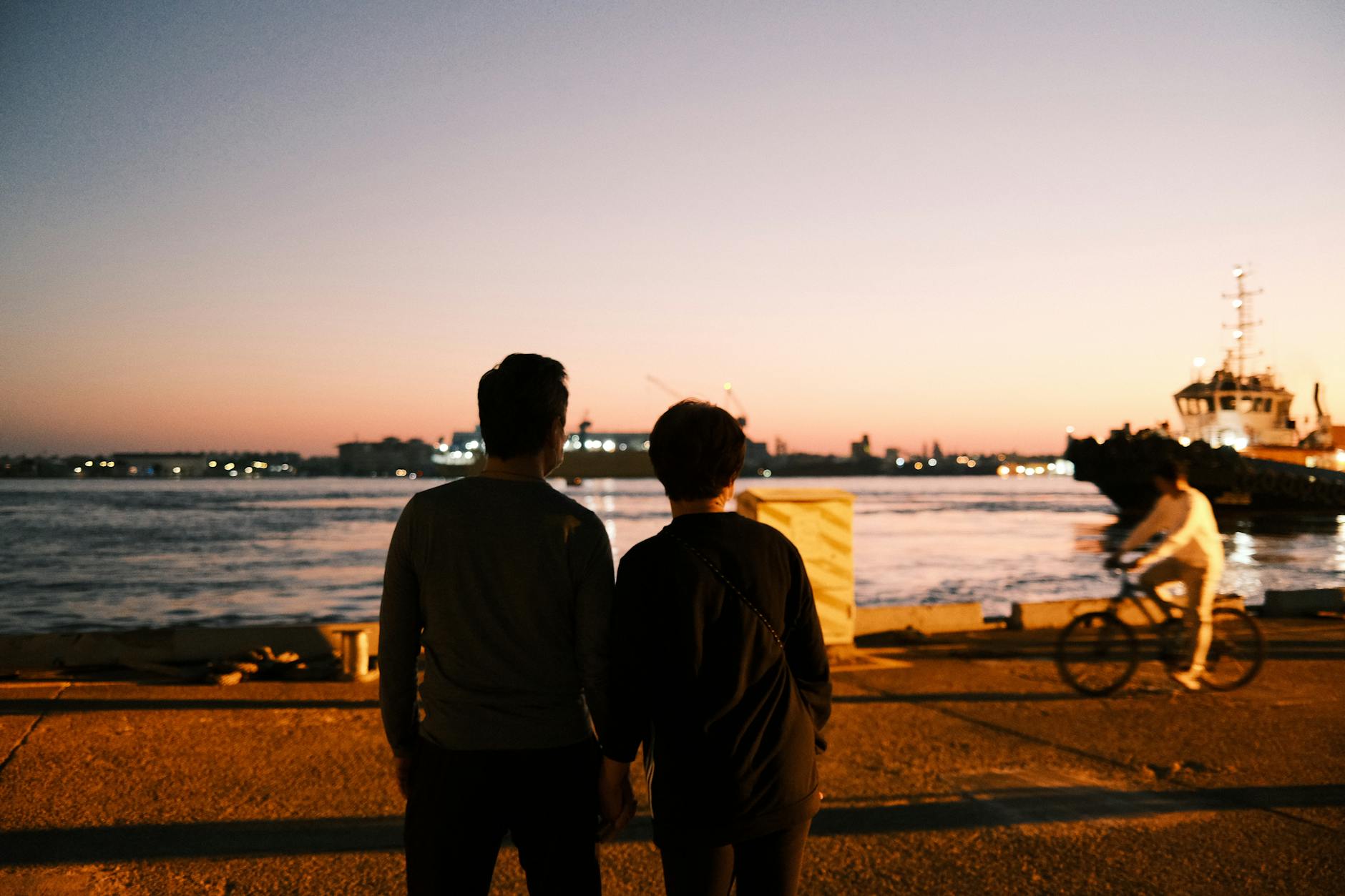
Kaohsiung can feel hotter and brighter than expected, especially for travelers coming off a ship with a full morning ahead. Walks that look modest can feel heavier with humidity, sun exposure, crowds, uneven pavement, or a slower group pace. A traveler should think about shade, taxis, restrooms, elevators, ferries, and where to stop if energy drops.
A realistic port plan should protect the slowest member of the party, not the fastest.
- Account for heat, sun, humidity, walking pace, restrooms, shade, taxis, and step-free movement.
- Keep the route short enough for the slowest traveler in the group.
- Use the final hour as protected return time, not as optional sightseeing time.
When to order a short-term travel report
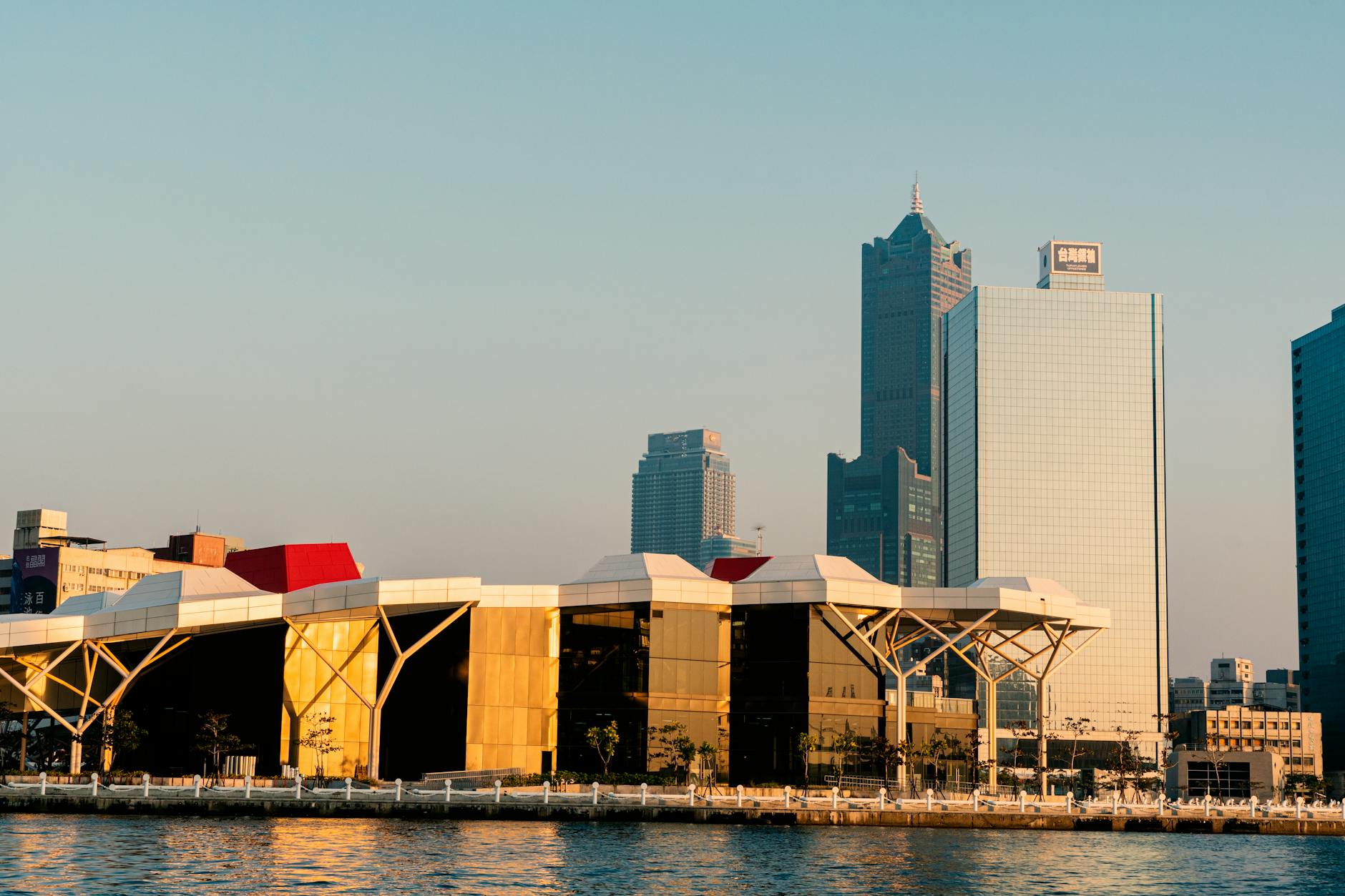
A cruise traveler with a ship excursion may not need a separate Kaohsiung report. A report becomes useful when the traveler wants to explore independently, compare Cijin with Pier-2 or Lotus Pond, account for mobility or heat limits, or make a tight port call work without relying on vague advice.
The report should test the berth, port exit, transport options, route sequence, food stops, ferry timing, weather, buffers, and what to cut if disembarkation runs late. The value is a shore day that feels local while still respecting the ship.
- Order when berth, port exit, Cijin ferry timing, inland sights, heat, mobility, or return buffers need testing.
- Provide ship name, docking time, all-aboard time, mobility needs, interests, and risk tolerance.
- Use the report to choose a short Kaohsiung route that can bend without missing the ship.