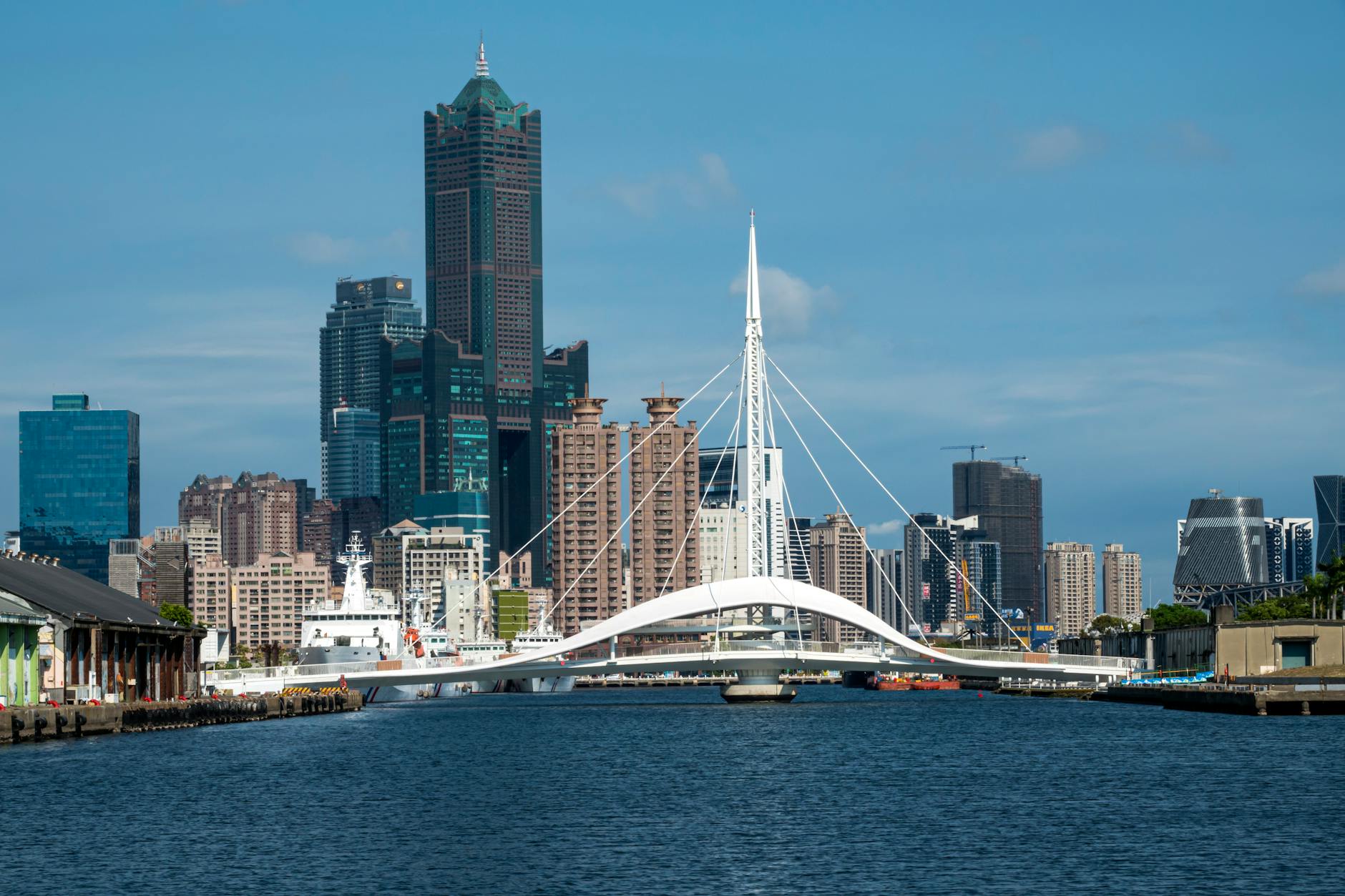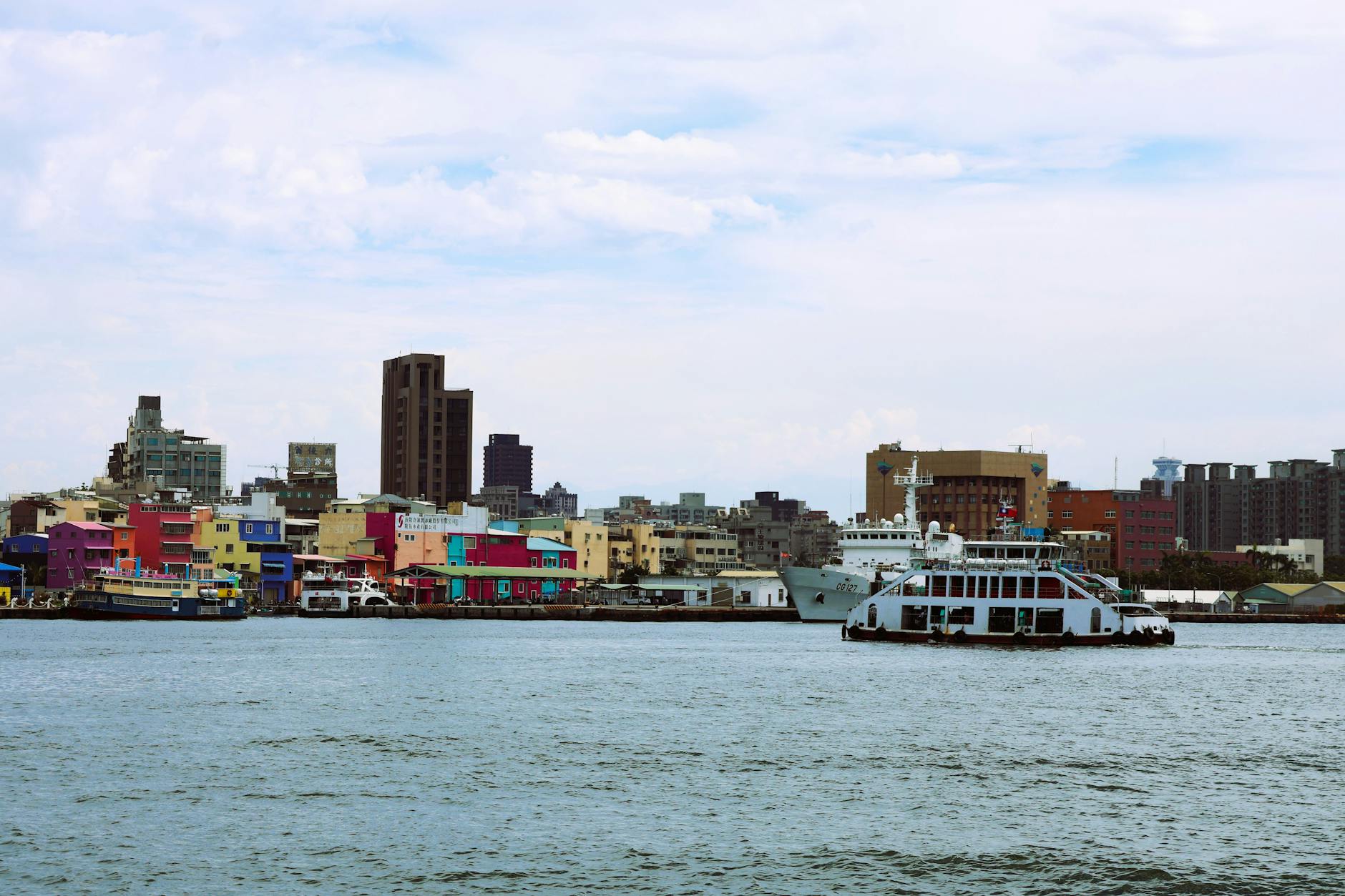
Kaohsiung can be excellent for content creators because it offers harbor movement, ferries, Pier-2, Love River, Lotus Pond, temples, night markets, light rail, skyline views, and a southern Taiwan mood that is visually distinct from Taipei. The challenge is coherence. A short creator trip can become a pile of disconnected shots if timing, transport, permissions, heat, and story are not planned. A good Kaohsiung content plan chooses a point of view first. Then it builds routes, light, meals, captions, gear, and rest around that story instead of chasing every photogenic stop.
Decide what Kaohsiung story you are telling
A creator can frame Kaohsiung as harbor city, design district, food route, temple trip, southern Taiwan weekend, transit-friendly urban escape, or slower alternative to Taipei. Each angle leads to a different route. Without a point of view, the trip can become a sequence of pretty but unrelated clips.
The creator should choose the main story before choosing every location. That makes captions, transitions, and filming decisions easier on the ground.
- Choose whether the story centers on harbor, food, design, temples, transit, Cijin, or southern Taiwan pacing.
- Select locations that support that point of view instead of adding every photogenic stop.
- Keep captions and transitions in mind before the shooting day starts.
Plan light, heat, and routes together
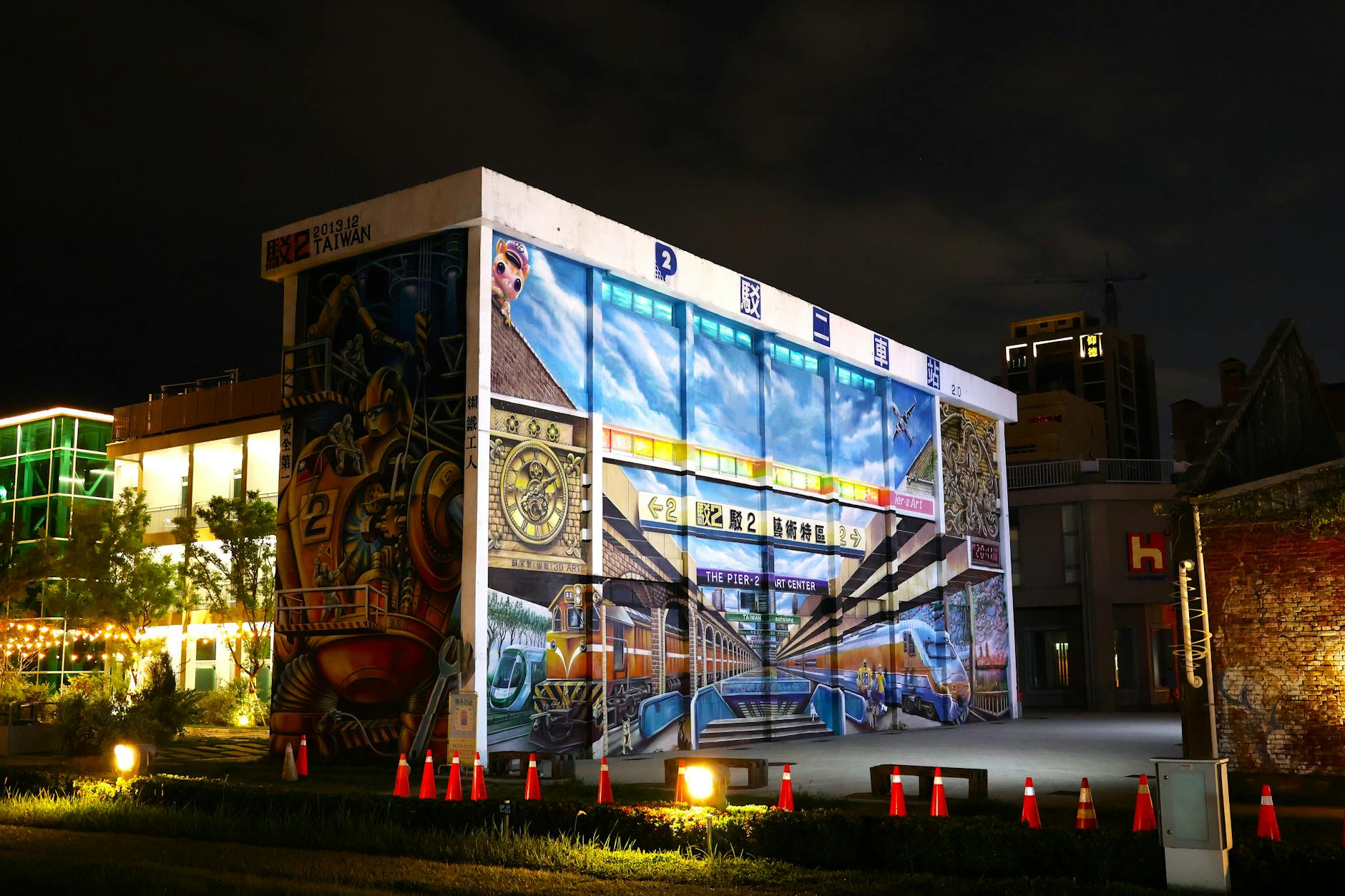
Kaohsiung's best visual windows may not match the easiest movement windows. Waterfronts, ferries, Lotus Pond, skyline views, and markets can change dramatically by hour, but heat and rain can drain a creator fast. The route should match morning, sunset, night, and indoor breaks with transport that actually works.
The creator should not chase light so aggressively that the day becomes unusable. Good pacing makes better content.
- Match sunrise, daytime, sunset, blue-hour, and night-market shots to realistic transport.
- Plan water, sunscreen, shade, indoor breaks, and taxis around outdoor filming.
- Leave time to reset before evening shots instead of shooting through exhaustion.
Treat permissions and etiquette as production basics
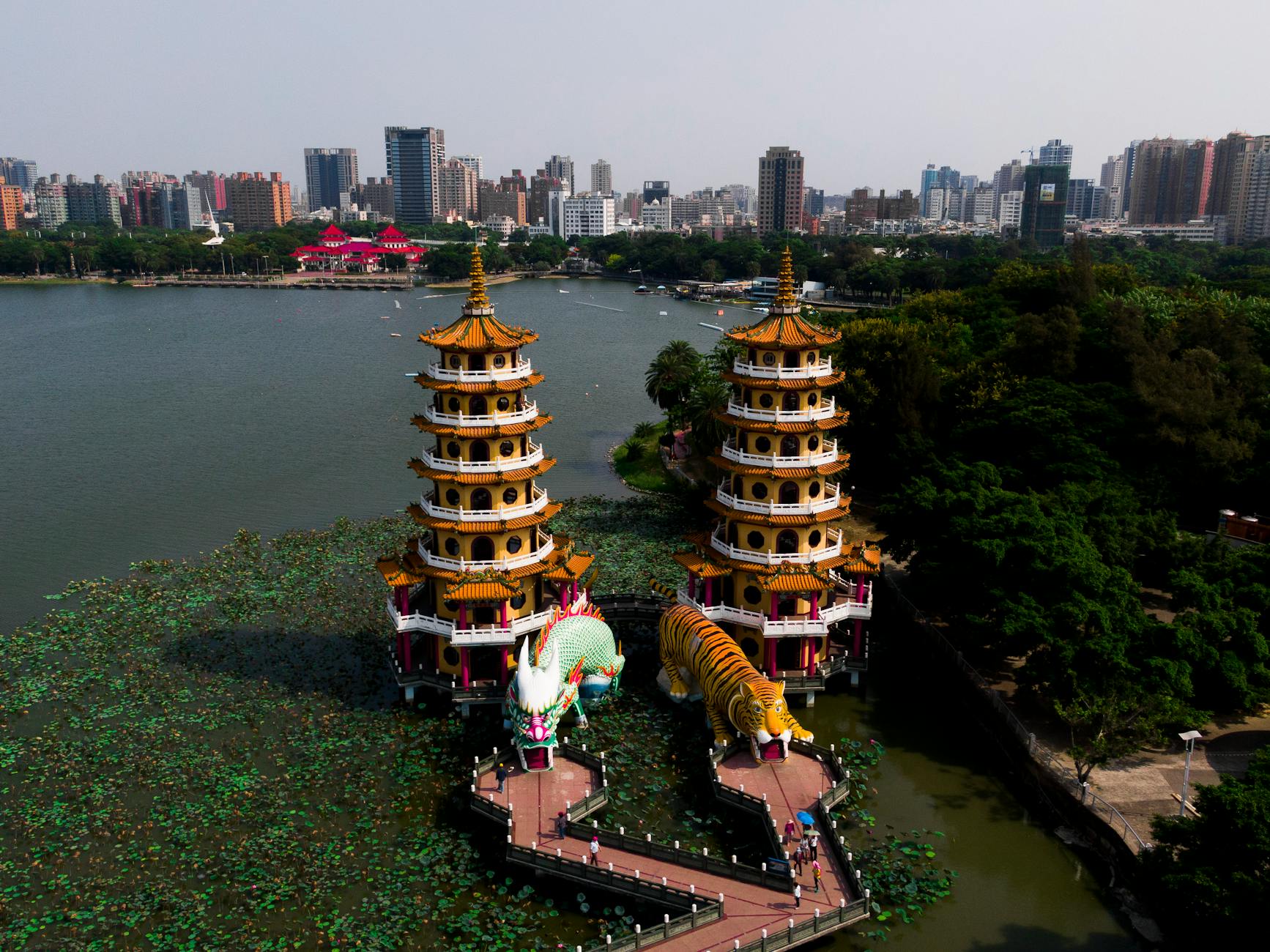
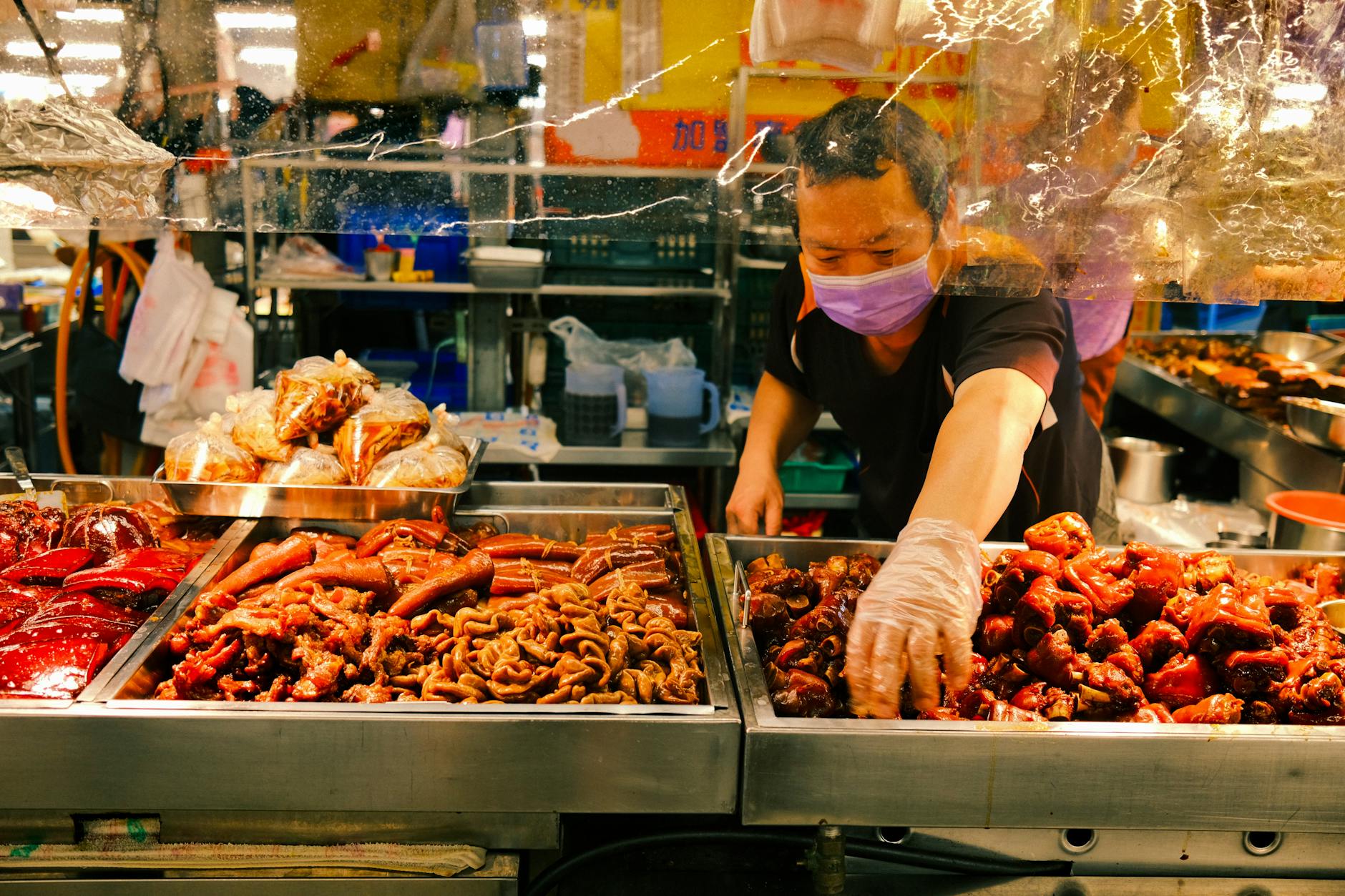
Markets, temples, ferries, restaurants, schools, community spaces, and small businesses are not just backdrops. The creator should ask before filming people closely, recording staff, using tripods, flying drones, photographing religious activity, or presenting partner spaces. Some places may allow casual phone shots and still reject staged filming.
Respectful content is usually stronger because it reflects the place more accurately.
- Ask before close filming, staff recording, tripod use, drones, religious activity shots, or partner-space content.
- Respect temple etiquette, market privacy, restaurant rules, and community boundaries.
- Avoid making locals responsible for fixing a creator's rushed production plan.
Use Cijin and the waterfront with timing discipline
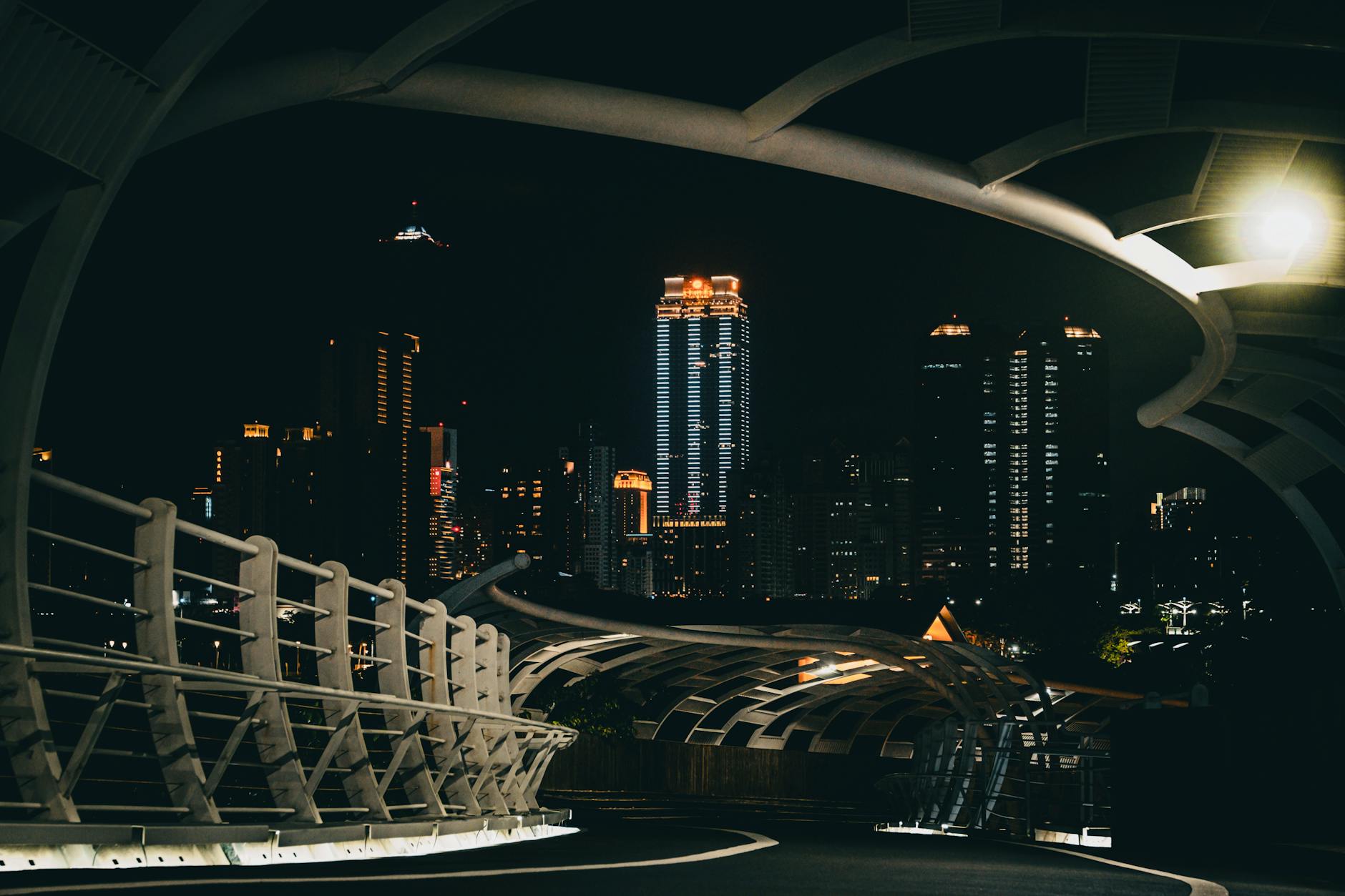
Cijin, ferry movement, harbor views, Pier-2, Love River, and light rail can make a strong Kaohsiung visual sequence. They also require timing. Ferries, weather, crowds, battery life, seafood meals, and return routes should be checked before the creator commits to a shoot. A late start can turn a promising route into a rushed set of fragments.
A strong waterfront plan has a beginning, middle, and exit. It should not depend on lucky timing.
- Plan ferry timing, harbor views, Pier-2, Love River, light rail, meals, and return routes together.
- Check weather, crowds, battery life, and whether sunset or night content is realistic.
- Create a route that can shrink if rain, heat, or crowds change the day.
Keep gear light enough for the city
A content creator may want cameras, lenses, phone rigs, mics, tripod, drone, laptop, lights, power banks, and backup drives. Kaohsiung heat, rain, transit, markets, ferries, and temple visits may make that load unrealistic. The creator should choose the kit that fits the actual route and know where gear can be stored safely.
The best gear plan is the one that still lets the creator move, eat, rest, and respond to the city.
- Choose camera, phone, audio, tripod, drone, laptop, power, and backup gear by route and rules.
- Plan rain cover, battery charging, file backup, secure storage, and lighter carry options.
- Avoid carrying equipment that prevents spontaneous movement or respectful interaction.
Plan posting without flattening the city
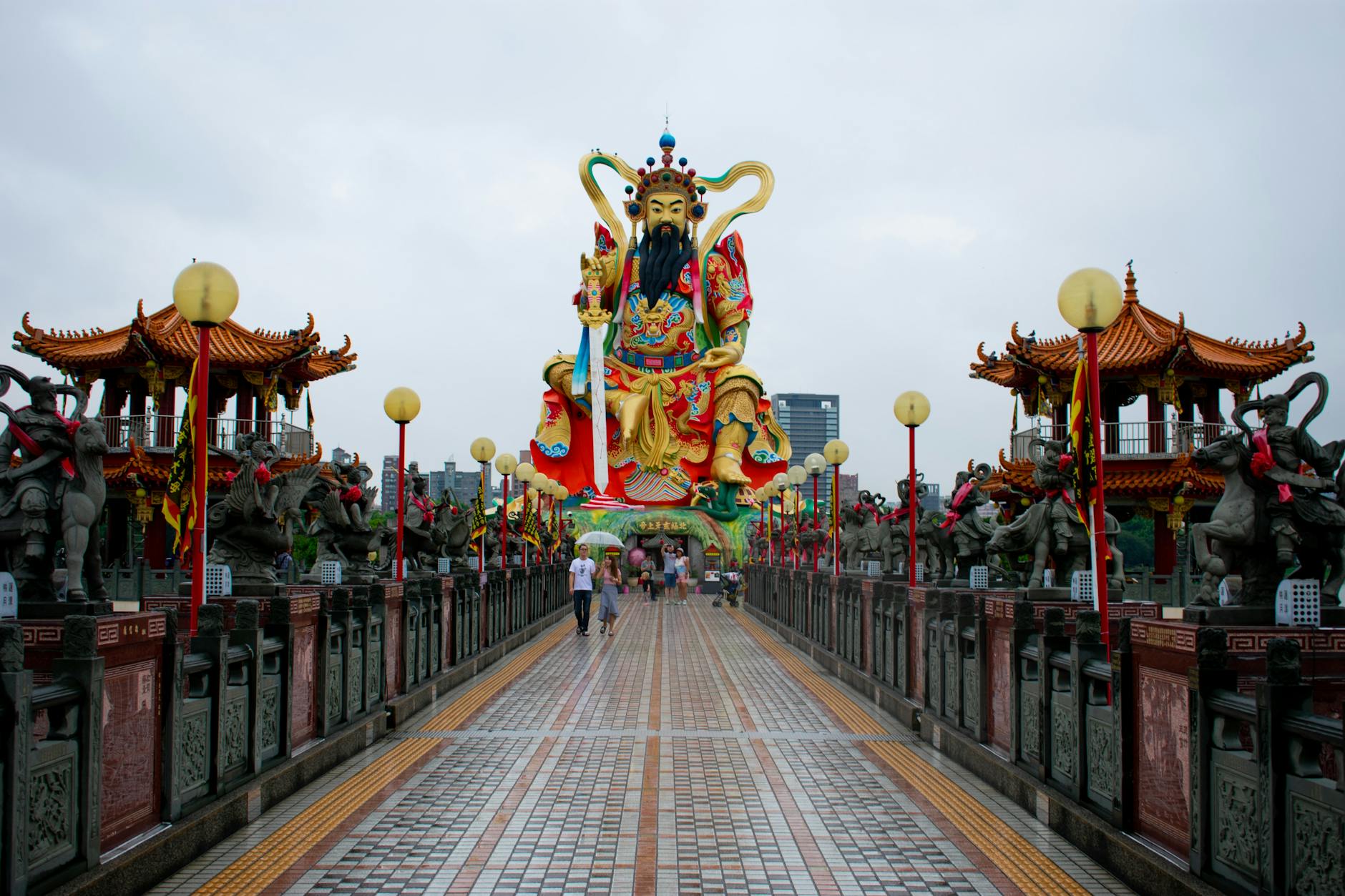
Kaohsiung content can drift toward the same handful of scenic images: skyline, pagodas, market food, ferries, and neon streets. Those can be useful, but the creator should add context, accurate names, transport notes, accessibility realities, and honest pacing. A short trip does not need to pretend that every stop is effortless.
Useful content helps the audience understand the place and the tradeoffs behind the route.
- Include accurate names, transport notes, timing, heat, crowds, costs, and accessibility realities.
- Avoid presenting every route as easy if it required taxis, long walks, or weather luck.
- Balance scenic shots with practical context and specific local details.
When to order a short-term travel report
A creator with a relaxed stay and familiar workflow may not need a custom Kaohsiung report. A report becomes useful when the trip is short, the creator needs a coherent route, Cijin and waterfront timing are important, permissions are uncertain, gear is heavy, heat matters, or content must support a specific campaign, editorial angle, or platform series.
The report should test route sequence, light, transport, hotel base, ferry timing, permissions, gear load, food stops, weather, rest windows, budget, and what to cut. The value is a Kaohsiung content trip that tells one clear story instead of collecting disconnected clips.
- Order when route coherence, light, ferry timing, permissions, gear, heat, or campaign needs require testing.
- Provide dates, platform goals, shoot priorities, hotel options, constraints, gear needs, and budget.
- Use the report to make the short creator trip more specific, respectful, and easier to execute.