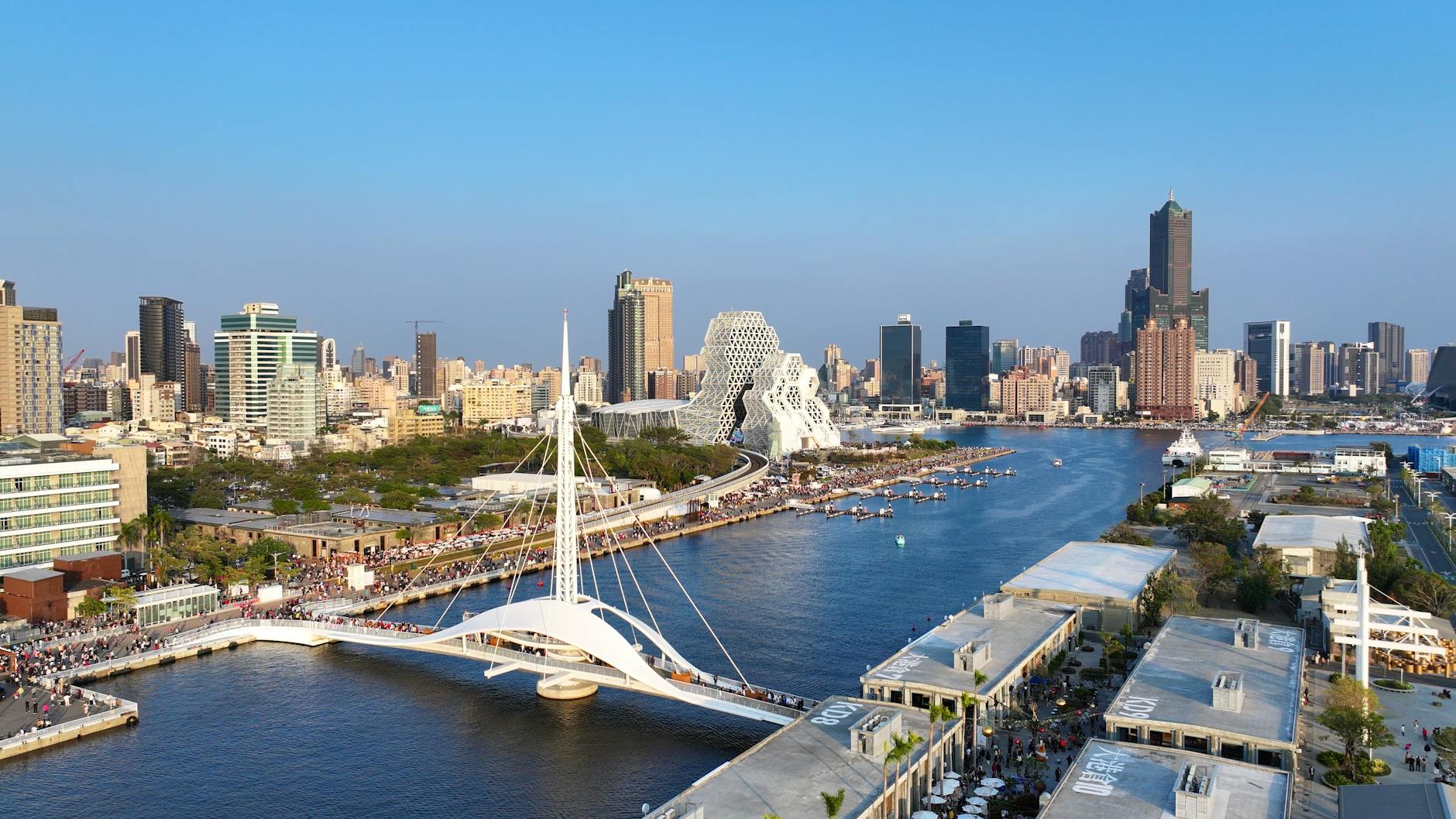
Kaohsiung consulting travel can involve offices, port or logistics sites, industrial facilities, hospitals, universities, government partners, hotels, and client dinners spread across a large southern Taiwan city. The work may look simple on a calendar, but the geography, heat, site access, and evening expectations can determine whether the trip feels controlled. A good short Kaohsiung consulting plan protects the engagement first. It maps client locations, transfer risk, hotel work setup, presentation condition, confidentiality, meals, and recovery time before adding local experience.
Map the client geography before accepting the schedule
A consultant may have a morning workshop downtown, an afternoon site visit near the harbor or industrial districts, and a dinner across town. These movements should be tested before the schedule is accepted. Kaohsiung is manageable, but it is not one compact business district.
The consultant should map every client address, meeting room, site gate, dinner location, and transfer buffer before promising back-to-back availability.
- Map offices, site gates, workshops, hotels, dinners, HSR Zuoying, and airport routes before finalizing the schedule.
- Check whether each movement is MRT-friendly, taxi-dependent, or host-driven.
- Push back on unrealistic back-to-back meetings across distant districts.
Treat port and industrial visits as high-friction work
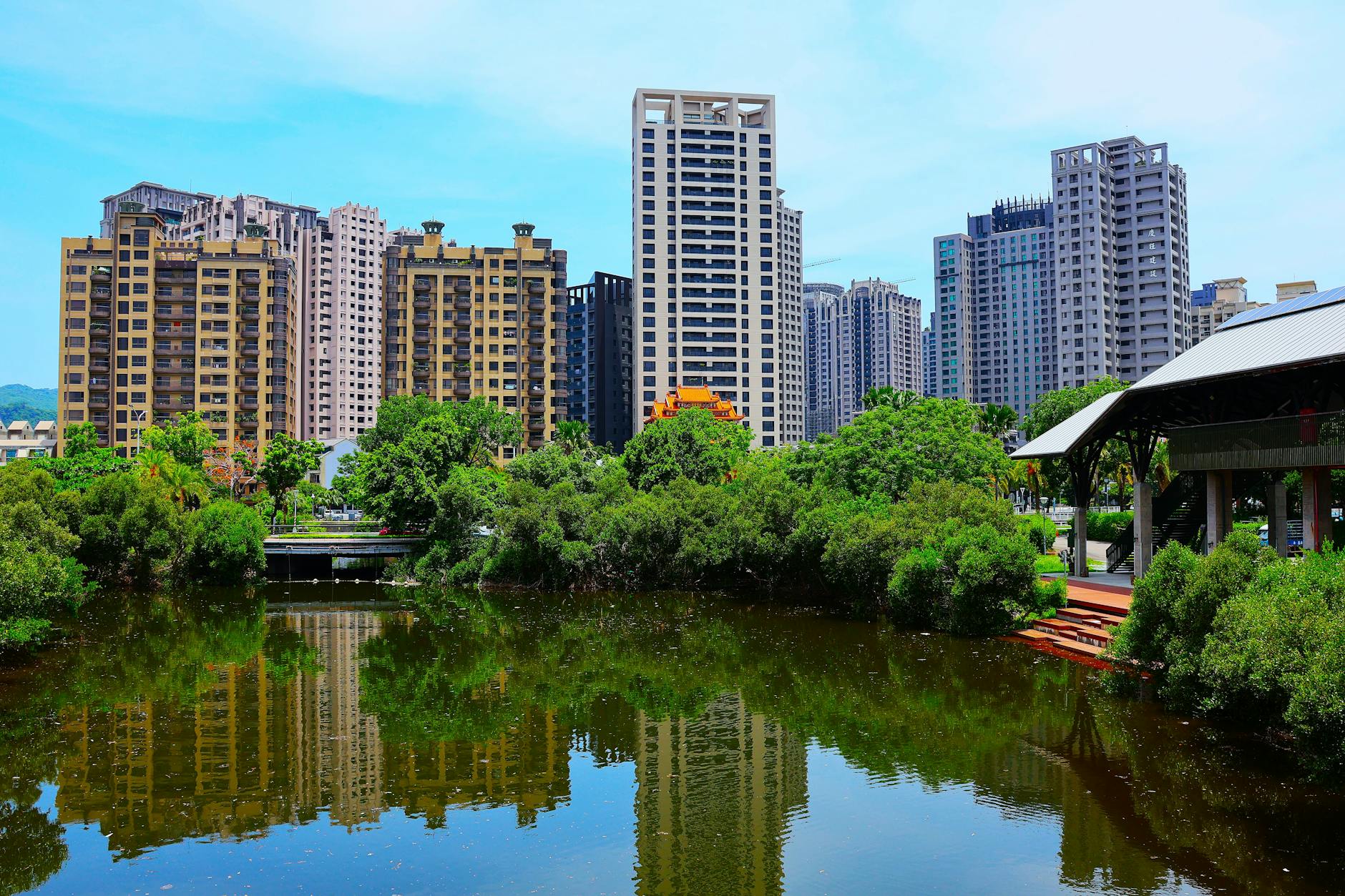
Kaohsiung consulting can involve port, logistics, manufacturing, energy, healthcare, or public-sector environments that require more than a taxi ride. The consultant may need identification, host escort, safety rules, equipment restrictions, visitor badges, data handling limits, or clothing adjustments. These visits should anchor the day.
A site visit that looks like one calendar block may require arrival clearance, facility movement, a debrief, and a careful return plan.
- Ask about ID, host escort, safety rules, visitor badges, equipment limits, and clothing requirements.
- Leave time for gates, briefings, facility movement, debriefs, and return transport.
- Do not place complex site visits between other high-value meetings without buffers.
Choose a hotel that supports actual work
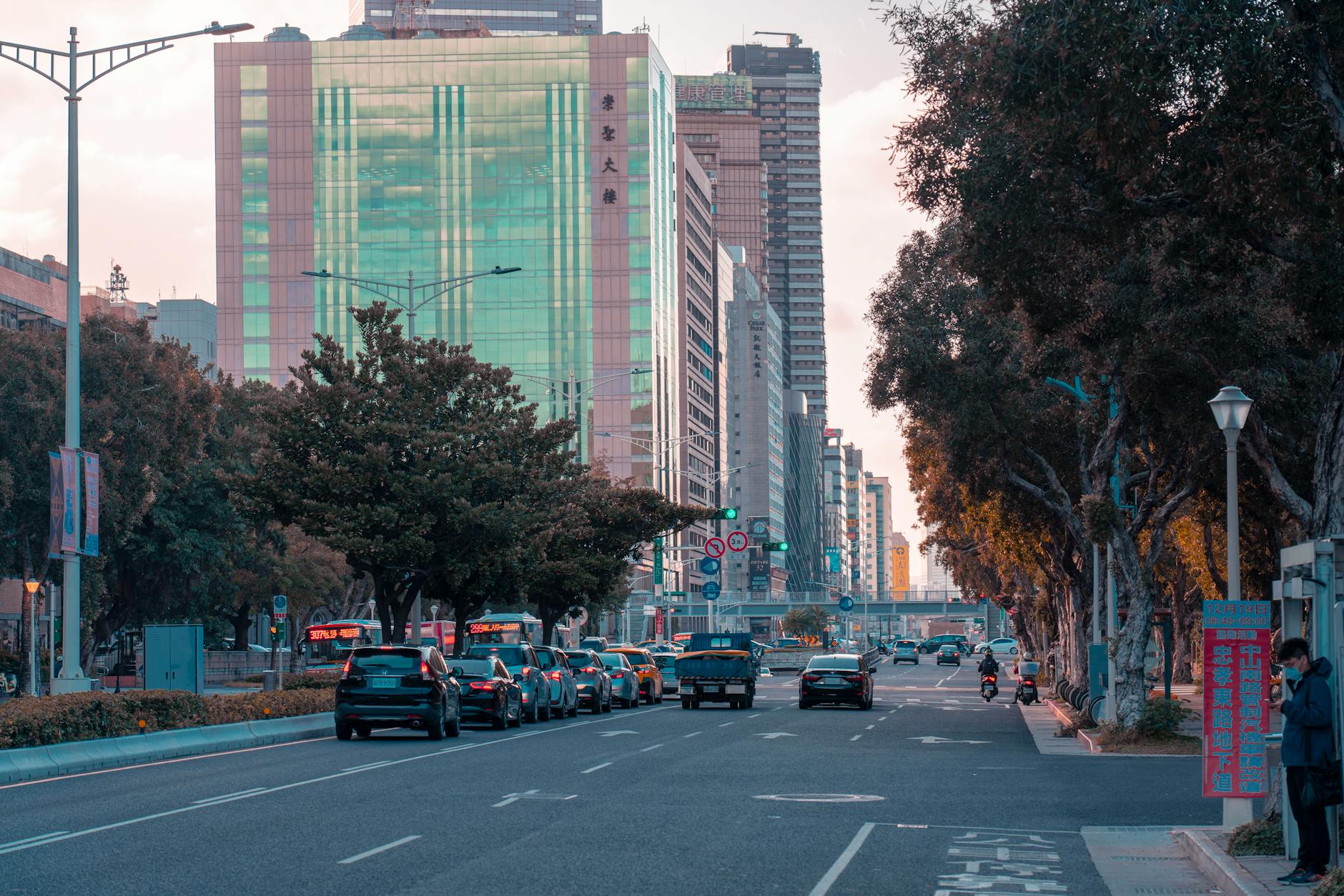
Consultants need more from a hotel than a bed. The room should support calls, document review, deck edits, quiet sleep, laundry, early breakfast, late returns, taxi pickup, and possibly confidential work. A hotel near the prettiest waterfront may be a poor choice if the client work happens near Zuoying, the airport, or an industrial site.
The best base is the one that protects preparation and recovery around the engagement.
- Check desk, Wi-Fi, quiet rooms, laundry, breakfast, late entry, elevators, and taxi pickup.
- Choose the base by client schedule, HSR, airport, site visits, and dinner locations.
- Avoid hotel choices that make preparation, calls, or confidential work harder.
Protect presentation condition in the heat
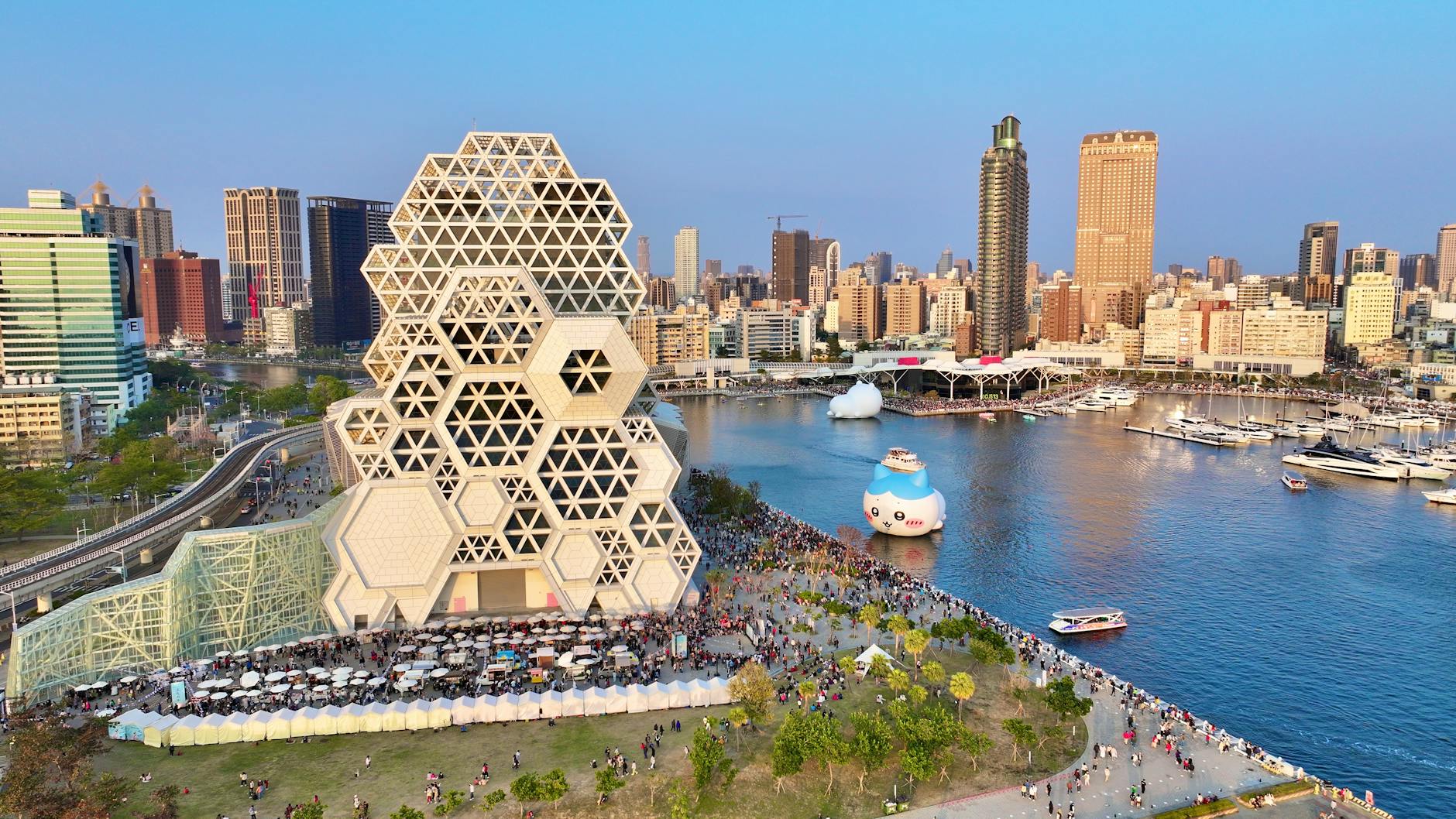
Heat, humidity, rain, station walks, formal clothing, and site safety gear can affect how a consultant arrives for a workshop or executive meeting. The plan should include spare shirts, water, rain cover, taxis, arrival buffers, and time to cool down before presenting. A short walk from the wrong station exit can matter when carrying a laptop and documents.
Presentation condition is not vanity. It affects credibility, stamina, and the quality of the work delivered.
- Plan spare clothing, water, rain protection, taxi use, station exits, and arrival buffers.
- Account for laptops, documents, site gear, and formal clothing in hot or wet weather.
- Leave time to cool down before workshops, interviews, and executive meetings.
Plan meals without losing the workday
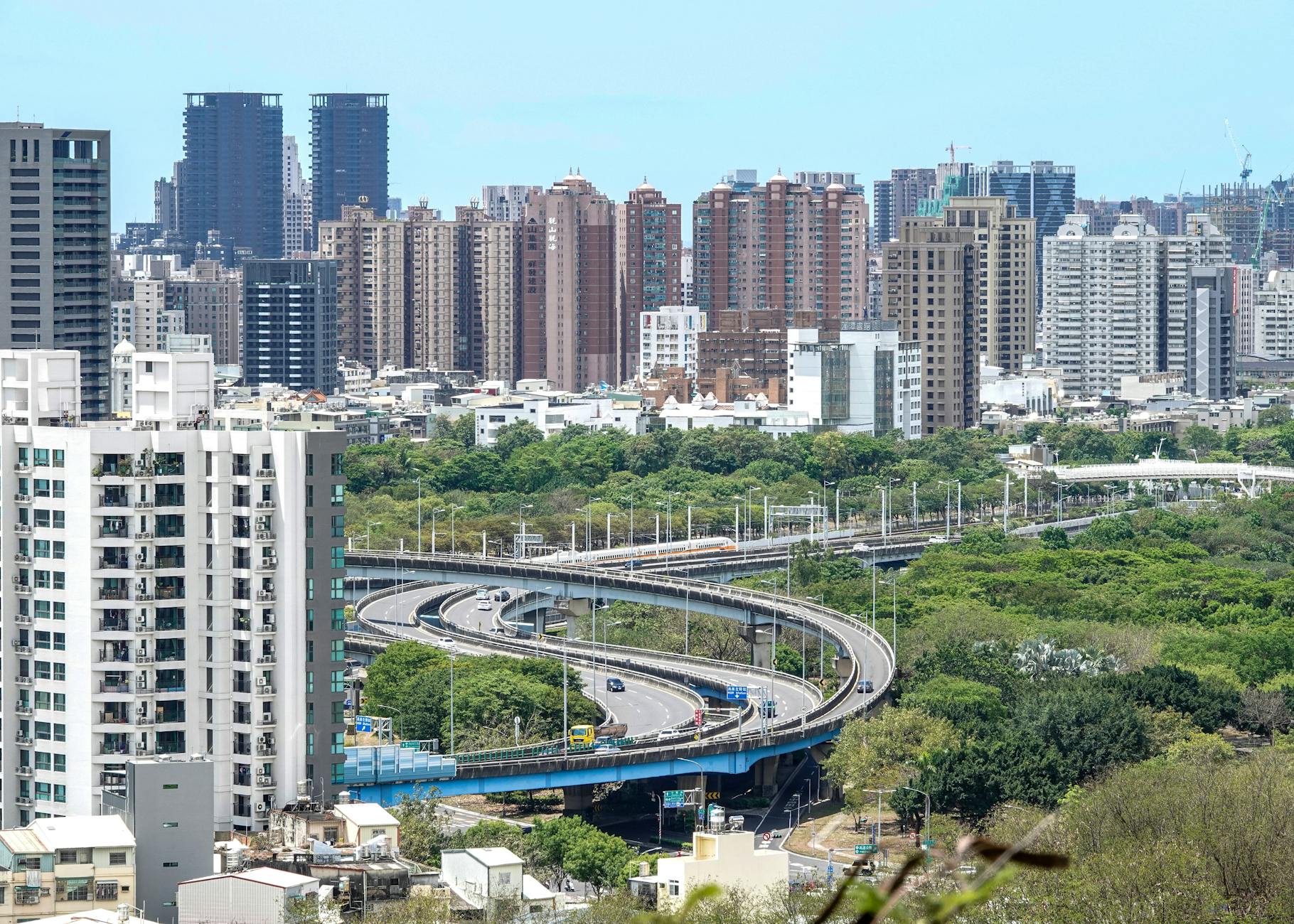
Client meals, seafood dinners, hotel breakfasts, coffee meetings, and informal drinks can be important parts of a Kaohsiung consulting engagement. They should be planned around location, dietary needs, alcohol expectations, payment, confidentiality, taxi return, and the next morning's work. A late dinner after a heavy workshop can damage the following day.
Meals should support trust and conversation without exhausting the consultant or creating avoidable logistics.
- Plan client meals, coffee meetings, dietary needs, alcohol, payment, confidentiality, and taxi return.
- Keep the next morning's meeting, flight, or HSR departure in view.
- Choose dining locations that support conversation and practical movement.
Add one local reset if the schedule allows
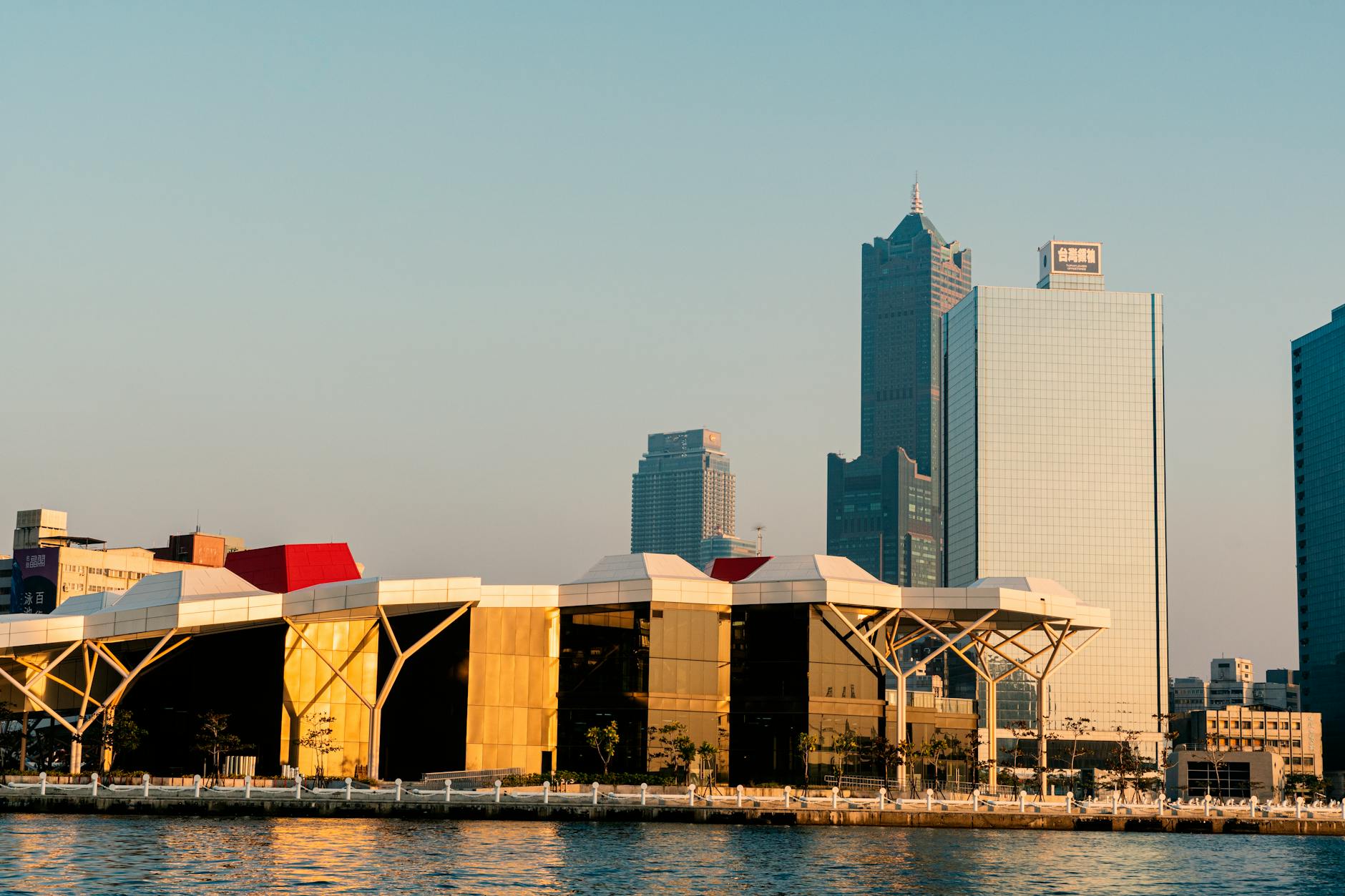
A consultant may not have much leisure time, but one well-placed Kaohsiung reset can make the trip feel less mechanical. A short waterfront walk, Pier-2 stop, Love River route, night-market meal, or harbor view can work if it fits the hotel and next day's schedule. Cijin, Lotus Pond, and Fo Guang Shan require more deliberate time.
The local moment should restore attention. It should not compete with the engagement or create late-night transport risk.
- Choose one local reset near the hotel, client area, waterfront, or transit route.
- Use a harbor view, Pier-2, Love River, light rail, or a practical food stop when time is short.
- Avoid distant sightseeing if preparation, sleep, or transfer timing is tight.
When to order a short-term travel report
A consultant with one hosted meeting and a client-arranged hotel may not need a custom Kaohsiung report. A report becomes useful when multiple client sites, port or industrial visits, HSR and airport timing, hotel work setup, confidentiality, meals, heat, or one efficient local reset need to be coordinated before a short engagement.
The report should test client geography, hotel base, transfer buffers, HSR and airport routes, site access, presentation condition, meal logistics, evening movement, weather, budget, and what to cut. The value is a consulting trip that protects the work instead of improvising around it.
- Order when client geography, site visits, hotel setup, transfer timing, meals, or weather need testing.
- Provide dates, client addresses, meeting schedule, arrival mode, hotel options, constraints, and budget.
- Use the report to keep the engagement punctual, composed, and easier to execute.