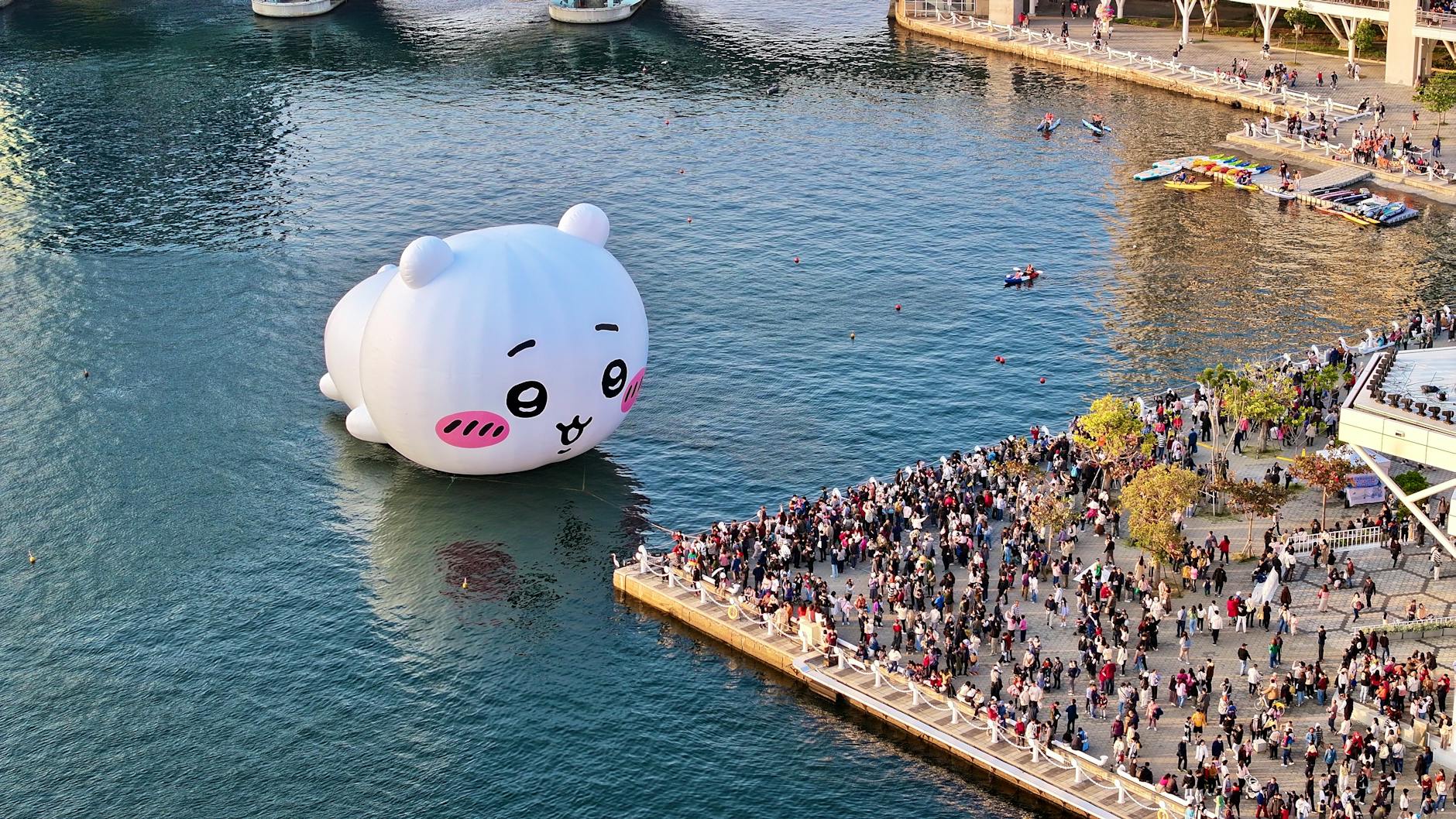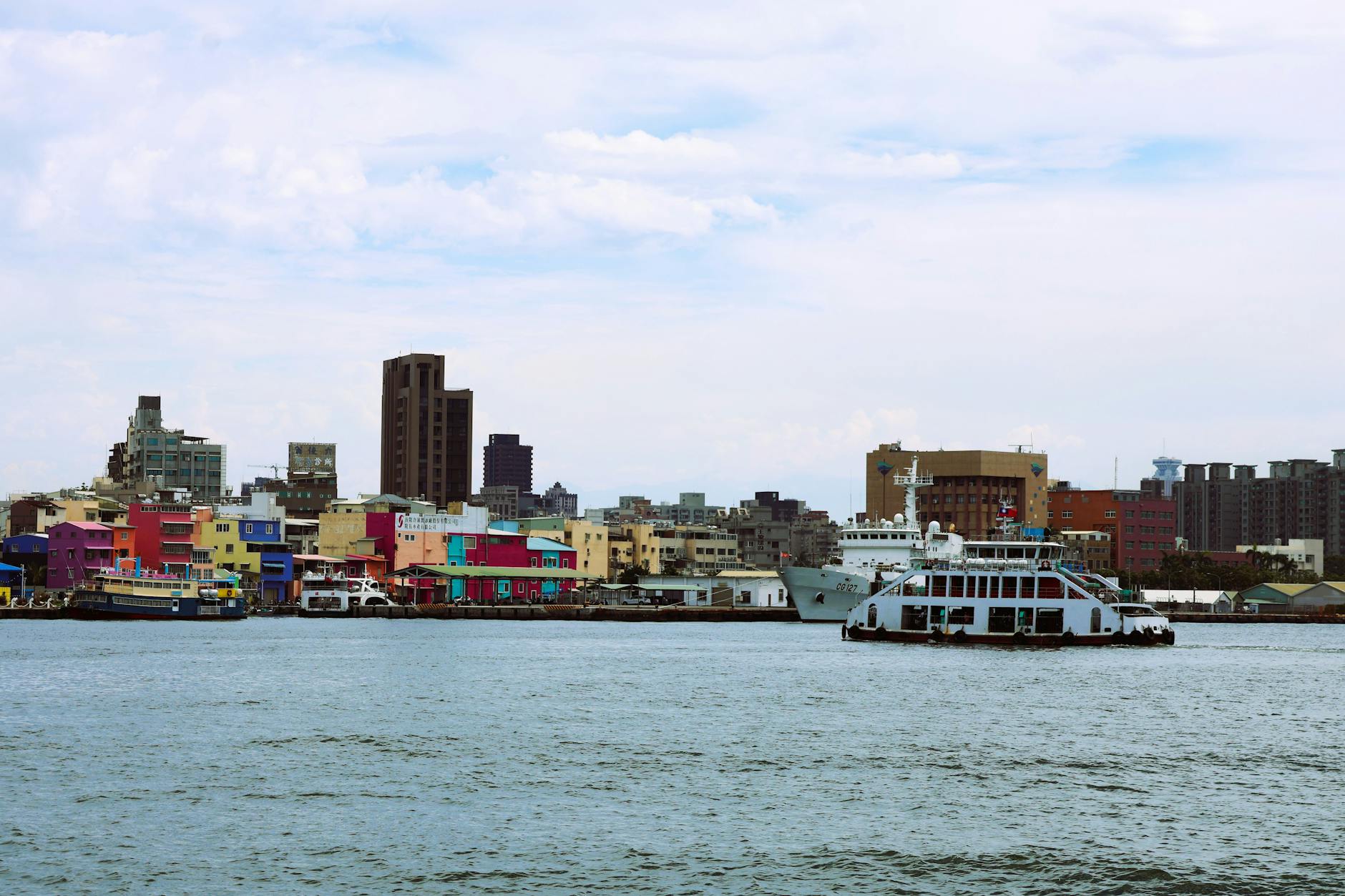
Kaohsiung is not only an urban harbor city. A short outdoor-focused trip can use ferries, Cijin, waterfront paths, Lotus Pond, hill and park time, temple grounds, cycling, coastal air, and nearby southern Taiwan routes. The challenge is that heat, humidity, ferry timing, sun exposure, and transport can make a simple active day harder than it looks. A good Kaohsiung adventure or outdoor plan is selective. It chooses routes that fit the season, weather, daylight, equipment, and recovery needs instead of treating every waterfront and hill as equally easy.
Match ambition to heat and daylight
Outdoor travelers should not plan Kaohsiung as if every hour is equally usable. Heat, humidity, rain, bright sun, and limited shade can change the value of walking, cycling, ferry movement, and temple grounds. The traveler should place the most exposed activity early, late, or in shorter blocks.
A strong active day includes water, sun protection, indoor resets, and an honest cut point. Endurance should not be spent before the best part of the route.
- Plan exposed walking, cycling, ferry routes, and temple grounds around heat, rain, and daylight.
- Carry water, sun protection, rain cover, and a realistic return plan.
- Use shorter active blocks with cool-down stops instead of one long exposed push.
Treat Cijin as the main outdoor event when needed
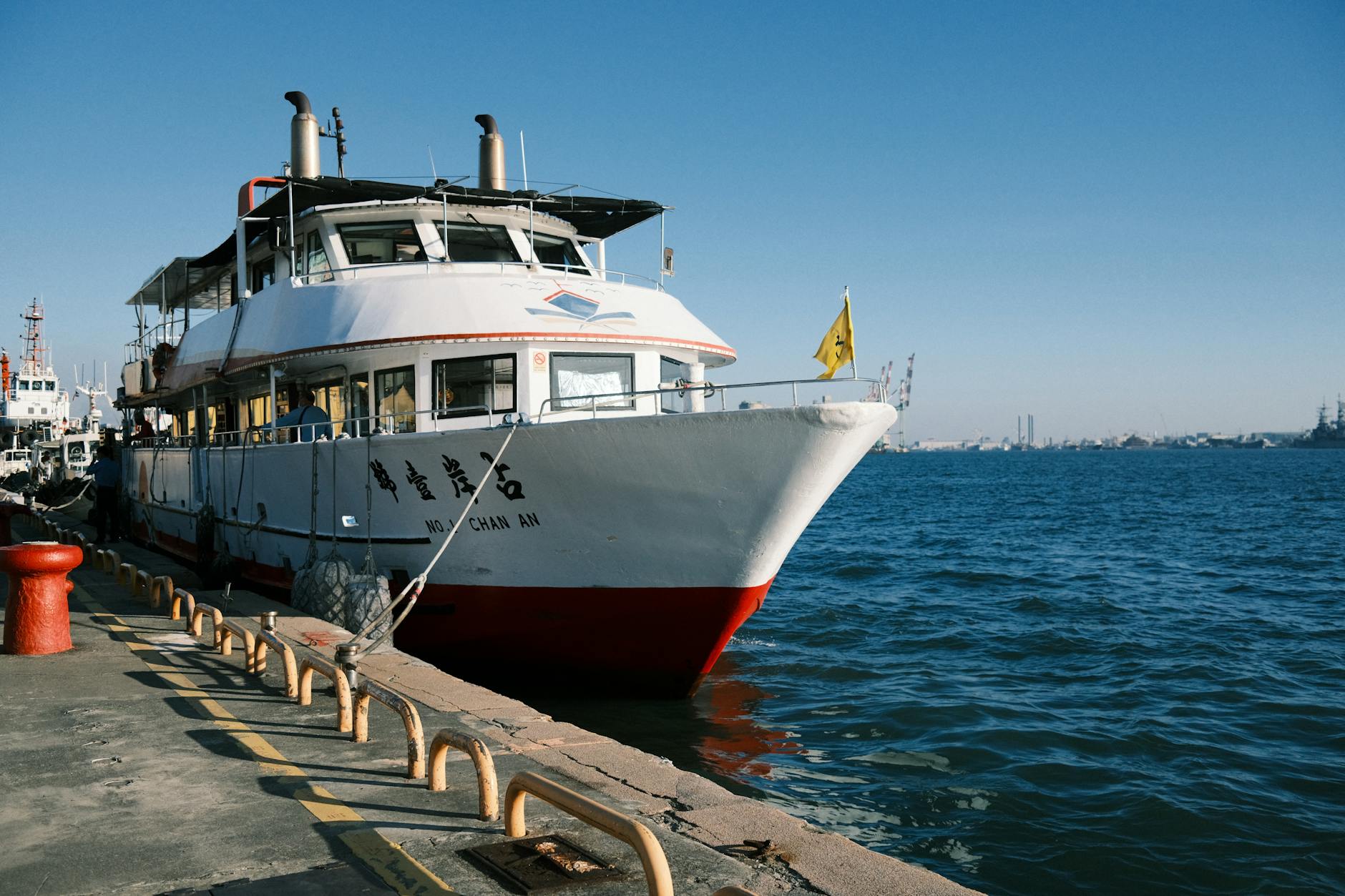
Cijin can combine ferry movement, coastal views, seafood, temples, beach air, and easy exploration, but it still needs timing. The traveler should check ferry queues, weather, sun exposure, bike or walking plans, bathrooms, food, and the return route. A Cijin visit can be a highlight or a hot, scattered detour depending on execution.
If Cijin is the outdoor anchor, the rest of the day should be lighter and closer to the return route.
- Check ferry queues, weather, sun exposure, bike or walking options, bathrooms, meals, and return timing.
- Use Cijin as a clear outdoor anchor instead of one stop in an overloaded day.
- Keep a waterfront or indoor backup if ferry or weather conditions are poor.
Use the waterfront without overextending
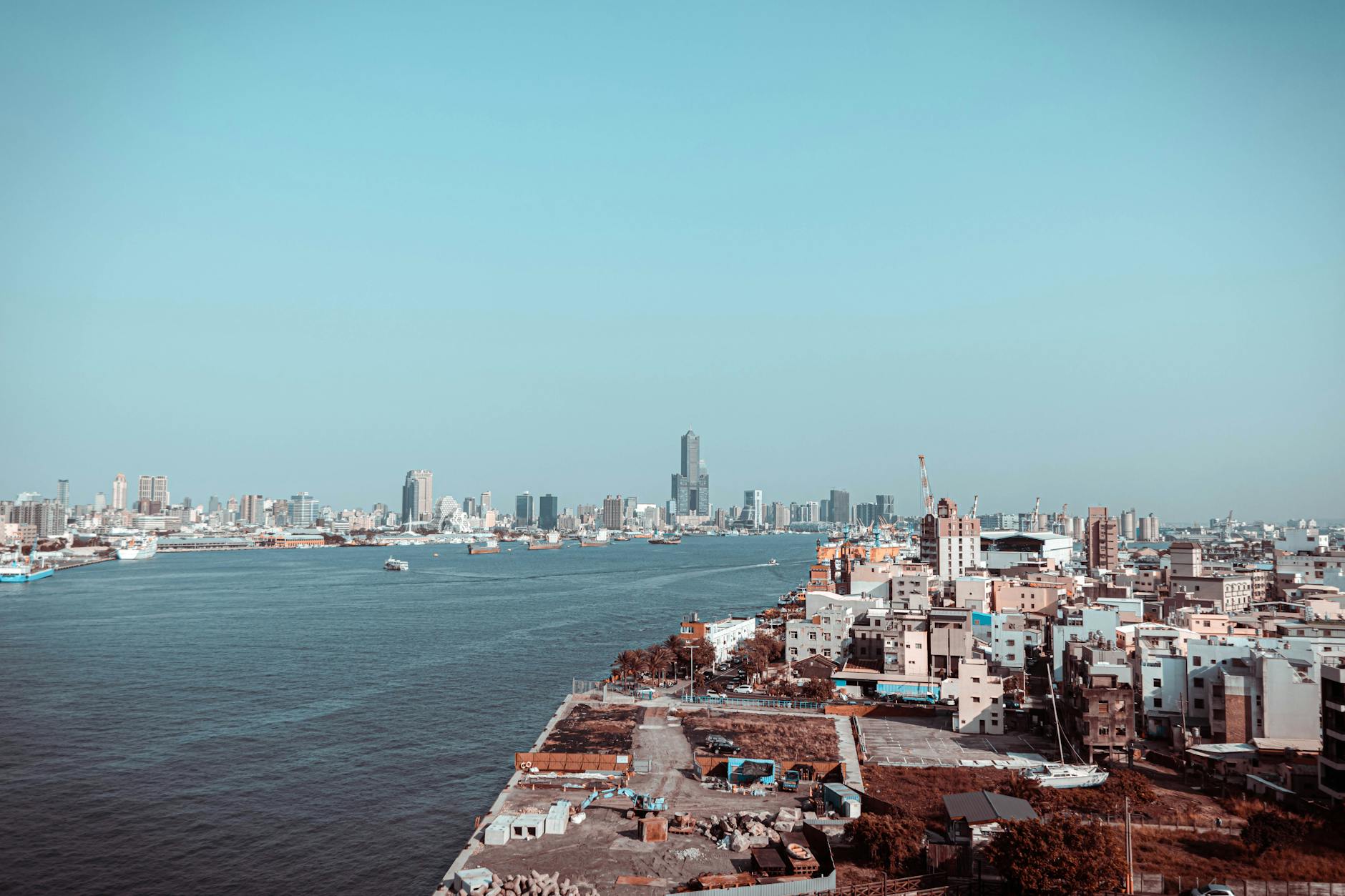
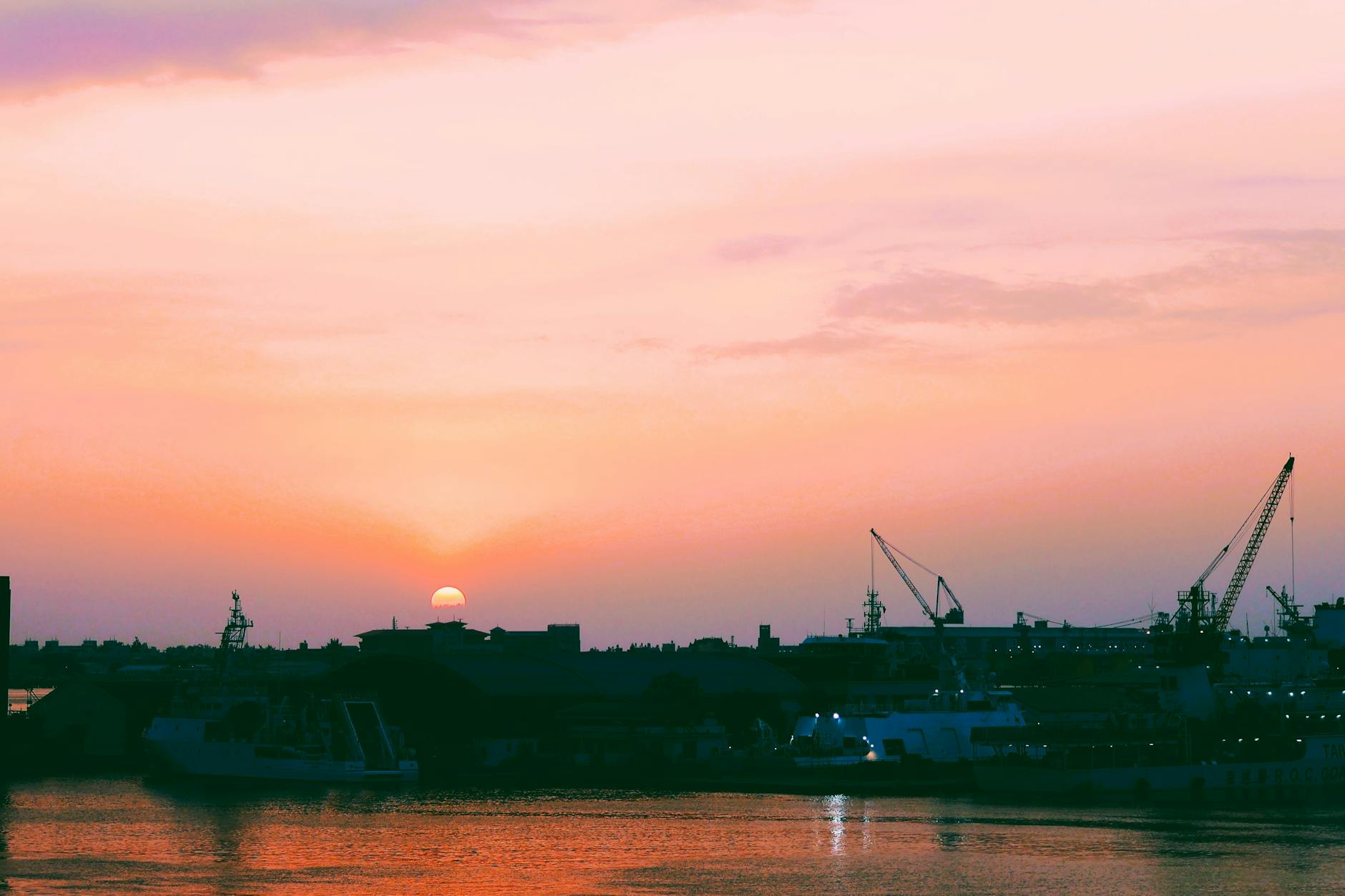
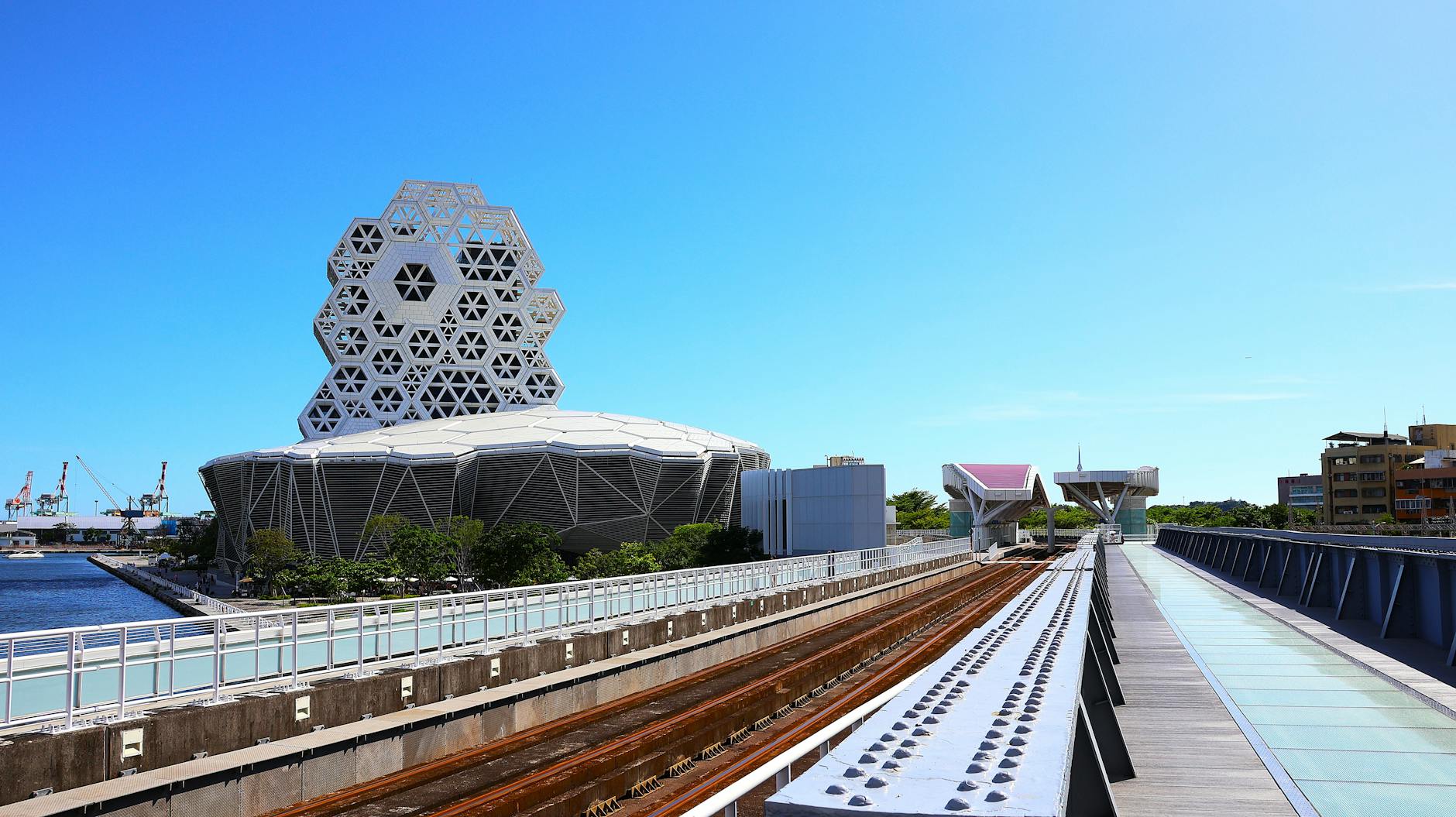
Pier-2, Love River, harbor views, light rail corridors, and skyline routes can create a strong outdoor Kaohsiung day. They are easiest when connected in a route with shade, food, bathrooms, and transport exits. They become tiring when the traveler assumes a long waterfront sequence will stay pleasant in humid weather.
The plan should define where the route starts, where it ends, and how the traveler can leave if weather or energy changes.
- Connect Pier-2, Love River, harbor views, light rail, food, and bathrooms in one practical route.
- Check shade, walking surface, crowding, and transport exits before starting.
- Define a shorter version of the route in case heat or rain changes the day.
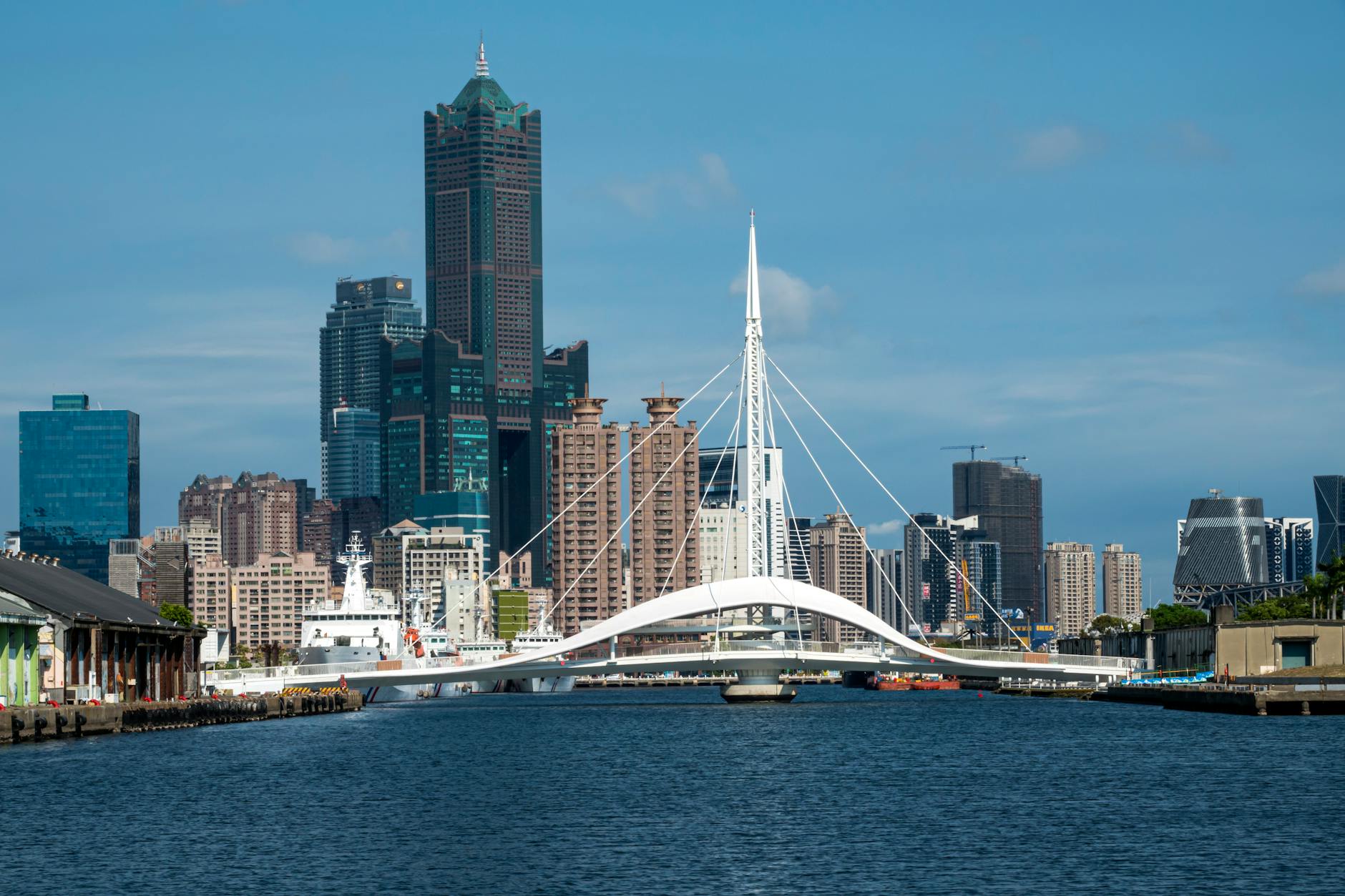
Compare parks, hills, temples, and water routes
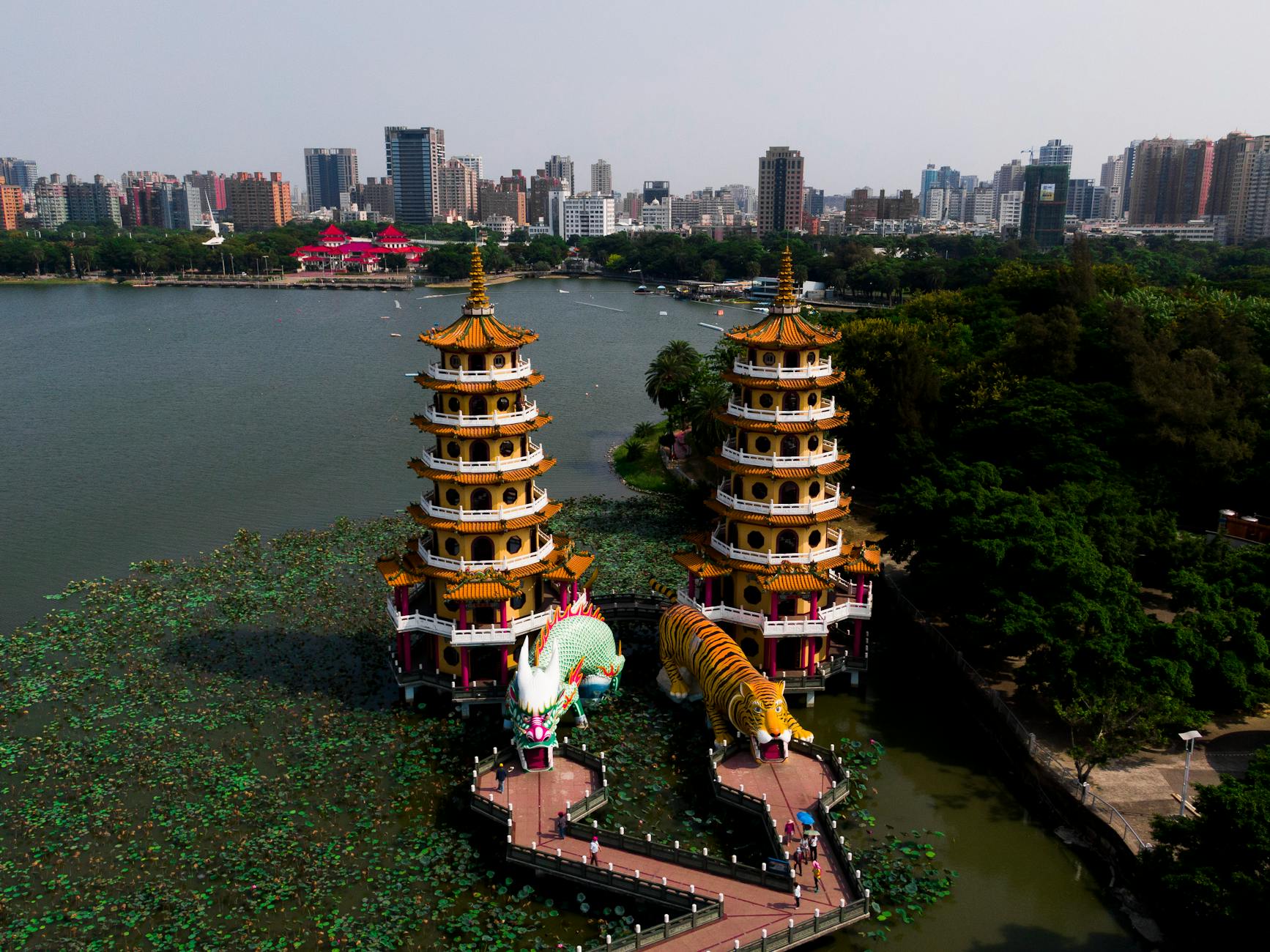
Outdoor travelers may consider parks, hill viewpoints, Lotus Pond, temple grounds, Cijin, harbor paths, or nearby routes beyond central Kaohsiung. These options are not interchangeable. Some offer shade and short loops. Others require longer transfers, more sun, or more stairs.
The traveler should choose by effort, weather, access, and what the route offers beyond a name on a list.
- Compare parks, hill viewpoints, Lotus Pond, temple grounds, Cijin, and harbor paths by effort and weather.
- Check stairs, shade, bathrooms, water access, transit, and taxi pickup.
- Choose routes that match the traveler's actual fitness, gear, and recovery time.
Keep gear modest and weather-ready
A short Kaohsiung outdoor trip may need comfortable shoes, sun protection, a hat, water, quick-dry clothing, rain cover, phone battery, offline maps, and a small towel more than specialized gear. Cycling, coastal walking, and long urban routes should be planned around storage, theft risk, and how the traveler will carry everything in heat.
The best gear plan reduces friction. It does not turn the city into a burden.
- Pack comfortable shoes, water, sun protection, hat, rain cover, battery, offline maps, and quick-dry clothing.
- Plan storage and carrying weight before cycling, ferry trips, or long walking routes.
- Avoid equipment that makes meals, transit, temples, or ferries harder.
Plan food and recovery like part of the activity
Outdoor travel in Kaohsiung is easier when meals, drinks, shade, and recovery are included in the route. Seafood near Cijin, a market meal, a cafe break, or a hotel return can be part of a good active day. Skipping food or hydration to save time can make the evening worse.
The traveler should know where the day slows down. Recovery is what allows the route to remain enjoyable.
- Place meals, water, shade, cafes, bathrooms, and hotel returns into the route.
- Plan seafood, markets, or waterfront food by timing and transport rather than impulse alone.
- Avoid outdoor routes that leave no room for recovery before evening.
When to order a short-term travel report
An outdoor traveler with a relaxed schedule and simple waterfront goals may not need a custom Kaohsiung report. A report becomes useful when the trip is short, Cijin timing matters, the traveler is choosing between outdoor routes, heat or mobility affects the day, or nearby excursions need to be compared against time in the city.
The report should test route sequence, ferry timing, weather, heat, transport, walking effort, food, bathrooms, gear, hotel base, budget, and what to cut. The value is an active Kaohsiung trip that feels energetic without becoming punishing.
- Order when Cijin, waterfront routes, parks, heat, gear, transport, or nearby excursions need testing.
- Provide dates, fitness level, hotel options, outdoor interests, constraints, and budget.
- Use the report to make a short active trip realistic, weather-aware, and specific to Kaohsiung.