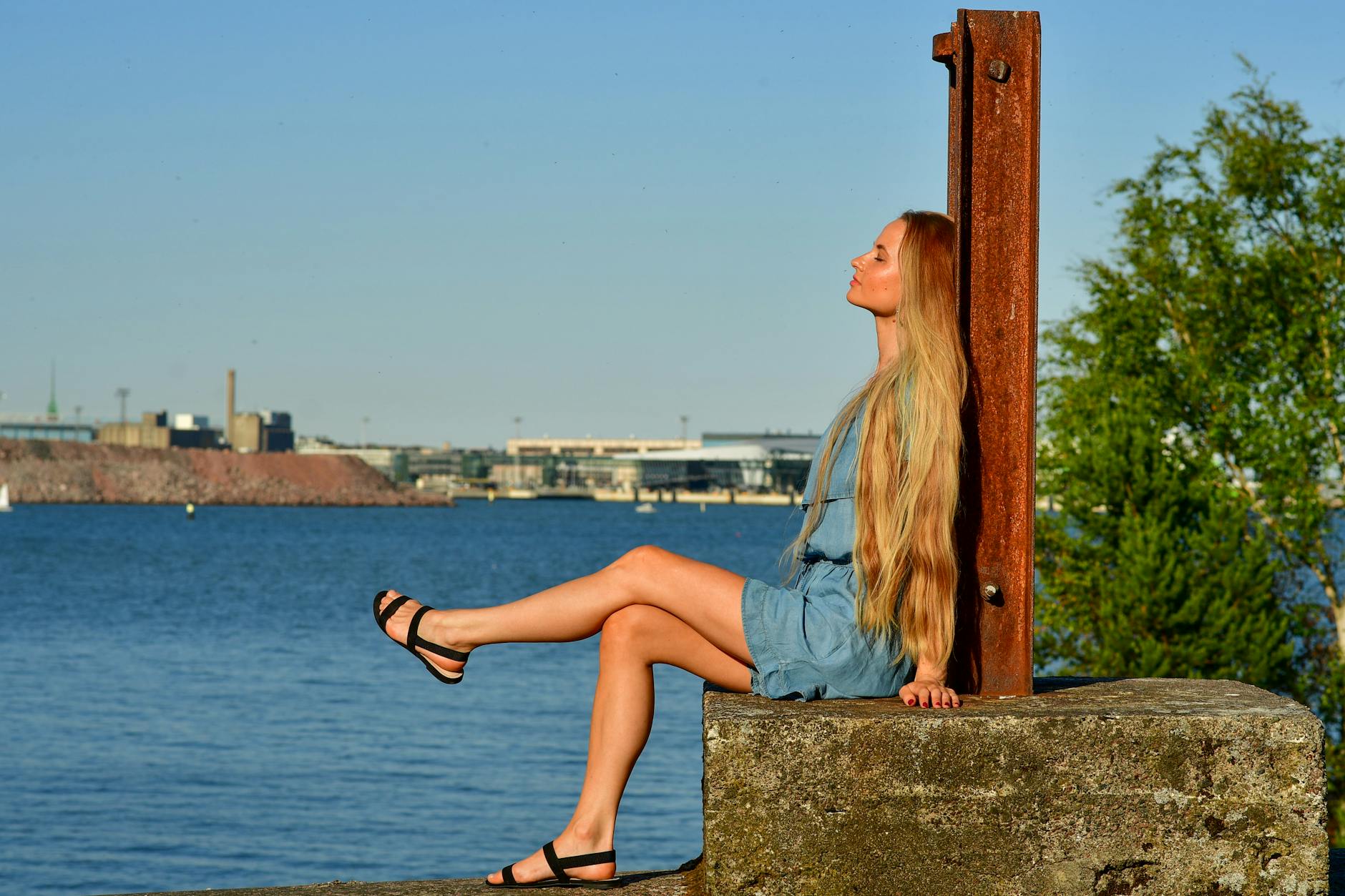
Choose a base that supports confidence
The hotel should make arrival, evenings, luggage, meals, and weather changes simple. A central or tram-connected base with staffed reception, clear entrances, nearby food, and an easy return route can matter more than a lower room rate.
The base should reduce uncertainty.
- Check airport or rail access, reception hours, entrance visibility, elevator access, and nearby evening meals.
- Choose a location that supports the actual sights, cafes, meetings, or downtime planned for the stay.
- Keep the hotel address, transit route, and taxi fallback available offline.
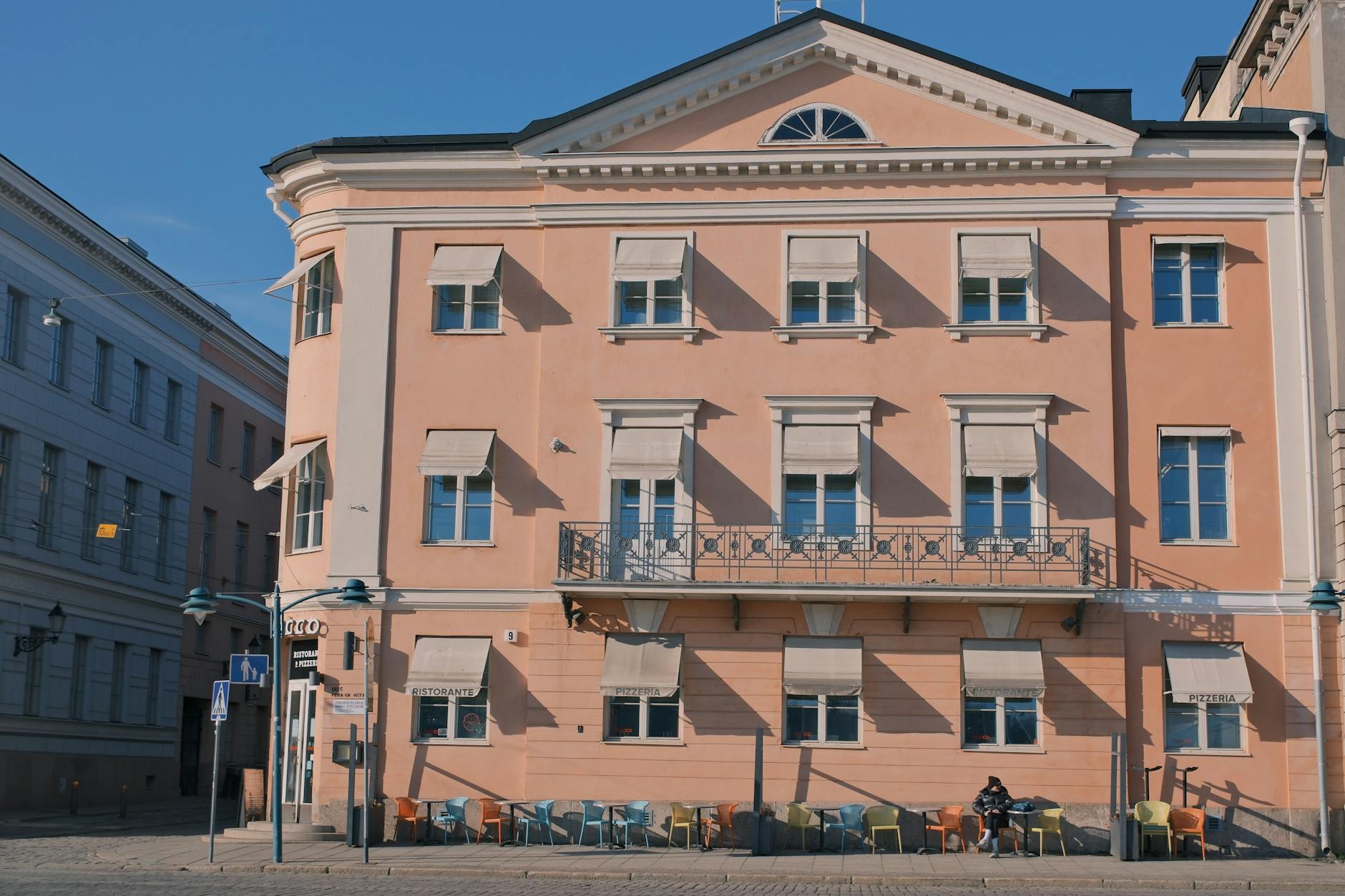
Make arrival and luggage low-stress
A short trip starts better when the first transfer is clear. The traveler should decide when airport rail, tram, taxi, or walking makes sense for luggage, darkness, weather, and fatigue rather than choosing under pressure after landing.
Arrival should feel already solved.
- Map the arrival route from airport, ferry, rail station, or taxi drop-off to the hotel entrance.
- Build extra margin for winter surfaces, rain, late arrival, or unfamiliar station exits.
- Use luggage storage only when the route from storage to the first outing is practical.
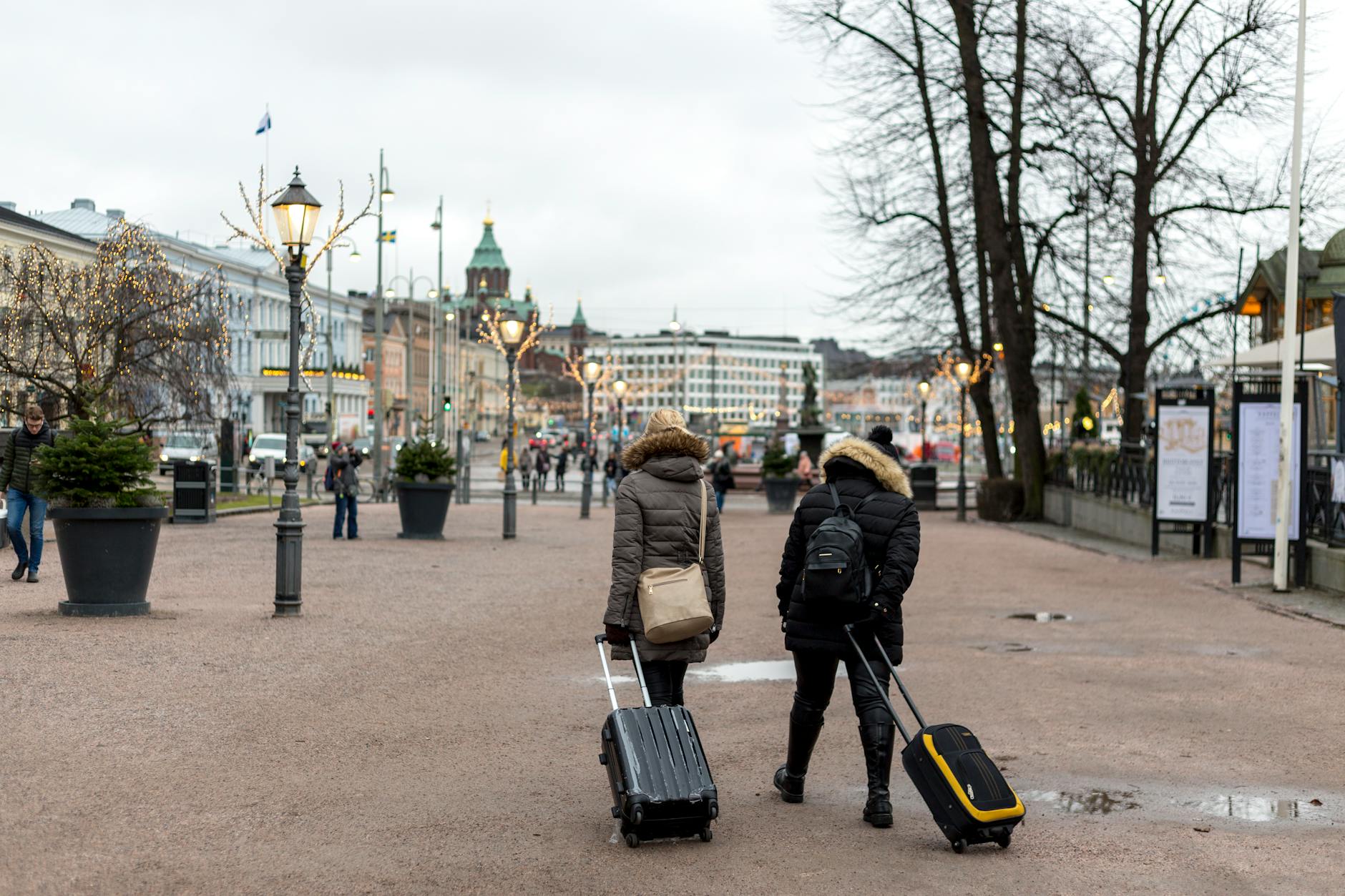
Build days around clear districts
Helsinki is easier when each outing has a small frame: harbor and market, Senate Square, Oodi and central streets, design shops, parks, or a tram-linked museum. Clear districts help the traveler adjust without losing the day.
A legible city is a calmer city.
- Group sights, cafes, shops, and meals by neighborhood or tram line.
- Avoid crossing the city repeatedly for small stops that could fit another day.
- Keep one flexible block for a cafe, shop, waterfront pause, or rest break.
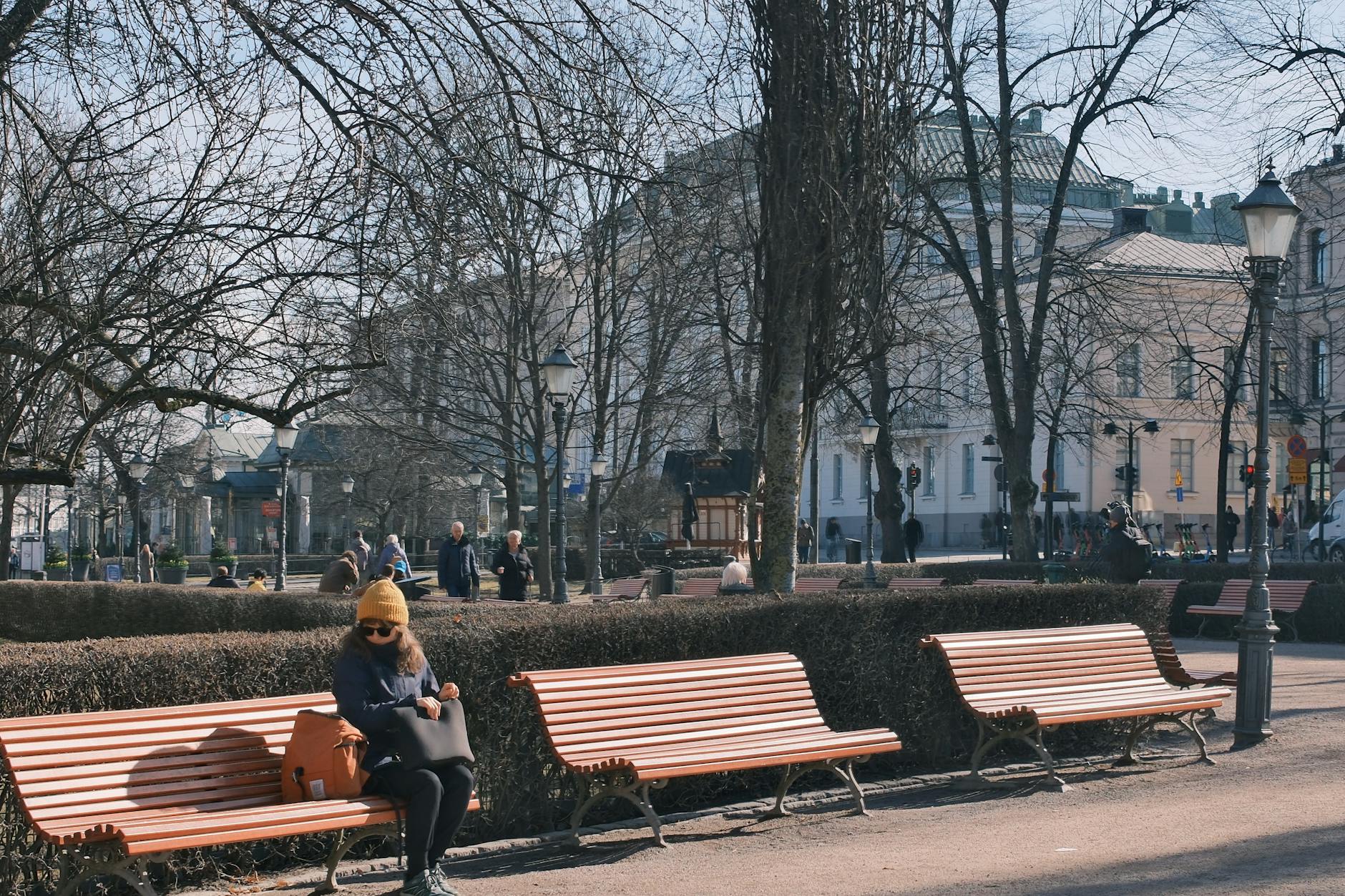
Plan evenings with a return route
Dinner, concerts, sauna, waterfront walks, and hotel bars can all work well, but evening plans should include a known return. The traveler should not have to solve late transport, weather, or an uncomfortable walk at the end of the night.
Evenings need an exit plan.
- Choose evening areas with simple tram, taxi, or walking access back to lodging.
- Reserve dinner when seating, dietary needs, or timing matter.
- Set a return option before leaving the hotel, especially in winter or after late meals.
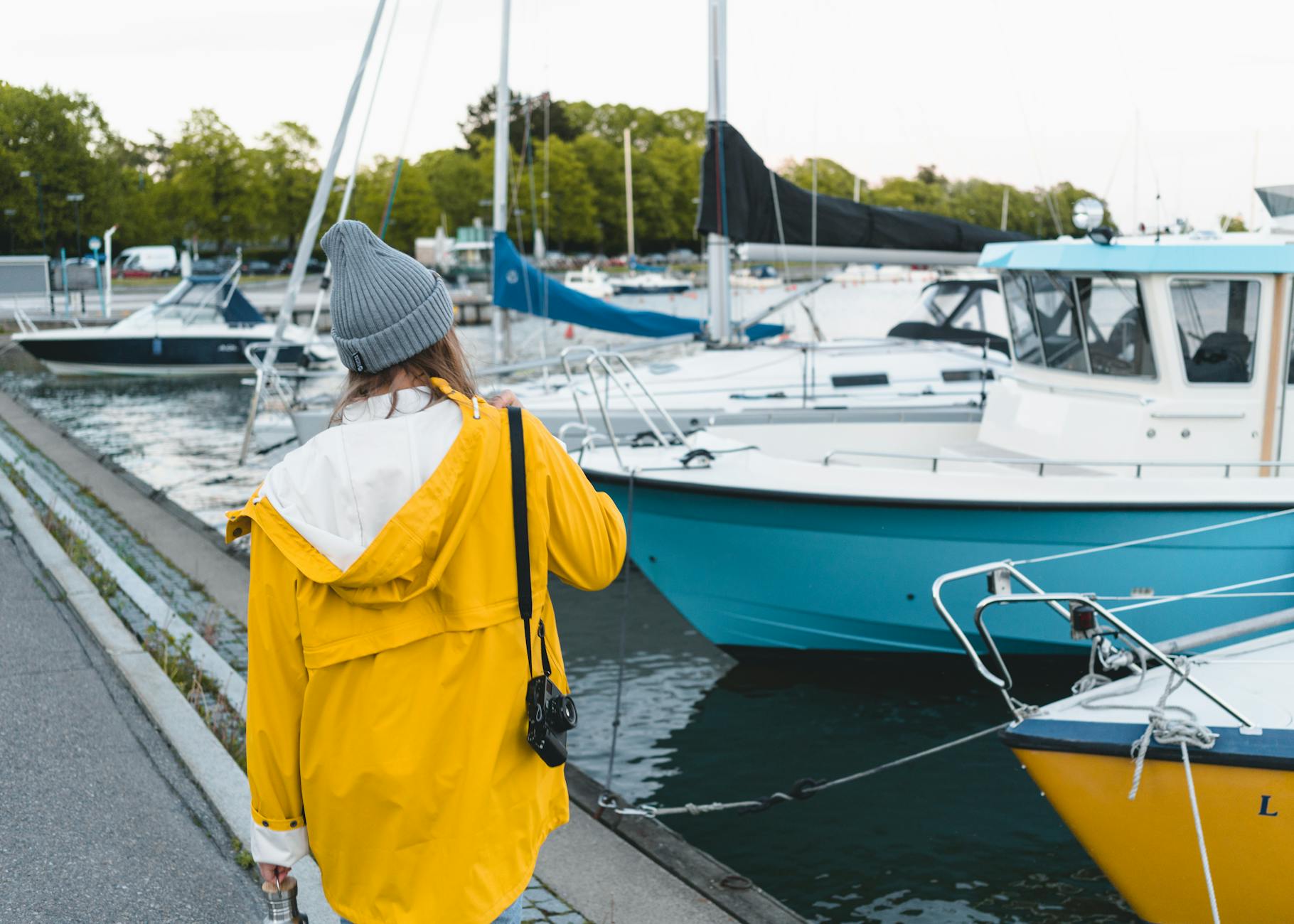
Use cafes, shops, and waterfront time deliberately
A woman traveler may want solo time, shopping, culture, journaling, photography, design browsing, or quiet waterfront views. These moments are better when placed inside the route rather than squeezed between tiring transfers.
Personal time should have room.
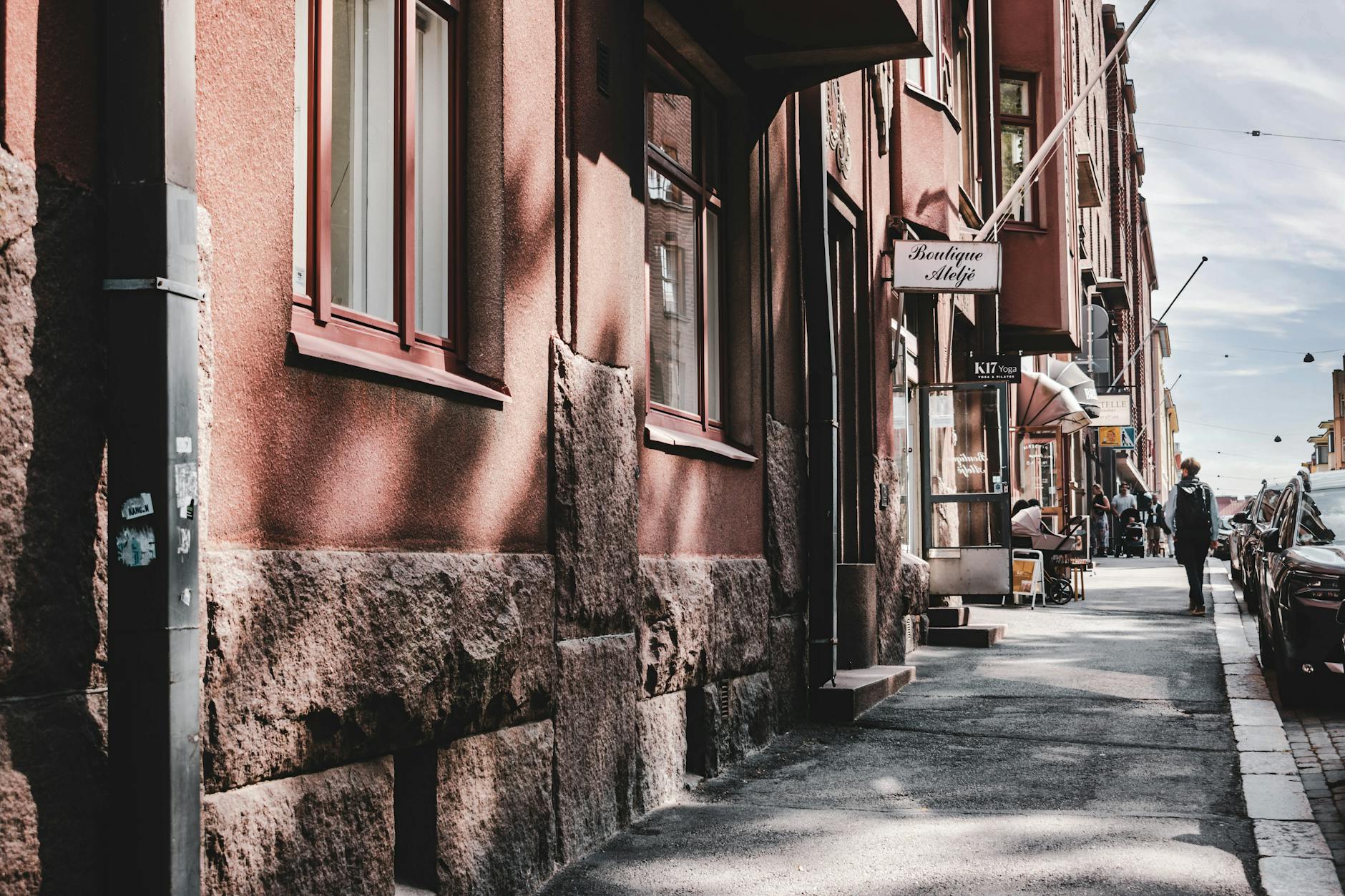
- Choose cafes, design shops, market stops, or museums that sit naturally on the day's route.
- Use warm indoor stops as weather breaks rather than treating them as backup failures.
- Leave space for a pause when the city feels pleasant, not only when fatigue forces one.
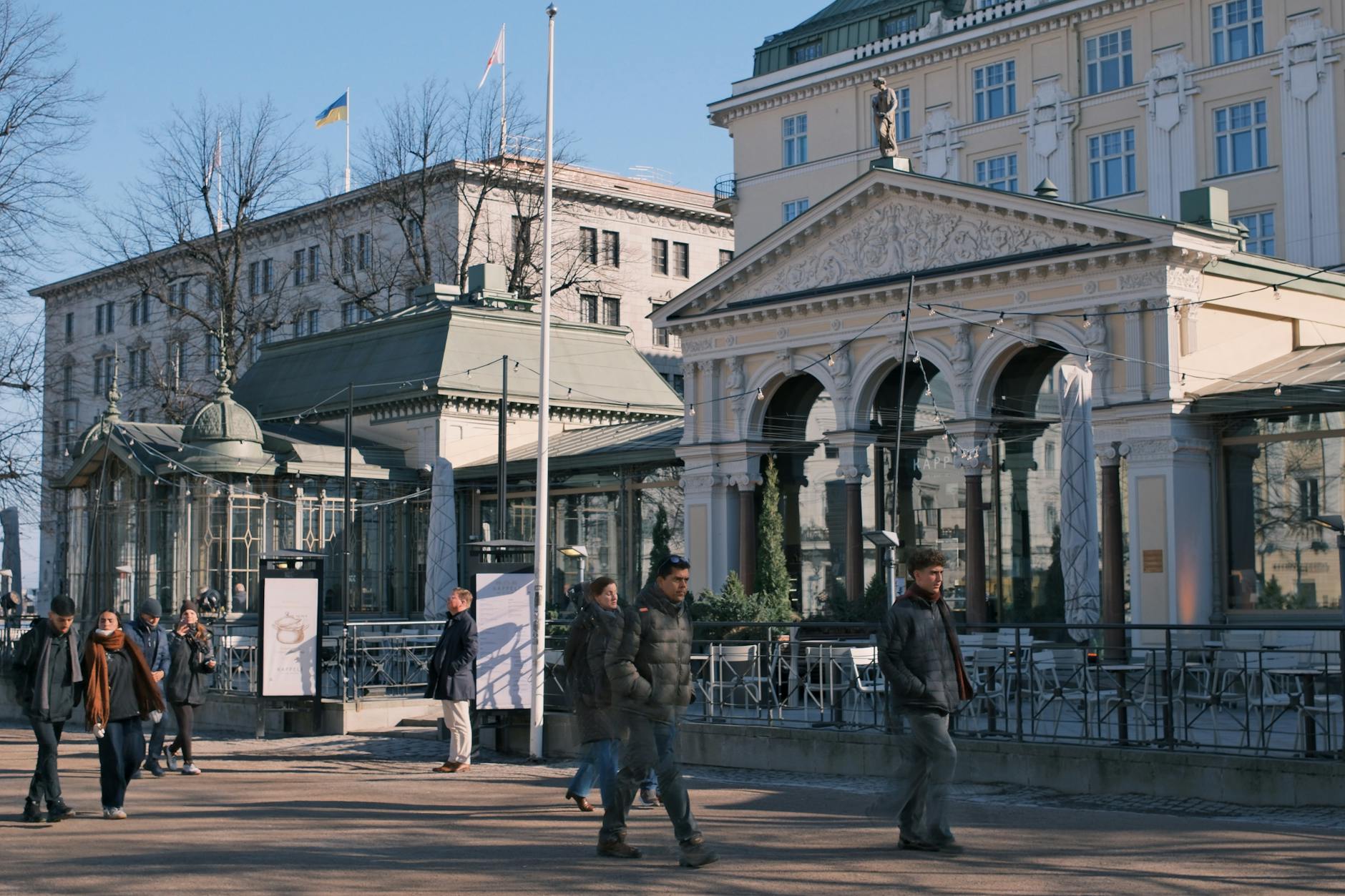
Protect comfort in weather and movement
Waterfront wind, cold, rain, snow, bright summer light, and long walking distances can change how a short stay feels. Clothing, footwear, phone power, medication, and route backups should be planned before the day begins.
Comfort protects independence.
- Pack layers, rain protection, secure footwear, phone power, and any personal supplies needed for the full day.
- Shorten exposed harbor or park routes when wind, ice, rain, or fatigue changes the plan.
- Use trams or taxis when they preserve energy for the experiences that matter.
When to order a short-term travel report
A woman traveler with central lodging and flexible interests may not need a custom report. A report becomes useful when arrival is late, hotel choice is unclear, evenings matter, weather could change walking routes, or the traveler wants independence with less logistical uncertainty.
The report should test hotel location, arrival transfer, tram routes, district sequence, cafes, shops, museums, waterfront timing, evening returns, weather contingencies, personal pacing, and departure buffers. The value is a Helsinki stay that feels confident, flexible, and easy to adjust.
- Order when lodging, arrival, trams, cafes, evenings, waterfront plans, weather, comfort, or departure timing need coordination.
- Provide dates, arrival details, lodging options, comfort preferences, food needs, interests, and budget.
- Use the report to make the Helsinki trip independent without making it unnecessarily effortful.