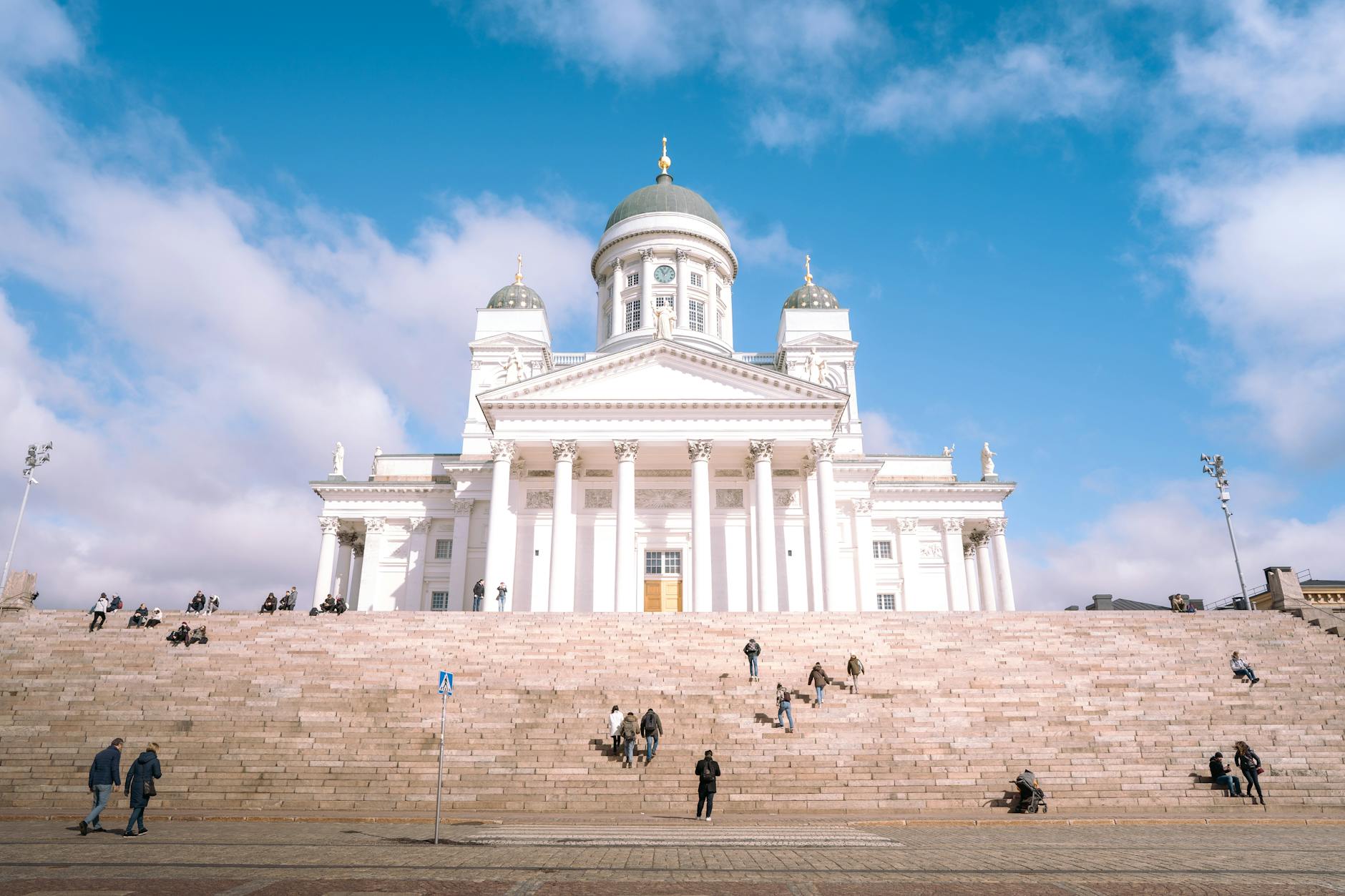
Start with host needs and boundaries
The traveler should clarify what the host organization actually needs before arranging the day. Short visits can help with meetings, documentation, training, research, events, logistics, or fundraising, but they can also create burden when expectations are vague.
The host's operating reality should shape the trip.
- Confirm the purpose of the visit, host contact, worksite address, start time, language needs, and expected contribution.
- Ask what documents, background checks, permissions, or confidentiality rules apply.
- Avoid activities that require local trust, specialized training, or continuity the traveler cannot provide.
Choose lodging that supports the workday
A volunteer or NGO base should make early starts, quiet rest, transit, laundry, food, and communication easy. The cheapest room is not always the best choice when the traveler needs to arrive prepared and be useful to a host team.
The lodging should reduce strain before the work begins.
- Compare lodging by access to the host site, transit stops, grocery options, laundry, quiet, and check-in timing.
- Check whether late meetings, early shifts, or community events are practical from the location.
- Keep the host address, lodging address, and backup route available offline.
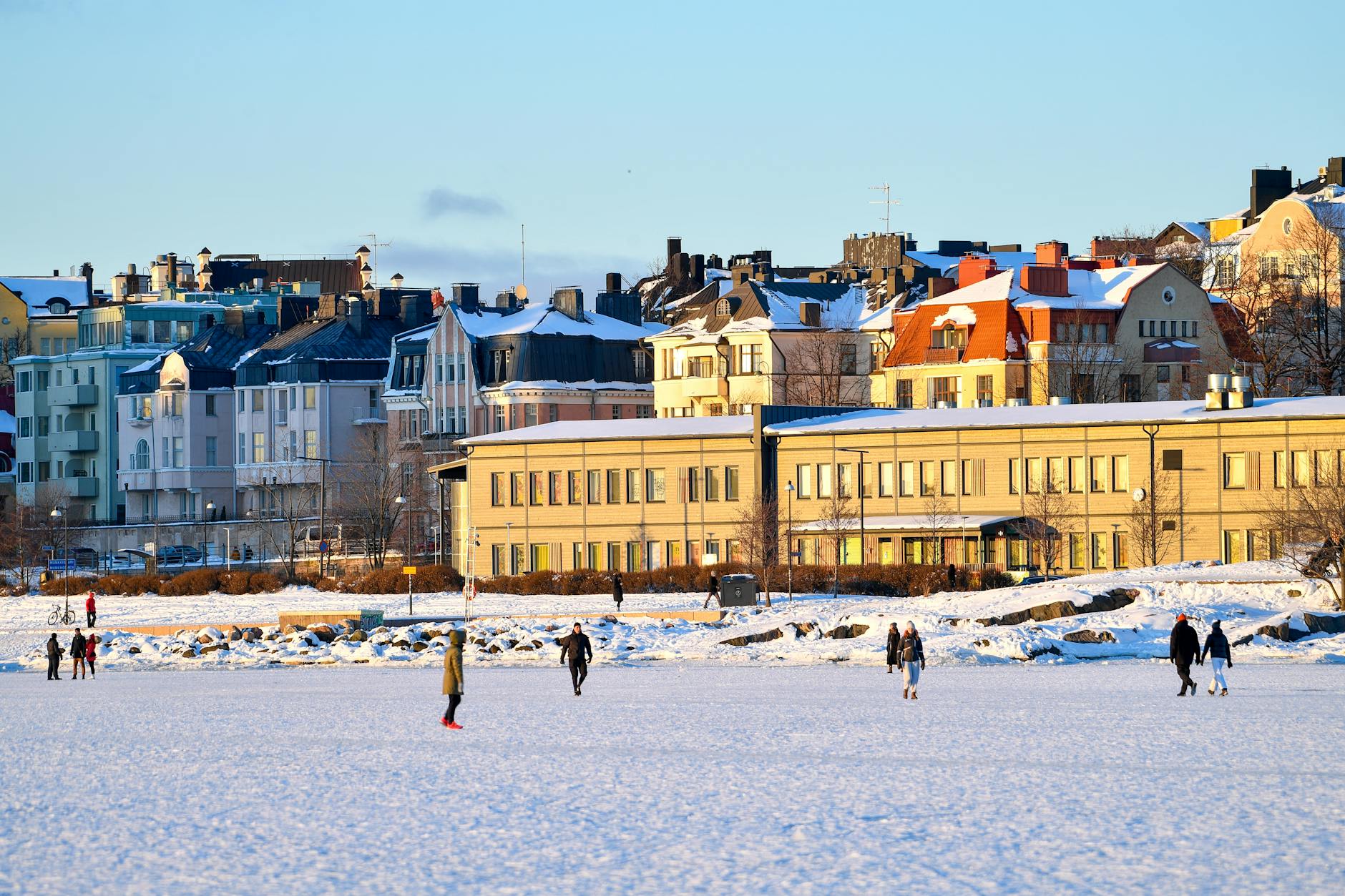
Plan orientation before field activity
The first meeting should cover the host's mission, current constraints, local partners, community context, safety expectations, and what the traveler should not do. Without orientation, a short visit can easily become performative or disruptive.
Useful support begins with listening.
- Schedule a brief orientation with the host before attending a site, event, or community meeting.
- Ask how to handle introductions, names, photography, social media, and sensitive questions.
- Confirm who can answer operational questions during the day if plans change.
Handle documentation and privacy carefully
NGO trips often involve notes, photos, interviews, donor updates, site observations, or impact material. The traveler should know what can be recorded, what must stay private, and who has permission to approve public use.
Documentation should protect people before it helps the project.
- Clarify consent rules for photos, names, interviews, locations, and organizational details.
- Keep sensitive notes and files secure during transit, meals, and hotel work blocks.
- Use neutral notes when circumstances are uncertain, and let the host review public-facing material when appropriate.
Keep transport and weather realistic
Helsinki trams, buses, metro, rail, taxis, and walking can support a short service trip, but the traveler should plan around work materials, winter surfaces, rain, wind, darkness, and fatigue. Punctuality matters when a host is waiting.
The route should respect the host's schedule.
- Map the route from lodging to orientation, field sites, meetings, meals, and evening return.
- Use taxis when materials, weather, late timing, or unfamiliar areas make transit less reliable.
- Pack layers, footwear, phone power, water, and any supplies needed for the full work block.
Build meals and recovery into the schedule
Volunteer and NGO days can be emotionally and physically full. The traveler should plan meals, hydration, decompression, and quiet review time rather than letting the day run from one request to the next.
Sustainable help requires a stable traveler.
- Identify simple meals near the host site, lodging, and transit routes.
- Leave time after field activity to write notes, sort materials, and process next steps.
- Avoid adding late sightseeing when the next morning depends on focus and energy.

When to order a short-term travel report
A volunteer or NGO traveler with a host-arranged itinerary may not need a custom report. A report becomes useful when lodging is independent, field sites are split across Helsinki, privacy rules matter, weather could affect punctuality, or the traveler needs to balance service work with arrival and departure constraints.
The report should test host geography, lodging fit, transport, worksite timing, documentation rules, meal options, weather, safety routines, ethical boundaries, and departure buffers. The value is a Helsinki trip that is easier for both the traveler and the host organization.
- Order when host sites, lodging, transfers, privacy, meals, weather, safety, or departure timing need coordination.
- Provide host contacts, addresses, dates, arrival details, lodging options, work purpose, privacy rules, and personal constraints.
- Use the report to make the Helsinki visit useful without making the host solve avoidable logistics.