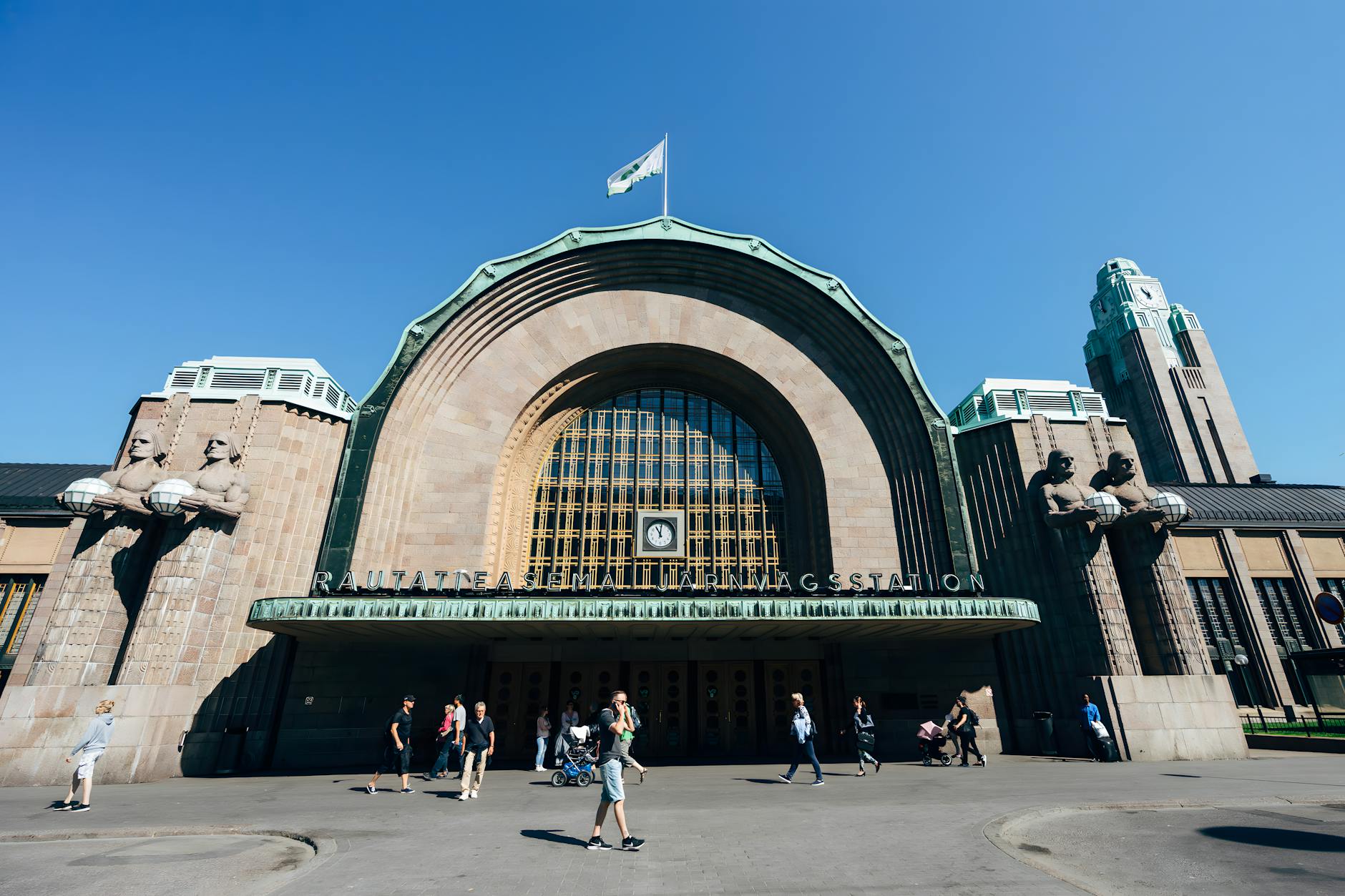
Define the real access requirements
Mobility limitations vary, so the plan should start with specific needs rather than assumptions. Walking distance, stairs, elevators, seating, luggage, assistive devices, transfer effort, and recovery time should determine the route.
Clear needs make better decisions possible.
- List walking limits, stair tolerance, seating needs, assistive devices, luggage limits, and rest requirements.
- Confirm whether the traveler prefers trams, taxis, short walks, or guided support.
- Avoid routes that are technically possible but likely to drain the day.
Choose lodging for entrances and returns
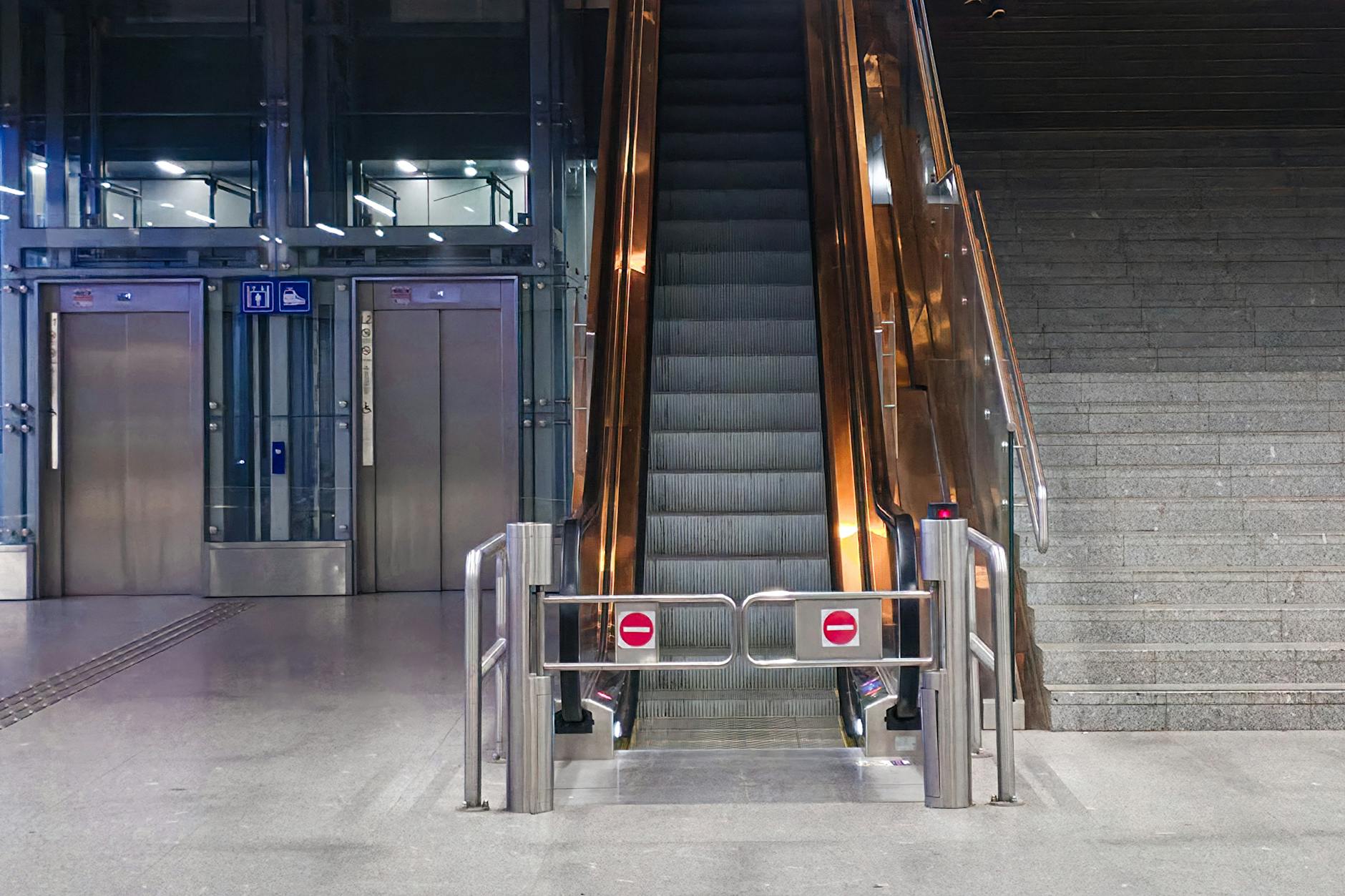
The hotel should reduce effort from the moment the traveler arrives. Entrance steps, elevator access, bathroom layout, room distance from the lift, breakfast, taxi pickup, and nearby meals can matter more than a scenic address.
The base should conserve energy.
- Ask about entrance steps, elevators, room location, bathroom setup, bed height, and taxi access.
- Choose lodging near a simple tram, taxi, or short walking route to the main plans.
- Avoid a hotel where every outing ends with a difficult final approach.
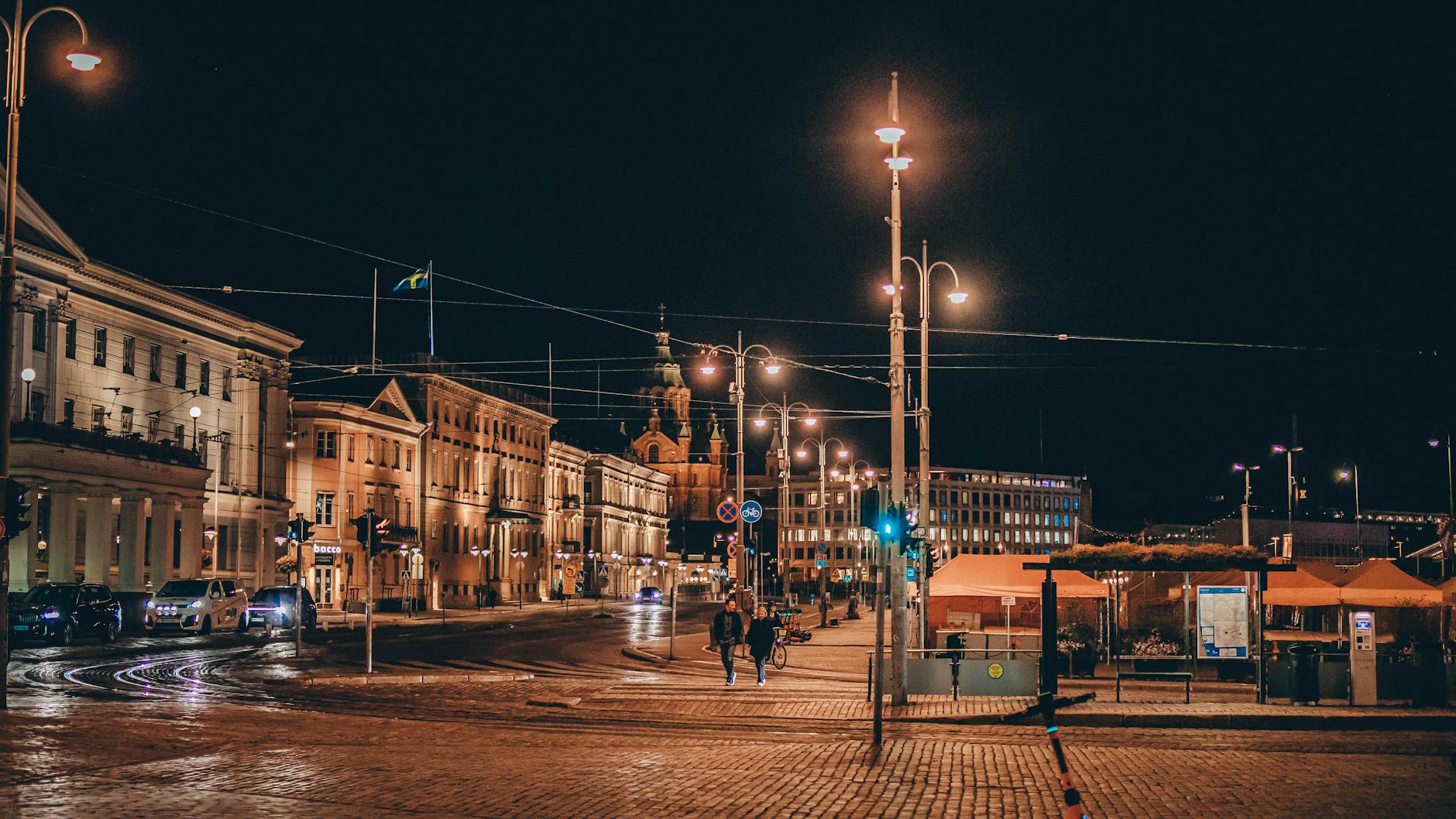
Plan trams, taxis, and station exits carefully
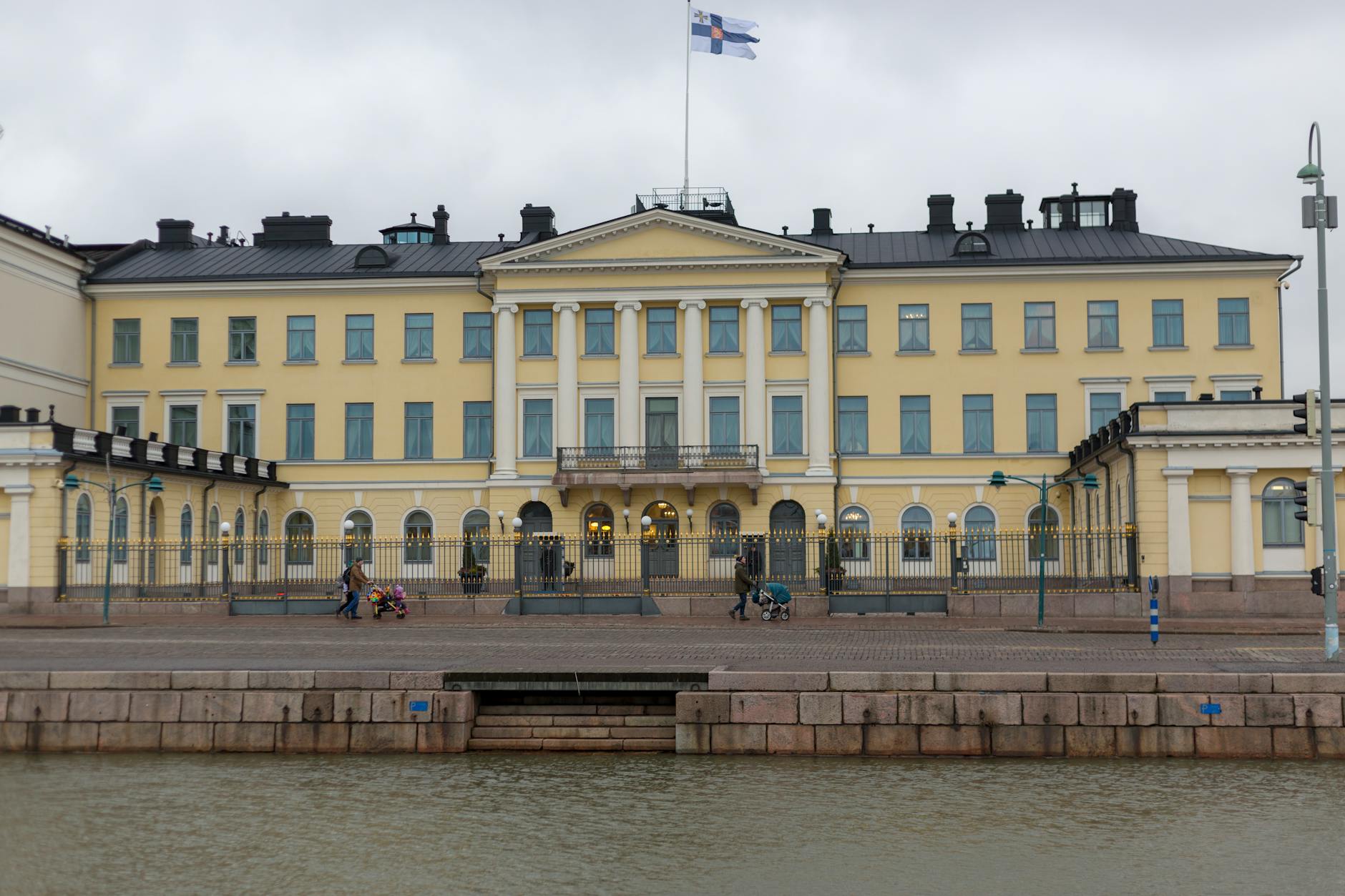
Helsinki trams and rail can help, but the traveler should check stop location, platform access, walking distance, winter conditions, crowds, and the route from the stop to the actual door. Taxis may be the better option for luggage, late returns, or exposed weather.
Transport should protect energy.
- Map tram stops, station exits, elevator availability, and the final walk to each destination.
- Use taxis when luggage, symptoms, weather, or evening timing makes transit less reliable.
- Keep the hotel address, payment method, and backup route available offline.
Keep walking loops short and seated
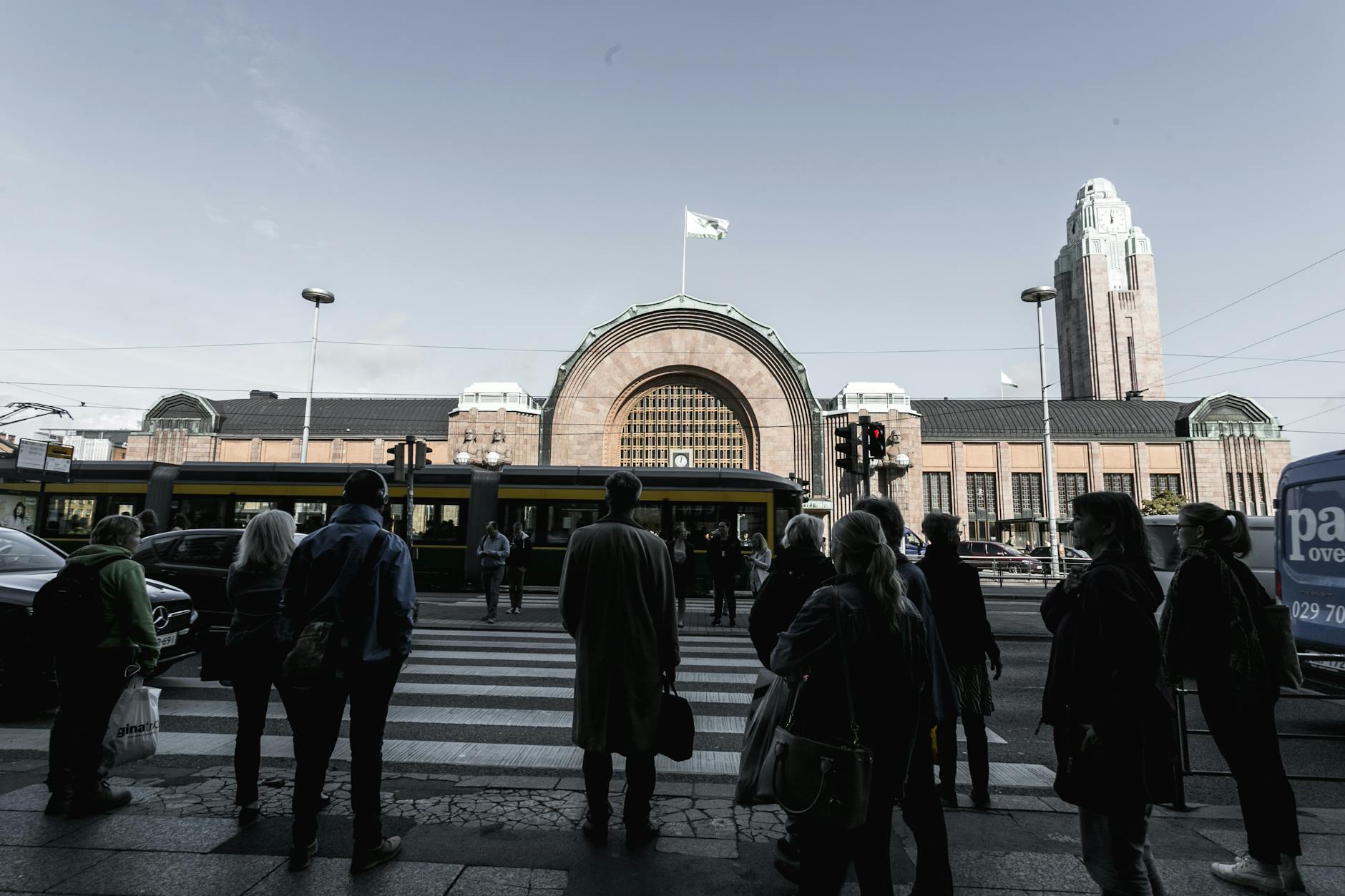
Helsinki's plazas, harbor edges, parks, and central streets can work well when the route has benches, cafes, restrooms, and simple exits. Long open-ended walks create risk when fatigue or weather arrives suddenly.
A good route has places to stop.
- Build short loops with seating, restrooms, cafes, and taxi or tram exits.
- Avoid stacking stairs, cobbles, waterfront exposure, museums, and late meals in one day.
- Keep one indoor or seated alternative ready for each outdoor plan.

Treat weather as an access issue
Waterfront wind, ice, snow, rain, cold, and bright summer sun can change the amount of effort required. The traveler should choose clothing, footwear, route length, and transport mode around the forecast rather than the ideal itinerary.
Weather can change access quality.
- Plan layers, secure footwear, rain protection, gloves, sun protection, or traction support by season.
- Shorten exposed harbor and park routes when wind, ice, rain, or fatigue changes the day.
- Use indoor stops, trams, and taxis before discomfort becomes the main memory.
Choose waterfront and ferry plans cautiously
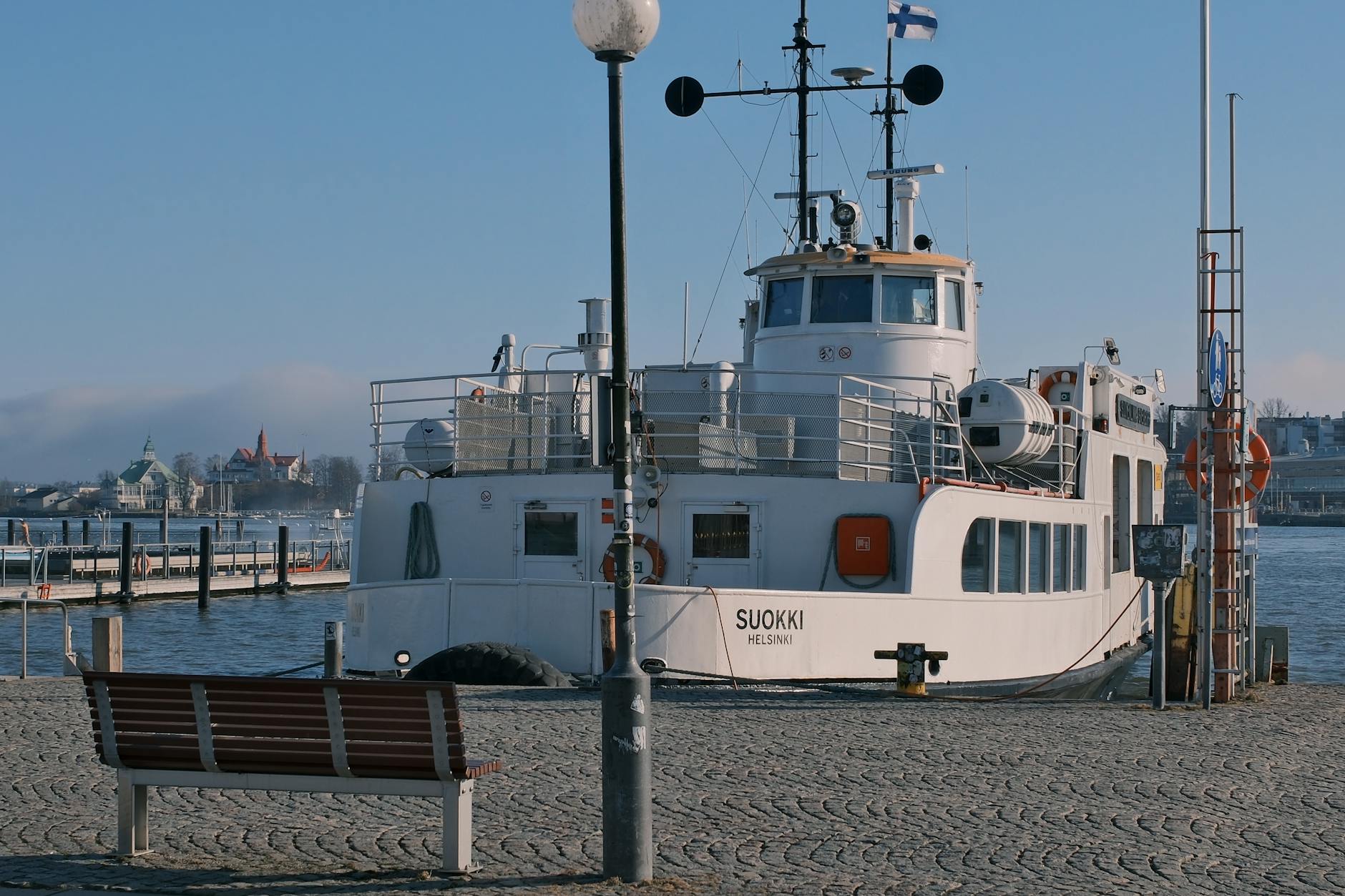
The harbor can be one of Helsinki's best experiences, but ferries, docks, ramps, wind, and walking distances need checking. A short waterfront view may be better than an ambitious island plan when time or energy is limited.
Water routes should be earned by good conditions.
- Check ferry boarding, dock access, walking distance, seating, restrooms, and return timing before committing.
- Choose a harbor segment with nearby cafes and transport exits.
- Use waterfront views from accessible streets or restaurants when ferry logistics are too much for the day.
When to order a short-term travel report
A traveler with mild mobility limitations and central lodging may not need a custom report. A report becomes useful when hotel access is uncertain, tram stops need checking, taxis are likely, weather could affect surfaces, or the traveler wants Helsinki without avoidable strain.
The report should test hotel access, airport transfer, tram and taxi routes, station exits, walking distance, seating, restrooms, waterfront exposure, meal stops, weather contingencies, and departure buffers. The value is a Helsinki stay that remains realistic before the traveler is tired.
- Order when lodging, transfers, tram access, walking distance, waterfront plans, meals, weather, or departure timing need coordination.
- Provide dates, lodging options, mobility needs, walking limits, assistive devices, arrival details, food needs, and must-see interests.
- Use the report to keep the Helsinki trip comfortable, specific, and still rewarding.