
Start with medical realities, not ambitions
The traveler should define what the trip can safely support before choosing sights. Medication schedules, fatigue patterns, mobility limits, dietary constraints, temperature sensitivity, medical devices, and clinician advice should shape the route.
The itinerary should respect the body that is taking the trip.
- Confirm travel plans with the appropriate clinician when the condition requires it.
- List medication timing, rest needs, dietary limits, mobility constraints, and warning signs before arrival.
- Avoid plans that rely on perfect stamina, perfect weather, or no delays.
Choose lodging for access and recovery
The hotel should make recovery easier. Elevator access, quiet rooms, bathroom setup, breakfast, nearby food, refrigeration if needed, taxi access, and a short return from the main route can matter more than a scenic address.
The base should reduce physical and cognitive load.
- Check elevators, entrance steps, room location, bathroom setup, refrigerator needs, quiet, and nearby meals.
- Choose lodging near trams, taxis, pharmacies, and simple routes to planned activities.
- Avoid a location that makes every outing start or end with unnecessary effort.

Plan transport around energy and risk
Airport rail, trams, walking, taxis, and station transfers can all work, but the traveler should choose them by medical practicality. Weather, luggage, stairs, crowding, seating, and transfer complexity may change the best option.
Transport should protect the trip, not prove endurance.
- Map airport, rail, tram, taxi, and walking options against luggage, fatigue, and medical needs.
- Use taxis when weather, symptoms, late timing, or transfers make transit less reliable.
- Keep the hotel address, emergency contacts, and backup route available offline.

Keep medication and documents organized
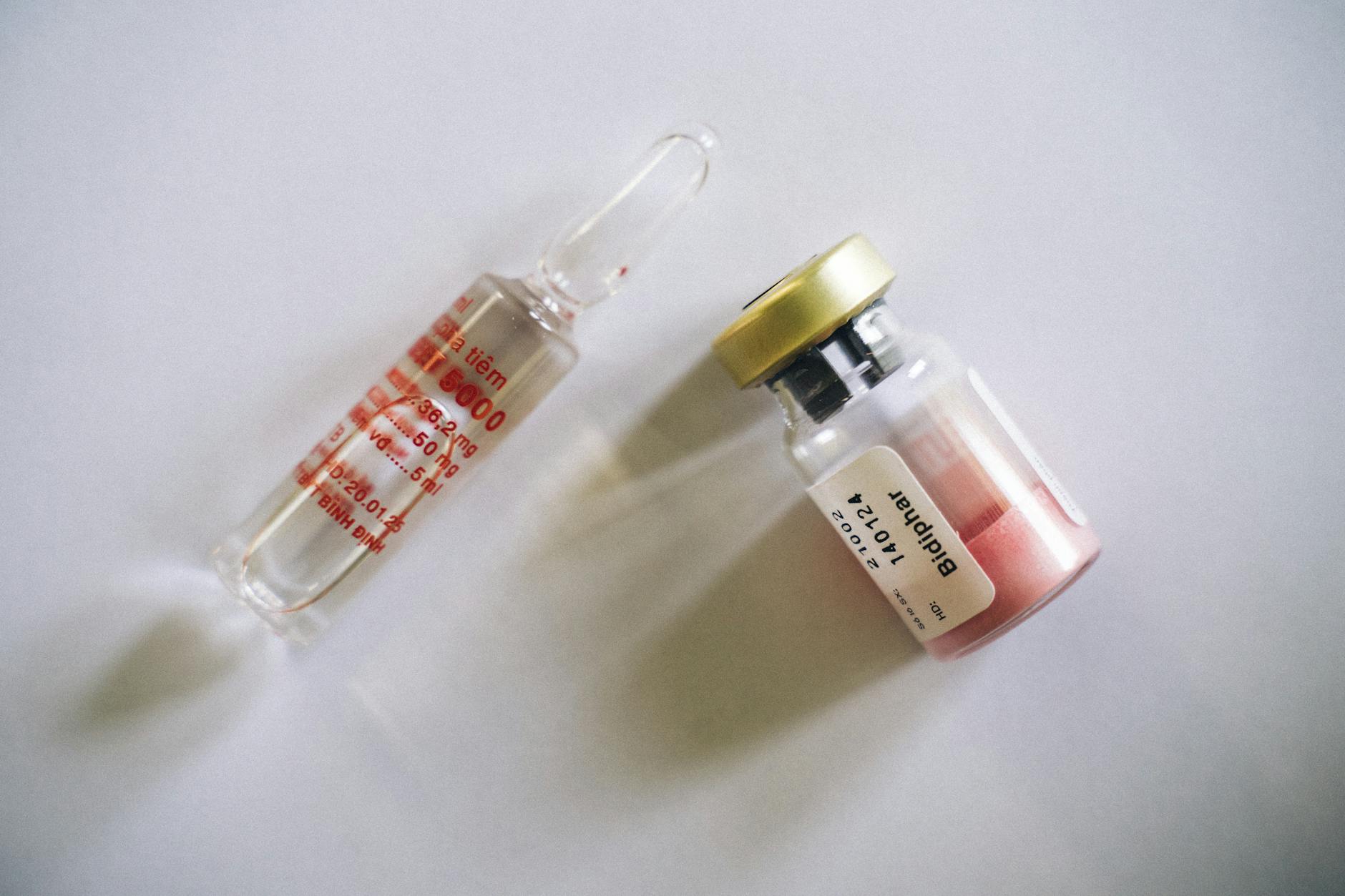
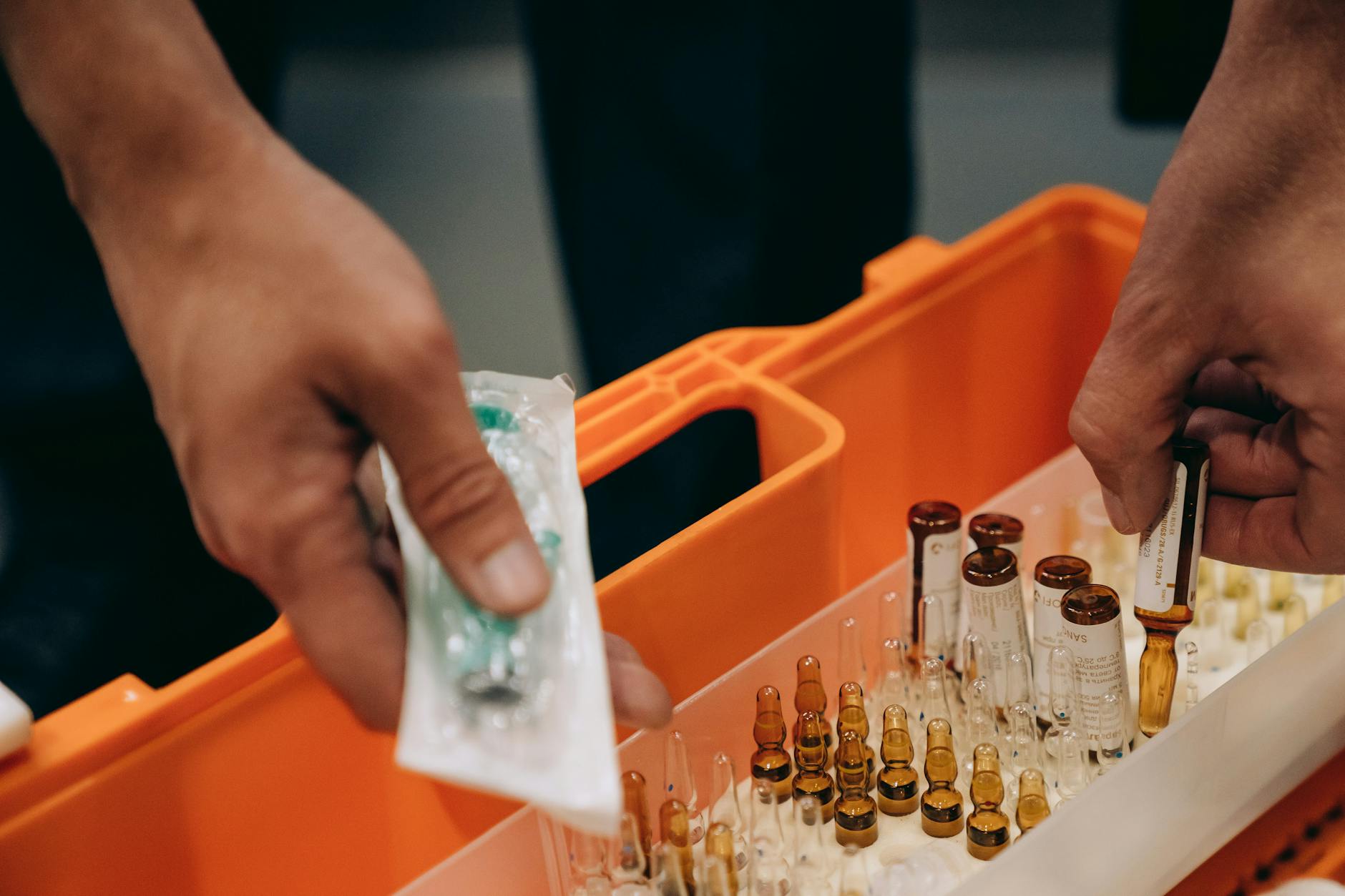
Medication, prescriptions, device supplies, insurance details, allergy information, and emergency contacts should be easy to access throughout the stay. The traveler should not rely on memory while tired, cold, or rushing.
Health information should travel in an orderly way.
- Carry medication in original packaging when practical, with prescriptions or documentation as needed.
- Keep doses, devices, chargers, supplies, and emergency information split between day bag and luggage when appropriate.
- Know where the nearest pharmacy or urgent support option is relative to the hotel.
Treat weather as a health variable
Helsinki weather can affect breathing, circulation, joint comfort, fatigue, balance, hydration, and medication timing depending on the traveler. Waterfront wind, cold, ice, rain, and summer brightness should influence the length and sequence of outdoor plans.
Weather is not just atmosphere; it is a planning constraint.
- Pack layers, footwear, rain protection, sun protection, and any condition-specific supplies.
- Schedule outdoor landmarks during the most comfortable weather window.
- Use indoor stops, trams, or taxis when exposed routes become medically or physically draining.

Build meals and rest into the route
Meal timing, hydration, dietary restrictions, medication with food, and rest breaks should be fixed points in the itinerary. The traveler should avoid long gaps where a cafe, restroom, pharmacy, or quiet seat is uncertain.
Stability depends on predictable pauses.
- Plan breakfast, snacks, hydration, and meal timing around medication and energy needs.
- Identify cafes, restrooms, indoor benches, and pharmacies along the day's route.
- Keep the route short enough that symptoms or fatigue do not trap the traveler far from lodging.

When to order a short-term travel report
A traveler with mild constraints and flexible plans may not need a custom report. A report becomes useful when medication timing, lodging access, transfer reliability, weather sensitivity, meal planning, or fatigue management needs to be checked before arrival.
The report should test hotel access, airport transfer, tram and taxi routes, walking distance, pharmacy proximity, medical documentation, meal timing, rest stops, weather exposure, indoor backups, and departure buffers. The value is a Helsinki stay that remains realistic when health-related details matter.
- Order when lodging, transfers, medication timing, meals, weather, walking limits, rest, or departure timing need exact coordination.
- Provide dates, lodging options, arrival details, medical constraints, mobility limits, medication timing, food needs, and emergency preferences.
- Use the report to make the Helsinki trip more stable without turning it into a clinical exercise.