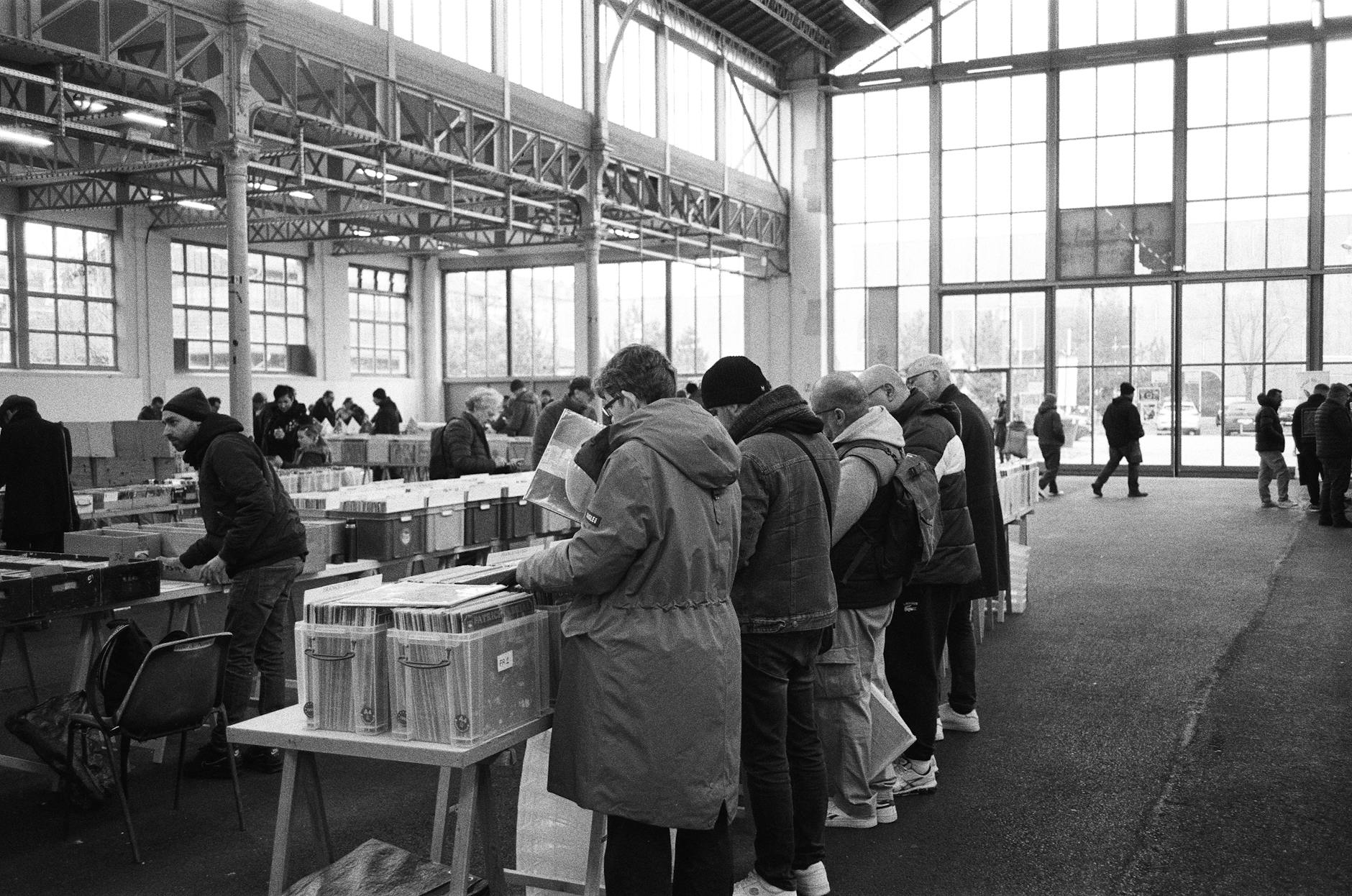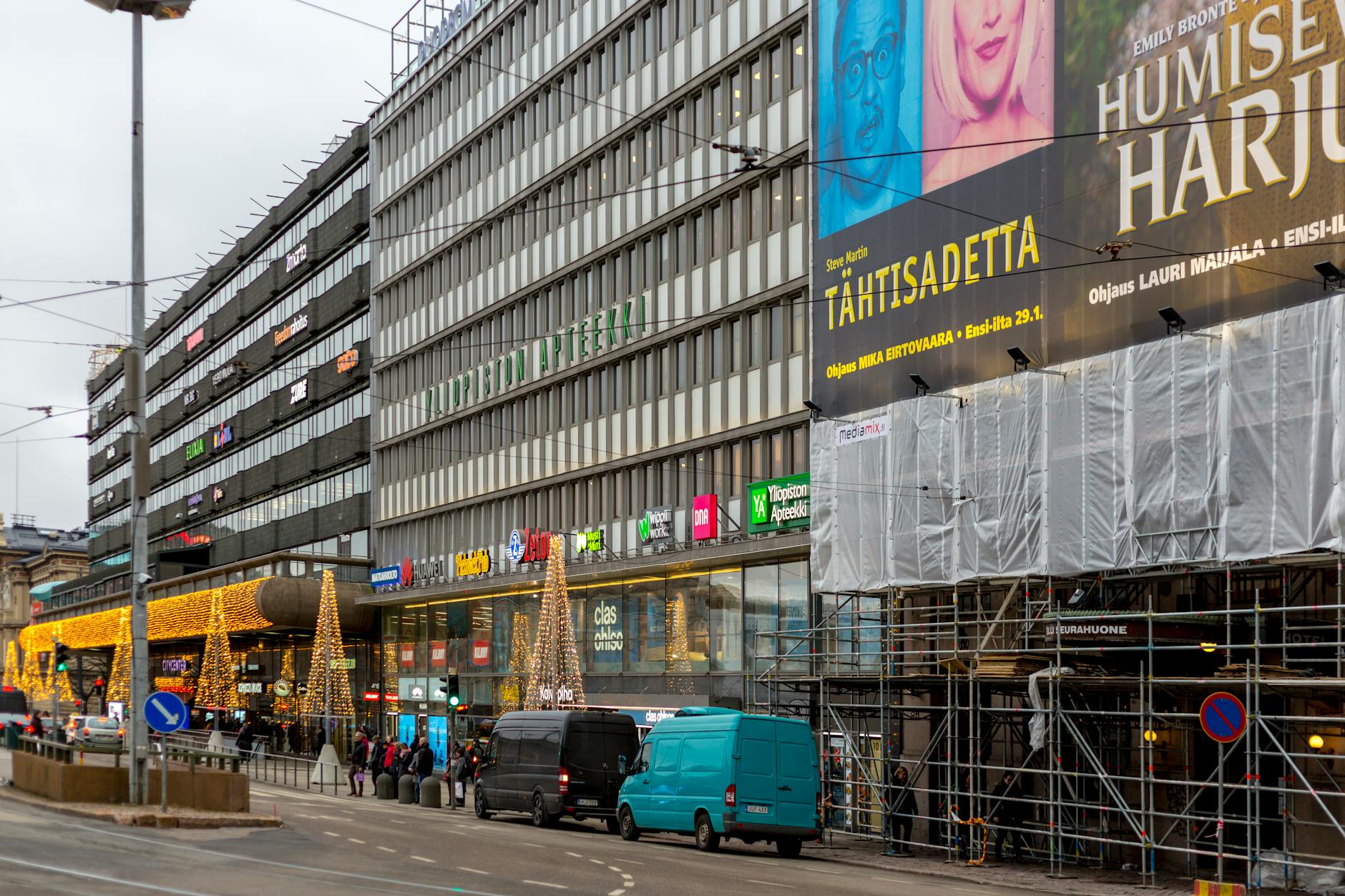
Map the venue and event floor first
The attendee should confirm the trade-show venue, entrance, badge pickup, hall layout, booth locations, meeting areas, cloakroom, shipping desk, and transit stops before finalizing the schedule. Large event days punish vague logistics.
The floor plan should drive the trip.
- Confirm venue address, hall numbers, entrances, registration hours, and exhibitor or visitor badge rules.
- Mark priority booths, meeting rooms, food areas, restrooms, coat check, and transit exits.
- Keep floor plans, QR codes, tickets, and contact details available offline.
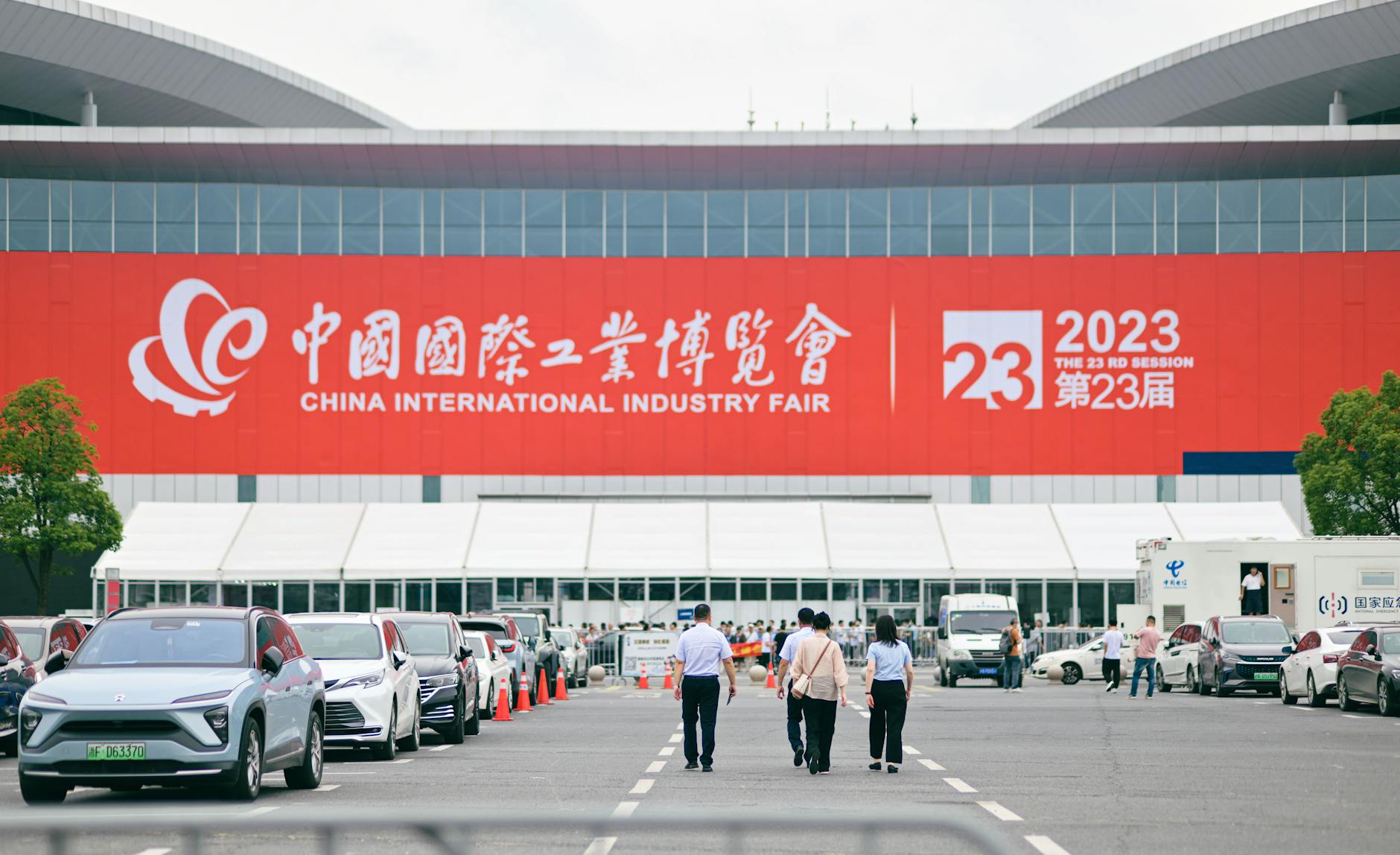
Choose lodging around event effort
Trade-show days are physically demanding, so the hotel should reduce movement before and after the floor. Commute reliability, breakfast timing, room quiet, desk space, laundry, luggage storage, and evening return routes matter more than novelty.
The hotel should help the attendee recover.
- Compare hotels by venue commute, breakfast, quiet, workspace, luggage storage, and taxi or tram access.
- Check whether early starts, late networking, and sample handling are practical from the location.
- Avoid a room that turns every event day into a transfer-heavy exercise.
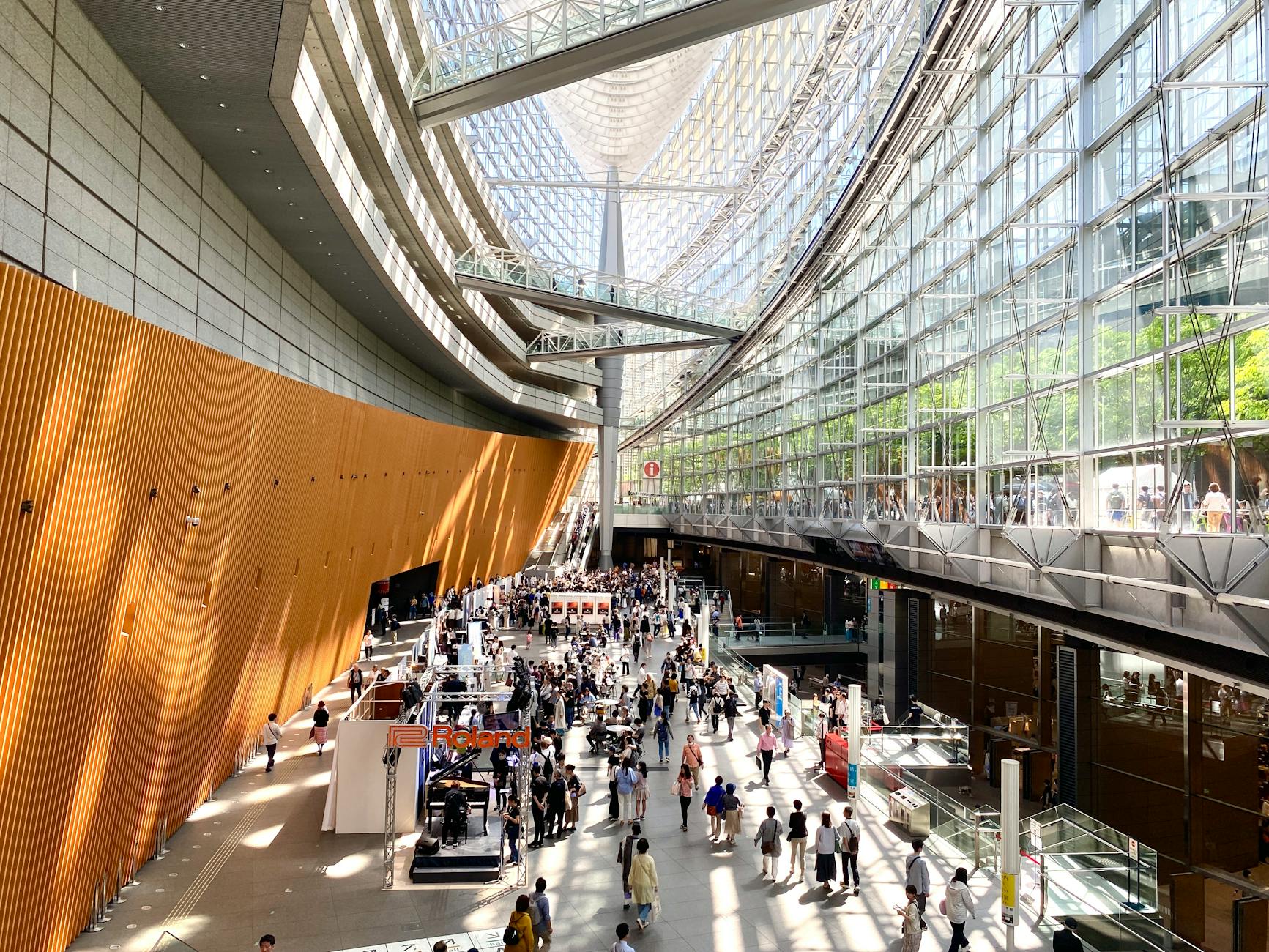
Protect booth and meeting priorities
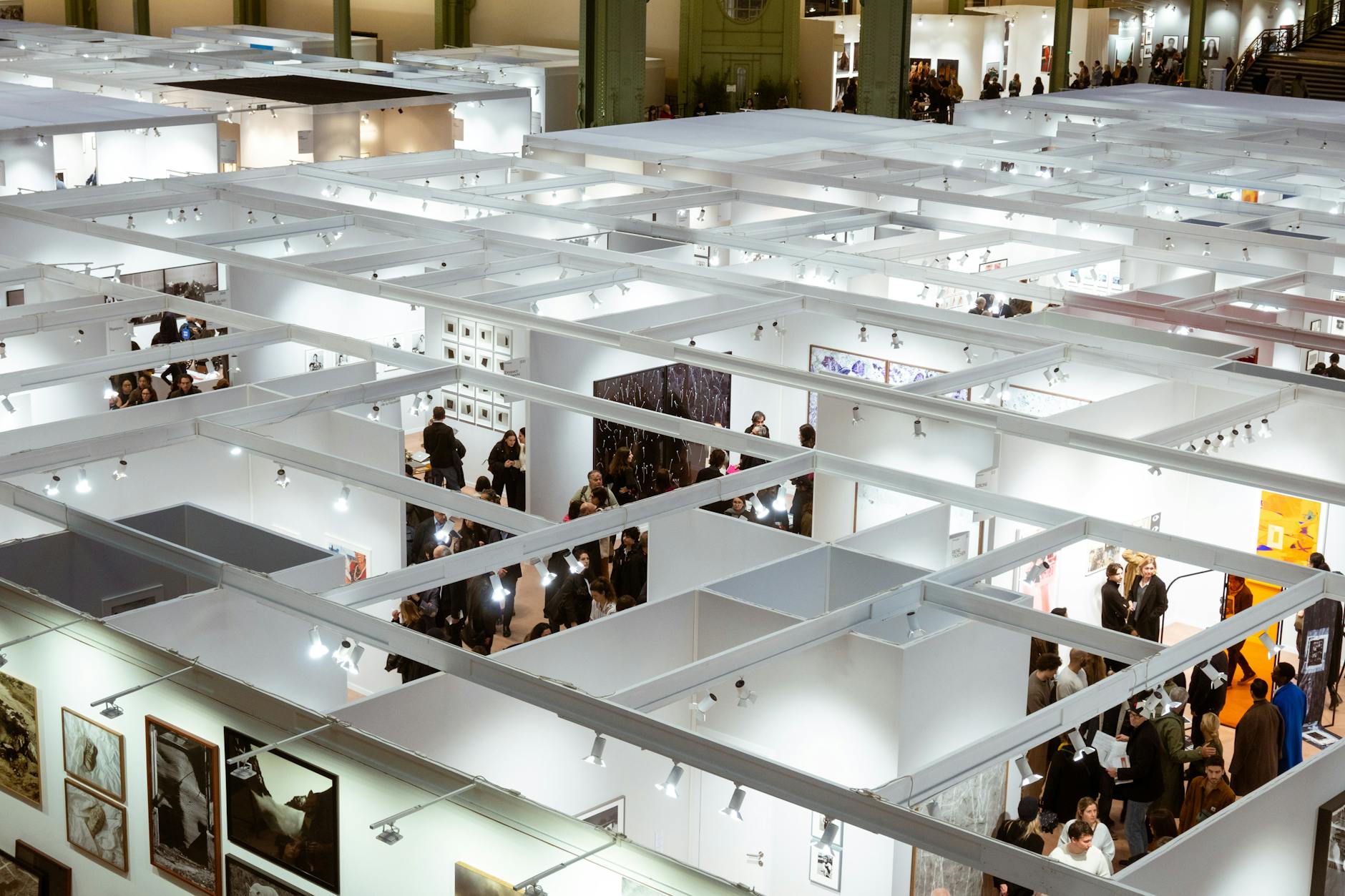
The trade-show day should be structured around the conversations that matter most: priority exhibitors, buyers, suppliers, demos, competitors, sponsors, and scheduled meetings. Wandering the floor without a sequence can consume the whole trip.
The business purpose needs a route.
- Rank booths, meetings, product demos, and networking sessions before the first event day.
- Schedule focused floor walks by hall or category rather than crossing back and forth repeatedly.
- Leave buffer for overruns, queues, badge checks, and useful unscheduled conversations.
Handle materials, samples, and follow-up
Badges, business cards, brochures, samples, chargers, notes, scans, shipping, and post-show follow-up should be planned before the floor becomes crowded. The attendee needs a way to capture useful information without carrying too much.
Follow-up starts during the event.
- Decide how to capture contacts, booth notes, QR scans, photos, and next steps.
- Plan sample handling, shipping, storage, customs questions, and luggage space before accepting bulky items.
- Carry chargers, power bank, notebook, medication, water, and a compact bag that can survive a long floor day.
Plan networking without losing stamina
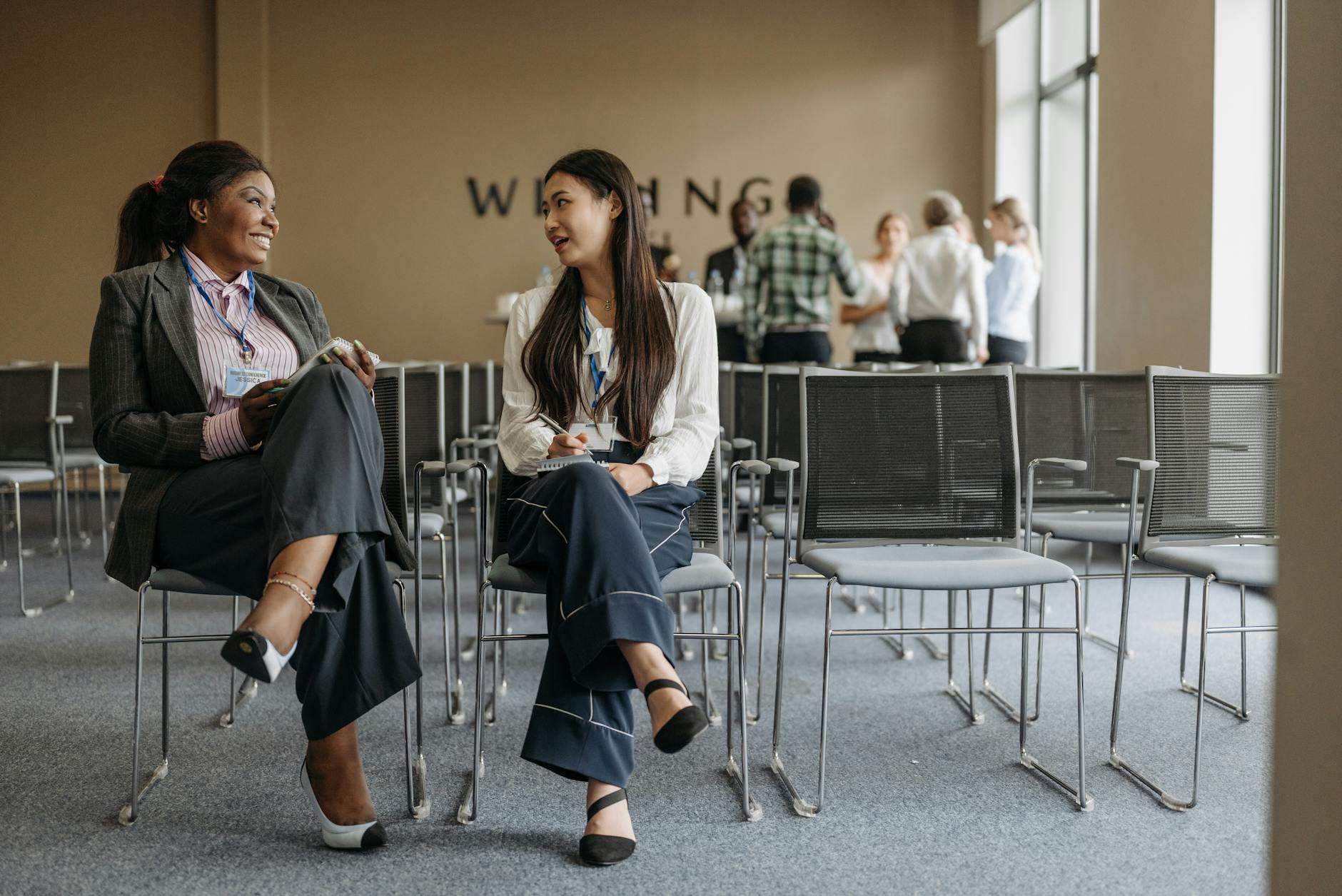
Evening receptions, informal dinners, stand visits, and supplier meetings can be valuable, but trade shows are tiring. The attendee should plan networking around energy, meal timing, weather, and the next morning's schedule.
Networking should not erase the next day.
- Choose the receptions, dinners, and private meetings that are worth the time and travel.
- Keep one easy meal or hotel-return option ready after a long floor day.
- Leave time to process notes before new conversations replace the details.
Account for Helsinki weather and transit
Trade-show clothing, samples, laptops, and long event days can make weather and transport more important than expected. The attendee should decide when trams, taxis, walking, or airport rail are realistic given luggage and conditions.
The route should protect the business day.
- Plan layers and footwear for snow, rain, wind, cold, or warm event halls.
- Use taxis when samples, luggage, late receptions, or weather make transit inefficient.
- Build departure margin for hotel checkout, sample packing, rail or taxi timing, and airport security.
When to order a short-term travel report
A trade-show attendee with a venue hotel and light agenda may not need a custom report. A report becomes useful when the venue is unfamiliar, booth priorities are dense, samples or shipping matter, networking is important, or arrival and departure timing is tight.
The report should test venue geography, hotel commute, registration timing, booth sequence, meeting windows, materials, sample handling, networking locations, meals, weather, transit, and departure buffers. The value is a Helsinki trade-show trip where the attendee has enough structure to produce useful business outcomes.
- Order when venue logistics, lodging, booth priorities, meetings, samples, networking, weather, transit, or departure timing need coordination.
- Provide event venue, dates, booth list, meeting schedule, lodging options, arrival details, sample needs, and business priorities.
- Use the report to make the Helsinki trade-show visit focused, efficient, and easier to follow up.