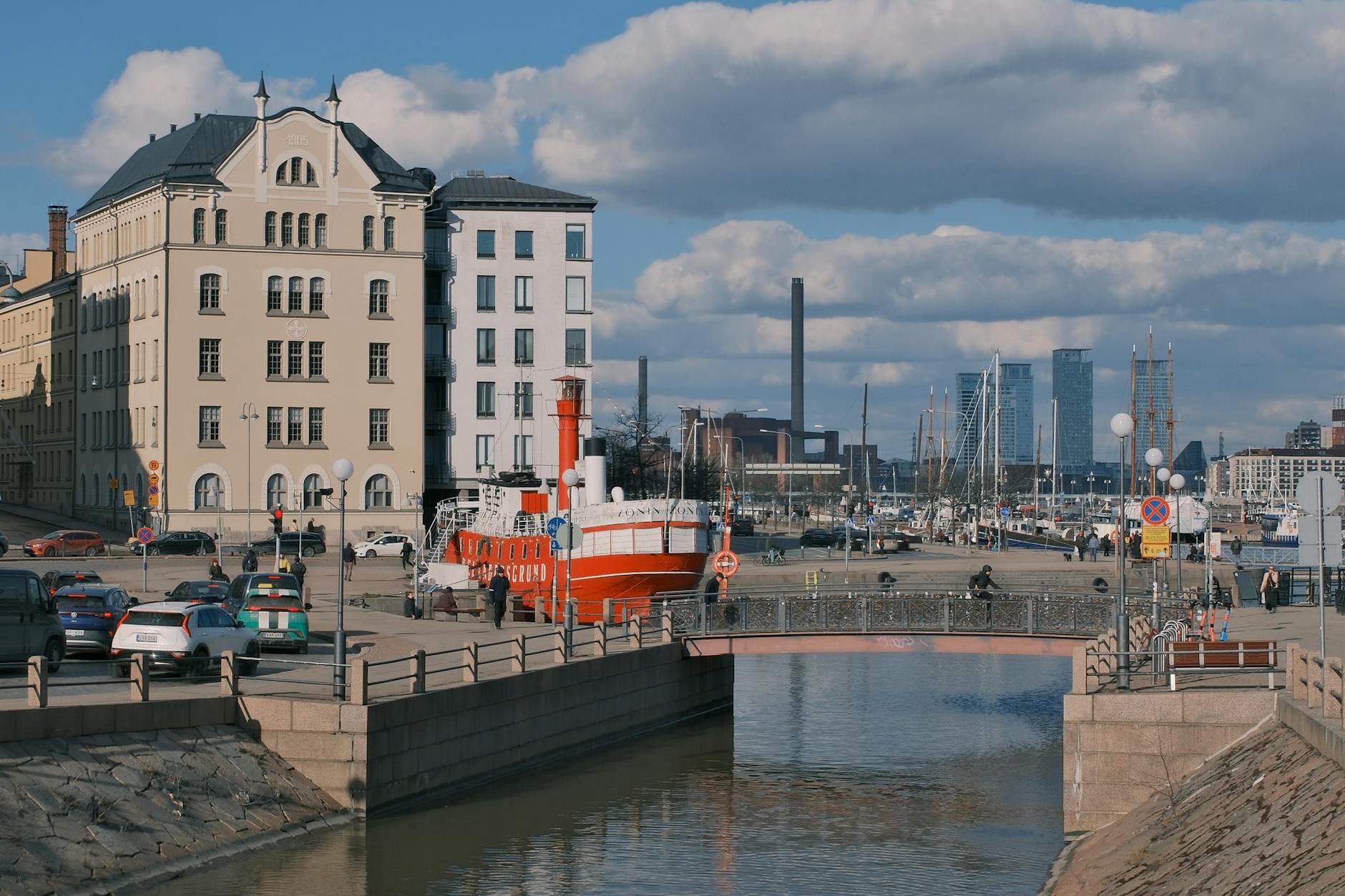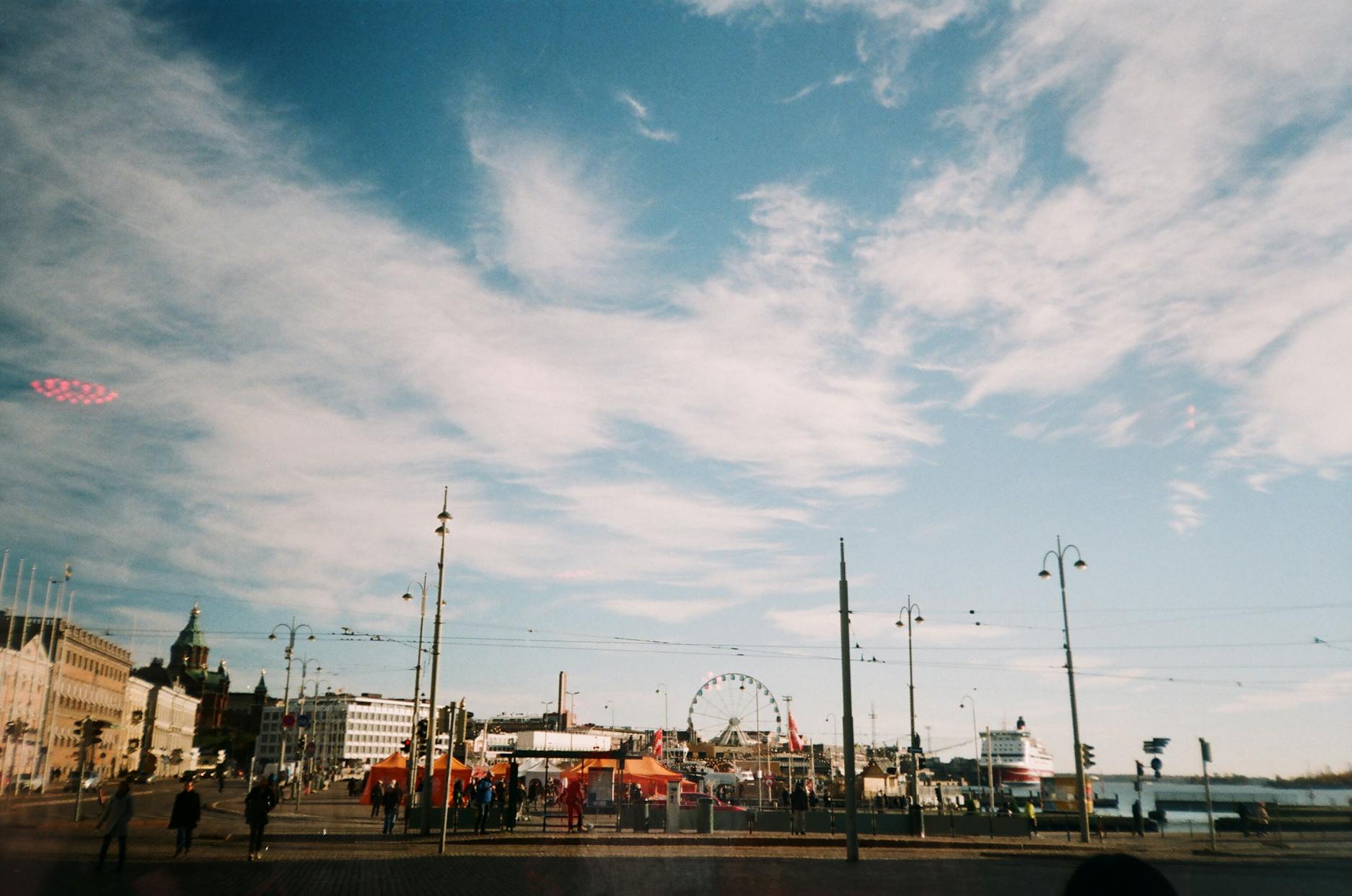
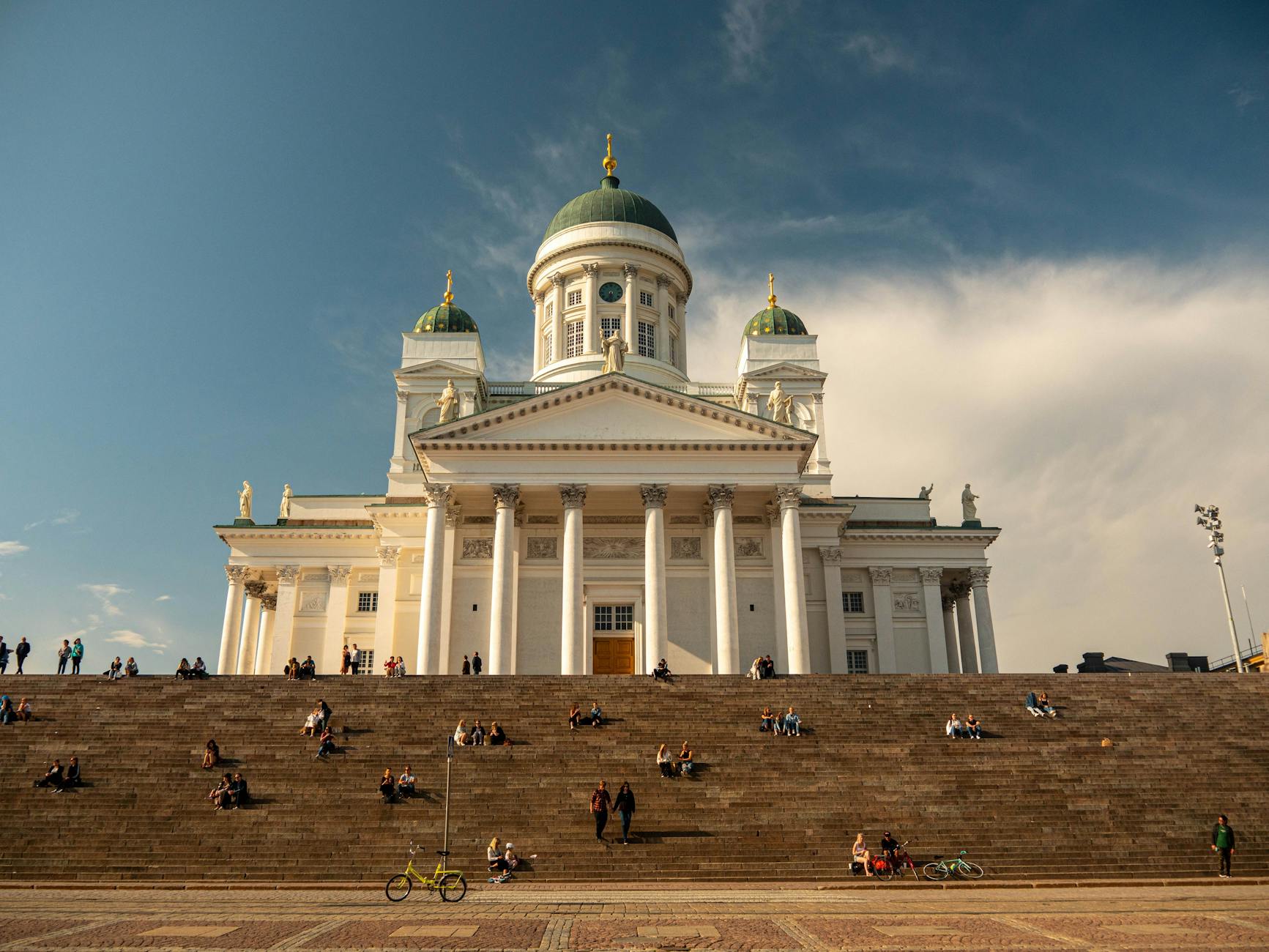
Start with the strongest central anchors
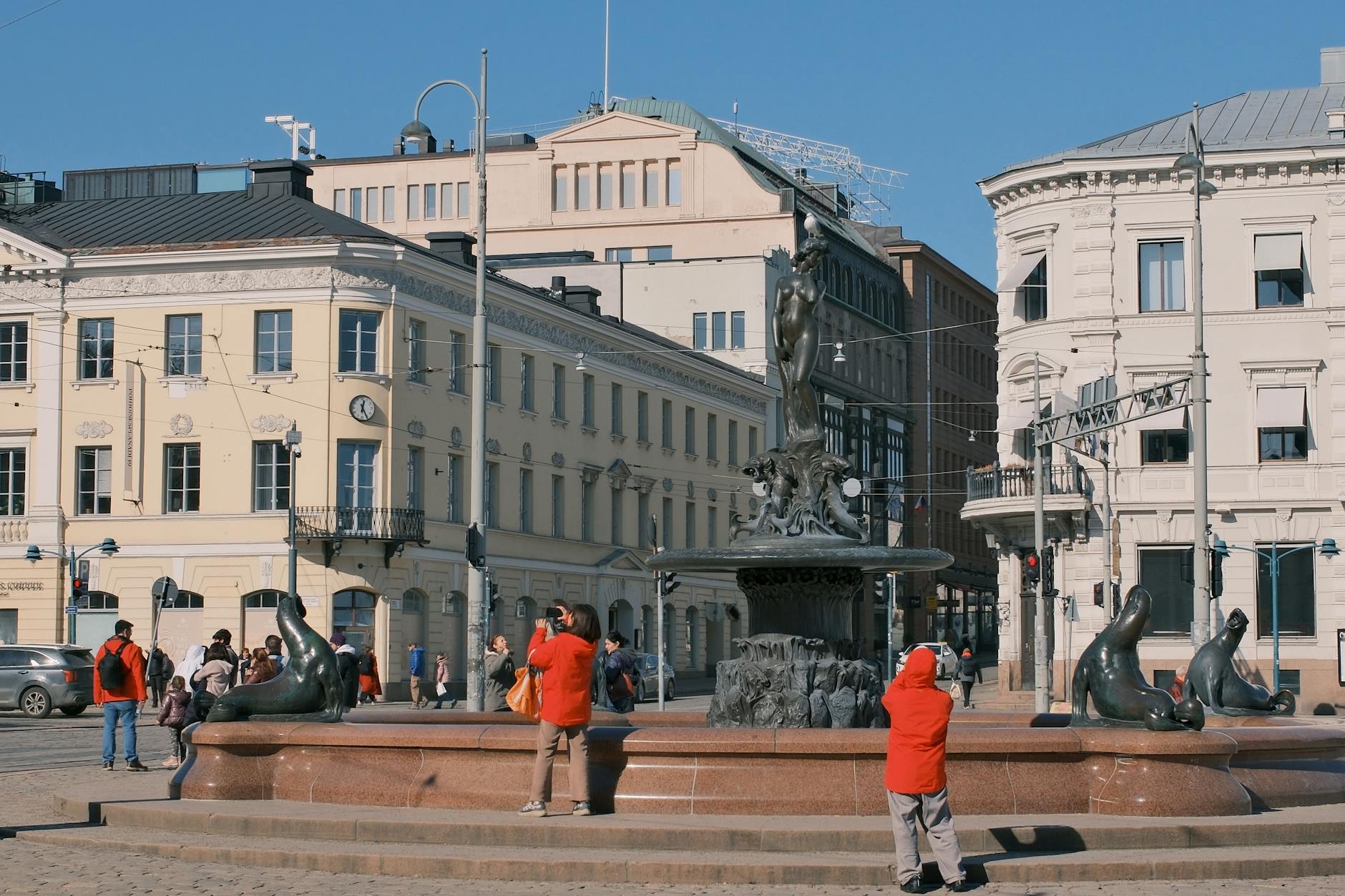
A short Helsinki tourist stay should begin with places that quickly explain the city: Senate Square, Helsinki Cathedral, the harbor, market area, central streets, and one cultural or design stop. The traveler does not need every landmark to understand the city.
Strong anchors should come before coverage.
- Choose a compact set of central sights for the first full outing.
- Pair outdoor landmarks with an indoor fallback for rain, wind, snow, or cold.
- Leave time to sit, look, and adjust rather than moving constantly.
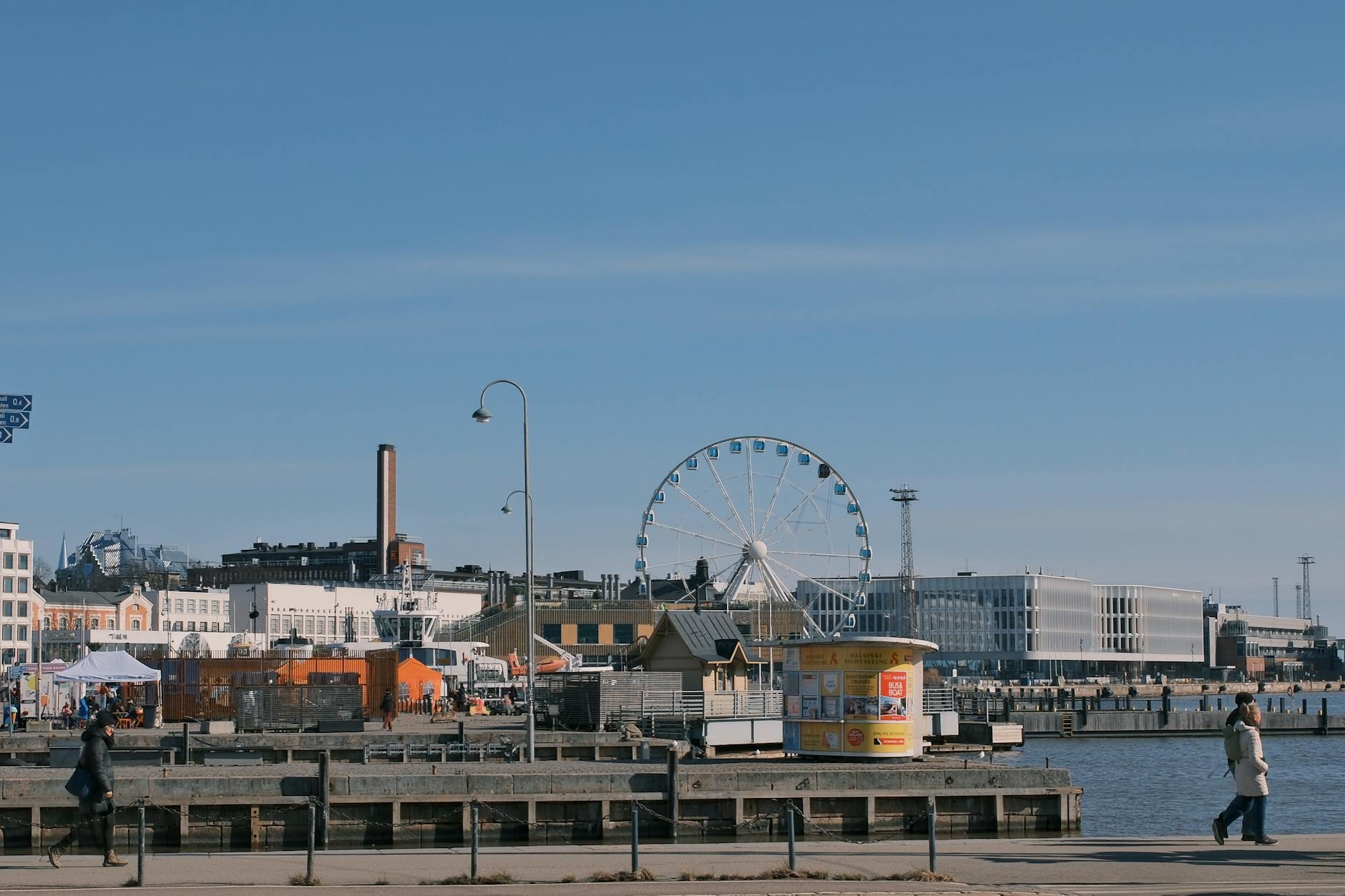
Use the harbor as a simple frame
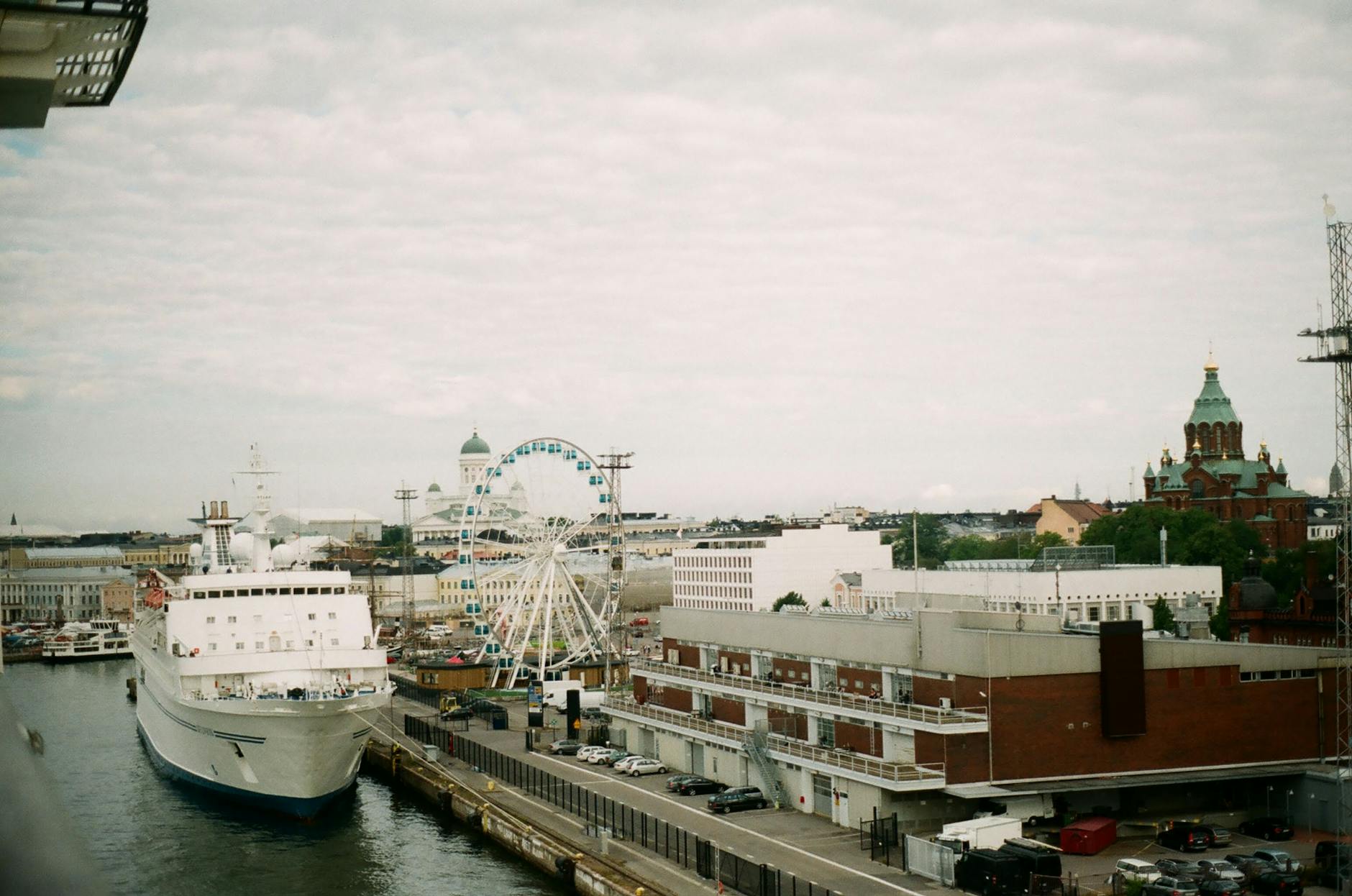
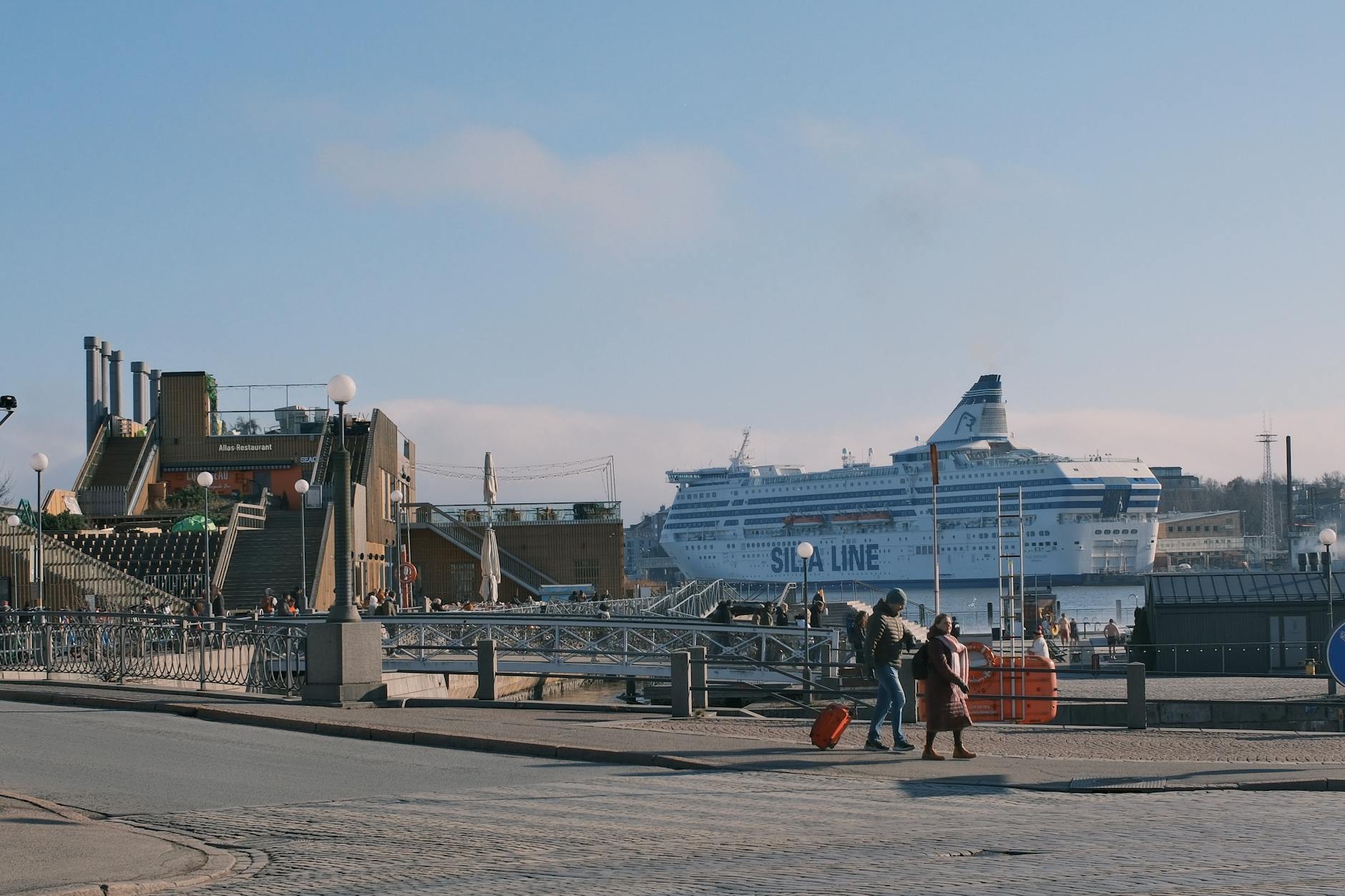
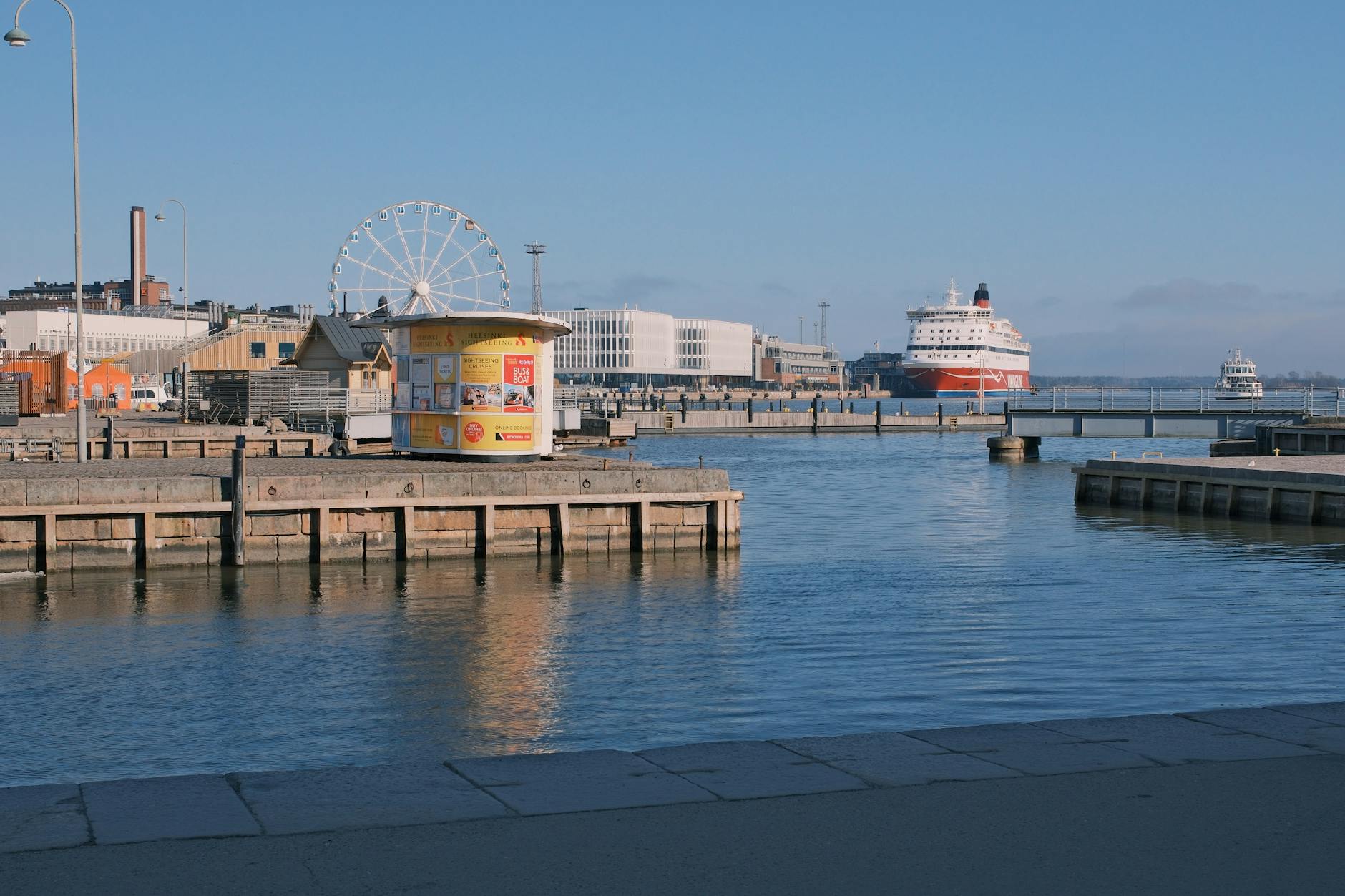
The harbor can give a tourist an immediate sense of Helsinki's geography, light, ferries, market life, and city edges. It works best when timed around weather and paired with nearby sights rather than treated as a distant side trip.
Waterfront time should be easy to reach and easy to leave.
- Plan a harbor walk or viewpoint during the best weather window.
- Keep nearby cafes, markets, museums, or transit stops in mind as exits.
- Avoid long exposed routes when wind, rain, ice, or fatigue changes the day.
Choose lodging for tourist movement
A tourist hotel should make the main sights, airport route, trams, meals, and evening return simple. A central or well-connected base usually creates a better short stay than a cheaper room that adds friction to every outing.
The base should make the city legible.
- Compare lodging by airport access, tram links, walking routes, luggage storage, and nearby meals.
- Check elevator access, breakfast timing, room quiet, and the final evening return.
- Avoid locations that make each tourist route start with a difficult transfer.
Learn one useful tram pattern
Tourists do not need to master every Helsinki transit option, but they should understand the route between lodging, central station, harbor, and the main sightseeing areas. Transit confidence protects time when weather changes.
One reliable pattern can unlock the stay.
- Know the route from the hotel to central station, harbor, and the first main sight.
- Understand ticket basics, tram stops, airport rail, and the way back to lodging.
- Keep offline maps and enough phone power for route changes.
Balance museums, markets, and walking
A tourist day can include cathedral steps, market edges, design shops, museums, and waterfront views, but too many stops can flatten the experience. The route should alternate between movement, interiors, food, and rest.
Variety should not become overload.
- Choose one major museum or indoor cultural stop for a short day.
- Use markets, cafes, and tram rides as lighter pauses between landmarks.
- Leave time for weather, queues, photos, and simply noticing the city.
Plan meals and weather before the day starts
Helsinki is easier when the tourist knows where breakfast comes from, where a casual meal fits, and what clothing the day requires. Waterfront wind, rain, snow, bright summer light, or winter darkness can change the pace quickly.
Comfort makes the tourist day better.
- Plan breakfast, one easy meal, and one more intentional food stop if time allows.
- Bring layers, rain protection, secure footwear, and sun or cold protection by season.
- Schedule a rest break before evening plans or early departure preparation.
When to order a short-term travel report
A tourist with flexible dates and a simple central hotel may be able to plan independently. A report becomes useful when the stay is very short, arrival timing is awkward, lodging options are confusing, weather could affect outdoor plans, or the traveler wants a strong Helsinki experience without wasted movement.
The report should test arrival transfer, lodging geography, tram basics, classic landmarks, harbor timing, museums, market stops, meals, weather, rest blocks, and departure buffers. The value is a Helsinki tourist stay that feels focused, comfortable, and worth the trip.
- Order when arrival, lodging, trams, landmarks, harbor plans, meals, weather, rest, or departure timing need coordination.
- Provide dates, arrival details, lodging options, interests, mobility needs, food preferences, and must-see priorities.
- Use the report to make the Helsinki tourist stay simple, coherent, and easy to enjoy.