Choose the mood of the solo stay
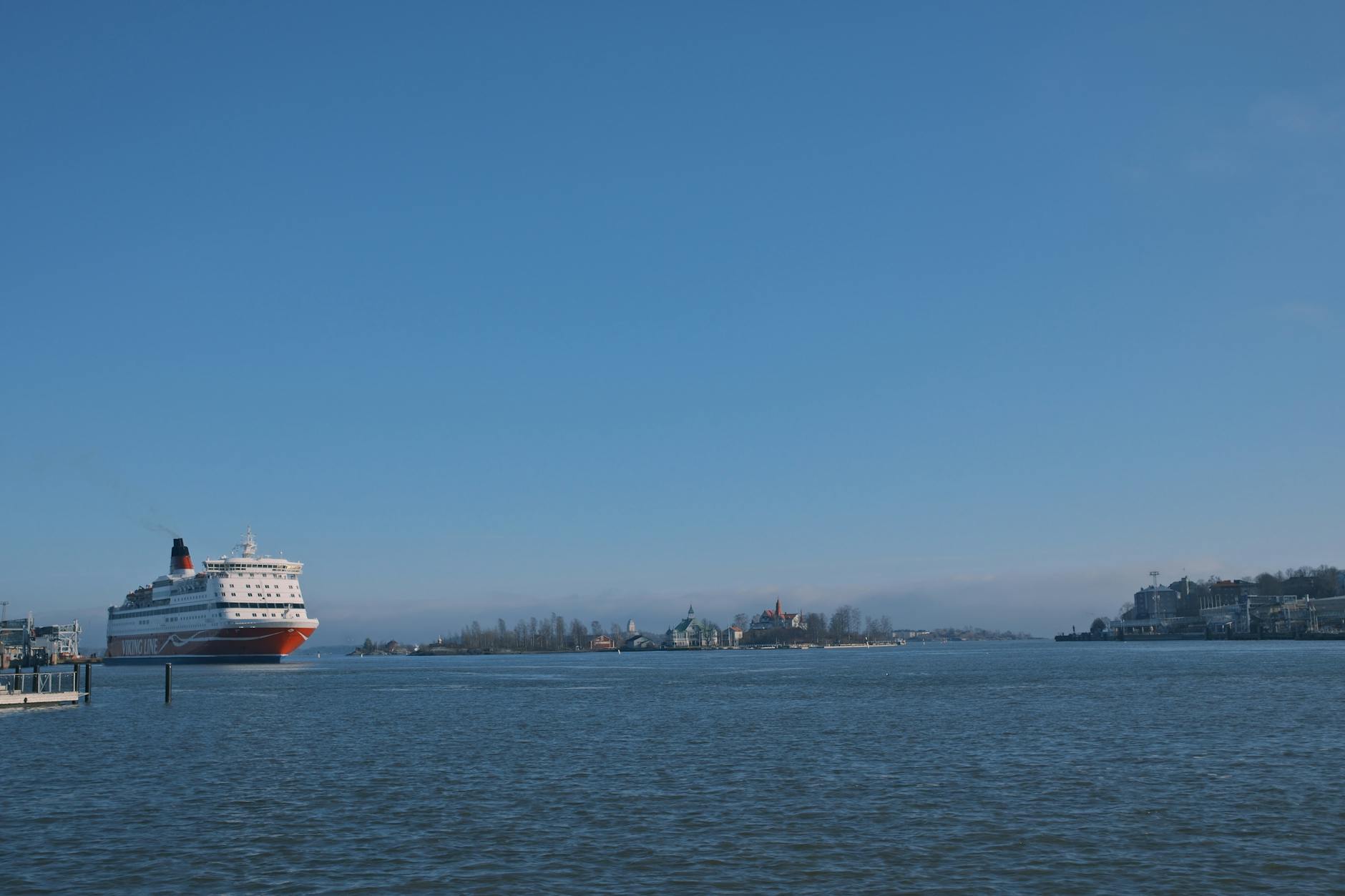
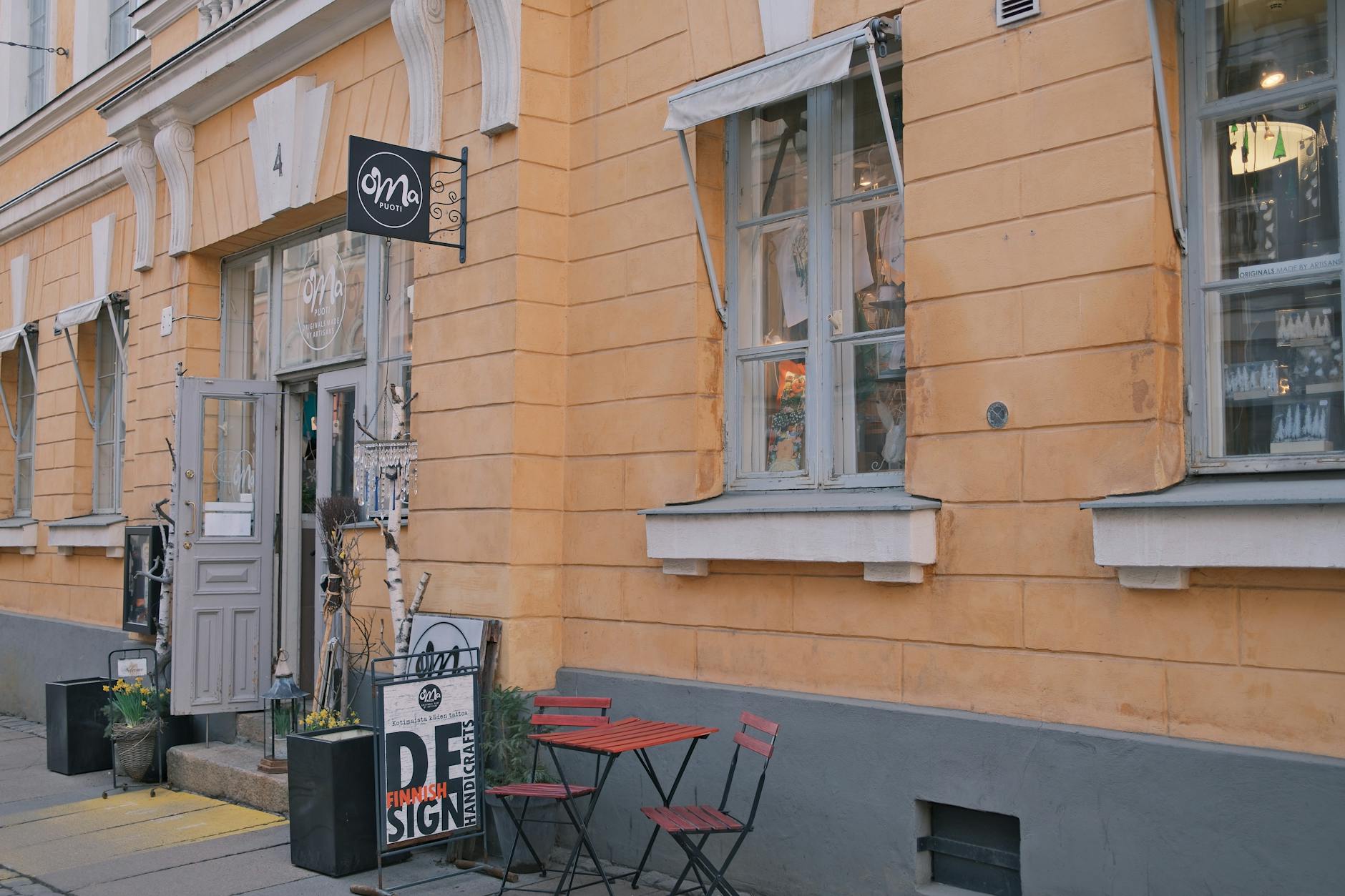
Solo travel can be cultural, quiet, food-led, design-focused, tram-based, or waterfront-heavy. The traveler should choose the trip's mood before Helsinki becomes a list of unrelated places.
Solo freedom works better with a clear frame.
- Pick two or three main interests for the short stay.
- Leave one flexible block for a cafe, museum, shop, ferry, or walk that fits the day.
- Avoid using solo flexibility as a reason to overfill the itinerary.
Pick lodging for easy returns
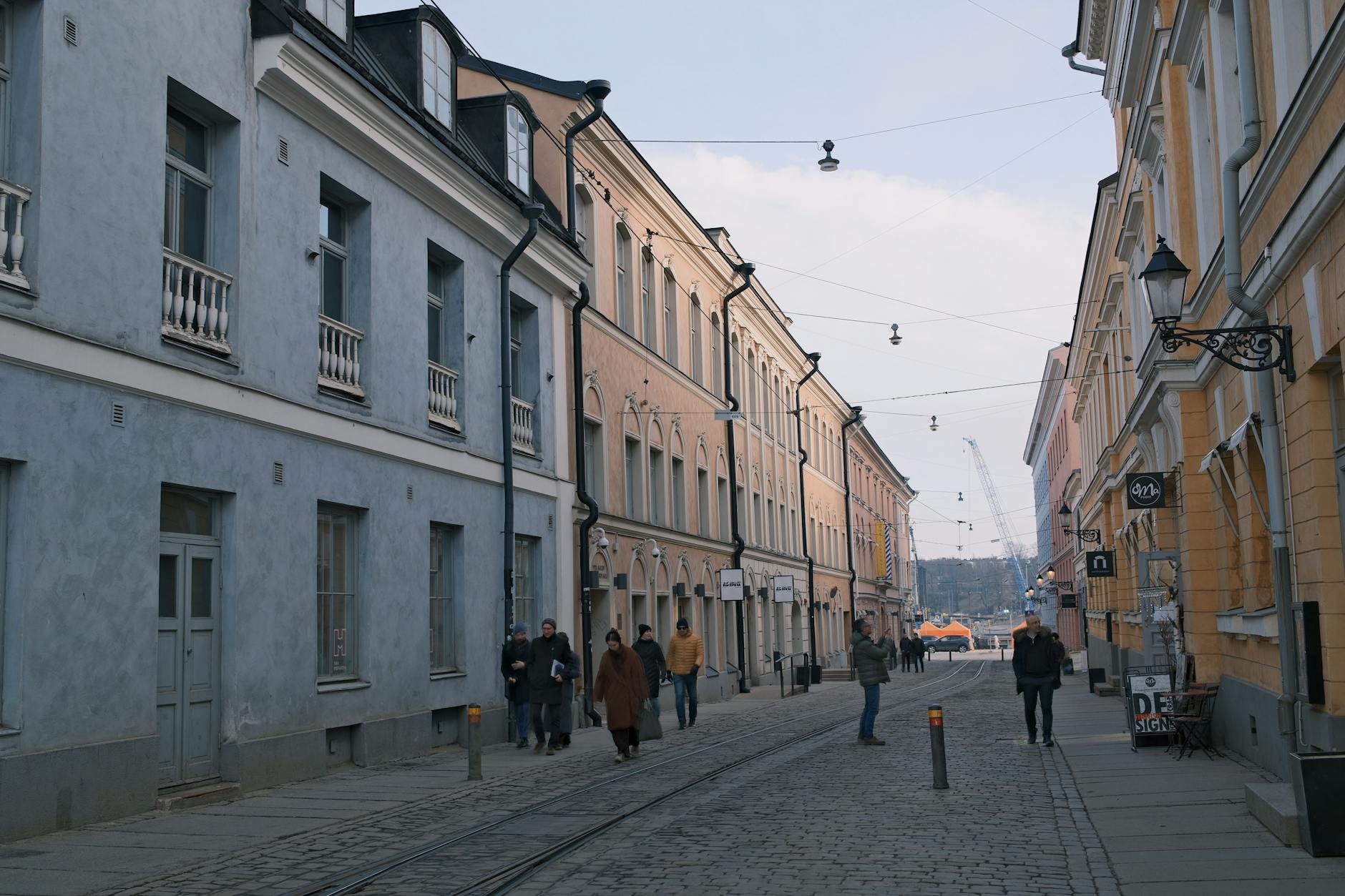
A solo hotel should make arrival, late returns, meals, luggage, and rest simple. A central or tram-connected base often matters more than a novelty room if the traveler will be navigating alone in changing weather.
The hotel should reduce decisions.
- Check airport rail or taxi access, tram stops, lobby staffing, nearby meals, and the final walk back.
- Choose a base that supports the main daily routes and evening comfort.
- Keep the hotel address, transit route, and taxi fallback available offline.
Make trams and walking routes legible
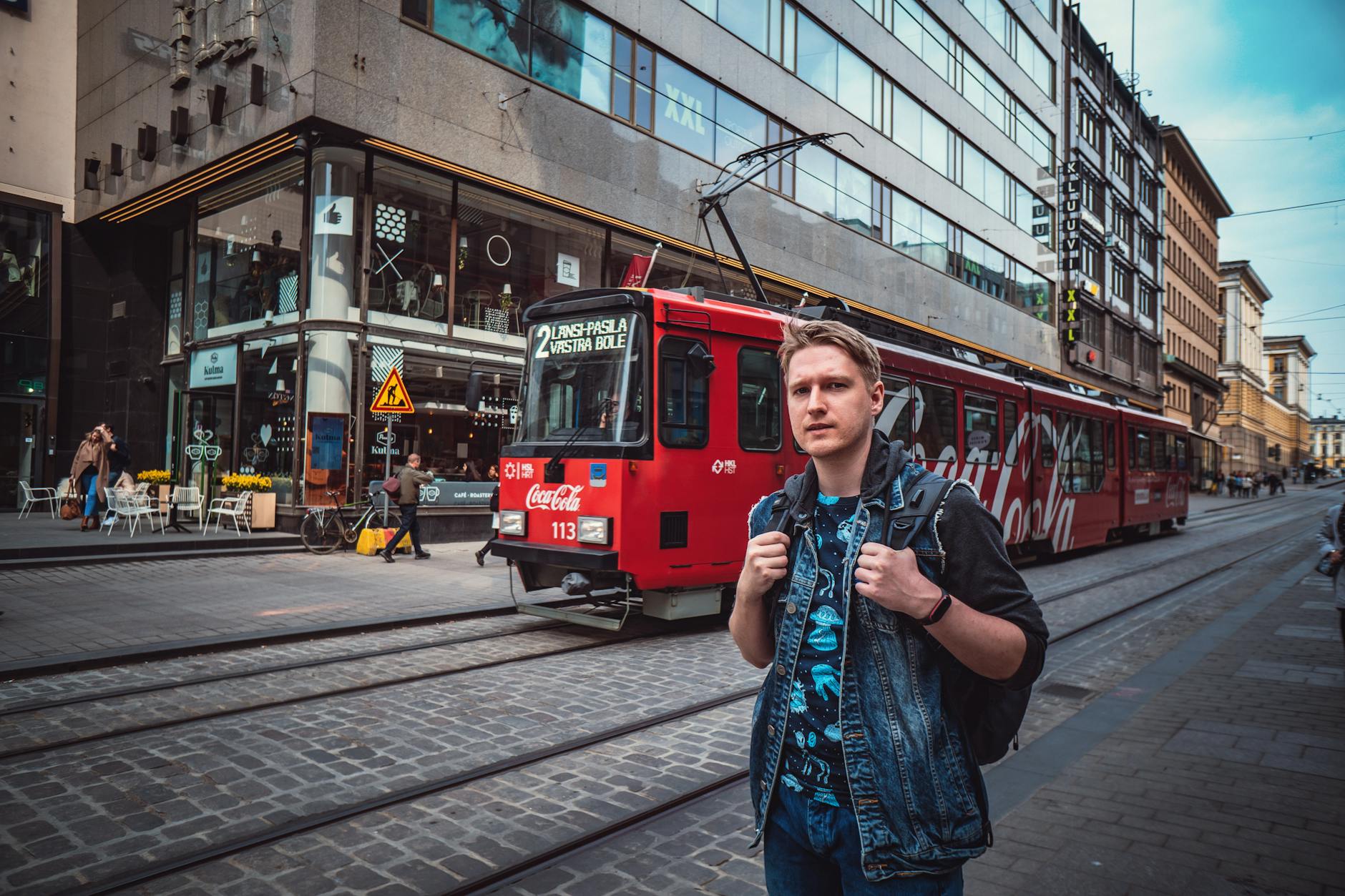
Helsinki is easier for a solo traveler when each day has a small geographic frame. A tram route, central station, harbor edge, cathedral area, or design district can give the day structure without removing flexibility.
Legibility creates confidence.
- Learn the tram or rail route back to lodging before the day gets long.
- Build each outing around one or two nearby districts instead of crossing the city repeatedly.
- Use clear landmarks, stations, water edges, and offline maps to stay oriented.
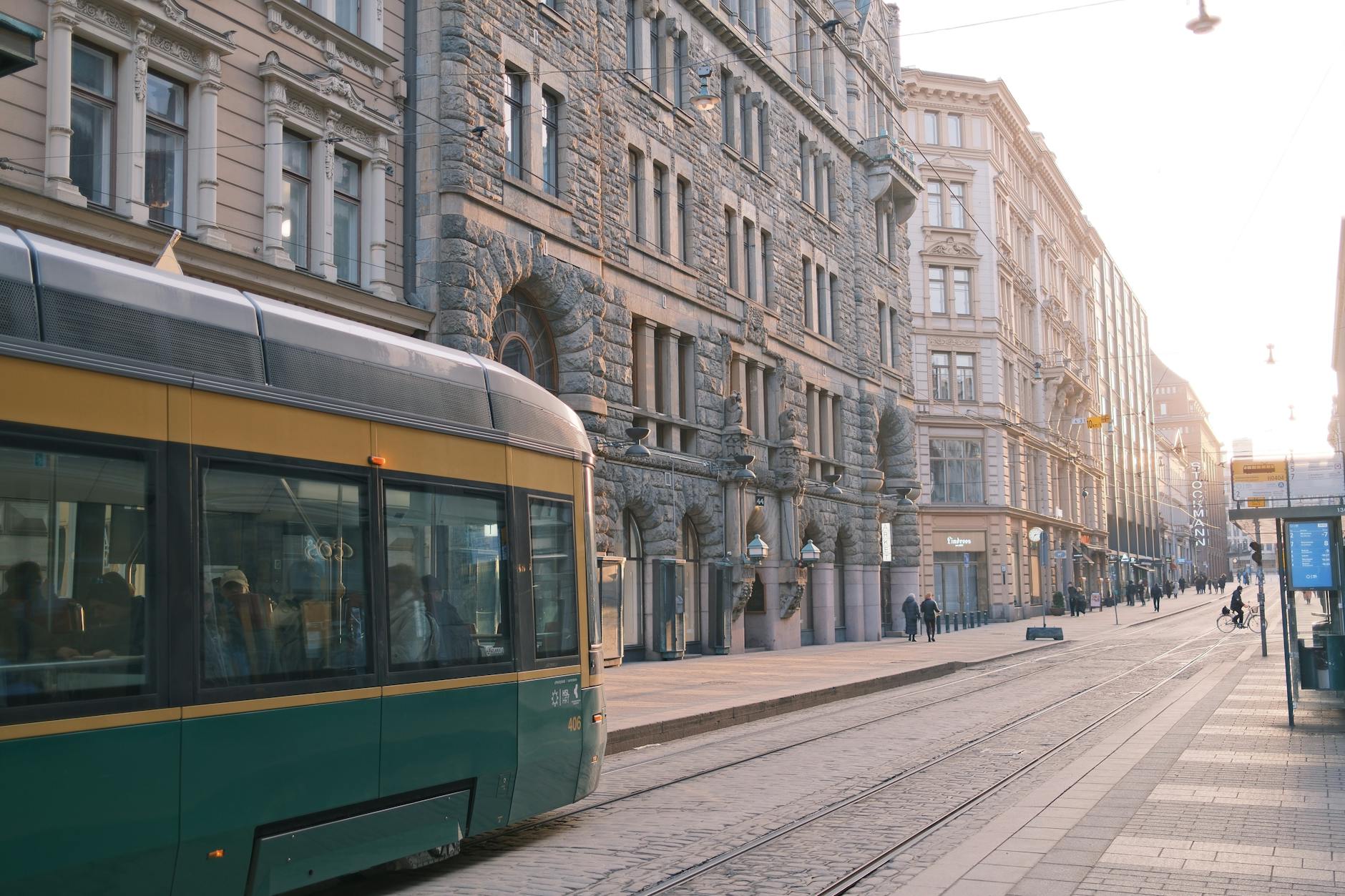
Use cafes, museums, and landmarks as anchors
Solo travelers often enjoy Helsinki more when the day alternates between walking, interiors, and pauses. Cafes, Oodi, museums, cathedral views, markets, and design shops can create rhythm without requiring constant activity.
Anchors make solo time easier.
- Place cafes or museums where weather, hunger, or fatigue could interrupt an outdoor route.
- Check opening hours, ticketing, cloakroom rules, and nearby meal options.
- Leave enough time to sit, read, journal, or simply watch the city without rushing.
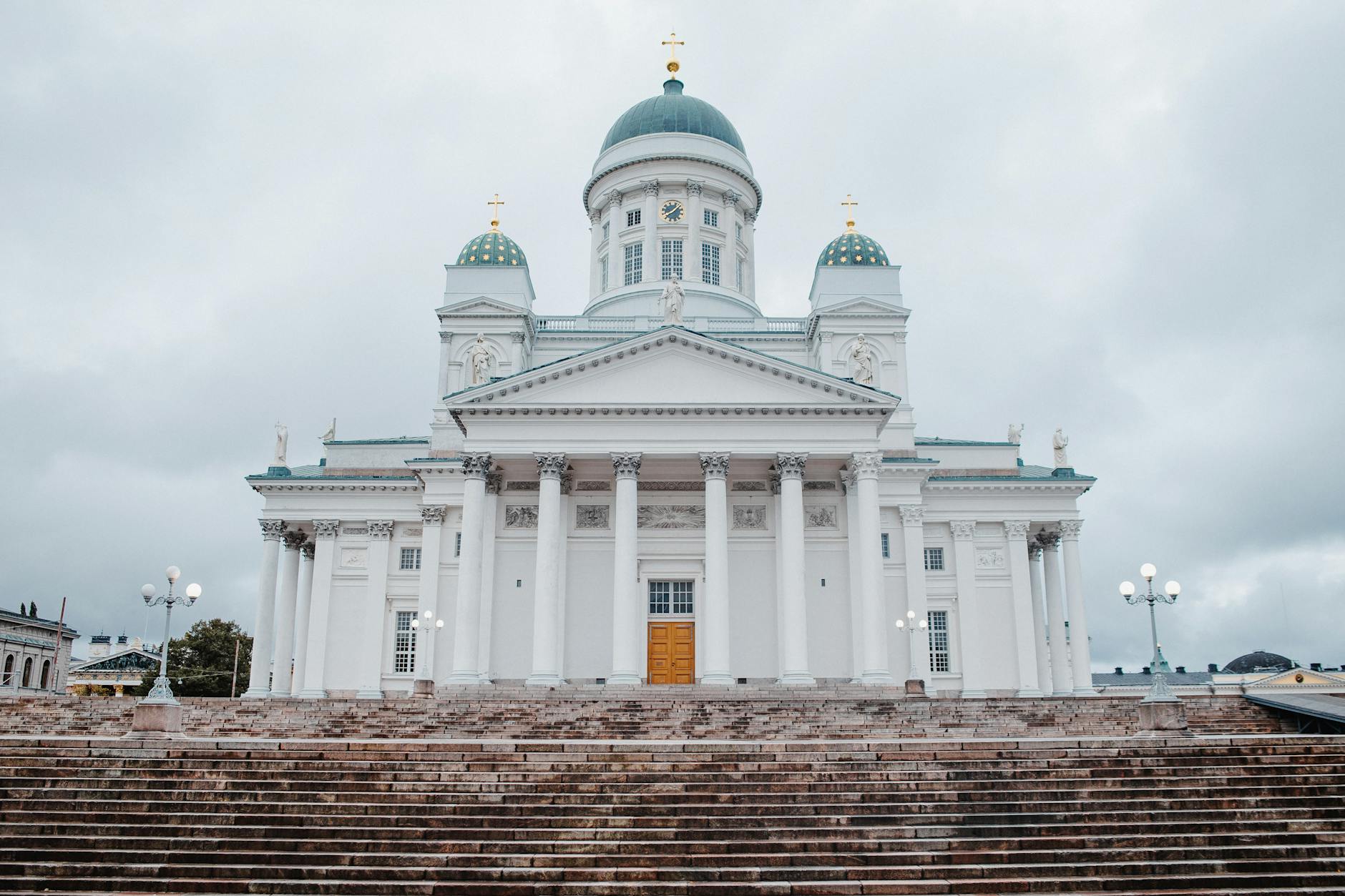
Plan evenings with an exit route
Solo evenings can be pleasant in Helsinki, but they work best with intention. Dinner, a concert, a hotel bar, a waterfront walk, a sauna session, or a quiet cafe should all come with a clear return route.
Evenings need both atmosphere and an exit plan.
- Reserve dinner when seating, budget, dietary needs, or timing matter.
- Choose evening areas that keep the return to the hotel simple.
- Set a taxi, tram, or walking fallback before the night begins.
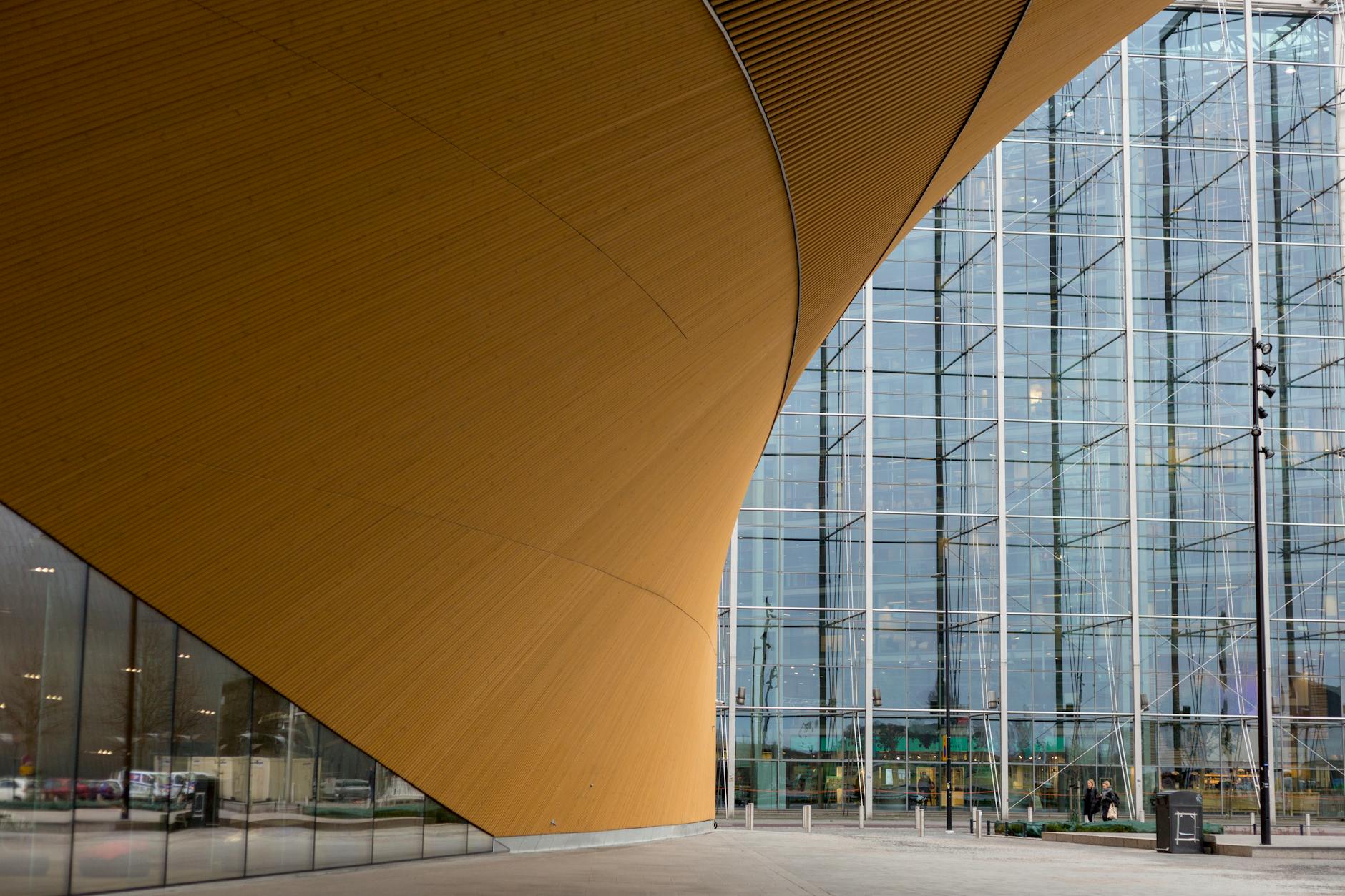
Respect weather, phone power, and stamina
A solo traveler controls the pace, but that also means no one else will notice when wind, cold, rain, snow, darkness, or a long waterfront route has become too much. Comfort planning protects independence.
The return is part of the route.
- Carry layers, rain protection, phone power, medication, and a simple offline route.
- Shorten exposed waterfront or bridge-heavy walks when weather changes.
- Leave enough energy for the return journey, not just the outward route.
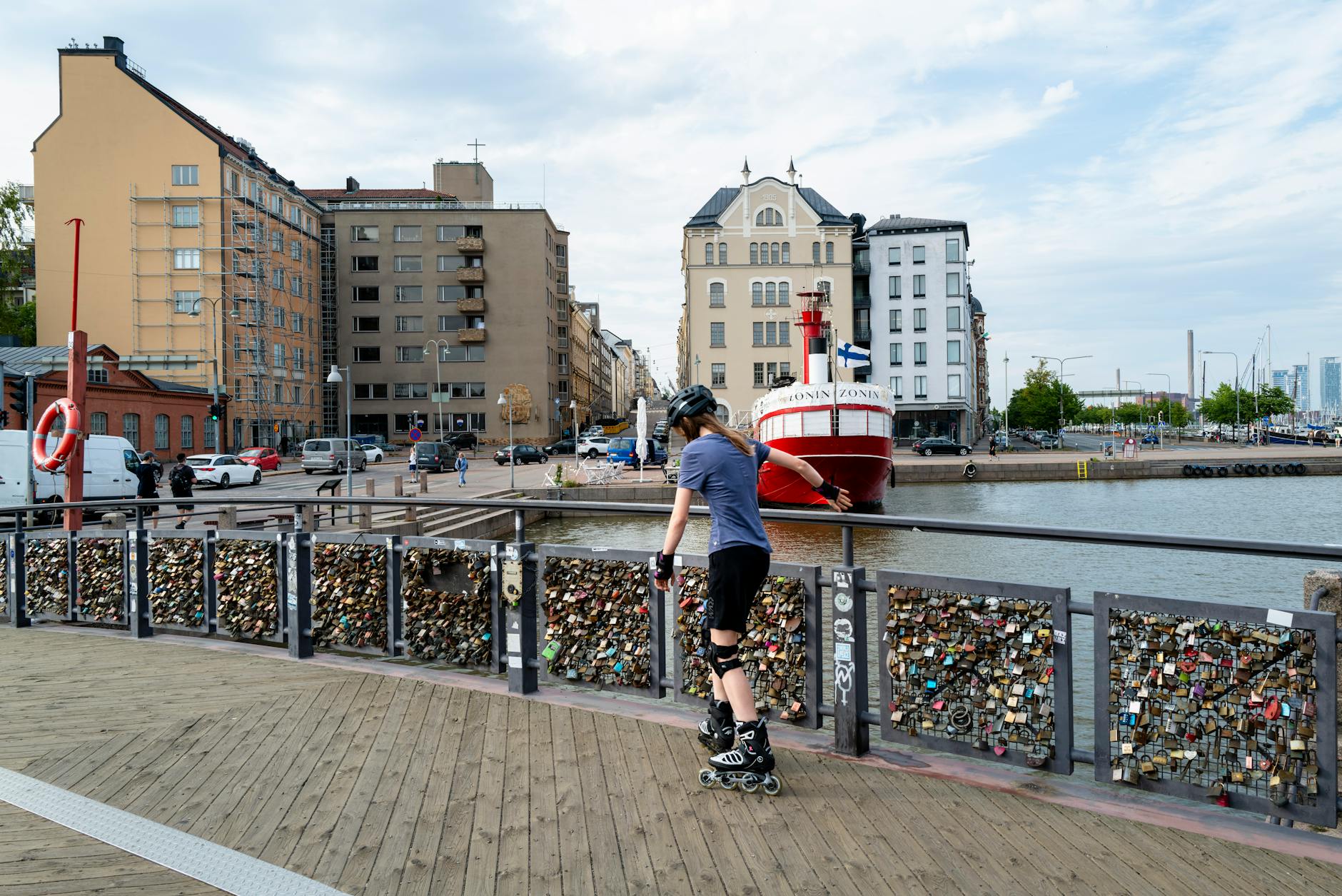
When to order a short-term travel report
A solo traveler with a central hotel and flexible interests may not need a custom report. A report becomes useful when arrival is late, lodging choice is unclear, evenings matter, weather could change the route, or the traveler wants independence without spending the trip on logistics.
The report should test hotel location, arrival transfer, tram routes, neighborhood sequence, cafe and museum anchors, evening options, waterfront timing, weather contingencies, safety-minded returns, personal pacing, and departure buffers. The value is a Helsinki solo stay that feels free, coherent, and easy to adjust.
- Order when lodging, arrival, trams, cafes, museums, evenings, waterfront routes, weather, or departure timing need exact planning.
- Provide dates, arrival details, hotel candidates, solo comfort level, food preferences, budget, and must-do interests.
- Use the report to keep the Helsinki solo trip independent without making it unsupported.