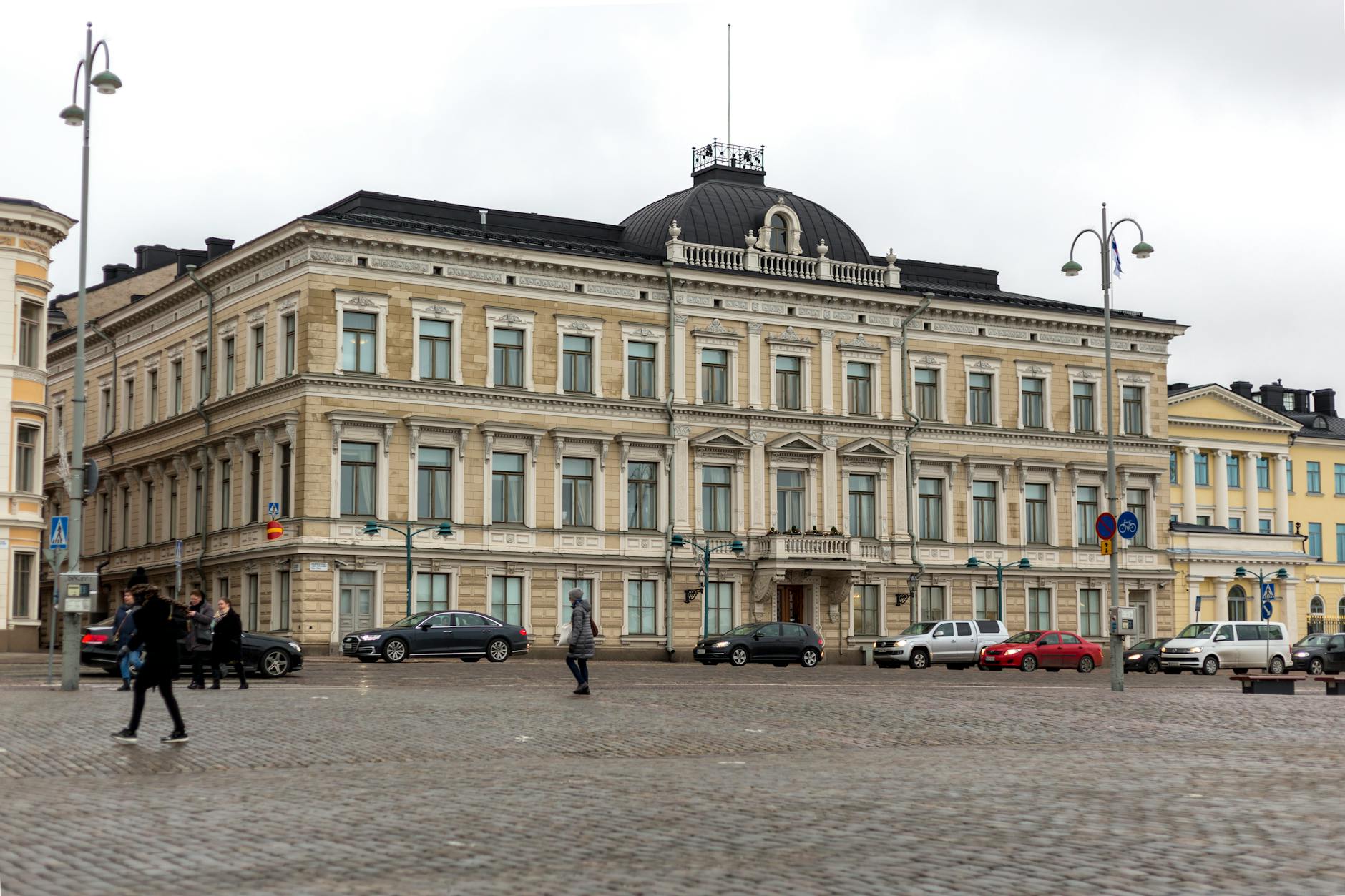
Map prospects and decision makers first
The sales traveler should map every confirmed meeting, probable prospect, coworking fallback, hotel option, and evening location before shaping the trip. Helsinki can be efficient, but a short visit loses value when meetings are scattered without a route.
The sales map should drive the calendar.
- Confirm exact office addresses, host names, visitor procedures, and meeting objectives.
- Group calls, demos, and prospect visits by district, tram route, taxi corridor, or walking distance.
- Reserve the highest-value meeting away from arrival risk, checkout pressure, and airport timing.

Choose lodging for appointment reliability
A sales hotel should support early starts, quiet calls, easy receipts, luggage storage, and a reliable route to client offices. The best location is not always the most scenic; it is the one that reduces friction before and after appointments.
The room should help the selling day run cleanly.
- Compare lodging by client access, breakfast timing, Wi-Fi, desk space, quiet, and taxi pickup.
- Check whether airport rail, trams, walking, or taxis remain practical in the expected weather.
- Avoid a hotel that turns every meeting into a separate transport problem.
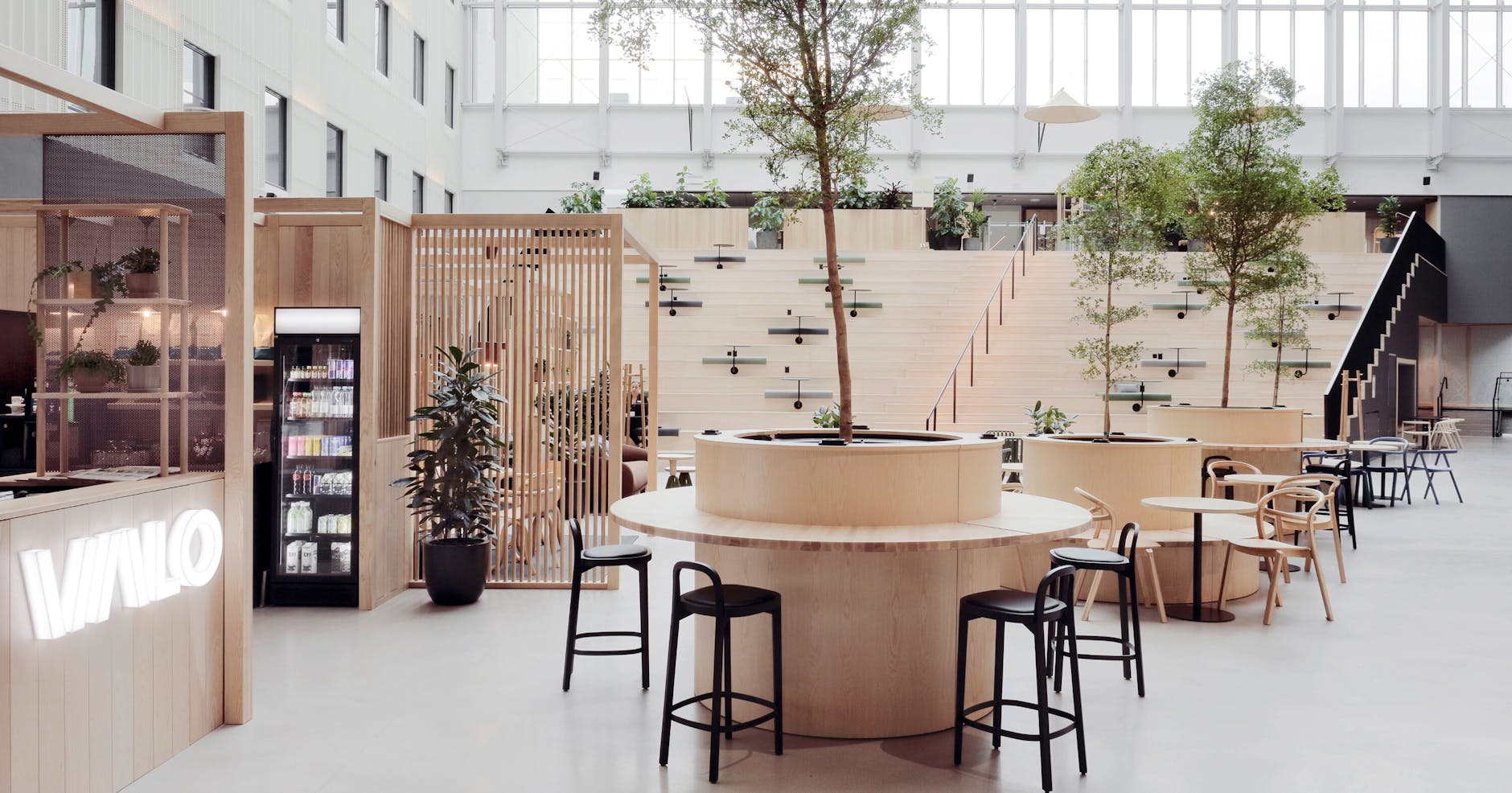
Protect demos, decks, and materials
Sales trips depend on readiness: slides, samples, contracts, security questions, adapter needs, pricing notes, and demo backups. The traveler should not be fixing files or chasing chargers between appointments.
The sales kit needs redundancy.
- Carry offline decks, demo files, pricing notes, contracts, chargers, adapters, and a backup connection plan.
- Confirm display setup, room format, guest Wi-Fi, and security rules before important presentations.
- Keep samples and handouts compact enough for trams, taxis, and hotel storage.

Use coffee and meals with intent
Helsinki coffee meetings, working lunches, and client dinners can be productive when they fit the route and the relationship stage. A meal should support conversation quality, not create lateness, dietary confusion, or a weak next morning.
Hospitality should serve the sales purpose.
- Choose cafes and restaurants near the client site, hotel, or a direct transit route.
- Clarify dietary needs, reservation timing, payment expectations, and receipt requirements.
- Avoid late dinners before high-value morning calls, demos, or airport transfers.

Keep movement punctual and weather-aware
Airport rail, trams, taxis, and short walks can all work in Helsinki, but sales visits should be planned for punctuality, clothing, laptop weight, and weather. Waterfront wind, winter surfaces, rain, or late meetings can change the best transport choice.
A sales route should be reliable before it is clever.
- Build extra margin for station exits, taxi pickup, coat check, security desks, and unfamiliar office entrances.
- Use taxis when samples, weather, late timing, or client expectations make transit less dependable.
- Keep all addresses, host contacts, and backup routes available offline.

Leave space for follow-up while details are fresh
The trip is not finished when the meeting ends. Notes, CRM updates, proposal changes, internal calls, expense receipts, and next-step emails should be captured before conversations blur together.
Follow-up should be part of the itinerary.
- Block short windows after important meetings to record objections, decision criteria, and next steps.
- Plan a quiet place for proposal edits, internal deal reviews, and same-day email follow-up.
- Capture receipts, taxi details, client preferences, and promised materials before departure.

When to order a short-term travel report
A sales traveler with one familiar client and a flexible calendar may not need a custom report. A report becomes useful when meetings are split across Helsinki, demos or samples matter, coffee and dinners need coordination, weather could affect punctuality, or the departure window is tight.
The report should test prospect geography, hotel fit, airport transfer, tram and taxi routes, meeting sequence, demo readiness, meal locations, weather, follow-up windows, and departure buffers. The value is a Helsinki sales trip where the traveler spends attention on clients, not avoidable logistics.
- Order when client geography, lodging, transfers, demos, meals, weather, follow-up, or departure timing need coordination.
- Provide meeting addresses, dates, arrival details, lodging options, sales priorities, sample needs, meal plans, and budget constraints.
- Use the report to make the Helsinki sales visit more punctual, focused, and easier to advance after returning.