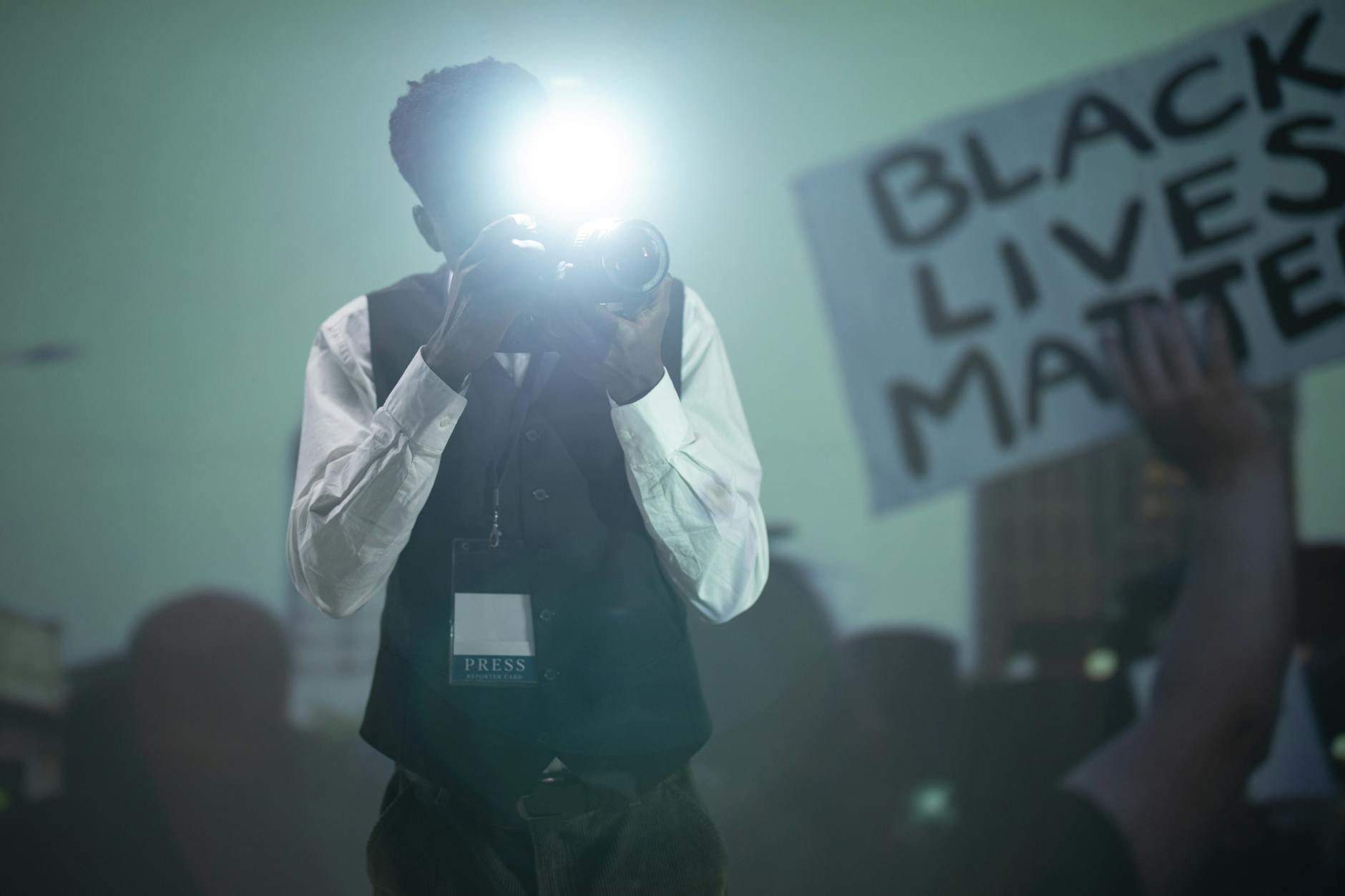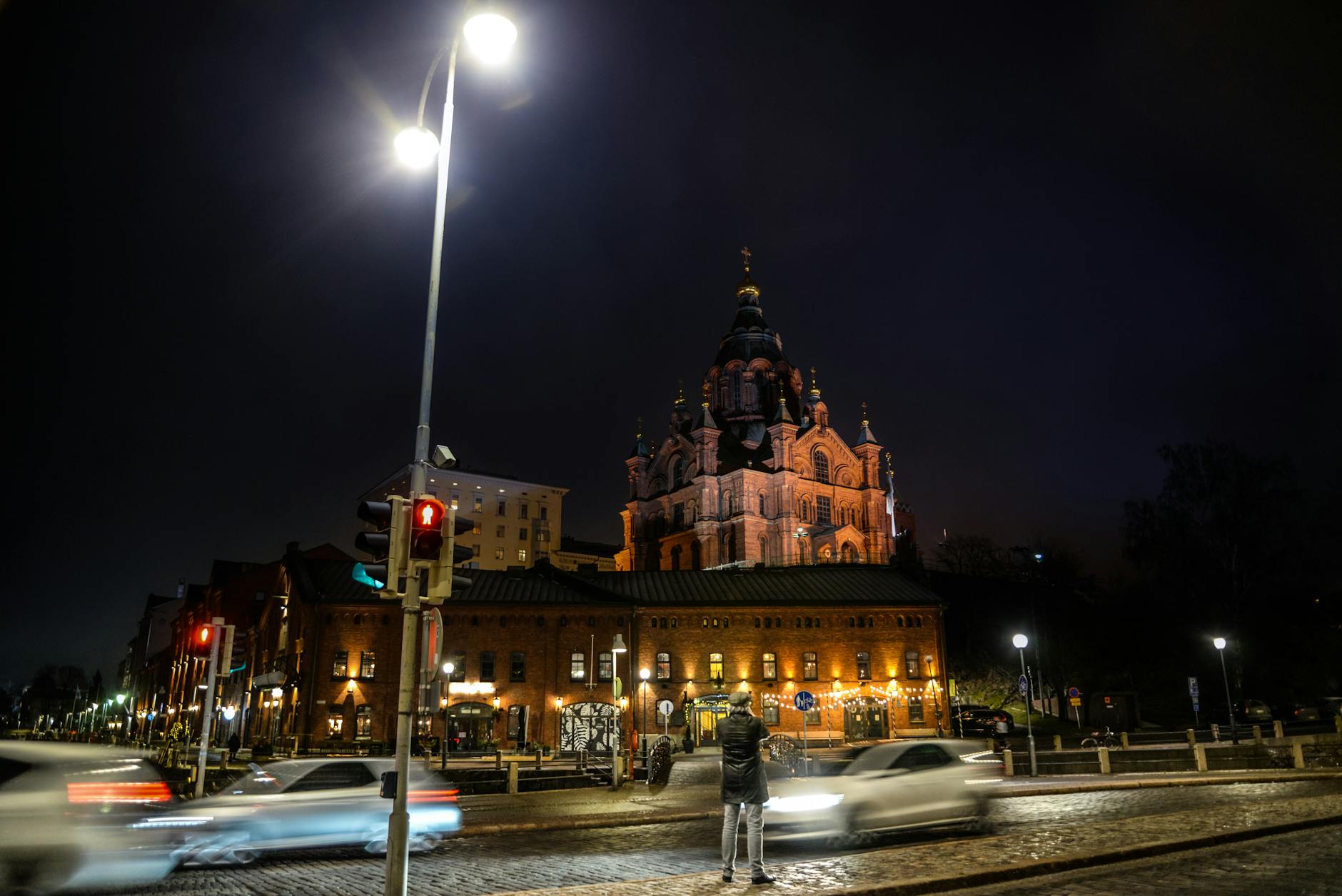
Define the reporting frame before arrival
The journalist should separate the story's real questions from the general desire to be on the ground. Source interviews, public records, event access, street reporting, expert context, photography, and filing deadlines each require different timing.
The reporting frame should guide the itinerary.
- List the questions the trip must answer, the sources needed, and the scenes that would support the story.
- Confirm interview windows, locations, permissions, language needs, and backup source options.
- Keep the most important interview away from arrival uncertainty and departure pressure.
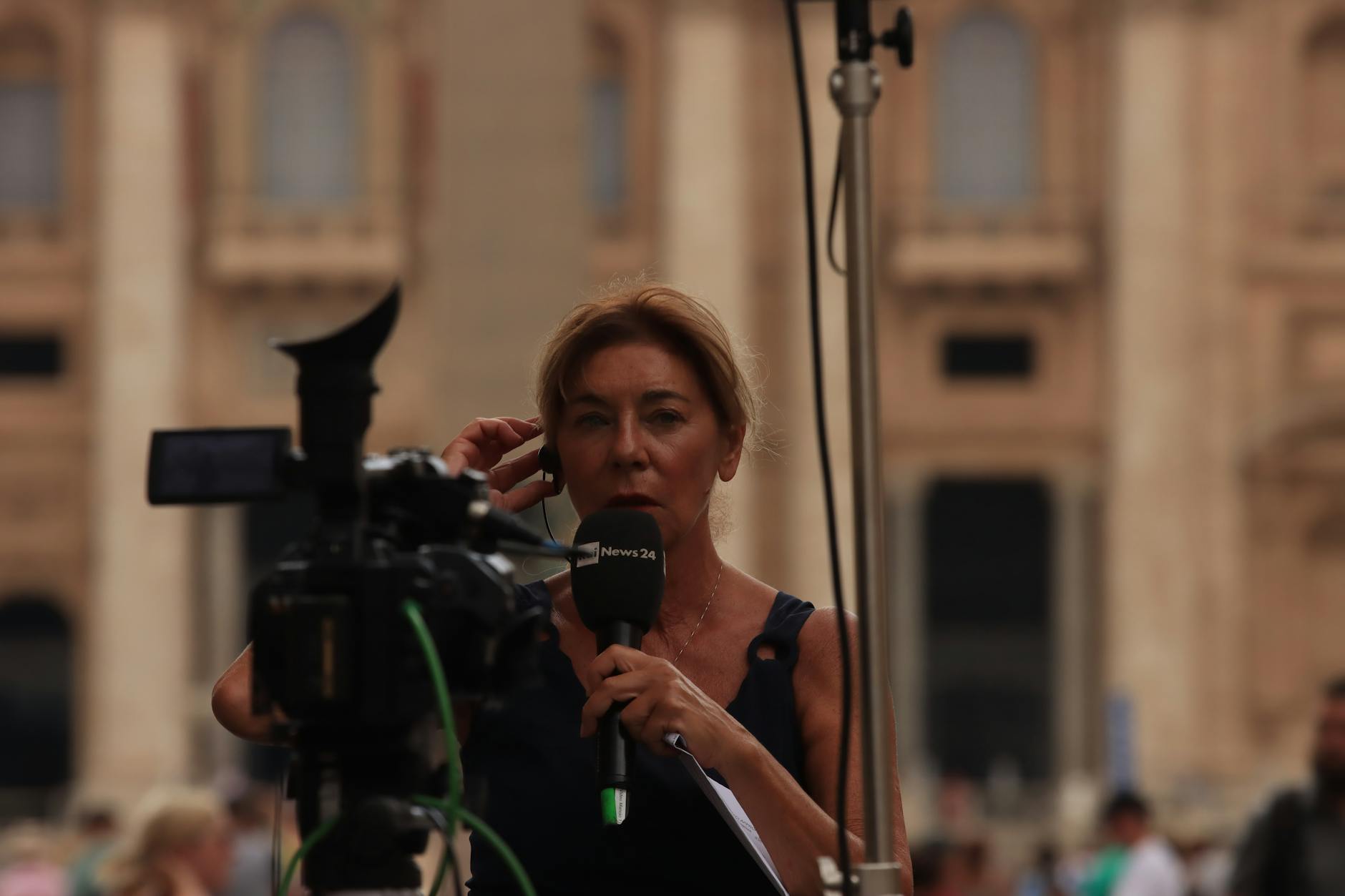
Choose lodging for access and filing
A journalist's base should support early calls, quiet writing, file transfers, gear storage, quick returns, and simple movement to interviews. The location should be chosen around sources and deadlines, not only around central sights.
The room should work as a small bureau.
- Check Wi-Fi, desk space, quiet, power outlets, luggage storage, and transport access.
- Choose lodging near the main reporting area, a reliable tram route, or a useful taxi corridor.
- Avoid a location that makes every interview or filing block depend on a long transfer.
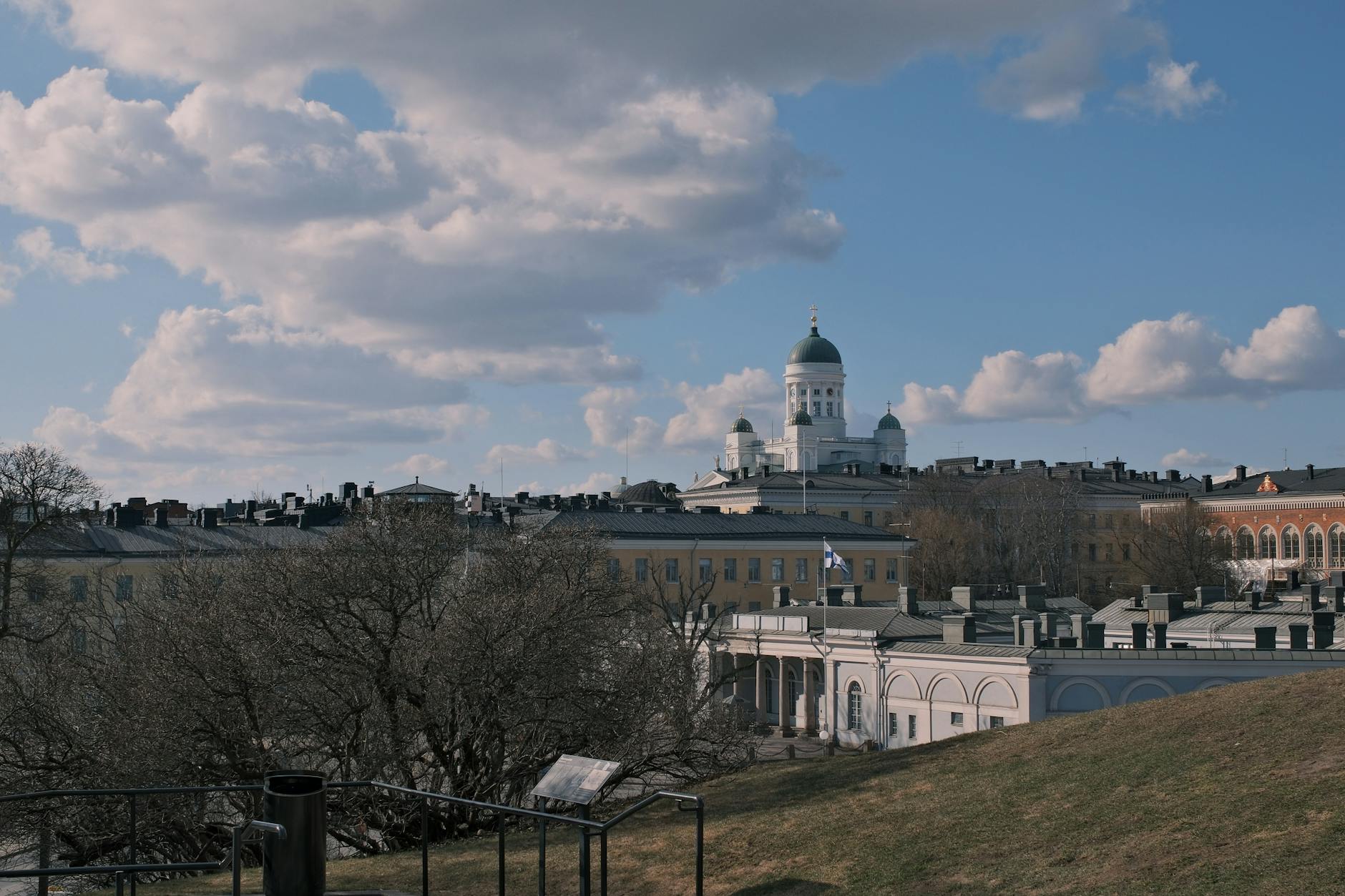
Protect interviews and source trust
Short trips leave little time to repair a missed interview or unclear consent. The journalist should confirm location, timing, recording permission, attribution rules, translation needs, and whether the source prefers phone, in-person, or written follow-up.
Source trust is a scheduling issue as well as an editorial one.
- Confirm names, titles, contact details, meeting places, recording rules, and on-background boundaries.
- Leave time after each interview to label notes, capture quotes, and log follow-up questions.
- Use neutral public meeting places when confidentiality, comfort, or source safety requires it.
Plan equipment and backups carefully
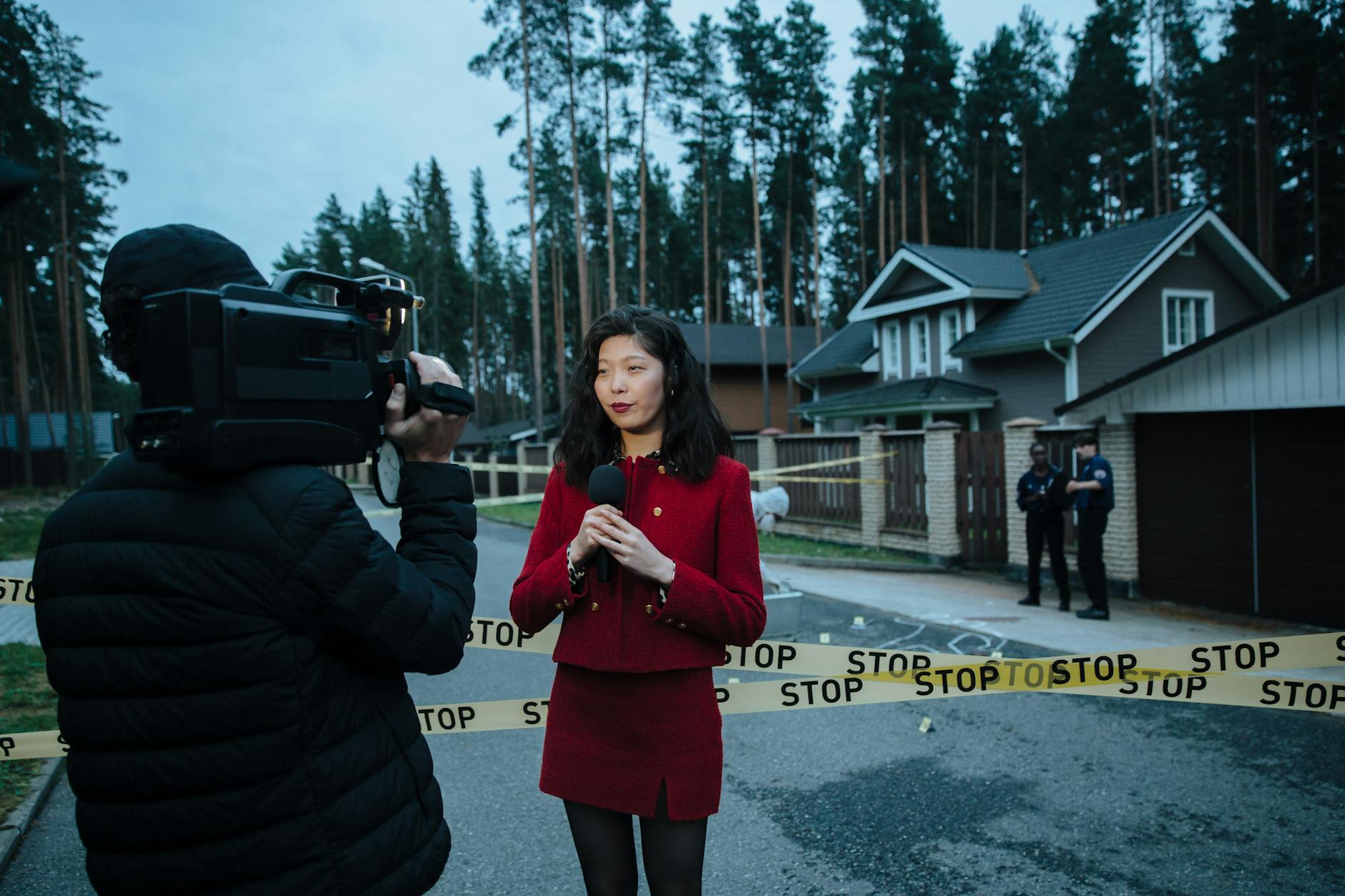
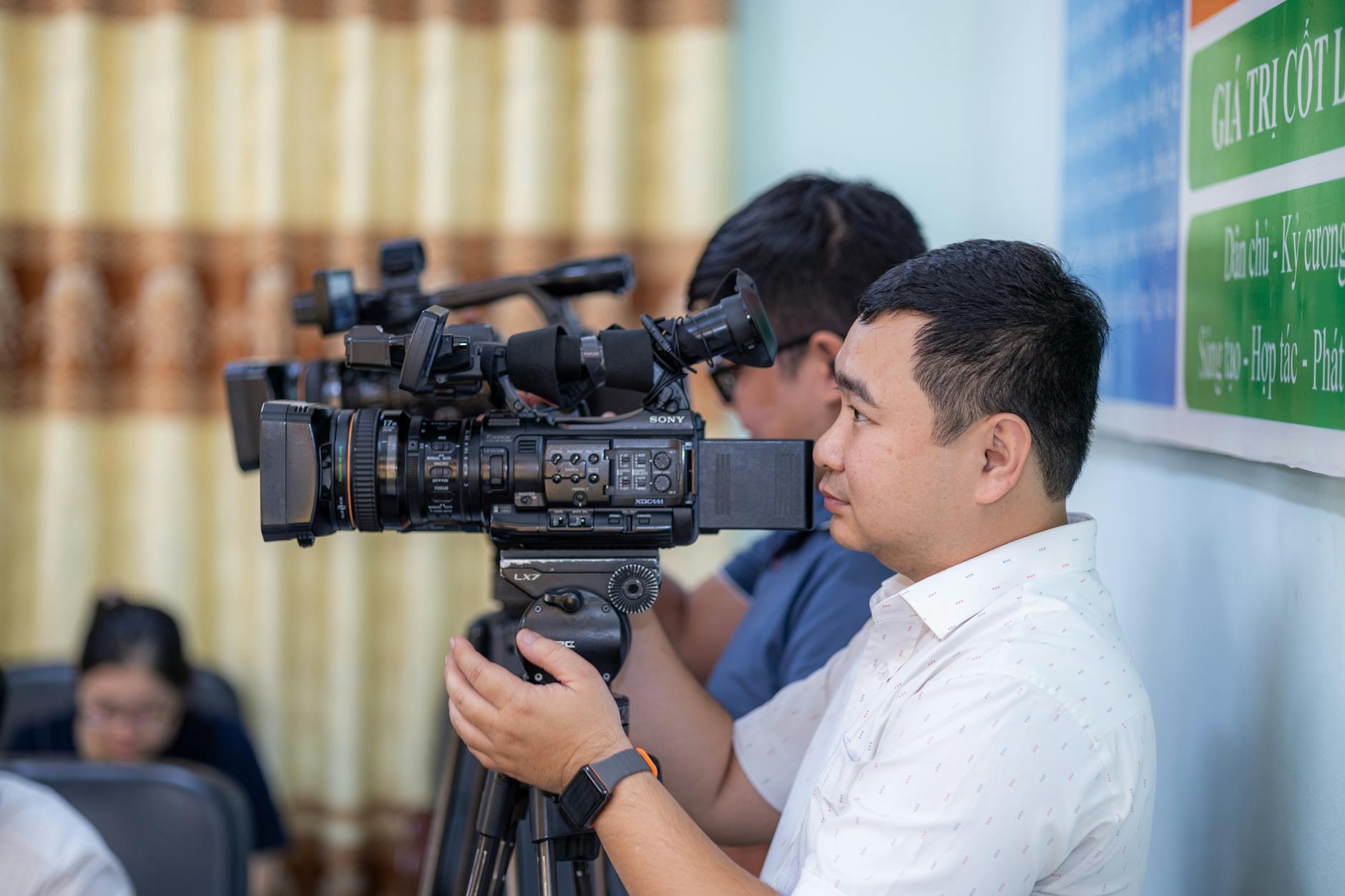
Cameras, microphones, notebooks, recorders, chargers, batteries, memory cards, adapters, credentials, and secure cloud access should be checked before the first reporting block. Weather and movement can make small equipment failures expensive.
The gear plan should assume the day will be busy.
- Carry spare batteries, memory cards, chargers, adapters, notebook supplies, and weather protection.
- Back up audio, photos, notes, and contact details before moving to the next assignment location.
- Keep credentials, assignment letters, and editor contacts available offline.
Account for access, ethics, and context
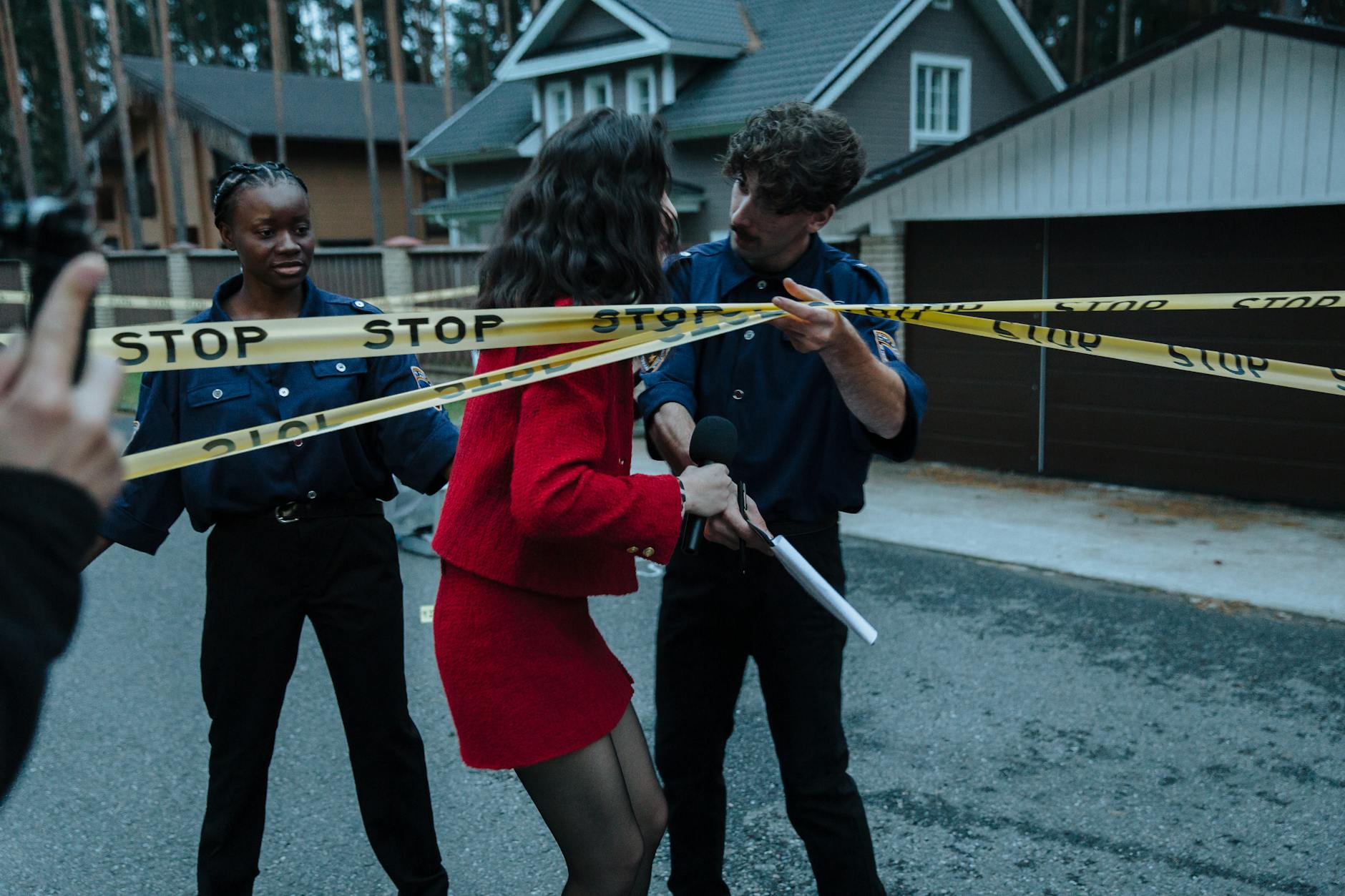
The journalist may need to navigate public buildings, events, private organizations, protests, neighborhoods, or sensitive subjects. Access should be arranged with clear expectations, and ethical boundaries should be decided before the pressure of the moment.
Good reporting needs preparation as well as presence.
- Check access rules, press contacts, photography limits, public-space norms, and source safety concerns.
- Build time for local context from academics, officials, community groups, or subject experts.
- Avoid rushing sensitive scenes where consent, translation, or safety needs more care.
Keep transport and weather from eating the story
Helsinki's trams, metro, buses, rail, taxis, and walking routes can work well, but the journalist should choose transport by deadline, equipment load, weather, and interview stakes. Waterfront wind, winter darkness, rain, and snow can change both timing and scene quality.
Movement should support reporting, not consume it.
- Map interviews, scene visits, filing blocks, meals, and evening returns before the day begins.
- Use taxis when gear, timing, confidentiality, or weather makes transit less dependable.
- Leave buffer for station exits, security desks, coat check, and unexpected source delays.

When to order a short-term travel report
A journalist with one scheduled interview and a flexible editor may not need a custom report. A report becomes useful when sources are scattered, access is uncertain, filing time is tight, photography matters, weather could affect scenes, or departure timing is close to deadline.
The report should test source geography, lodging fit, interview sequence, press access, equipment needs, filing blocks, meals, weather, transport, backup sources, and departure buffers. The value is a Helsinki reporting trip that leaves more attention for observation, verification, and writing.
- Order when sources, lodging, access, interviews, equipment, filing time, weather, or departure timing need coordination.
- Provide story frame, source list, addresses, dates, arrival details, lodging options, equipment needs, editor deadlines, and risk sensitivities.
- Use the report to make the Helsinki assignment easier to execute without flattening the story into logistics.