Set a realistic family day length
Families should start with the amount of walking, museum time, meal waiting, and transit children can actually handle. A short Helsinki stay is more successful when the day has fewer stops and clearer pauses.
The family itinerary should protect energy.
- Choose two or three main anchors rather than a long list of sights.
- Place snacks, restrooms, warm-up stops, and sit-down breaks before they become urgent.
- Keep one flexible block for weather, naps, playground time, or a slower meal.
Choose lodging and transit for tired returns
The hotel should make family logistics easier: elevator access, breakfast, enough room, nearby meals, luggage storage, tram stops, and a simple return after dinner or rain. A cheaper location can cost more in family fatigue.
The base should shorten hard moments.
- Check elevator access, room layout, breakfast hours, laundry options, and nearby casual food.
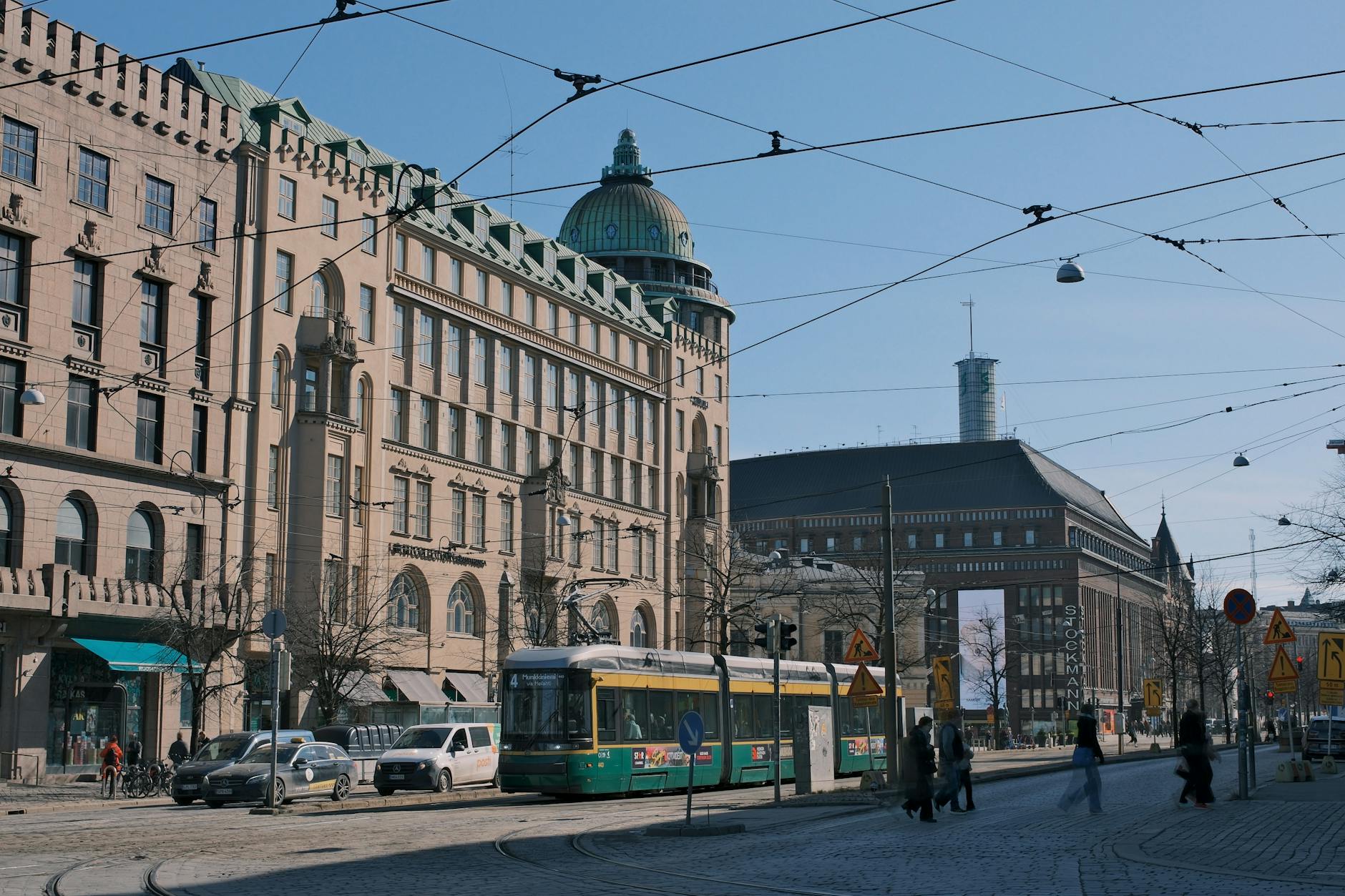
- Choose lodging near trams, rail, taxis, or a compact walking route to key sights.
- Avoid locations that require a difficult final transfer with tired children.
Build weather backups into every day
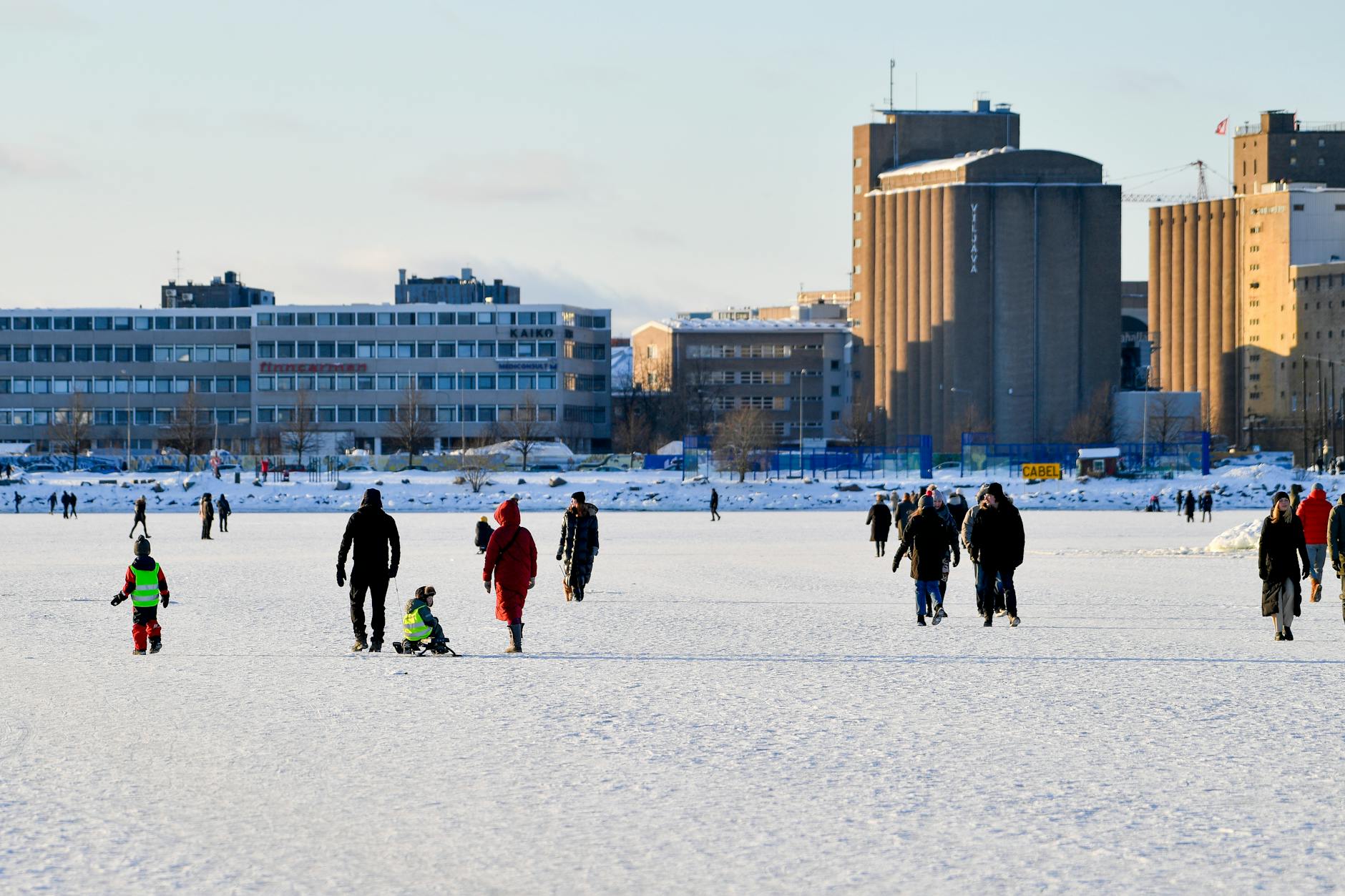
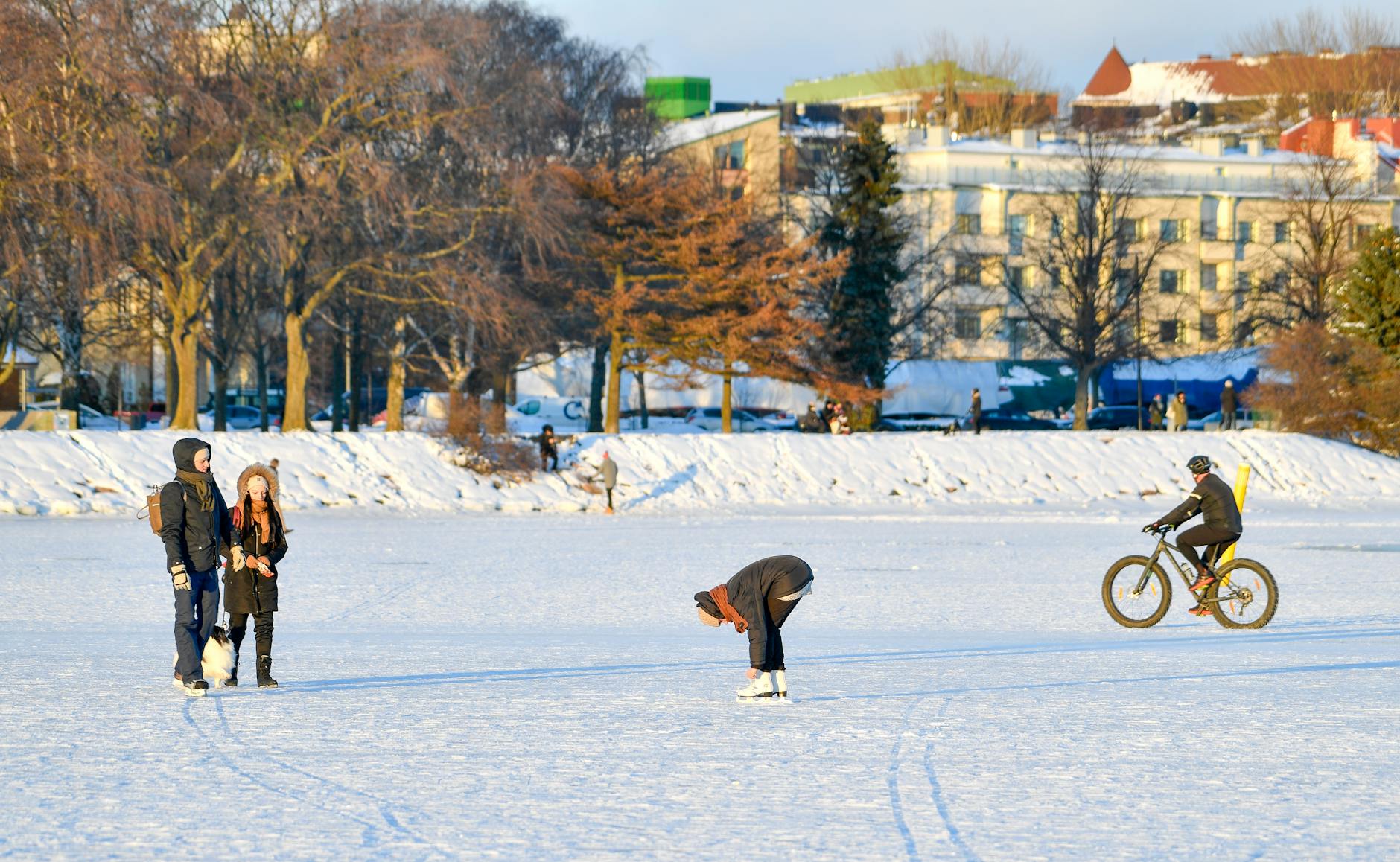
Helsinki weather can turn quickly, especially near the water or in winter. Families should plan clothing, indoor pauses, stroller or carrier needs, and shorter outdoor routes before the day starts.
Weather backups keep the day from collapsing.
- Pack layers, rain gear, warm accessories, sun protection, and comfortable shoes by season.
- Pair outdoor sights with nearby indoor options such as museums, cafes, libraries, or shops.
- Shorten waterfront routes when wind, cold, rain, snow, or tired children change the plan.
Mix landmarks with child-sized pauses
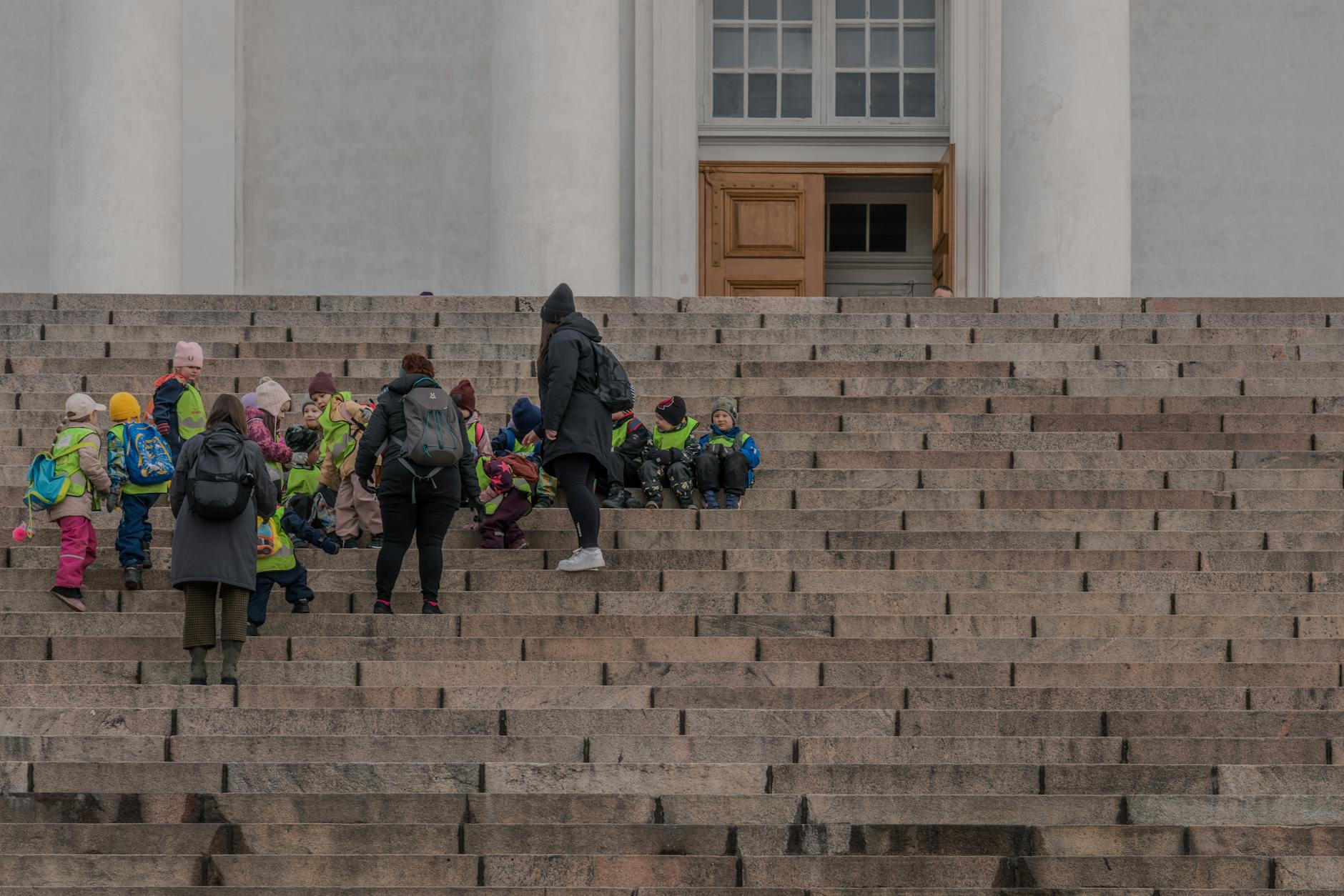
Cathedral views, harbor walks, markets, design stops, and museums can work for families when they are broken into child-sized pieces. The plan should include time to move, sit, snack, and reset.
Landmarks need breathing room.
- Break major sights into short routes with benches, restrooms, and simple exits.
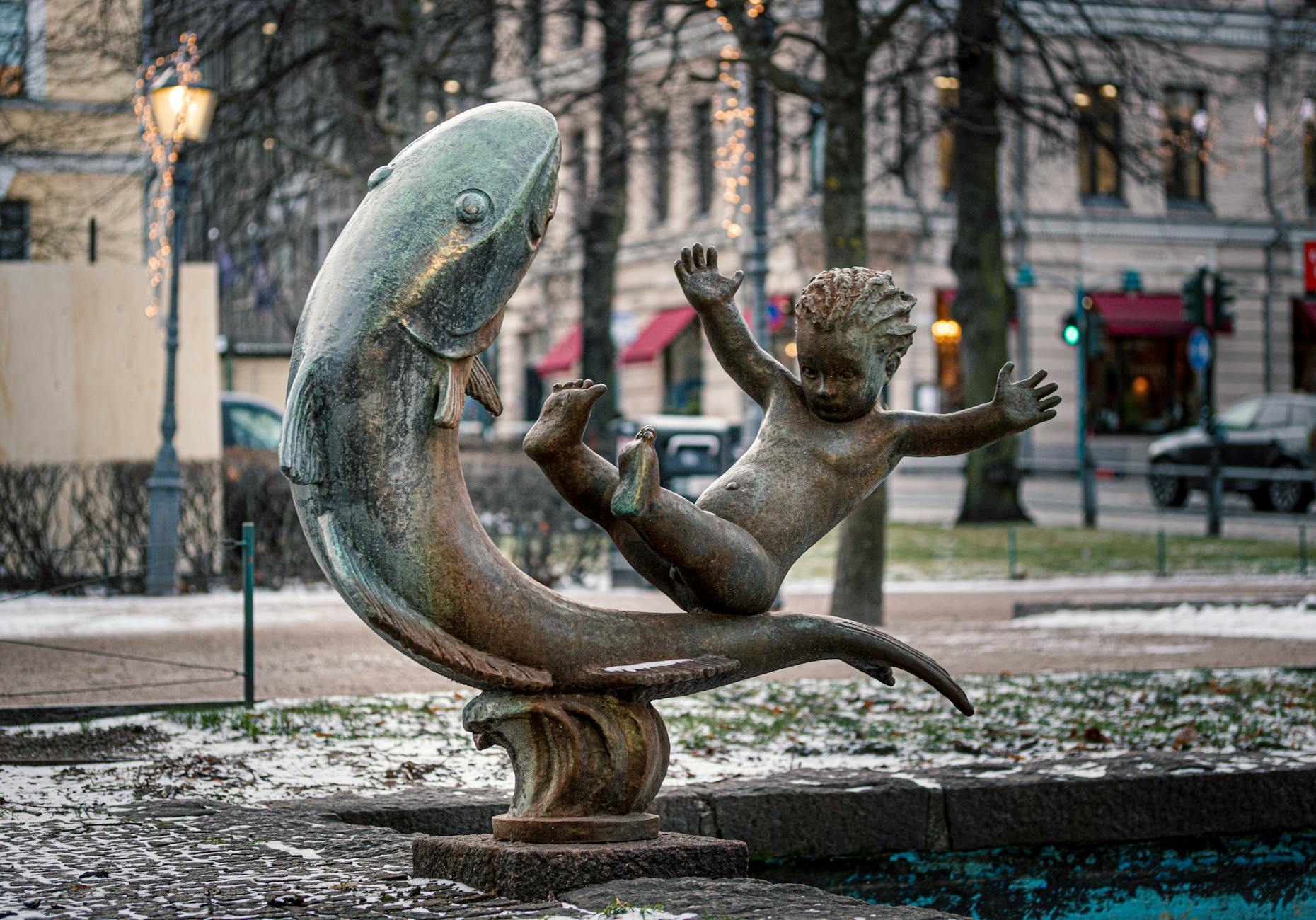
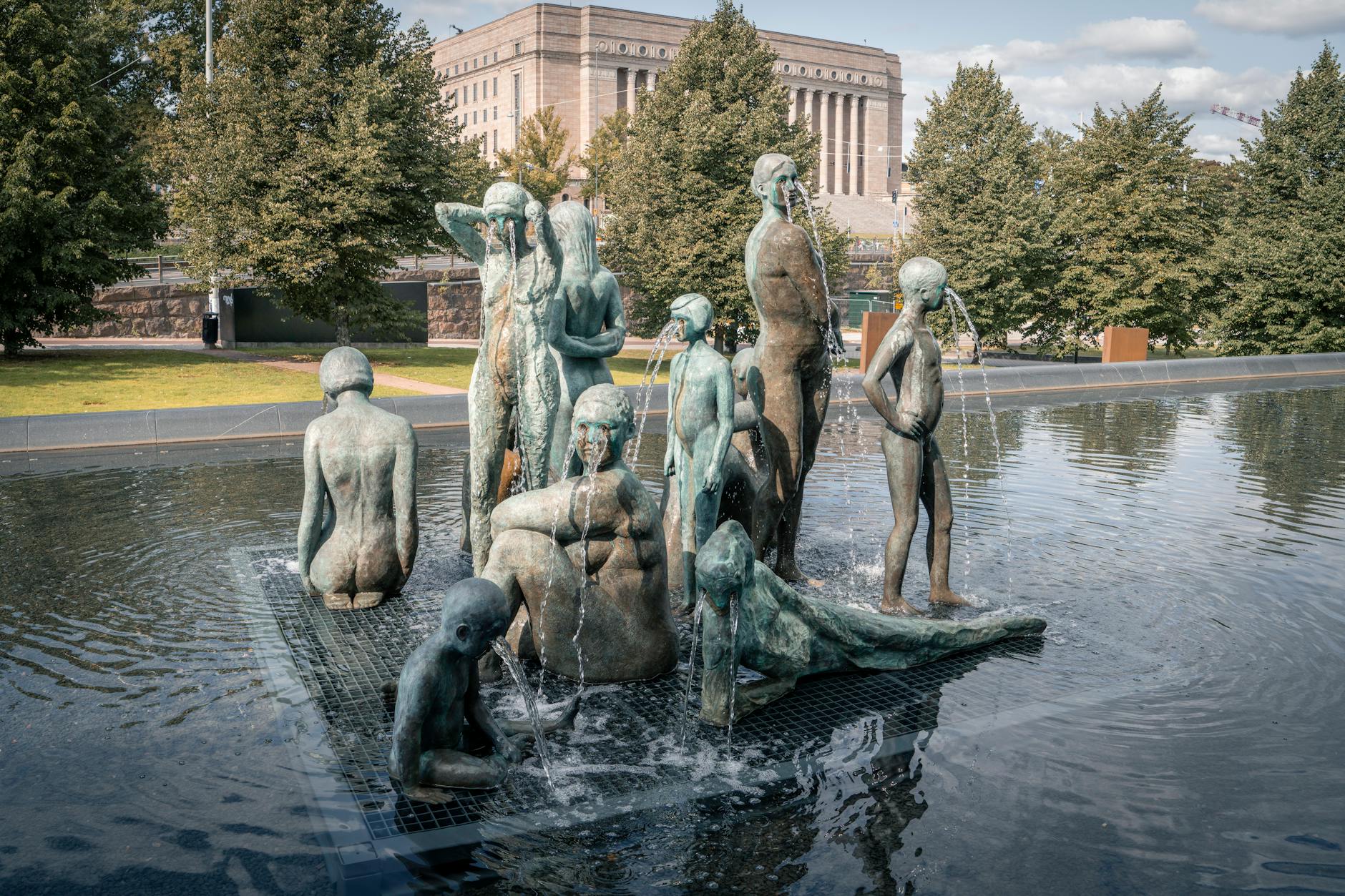
- Use sculptures, plazas, tram rides, and waterfront views as lighter anchors between museums.
- Avoid combining too many quiet interiors or long walks in one day.
Plan meals before hunger arrives
Family meals in Helsinki should be chosen for timing, seating, menu fit, stroller space, allergies, payment, and proximity to the next stop. Waiting too long to decide can turn a good route into a difficult afternoon.
Food planning is family logistics.
- Identify easy breakfast, lunch, snack, and early dinner options near the day's route.
- Check reservations, high chairs, allergy handling, stroller space, and children's menu flexibility.
- Carry backup snacks and water for tram delays, queues, or weather changes.
Use parks and waterfront at family pace
Parks, harbor edges, ferry views, market areas, and seasonal outdoor spaces can make Helsinki memorable for families. The key is to keep distances short and exits obvious.
Outdoor time should feel restorative, not forced.
- Choose one park, harbor edge, or outdoor route that fits the weather and energy level.
- Plan bathrooms, cafes, seating, and transit exits before committing to a long walk.
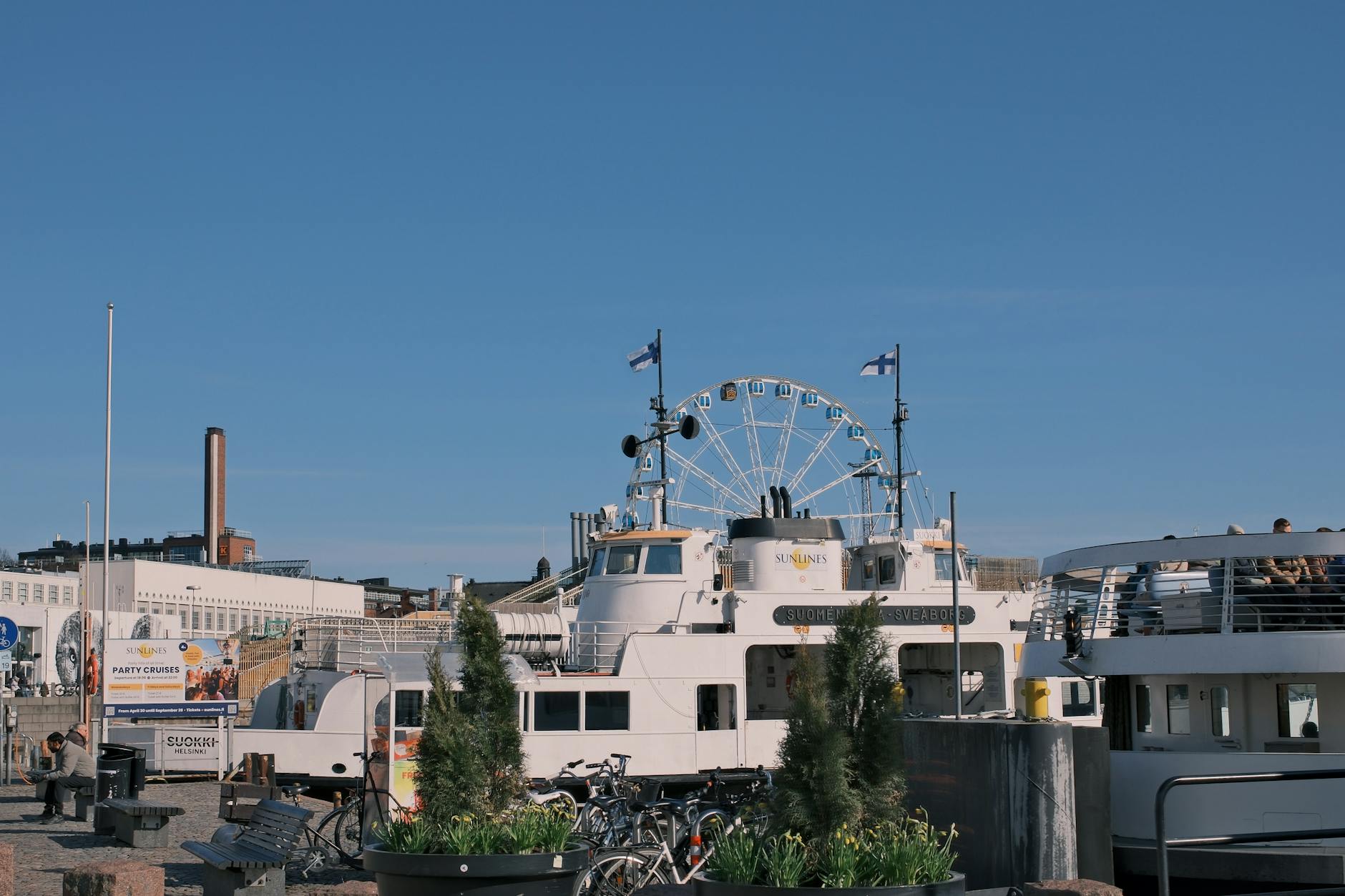
- Use ferries or waterfront views only when timing and weather make them comfortable.
When to order a short-term travel report
A family with older children, central lodging, and flexible plans may not need a custom report. A report becomes useful when arrival timing is tight, children have different energy levels, weather could affect the route, lodging access matters, or meals and transport need to be made predictable.
The report should test hotel fit, airport transfer, tram routes, stroller or carrier practicality, family walking distance, parks, museums, harbor timing, meal stops, weather backups, rest blocks, and departure buffers. The value is a Helsinki family stay that keeps the city engaging without overloading the household.
- Order when lodging, transfers, trams, child pacing, parks, museums, meals, weather, or departure timing need exact coordination.
- Provide dates, children's ages, lodging options, stroller needs, food constraints, arrival details, budget, and must-see interests.
- Use the report to make the Helsinki family trip clear, flexible, and easier to recover from.