Define the content purpose before the route
The creator should decide what the trip needs to produce before chasing every photogenic corner. A city guide, hotel review, food story, design walk, education piece, brand collaboration, or personal essay each calls for different locations and timing.
The shot list should serve the story.
- List required deliverables, formats, aspect ratios, platforms, captions, and approval needs.
- Group locations by neighborhood, daylight window, indoor backup, and transit route.
- Leave space for unscripted scenes without sacrificing required shots.
Choose lodging for shooting and editing
A creator's base should support sleep, gear storage, charging, quiet voiceovers, edits, uploads, laundry, and quick access to the first location. The room does not need to be glamorous, but it should make production easier.
The base should support both fieldwork and finishing work.
- Check Wi-Fi, desk space, outlets, natural light, quiet, luggage storage, and early or late access.
- Choose lodging near the main shooting cluster, a tram route, or a reliable taxi corridor.
- Avoid a room where charging, editing, or organizing gear becomes a nightly struggle.

Plan gear, batteries, and file handling
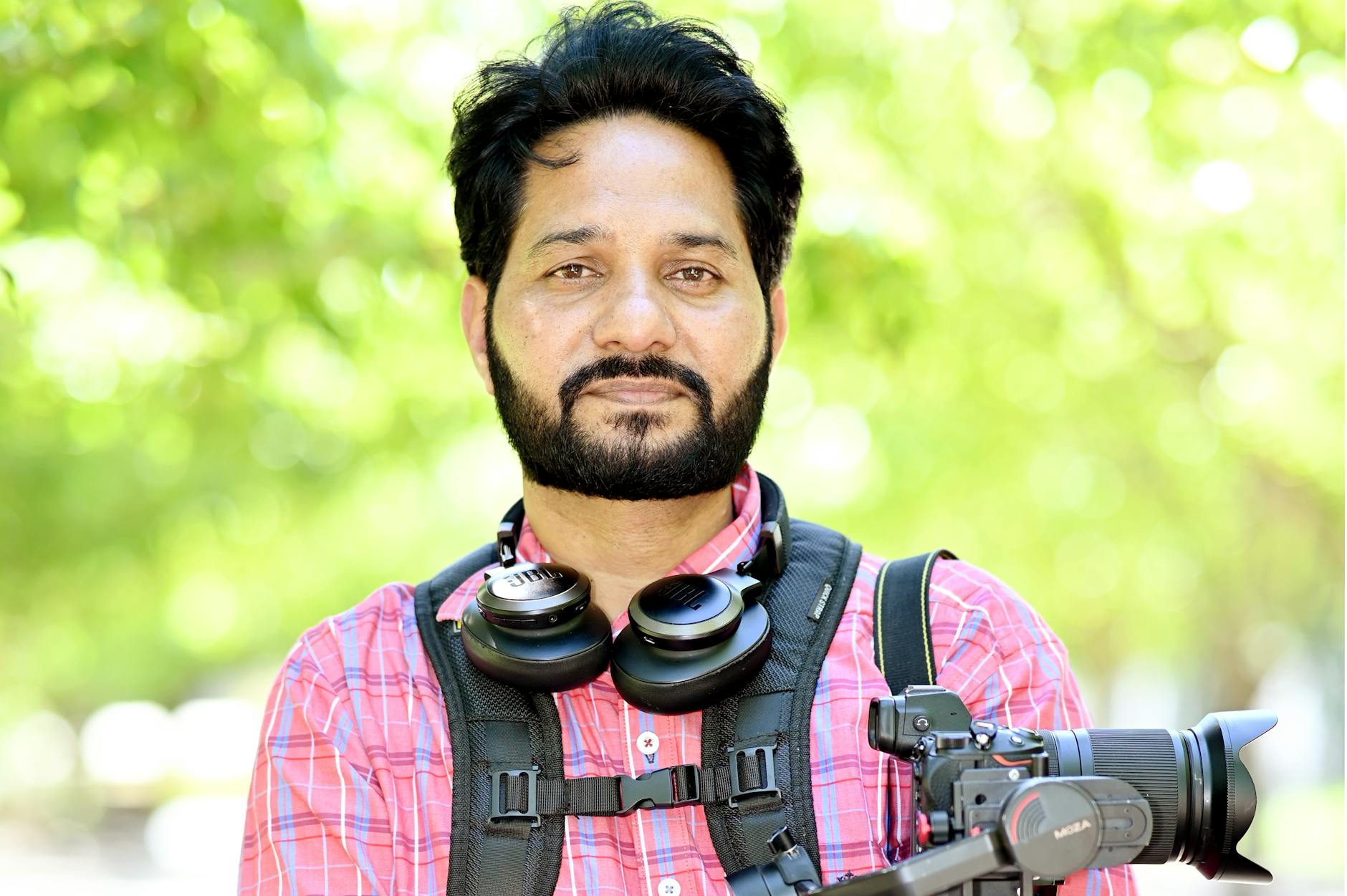
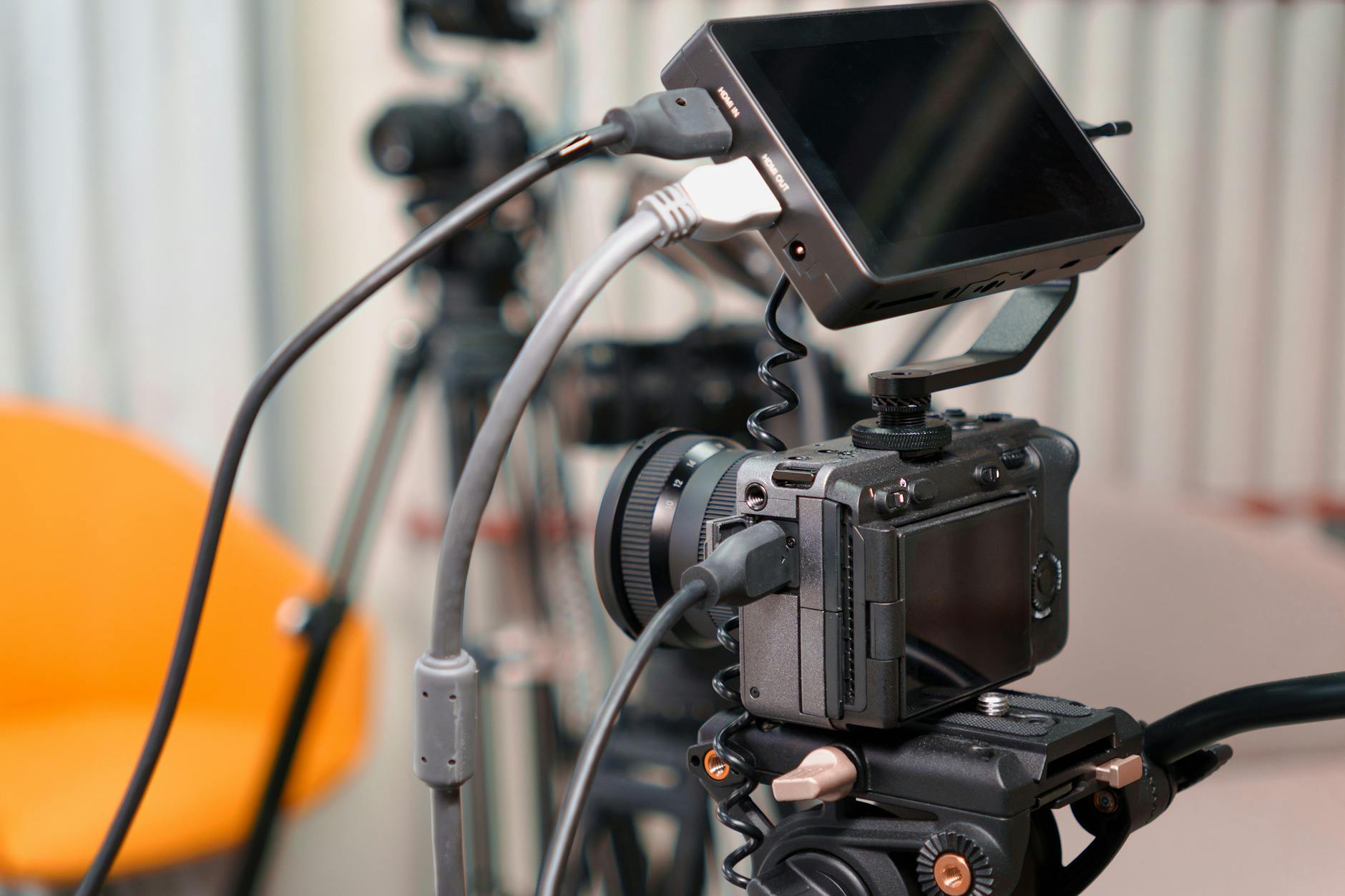
Short creator trips often fail through small omissions: dead batteries, full cards, missing mounts, unstable audio, bad weather protection, or no backup workflow. The creator should treat files and power as part of the itinerary.
Usable footage needs a practical system.
- Carry spare batteries, cards, chargers, adapters, microphones, tripod gear, lens cloths, and weather protection.
- Back up files daily and label clips before locations blur together.
- Keep a light kit ready for fast street movement and a fuller kit for planned shoots.
Use Helsinki light and weather deliberately
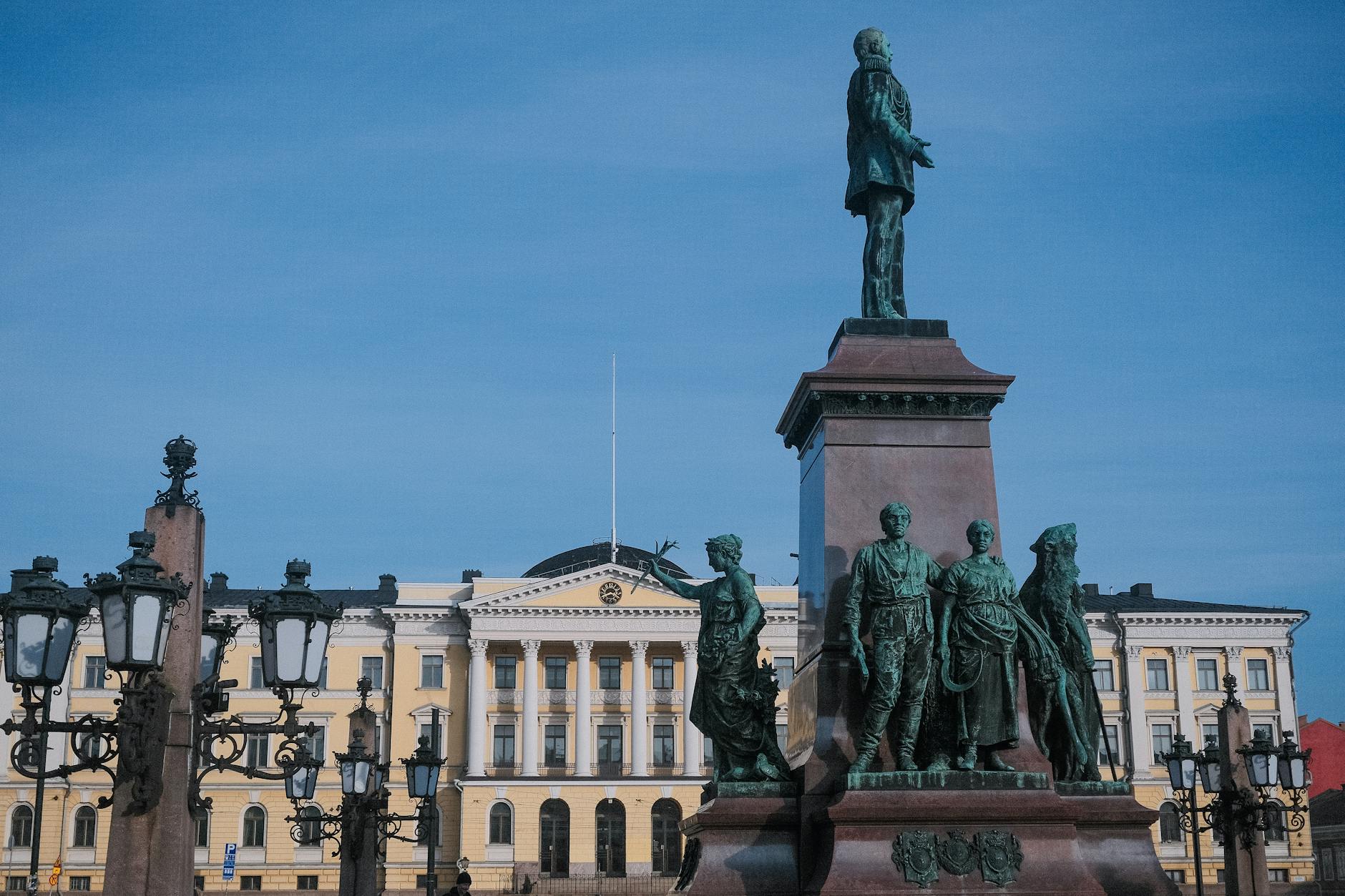
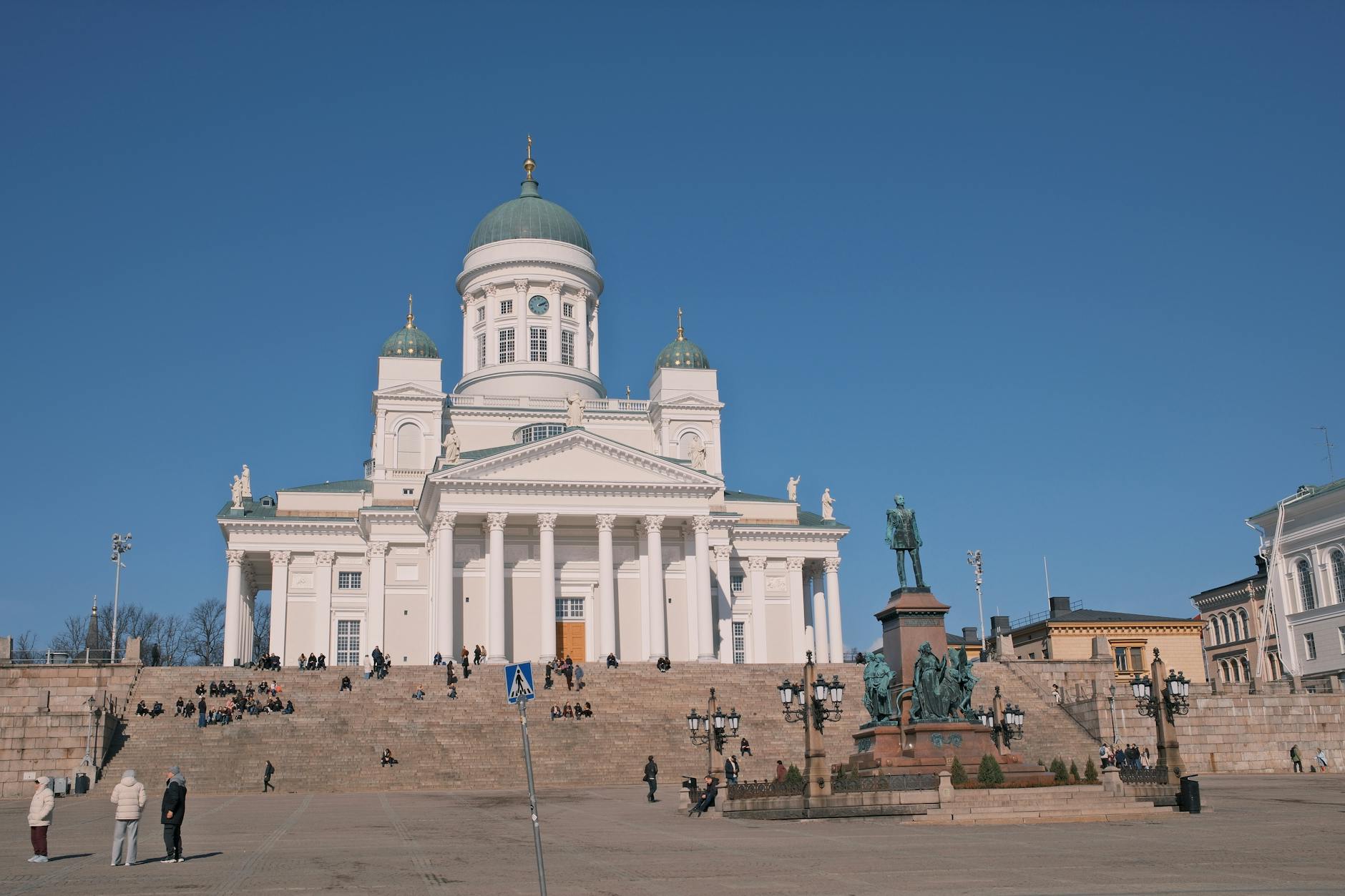
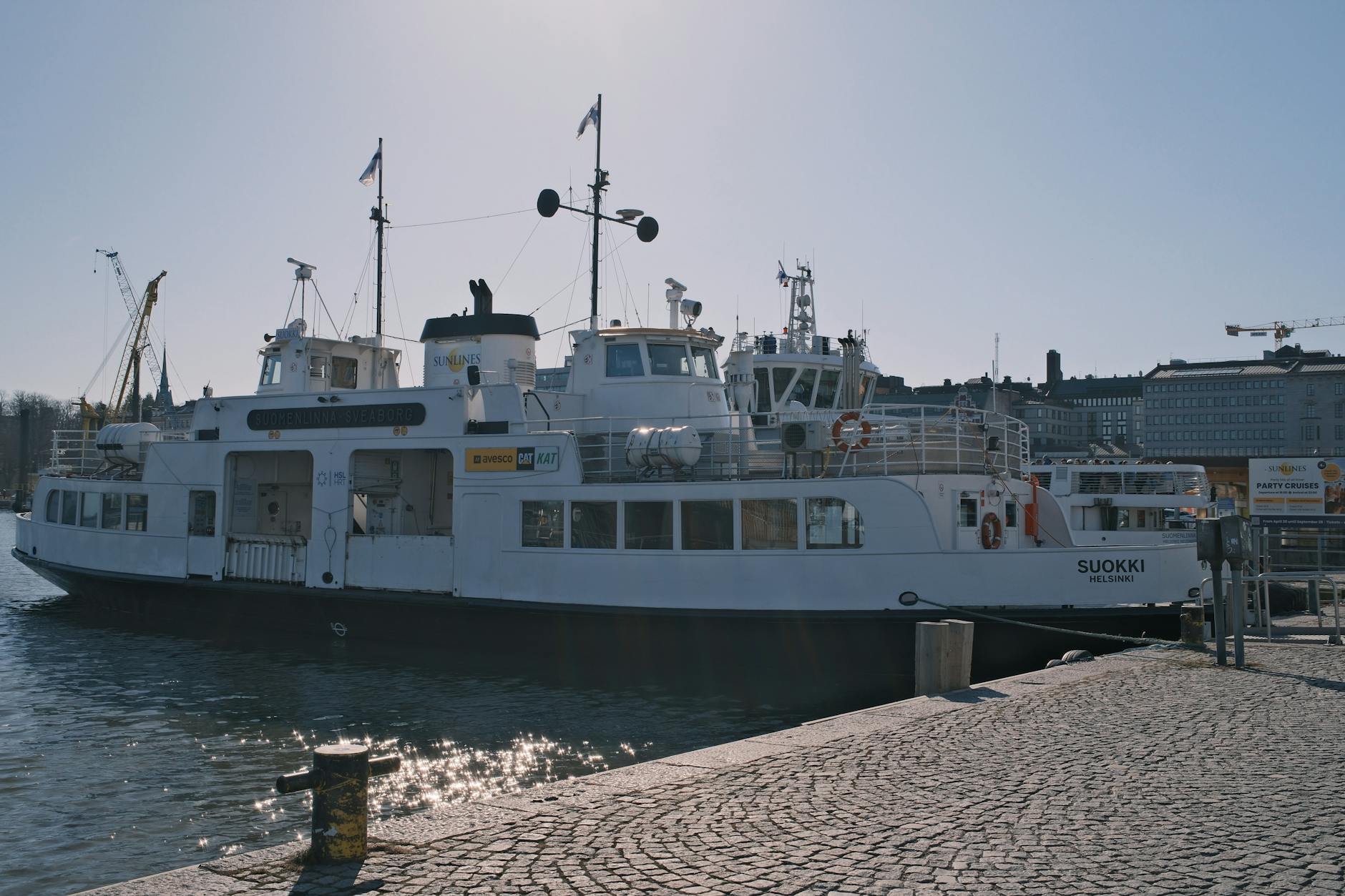
Helsinki waterfronts, markets, cathedral steps, trams, libraries, design streets, parks, and saunas all change with season and light. Wind, rain, snow, ice, summer brightness, and short winter days should shape the shooting order.
Weather can be a creative asset only when the plan respects it.
- Schedule outdoor locations around daylight, wind, crowd levels, and surface conditions.
- Keep indoor backups such as libraries, cafes, markets, museums, shops, or hotel scenes.
- Protect equipment and clothing so weather does not end the shooting day early.
Check permissions and collaboration details
Creators may need permission for hotels, restaurants, museums, events, people, commercial shoots, drone use, brand placements, or recognizable staff. The creator should clarify access before arriving with a camera.
Permission protects both the creator and the people being filmed.
- Confirm filming rules, brand obligations, disclosure language, location permissions, and model releases when needed.
- Ask before filming private interiors, staff, guests, children, or sensitive community settings.
- Keep collaboration briefs, contact names, approval deadlines, and usage rights available offline.
Build editing and posting windows into the trip
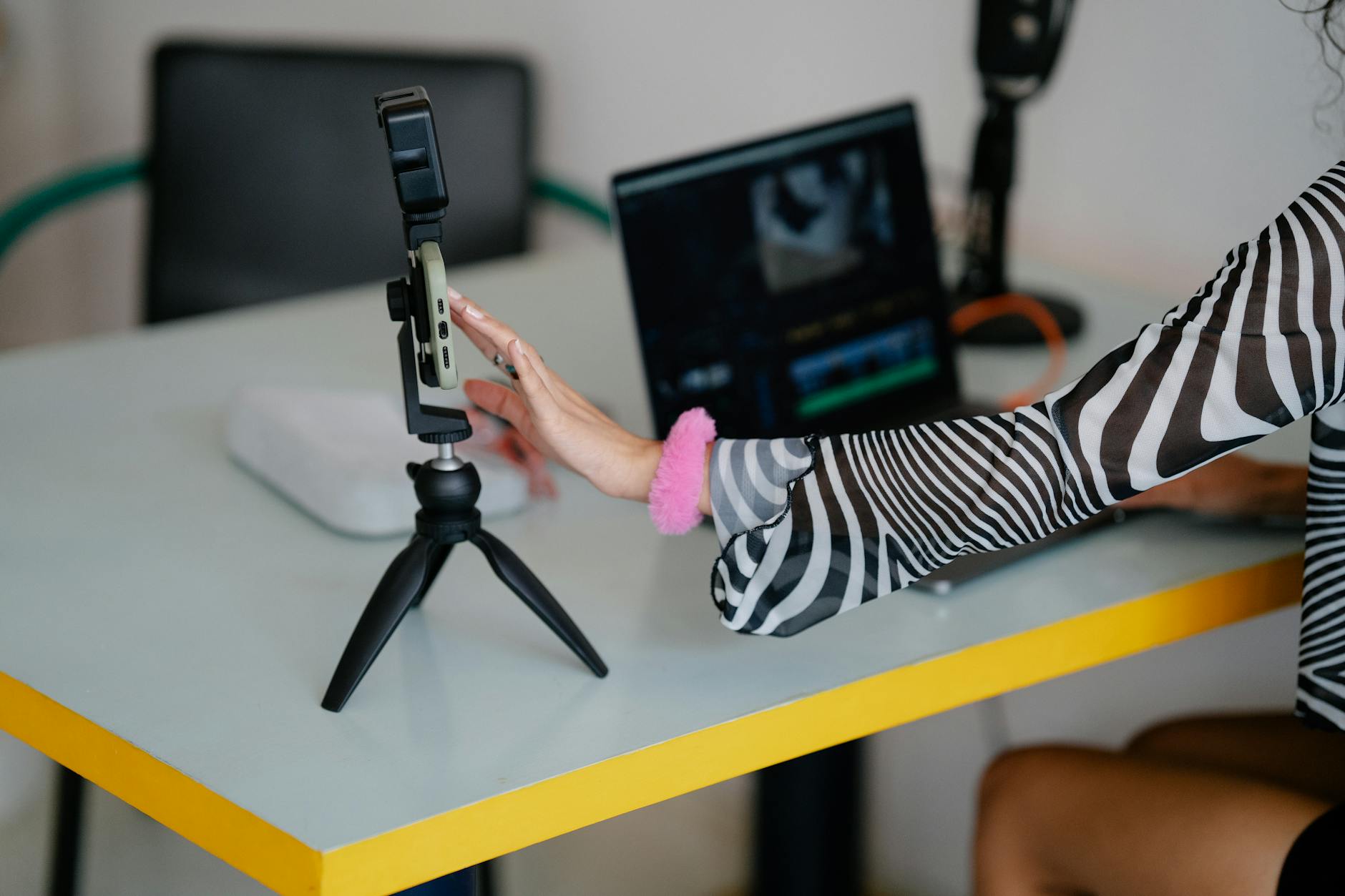
Capturing material is only half the work. Caption notes, rough edits, story drafts, file backups, brand checks, accessibility text, and posting windows need time while the trip is still fresh.
The production schedule should include finishing time.
- Block short editing windows after major shoots and a longer review block before departure.
- Capture location names, context, food details, prices, credits, and pronunciation notes during the day.
- Avoid late shoots before deadlines, early departures, or collaboration review windows.

When to order a short-term travel report
A content creator with flexible personal plans may not need a custom report. A report becomes useful when deliverables are fixed, permissions are needed, locations are spread across Helsinki, weather could affect the shot list, or the creator needs a route that balances work with rest.
The report should test lodging fit, location sequence, daylight, indoor backups, transport, gear logistics, permissions, meals, editing blocks, posting windows, and departure buffers. The value is a Helsinki creator trip with enough structure to return with usable material and enough space for the city to still feel alive.
- Order when lodging, locations, permissions, lighting, weather, gear, editing, posting, or departure timing need coordination.
- Provide dates, deliverables, platforms, collaboration details, lodging options, arrival plans, gear list, must-shoot locations, and budget.
- Use the report to make the Helsinki trip more productive without making every hour feel staged.