Map client geography and work cadence
The consultant should map every client office, workshop room, dinner location, hotel option, station, and airport route before building the schedule. A short engagement can lose quality when movement fragments preparation and follow-up time.
The client map should define the trip.
- Confirm exact addresses, entrances, host contacts, visitor badges, and room setup.
- Group meetings by district, tram route, taxi corridor, or walking distance.
- Leave the most important workshop or decision meeting away from arrival risk and departure pressure.

Choose lodging for work quality
A consultant hotel should support quiet work, early starts, late edits, breakfast, receipts, laundry, and a reliable route to the client. The best location is the one that protects the engagement, not necessarily the one closest to tourist sights.
The room should work as a small office.
- Check commute time, desk space, Wi-Fi, quiet, breakfast hours, receipt handling, and luggage storage.
- Choose lodging near the client, a simple tram route, or a dependable taxi corridor.
- Avoid a hotel that turns every work block into a logistics problem.
Protect preparation and synthesis time
Consulting trips often fail at the margins: slides, notes, interviews, data review, workshop materials, internal calls, and same-day synthesis get squeezed by movement. The consultant should reserve thinking blocks before the calendar fills.
Prep time needs a protected place.
- Block time for deck review, data checks, interview notes, and workshop setup before client meetings.
- Carry offline copies of slides, files, agendas, contracts, and key notes.
- Confirm Wi-Fi, display adapters, whiteboards, breakout rooms, and remote-call setup when needed.

Plan client meals with purpose
Client meals can build trust, but they should be chosen for conversation quality, route simplicity, dietary needs, payment rules, and next-day energy. A poorly placed dinner can weaken a workshop or early transfer.
Meals should serve the engagement.
- Choose restaurants near the client site, hotel, or a direct transit route.
- Clarify dietary needs, reservation timing, payment expectations, and receipt requirements.
- Avoid late meals before high-stakes workshops, early interviews, or airport departures.
Keep transport boringly reliable
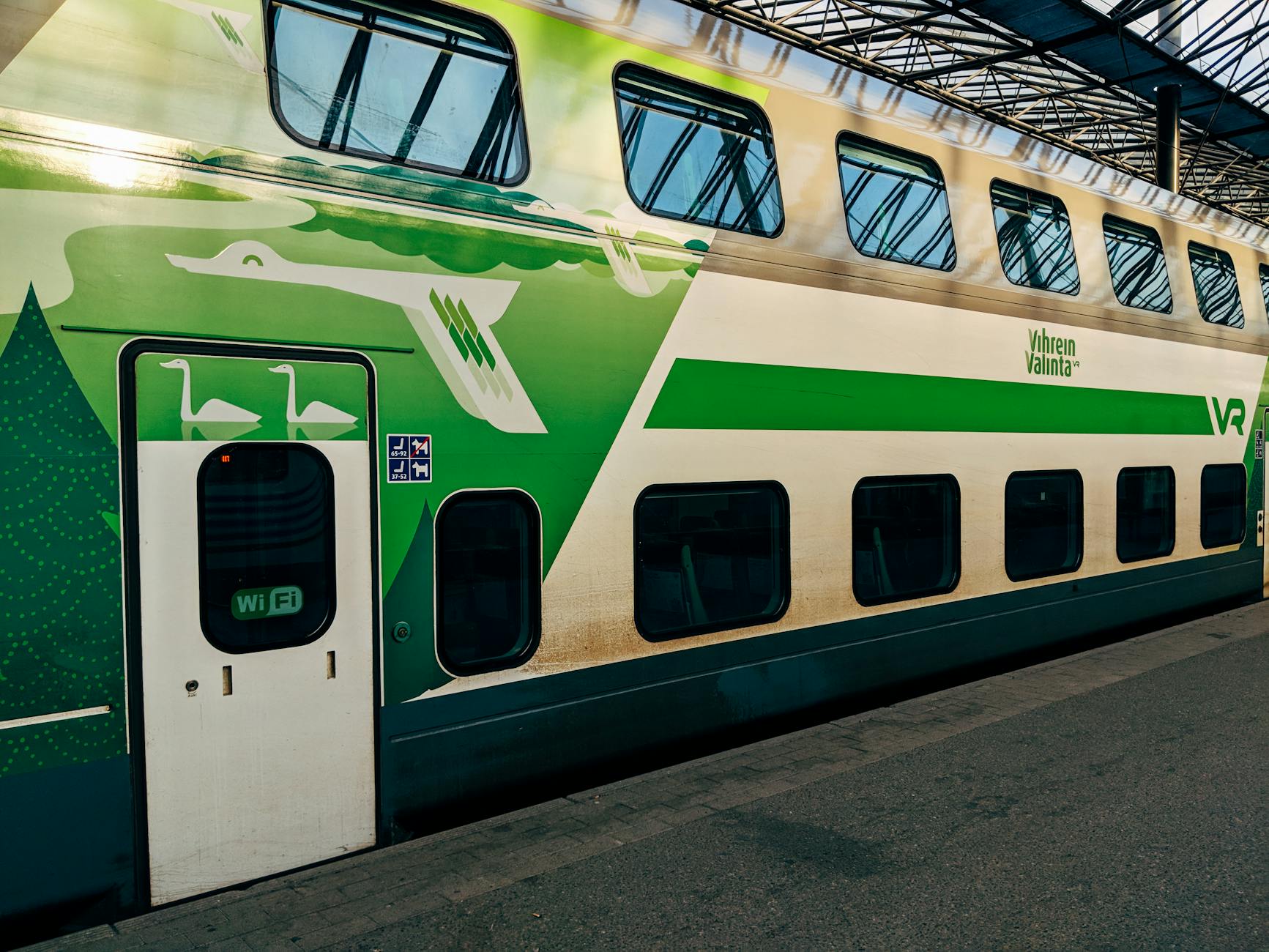
Airport rail, trams, taxis, and walking can all work in Helsinki, but the consultant should choose based on punctuality, luggage, documents, weather, and client expectations. The first meeting should not depend on perfect navigation.
Reliability is part of professionalism.
- Compare airport rail, taxi, tram, and walking routes by reliability and work materials carried.
- Build extra margin for winter weather, station exits, platform changes, and unfamiliar buildings.
- Keep the client address, host contact, and backup transport option available offline.
Manage documents, security, and follow-up
Consultants often carry sensitive documents, client notes, contracts, and devices. The trip plan should cover secure storage, screen privacy, charging, backup files, receipt capture, and immediate follow-up before details fade.
The work continues between meetings.
- Keep sensitive files, devices, and notebooks secure during transit, meals, and hotel work blocks.
- Capture action items, decisions, and open questions immediately after client sessions.
- Plan expense receipts, invoice details, and follow-up windows before leaving Helsinki.

When to order a short-term travel report
A consultant with one familiar client site may not need a custom report. A report becomes useful when meetings are split across Helsinki, workshop setup matters, arrival timing is tight, client meals need coordination, or the consultant needs a polished trip without spending attention on logistics.
The report should test client geography, hotel fit, airport transfer, tram and taxi routing, preparation blocks, meeting cadence, workshop materials, client meals, weather, document handling, follow-up windows, and departure buffers. The value is a Helsinki consulting trip where the traveler arrives prepared, punctual, and able to focus on the client problem.
- Order when client geography, lodging, transfers, prep time, meetings, meals, documents, weather, or departure timing need coordination.
- Provide client addresses, dates, arrival details, lodging options, meeting cadence, equipment needs, meal plans, and budget constraints.
- Use the report to make the Helsinki consulting engagement easier to execute and easier to recover from.