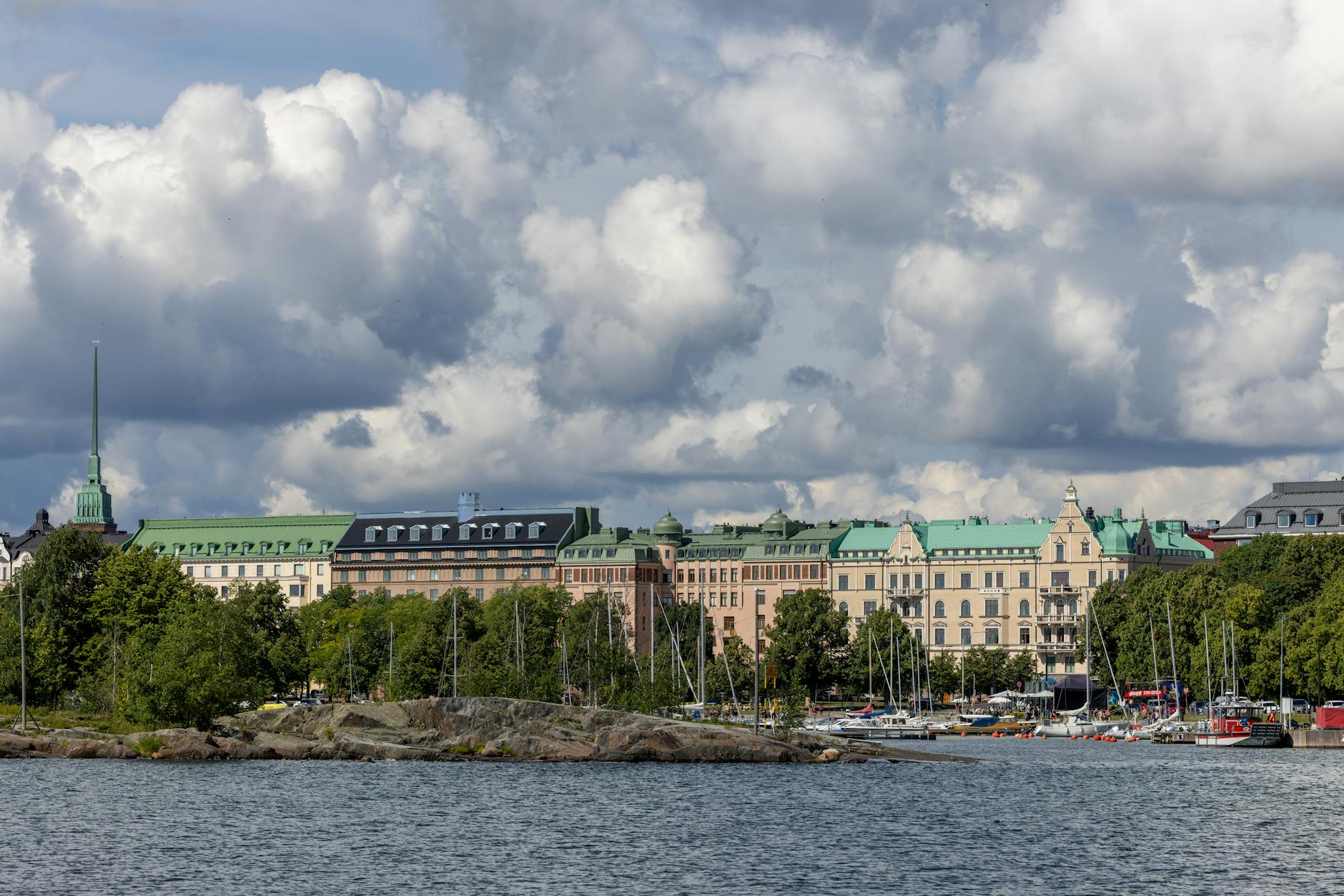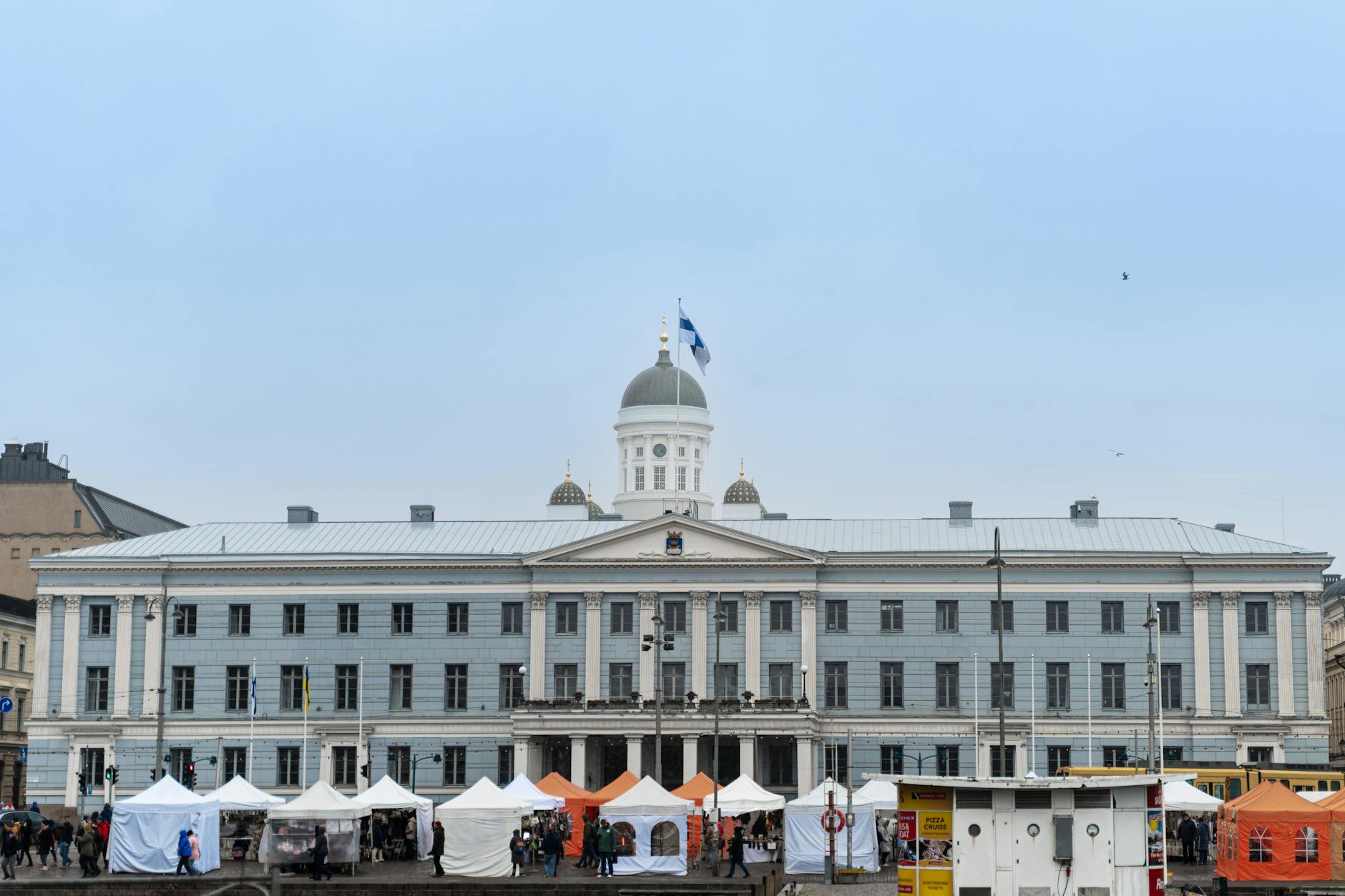
Map the venue before booking the day
The attendee should confirm the exact venue, entrance, registration desk, session rooms, cloakroom, reception area, and nearby transit before finalizing lodging or side plans. Helsinki can be efficient, but unfamiliar buildings and event layouts still consume time.
The venue map should shape the trip.
- Confirm venue address, entrances, badge pickup, room locations, and host contact details.
- Map satellite receptions, dinner venues, hotel options, and transit stops against the main venue.
- Keep screenshots of tickets, badges, schedule changes, and directions available offline.
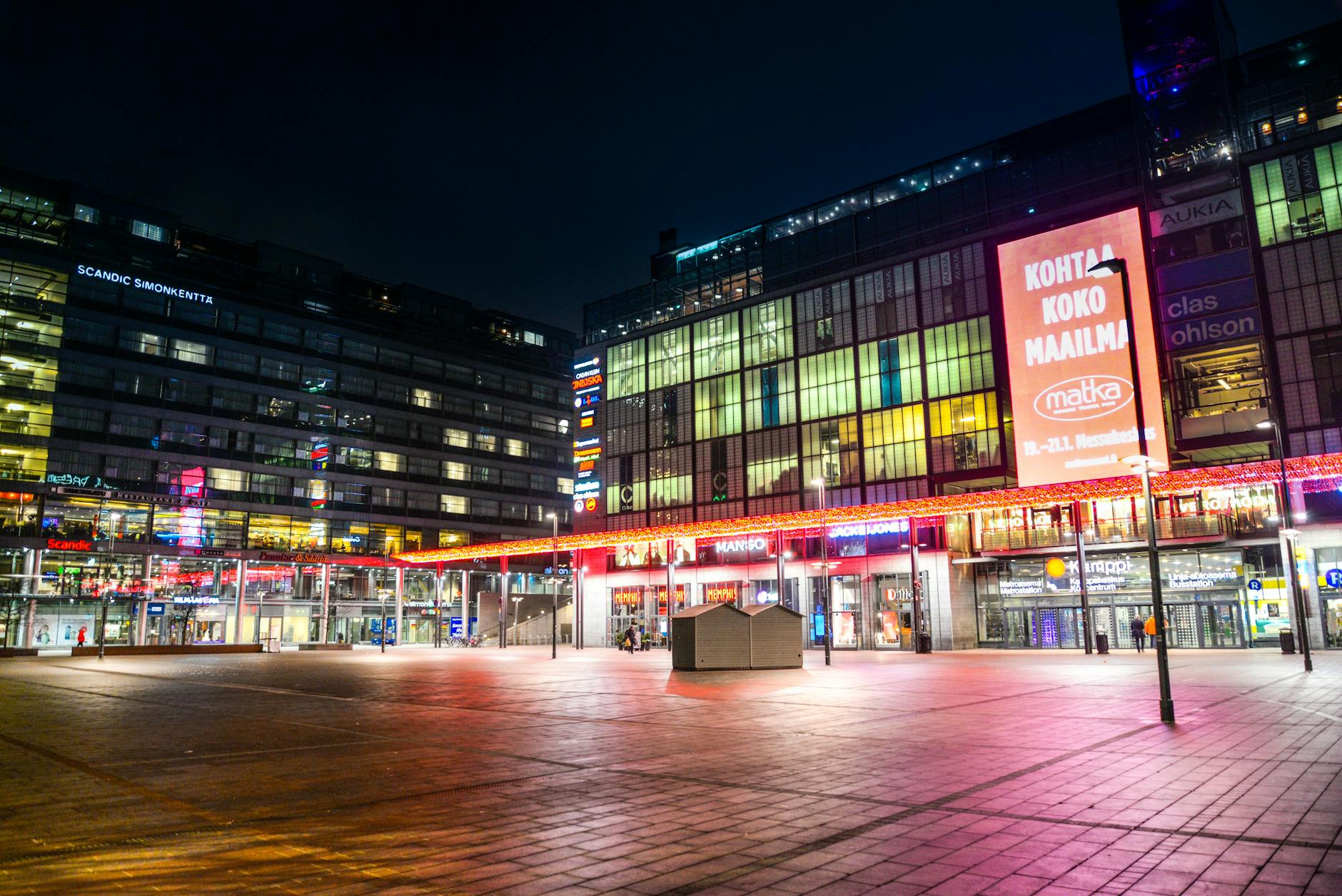
Choose lodging for the conference rhythm
A conference hotel should support early starts, late receptions, quiet recovery, breakfast, badge and laptop storage, and a predictable route back after networking. The best location is the one that reduces friction around the event schedule.
The hotel should serve the conference day.
- Compare lodging by venue commute, breakfast timing, quiet, workspace, luggage storage, and evening return routes.
- Check whether trams, taxis, or walking are realistic in the expected weather.
- Avoid a hotel that makes every session, reception, or dinner a separate transport problem.
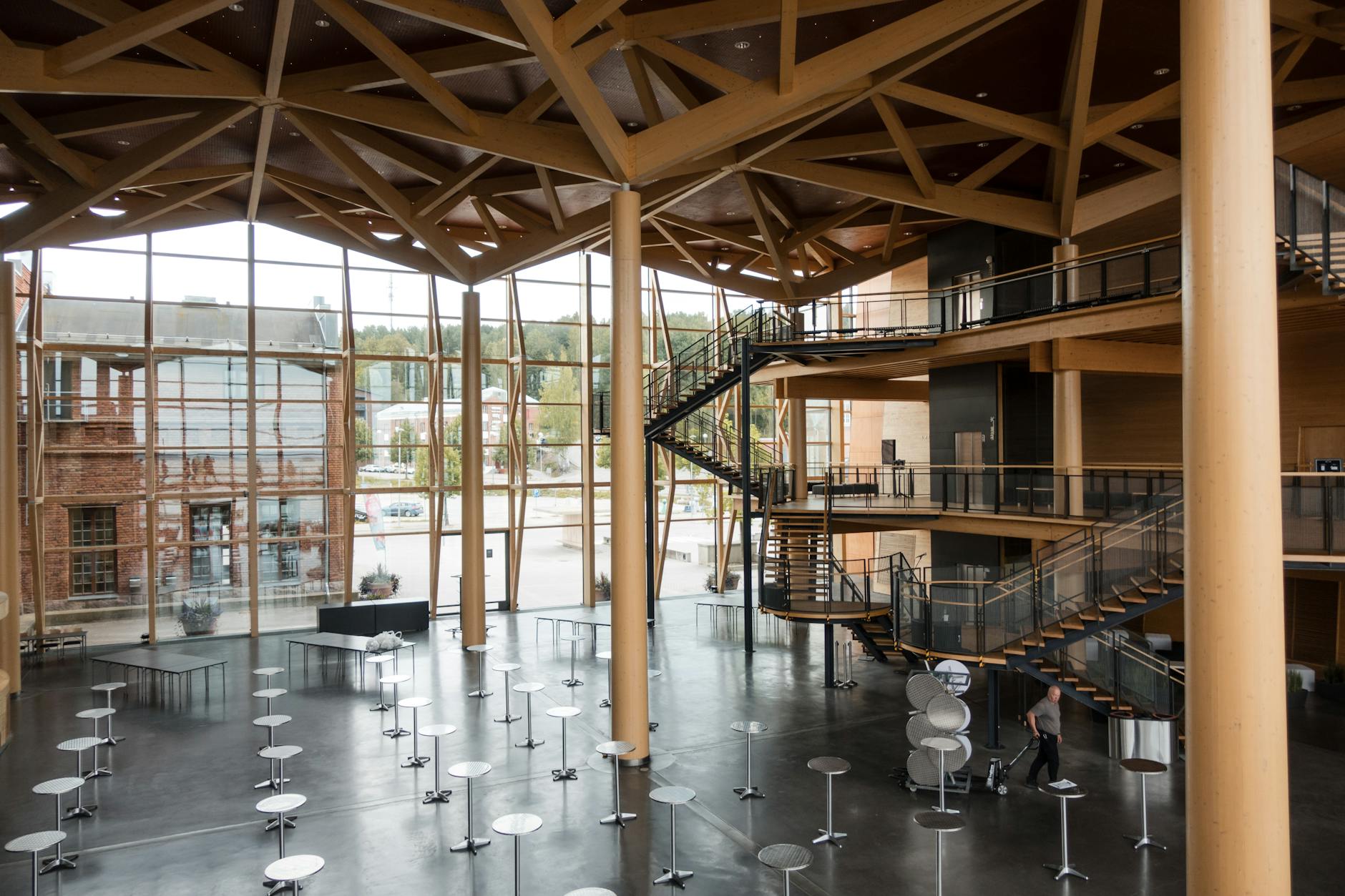
Protect registration and first sessions
Opening morning can disappear into queues, coat check, room finding, coffee, and schedule changes. The attendee should treat registration as part of the itinerary rather than a quick errand.
A calm first session sets the tone.
- Leave margin for badge pickup, cloakroom lines, security, coffee queues, and locating rooms.
- Mark priority sessions and backup sessions before arriving at the venue.
- Carry chargers, notebook supplies, medication, snacks, and water from the start of the day.
Plan networking without exhausting the visit
Conference value often comes from hallway conversations, breakfasts, receptions, sponsor meetings, and planned introductions. The attendee should leave space for conversations and follow-up rather than filling every gap with city movement.
Networking needs recovery room.
- Identify priority people, sponsor meetings, receptions, and meal opportunities before arrival.
- Leave short blocks after important conversations to capture notes and next steps.
- Avoid late networking before a high-value morning session or departure transfer.
Coordinate meals, work, and equipment
Meals, laptop charging, presentation materials, business cards, demos, receipts, and dietary needs can all affect a short conference stay. The attendee should solve these before the event day is crowded by sessions.
Small logistics can decide the quality of the day.
- Plan breakfast, lunch gaps, reception food, dietary needs, and one reliable dinner option.
- Carry chargers, adapters, backup files, presentation notes, and offline documents.
- Confirm receipt needs, expense rules, and any equipment or demo setup before travel.
Add Helsinki without crowding the event
A short conference trip can include Helsinki, but city time should be compact and restorative. A walk near Senate Square, the harbor, Oodi, a central cafe, or a direct tram route can fit better than a broad sightseeing plan.
The city should support the conference, not compete with it.
- Choose one or two city moments near the venue, hotel, or a direct transit route.
- Plan clothing for waterfront wind, rain, snow, or bright summer light by season.
- Avoid late sightseeing before important sessions, presentations, or early flights.

When to order a short-term travel report
A conference attendee with a venue hotel and simple schedule may not need a custom report. A report becomes useful when arrival is close to registration, the venue is unfamiliar, multiple receptions are involved, lodging choices are unclear, or the attendee wants limited Helsinki time without weakening the event purpose.
The report should test venue geography, hotel commute, registration timing, session priorities, networking windows, meal options, airport and tram routing, weather, equipment needs, city-time options, and departure buffers. The value is a Helsinki conference trip where attention stays on the event instead of preventable logistics.
- Order when venue logistics, lodging, registration, networking, meals, equipment, weather, city time, or departure timing need coordination.
- Provide event venue, schedule priorities, lodging options, arrival details, meeting plans, dietary needs, and equipment requirements.
- Use the report to make the Helsinki conference visit punctual, focused, and easier to recover from.