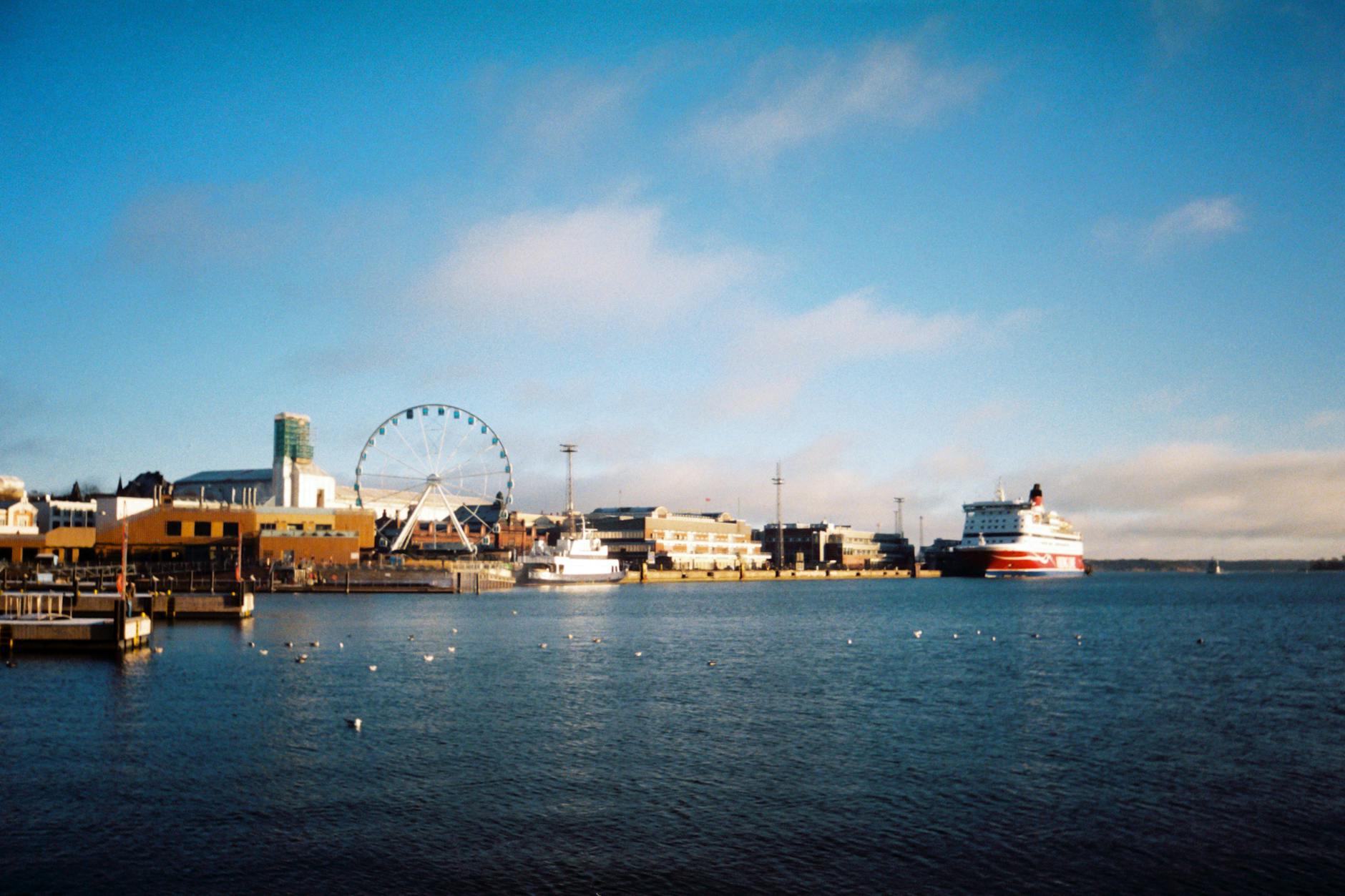
Set the real budget, not just the room price
A cheap room can become expensive if it adds transfers, taxis, poor sleep, meal problems, or luggage hassles. The traveler should compare the whole daily cost rather than only the nightly rate.
Value is the cost of the full day.
- Estimate lodging, airport transfer, local transit, meals, luggage storage, paid sights, and backup costs together.
- Choose a room that reduces avoidable transport and food expenses.
- Avoid saving a small amount if it creates repeated cross-city movement.
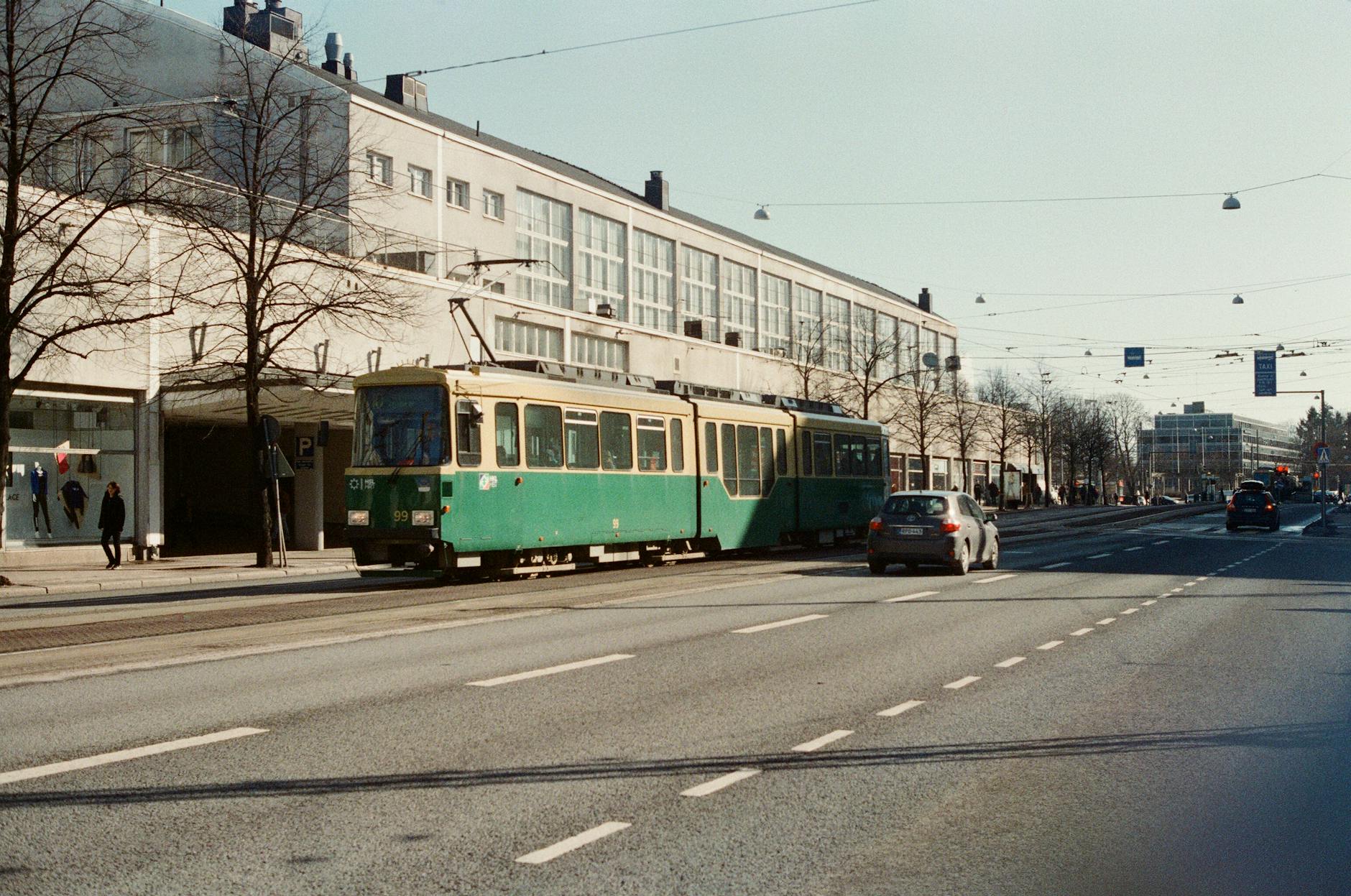
Use transit as the main money saver
Airport rail, trams, walking, and simple ticket planning can keep Helsinki affordable. The budget traveler should learn the routes that matter instead of treating taxis as the default backup for every uncertain moment.
Transit confidence protects the budget.
- Know the airport or rail arrival route before landing or disembarking.
- Group sights by tram line, walking distance, or central station access.
- Keep enough margin that a missed tram does not force an expensive rushed transfer.
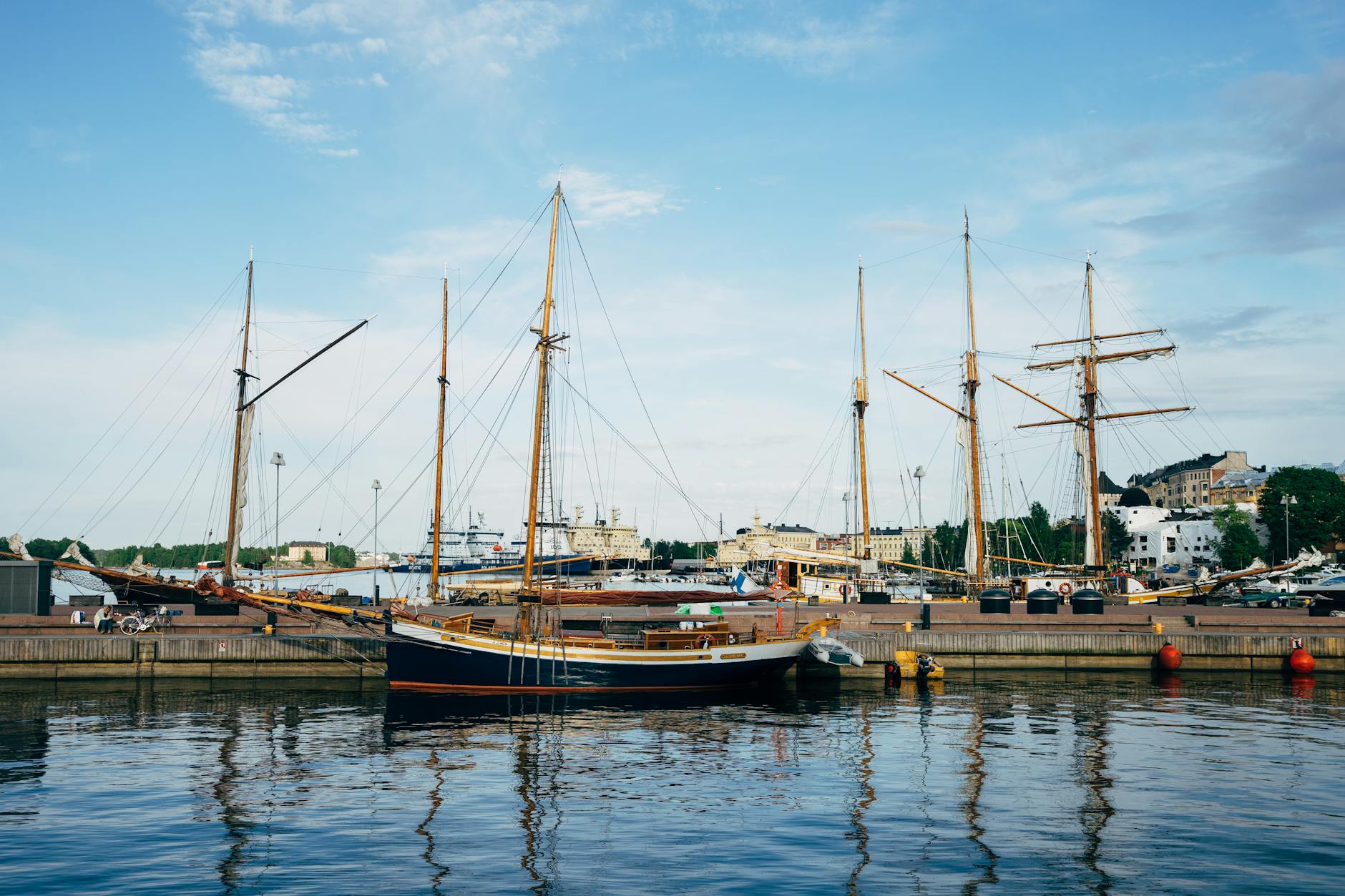
Choose free and low-cost anchors well
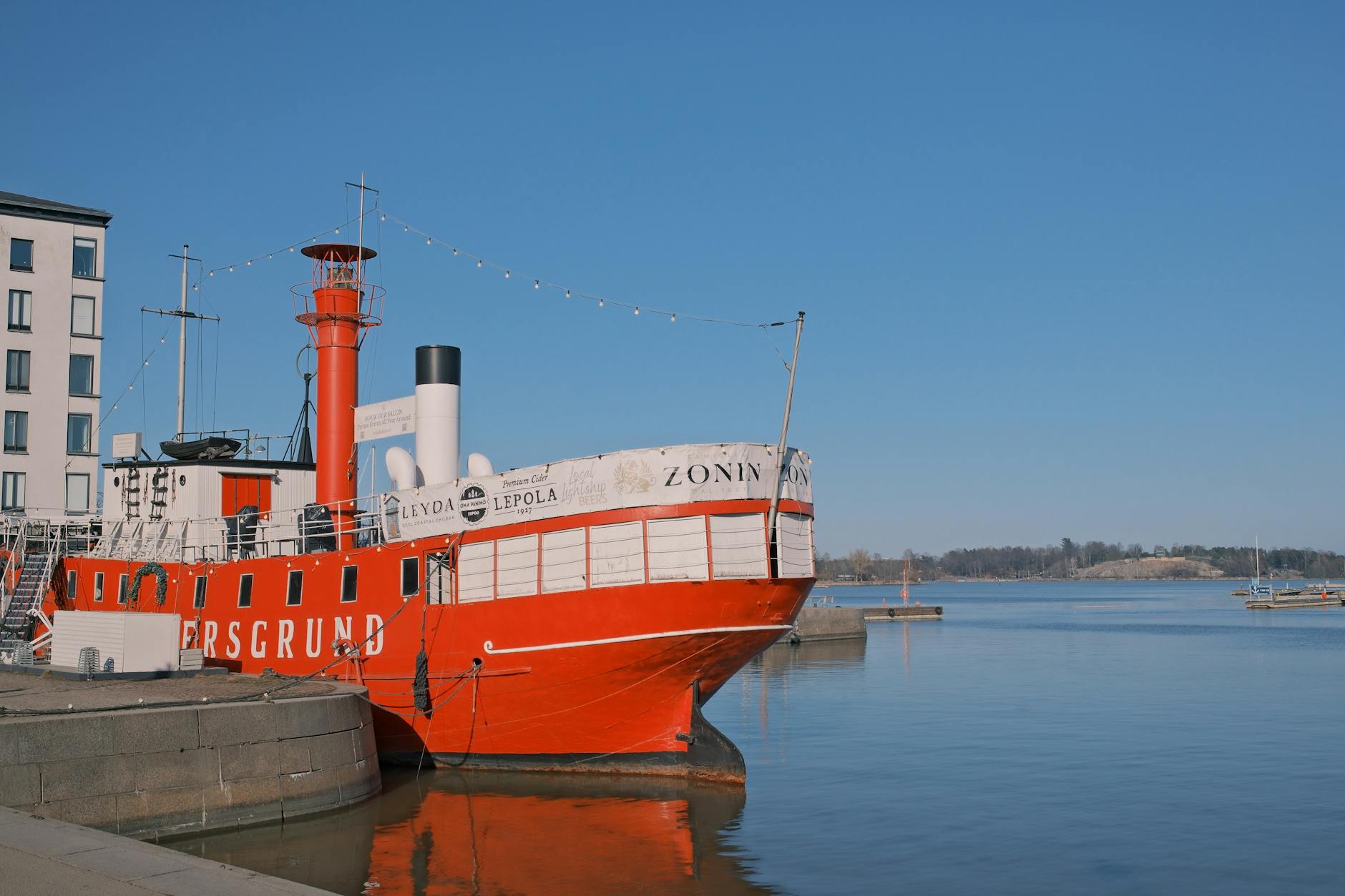
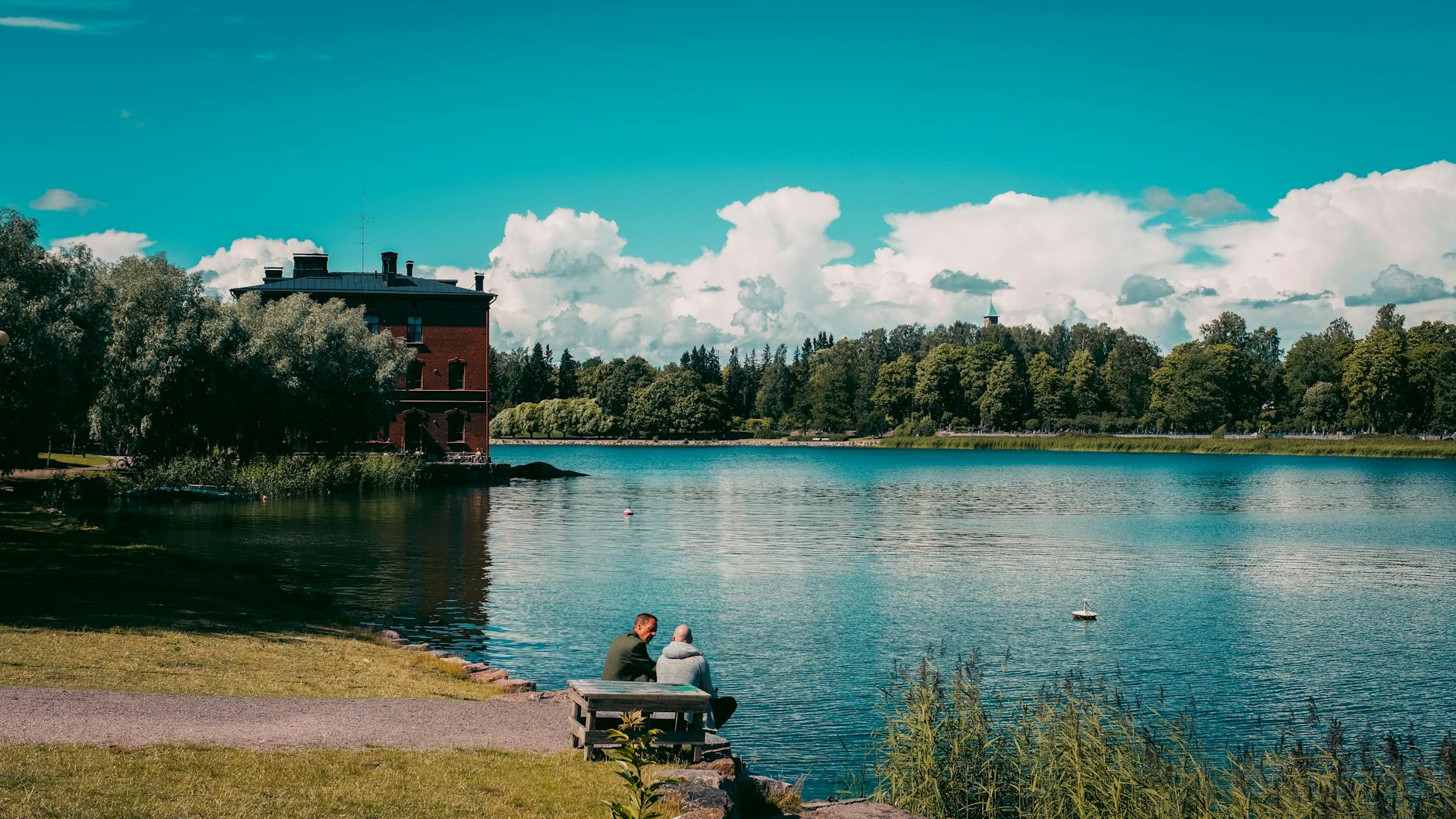
Helsinki has strong low-cost impressions: cathedral views, harbor walks, market edges, parks, public libraries, tram rides, and seasonal waterfront light. The budget traveler should choose a small set that fits the weather and lodging location.
Free sights still need sequencing.
- Prioritize free central landmarks, harbor views, parks, and public interiors that fit the route.
- Reserve paid museums or tours for the experiences that matter most.
- Avoid crossing the city for minor savings if it costs time and energy.
Plan food before prices decide for you
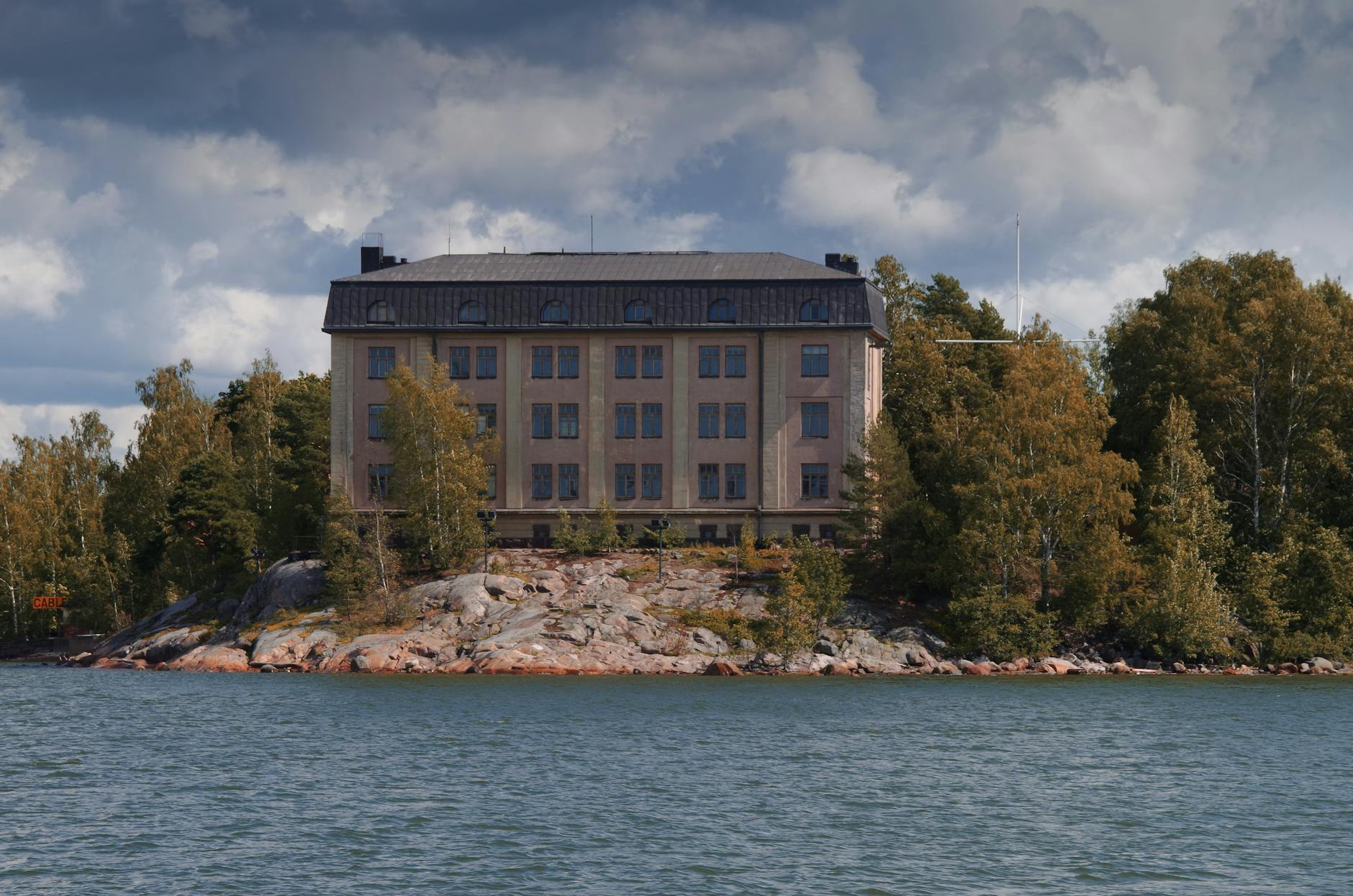
Food can strain a short Helsinki budget when meals are chosen late, near the most obvious tourist routes, or after fatigue. The traveler should identify breakfast, groceries, market options, casual meals, and one worthwhile treat before hunger makes the decision.
Meal planning is budget control.
- Find grocery, bakery, market, and casual meal options near lodging and the day's route.
- Choose one meal worth spending on if food is part of the trip.
- Carry snacks and water so transit delays or weather do not force a poor-value stop.
Respect weather so savings do not backfire
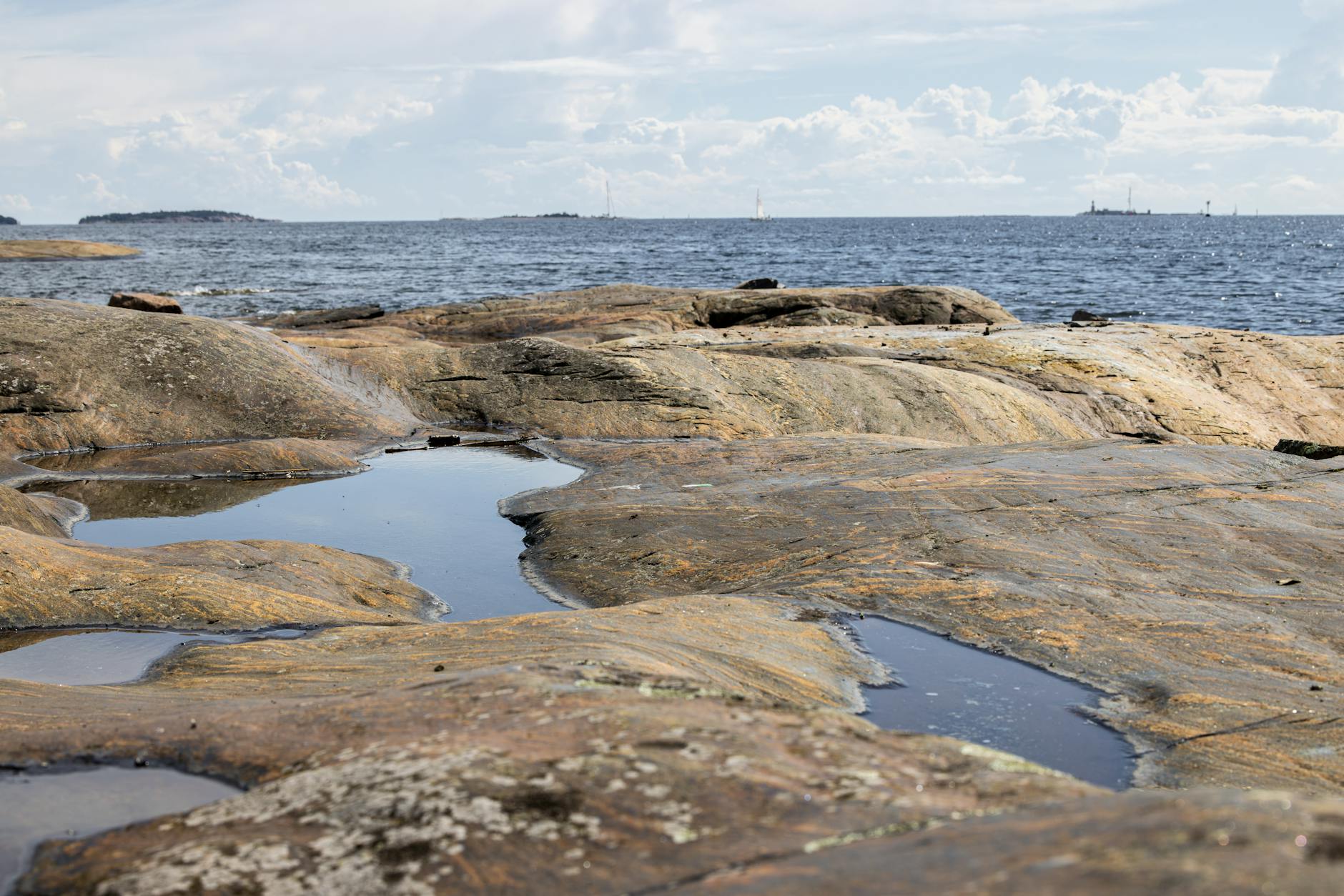
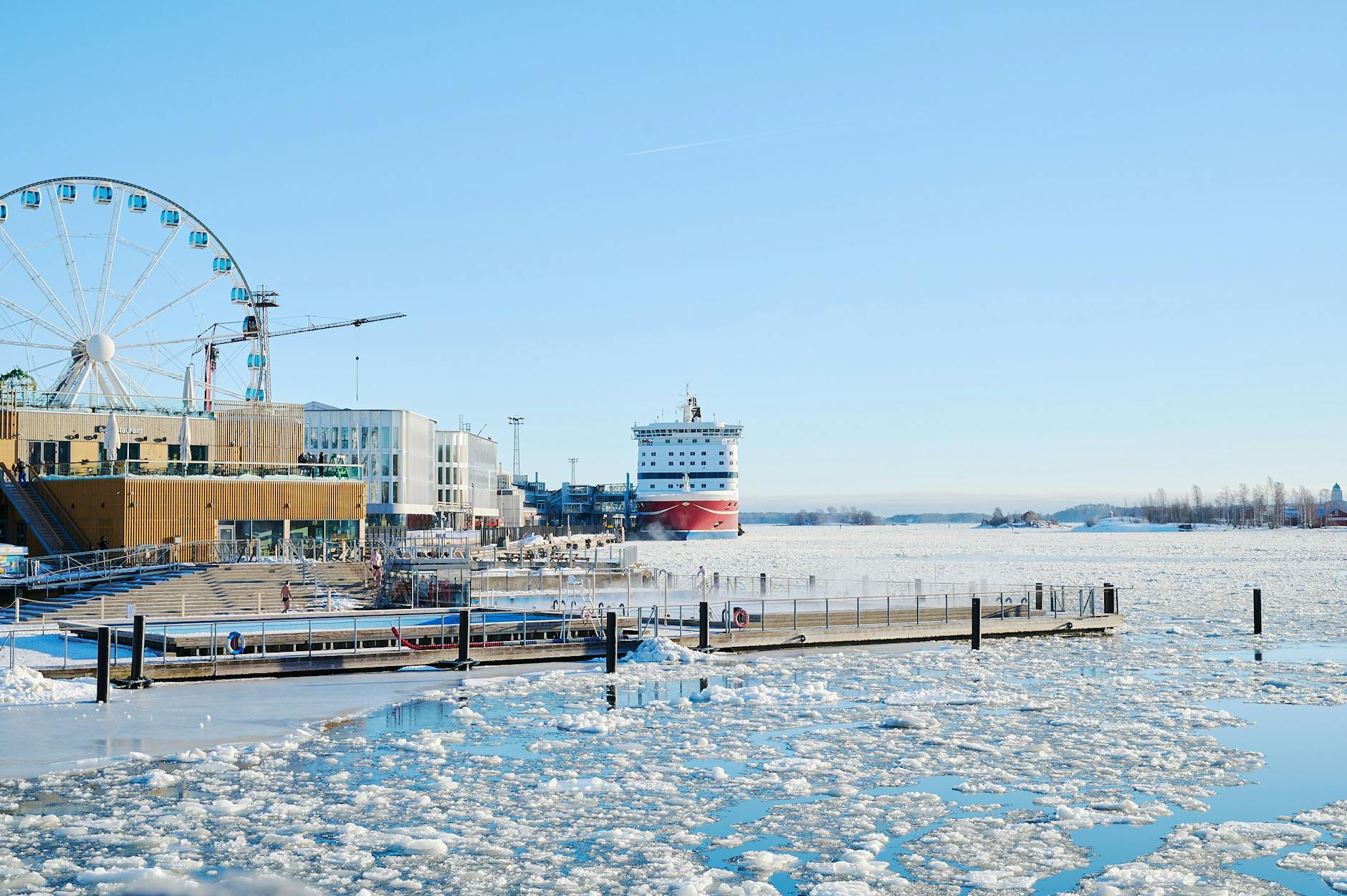
Budget travelers often plan more walking, but Helsinki weather can make that costly in energy and comfort. Wind, rain, snow, ice, cold, and summer glare should influence footwear, clothing, route length, and backup indoor stops.
Weather can turn cheap plans expensive.
- Pack layers, rain protection, secure footwear, and sun or cold protection by season.
- Shorten exposed waterfront or island routes when weather changes.
- Use transit strategically instead of forcing long walks in poor conditions.
When to order a short-term travel report
A budget traveler with flexible dates and a central low-cost room may not need a custom report. A report becomes useful when lodging value is unclear, transit choices affect the budget, weather could make walking unrealistic, or the traveler wants to keep costs low without losing the best parts of Helsinki.
The report should test lodging value, airport transfer, ticket choices, tram and walking routes, free sights, paid priorities, food options, luggage storage, weather, hidden costs, and departure buffers. The value is a Helsinki budget stay where savings come from good choices rather than unnecessary sacrifice.
- Order when lodging, transit, free sights, meals, weather, luggage, hidden costs, or departure timing need coordination.
- Provide dates, arrival details, lodging options, budget ceiling, food preferences, walking tolerance, and must-see priorities.
- Use the report to keep the Helsinki trip affordable, focused, and realistic.