A short volunteer or NGO trip to Gdansk needs more than a good heart and a flight booking. The traveler should understand where the project sits, how local partners work, what documents or supplies are needed, how transport will function, and how to avoid turning limited time into rushed, low-value movement. The city can be practical and welcoming, but the mission should shape the itinerary.
Start with the project geography
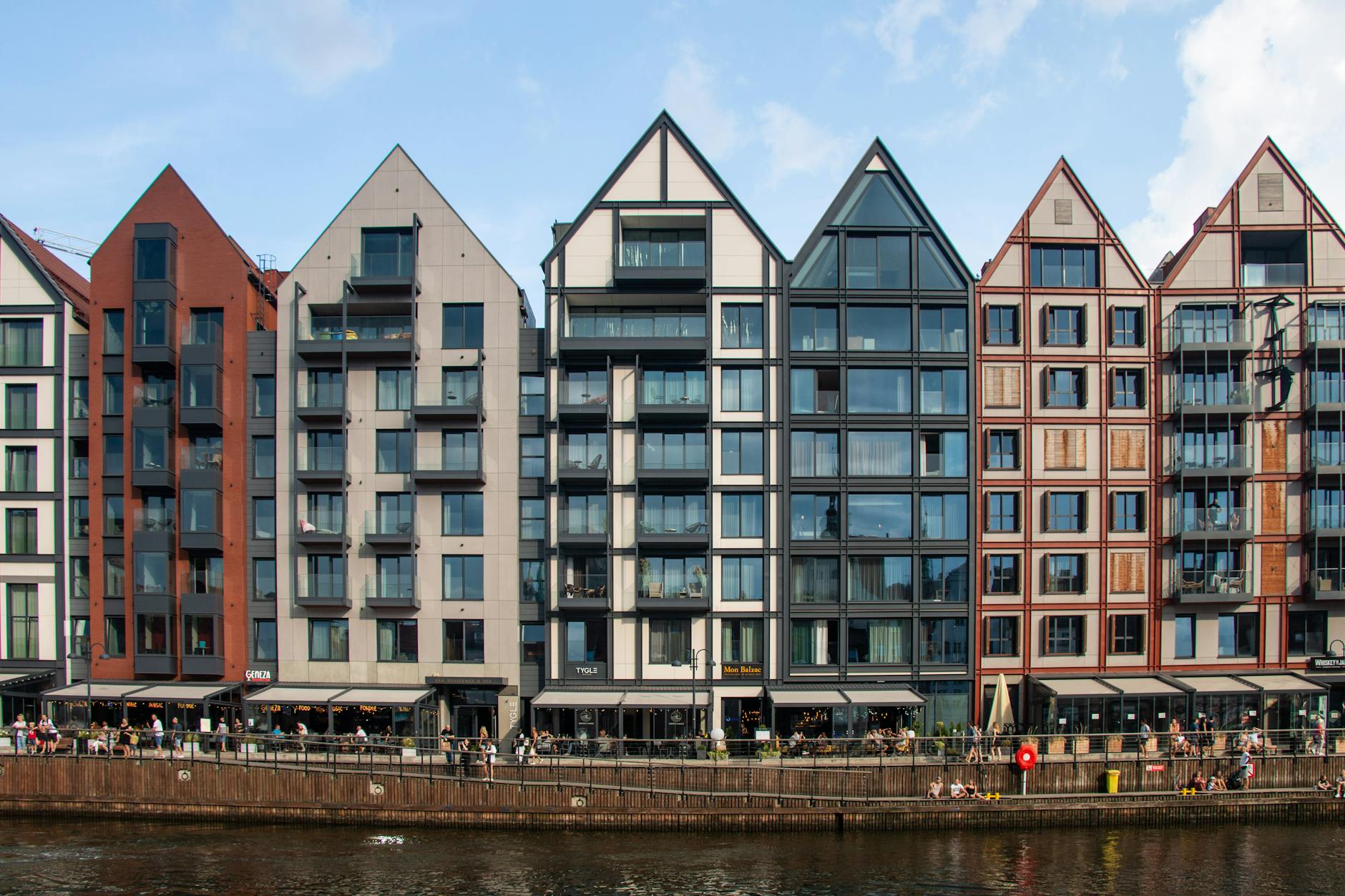
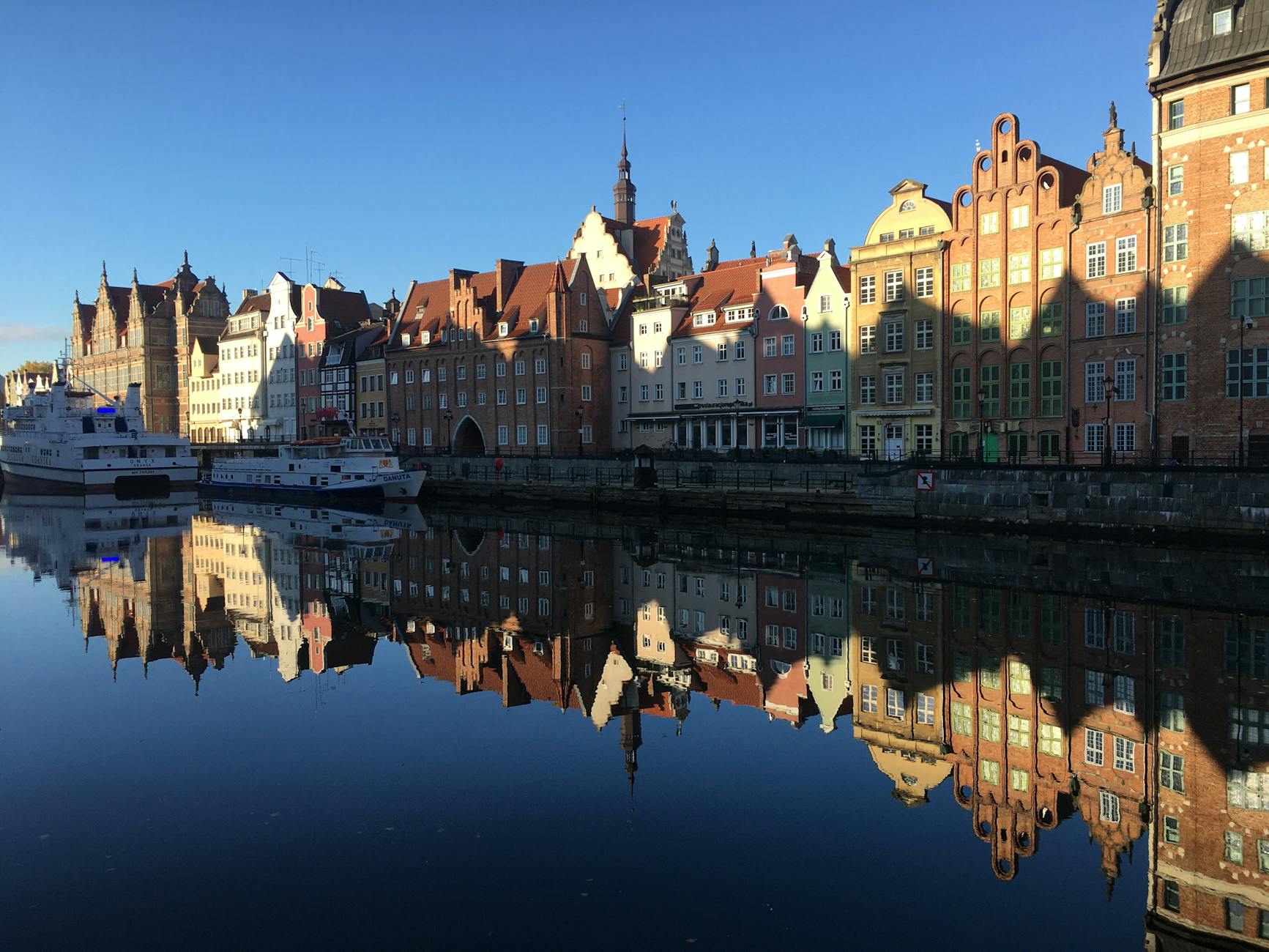
A volunteer or NGO traveler should map the project site before choosing lodging or free-time plans. Gdansk's visitor center may be convenient for meals and transport, but the work may sit near neighborhoods, partner offices, schools, community spaces, warehouses, or Tricity locations.
The project map should lead the trip.
- Confirm project addresses, partner offices, meeting points, security rules, and daily start times.
- Compare old town, waterfront, neighborhood, and Tricity lodging against the real project route.
- Build enough margin for first-day orientation, introductions, and unexpected schedule changes.

Respect local partner capacity
Short volunteer trips can create extra work for local partners if the traveler arrives without clarity. The schedule, role, language needs, supplies, reporting, photography rules, and contact person should be settled before arrival. Good support starts by reducing friction for the people already doing the work.
The trip should help the partner, not manage the traveler.
- Confirm role, hours, point of contact, dress, language support, and whether supplies are actually requested.
- Ask before photographing people, locations, documents, or sensitive work.
- Keep expectations modest if the visit is only one or two working days.
Plan transport for reliability and budget
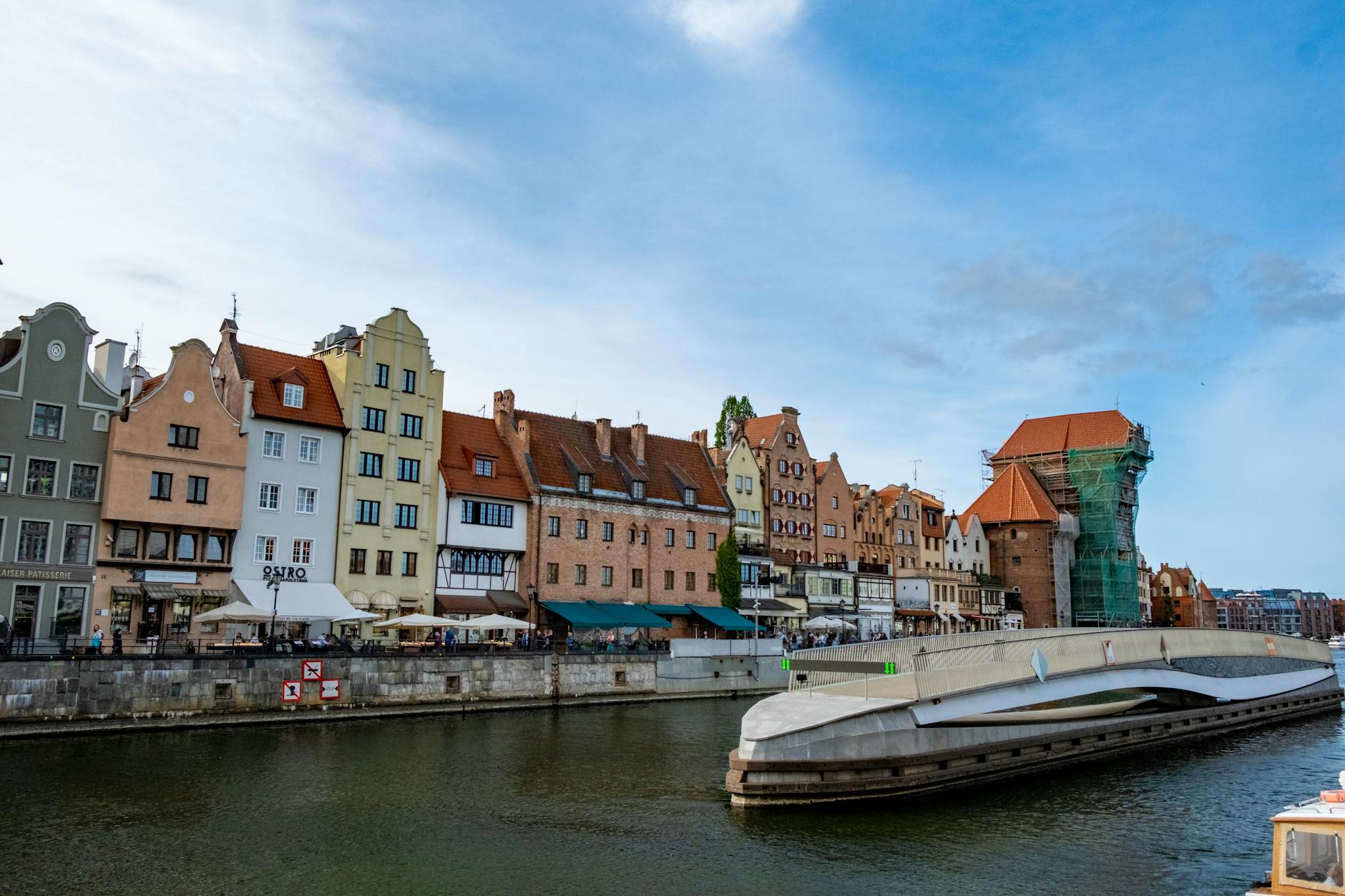
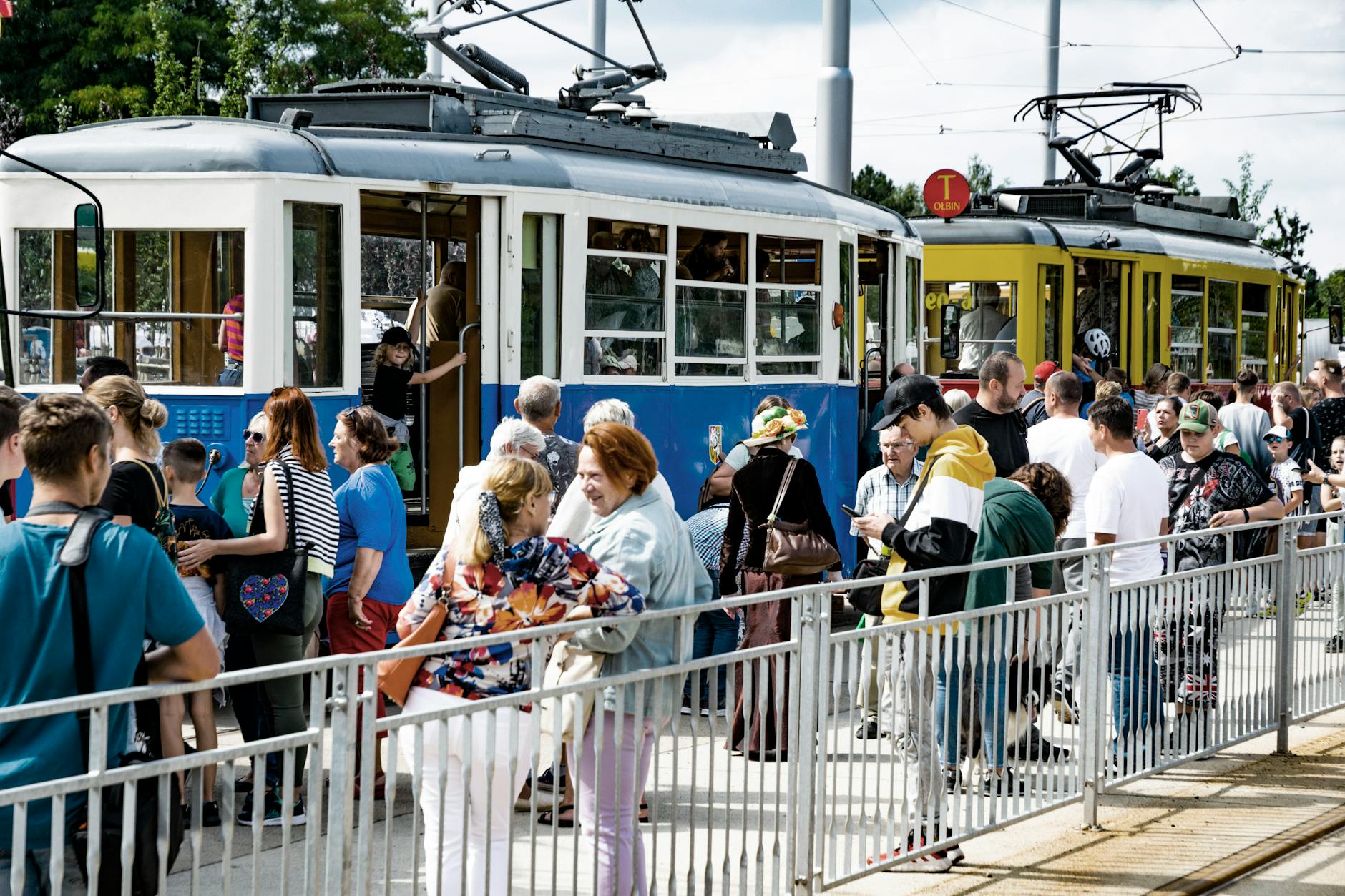
Volunteer and NGO travelers often need to keep costs reasonable while still arriving on time. Trams, buses, regional rail, taxis, and partner pickups can all work, but the traveler should know the route before the first shift or meeting.
Low-cost transport still needs a backup.
- Save transit routes, ticketing details, walking segments, and backup taxi options offline.
- Prearrange transport when carrying supplies, arriving late, or traveling to unfamiliar partner sites.
- Avoid scheduling community work immediately after a tight airport or rail arrival.
Keep daily costs visible
A mission-focused trip can still drift financially through meals, taxis, supplies, late bookings, and unplanned errands. The traveler should set a realistic daily budget that includes transport, food, donations, printing, laundry, phone data, and rest.
Budget discipline protects the work.
- Separate personal spending, project expenses, donations, and reimbursable costs.
- Save affordable cafes, grocery stops, and simple meals near lodging and project sites.
- Keep receipts, currency notes, and reimbursement rules organized from the first day.
Use city context carefully
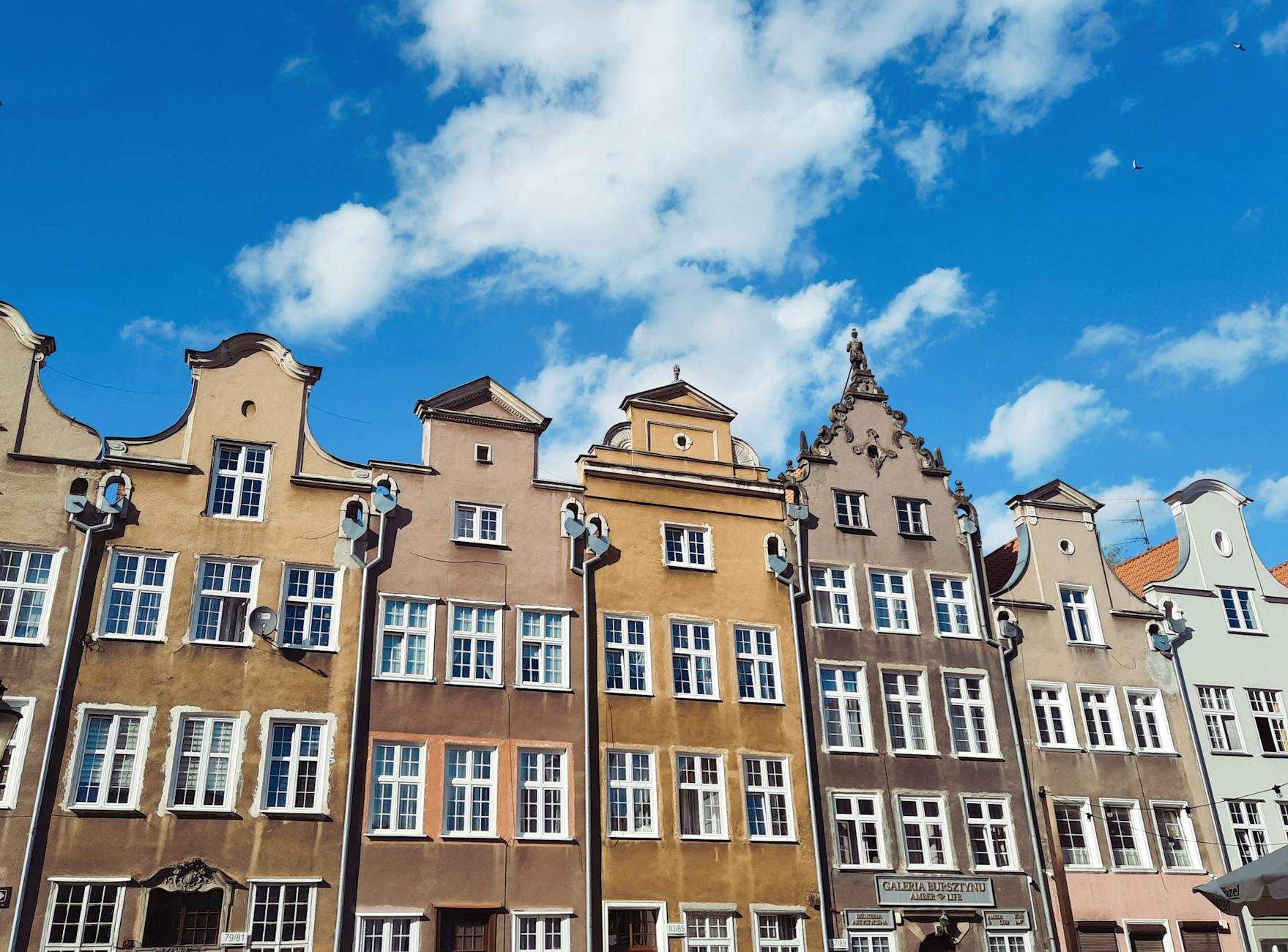
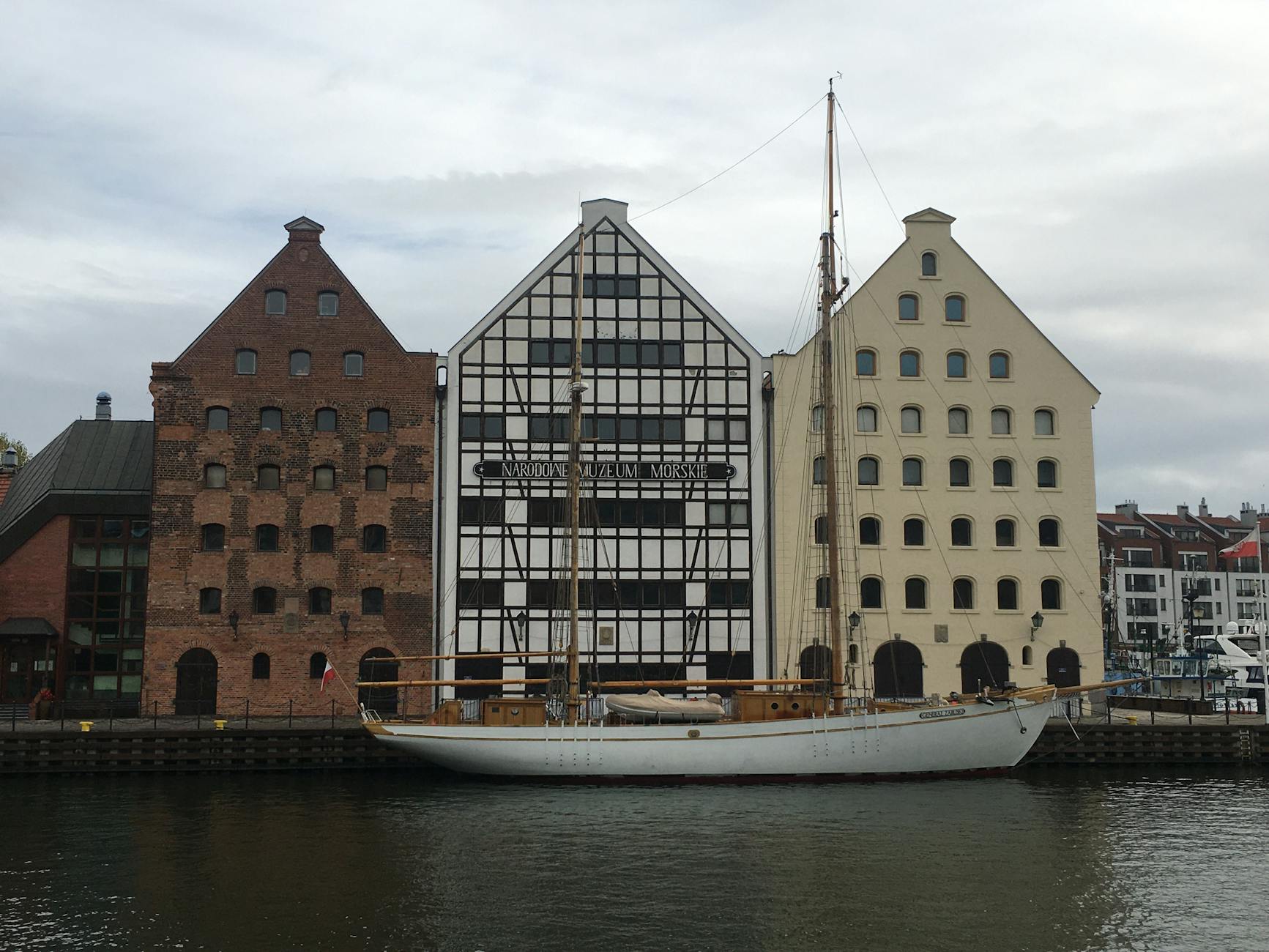
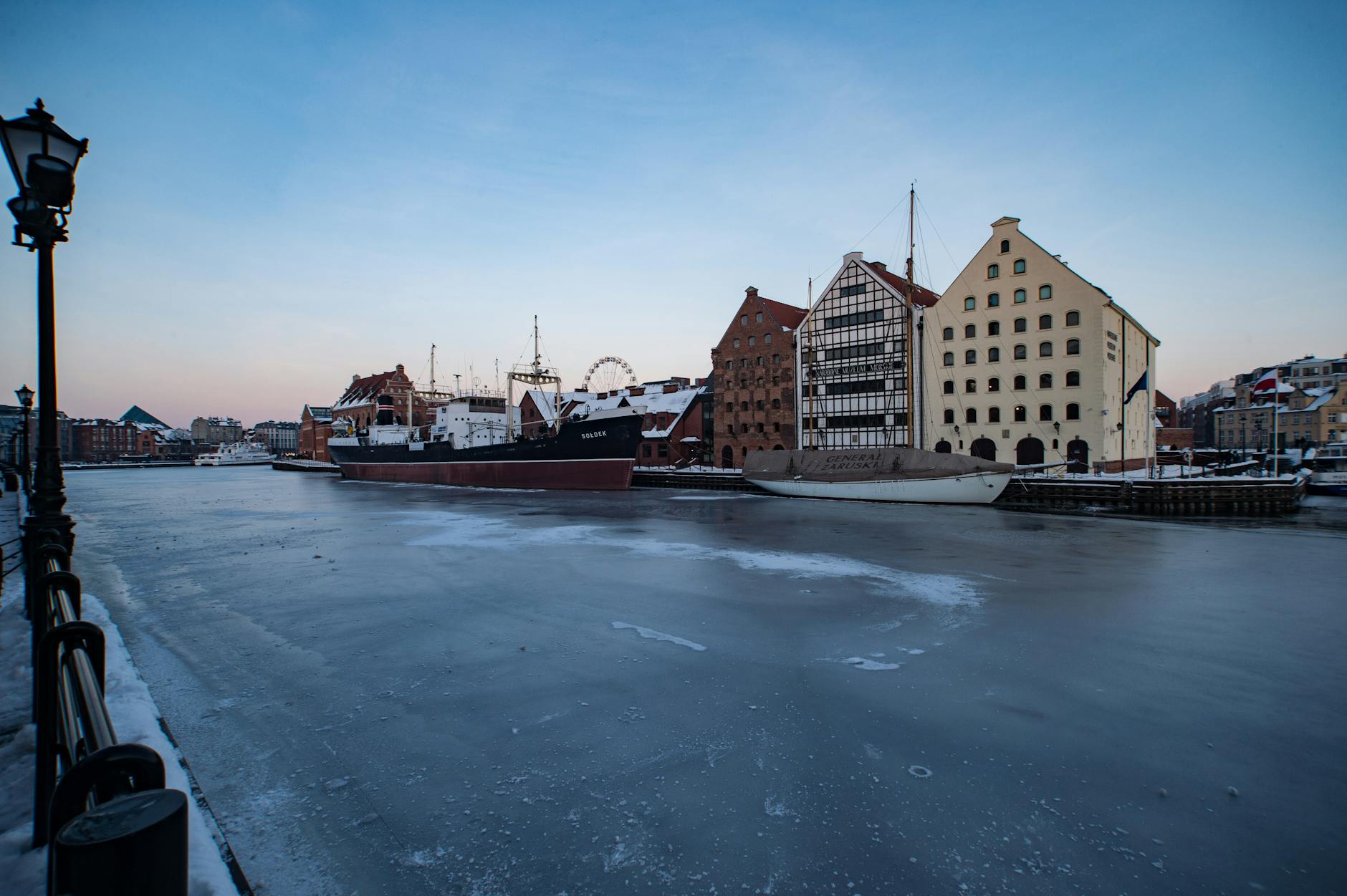
Gdansk's history, shipyard legacy, museums, and civil society context can help a volunteer or NGO traveler understand the city more deeply. That context should be approached with humility and time, not as a rushed add-on between obligations.
Context is useful when it informs the work.
- Choose one museum, guided walk, or historical site that connects to the trip purpose.
- Leave time afterward for notes, reflection, or partner conversation.
- Avoid turning sensitive local issues into casual sightseeing content.
Protect rest and boundaries
Volunteer and NGO trips can become emotionally and logistically dense. The traveler may need time for debriefing, messages home, laundry, meals, sleep, and quiet recovery. A packed schedule can reduce usefulness and make departures harder.
Good boundaries support better work.
- Leave one daily reset block for notes, rest, meals, or partner follow-up.
- Pack layers, rain protection, comfortable shoes, and any essential medication or supplies.
- Avoid late evenings before early project starts or travel days.
When to order a short-term travel report
A volunteer or NGO traveler on a fully organized visit may not need a custom report. A report becomes useful when the traveler must choose lodging, coordinate partner sites, carry supplies, control costs, manage documentation, plan safe evening returns, or depart soon after project work ends.
The report should test project geography, lodging, transport, partner logistics, budget, meals, city context, weather, boundaries, and departure buffers. The value is a Gdansk trip that supports the work without creating unnecessary strain.
- Order when project sites, lodging, transport, partner logistics, budget, documentation, or departure timing need exact planning.
- Provide dates, project addresses, partner contacts, lodging candidates, supplies, budget, mobility needs, and arrival details.
- Use the report to keep the visit practical, respectful, and mission-focused.