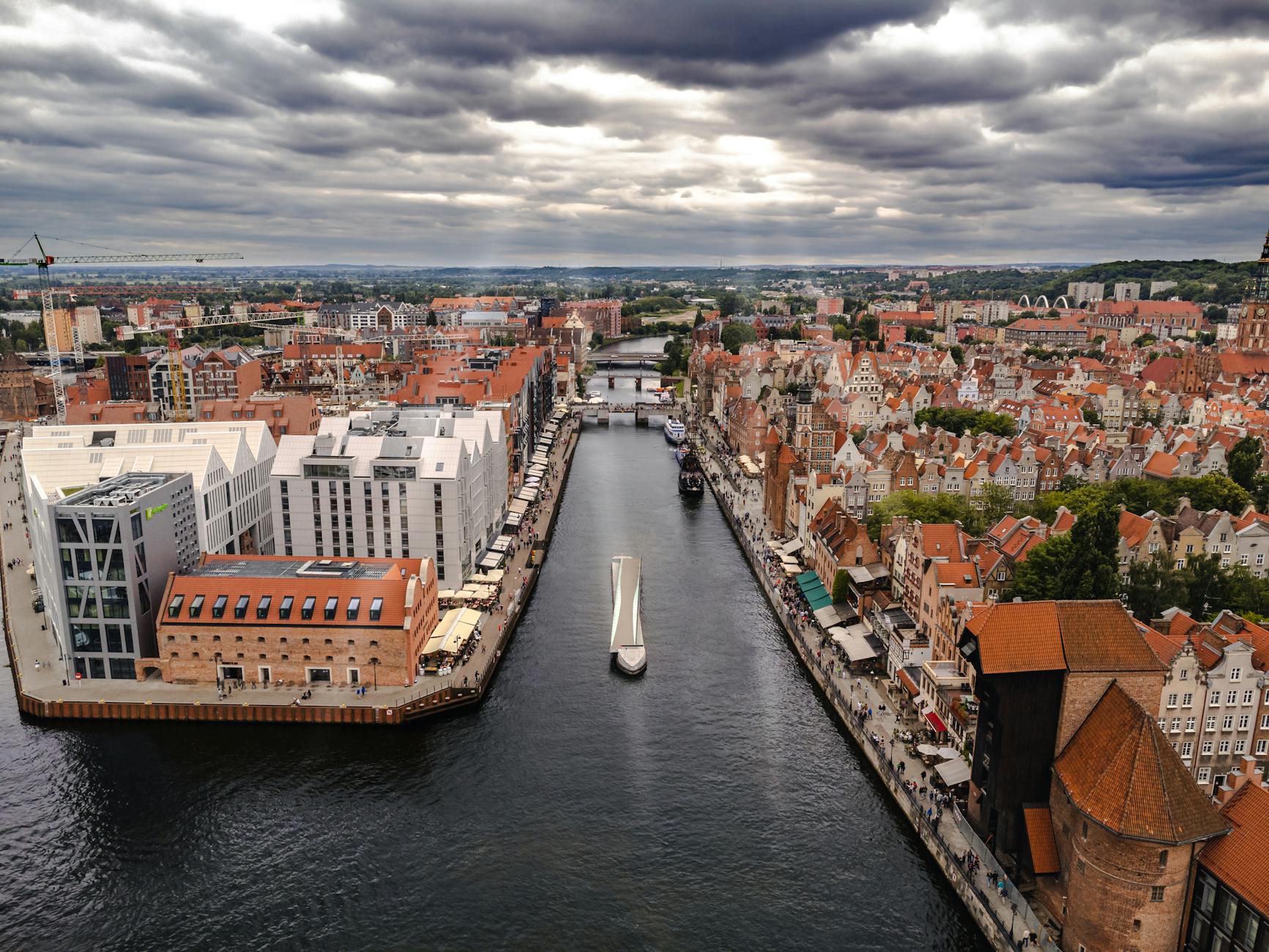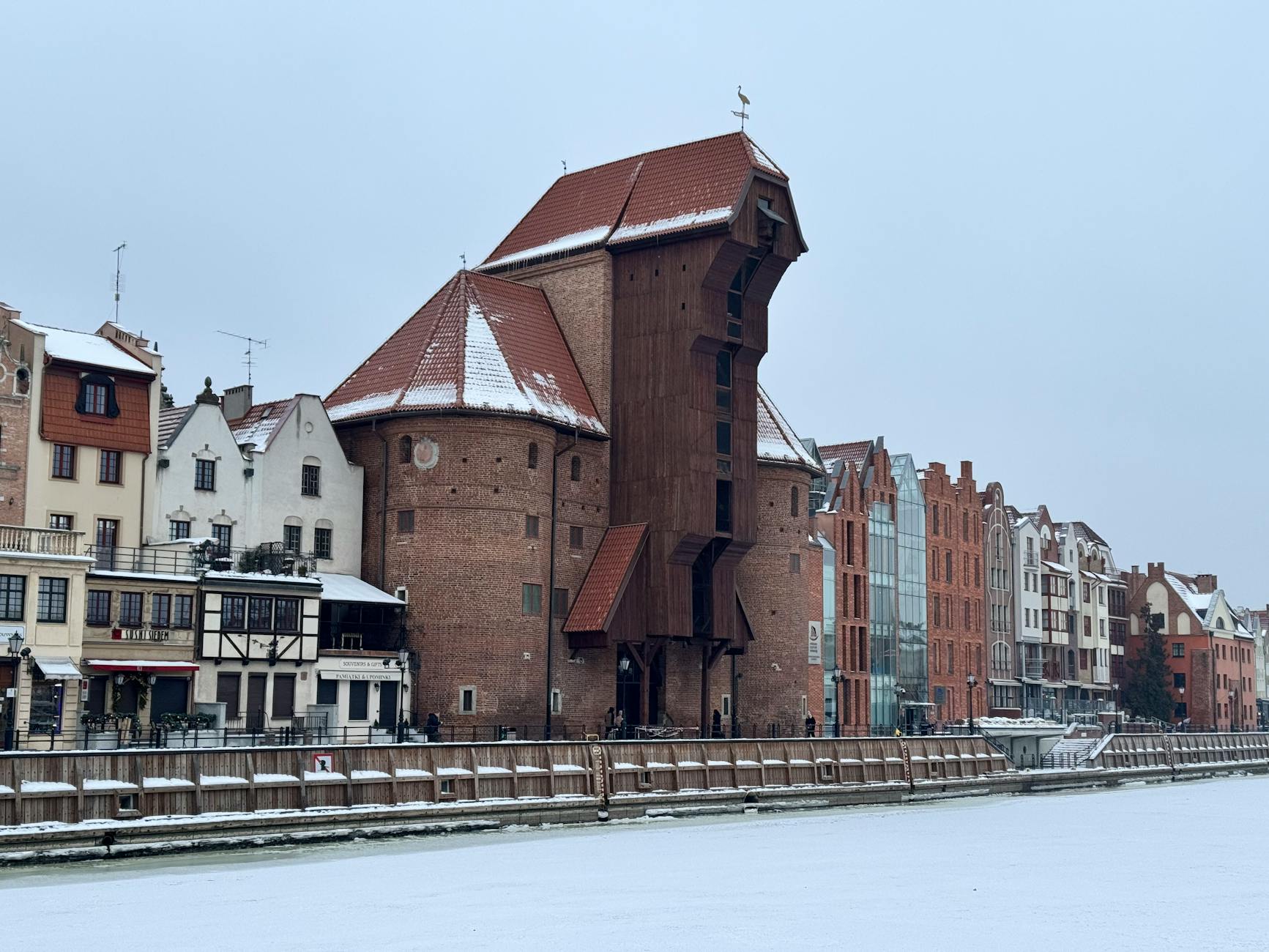
Gdansk can be rewarding for travelers with mobility limitations, but the historic setting needs careful planning. The old town, Motlawa waterfront, museums, restaurants, tram routes, and Tricity options can all work better when the traveler checks surfaces, entrances, rest points, transport, weather exposure, and hotel access before arrival.
Confirm lodging access before booking
A traveler with mobility limitations should treat the hotel or apartment as part of the mobility plan. Elevator access, bathroom setup, entrance steps, room distance from reception, taxi pickup, luggage help, and nearby meals can matter more than a scenic view or a slightly lower rate.
The base should reduce effort every day.
- Confirm elevator access, entrance steps, bathroom layout, room location, heating or cooling, and luggage help.
- Ask whether taxis can reach the door or only the edge of a pedestrian street.
- Choose lodging near the main planned route, simple meals, transport, and rest points.
Assess cobblestones, curbs, and distances
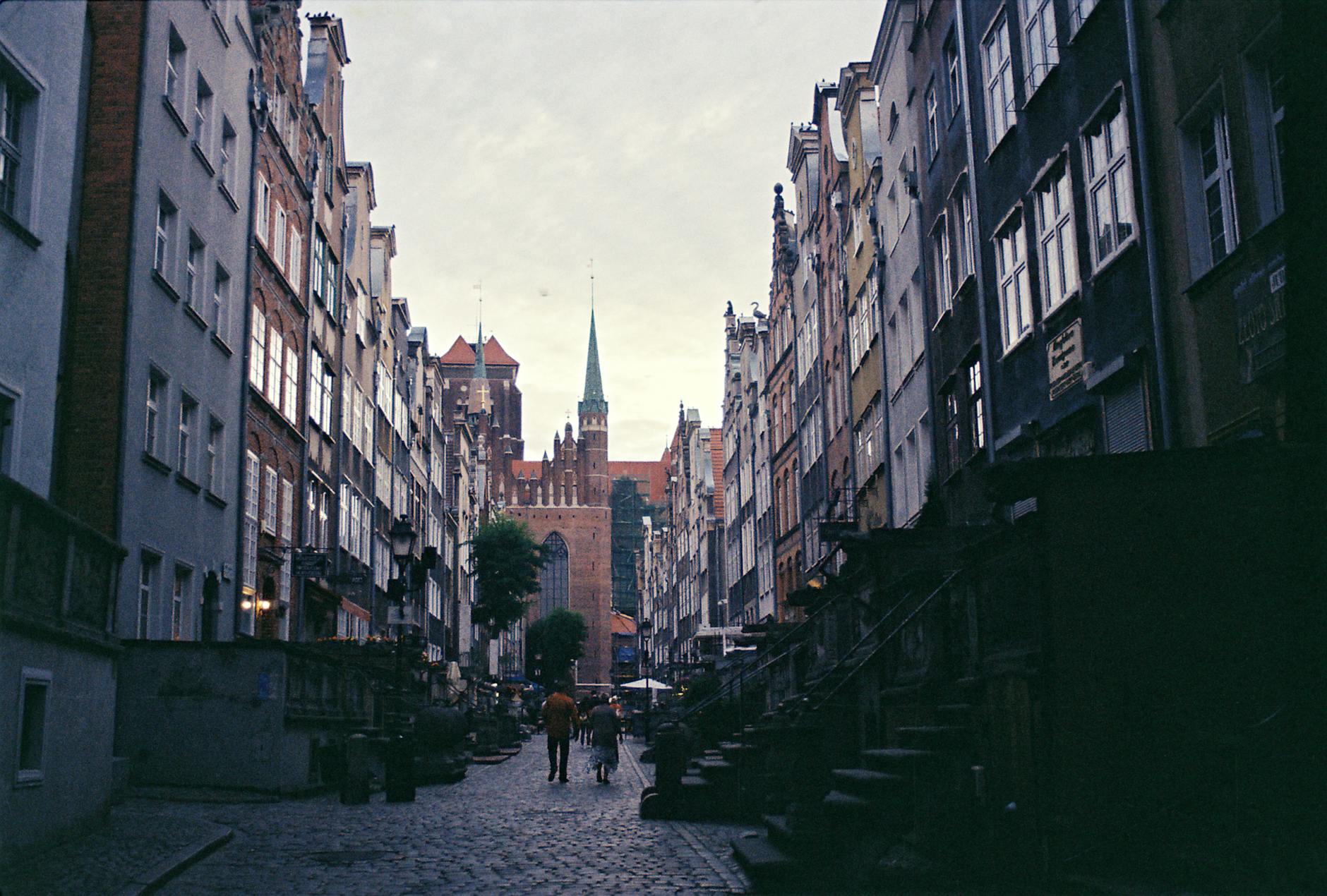
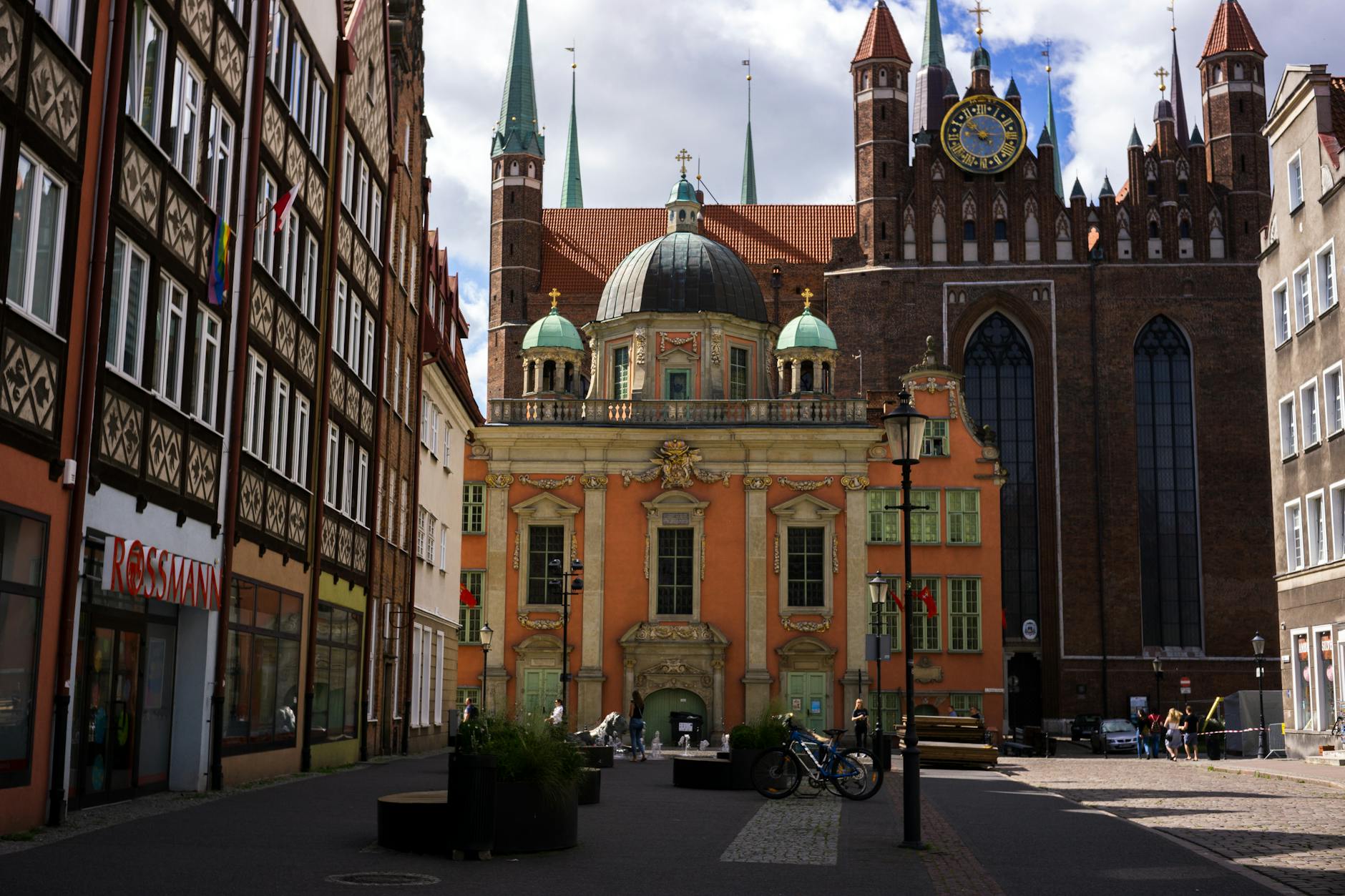
Gdansk's historic center includes cobblestones, curbs, narrow sidewalks, bridges, crowding, and occasional steps. A route that looks short on a map may still be demanding. The traveler should judge each day by surfaces, seating, restroom access, weather, and the ability to shorten the loop.
Distance is only one part of effort.
- Check surfaces and step-free options around Long Market, Mariacka Street, churches, museums, and the waterfront.
- Group nearby sights instead of crossing the center repeatedly.
- Build a short return route to the hotel into every day plan.
Use the waterfront selectively
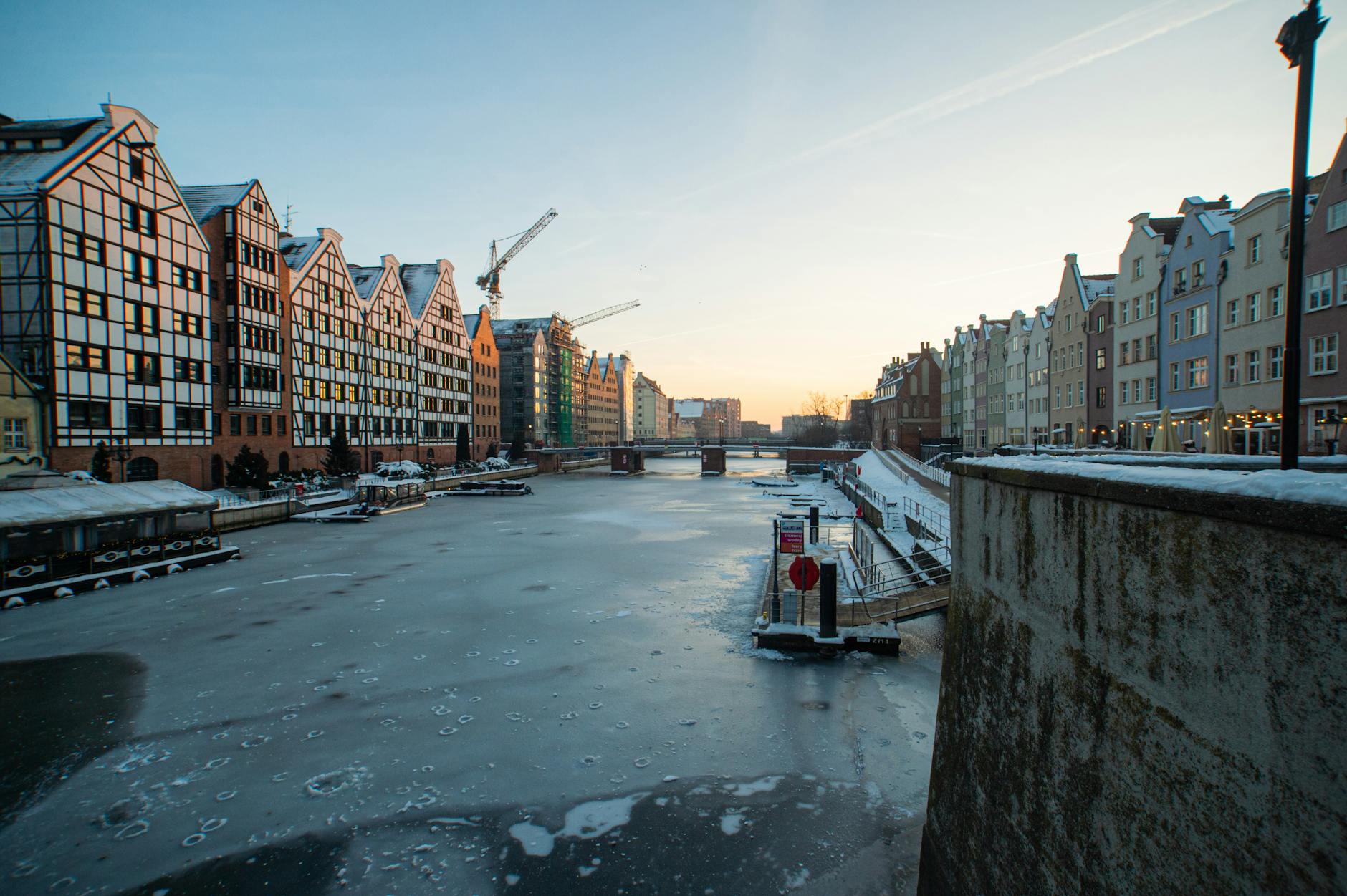
The Motlawa waterfront can be one of the easier scenic areas when conditions are good, but wind, crowds, uneven approaches, bridge crossings, and distance from seating can change the experience. It should be planned as a practical route, not only a view.
The best waterfront plan includes exits.
- Choose the flattest waterfront segments and identify benches, cafes, restrooms, and taxi pickup points.
- Avoid exposed waterfront plans during strong wind, heavy rain, or peak crowd periods.
- Consider a shorter scenic loop instead of trying to cover both sides of the river.
Treat transport as energy protection
Trams, taxis, drivers, rail, and hotel transfers can protect the traveler's energy when used at the right moments. The key is knowing where vehicles can stop, how far platforms are from entrances, and whether a transfer saves effort or creates a new problem.
Transport should serve comfort, not just speed.
- Prearrange airport or rail transfers when luggage, fatigue, weather, or timing could be difficult.
- Check tram stops, platform access, walking distance from stops, and backup taxi options.
- Use direct transport after long museum visits, late meals, bad weather, or symptom flare-ups.

Screen museums and historic interiors
Gdansk's museums and churches can add rich context, but historic buildings and large institutions may involve stairs, long corridors, queues, cloakrooms, and limited seating. A mobility-aware plan should check the visitor path before committing.
The right attraction is the one that can be experienced comfortably.
- Confirm entrances, lifts, seating, restrooms, cloakrooms, ticket timing, and route length.
- Choose one major indoor stop per day if fatigue or pain is a concern.
- Follow demanding interiors with a nearby rest stop rather than another long walk.
Place meals and rest stops deliberately
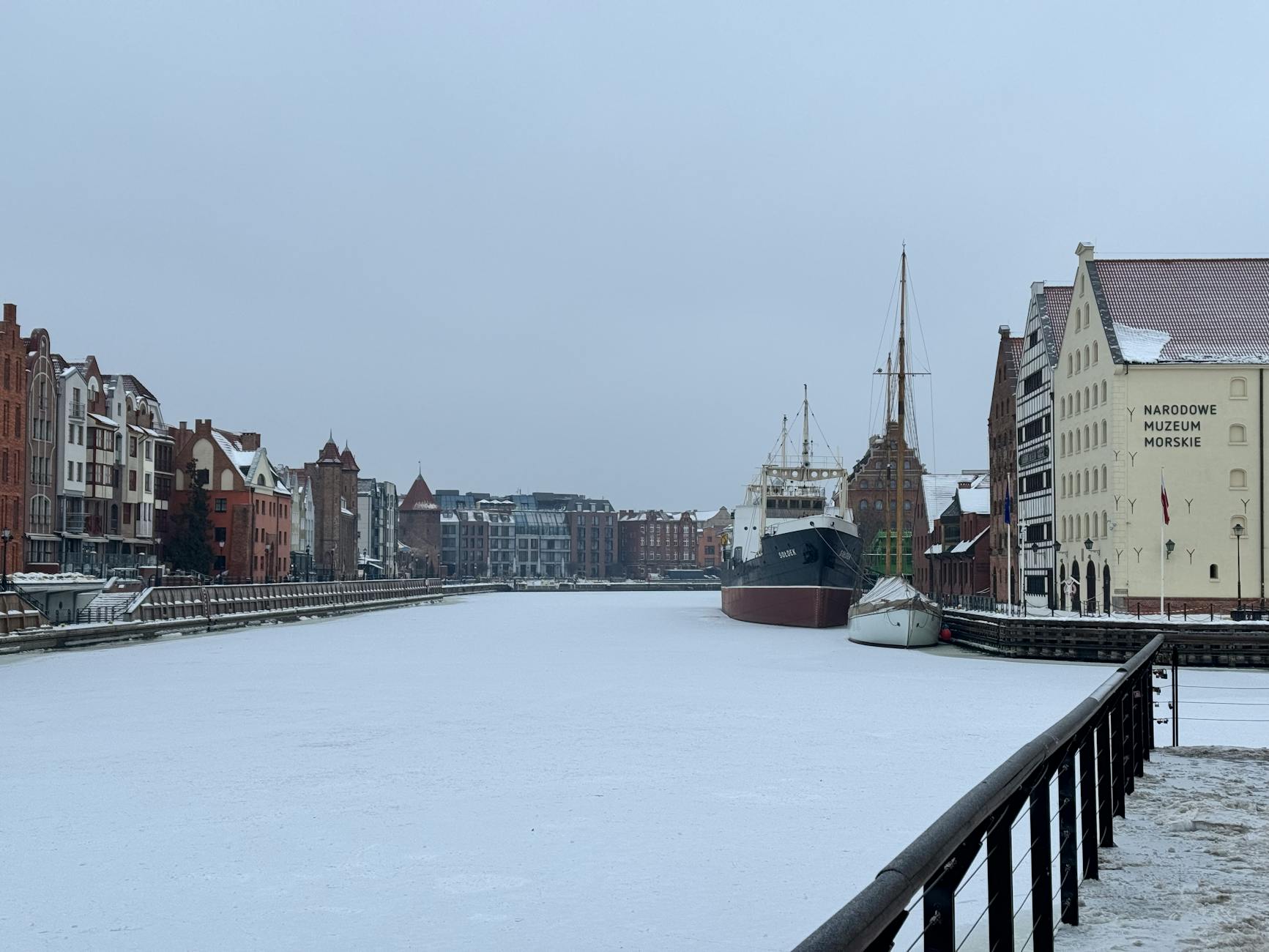
Restaurants, cafes, and restrooms should be part of the mobility plan. Stairs, seating, bathroom location, crowding, noise, and distance from the hotel can decide whether a meal feels restorative or exhausting. A good Gdansk plan uses meals as recovery points.
Comfort depends on the stops between sights.
- Save restaurants and cafes with comfortable seating, manageable access, and nearby transport.
- Keep restroom and warm indoor break options along the main route.
- Reserve ahead when seating, timing, or step-free access matters.
When to order a short-term travel report
A traveler with mild mobility limitations and a flexible central stay may not need a custom report. A report becomes useful when the trip includes cobblestone concerns, step-free access needs, mobility aids, multiple museums, Tricity movement, restaurant access, weather risk, or a tight departure.
The report should test lodging access, route surfaces, transport, museum paths, meal stops, restrooms, weather backups, and departure buffers. The value is a Gdansk stay that keeps the city rewarding without asking the traveler to absorb avoidable strain.
- Order when lodging access, routes, transport, museums, meals, restrooms, weather, or departure timing need exact planning.
- Provide dates, mobility needs, equipment details, hotel candidates, walking tolerance, interests, budget, and arrival details.
- Use the report to keep the short stay realistic, comfortable, and well-paced.