
A Gdansk stopover can work well when the traveler treats it as a timing problem first and a sightseeing plan second. Airport arrivals, rail connections, luggage, hotel access, old-town distance, tram or taxi choices, weather, and the next departure all decide how much of the city can be used without creating stress.
Start with the next departure
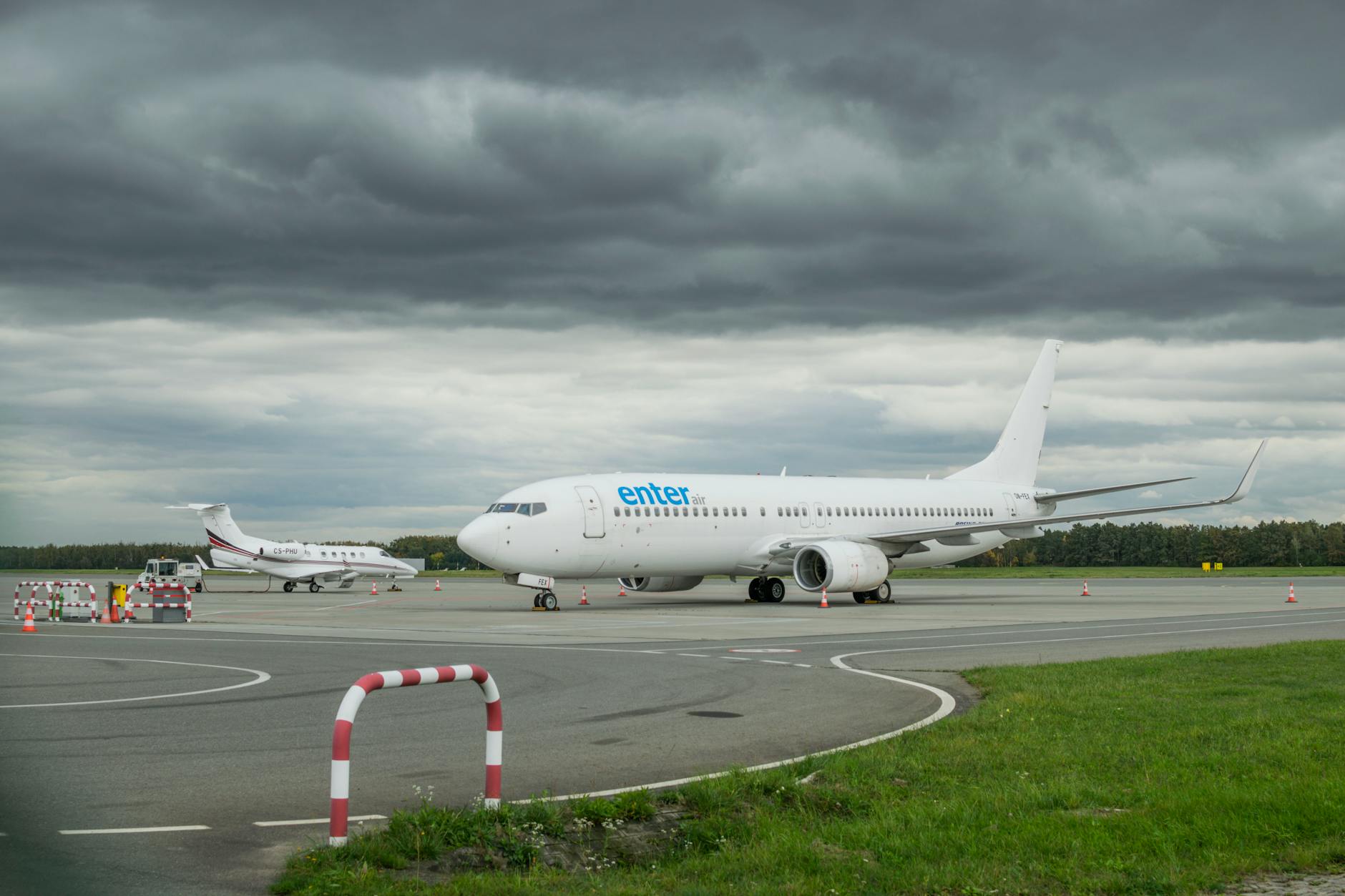
A stopover should be planned backward from the onward flight, train, ferry, or pickup. The traveler needs to know check-in time, station platform uncertainty, traffic risk, security lines, and how long it takes to recover luggage before deciding what is possible in the city.
The departure should set the sightseeing limit.
- Work backward from airport, rail, ferry, or bus departure requirements.
- Add buffers for baggage, security, ticketing, traffic, weather, and unfamiliar stations.
- Do not plan the city route as if the next connection will wait.
Choose luggage strategy before arrival
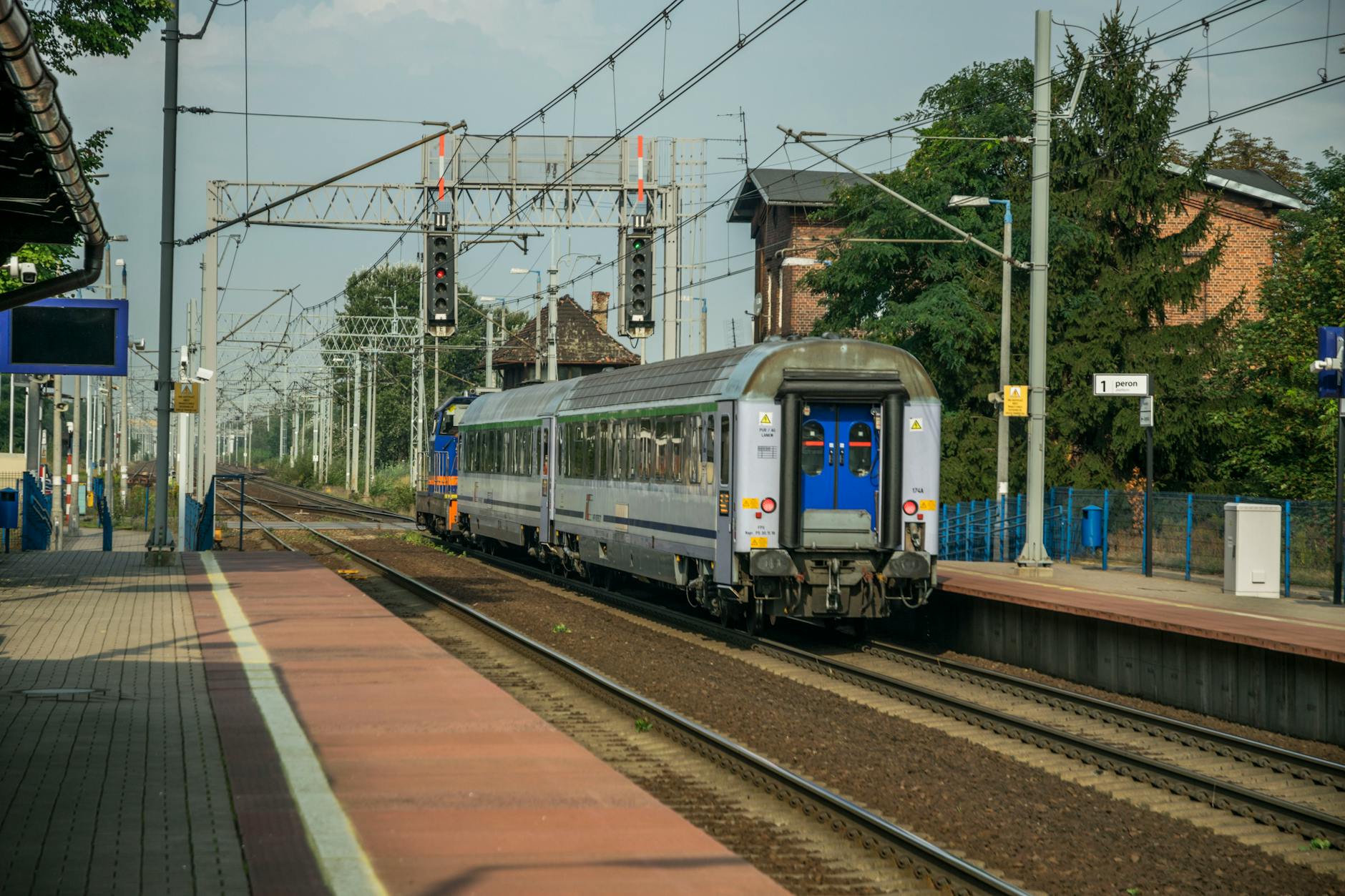
Luggage can decide whether a Gdansk stopover feels easy or burdensome. A backpack may be fine for a short old-town walk, while rolling bags, business cases, mobility equipment, or family luggage may require storage, hotel access, or direct transport.
The bag plan should come first.
- Confirm hotel storage, station storage, airport storage, or day-room options before relying on them.
- Avoid cobblestone-heavy walking routes with awkward rolling bags.
- Keep medication, documents, chargers, and weather layers separate from stored luggage.
Use the fastest useful city route
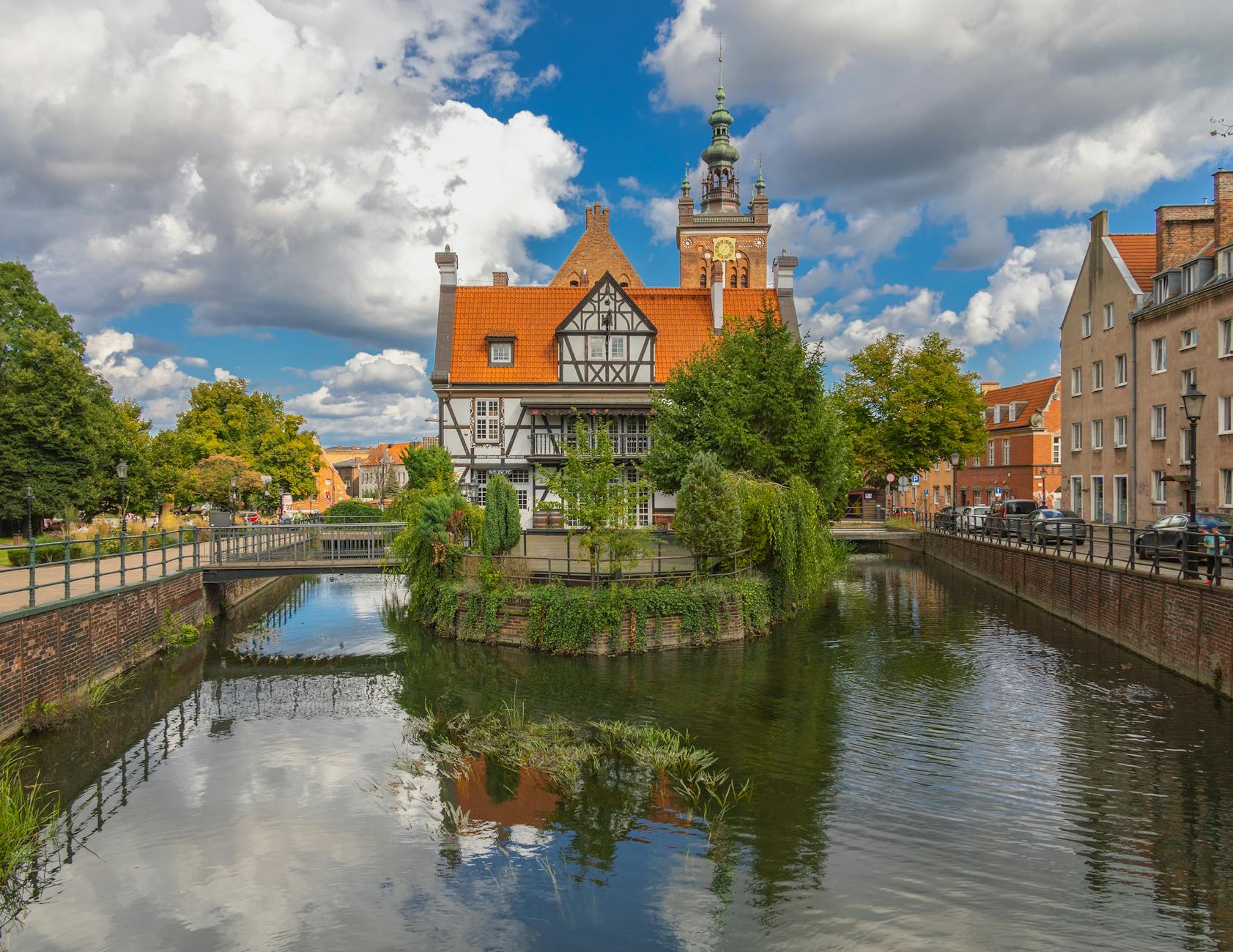
A stopover traveler usually needs the highest-value route, not the fullest one. The old town and waterfront can create a strong Gdansk impression in a compact loop when the traveler avoids side trips that add transport complexity.
A short route should be easy to exit.
- Prioritize the old town spine, Motlawa waterfront, one church or viewpoint, and one cafe.
- Keep the route close to the station, hotel, or reliable pickup point.
- Skip Tricity detours unless the layover is long and the next departure is simple.
Pick transport that matches the margin
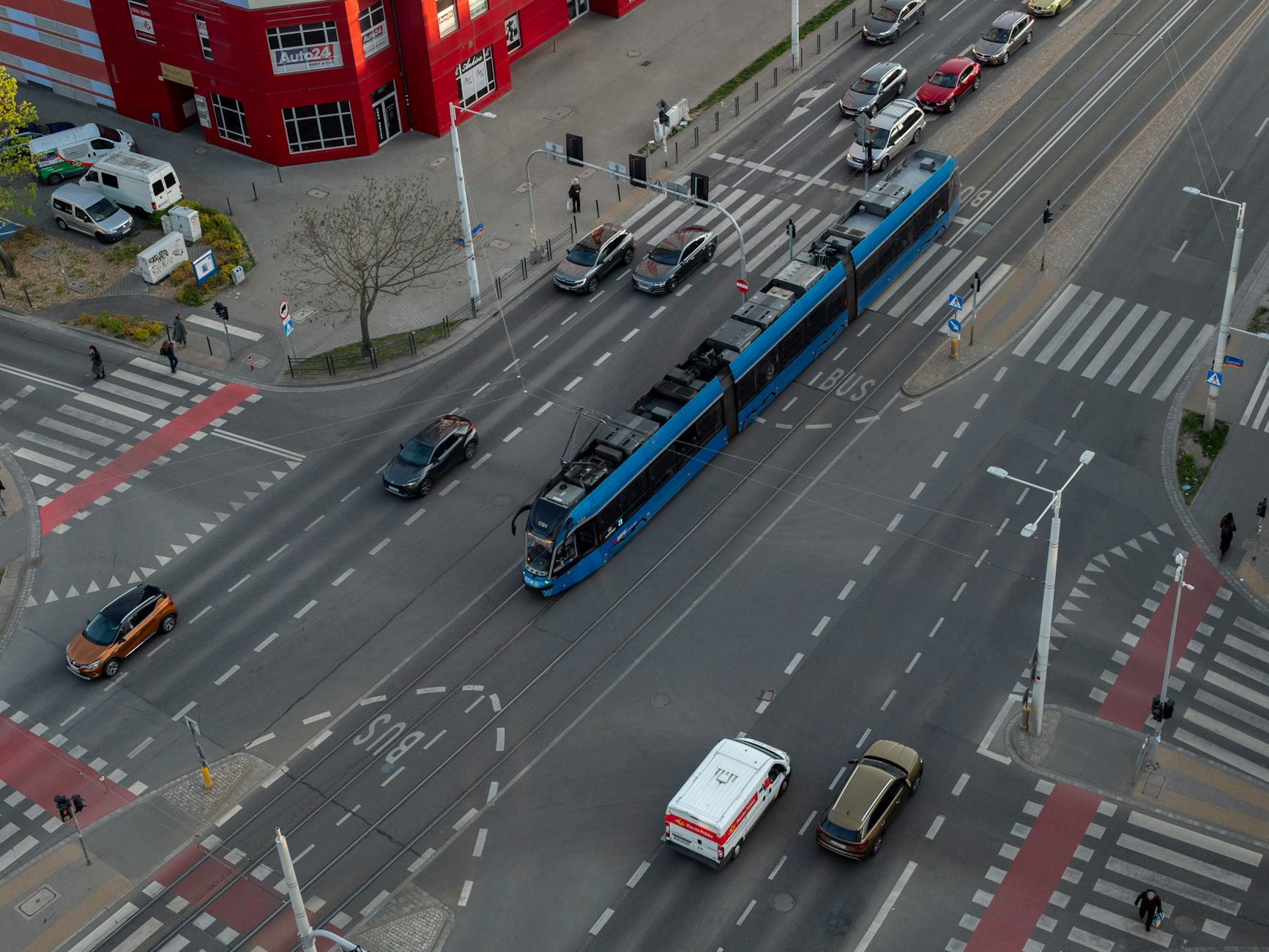
Public transport can work well, but a stopover with tight timing, luggage, rain, late arrival, or family movement may need taxis or prearranged transfers. The traveler should decide when paying for direct movement protects the connection.
The cheapest route is not always the best route.
- Compare tram, rail, bus, taxi, and walking routes against actual time available.
- Use direct transport for tight margins, bad weather, late arrivals, or heavy bags.
- Save pickup points and destination addresses offline before leaving the terminal or station.
Plan one meal that fits the clock
A Gdansk stopover can be improved by one good meal or cafe break, but not if it sits too far from the route or takes longer than the connection allows. The meal should restore the traveler and keep the exit route clean.
Food should not threaten the onward trip.
- Choose cafes or restaurants close to the station, hotel, old-town route, or pickup point.
- Use reservations or quick-service options when the layover is short.
- Keep a station, airport, or hotel fallback for delayed arrivals.
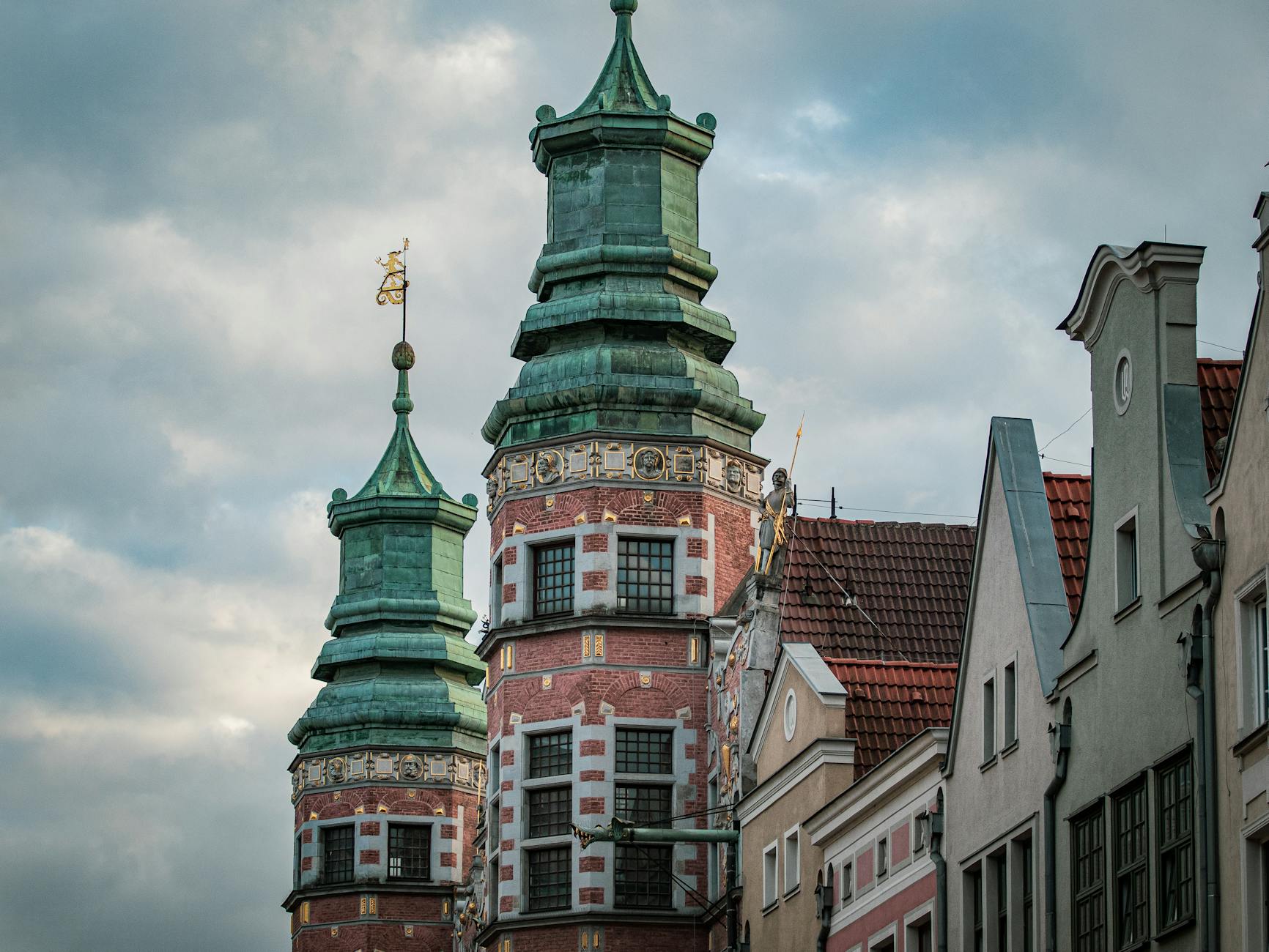
Respect weather and fatigue
A stopover traveler may arrive tired, underdressed, or carrying the wrong gear for Baltic weather. Rain, wind, cold, summer crowds, and slippery surfaces can shrink what is practical. The traveler should have an indoor or shorter route ready.
A smaller successful stopover beats a rushed one.
- Carry layers, rain protection, a charged phone, and enough water for the route.
- Choose a museum, cafe, or hotel lobby backup if the weather turns poor.
- Shorten the route immediately if fatigue starts affecting the next departure.

When to order a short-term travel report
A stopover traveler with several free hours and no luggage may not need a custom report. A report becomes useful when timing is tight, bags are awkward, the traveler wants a meaningful old-town route, the arrival is late, mobility matters, weather risk is high, or the next departure cannot be missed.
The report should test connection timing, luggage options, transport, quick routes, meals, weather backups, rest points, and departure buffers. The value is a Gdansk stopover that uses the city without putting the onward trip at risk.
- Order when connection timing, luggage, transport, routing, meals, mobility, weather, or departure buffers need exact planning.
- Provide arrival and departure details, luggage needs, station or airport, walking tolerance, interests, budget, and hotel candidates.
- Use the report to keep the stopover useful, calm, and connection-safe.