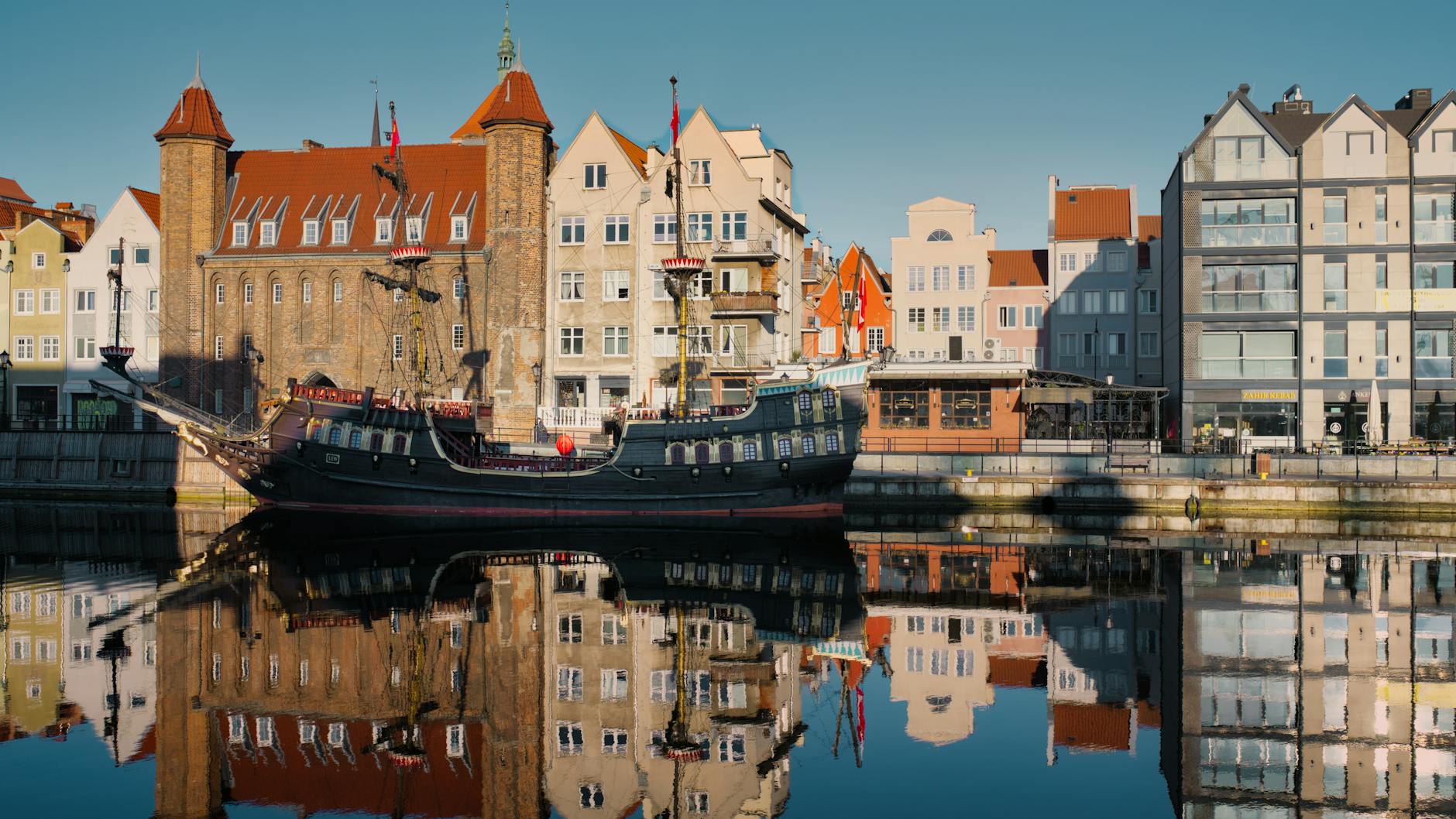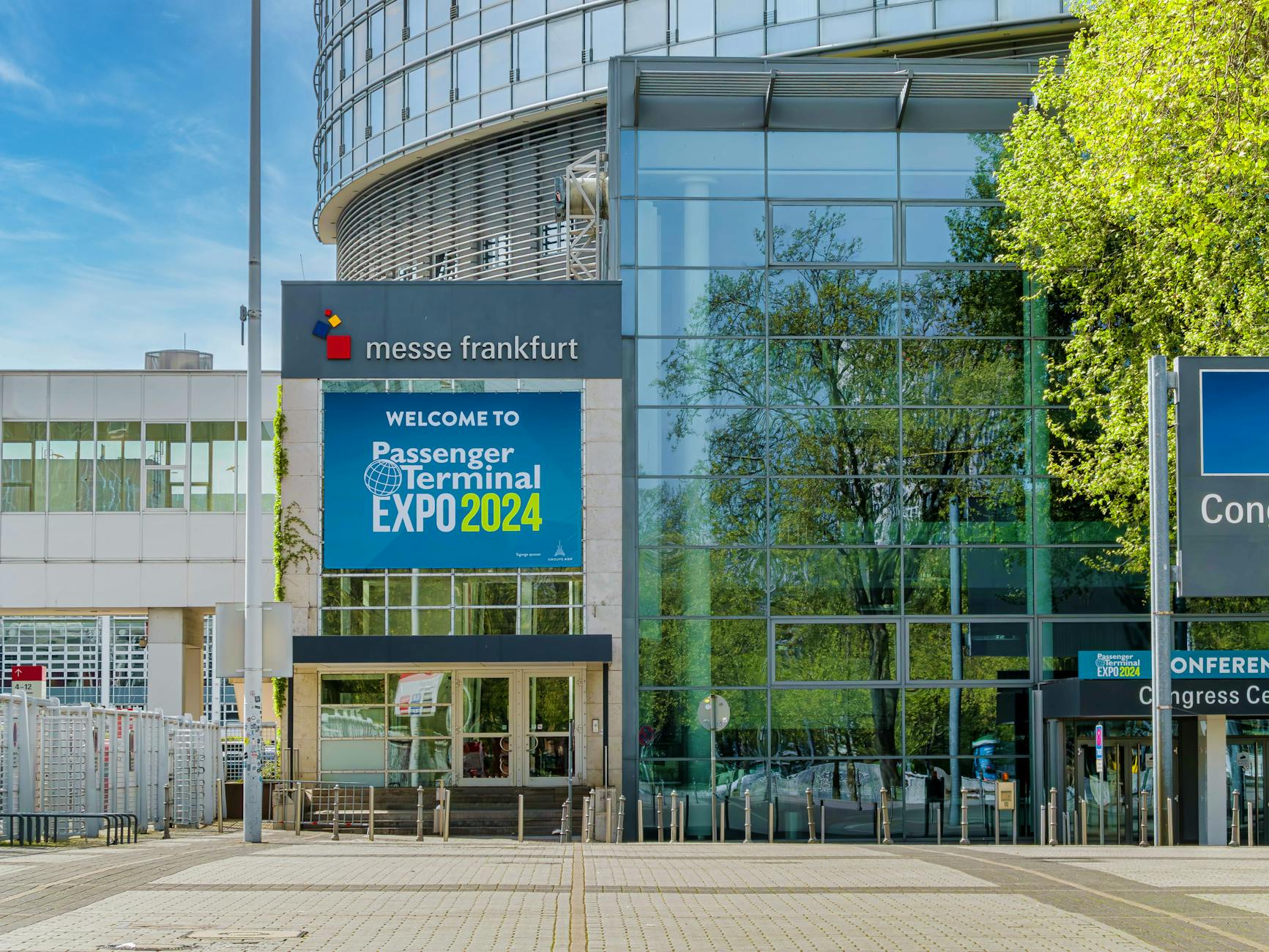
A Gdansk trade-show trip works best when the attendee treats the exhibition schedule as the center of the visit. Venue location, hotel placement, registration, booth materials, sponsor events, meals, airport or rail transfers, and evening networking all need more precision than a normal leisure stay, especially when the trip is only a few days.
Map the show before choosing the hotel
A trade-show attendee should start with the exact hall, entrance, registration desk, exhibitor access, loading rules, and evening event locations. Gdansk's visitor-friendly center is useful, but a hotel that works for sightseeing may not work for early booth setup or multiple daily returns.
The venue map should drive the base.
- Confirm the trade-show venue, hall entrance, registration desk, exhibitor access, receptions, and off-site meetings.
- Compare hotel options by morning route, taxi access, transit, breakfast timing, and evening return comfort.
- Check whether the hotel can receive shipments or store materials if needed.
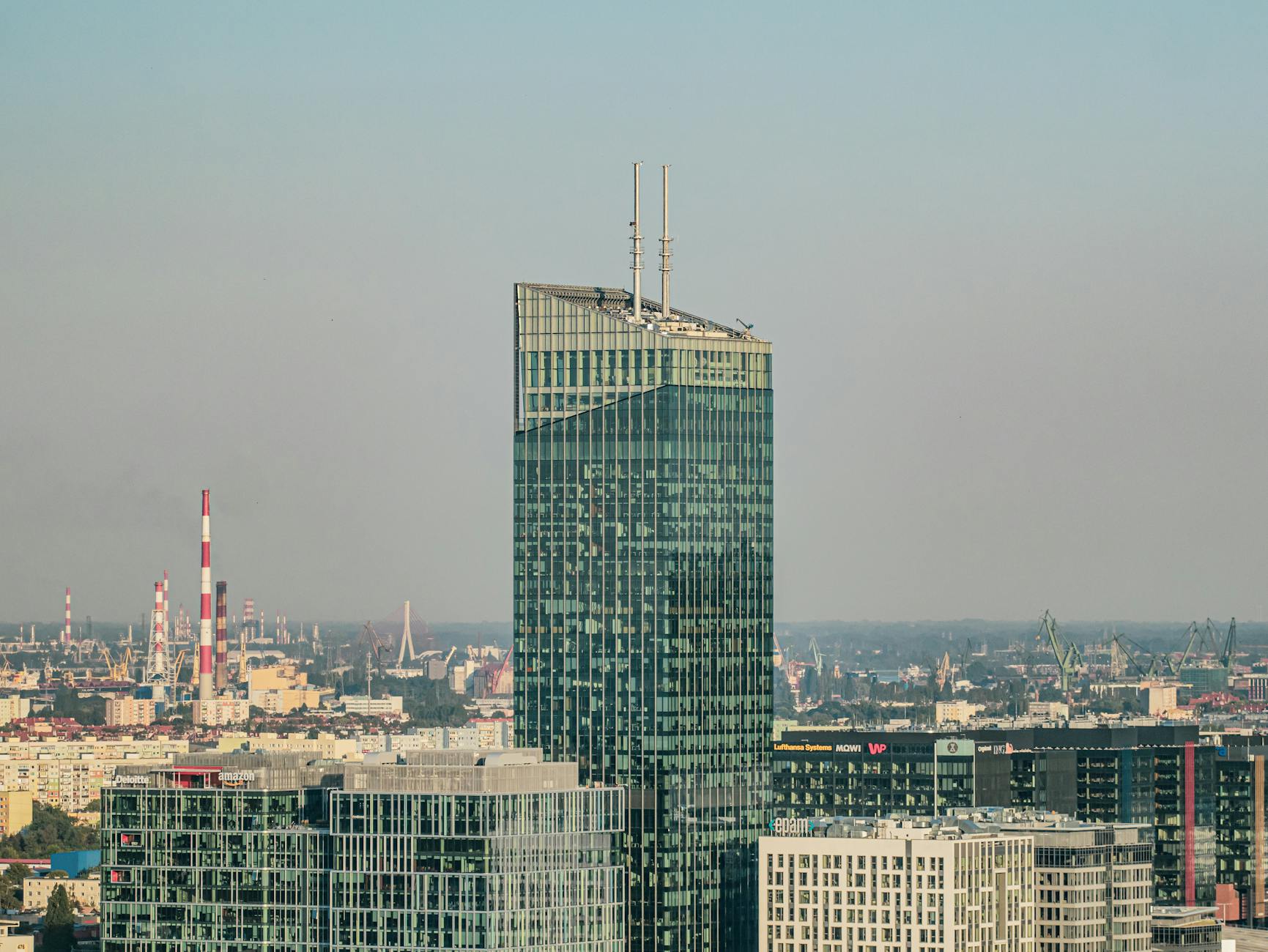
Protect badge and setup timing
Trade-show days often start before the public schedule. Badge pickup, exhibitor entry, booth setup, shipment checks, sponsor briefings, and first meetings can all collide with travel fatigue. Arrival timing should include enough margin to solve practical issues.
Setup time is business time.
- Build a buffer between landing or train arrival, hotel check-in, registration, and first booth commitment.
- Carry badges, credentials, samples, medications, chargers, adapters, and critical documents in hand luggage.
- Confirm late registration, early access, courier pickup, and luggage storage before arrival.
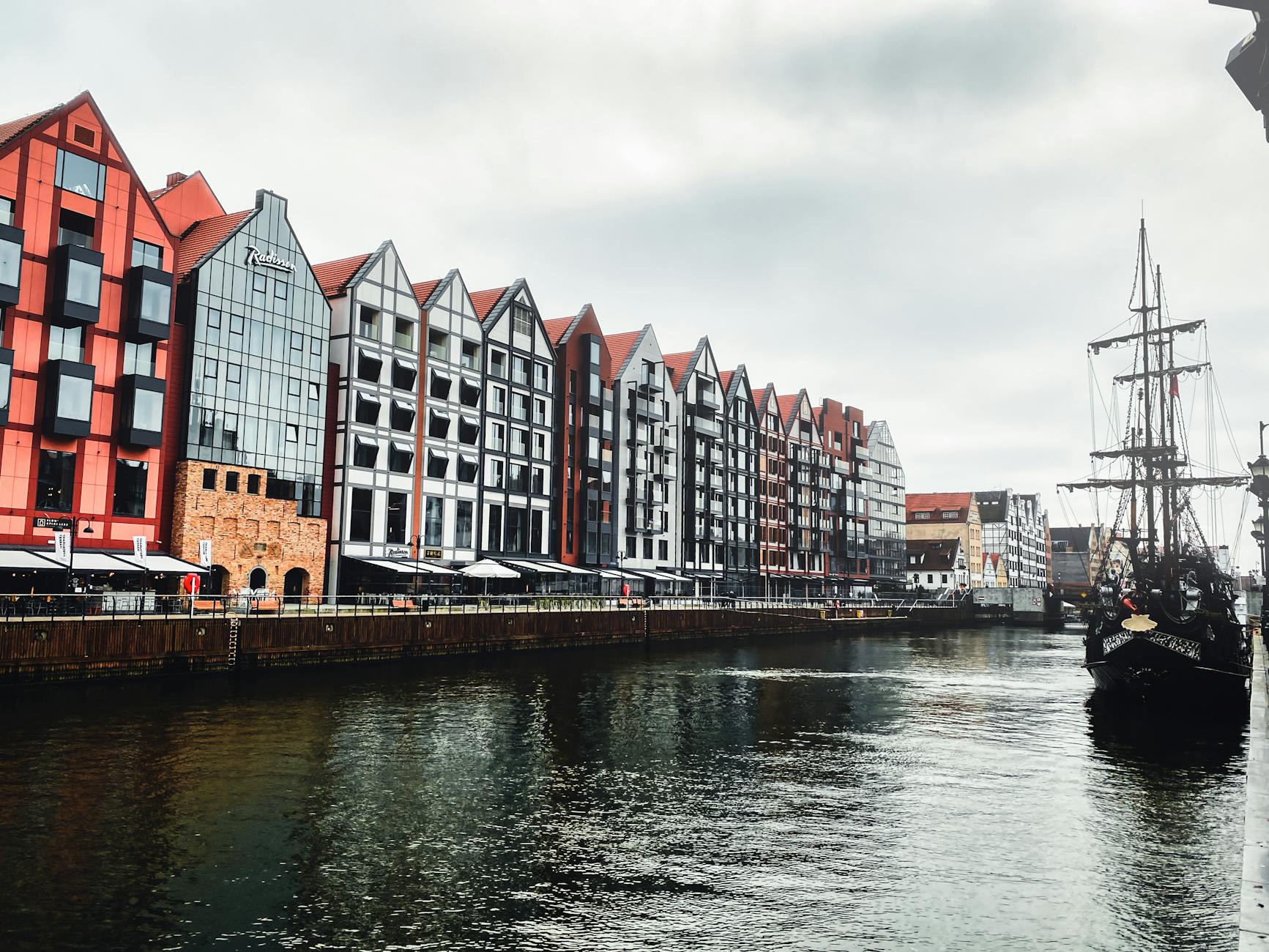
Plan transport for materials and fatigue
A trade-show attendee may be carrying samples, display items, literature, laptop gear, or sponsor material. Walking and public transport can be useful, but they are not always practical with a packed schedule or heavy bags. The attendee should know when direct transport is worth the cost.
Movement should protect the workday.
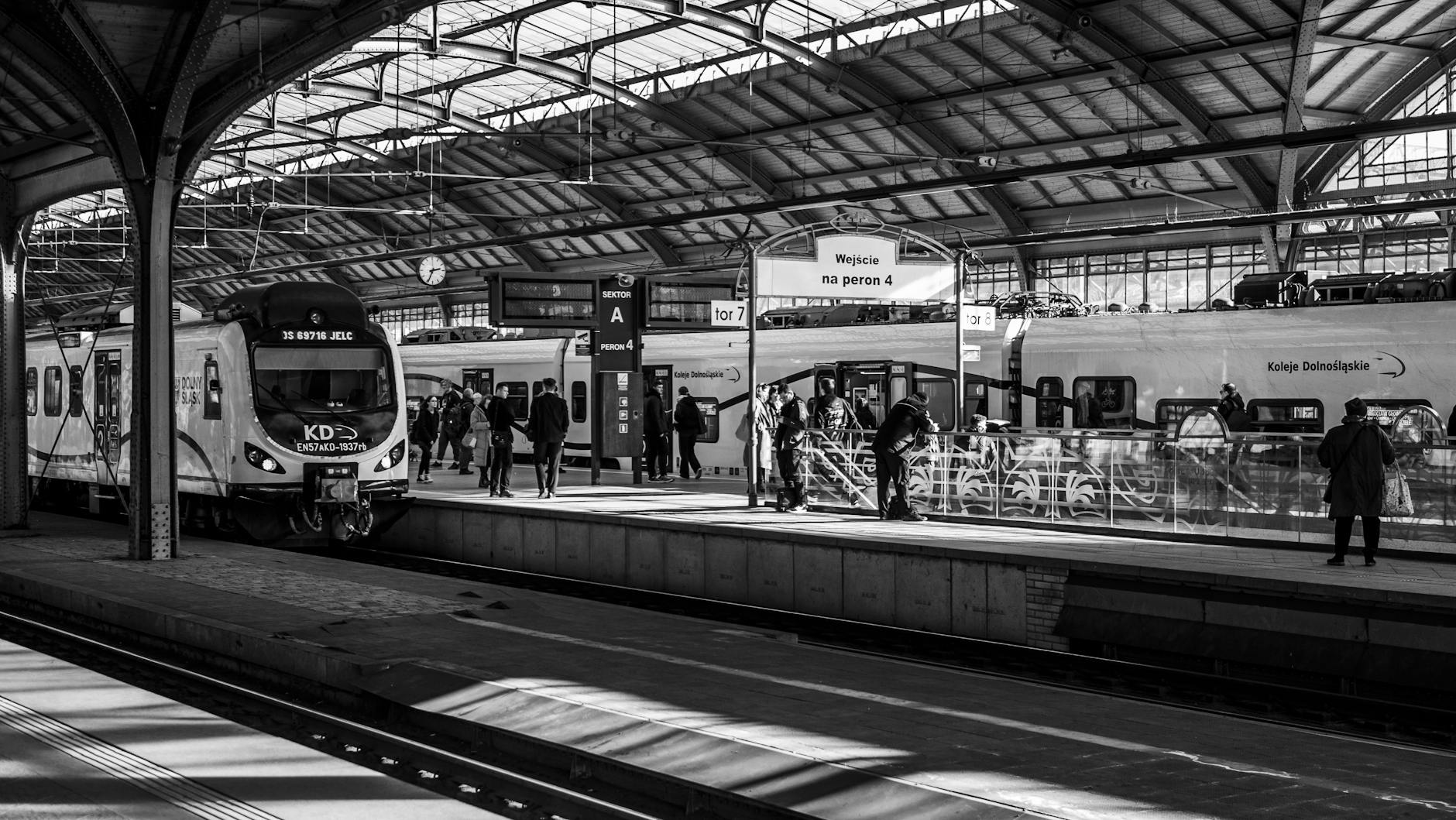
- Prearrange airport, rail, or venue transfers when luggage or materials are involved.
- Check pickup points near hotels, halls, restaurants, and pedestrian streets.
- Use direct transport after long show days, late receptions, bad weather, or client dinners.
Control the booth-day schedule
Trade shows create long standing hours, scattered conversations, device drain, and limited quiet time. The attendee should plan food, water, charging, note capture, sample handling, and breaks before the hall becomes busy. A strong schedule protects both sales and stamina.
The booth day needs operational discipline.
- Carry chargers, battery pack, business cards, badge, water, snacks, and a simple note system.
- Identify quiet spaces for calls, follow-up messages, and decompression.
- Avoid booking every break if the hall itself requires sustained attention.
Use networking meals with intent
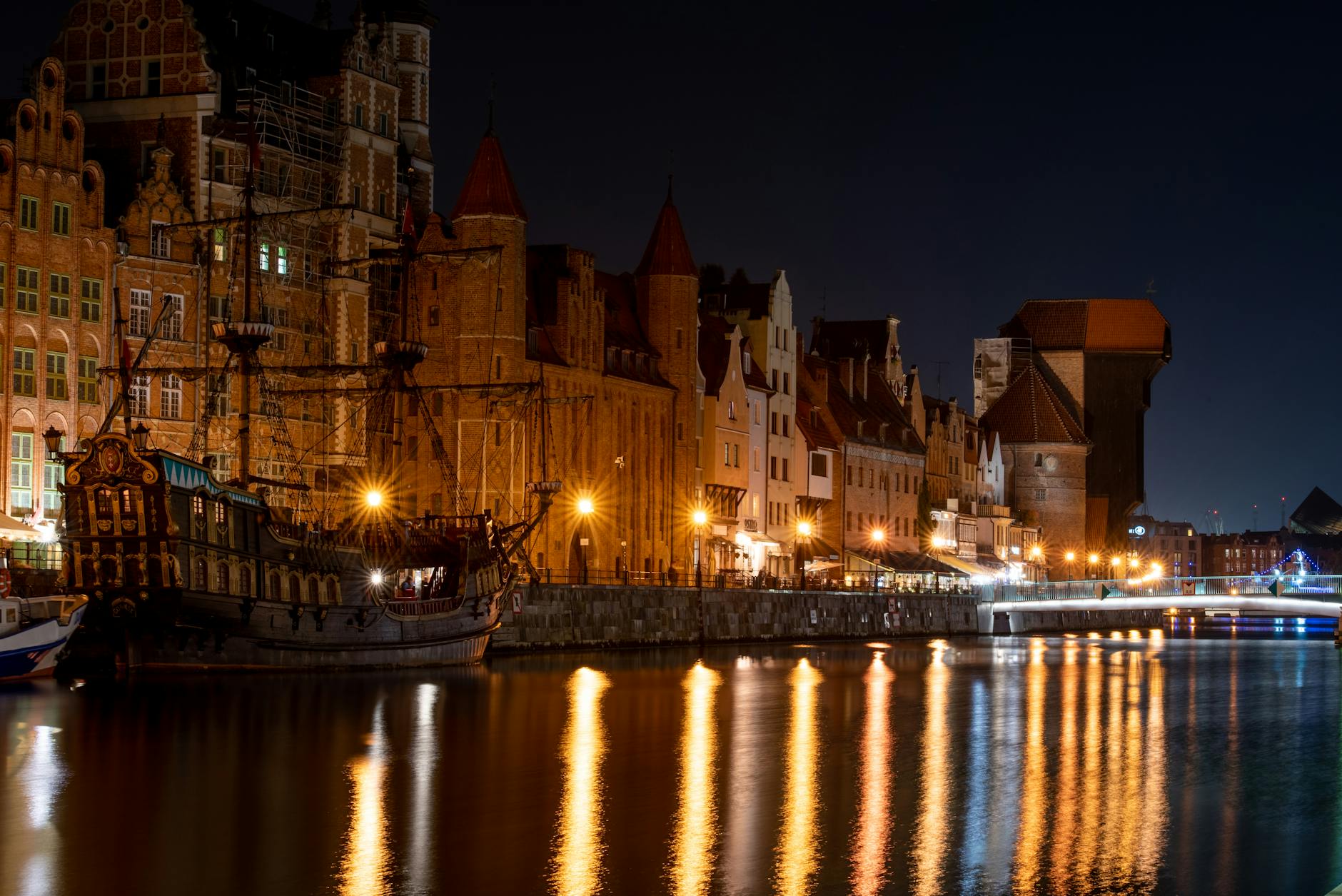
Gdansk can support useful trade-show dinners, coffee meetings, and waterfront conversations, but restaurants should be chosen around geography, noise, timing, and the next morning's obligations. A memorable dinner is less useful if it damages the next sales day.
Networking should fit the show rhythm.
- Choose restaurants or cafes near the venue, hotel, or planned evening route.
- Reserve ahead for client meals, sponsor dinners, or larger groups.
- Keep one lighter evening if the trip includes booth duty, early setup, or a long departure day.
Fit city time around the show
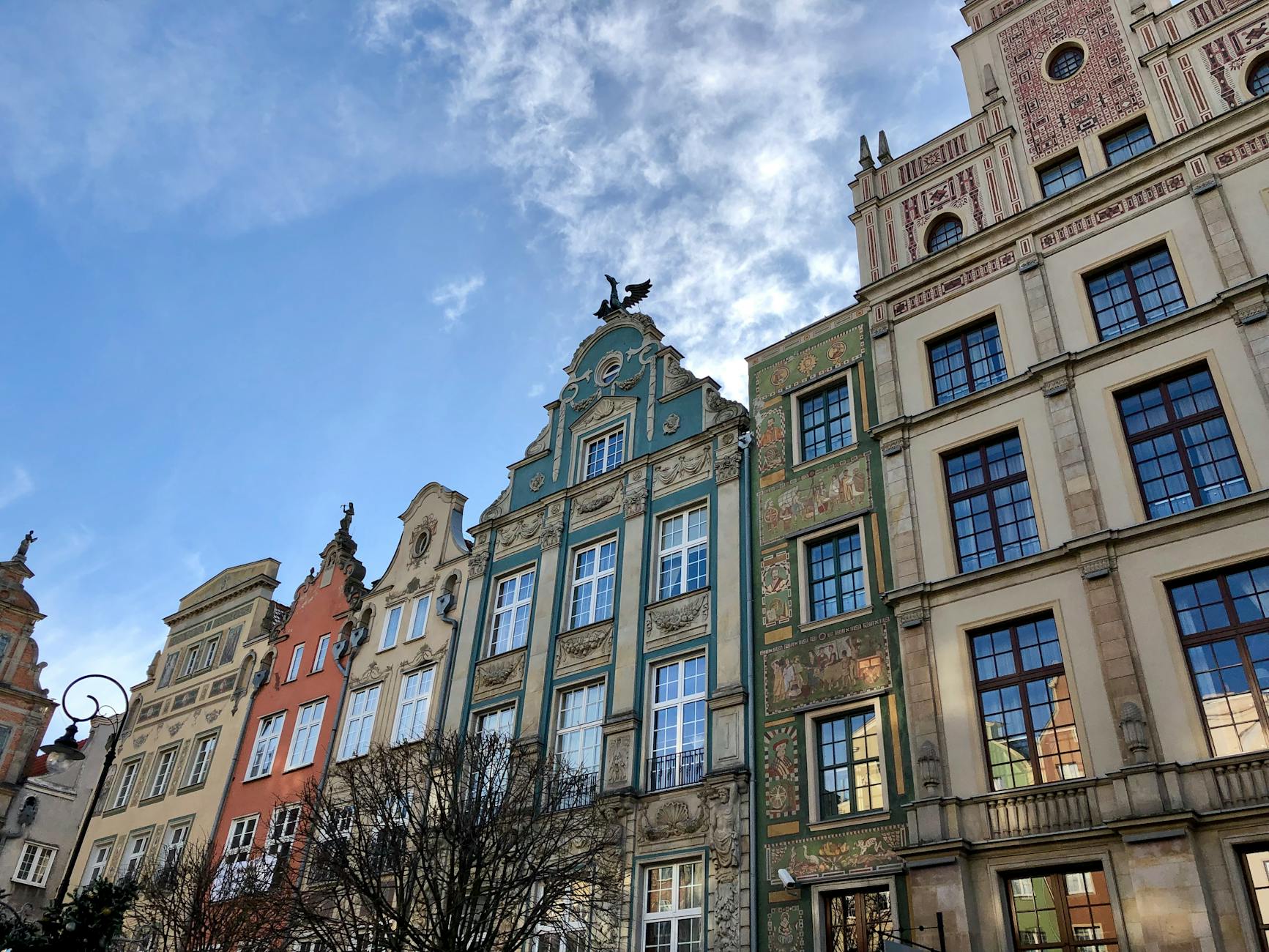
A trade-show attendee may want to see the old town, waterfront, shipyard history, or a quick Tricity stop while in Gdansk. That can work, but city time should not compete with the show purpose. A short walk, focused dinner route, or post-show block is often enough.
The city should add energy, not drain it.
- Use old-town or waterfront routes near the hotel for limited free time.
- Save longer sightseeing or Tricity movement for a free evening or post-show block.
- Avoid ambitious plans before early setup, speaking duties, or a tight departure.
When to order a short-term travel report
A trade-show attendee with an event hotel and simple booth role may not need a custom report. A report becomes useful when the trip includes multiple venues, booth materials, tight arrival timing, client dinners, sponsor events, equipment, accessibility needs, Tricity movement, or departure soon after the show closes.
The report should test venue geography, hotel placement, transport, badge timing, booth needs, meals, networking routes, weather, city time, and departure buffers. The value is a Gdansk trade-show trip that keeps the business day productive.
- Order when venues, hotels, transfers, badge timing, materials, meals, networking, or departure timing need exact planning.
- Provide dates, venue addresses, show schedule, hotel candidates, booth duties, material needs, budget, and arrival details.
- Use the report to keep the trade-show trip punctual, practical, and commercially focused.