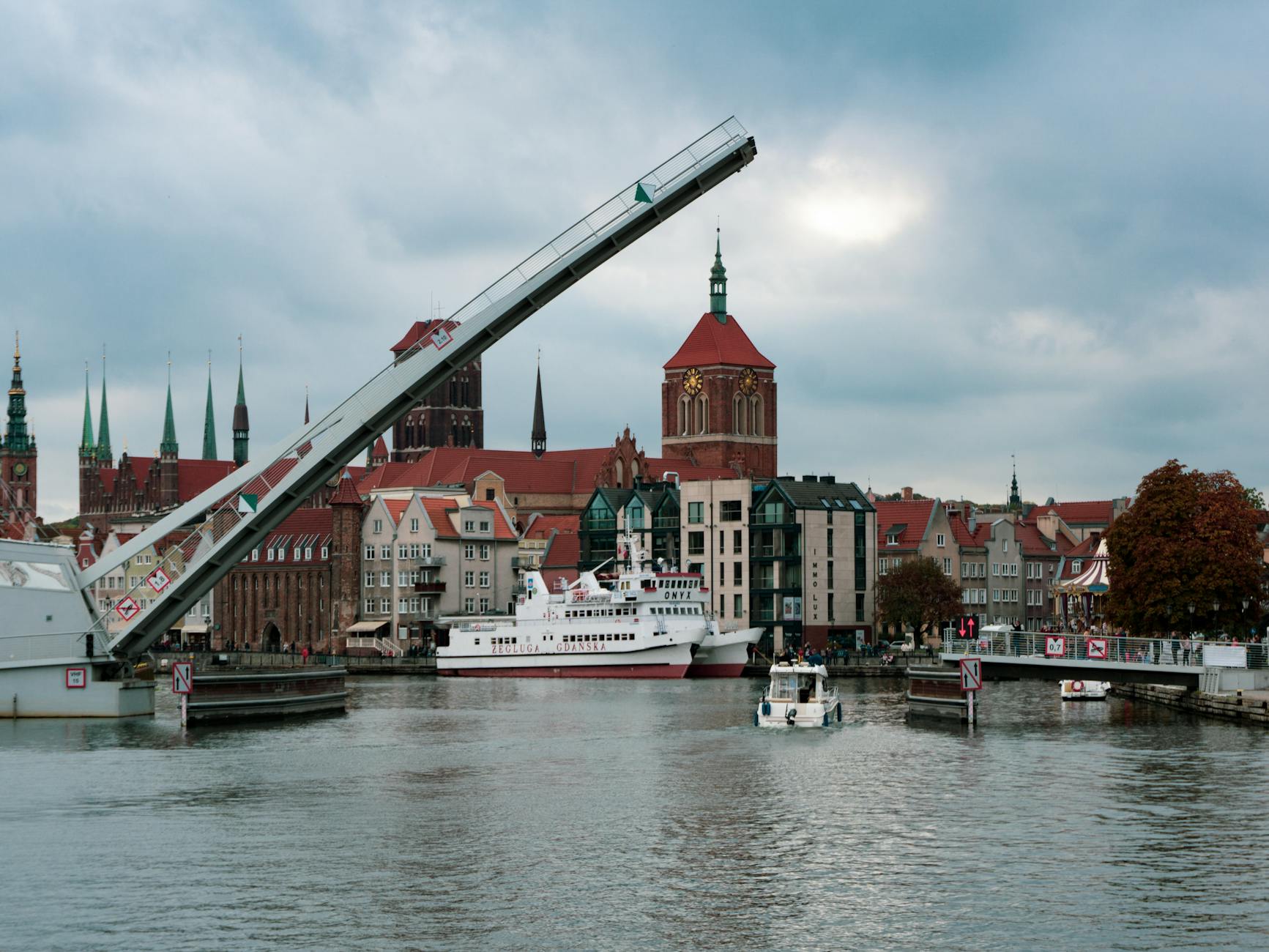
A short program in Gdansk can combine structured learning with a memorable city stay, but students should not treat it like an ordinary vacation. Class or workshop locations, housing rules, transit, budget, study time, meals, group expectations, safety, and free-time choices all need simple planning so the program remains the priority.
Start with the program map
A student should start with the program site, housing, meeting points, orientation venues, classroom buildings, and required excursions. Gdansk is pleasant to explore, but the academic or training schedule should shape the base and daily movement.
The program map is the first itinerary.
- Confirm classroom addresses, meeting points, housing location, check-in rules, and required excursions.
- Save routes between housing, program sites, grocery stops, cafes, and transit.
- Avoid booking side plans before the program schedule is fully understood.
Read housing rules carefully
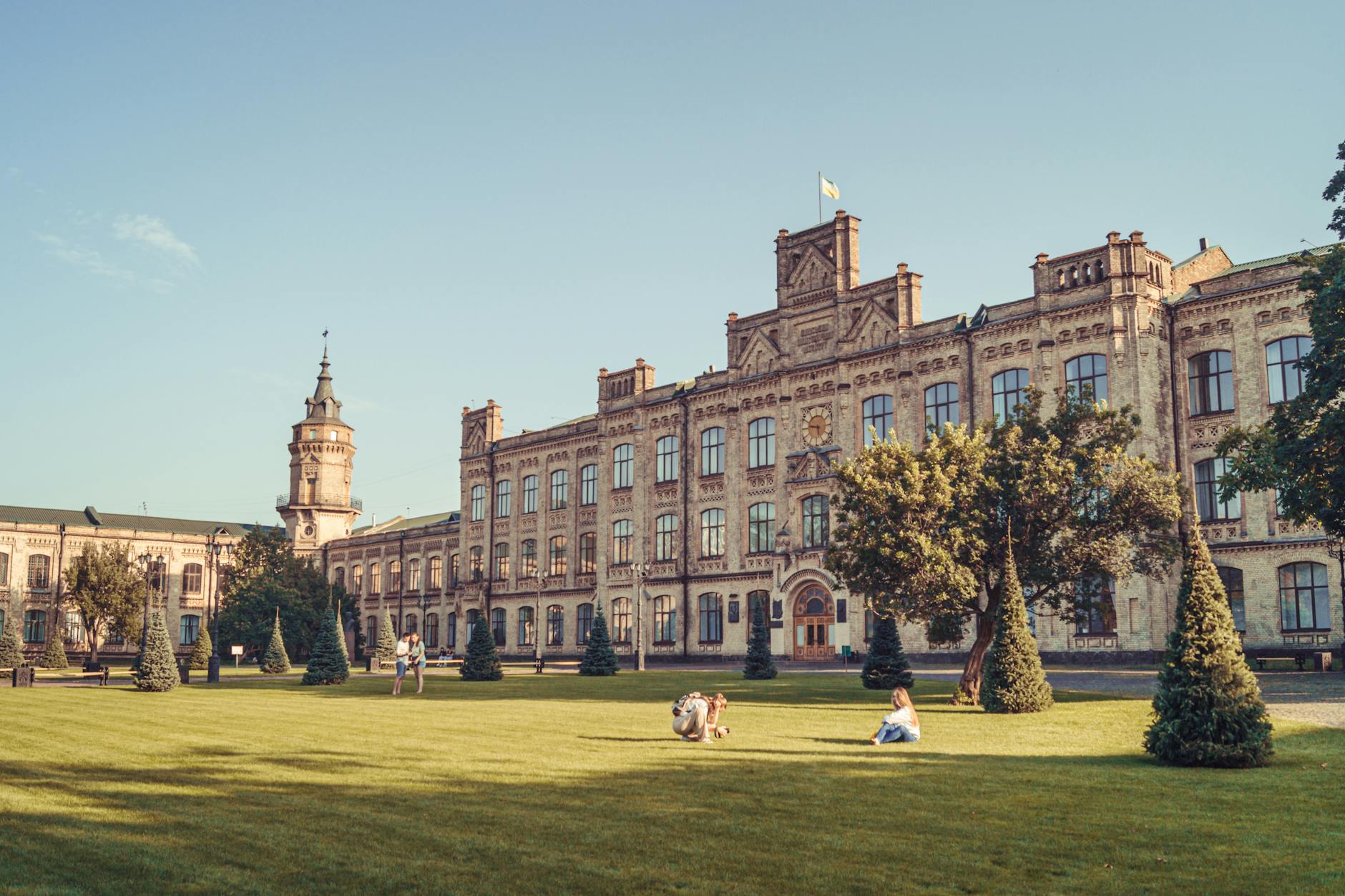
Student housing, hostels, apartments, or budget hotels can each work, but the rules matter. Curfews, guest policies, shared bathrooms, laundry, kitchen access, quiet hours, deposits, luggage storage, and check-in timing can affect the whole stay.
The room should support the program routine.
- Confirm check-in, curfew, guest rules, laundry, kitchen access, bedding, and luggage storage.
- Check noise, safety, reception coverage, and how late returns are handled.
- Choose housing that makes early program starts and study time realistic.
Learn transit before the first class
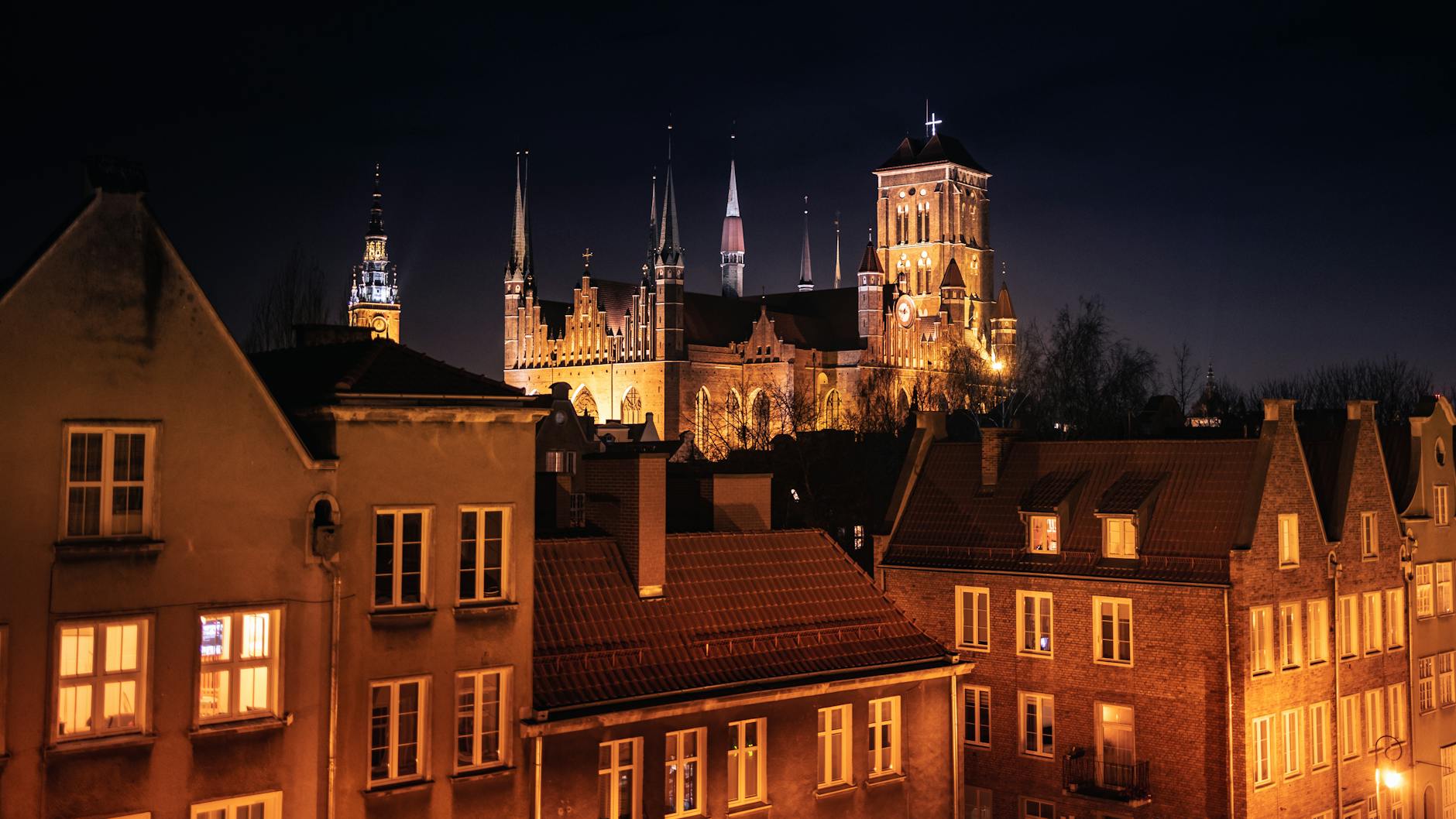
A short program leaves little room for transport confusion. Students should understand trams, buses, rail, walking routes, ticketing, and backup taxis before the first required session. Weather and early starts can make a familiar route even more valuable.
Transit confidence protects attendance.
- Practice or map the route from housing to the program site before the first formal day.
- Save ticketing details, stops, walking segments, and backup transport offline.
- Build extra time for rain, crowds, construction, and unfamiliar platforms.
Protect study and recovery time
Short programs can be dense, especially when classes, tours, group meals, assignments, and social plans stack together. Students should leave time for reading, notes, laundry, messages home, sleep, and quiet recovery.
Learning needs unused space.
- Identify quiet cafes, libraries, or housing spaces for reading and assignment work.
- Carry chargers, adapters, headphones, notebooks, and offline program documents.
- Avoid filling every evening if the program has early starts or assessed work.
Use museums and city time as learning support
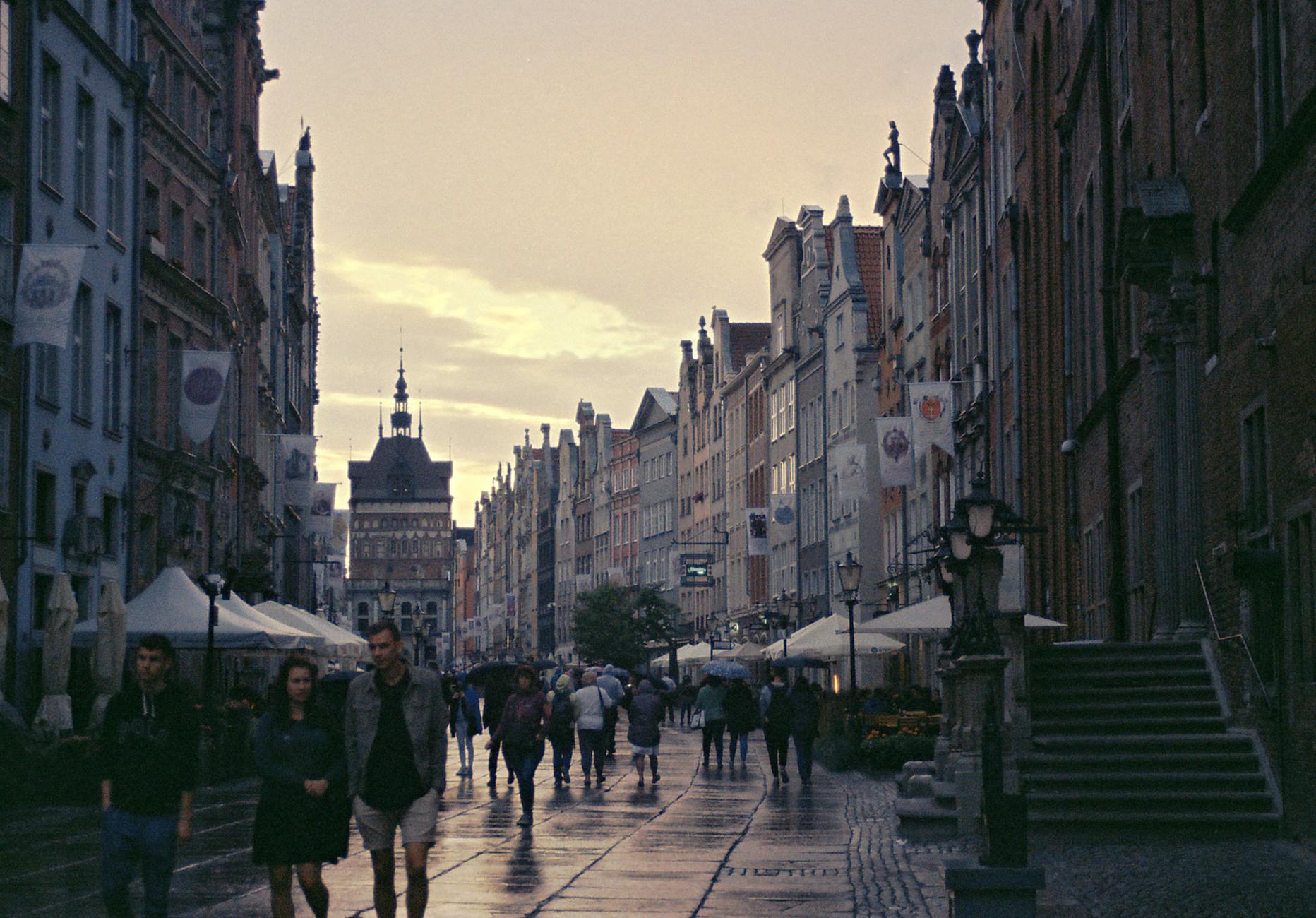
Gdansk's museums, shipyard history, waterfront, churches, and old-town streets can deepen a short program when chosen well. The student should connect free time to the course theme where possible rather than chasing every sight.
The city can become part of the classroom.
- Choose museums, walks, or guided visits that support the program topic.
- Check student discounts, opening hours, ticket rules, and visit length.
- Balance heavy historical visits with lighter social or rest time.
Control the budget and social plan
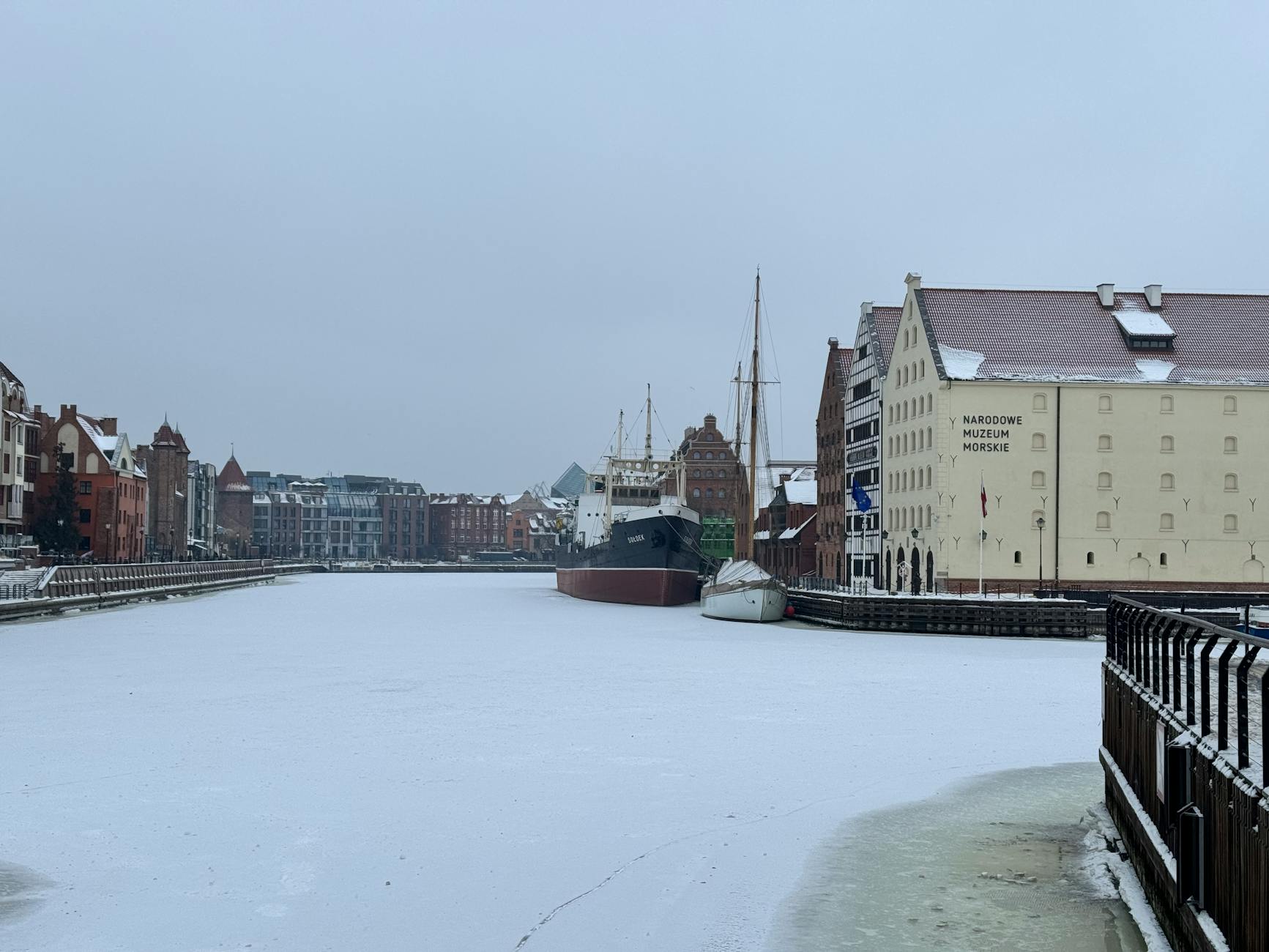
Student budgets can be weakened by small daily choices: scenic-area meals, repeated rides, late-night taxis, unplanned tickets, and convenience snacks. Social plans matter too, especially when the group is new and the city is unfamiliar.
The budget should include real daily behavior.
- Plan groceries, casual meals, cafes, transit, museum fees, laundry, and one or two planned treats.
- Keep phone battery, payment backup, ID, housing address, and emergency contacts available.
- Use group plans and direct transport when returning late or in bad weather.

When to order a short-term travel report
A student on a highly organized program may not need a custom report. A report becomes useful when the student must choose housing, manage independent arrival, handle accessibility or dietary needs, control budget, plan free time, move around the Tricity, or depart soon after the program ends.
The report should test program geography, housing, transit, budget, meals, study spaces, safety, weather, free-time options, and departure buffers. The value is a Gdansk short-program stay that supports learning without making daily logistics harder than necessary.
- Order when housing, transit, budget, meals, study time, safety, free time, or departure timing need exact planning.
- Provide dates, program sites, housing candidates, budget, dietary needs, mobility needs, interests, and arrival details.
- Use the report to keep the student stay structured, affordable, and workable.