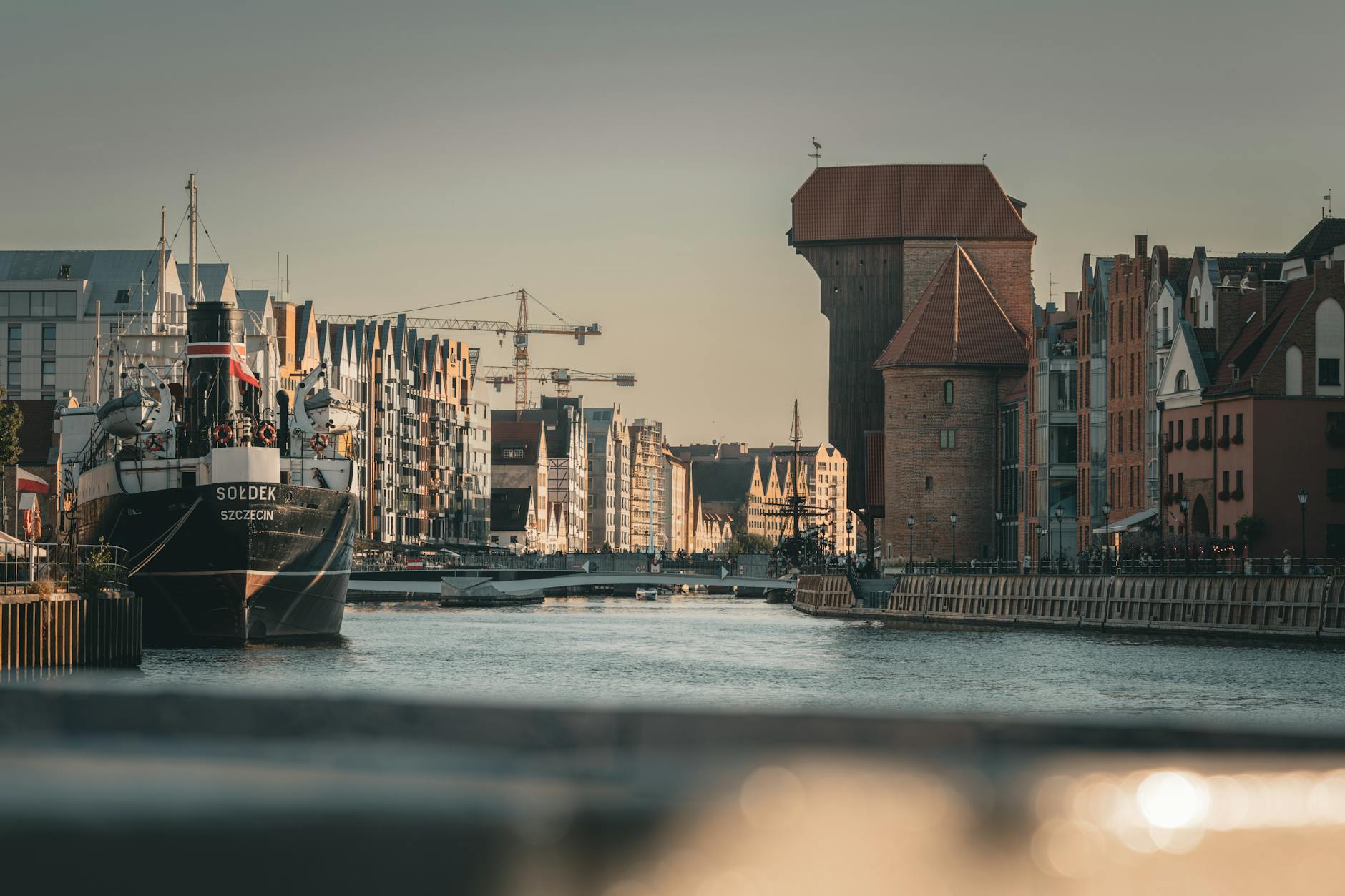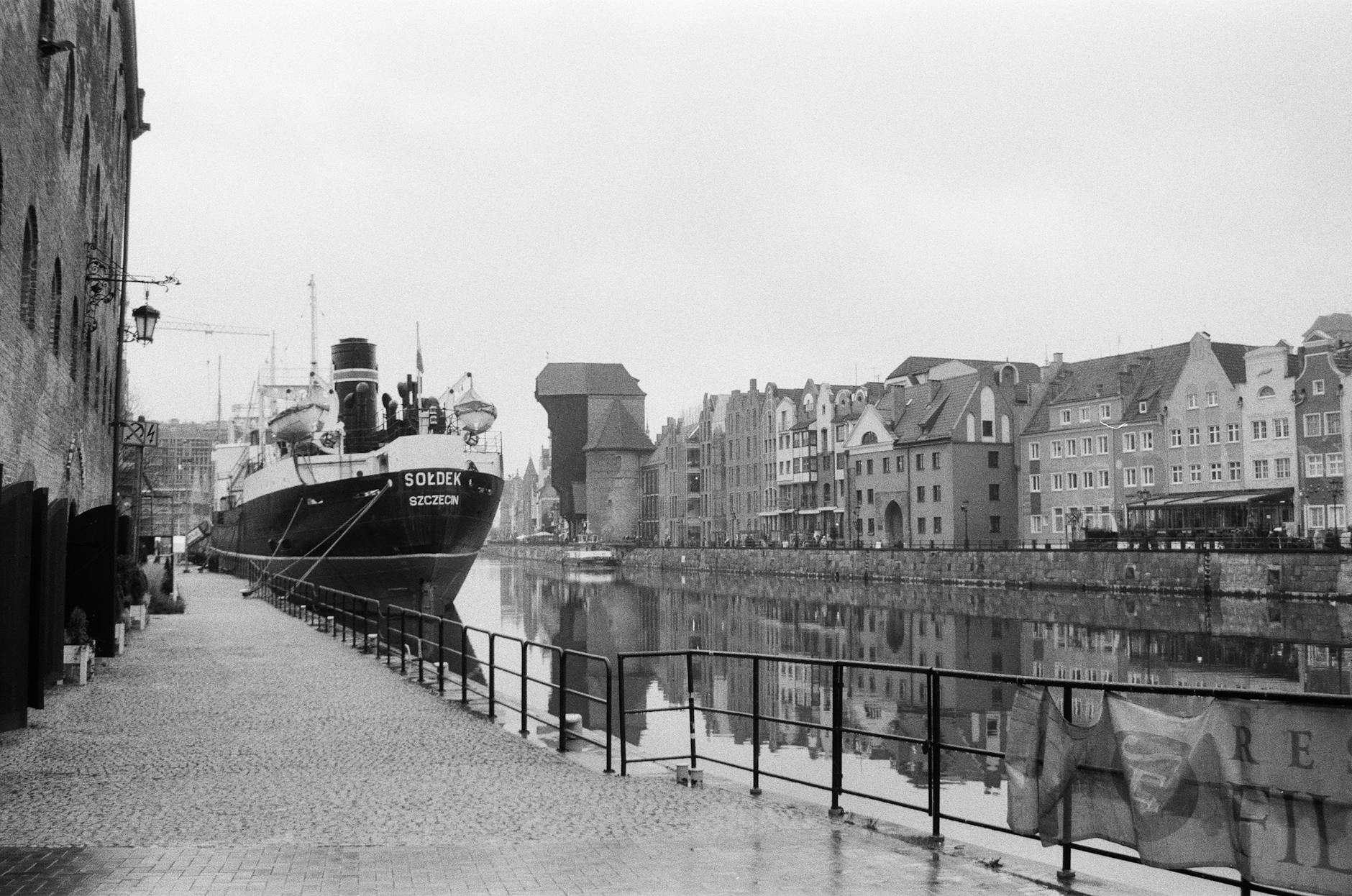
A short sales trip to Gdansk is judged by readiness, timing, and follow-through. The city can be easy to enjoy, but the sales traveler should plan first around client sites, hotel function, transport buffers, meeting rooms, materials, meals, and the quiet work time needed after conversations. The old town and waterfront are useful only when the commercial purpose remains protected.
Map accounts before choosing the hotel
A sales traveler should start with account locations, meeting rooms, prospect offices, dinner plans, and airport or rail routes. A scenic old-town base can be helpful, but only if it supports punctual meetings and quick recovery between appointments.
The account map should guide the base.
- Confirm client addresses, meeting entrances, visitor rules, parking or taxi access, and dinner locations.
- Compare old town, waterfront, airport, and Tricity bases against the actual account route.
- Choose lodging that protects morning timing and gives a simple return after late follow-up.
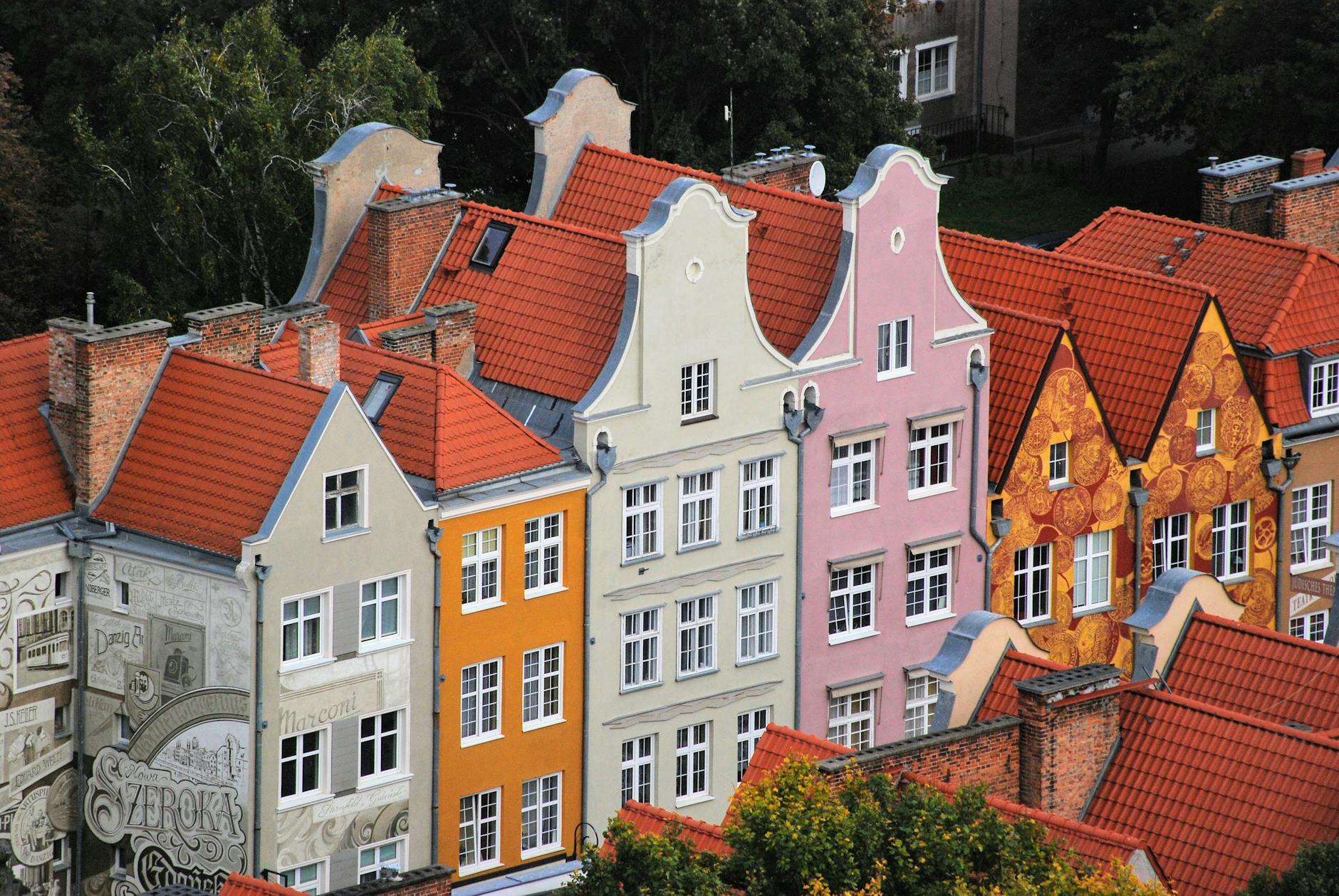
Prepare materials for the road
Sales travel depends on small practical details: samples, decks, proposal notes, order forms, chargers, adapters, business cards, and backup files. A missed item can damage a short trip because there may be little time to recover locally.
Materials should be checked before departure.
- Carry critical sales materials, devices, chargers, medication, and customer notes in hand luggage.
- Keep offline copies of decks, pricing, contracts, and contact details.
- Confirm whether printed material, samples, or demo equipment need storage at the hotel.
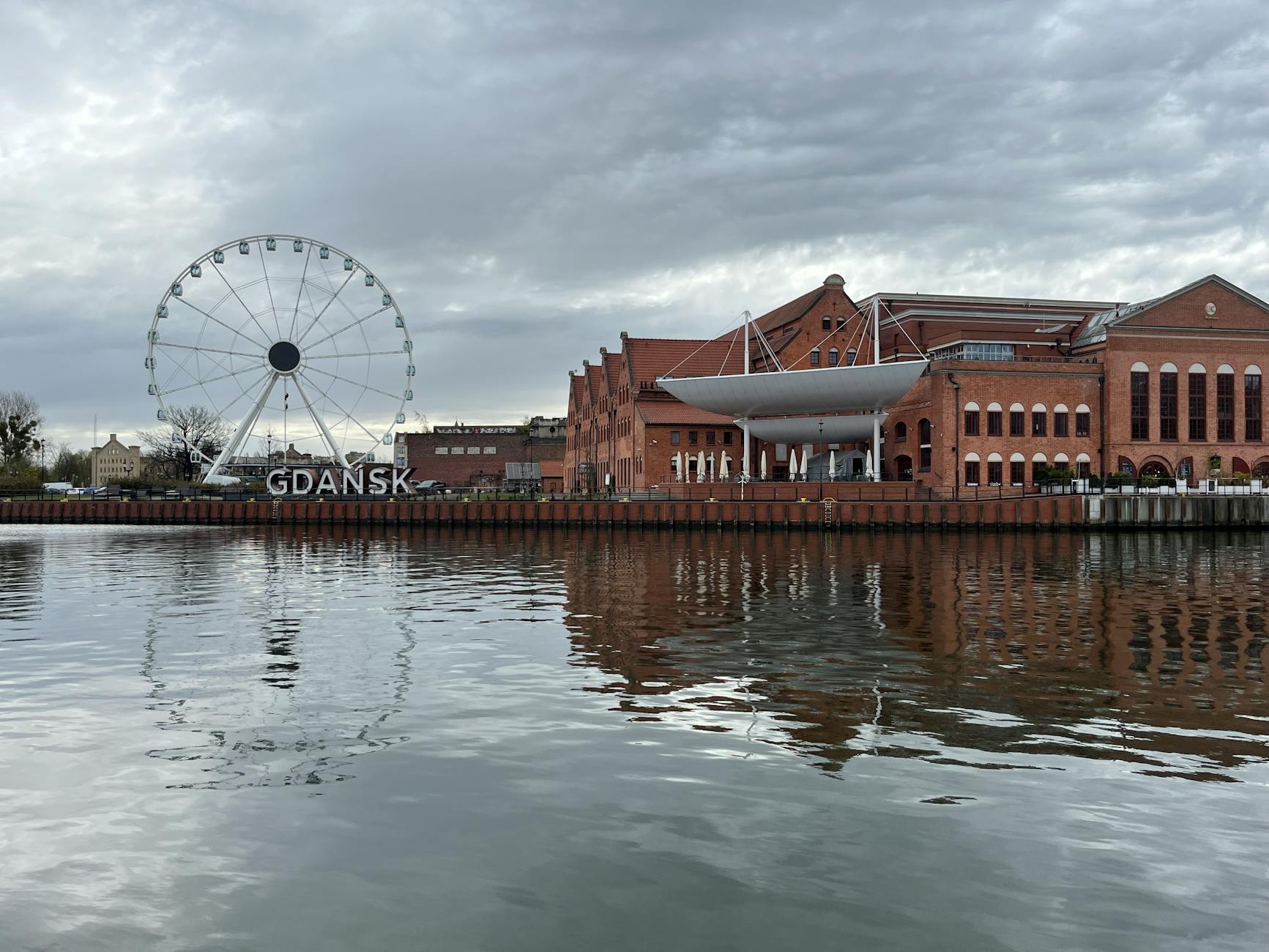
Plan transport around punctuality
A sales traveler should not rely on optimistic travel times. Airport arrival, rail connections, taxis, trams, industrial areas, pedestrian streets, rain, and cross-Tricity movement can all add friction. The best route is the one with a backup.
Punctuality needs visible margin.
- Prearrange transfers for early meetings, unfamiliar sites, luggage-heavy arrivals, or sample transport.
- Save backup taxi, rail, tram, and hotel details offline.
- Build buffers around bridges, pedestrian streets, weather, and travel between Gdansk, Sopot, and Gdynia.

Protect follow-up time
Sales trips can fail after the meeting if follow-up is rushed. The traveler may need time for notes, CRM updates, proposal edits, internal calls, and next-step scheduling. That time should be planned before dinners, sightseeing, or long transfers absorb it.
Follow-up is part of the meeting.
- Block quiet time after key meetings for notes, emails, and next actions.
- Identify work-friendly cafes, hotel spaces, or quiet rooms near the route.
- Carry headphones, power bank, adapters, and offline customer information.
Use meals to advance the relationship
Client meals in Gdansk should be chosen for conversation, timing, access, and return logistics. A waterfront dinner can be valuable, but only if noise, service pace, dress, distance, and next morning commitments all make sense.
Meals should support the sales objective.
- Reserve client meals where conversation and transport both work well.
- Keep quick solo meals near the hotel or meeting route for compressed days.
- Avoid crossing the city late unless the relationship value justifies the effort.

Keep city time controlled
A sales traveler may want a short old-town walk, waterfront view, or shipyard-history stop while in Gdansk. That can be useful for decompression and local context, but city time should not weaken preparation, follow-up, or sleep.
Sightseeing should be modest and useful.
- Use short old-town or waterfront routes near the hotel for limited free time.
- Save longer museums or Tricity movement for a genuine open block.
- Avoid late plans before important meetings or early departures.
When to order a short-term travel report
A sales traveler with one central meeting and flexible timing may not need a custom report. A report becomes useful when the trip includes multiple accounts, cross-Tricity movement, samples, tight arrival timing, client dinners, follow-up blocks, weather risk, or departure soon after meetings.
The report should test account geography, hotel function, transfers, meeting timing, work blocks, meals, city time, weather, and departure buffers. The value is a Gdansk sales trip that keeps the commercial work sharp.
- Order when client sites, hotels, transfers, materials, meals, follow-up time, weather, or departure timing need exact planning.
- Provide dates, account addresses, schedule, hotel candidates, sales materials, meal plans, budget, and arrival details.
- Use the report to keep the sales trip punctual, focused, and practical.