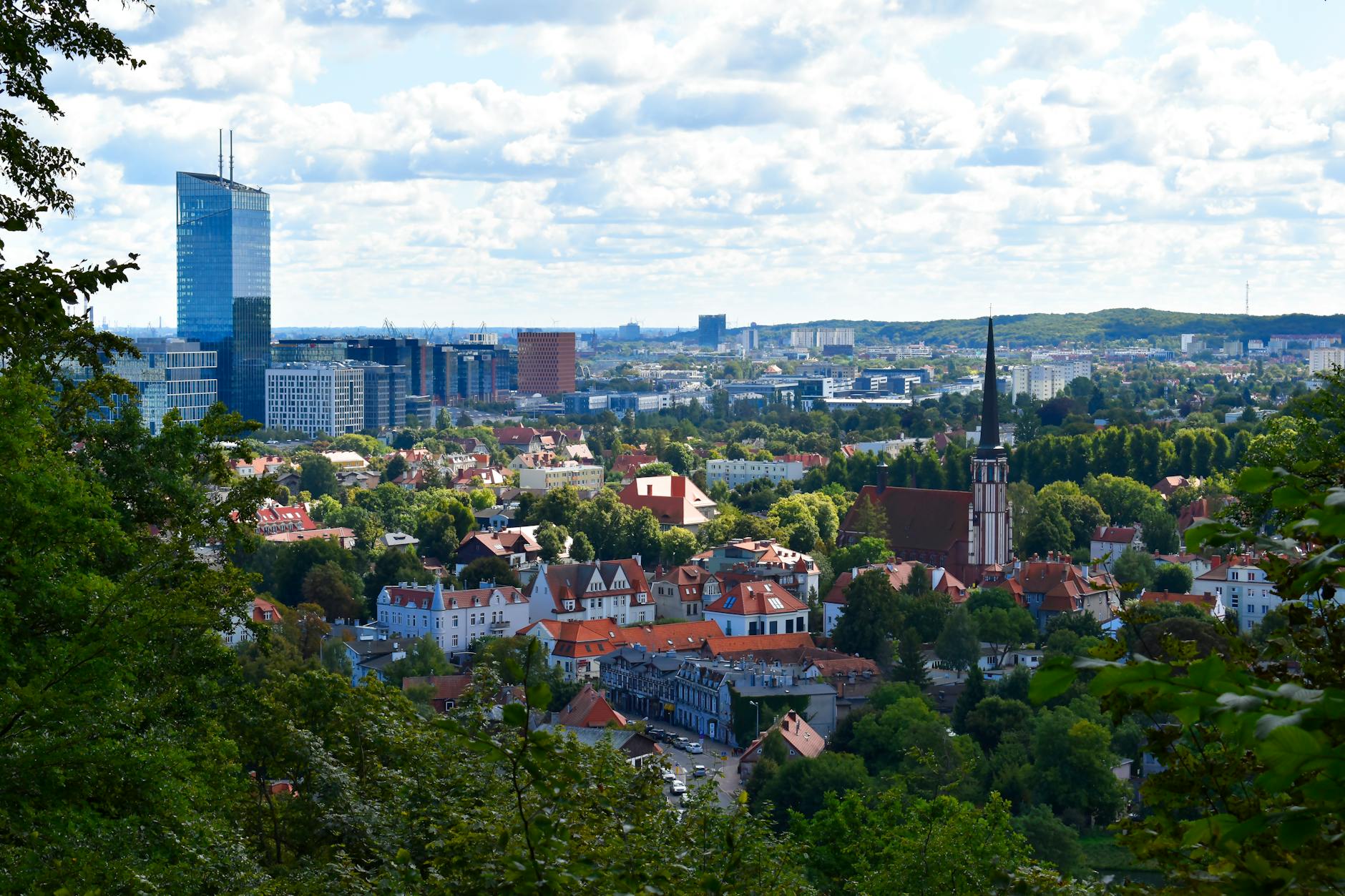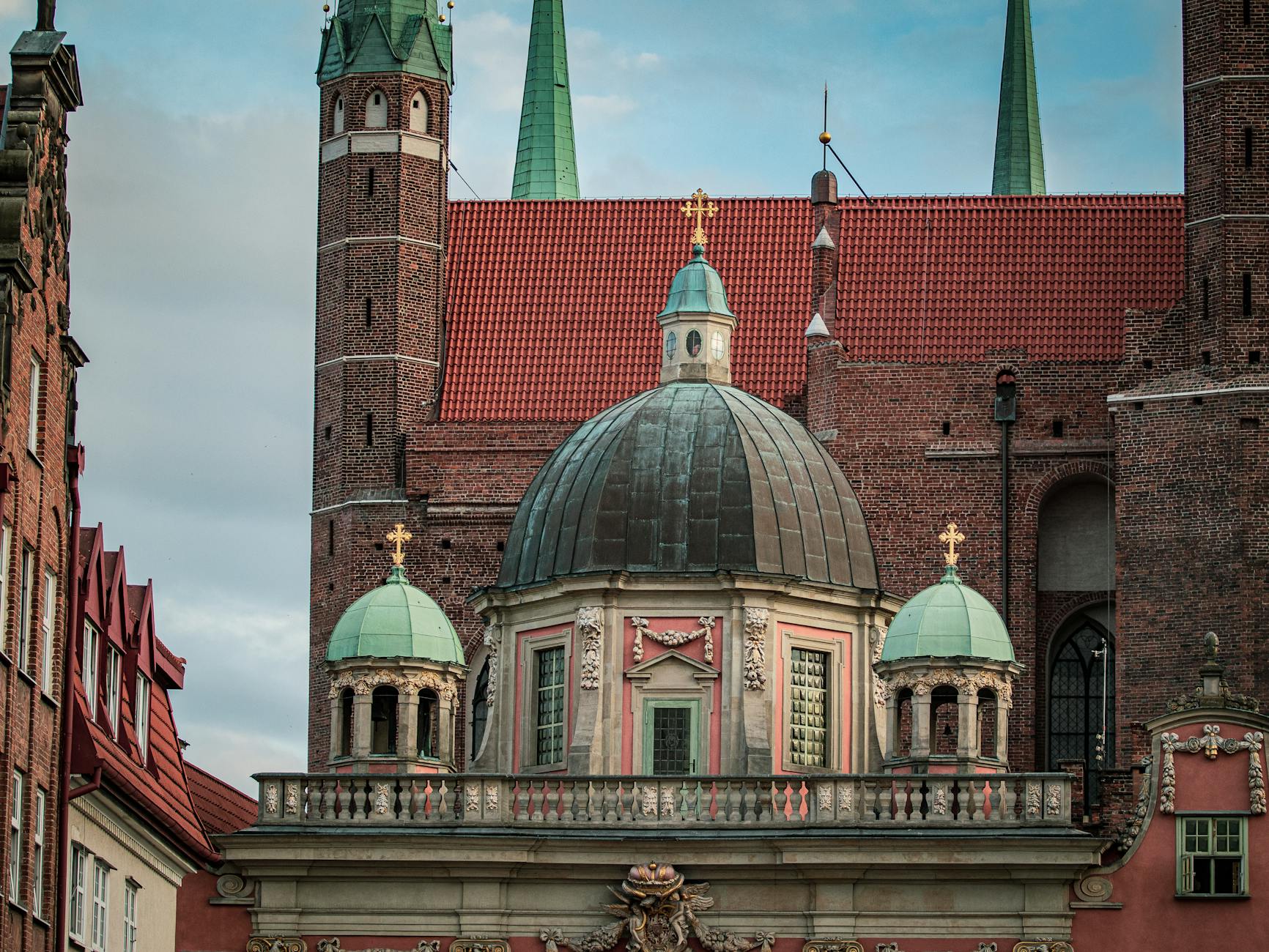
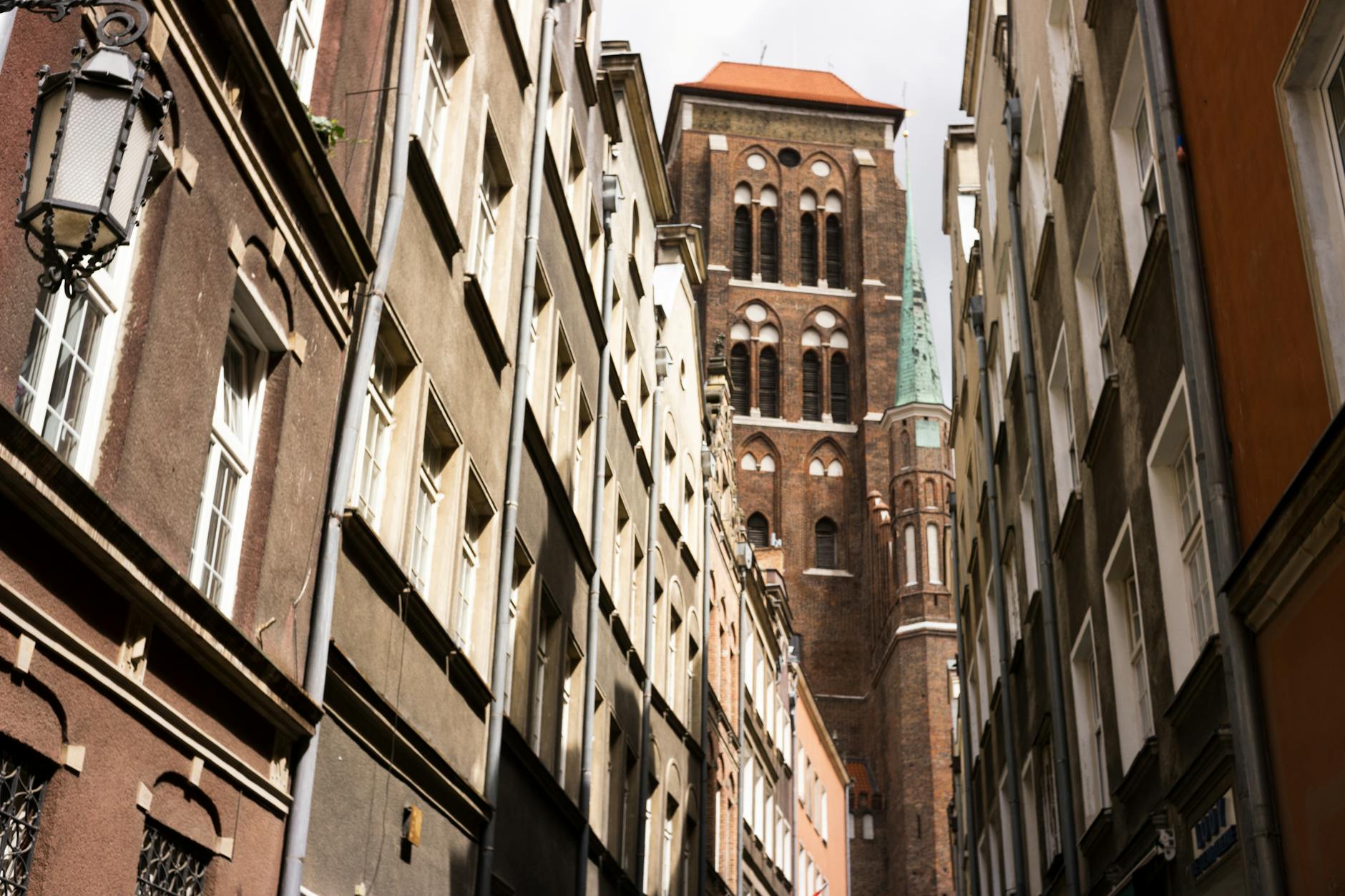
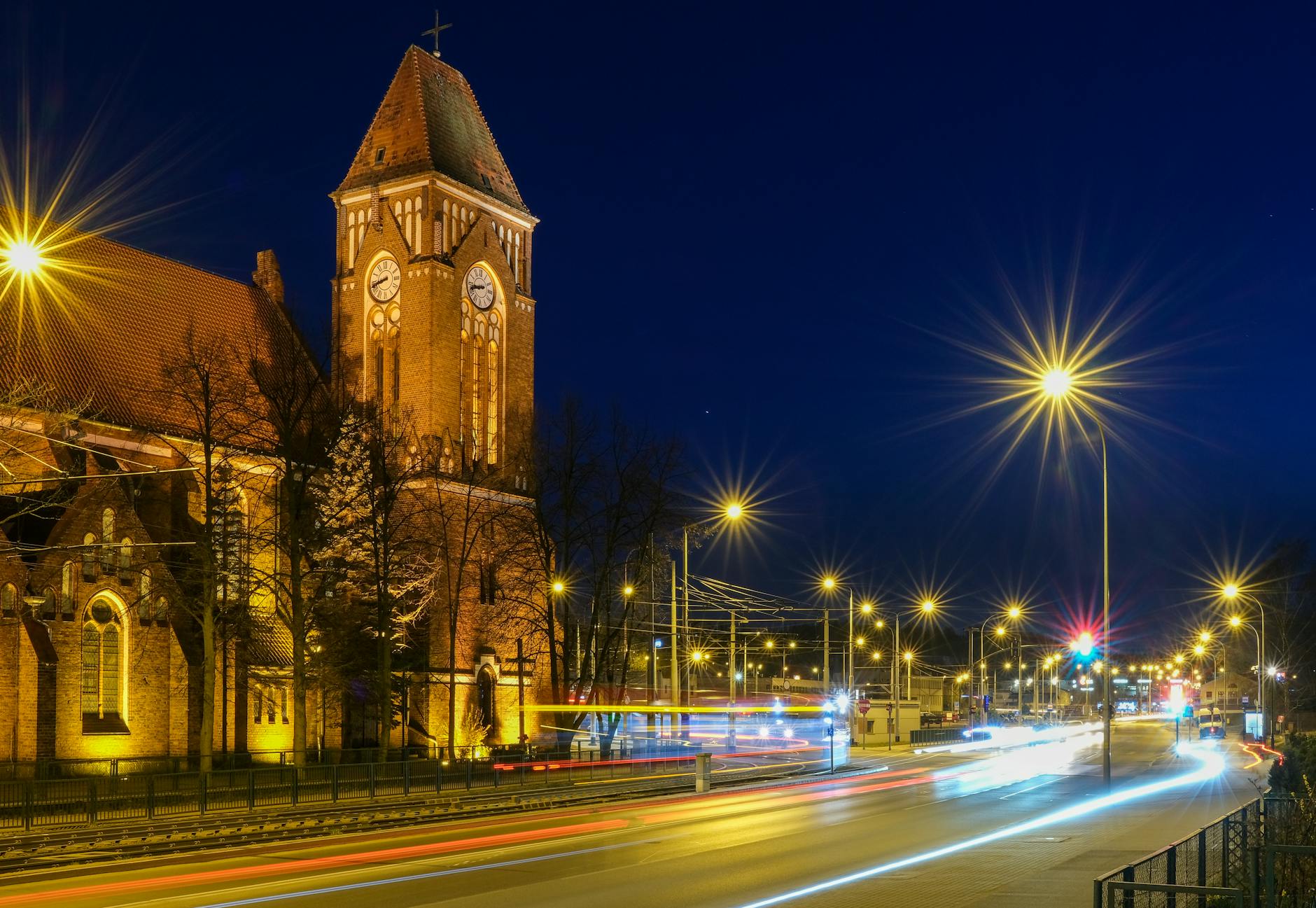
A short religious or pilgrimage trip to Gdansk can include St. Mary's Basilica, Oliwa Cathedral, historic churches, cemeteries, memorial sites, and quiet time in the old town or along the waterfront. The traveler should plan the visit around service schedules, respectful conduct, access, transport, weather, and enough unhurried time for the purpose of the trip to remain central.
Start with service times and access rules
A pilgrimage trip should begin with the actual worship schedule, not a sightseeing list. Gdansk churches may have Mass, concerts, private events, visiting hours, restoration work, or restricted interior access. The traveler should know when quiet prayer is possible and when the space is not available for casual entry.
The sacred schedule should lead the day.
- Confirm service times, visiting hours, ticket rules, and photography restrictions before arrival.
- Leave extra time for security, queues, closed chapels, or seasonal access changes.
- Avoid treating worship periods as ordinary tourist viewing windows.
Choose a base near the real route
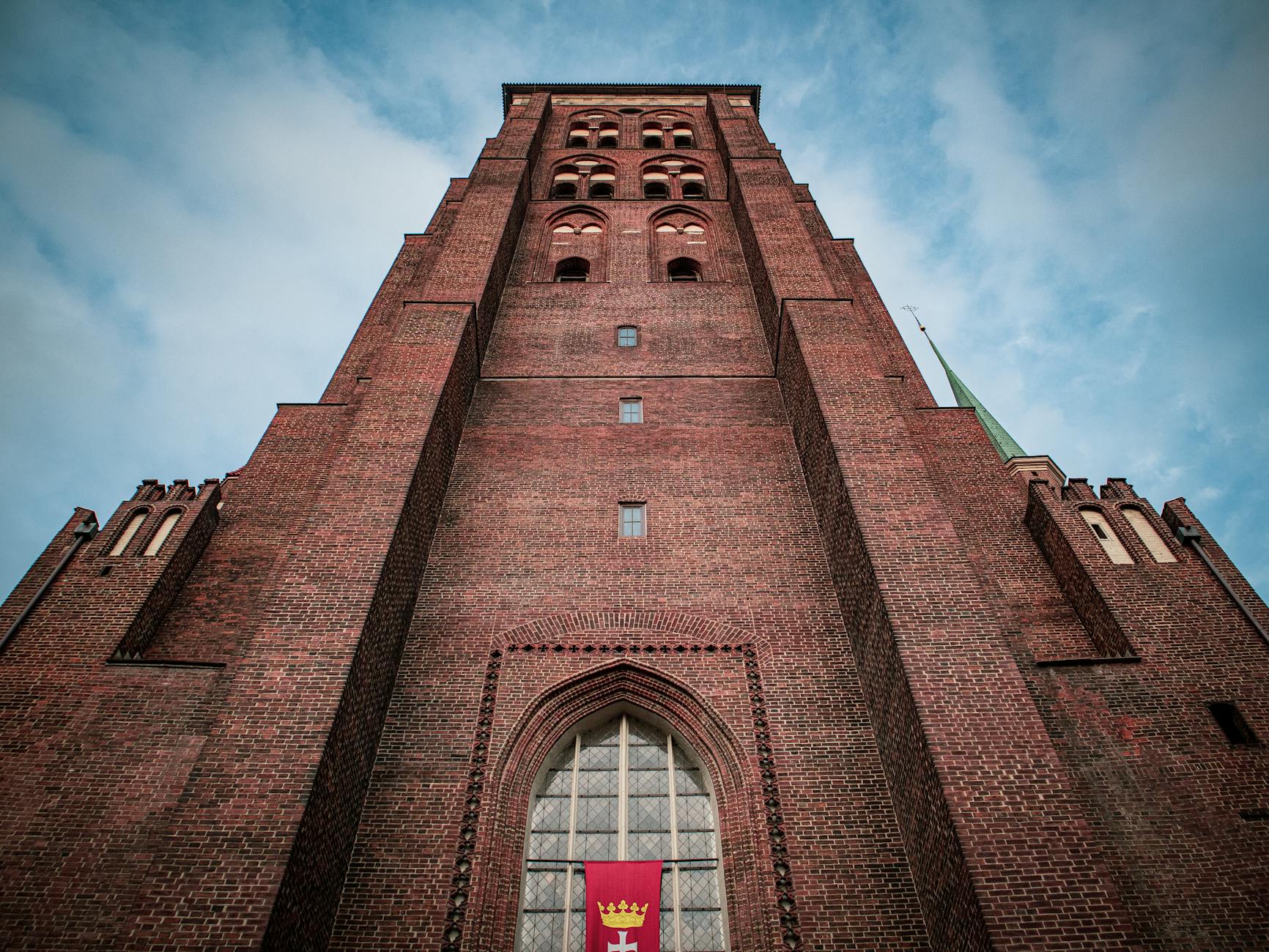
A religious traveler may want to visit St. Mary's Basilica, Oliwa Cathedral, smaller churches, memorials, cemeteries, or partner institutions. Those sites do not all sit on the same easy loop. Lodging should protect the most important visits, not simply place the traveler near restaurants or nightlife.
The base should make the purpose easier.
- Map the main church, shrine, memorial, or meeting site before booking lodging.
- Check tram, rail, taxi, and walking routes for early services and evening returns.
- Choose a base that supports rest, quiet, and simple movement.
Plan quiet time instead of filling every hour
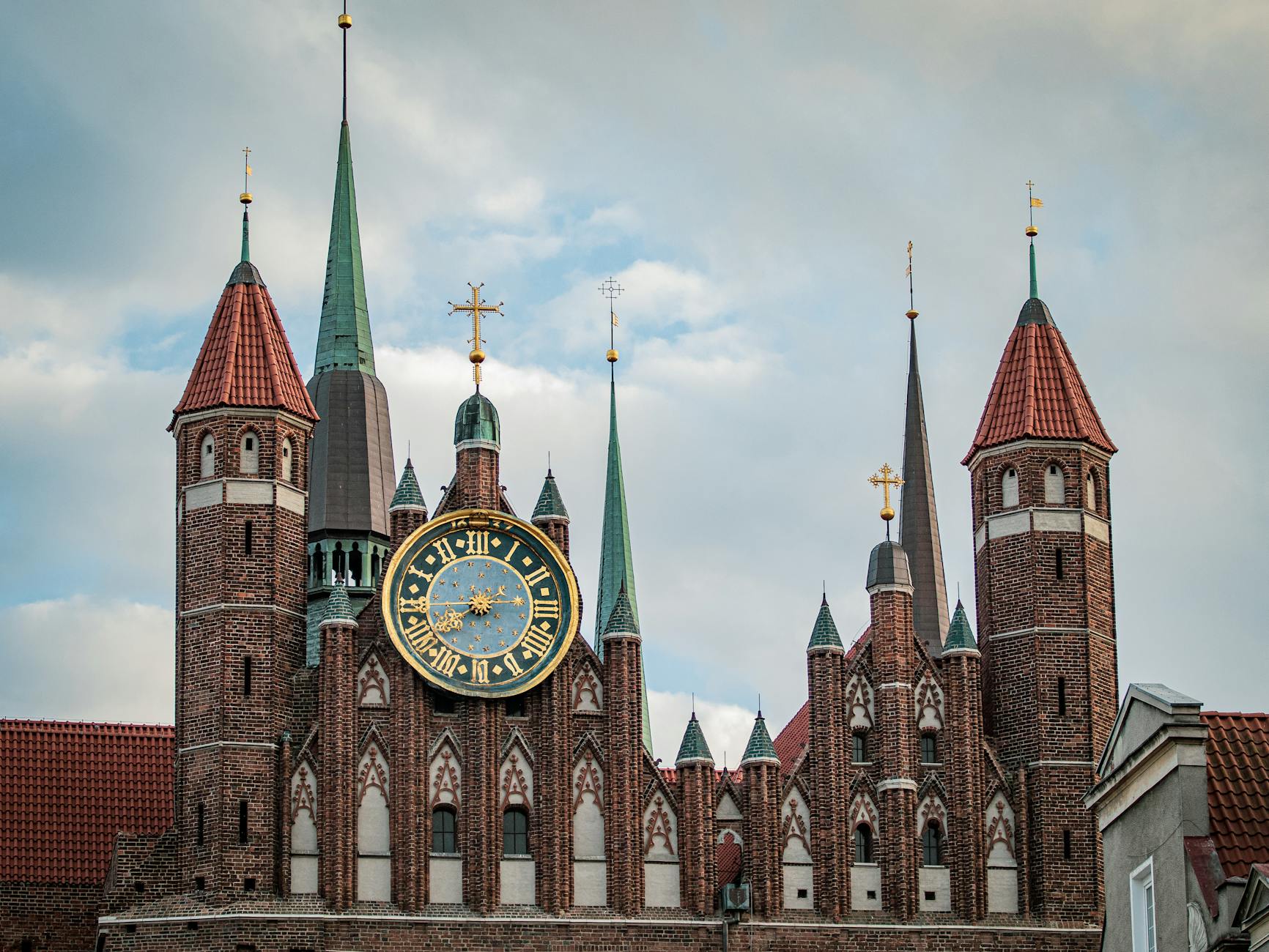
Gdansk can tempt a short visitor into adding museums, restaurants, waterfront walks, and shopping to every open block. A pilgrimage traveler should protect quiet time for prayer, reflection, journaling, or conversation after meaningful visits.
The empty space may be the point of the trip.
- Limit the number of major sites per day so each visit has time to settle.
- Build breaks after emotionally heavy churches, museums, cemeteries, or memorials.
- Keep a sheltered option ready for rain, wind, or fatigue.
Handle photography with restraint
Churches, memorials, worshippers, clergy, candles, funerary spaces, and private prayer should not be treated as open visual material. A traveler who wants photos should ask what is allowed, keep the camera away during services, and avoid turning sensitive spaces into social content.
Respect is part of the itinerary.
- Check signs and staff guidance before photographing interiors, people, or services.
- Use silent settings and step aside if photography is allowed.
- Do not photograph private prayer, confession areas, funerals, or vulnerable visitors.
Use history with humility
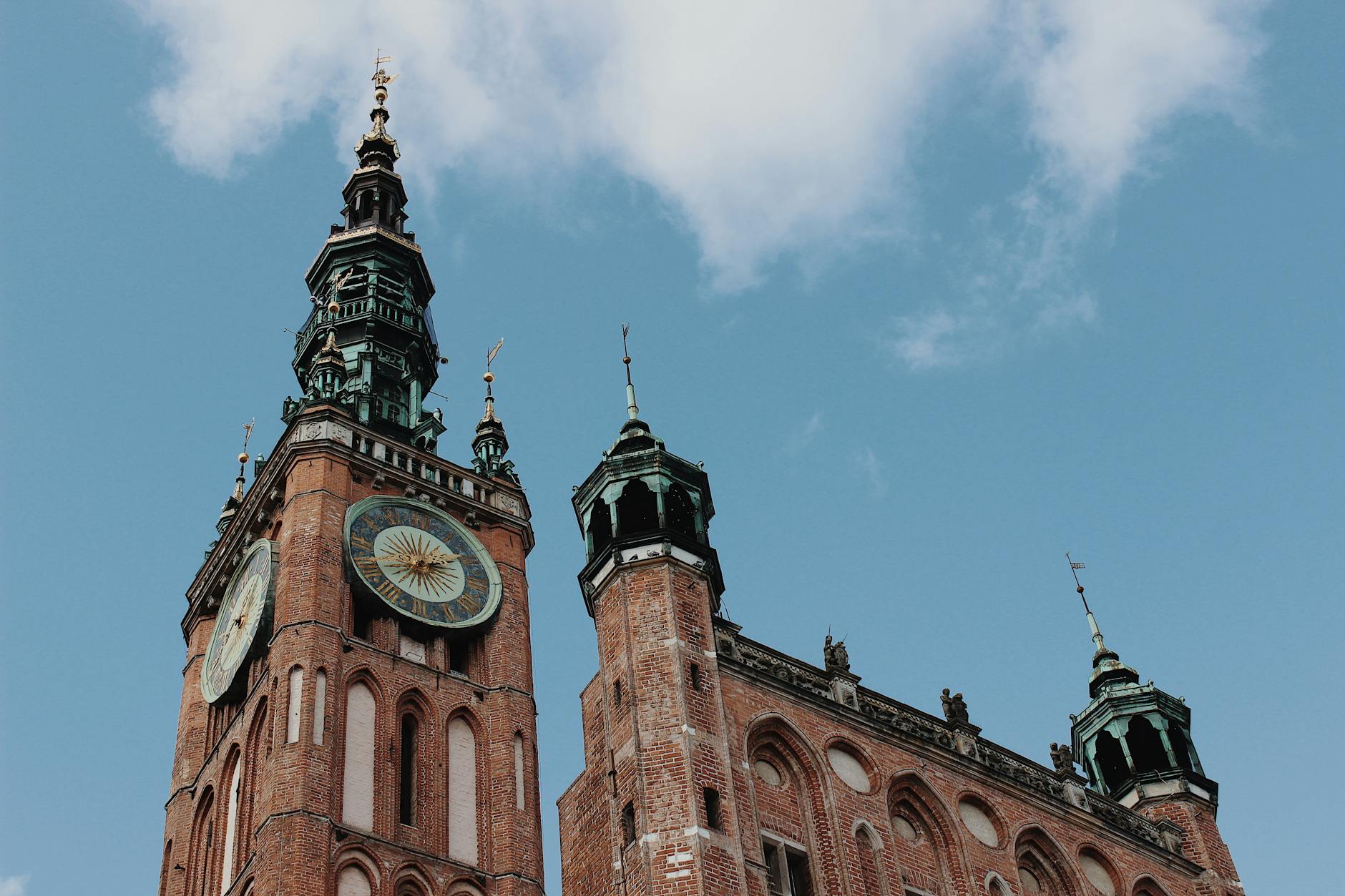
Gdansk's religious and civic history can deepen a pilgrimage trip, especially when the visit touches churches, shipyard memory, wartime sites, or Solidarity-era context. The traveler should approach history as context for understanding, not as a checklist of solemn places.
Meaning needs time and care.
- Choose one or two historical sites that connect directly to the trip purpose.
- Read current visitor rules and opening times before adding museums or memorials.
- Leave room for a guide, clergy contact, local host, or trusted interpreter if needed.
Plan meals, weather, and personal limits
A short religious trip can still be tiring. Long church visits, stone floors, winter cold, rain, stairs, and uneven streets can wear down the traveler faster than expected. Meals, hydration, footwear, medicine, layers, and rest should be planned with the same care as site visits.
Practical comfort protects the purpose.
- Pack comfortable shoes, layers, rain protection, medication, and a small quiet bag.
- Save simple meal and cafe options near major sites and transport stops.
- Check whether dietary needs, fasting plans, or medication timing affect the daily route.
When to order a short-term travel report
A religious traveler with one flexible church visit may not need a custom report. A report becomes useful when the trip includes multiple churches, service schedules, clergy meetings, group movement, mobility needs, quiet lodging, memorial sites, dietary constraints, or a departure soon after a major visit.
The report should test church access, service times, lodging, transport, respectful conduct, meals, weather, quiet blocks, and departure buffers. The value is a Gdansk pilgrimage plan that keeps the trip reverent, practical, and unhurried.
- Order when worship schedules, church access, lodging, mobility, meals, weather, or departure timing need exact planning.
- Provide dates, priority sites, service plans, lodging candidates, dietary needs, mobility needs, budget, and arrival details.
- Use the report to keep the religious trip focused and logistically calm.