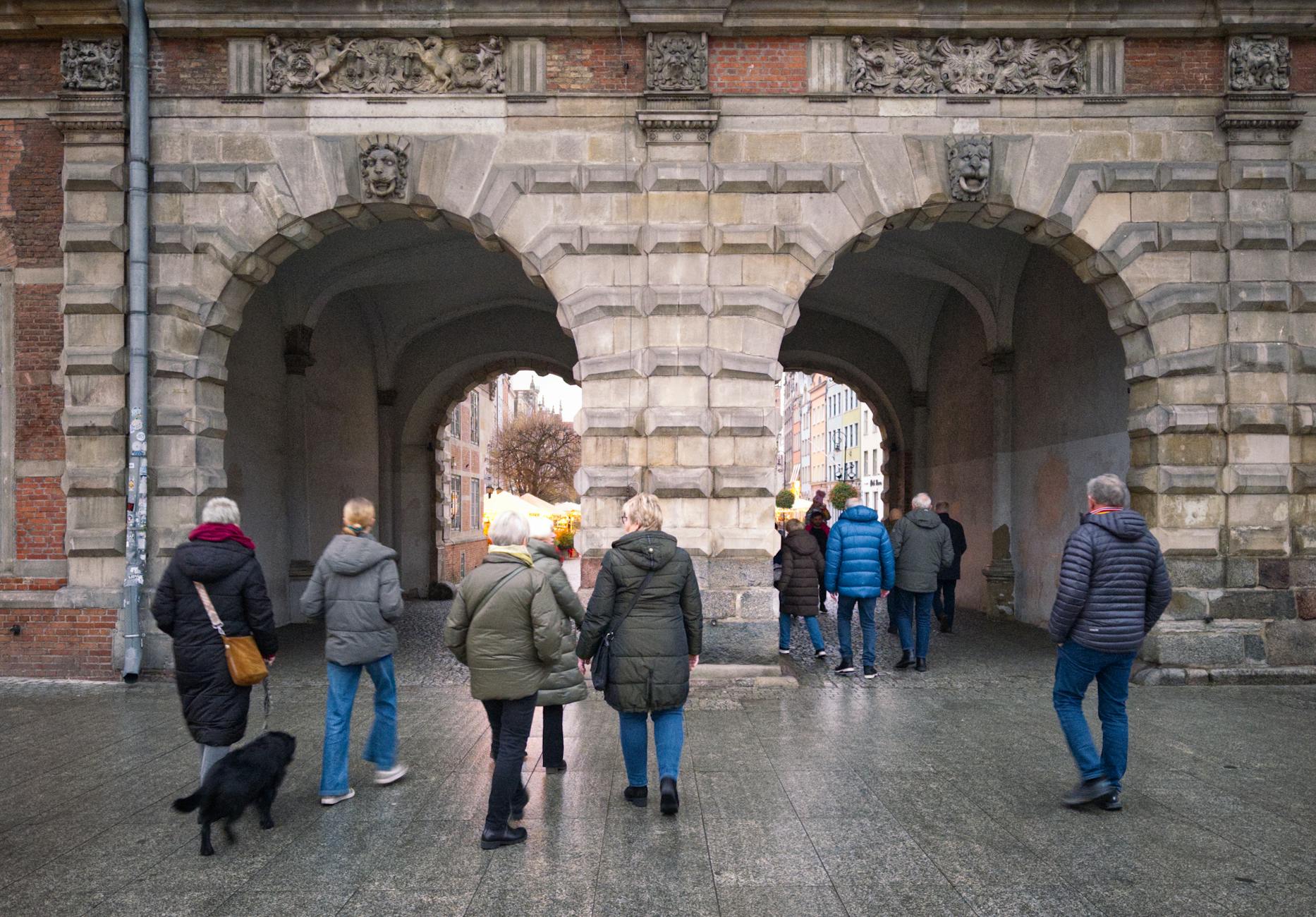
Gdansk can be rewarding for older travelers because much of the short-stay experience can be shaped around the historic center, waterfront, museums, cafes, and scenic routes. The challenge is that cobblestones, stairs, wind, rain, crowds, and Tricity distances can make a simple plan tiring. A good itinerary protects comfort without stripping the city of meaning.
Choose lodging for access first
An older traveler should verify the hotel details that affect daily comfort: elevator access, step-free entry, taxi pickup, quiet rooms, breakfast timing, bathroom setup, and distance to the main route. A charming historic property can still be a poor fit if it adds stairs or difficult bag handling.
Access should come before atmosphere.
- Confirm elevator access, room location, shower type, bed height, air conditioning or heating, and luggage help.
- Check whether taxis can stop near the entrance or only at the edge of a pedestrian zone.
- Choose a base close enough for a midday rest between sightseeing blocks.
Respect cobblestones, wind, and weather
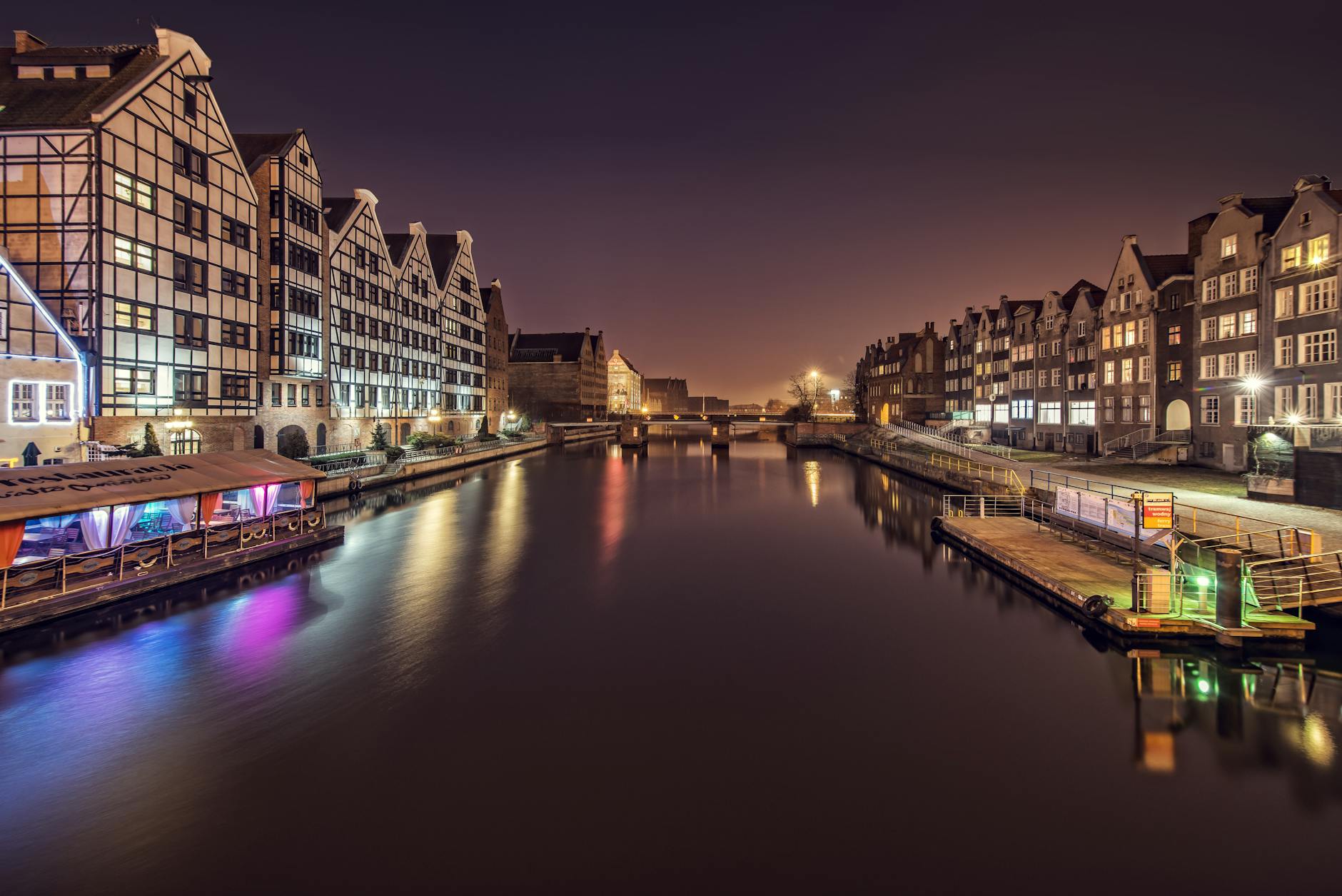
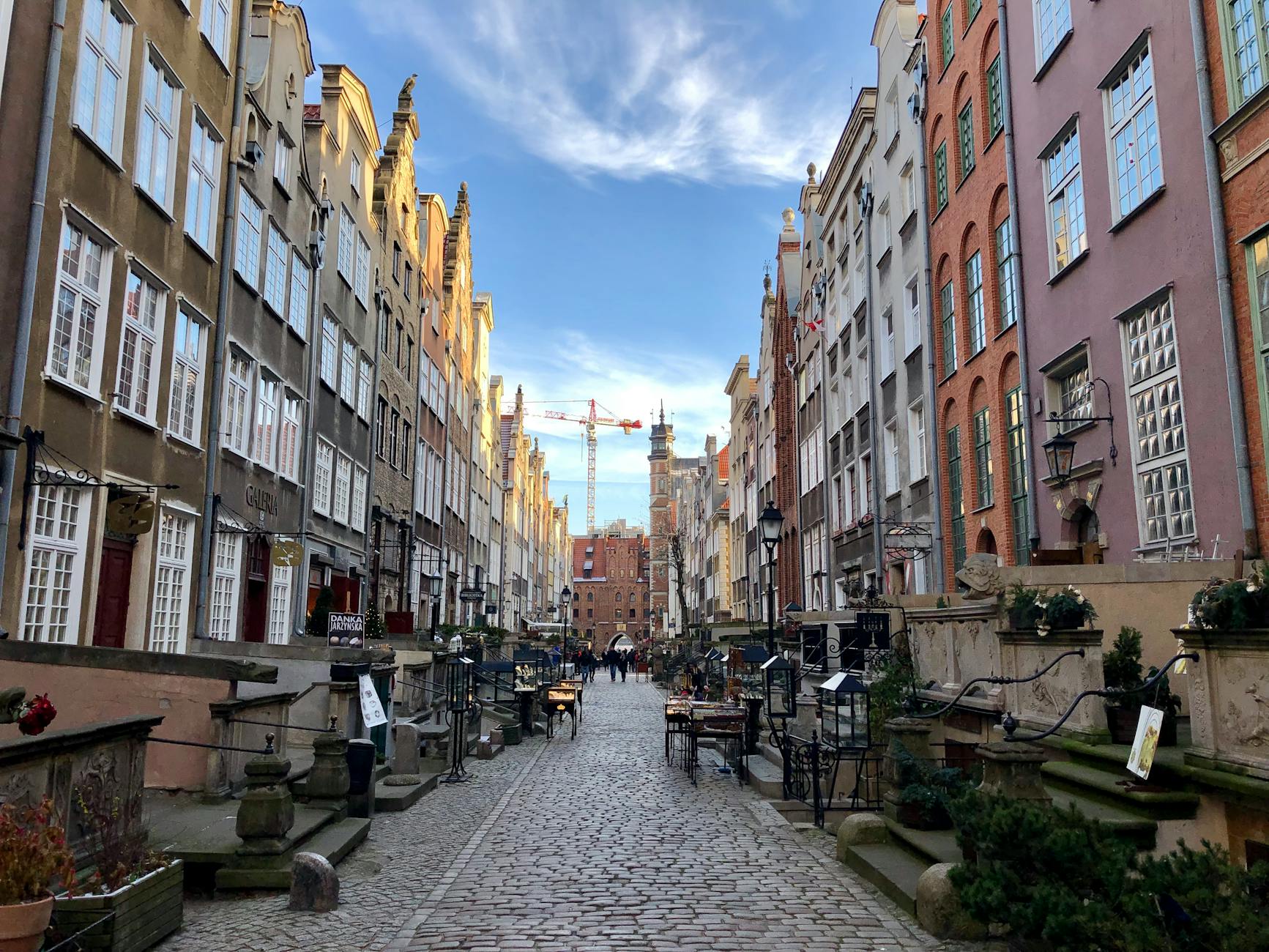
Gdansk's historic streets and waterfront can be beautiful and tiring at the same time. Cobblestones, bridges, steps, wind, rain, winter cold, and summer crowds can slow the day. The traveler should plan routes by effort, not just distance.
The map does not show fatigue.
- Use comfortable shoes, layers, rain protection, and shorter walking loops.
- Break waterfront and old-town routes with cafes, churches, museums, benches, or hotel rest.
- Use taxis or public transport when weather or surfaces make walking difficult.

Pace museums and historical sites
Gdansk has powerful historical material, and some sites require standing, reading, stairs, queues, or emotional energy. Older travelers often enjoy these visits more when the day is not overloaded. One serious museum or heritage stop can be enough for a short stay.
Depth can be better than coverage.
- Check seating, elevators, timed tickets, expected visit length, and restroom availability before arrival.
- Pair a museum visit with a lighter meal or short scenic route rather than another dense attraction.
- Leave recovery time after emotionally heavy history or long guided tours.
Plan medical and daily comfort needs
Short trips can still be affected by medication timing, hydration, sleep, mobility devices, hearing or vision needs, dietary limits, and insurance details. Older travelers should make these ordinary needs visible in the itinerary rather than hoping they fit around sightseeing.
Comfort is a travel constraint.
- Carry medication, prescriptions, insurance details, mobility aids, glasses, hearing supplies, and emergency contacts.
- Save nearby pharmacies, clinics, hotel address, and taxi options offline.
- Schedule meals and rest around medication, blood sugar, pain management, or energy patterns.

Use transport to preserve energy
Gdansk is walkable in the center, but older travelers should not make walking the default for every movement. Trams, taxis, local rail, and private transfers can preserve energy for the places that matter. The best route is often the one that leaves the traveler comfortable at the end of the day.
Transport can extend stamina.
- Use taxis or direct transport for airport transfers, bad weather, luggage, and evening returns.
- Check public transport stops, seating, ticketing, stairs, and walking distance from platforms.
- Avoid adding Sopot or Gdynia unless the traveler has enough time and energy for the return.

Choose meals and restrooms deliberately
Meals are part of comfort planning for older travelers. Restaurant stairs, restroom location, noise, seating, timing, and distance from the hotel can matter as much as cuisine. A good Gdansk meal plan keeps the day pleasant instead of stretching it too far.
Practical meals improve the whole trip.
- Reserve restaurants with comfortable seating, clear access, manageable noise, and nearby transport.
- Identify restrooms, cafes, and warm indoor breaks along the main walking route.
- Keep one simple meal near the hotel for arrival day, bad weather, or low energy.
When to order a short-term travel report
An older traveler with a relaxed central stay may not need a custom report. A report becomes useful when the traveler has mobility limits, medical routines, a short visit, Tricity plans, museum priorities, weather concerns, luggage constraints, or a tight departure.
The report should test lodging access, walking surfaces, transport, rest stops, meals, restrooms, medical support, weather, and departure buffers. The value is a Gdansk trip that protects comfort while still allowing a rich visit.
- Order when lodging access, walking routes, transport, meals, restrooms, medical needs, weather, or departure timing need exact planning.
- Provide dates, mobility needs, hotel candidates, medical constraints, interests, budget, meal needs, and arrival details.
- Use the report to keep the trip comfortable, paced, and realistic for a short stay.