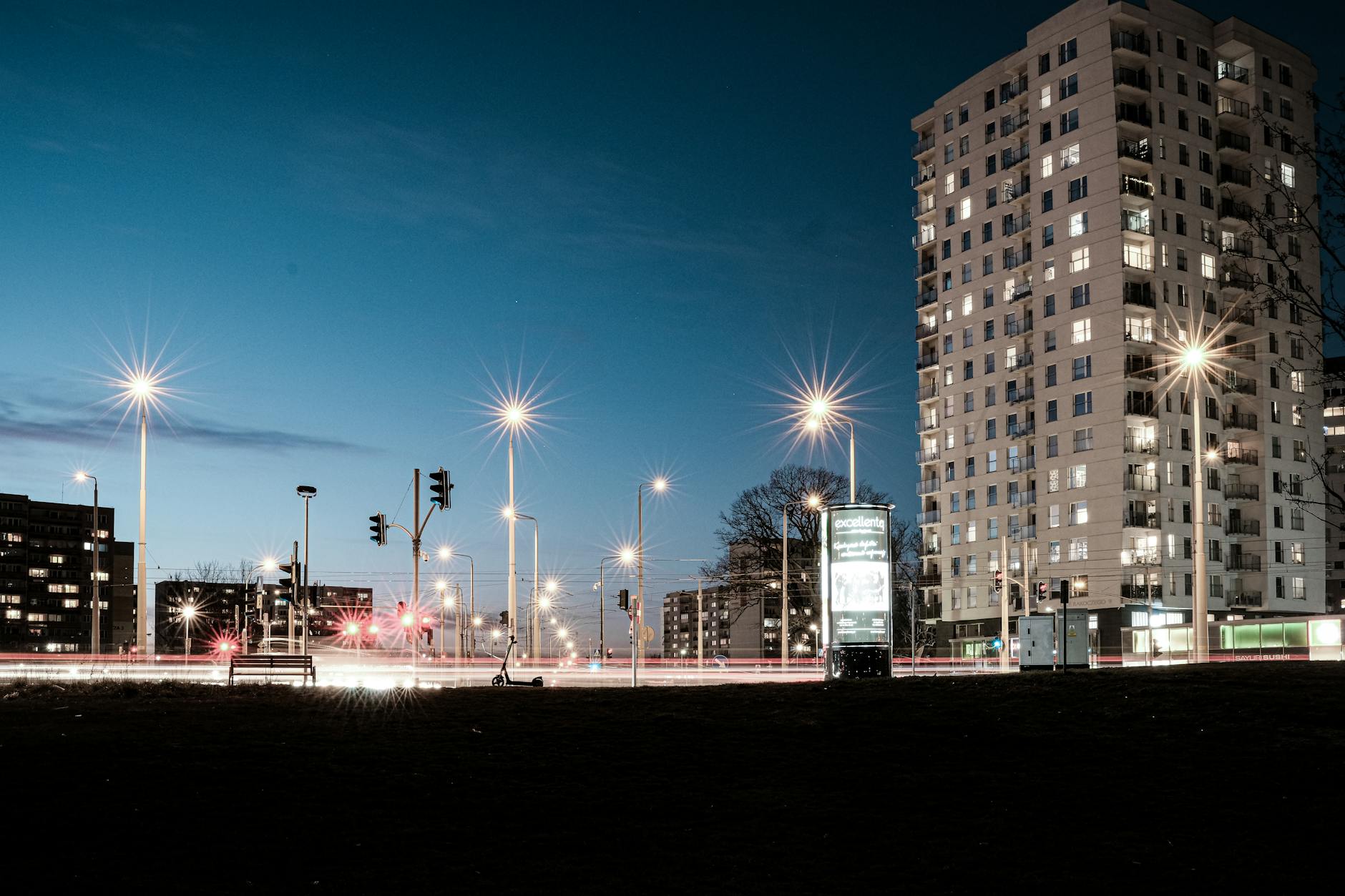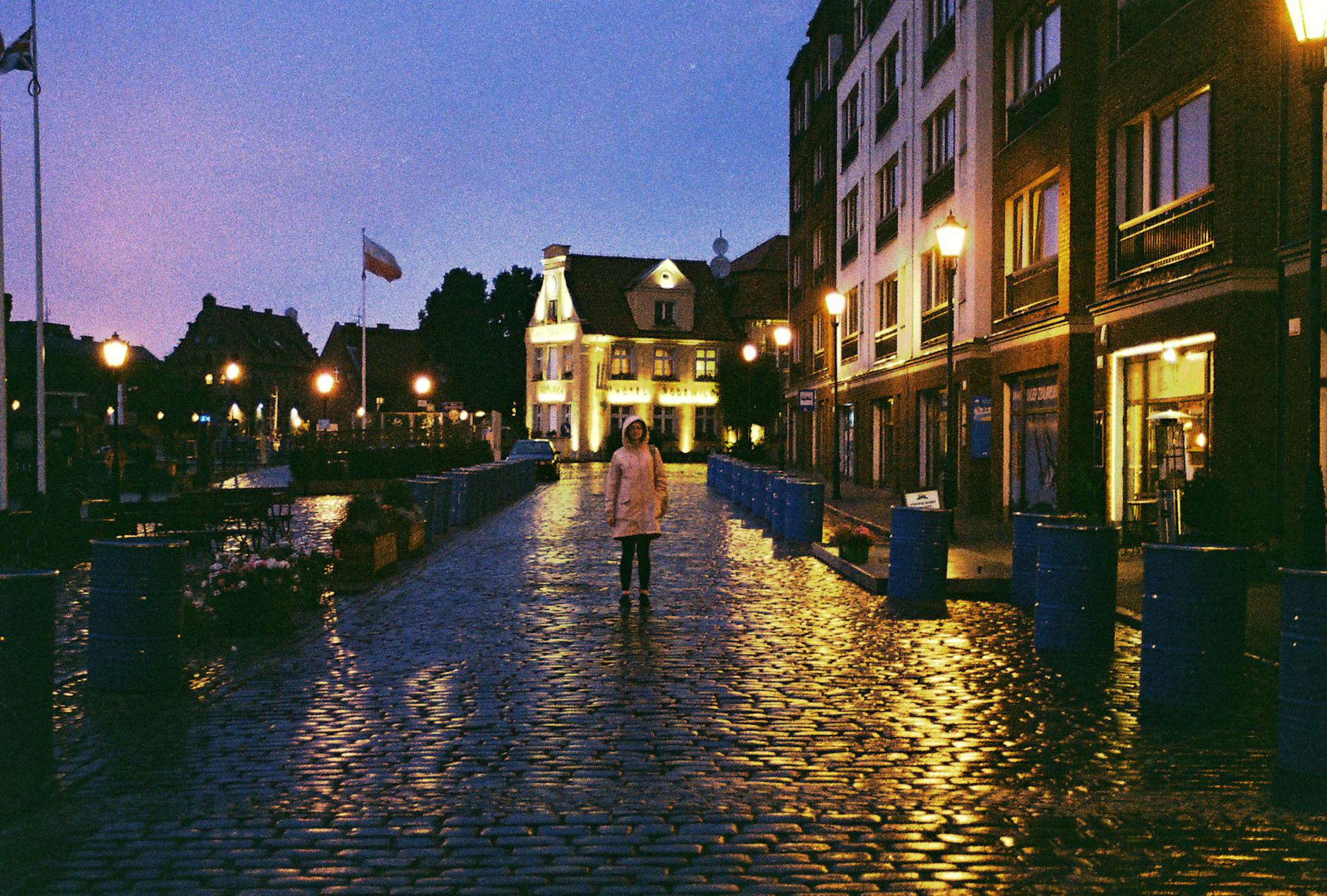
A short nightlife-focused trip to Gdansk can involve old-town bars, waterfront evenings, restaurants, music, late walks, and Tricity movement. The traveler should plan the trip around where the night will actually happen, how to get back, how much energy the next day requires, and how weather, crowds, spending, and alcohol pacing can change a short visit.
Choose lodging around the return, not only the first drink
A nightlife-focused traveler should choose lodging based on the late return as much as the evening plan. A room that looks convenient in daylight may require an awkward walk, long taxi wait, or unnecessary Tricity movement after midnight.
The night should end simply.
- Check walking distance, taxi access, reception hours, and late-night street conditions before booking.
- Prefer a base that keeps the most likely evening area easy to leave.
- Avoid lodging that depends on a complicated late transfer.
Plan the evening district before heading out
Gdansk's old town, waterfront, restaurants, bars, and event spaces can make a strong evening, but wandering without a plan can waste time and money. A short trip works better when the traveler chooses an evening area, dinner window, and backup option before the night starts.
The first decision sets the night.
- Pick one main evening area and one backup instead of chasing every recommendation.
- Check opening days, reservation needs, event times, dress rules, and cover charges.
- Keep dinner close enough to the bar or music plan to avoid extra transfers.
Treat late transport as part of the night
Late transport should not be improvised after phones are low and the group is tired. Taxis, rides, walking, and public transport all need different levels of planning depending on weather, lodging, crowd levels, and whether the traveler is alone or with others.
The return plan should be ready before the first stop.
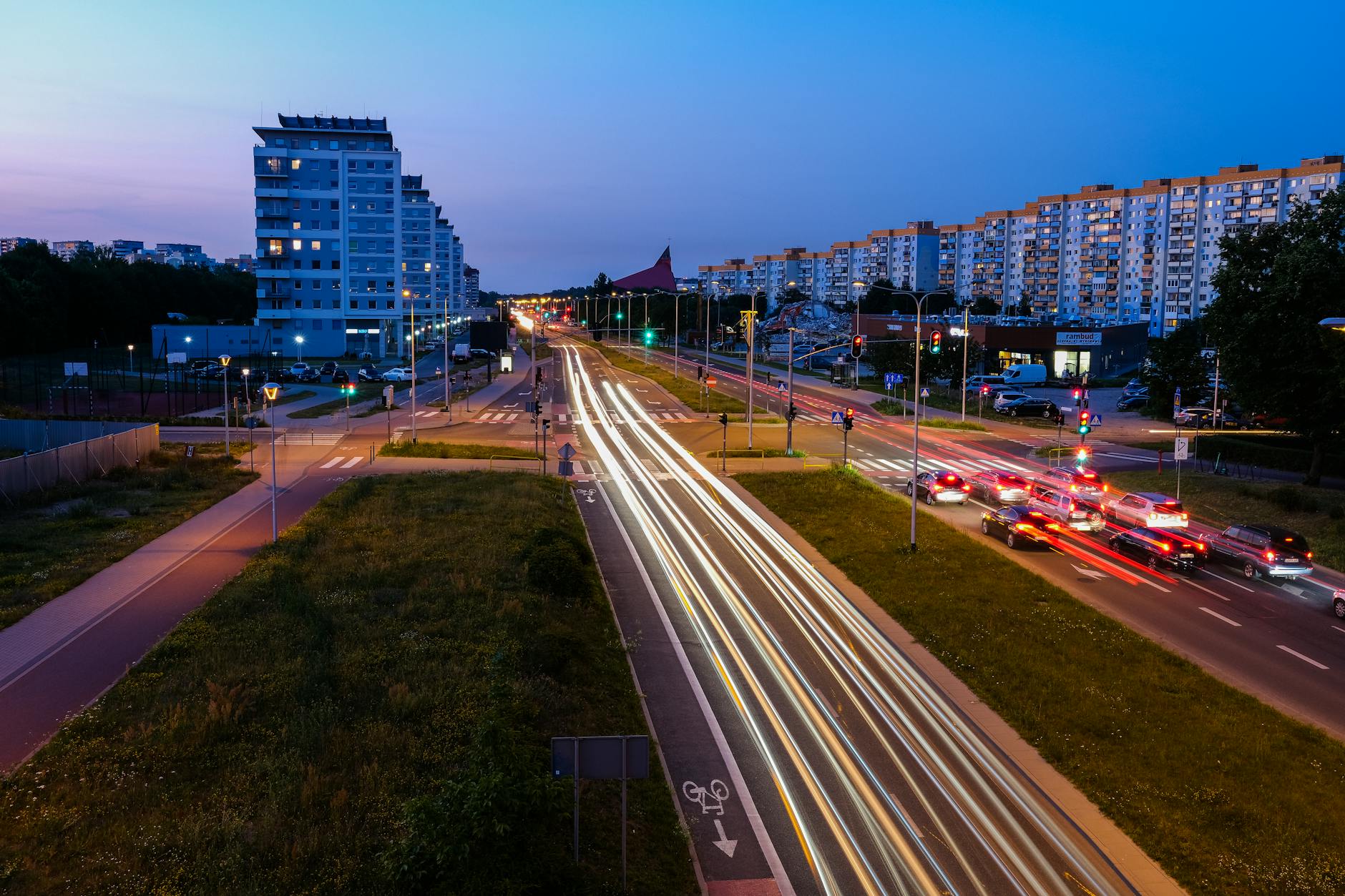
- Save the hotel address, taxi options, payment backup, and offline map before leaving.
- Use direct transport when alone, tired, carrying valuables, or returning in bad weather.
- Do not rely on a long unfamiliar walk after drinking.
Control spending and alcohol pacing
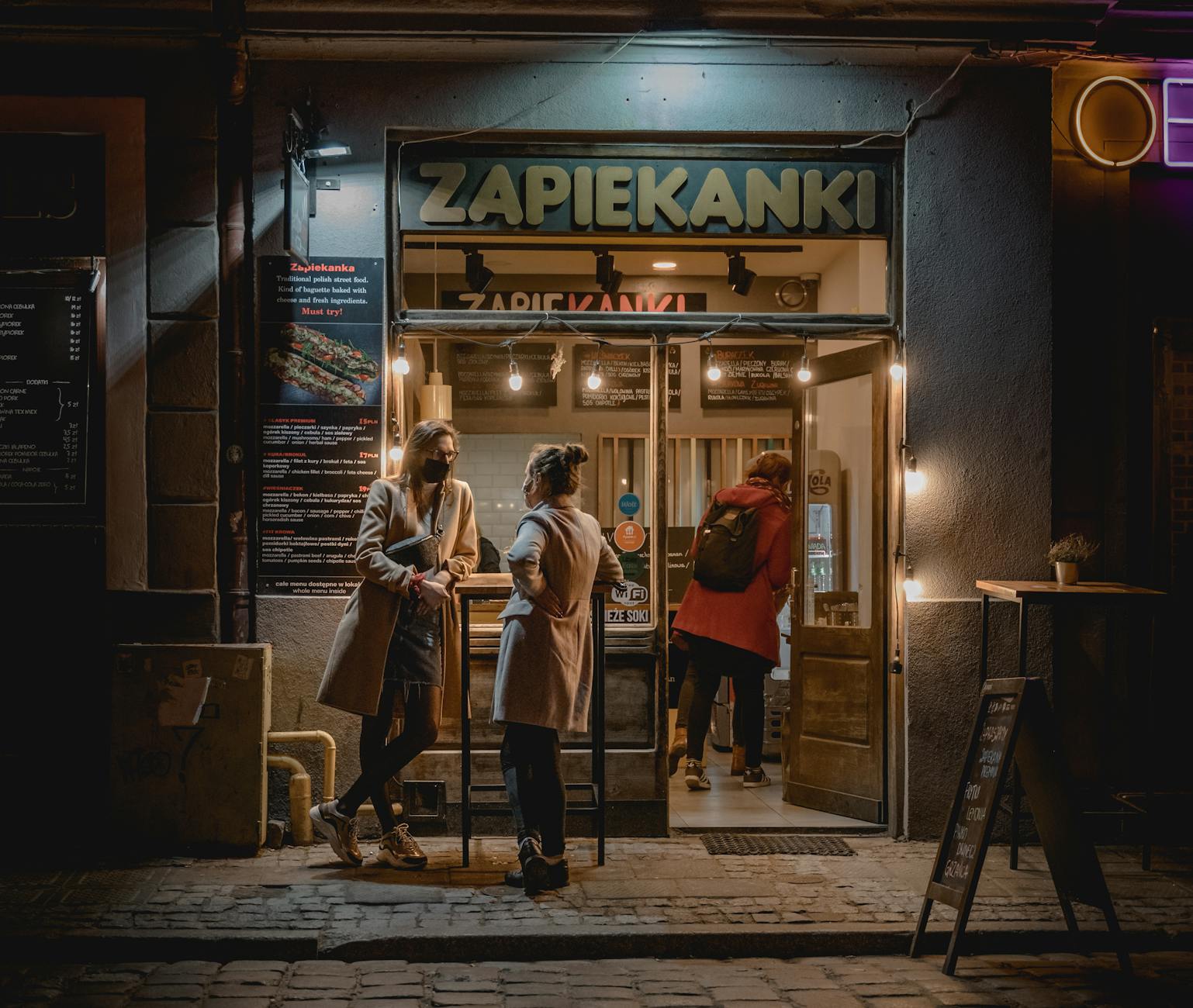
Nightlife budgets can drift through cover charges, taxis, rounds, late meals, and casual card taps. Alcohol pacing matters too, especially in unfamiliar streets, cold weather, and crowded venues. The traveler should set limits before the night is underway.
A good night needs a clear edge.
- Set a nightly budget for drinks, food, entry, taxis, and tips before leaving lodging.
- Eat properly, hydrate, and pace alcohol around the next day's schedule.
- Keep a payment backup separate from the main wallet or phone.
Use the waterfront without overextending
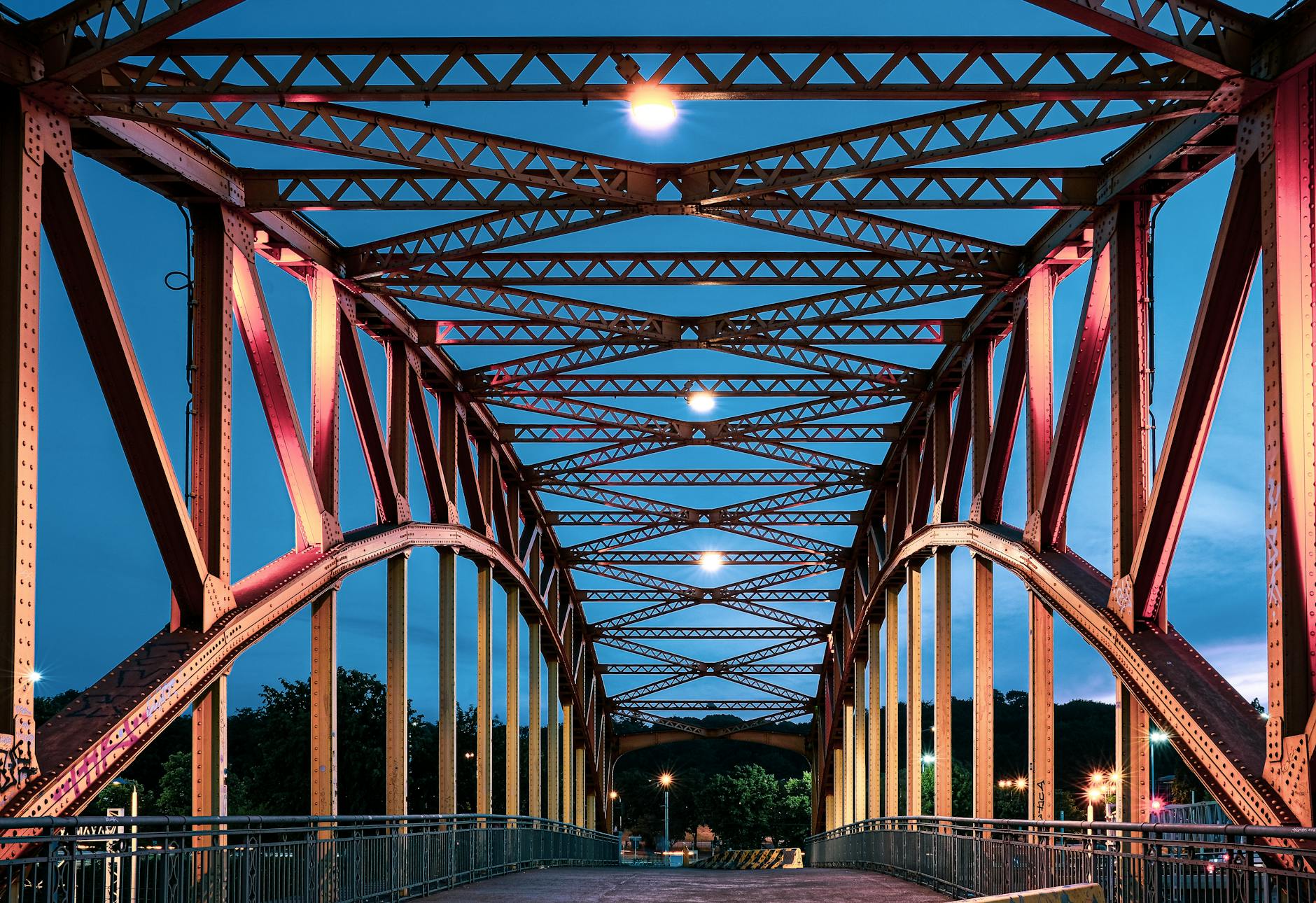
The waterfront can be atmospheric at night, but it can also be windy, crowded, slippery, or cold. A nightlife traveler should treat waterfront walks as part of the evening route with a clear endpoint, not as an indefinite late-night drift.
Scenic does not always mean simple.
- Check weather and walking distance before adding a late waterfront route.
- Stay with lit, active routes and avoid isolated detours after drinking.
- Plan the next indoor stop or return transport before leaving the main area.
Protect the next morning
A nightlife-focused trip can still include museums, meetings, flights, trains, or outdoor plans the next day. The traveler should decide what the next morning must accomplish before choosing how late the night can run.
The next day is part of the nightlife plan.
- Avoid late nights before early flights, rail departures, water activities, or timed tickets.
- Keep medication, water, charger, and morning documents ready before going out.
- Schedule a slower breakfast or recovery block after the longest night.

When to order a short-term travel report
A traveler with one casual dinner may not need a custom report. A report becomes useful when the trip centers on multiple nights out, specific venues, solo travel, late transport, tight budget, medical or dietary constraints, bad-weather risk, Tricity movement, or an early departure after the final night.
The report should test lodging, evening districts, reservations, transport, weather, spending, safety, meals, recovery time, and departure buffers. The value is a Gdansk nightlife trip that stays enjoyable without creating avoidable friction.
- Order when lodging, venues, late transport, budget, meals, safety, weather, or departure timing need exact planning.
- Provide dates, lodging candidates, venue interests, party size, budget, dietary needs, mobility needs, and arrival details.
- Use the report to keep the evening plan fun, practical, and easy to exit.