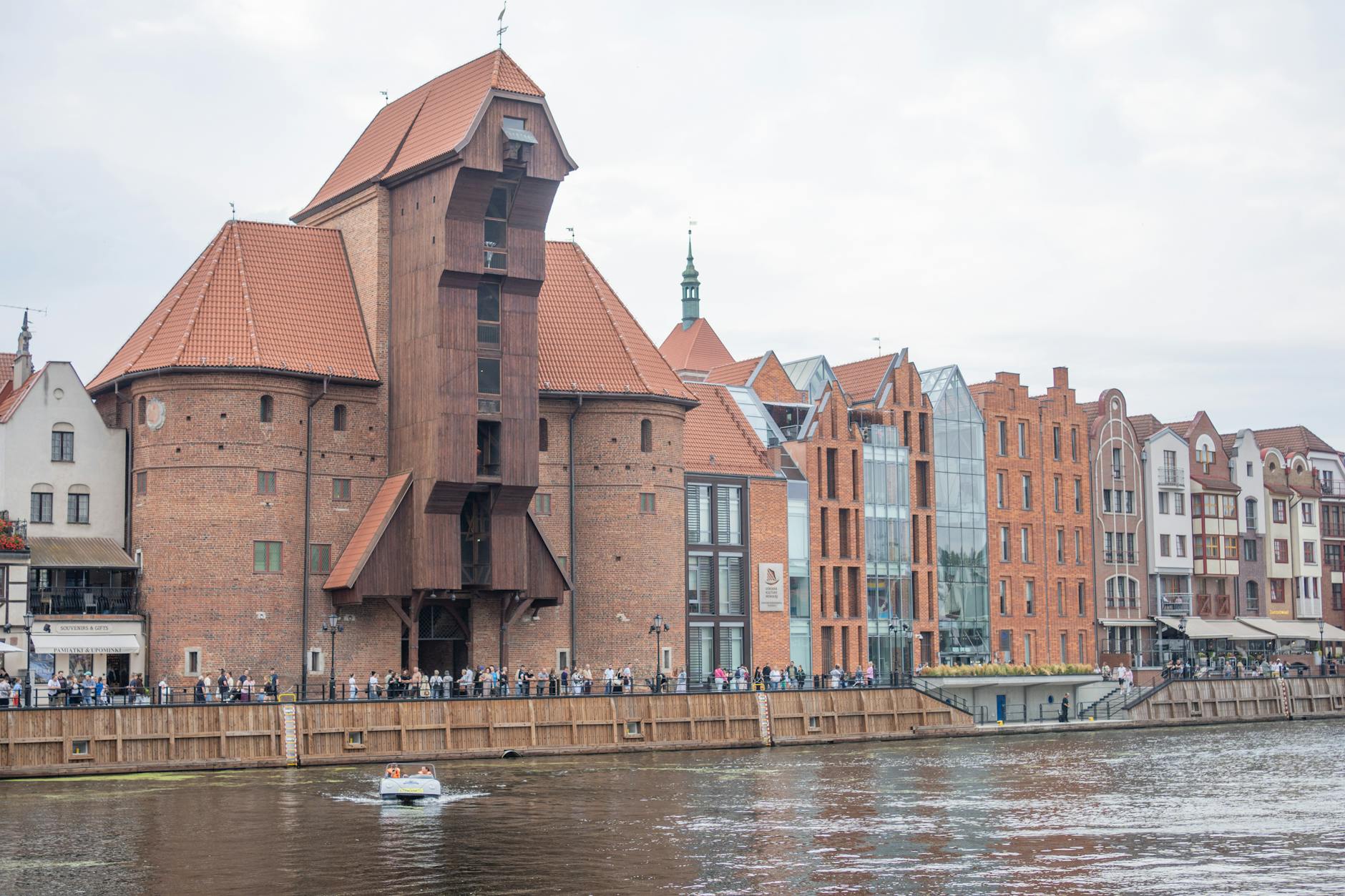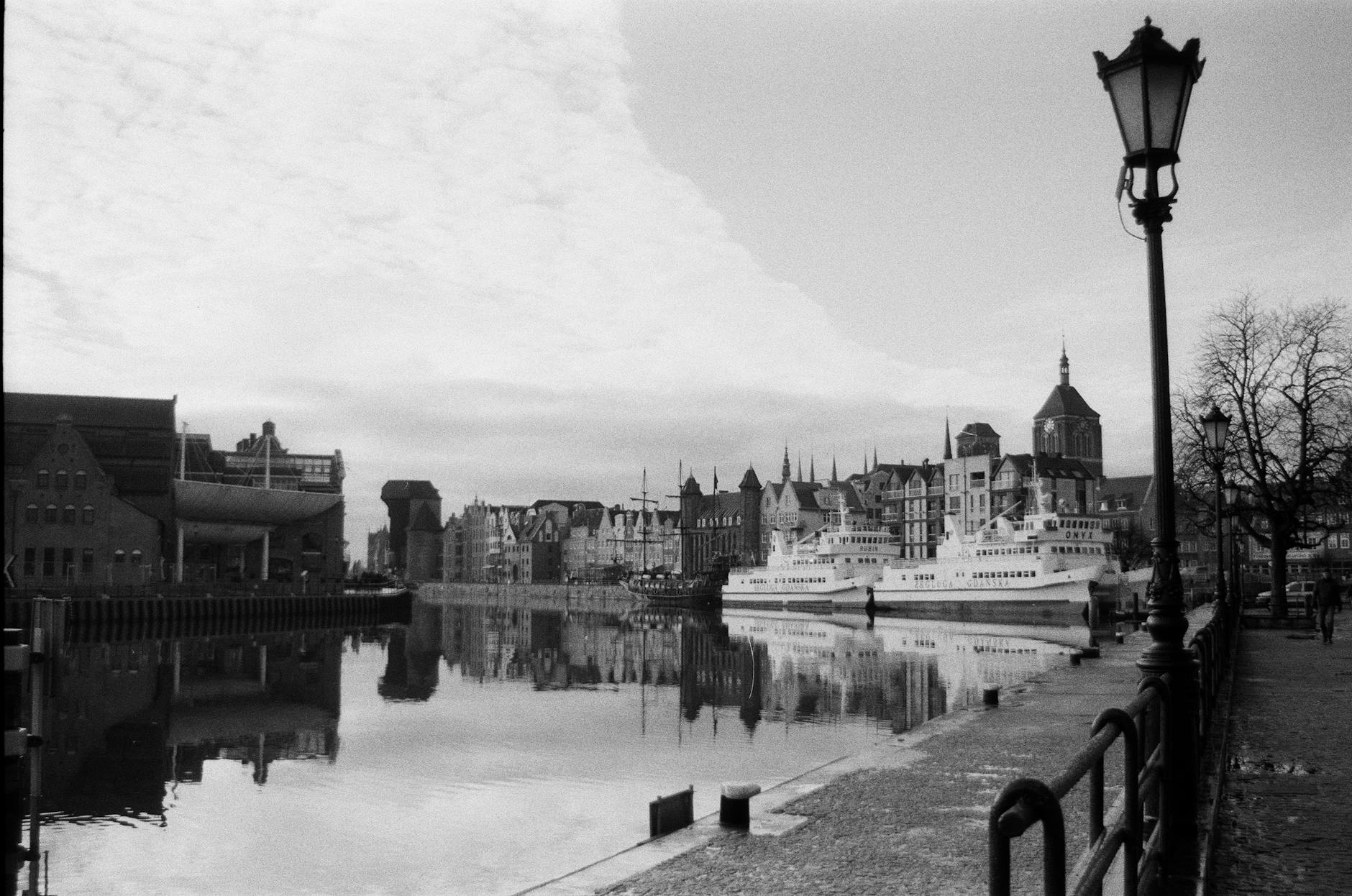
A short reporting trip to Gdansk can move quickly between old-town context, shipyard history, waterfront scenes, official meetings, interviews, and Tricity movement. A journalist should plan the trip around the story first: where sources are, what access is needed, when light and weather matter, where quiet filing can happen, and how to keep transport from consuming the reporting window.
Map the story before the hotel
A journalist should choose lodging after mapping sources, interview locations, archives, public spaces, filming points, and transport. Gdansk's old town can be convenient, but the story may sit near the shipyard, port, universities, civic offices, neighborhoods, or Tricity locations.
The story map should set the base.
- Confirm interview addresses, access rules, filming permissions, archive hours, and backup locations.
- Compare old town, waterfront, shipyard, and Tricity bases against the reporting route.
- Choose lodging that supports early starts, late filing, and secure equipment storage.
Plan source access with precision
Short reporting windows leave little room for vague arrangements. Source timing, language needs, security desks, permissions, recording consent, phone numbers, and backup contacts should be confirmed before arrival.
Access is part of the itinerary.
- Confirm source names, meeting points, phone numbers, consent expectations, and language support.
- Carry press credentials, ID, batteries, storage, notebook, and offline documents.
- Keep backup interview blocks in case a source cancels or a site closes.
Use location work deliberately
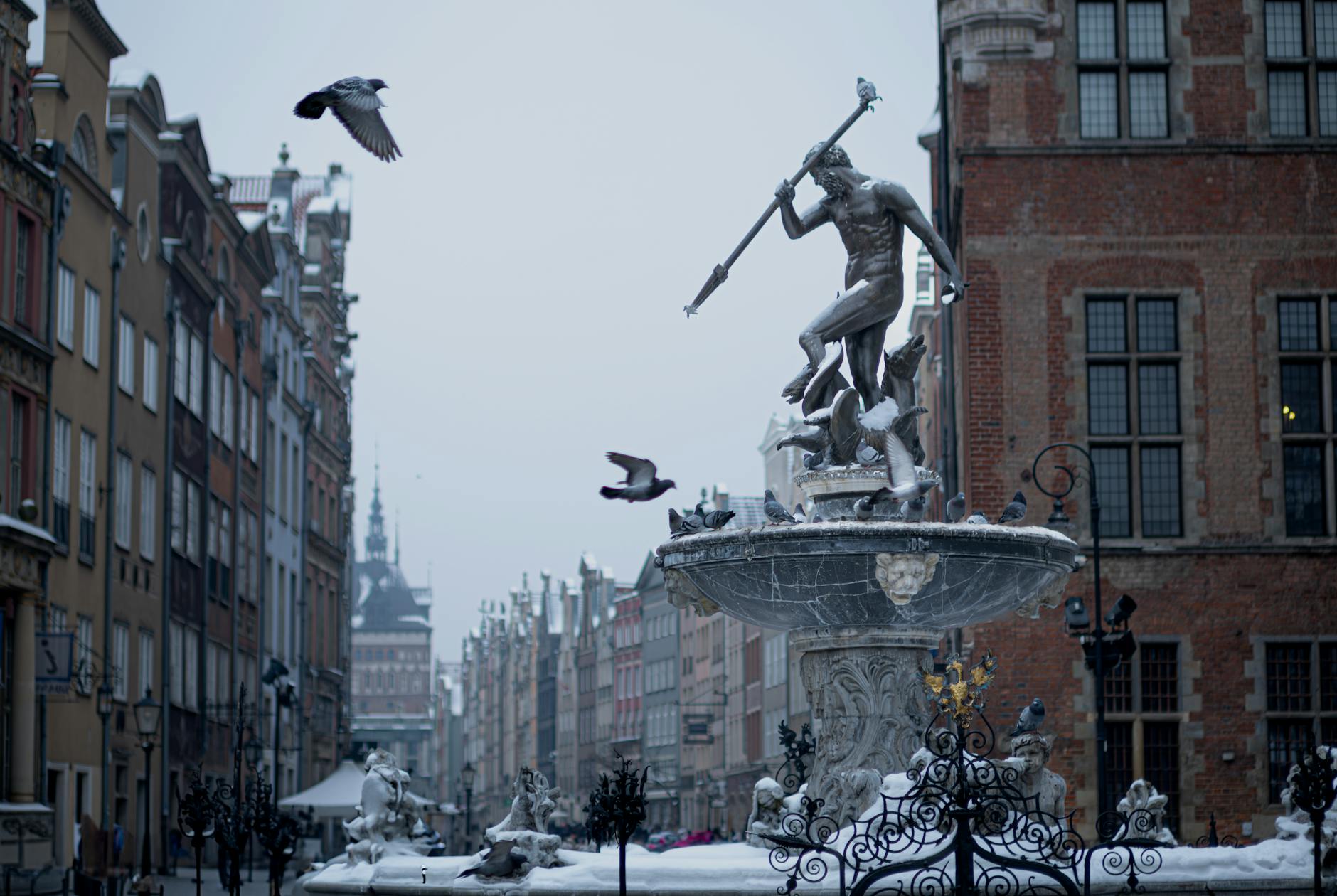
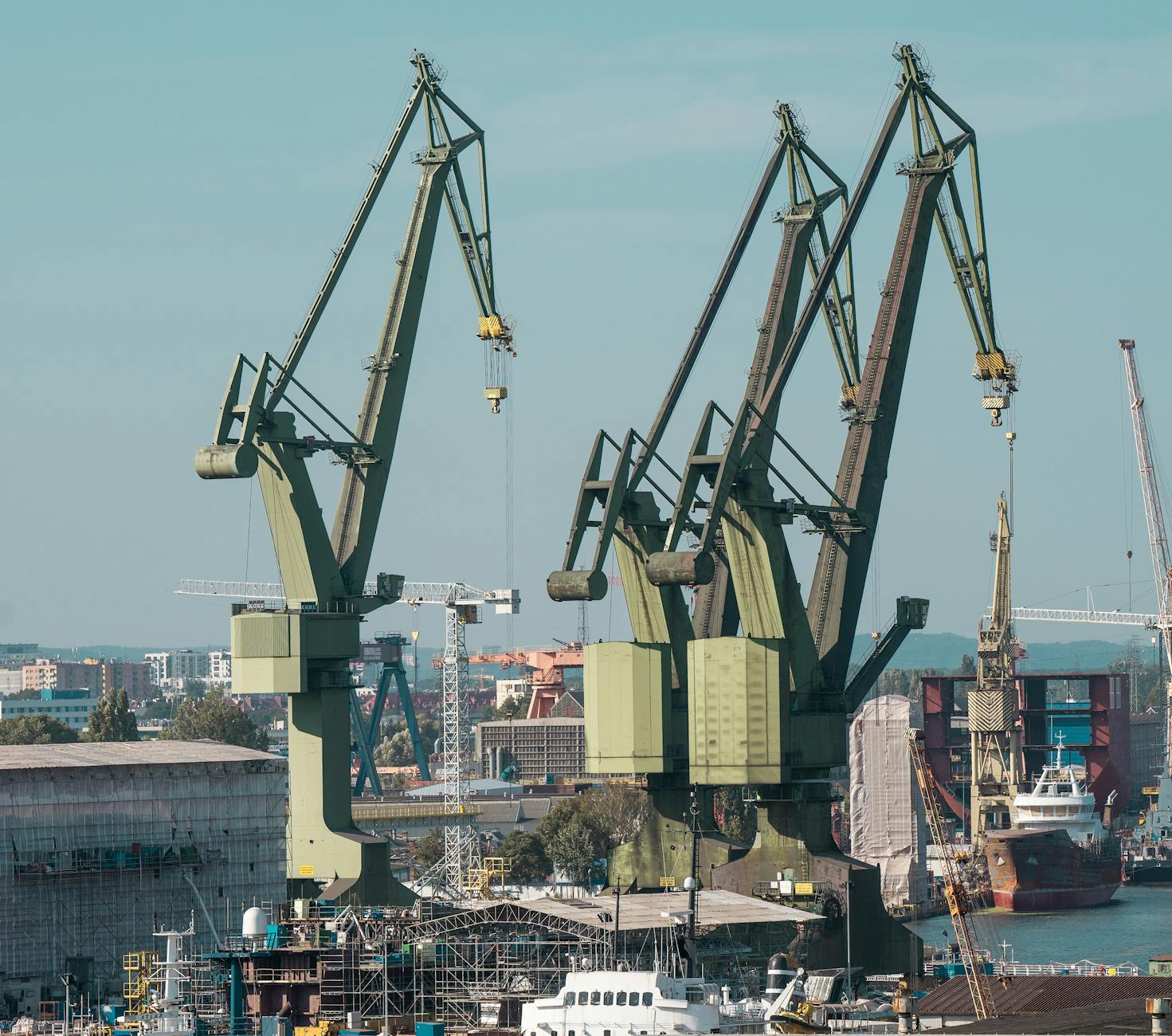
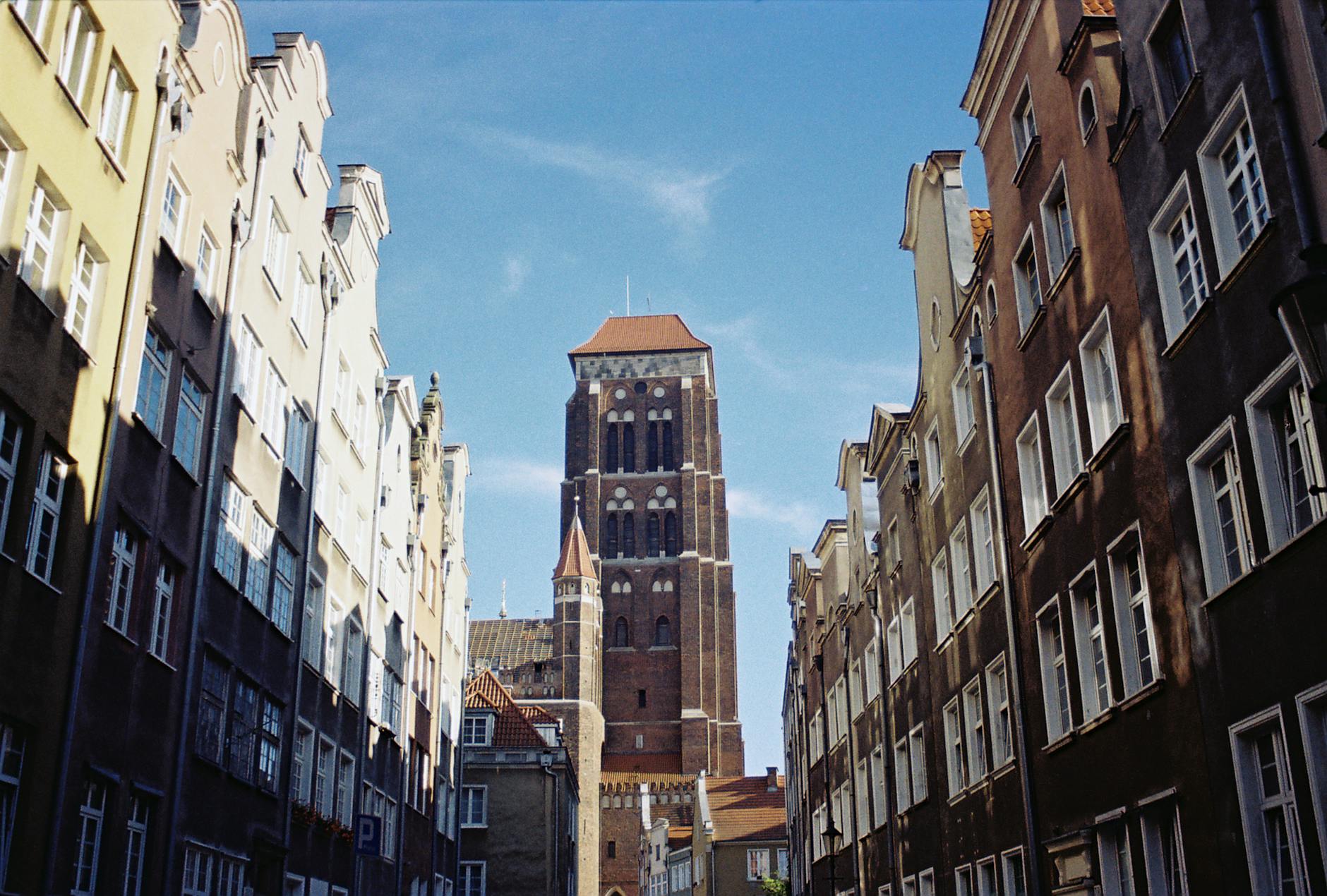
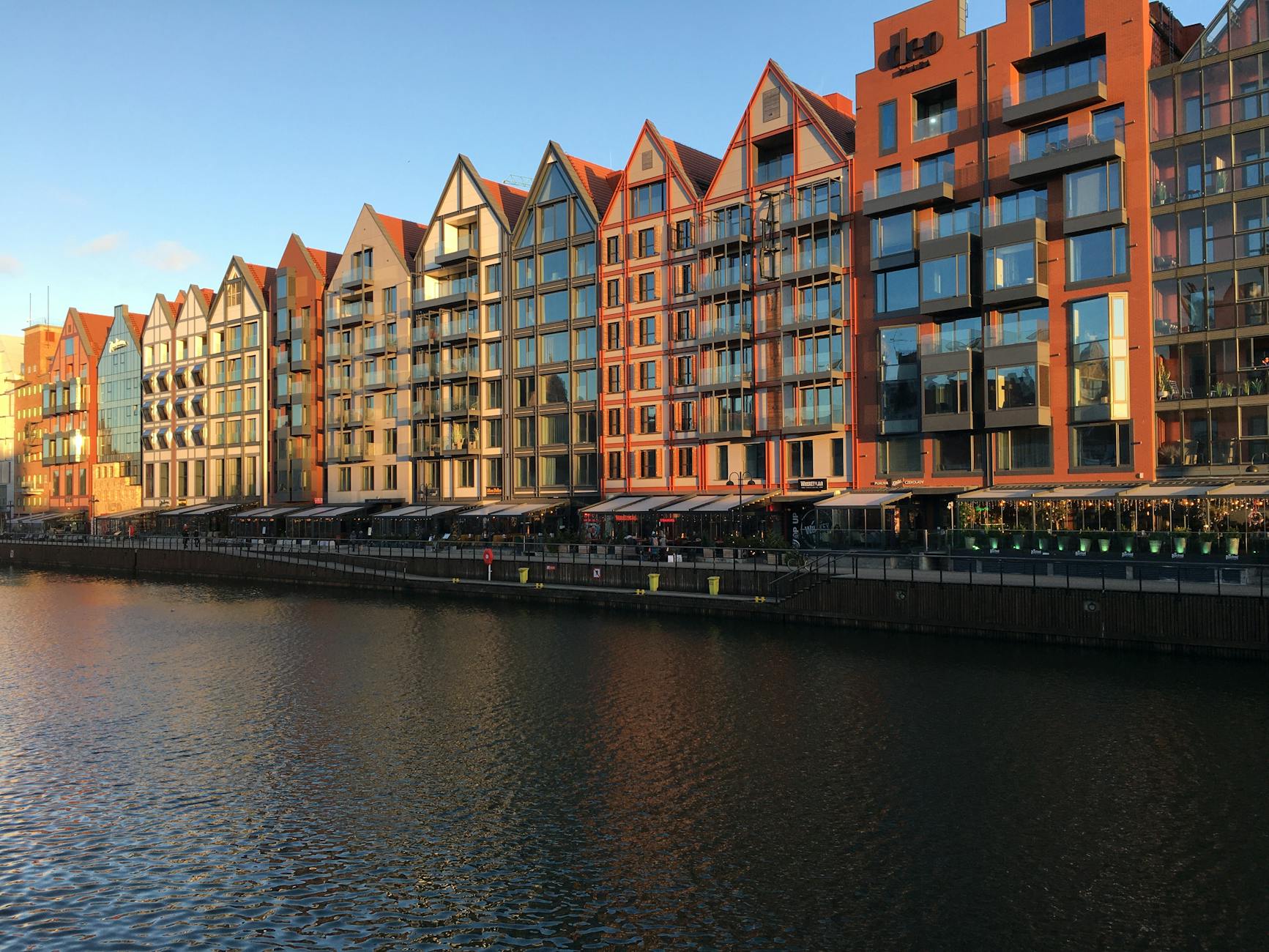
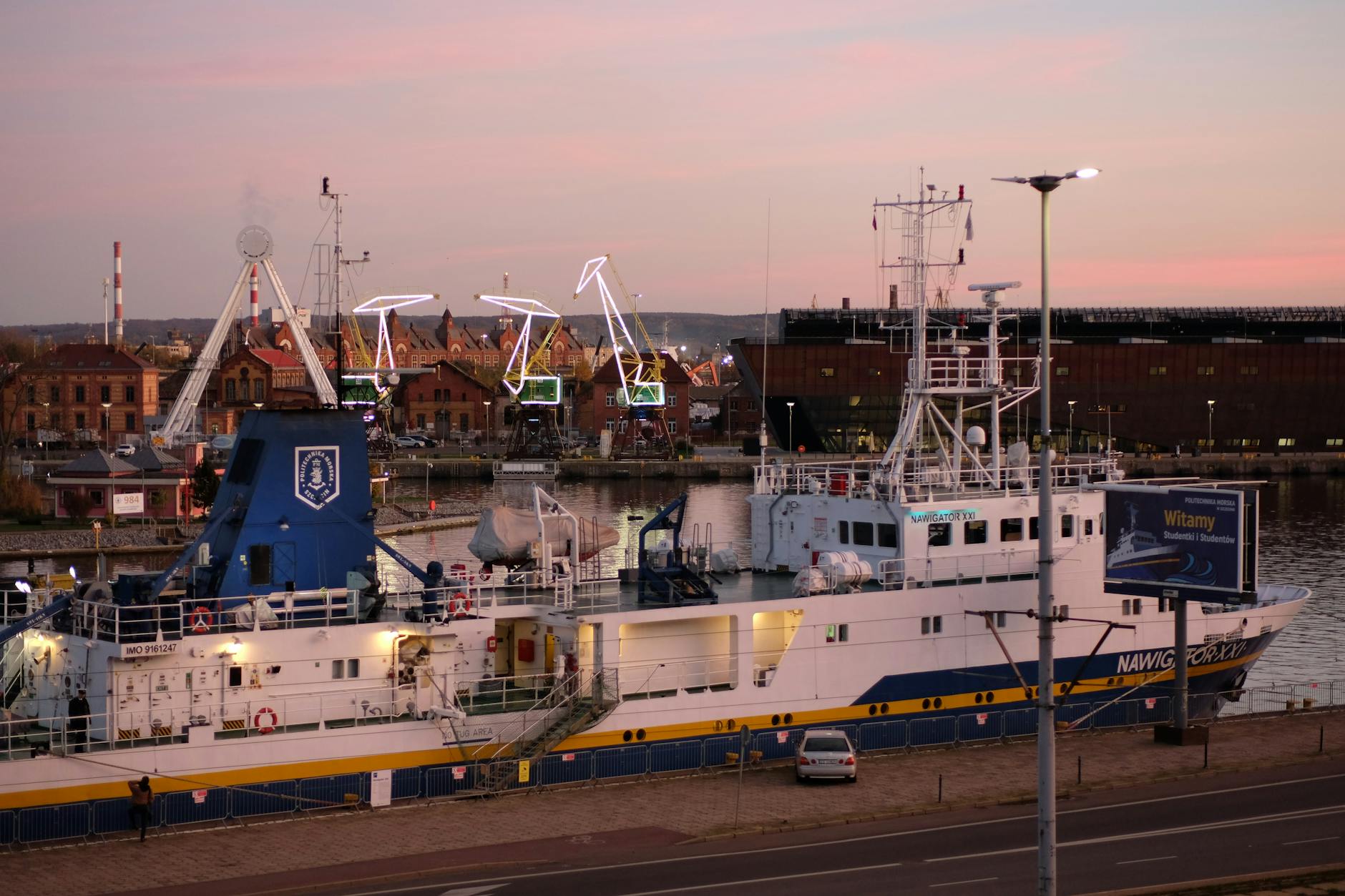
Gdansk offers strong visuals: old-town streets, waterfront cranes, shipyard references, amber shops, churches, and public squares. A journalist should decide which locations actually serve the story and when light, crowds, or weather will help or hurt.
Good scenes need timing.
- Scout locations by story relevance, permissions, light, sound, crowding, and nearby shelter.
- Avoid overshooting scenic material if interviews and filing time are more important.
- Keep rain, wind, and cold-weather backups for outdoor work.
Control transport and equipment load
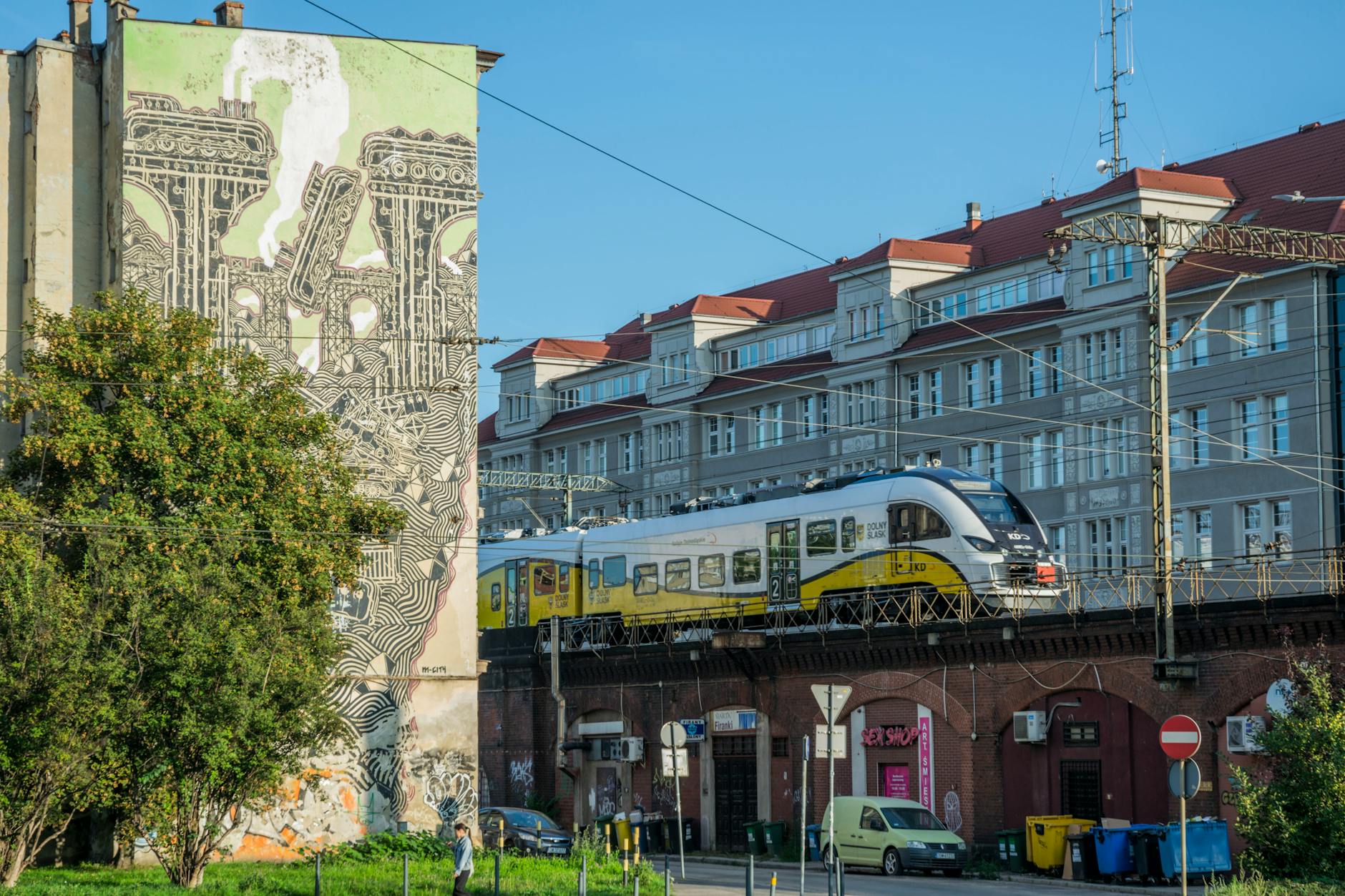
A journalist may be carrying cameras, audio gear, laptop, chargers, tripod, documents, or protective layers. Public transport can be useful, but not every route works with equipment, deadlines, or weather. The plan should identify when direct transport is worth paying for.
Movement should protect the reporting day.
- Prearrange transport for early interviews, heavy equipment, unfamiliar sites, or tight deadlines.
- Save backup taxi, tram, rail, and hotel routes offline.
- Plan secure equipment storage between interviews, meals, and evening work.
Protect filing and verification time
Reporting travel often fails when filing time is treated as leftover time. A journalist needs quiet space for notes, transcription, fact checks, edits, calls, image review, and source follow-up. That work should be built into the day before dinner or transport absorbs the evening.
The story needs a place to land.
- Identify quiet hotel, cafe, or workspace options with power and dependable connectivity.
- Carry adapters, power bank, headphones, backup storage, and offline copies of key documents.
- Leave time after interviews to confirm names, titles, spellings, and sensitive claims.
Handle safety and sensitivity
Most Gdansk reporting will be straightforward, but journalists should still consider source safety, public filming etiquette, personal security, weather, and late returns. Sensitive civic, historical, or community topics deserve extra care.
Reporting practicalities carry ethical weight.
- Ask before recording or photographing people in sensitive contexts.
- Keep source notes, recordings, devices, and backups secure.
- Use direct transport when returning late, carrying gear, or leaving unfamiliar locations.
When to order a short-term travel report
A journalist with one arranged interview and a flexible schedule may not need a custom report. A report becomes useful when the story includes multiple sources, archives, shipyard or port context, Tricity movement, filming needs, equipment load, tight filing time, sensitive topics, or departure soon after reporting.
The report should test reporting geography, lodging, source timing, permissions, transport, work space, meals, weather, safety, filing blocks, and departure buffers. The value is a Gdansk reporting trip where logistics do not distort the story.
- Order when sources, lodging, permissions, transport, work space, safety, weather, or departure timing need exact planning.
- Provide dates, story locations, source windows, equipment needs, hotel candidates, filing deadlines, budget, and arrival details.
- Use the report to keep the reporting trip focused, resilient, and deadline-aware.