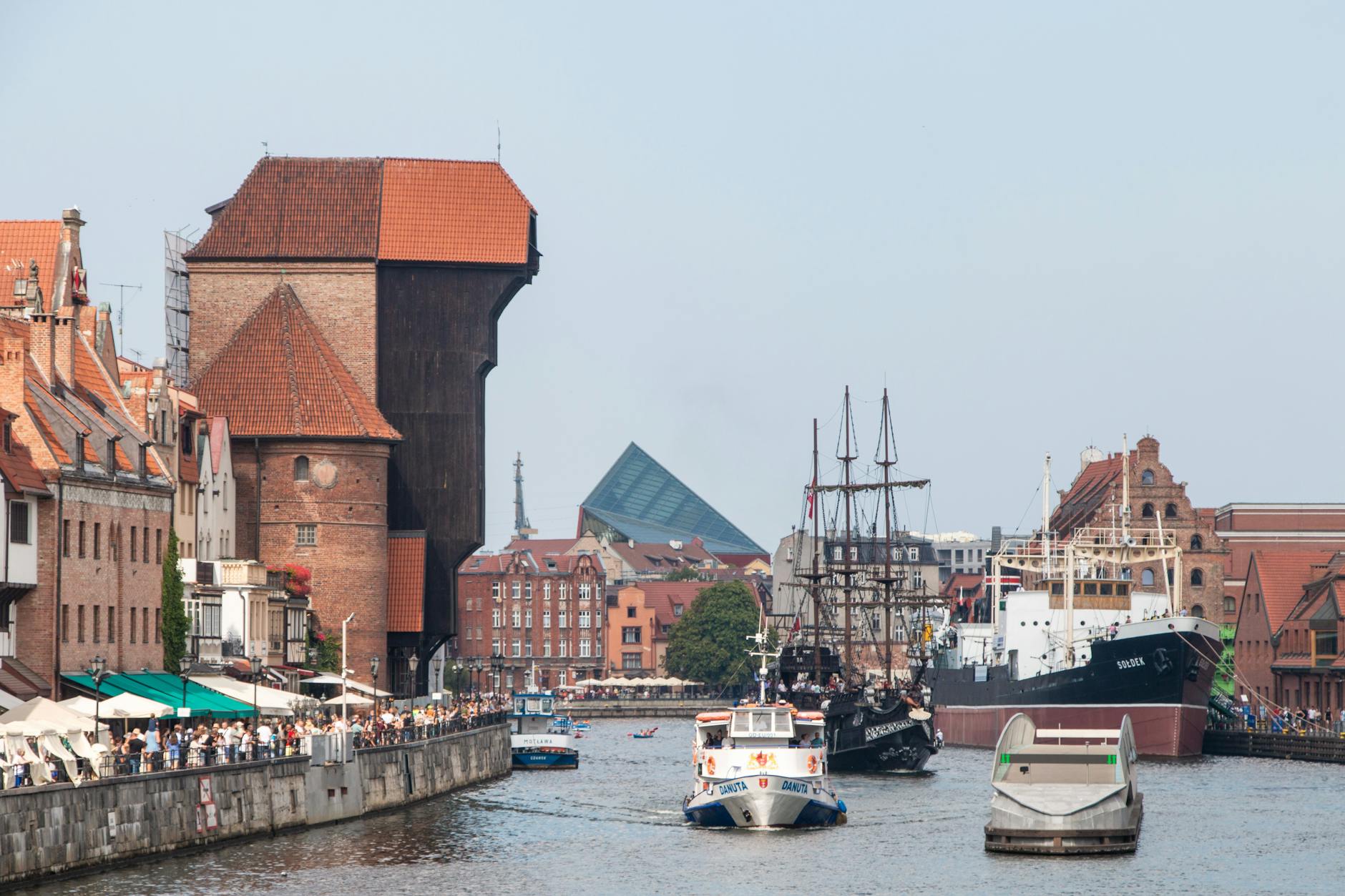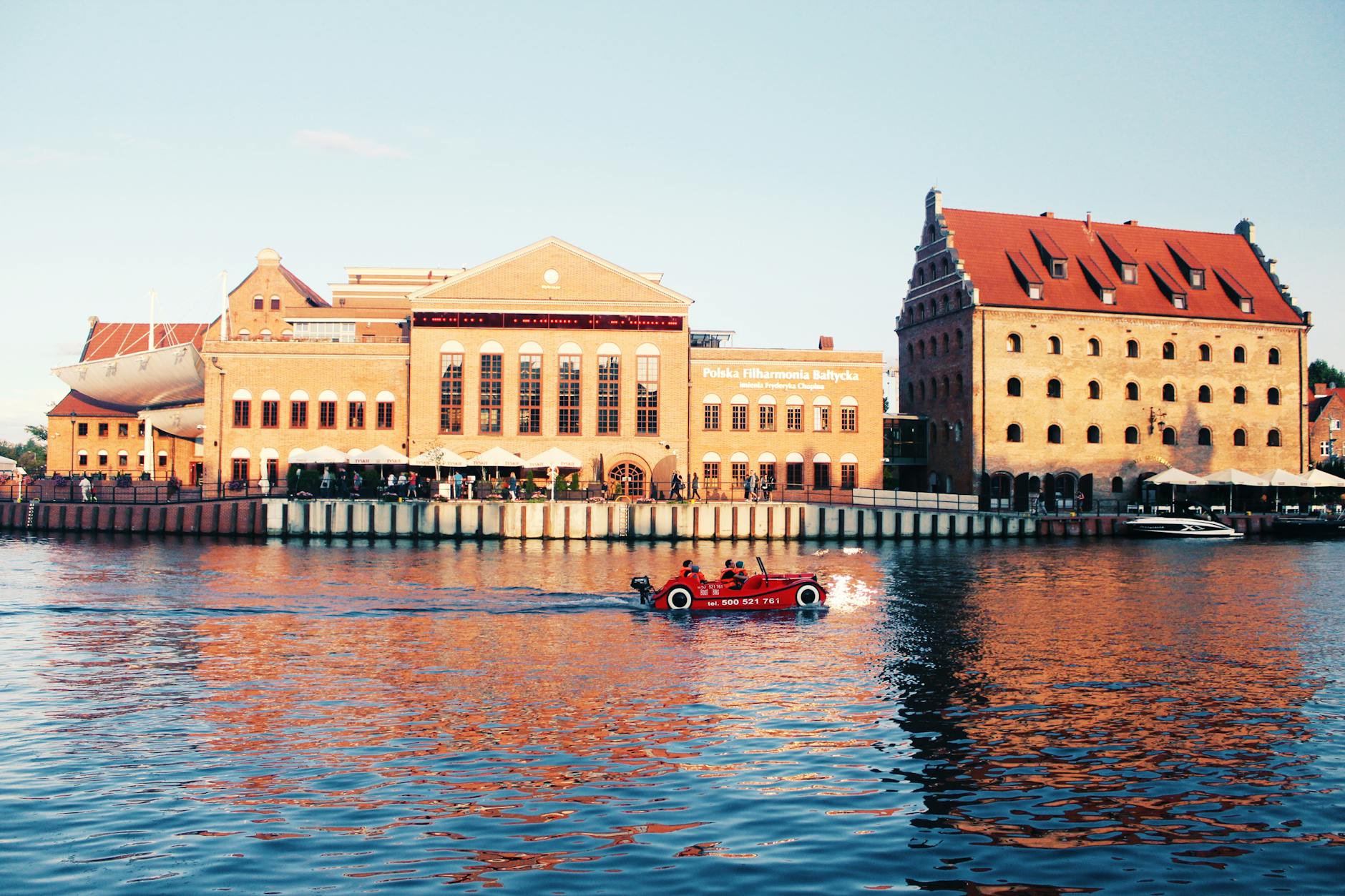
A short Gdansk trip for an investor or deal team member is less about general travel comfort and more about protecting the diligence process. Meetings, site visits, port or industrial context, confidential work, dinner conversations, airport or rail timing, and cross-Tricity movement all need a plan that supports judgment under time pressure.
Map diligence geography precisely
Deal travel should begin with the full map: management meetings, advisor offices, site visits, hotel, dinner venues, airport, rail, and any Tricity movement. Gdansk can look compact from the old town, but deal work may pull the team toward port, industrial, office, or suburban locations.
The map should reveal timing risk early.
- Confirm all meeting addresses, site visit entrances, security rules, pickup points, and dinner locations.
- Compare old town, waterfront, airport, and Tricity bases against the actual diligence route.
- Build buffers around unfamiliar sites, weather, and cross-city movement.
Choose lodging for discretion and work
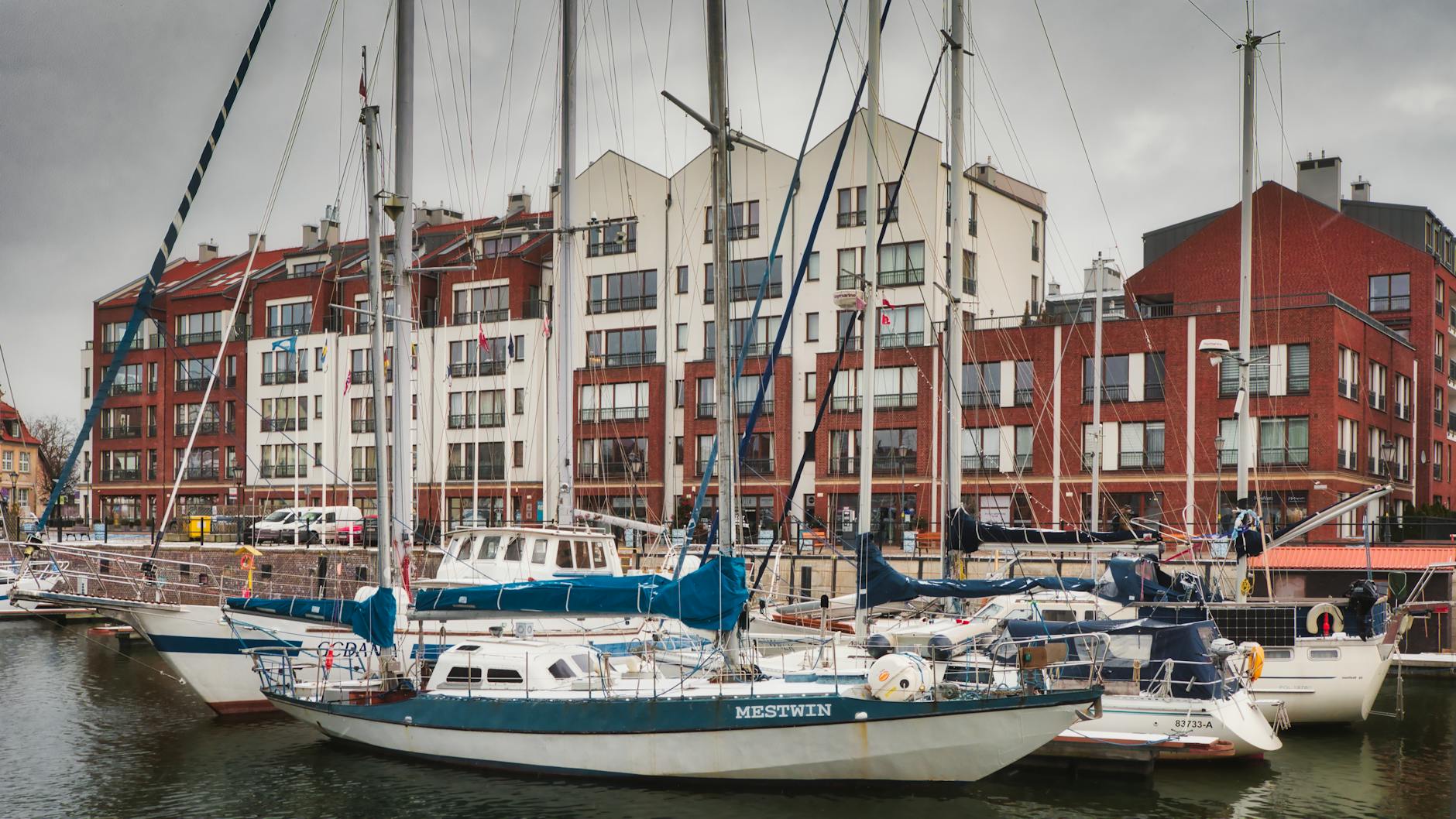
The hotel should support quiet work, secure calls, early breakfast, late review sessions, and quick transport. A view or old-town address is secondary if the room is noisy, the desk is weak, or transport access is awkward.
The hotel is part of the deal room.
- Check Wi-Fi, desk space, meeting rooms, quiet areas, breakfast timing, laundry, and late checkout.
- Confirm taxi pickup, elevator access, luggage storage, and room privacy.
- Choose a base that supports both formal meetings and late document review.
Plan site visits with operational realism
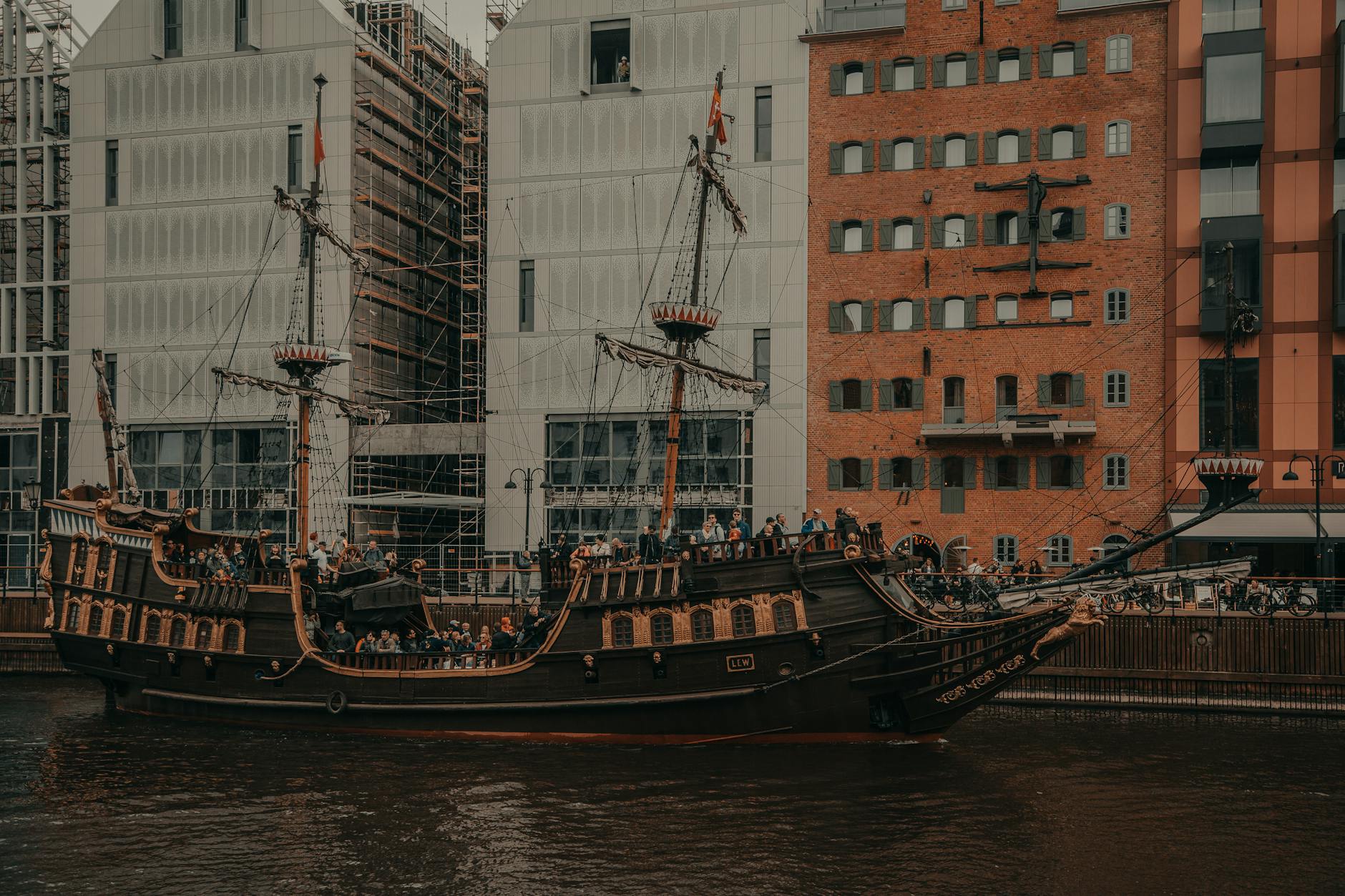
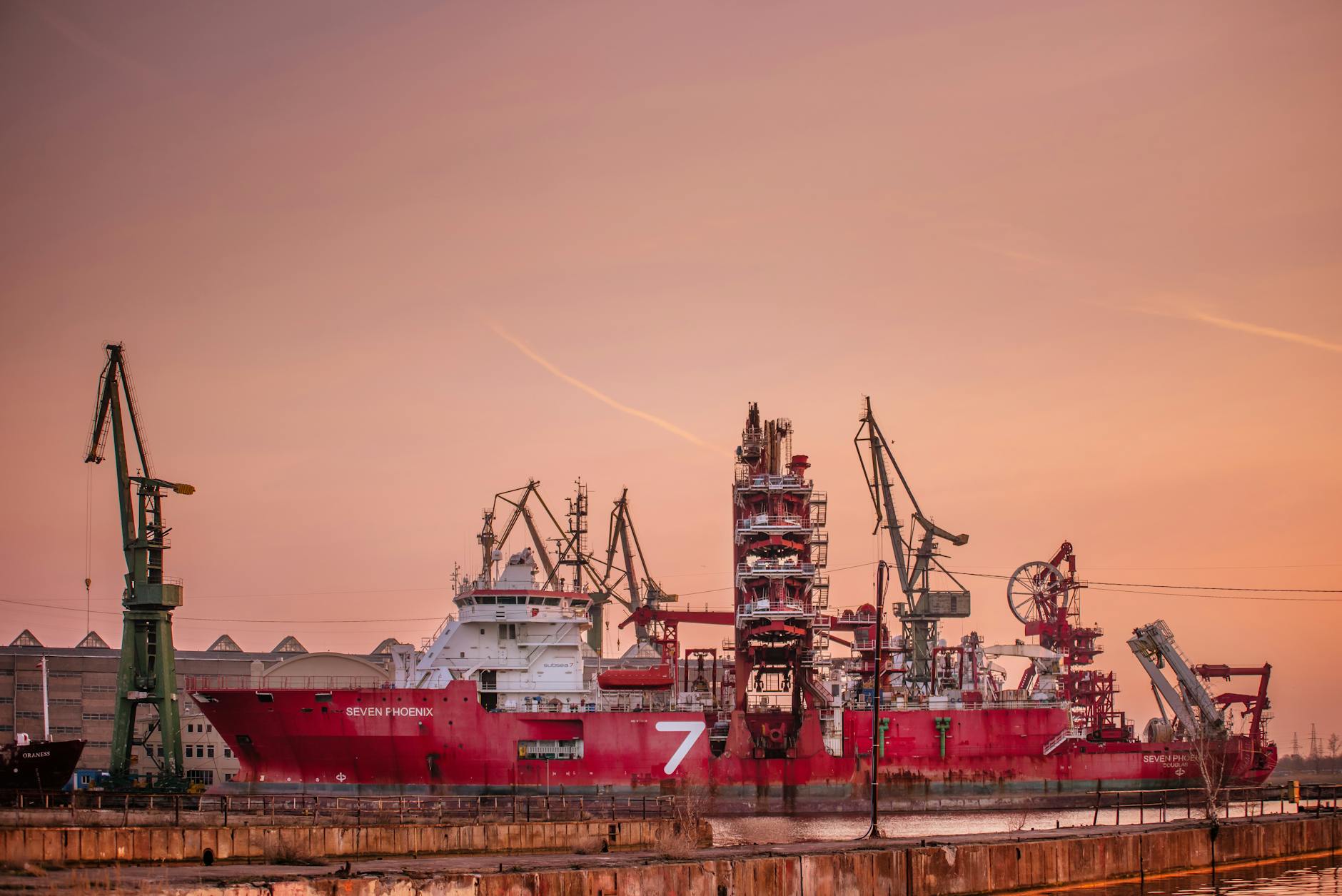
Some Gdansk deal trips involve port, shipyard, logistics, real estate, manufacturing, or infrastructure context. Site visits may include PPE, security gates, walking surfaces, weather exposure, photography limits, and transport constraints. Those details should be settled before the team is on site.
Site visits need more than a calendar invite.
- Confirm access rules, ID requirements, PPE, walking distances, photography policy, and meeting points.
- Prearrange drivers for industrial, port, or multi-stop site routes.
- Leave time after visits for notes, calls, and internal discussion.
Protect confidential work time
Deal teams often need private calls, model review, redline comments, memo writing, and internal debate between meetings. Public cafes can be useful for light work, but sensitive material needs better control. The itinerary should identify where confidential work can actually happen.
Privacy should be planned, not improvised.
- Identify hotel rooms, meeting rooms, or private workspaces for sensitive calls and documents.
- Carry chargers, adapters, secure connectivity, headphones, and offline versions of critical files.
- Avoid placing confidential work only after a late dinner or long transfer.

Control transport and departure risk
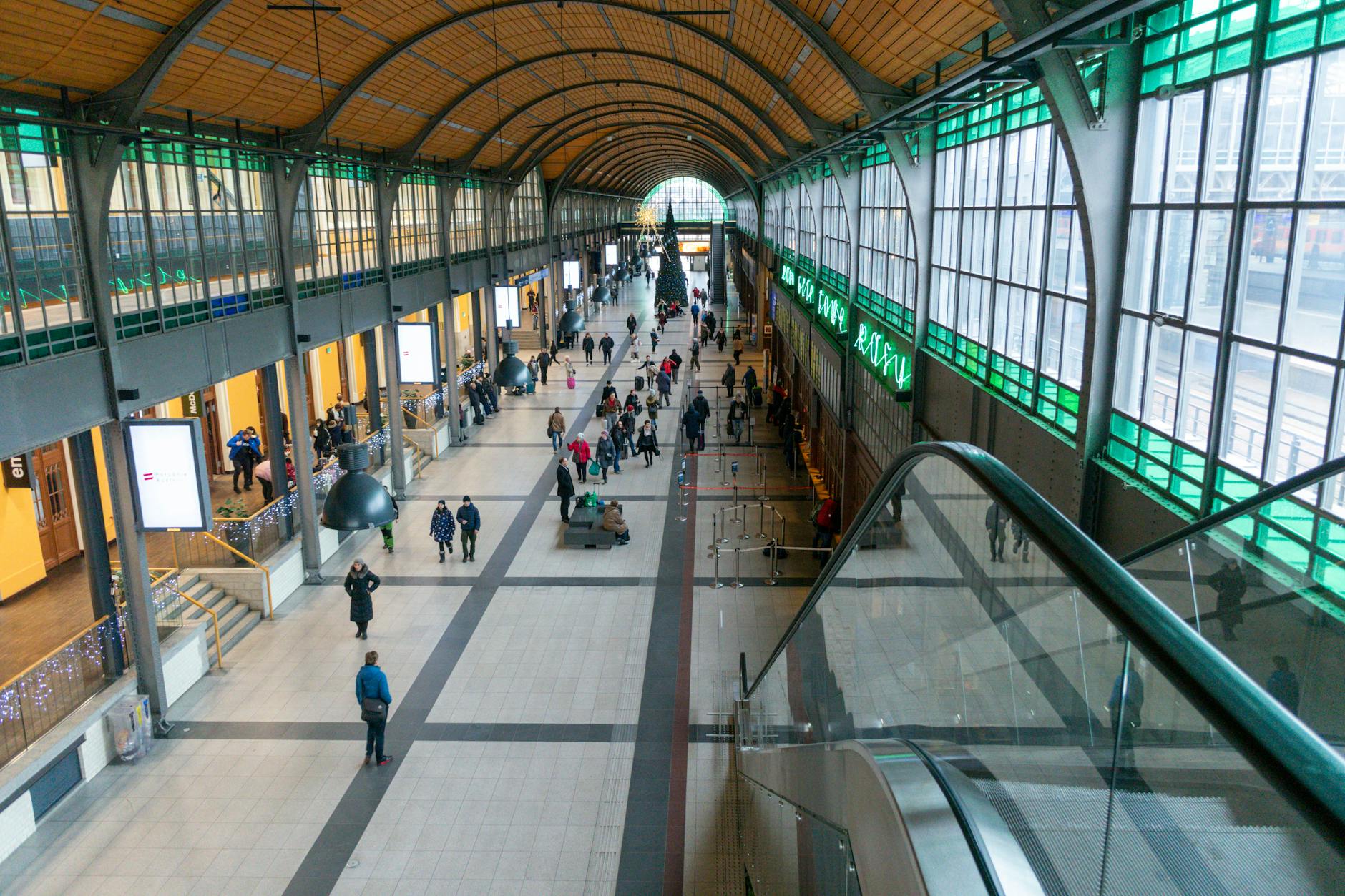
A deal team's schedule can be damaged by small movement failures: missed pickup points, traffic, weather, luggage, or late-running meetings. Transport should be built around the highest-value commitment, not the cheapest or most scenic route.
Reliability is part of transaction discipline.
- Prearrange airport, rail, site visit, and dinner transfers when timing matters.
- Keep backup taxis, hotel contacts, and route details available offline.
- Avoid scheduling final meetings too close to a flight or rail departure.
Use meals for signal, not spectacle
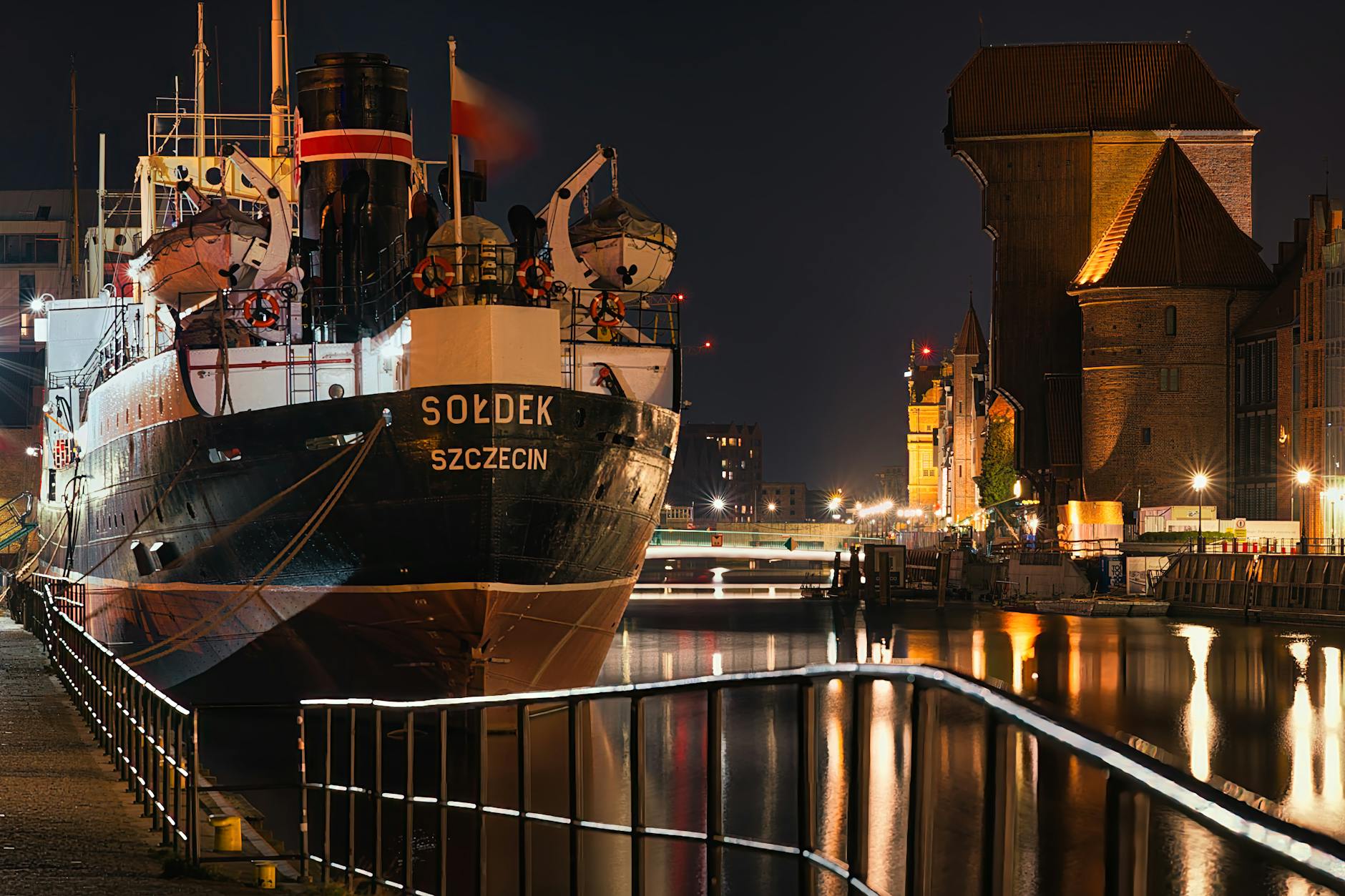
Management dinners, advisor meals, and internal debriefs should be chosen for conversation quality, privacy, timing, and return logistics. A scenic waterfront restaurant can be useful, but a loud or slow meal can weaken the workday.
Meals should support judgment and rapport.
- Reserve restaurants that match confidentiality, noise, timing, and group size requirements.
- Keep internal debrief meals close to the hotel or meeting route.
- Avoid late meals that compromise next-day diligence or departure timing.
When to order a short-term travel report
An investor or deal team member with one central meeting and ample time may not need a custom report. A report becomes useful when the trip includes multiple sites, port or industrial visits, confidential work, advisor meetings, private meals, tight transfers, weather exposure, or departure soon after final discussions.
The report should test diligence geography, hotel function, transfers, site visits, work blocks, meals, confidentiality needs, weather, and departure buffers. The value is a Gdansk deal trip that keeps logistics from distorting judgment.
- Order when meeting sites, hotels, transfers, site visits, work blocks, meals, privacy, or departure timing need exact planning.
- Provide dates, meeting addresses, site needs, hotel candidates, team size, work requirements, meal plans, and arrival details.
- Use the report to keep the deal trip precise, discreet, and resilient.