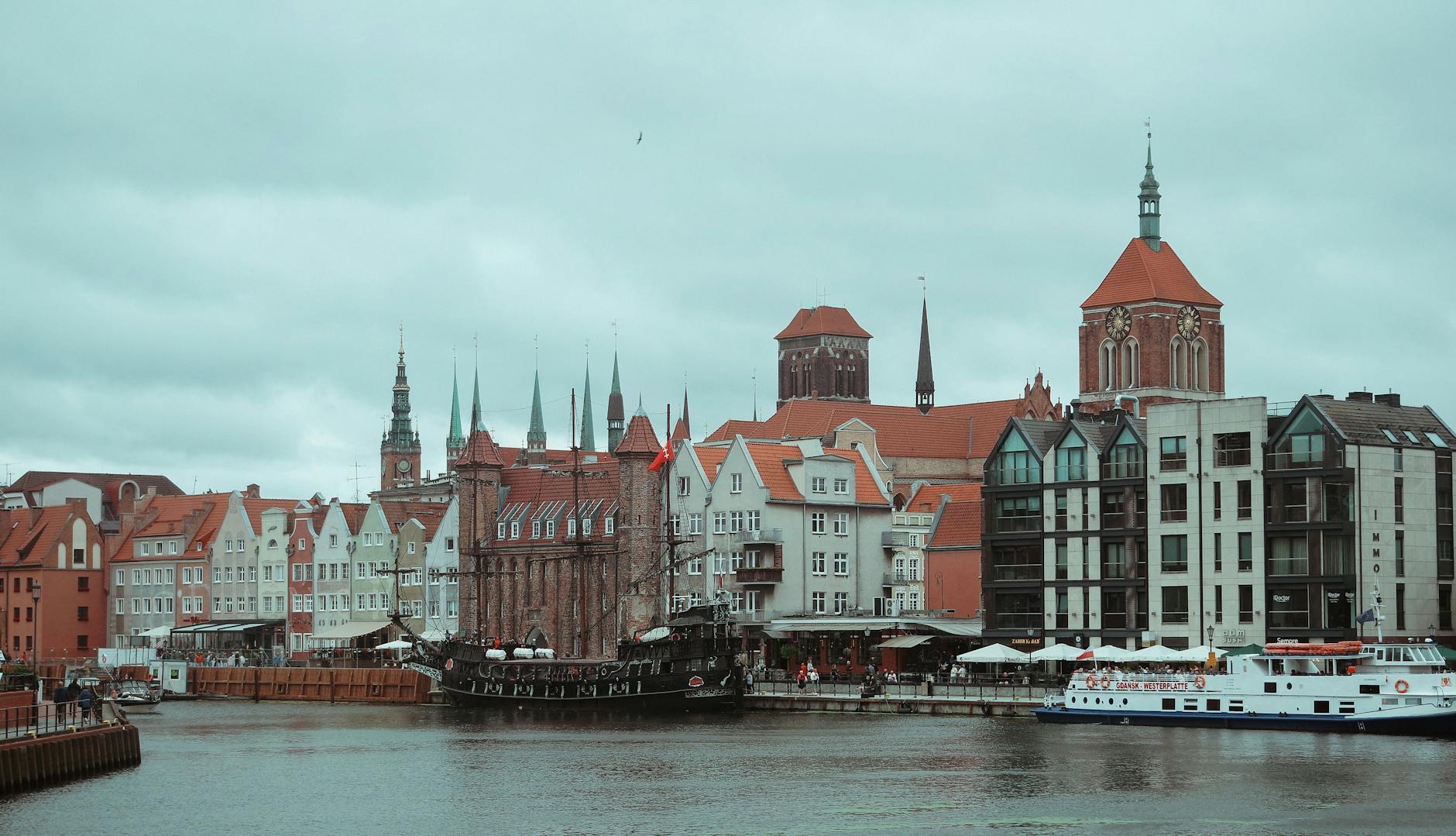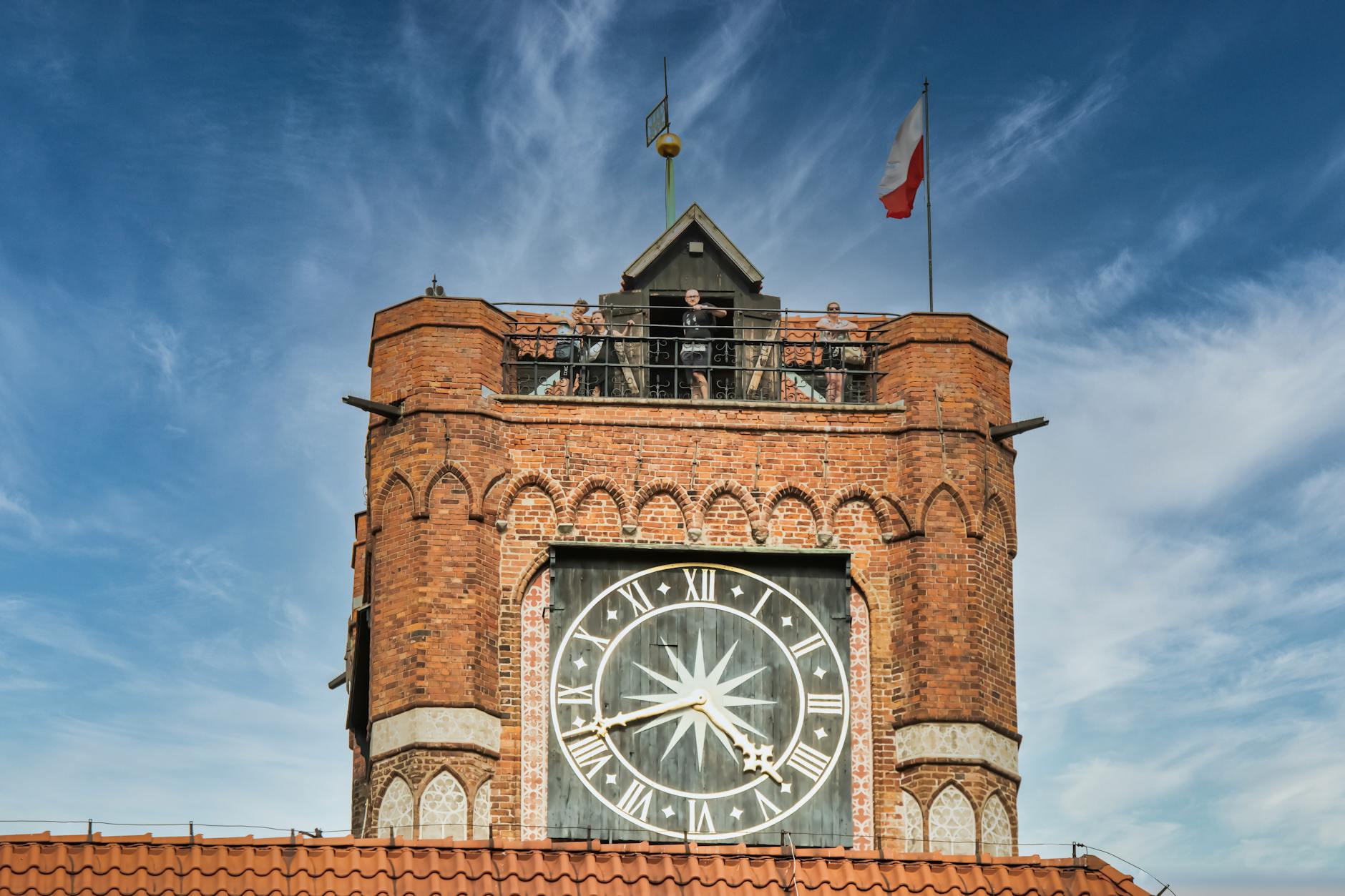
Gdansk is an easy city to underestimate on a first visit. The historic center, waterfront, shipyard history, amber shops, museums, Baltic weather, and Tricity connections can all compete for a short itinerary. A good first visit keeps the route compact, makes room for context, and avoids trying to see Gdansk, Sopot, and Gdynia as if they were one small neighborhood.
Start with a compact orientation
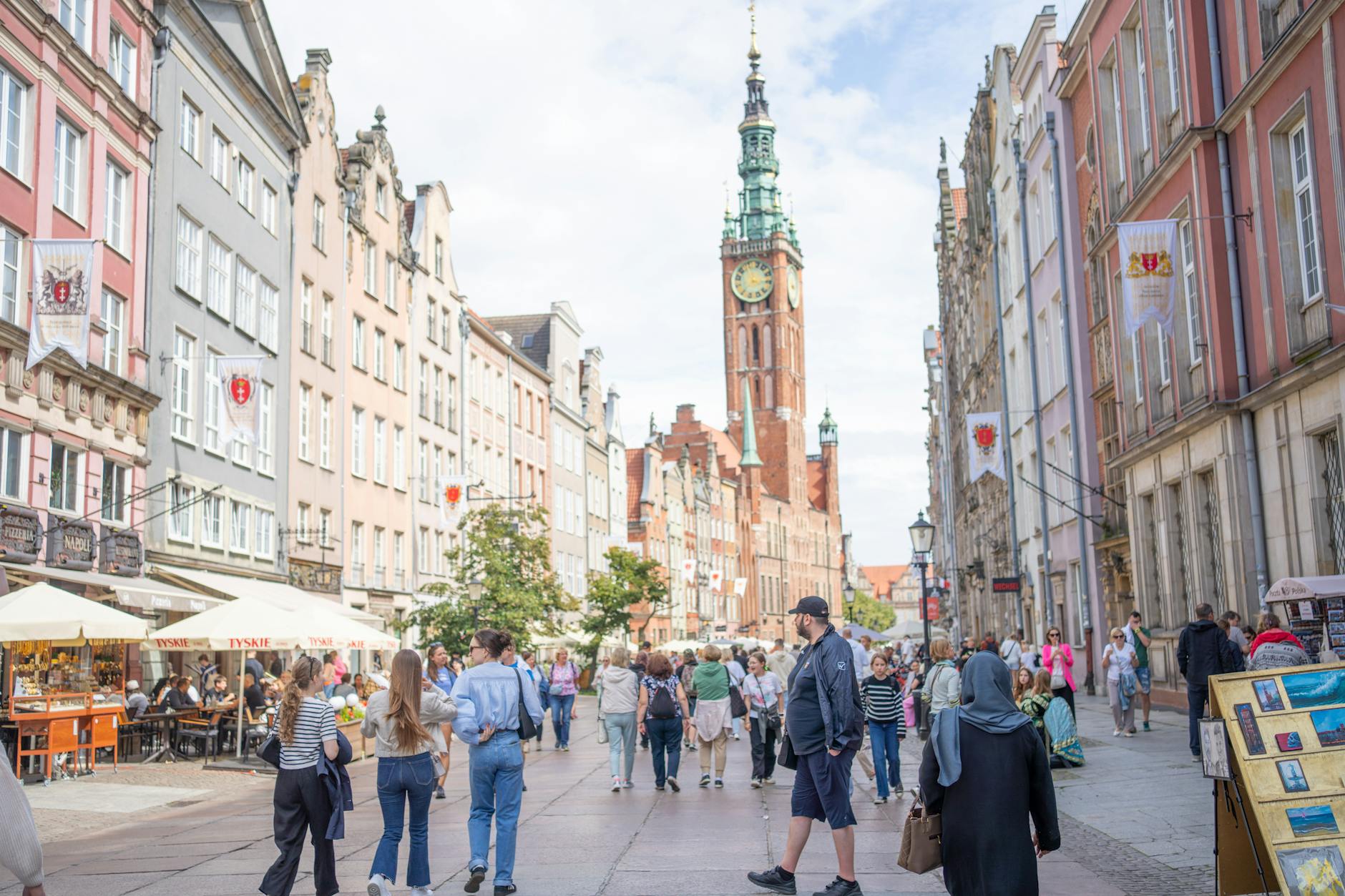
A first-time visitor should begin with a simple orientation route rather than a long attraction list. The old town, Long Market, waterfront, gates, churches, and side streets can take more time than expected because the city rewards looking slowly.
The first route should make the city legible.
- Build an initial walk around Long Market, the waterfront, key gates, and a short cafe or meal stop.
- Save deeper museum visits or Tricity trips for after the basic geography is clear.
- Use a guided walk if history, architecture, or wartime context is a major reason for the visit.
Choose lodging for arrival and walking comfort
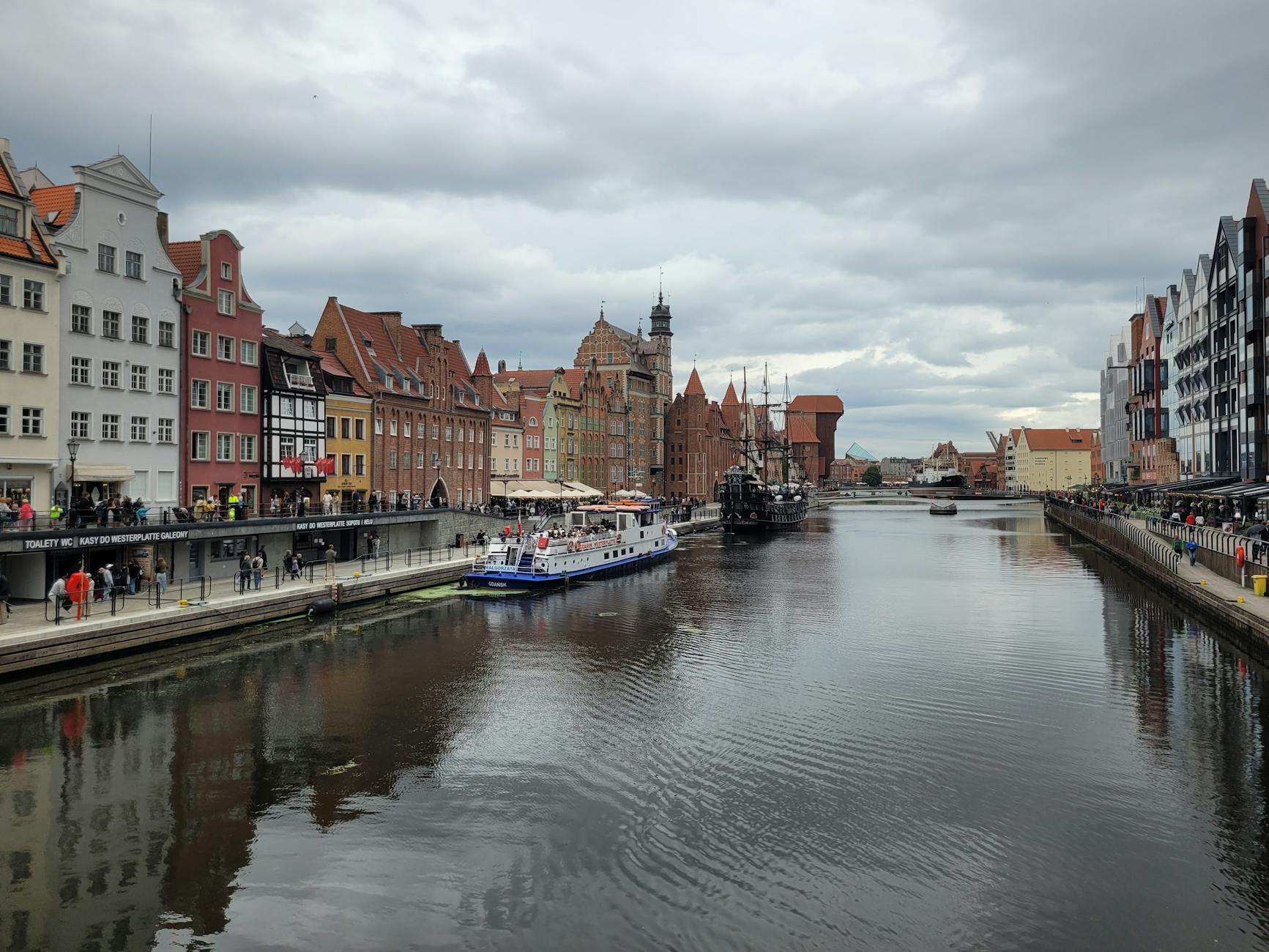
A central hotel can make the first visit easier, but the best choice depends on arrival point, luggage, walking comfort, budget, and noise tolerance. A beautiful base is less useful if it creates awkward transfers or a difficult return after dinner.
The hotel should simplify the first stay.
- Compare old-town, waterfront, station-adjacent, and quieter nearby bases against arrival and departure plans.
- Check elevator access, street noise, taxi pickup, luggage storage, and breakfast timing.
- Avoid assuming every central street is easy with rolling bags, winter weather, or tired travelers.

Understand the Tricity before adding it
Many first-time visitors hear about Gdansk, Sopot, and Gdynia together and assume they can be folded into any short plan. The Tricity is useful, but each move takes time and changes the shape of the day. The traveler should decide whether Gdansk itself is the focus or whether the trip is intentionally regional.
Nearby does not mean effortless.
- Add Sopot or Gdynia only when the trip has enough time for rail movement and a clear reason.
- Keep one full day or one focused half-day for central Gdansk before expanding outward.
- Check return trains, weather, beach or waterfront conditions, and evening plans before leaving the city center.
Choose museums and heritage sites deliberately
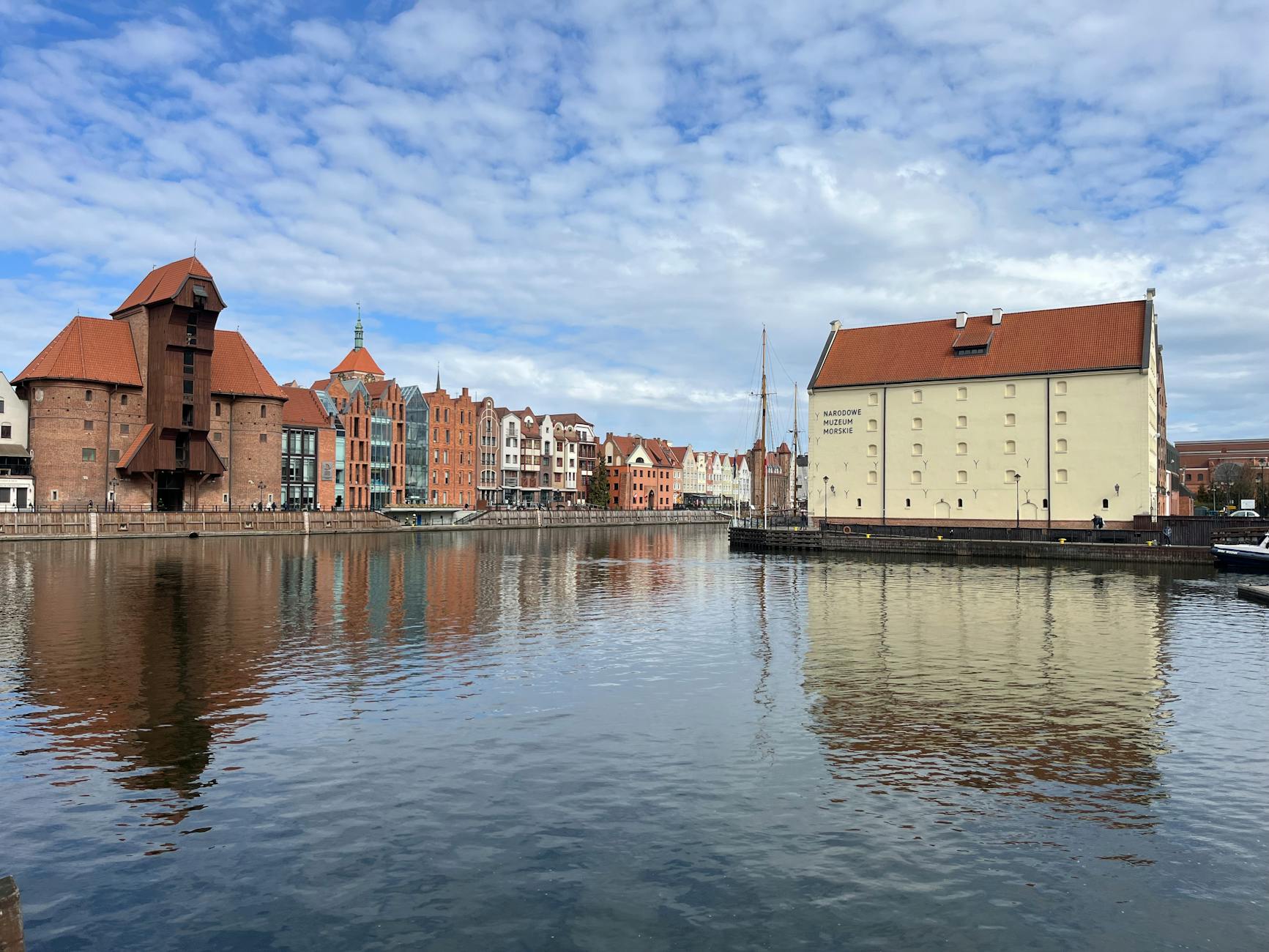
Gdansk has serious historical layers: maritime trade, Hanseatic wealth, World War II, Solidarity, rebuilding, migration, and Baltic identity. A first-time visitor should not treat every museum as interchangeable. The best choice depends on interest, time, emotional bandwidth, and weather.
Context deserves time.
- Pick one major museum or heritage theme instead of stacking several dense visits in one day.
- Check timed tickets, opening days, security lines, language options, and expected visit length.
- Leave quiet time after heavy historical material before returning to restaurants or nightlife.

Plan meals around route and season
Gdansk meals can anchor a first visit, especially near the waterfront or old town. The traveler should still think about reservation needs, crowd patterns, dietary preferences, and how far the meal is from the hotel. In cold, windy, or rainy weather, a poorly placed dinner can make the evening harder than expected.
Food should fit the route.
- Save restaurants, cafes, bakeries, and simple backup meals near lodging and the main sightseeing route.
- Reserve ahead for popular waterfront meals, weekend evenings, or groups.
- Keep a low-effort meal plan for arrival night or a rainy final evening.
Build around Baltic weather and walking surfaces
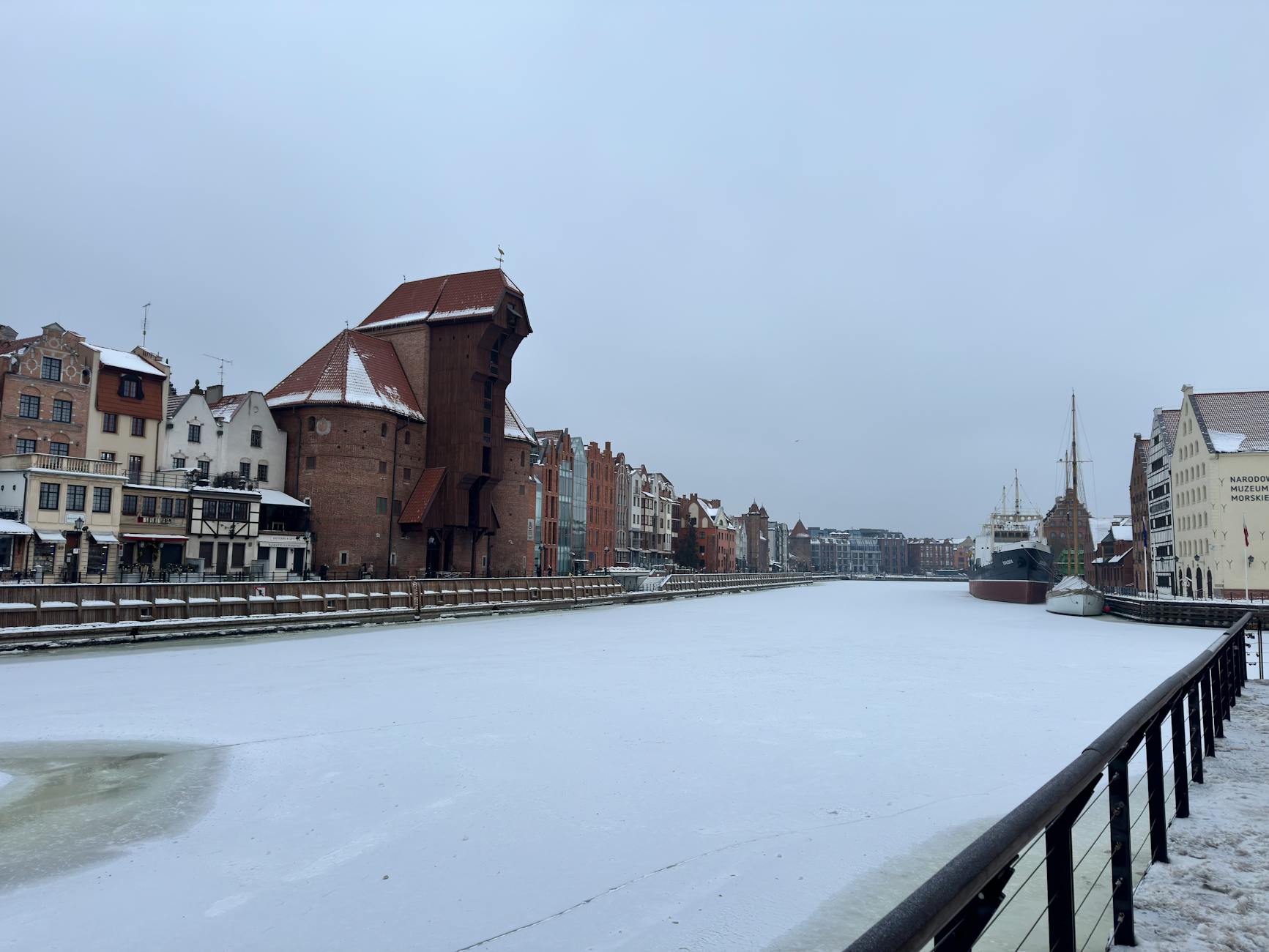
Gdansk can be windy, wet, cold, bright, or crowded depending on the season. Cobblestones, bridges, waterfront exposure, stairs, and busy streets can make a first visit more tiring than the map suggests. The traveler should plan clothing and route length accordingly.
Weather shapes the first impression.
- Pack layers, rain protection, comfortable shoes, and a plan for exposed waterfront walks.
- Use cafes, museums, churches, and covered stops as weather breaks rather than treating them as failure.
- Keep the final morning simple if the departure depends on rail, road, or airport timing.
When to order a short-term travel report
A first-time visitor with two relaxed nights and a central hotel may not need a custom report. A report becomes useful when the stay is short, the traveler wants Tricity movement, museums, waterfront dining, accessibility checks, family pacing, bad-weather backups, or a tight departure.
The report should test lodging, arrival routes, compact sightseeing, museums, meals, weather, Tricity options, and departure buffers. The value is a first Gdansk visit that feels clear rather than overstuffed.
- Order when lodging, routes, museums, meals, weather, Tricity movement, or departure timing need exact planning.
- Provide dates, arrival details, hotel candidates, interests, walking comfort, budget, meal needs, and departure plans.
- Use the report to turn a first visit into a focused, well-paced city introduction.