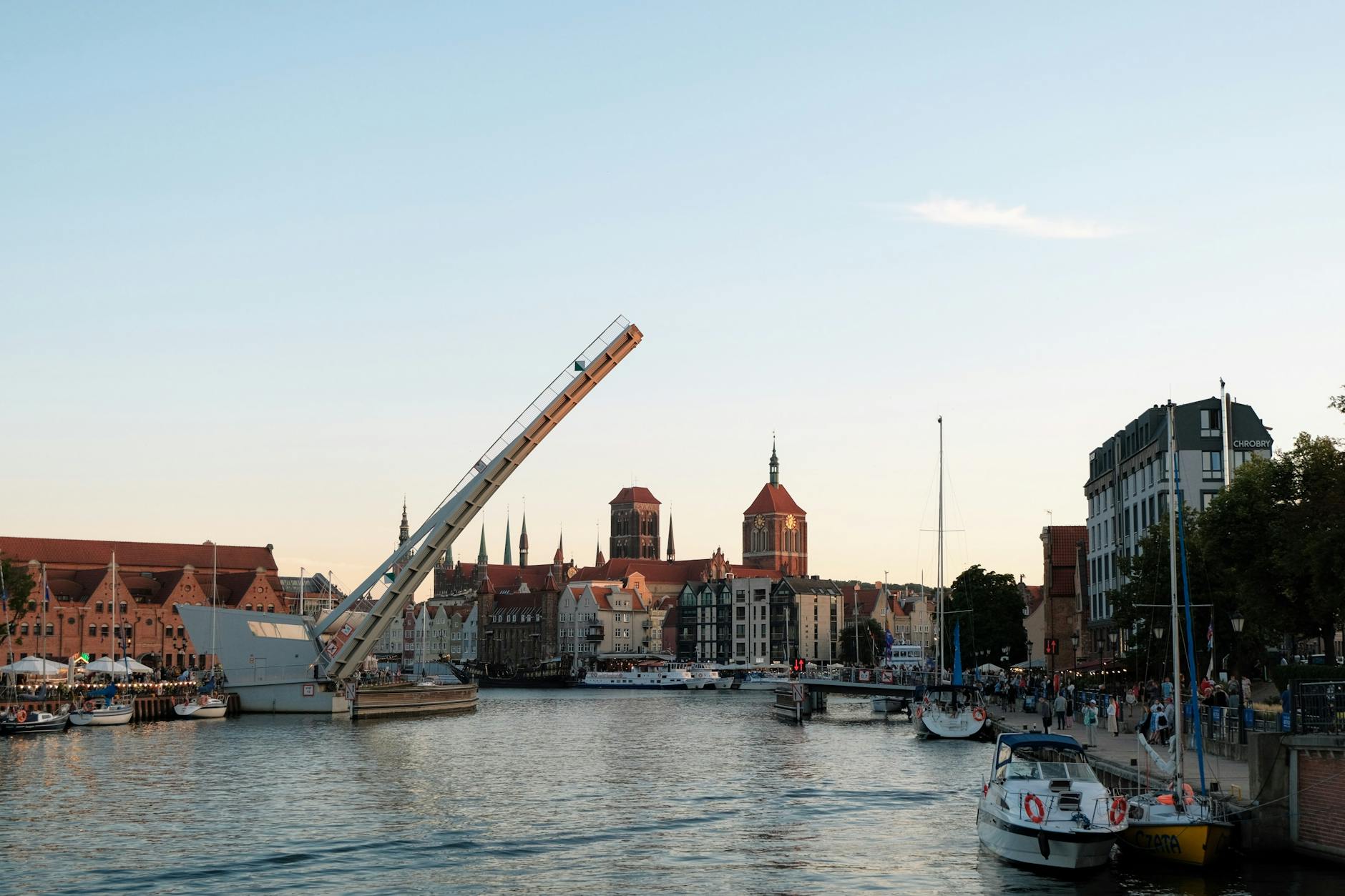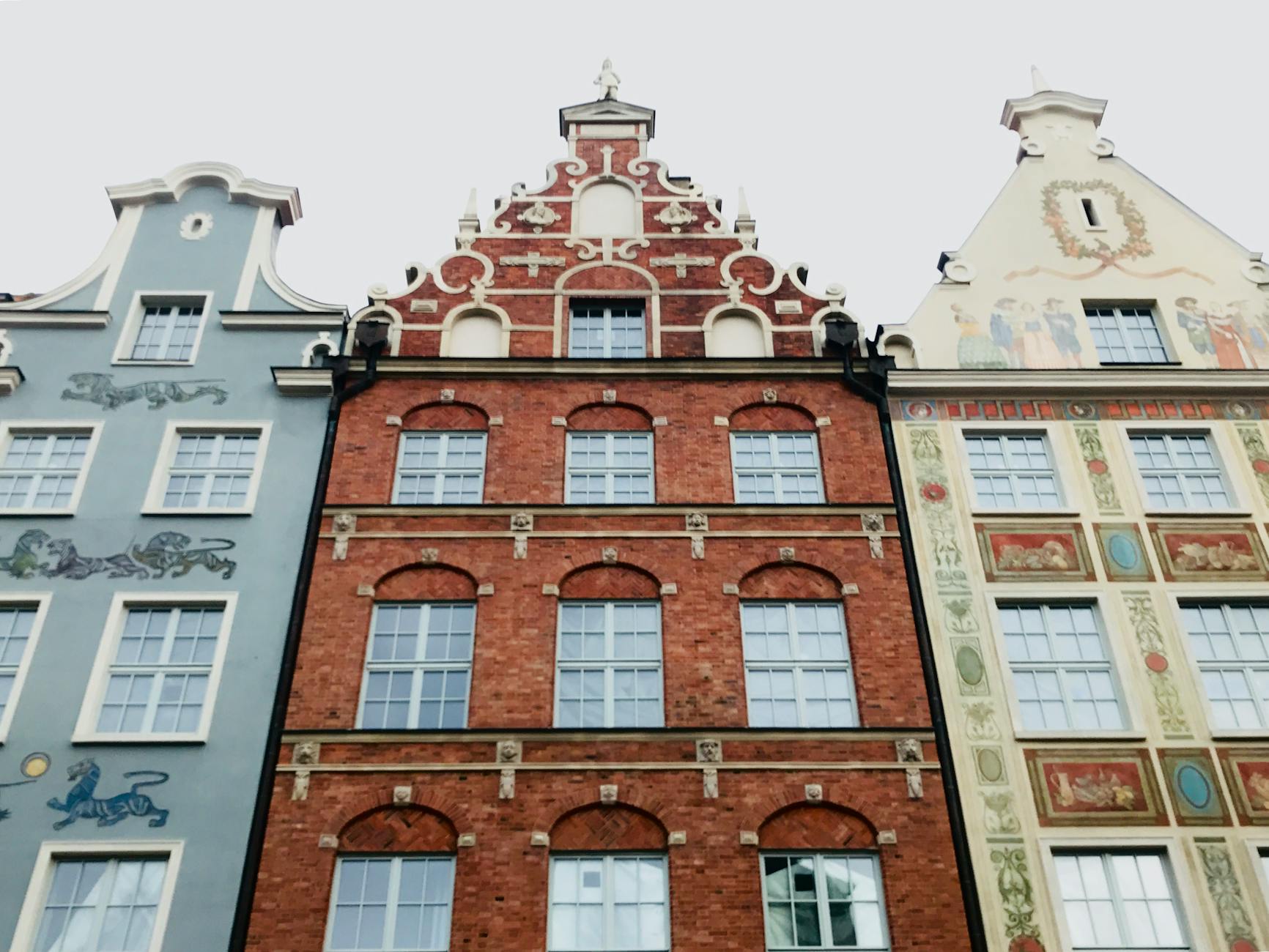
Gdansk can be a strong family destination when the trip is paced well: old-town routes are scenic, the waterfront has natural breaks, museums can add structure, and the wider Tricity offers beaches and rail links. The challenge is balancing adult interests with child energy, stroller or luggage needs, weather, meals, and realistic travel times.
Choose lodging around family logistics
A family trip to Gdansk should start with the practical base. Room layout, elevator access, breakfast, laundry, kitchen options, crib or extra bed, stroller storage, and taxi pickup can shape the whole stay. A central hotel helps only if it also works for the family routine.
The base should reduce daily friction.
- Confirm room configuration, elevator access, luggage storage, breakfast hours, bedding, and noise exposure.
- Check whether taxis can reach the hotel entrance or only nearby streets.
- Choose a location close enough for naps, clothing changes, or a midday reset.
Keep the first route short and scenic
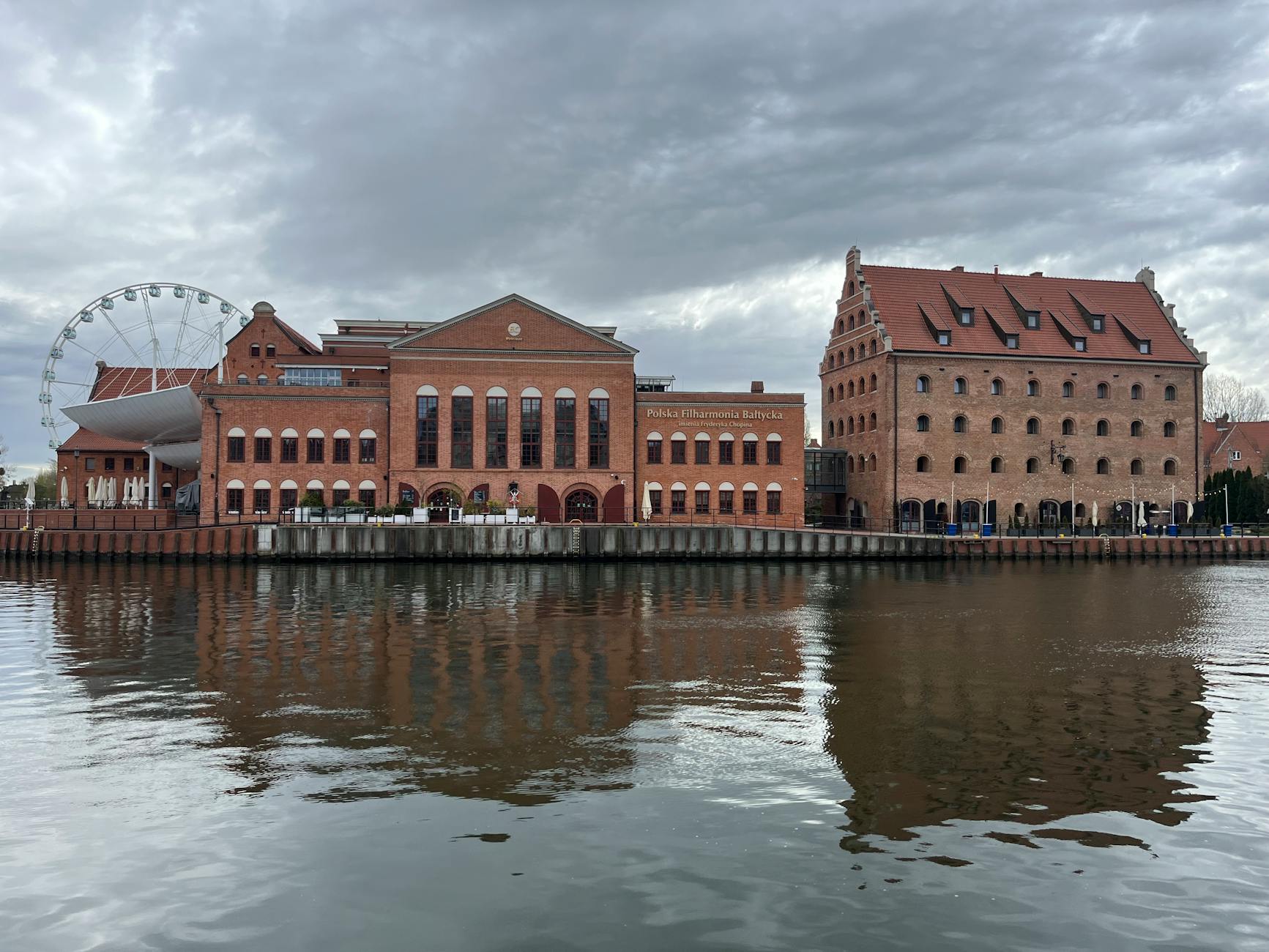
Families often enjoy Gdansk most when the first day is a compact route through the old town, waterfront, bridges, cafes, and visible landmarks. A long museum-heavy schedule can lose younger travelers quickly, especially after arrival or in bad weather.
A good first route builds confidence.
- Use Long Market, the waterfront, gates, and a simple meal stop as an orientation loop.
- Add one child-friendly feature or treat rather than several adult-focused stops in a row.
- Keep the route easy to shorten if a child gets tired, cold, hungry, or overstimulated.
Choose museums by age and attention span
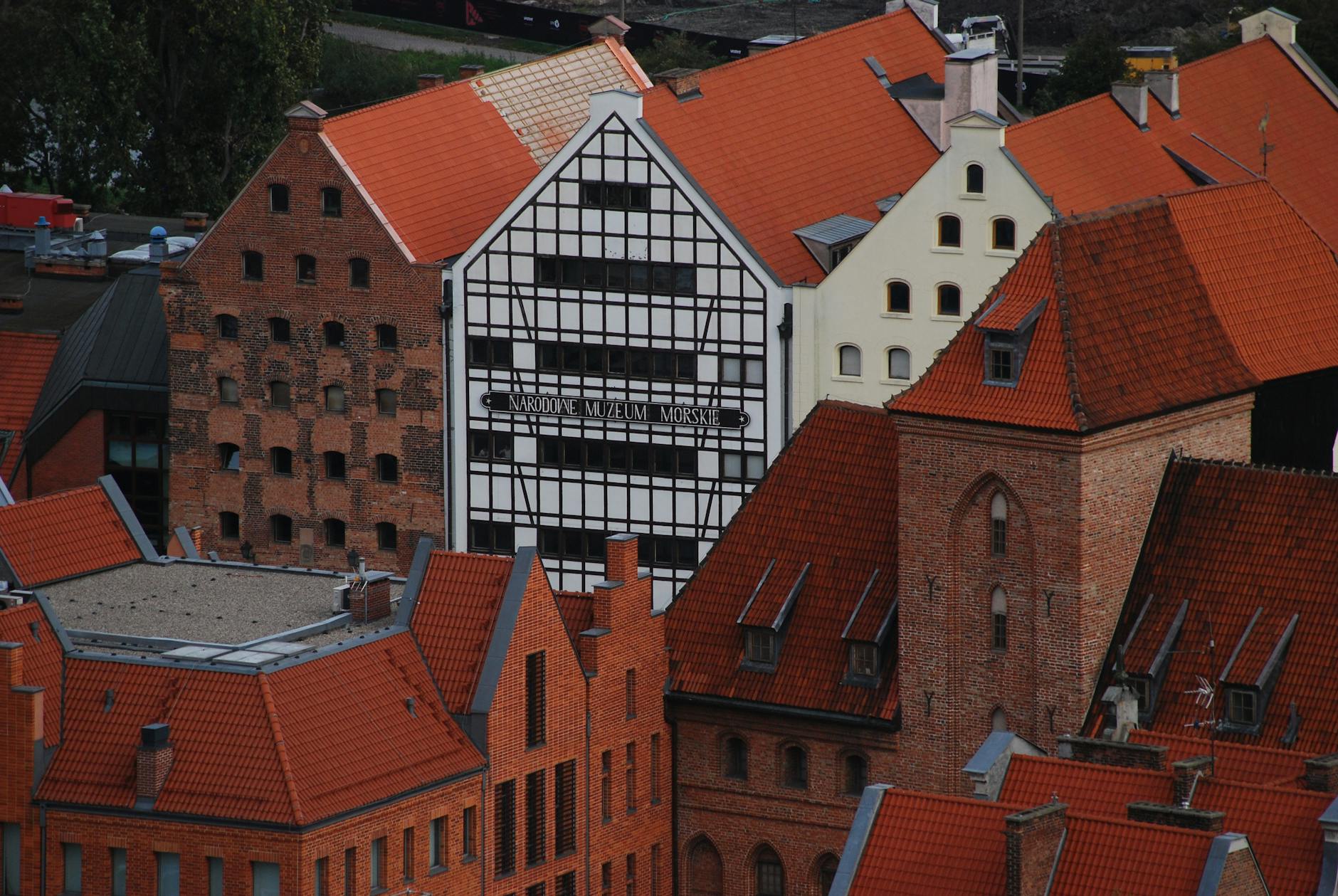
Gdansk has excellent historical material, but not every museum suits every age or energy level. Families should check visit length, emotional intensity, interactive elements, stroller rules, seating, restrooms, and nearby food before committing.
The right museum depends on the child, not only the topic.
- Pick one major museum or heritage stop per day unless the children are used to dense cultural travel.
- Check timed tickets, restroom access, cloakrooms, stroller policies, and language options.
- Follow heavy historical sites with a lighter walk, snack, or hotel rest.
Plan transport for strollers and tired legs
Gdansk's central area is walkable, but family travel can involve strollers, car seats, snacks, extra clothing, and children who lose energy suddenly. Public transport, taxis, and rail can help, but only if the family understands stops, stairs, ticketing, and transfer times.
Movement needs a family margin.
- Check stroller suitability, stairs, platform access, taxi needs, and walking distance from transit stops.
- Use direct transport for airport transfers, bad weather, late evenings, or luggage-heavy moves.
- Keep a short return route to the hotel or apartment throughout the day.

Use meals as reset points
Family meals in Gdansk should be placed where they support the day. Distance from the hotel, restroom access, seating, noise, reservation timing, child preferences, and weather all matter. The best restaurant is not always the best family choice.
Meals should calm the itinerary.
- Save restaurants, bakeries, cafes, and grocery stops near the hotel and main route.
- Reserve ahead for busy waterfront meals, weekend dinners, or larger families.
- Carry snacks and water for queues, rail rides, museum visits, and weather delays.
Add Tricity or beach time carefully
Sopot, Gdynia, beaches, parks, and waterfront extensions can be excellent for families, but they add transfers and weather risk. A short Gdansk stay should not turn every day into a rail project. The family should choose one extension with a clear purpose.
Extra geography should earn its place.
- Add Sopot, Gdynia, or beach time only when weather, rail timing, and child energy make sense.
- Keep backup indoor options near the central route for rain, wind, or cold.
- Avoid scheduling a Tricity outing before a tight airport or rail departure.
When to order a short-term travel report
A family with older children, a central hotel, and flexible dates may not need a custom report. A report becomes useful when the trip includes younger children, strollers, multiple rooms, museums, beach or Tricity plans, dietary needs, mobility limits, bad-weather concerns, or a tight departure.
The report should test lodging, route length, child-friendly stops, museums, transport, meals, weather backups, and departure buffers. The value is a Gdansk family trip that feels full without exhausting everyone.
- Order when lodging, routes, child pacing, museums, transport, meals, weather, or departure timing need exact planning.
- Provide dates, child ages, hotel candidates, stroller needs, interests, meal constraints, budget, and arrival details.
- Use the report to keep the family visit practical, flexible, and comfortable.