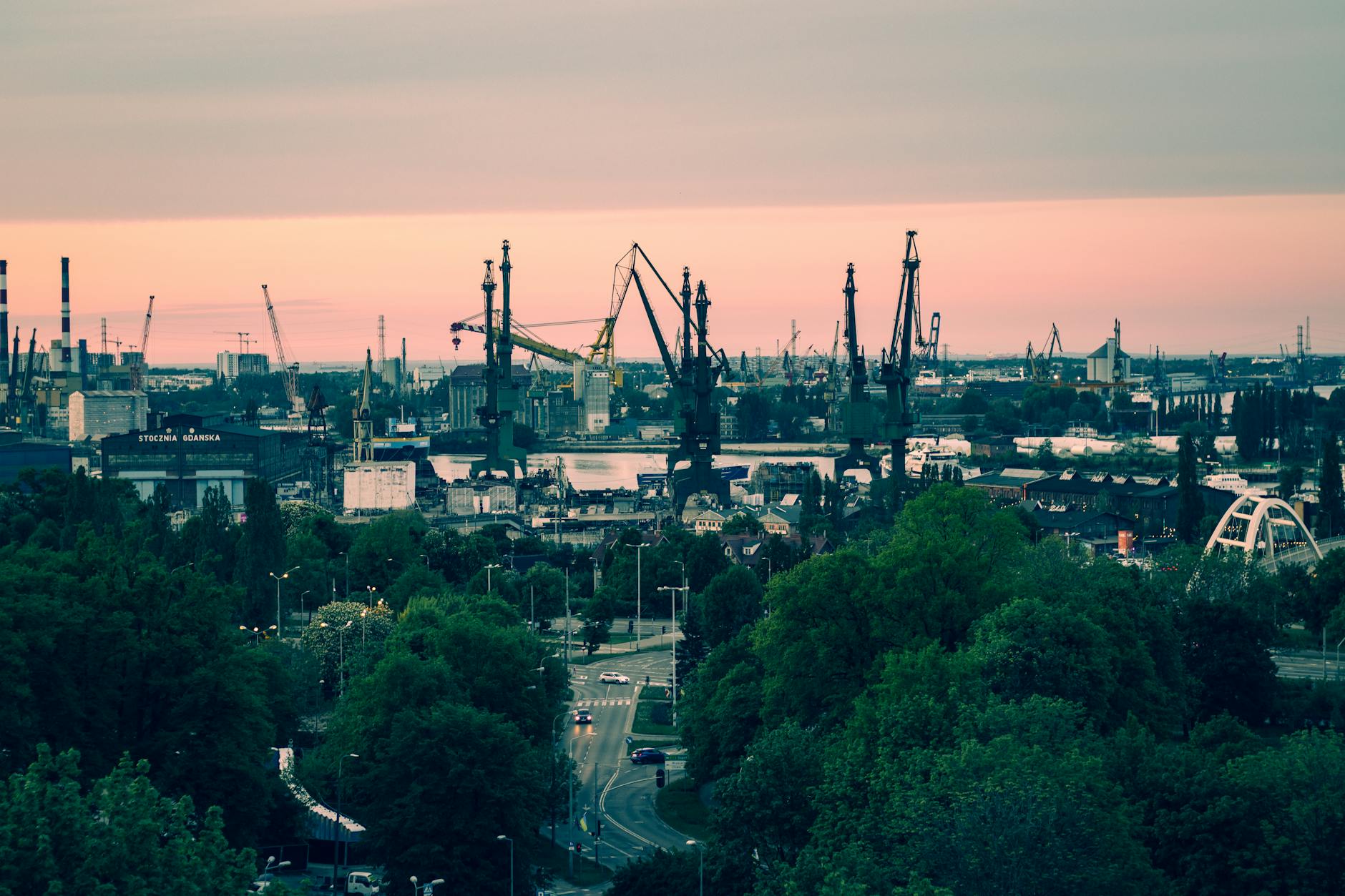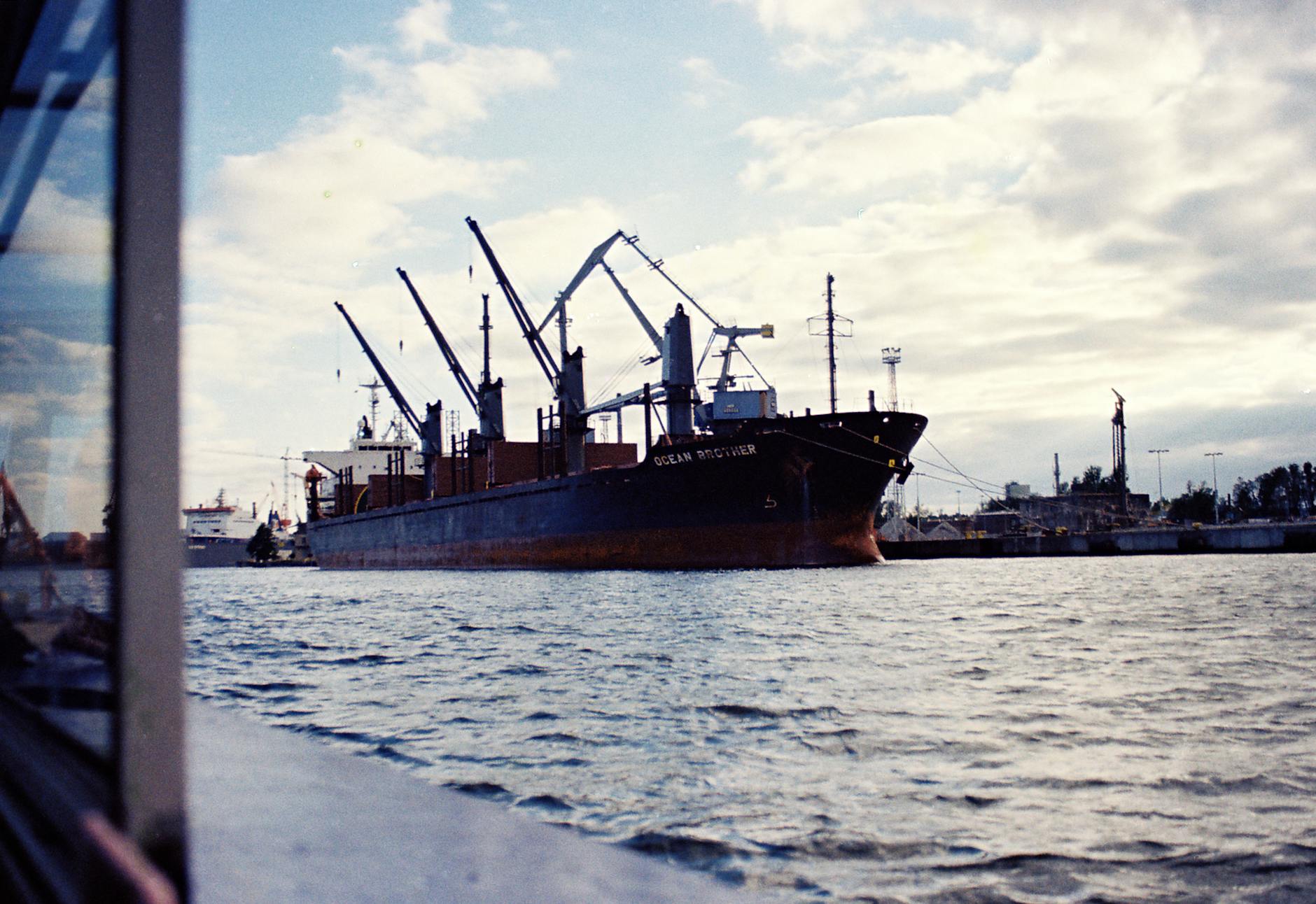
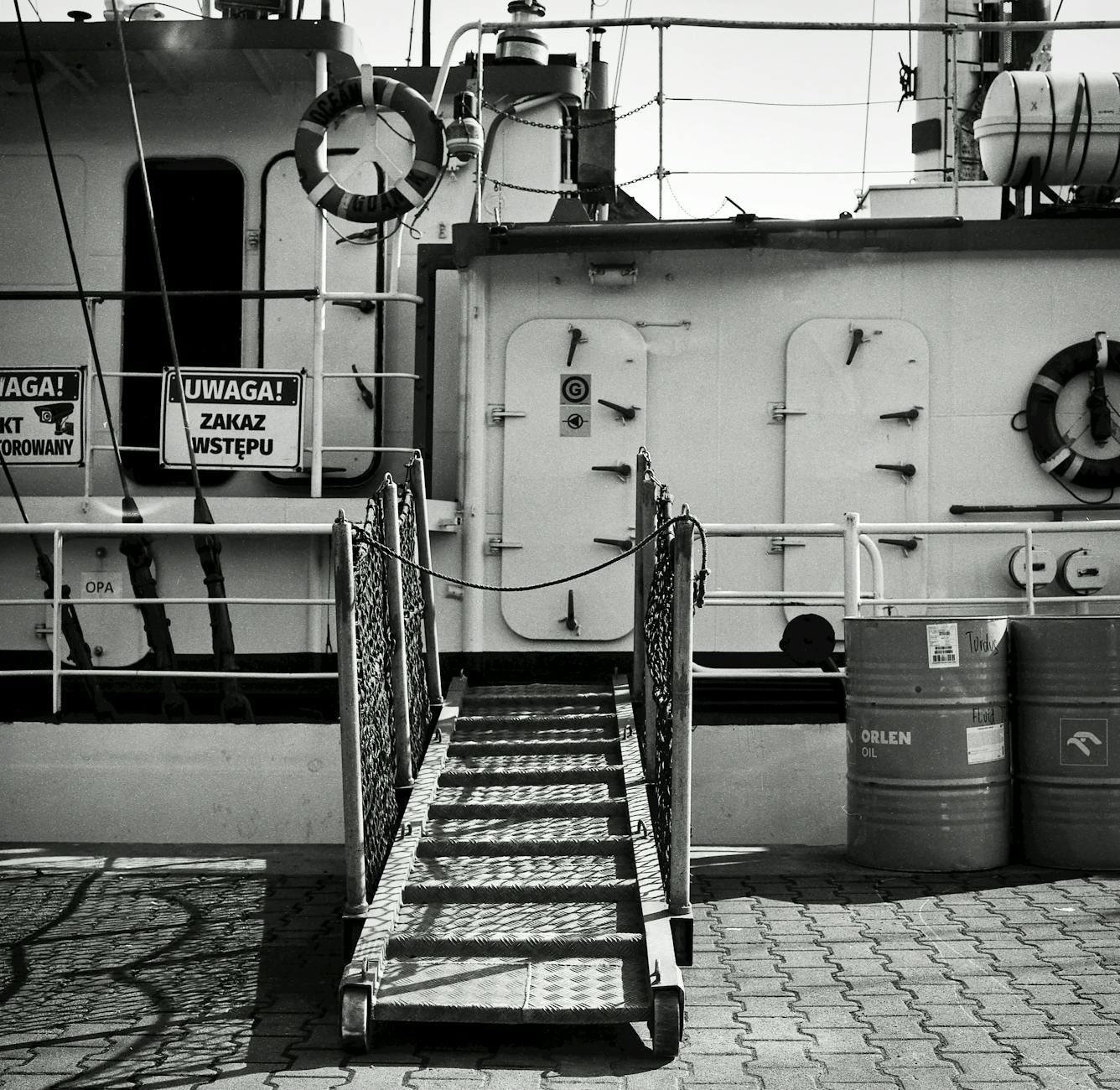
A Gdansk cruise or port-call visit can be rewarding, but it should not be treated as a simple walk-off stop. The ship, terminal, excursion pickup, old town, waterfront, museums, restaurants, and return route may all sit on different timelines. The traveler needs a focused plan that respects gangway timing, traffic, weather, mobility limits, and the fact that the ship departure is not flexible.
Confirm where the port call really begins
A cruise traveler should confirm the exact terminal, shuttle point, tour pickup, security rules, and all-aboard time before building the day. Gdansk's best visitor areas are not always at the ship's door, and a vague idea of being near the city can create a fragile plan.
The port clock should control the route.
- Confirm terminal location, shuttle rules, pickup points, walking limits, and all-aboard time.
- Build a return buffer that accounts for traffic, security, queues, and weather.
- Avoid independent plans that depend on perfect timing from the start.
Build one focused old-town route
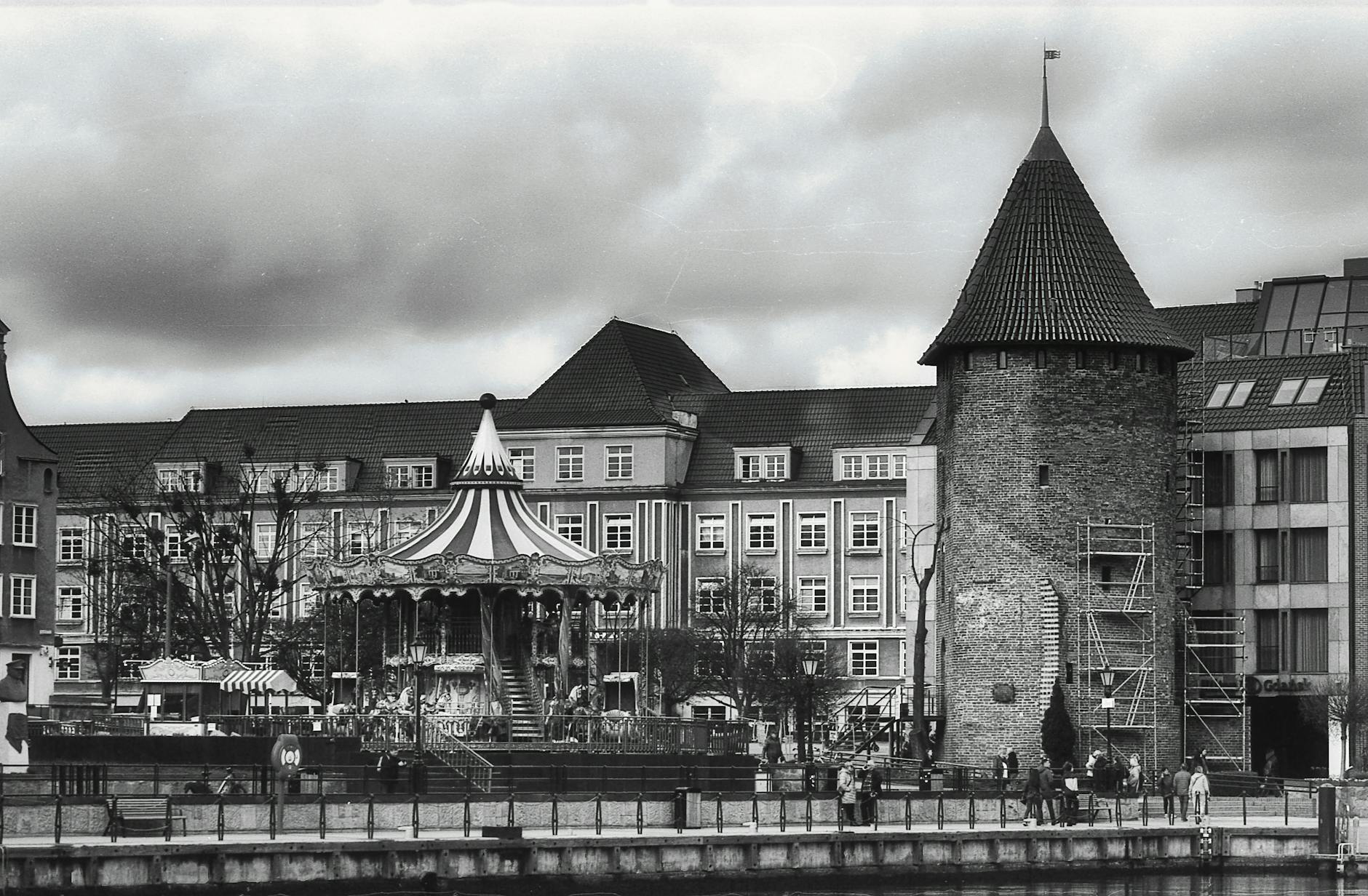
A short port call is usually strongest when the traveler chooses one clear old-town route instead of scattering across the city. Long Market, St. Mary's Basilica, the gates, amber shops, and the Motlawa waterfront can form a satisfying visit if they are arranged in a logical loop.
The route should be compact and return-aware.
- Prioritize the old town spine, waterfront, one church or museum, and one meal window.
- Check walking surfaces, restroom access, crowd pressure, and photo stops before the route starts.
- Skip distant additions unless shore time and return transport are genuinely secure.
Use the waterfront as the natural spine
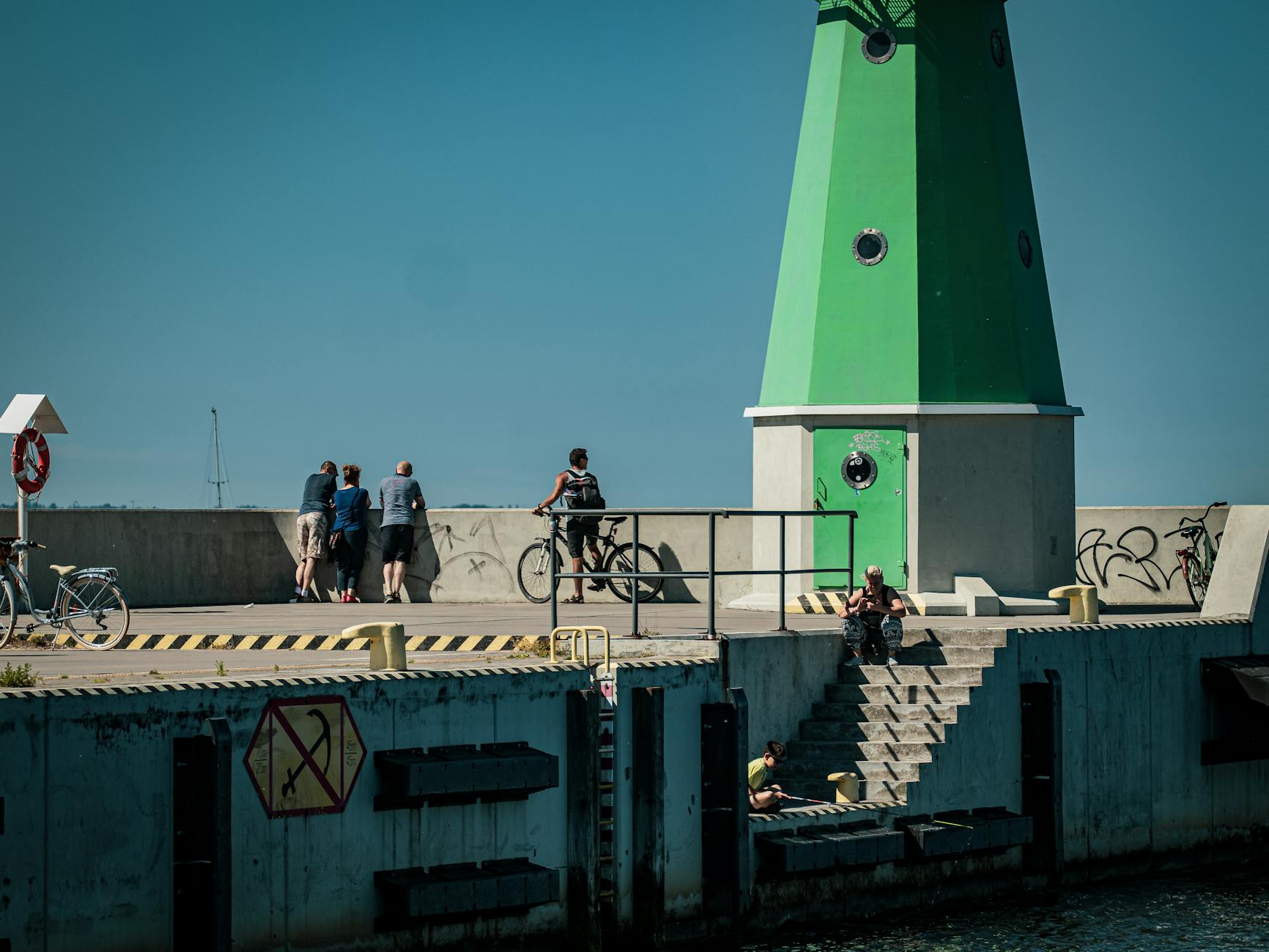
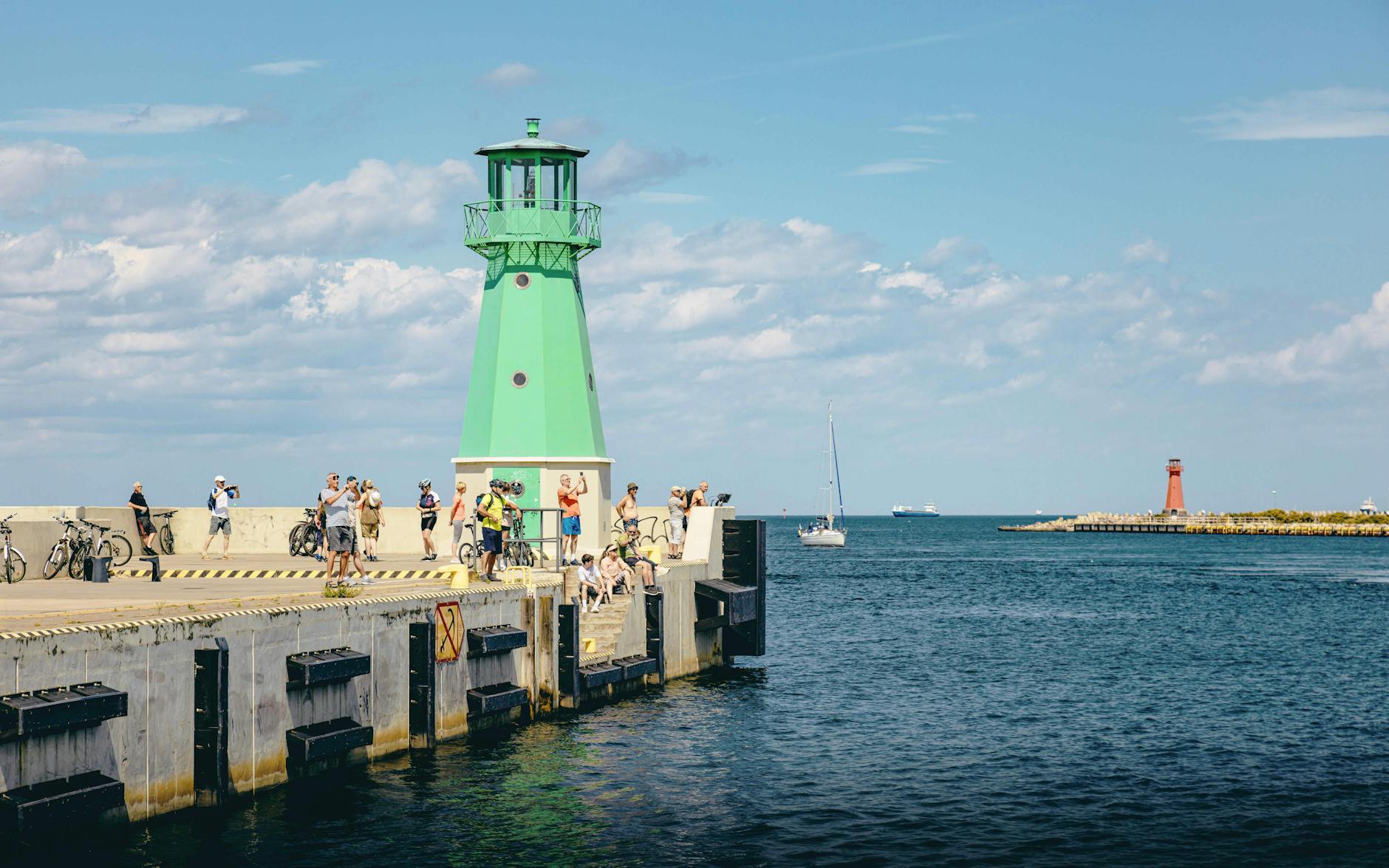
The Motlawa waterfront gives a port-call traveler Gdansk's maritime atmosphere quickly, but it should be used with timing discipline. It can be crowded, windy, slippery in rain, and slow for groups that stop often for photos.
The waterfront should serve the clock, not consume it.
- Use the waterfront for orientation, photos, a short walk, or a meal close to the main route.
- Check wind, rain, daylight, and crowd levels before committing to a long quay walk.
- Know the fastest route from the waterfront back to the shuttle or pickup point.
Respect timed sites and mobility limits
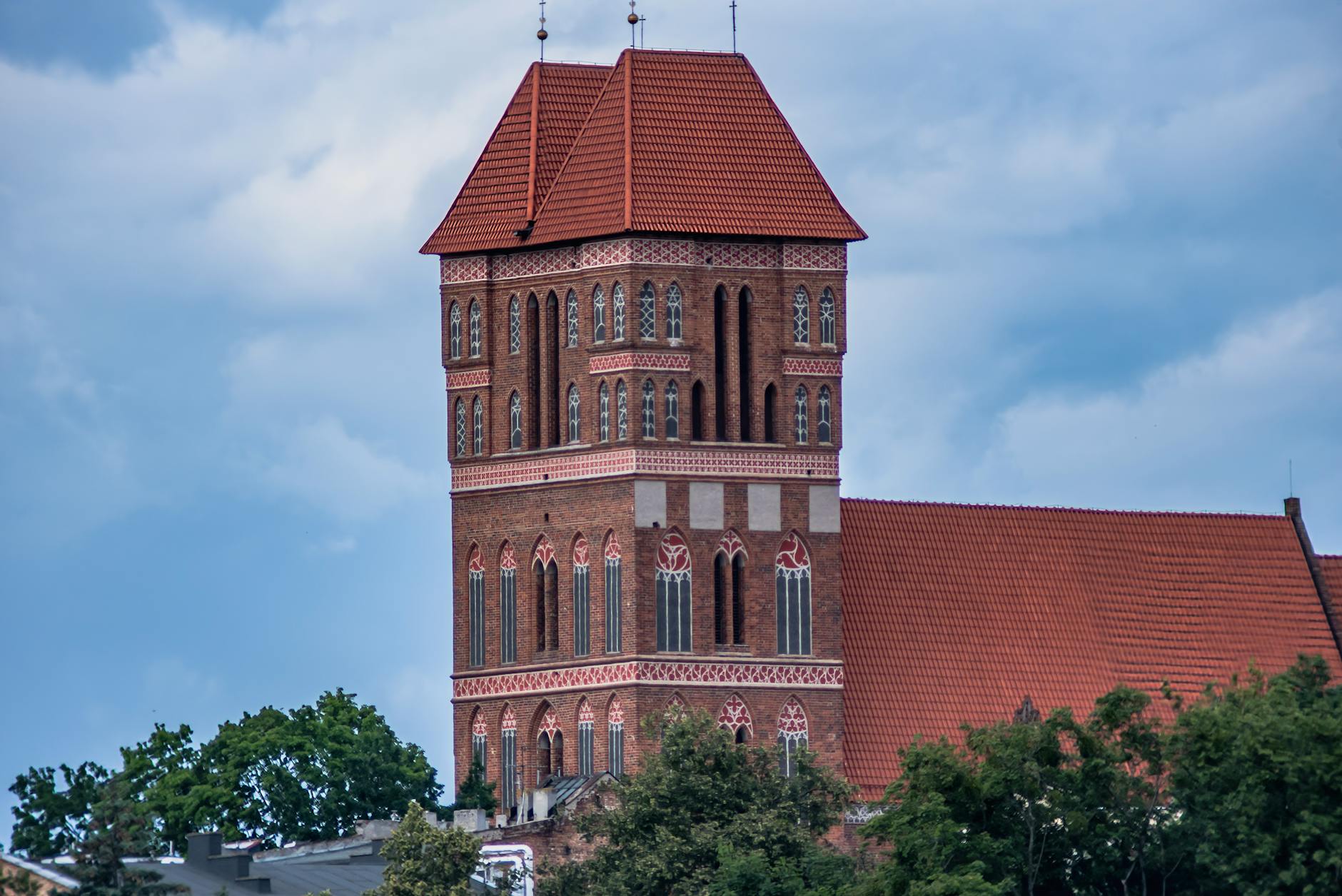
Churches, museums, towers, historic interiors, and shipyard-related sites can deepen a port call, but they also add stairs, queues, ticket rules, and time indoors. The traveler should choose sites that fit both the group's interests and the physical limits of the day.
A port call rewards selectivity.
- Check opening hours, ticket rules, stairs, elevators, restrooms, and realistic visit length.
- Avoid pairing several heavy historical sites with a tight return to the ship.
- Keep mobility needs visible when choosing churches, museums, and walking routes.
Plan meals around return timing
A shore day can go wrong when lunch takes longer than expected or a scenic restaurant sits too far from the return route. Gdansk has appealing cafes and waterfront dining, but the meal should support the schedule rather than become a risk to it.
Food should anchor the day carefully.
- Reserve or identify meals close to the old-town route, shuttle path, or pickup point.
- Use quicker cafes when the call is short or the group has mixed walking speeds.
- Carry water and a small snack in case the best restaurant plan slips.
Keep transport and luggage simple
Port-call travelers may be managing ship cards, passports, medications, mobility aids, shopping bags, umbrellas, or small day packs. The return to the ship should be simple enough to work when everyone is tired and the weather changes.
The day bag should not slow the day.
- Carry only what is needed for identification, payment, medication, weather, and phone power.
- Use direct transport when timing, mobility, luggage, or weather makes public movement fragile.
- Avoid buying bulky items unless the return route is already clear.

When to order a short-term travel report
A port-call traveler on a fully escorted excursion may not need a custom report. A report becomes useful when the traveler wants an independent route, has limited shore time, must manage mobility needs, wants a specific museum or restaurant, is traveling with a group, or needs a conservative return plan.
The report should test terminal logistics, shore time, old-town routing, transport, mobility, meals, weather, site access, shopping, and return buffers. The value is a Gdansk port call that feels intentional without gambling with the ship schedule.
- Order when port location, routing, transport, mobility, meals, site access, weather, or all-aboard timing need exact planning.
- Provide cruise line, ship date, terminal details, shore hours, group size, walking tolerance, interests, and budget.
- Use the report to keep the shore day focused, enjoyable, and return-safe.