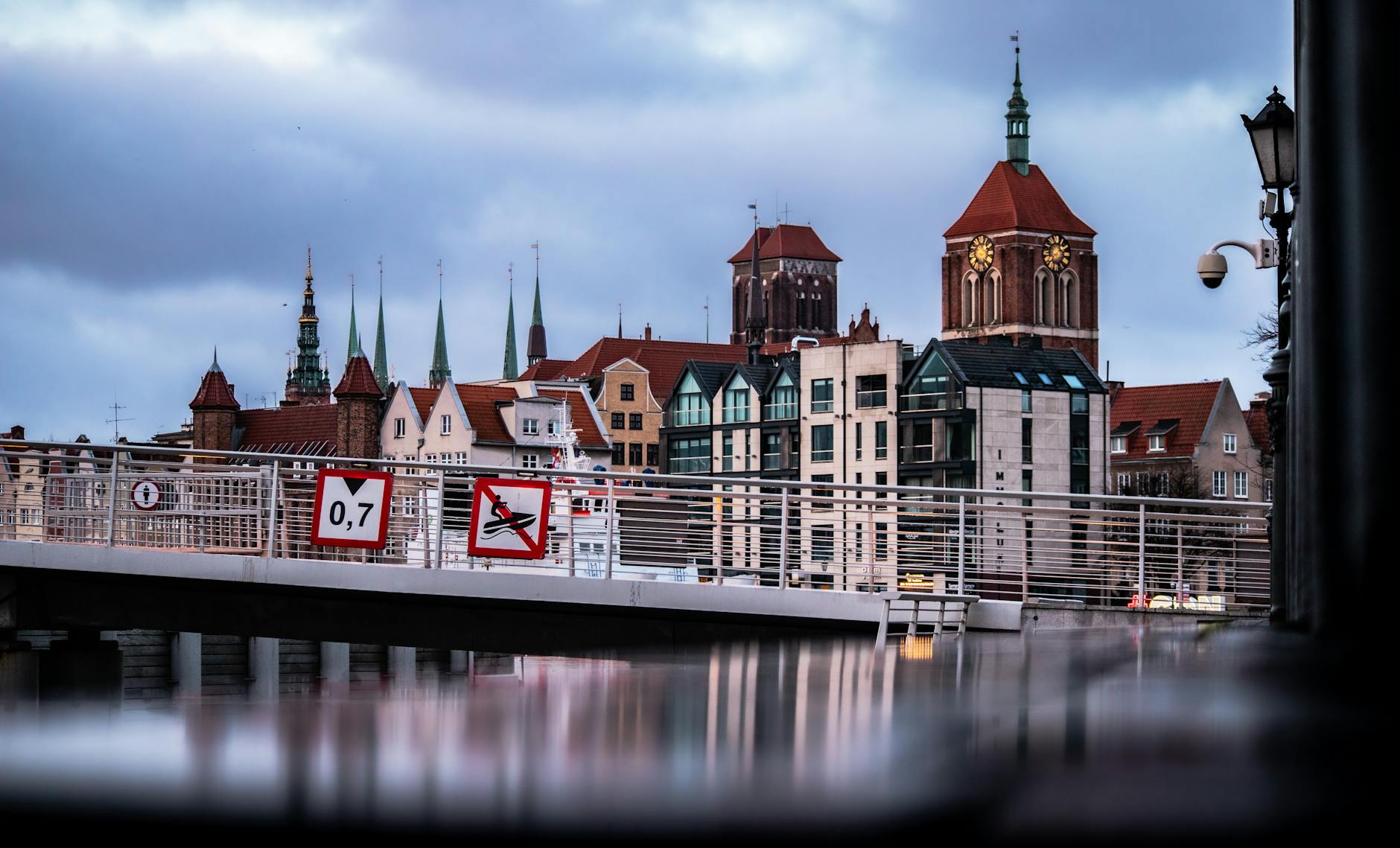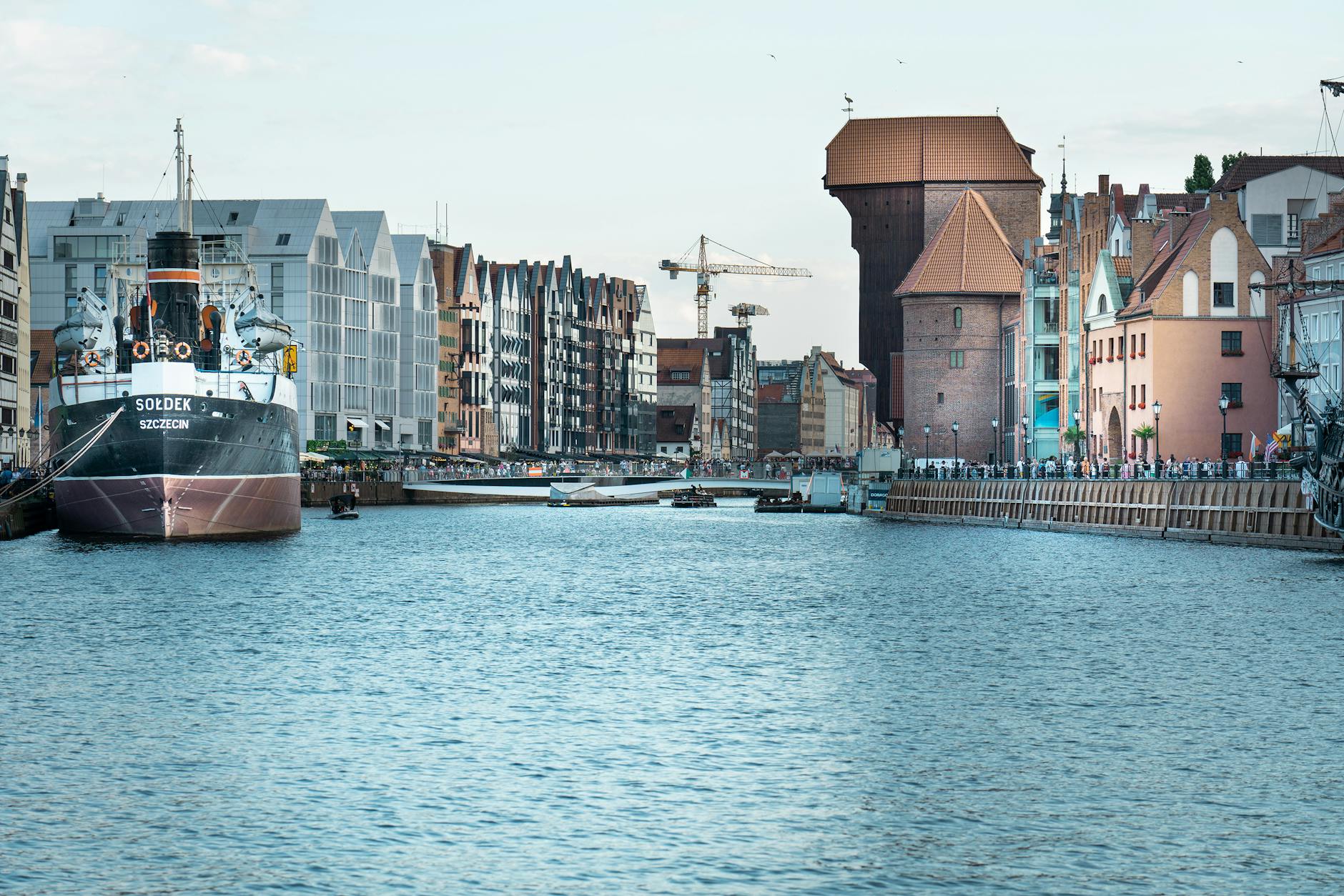
Gdansk can host a productive short conference trip when the attendee treats the event schedule as the spine of the visit. Hotels, university spaces, business venues, waterfront restaurants, airport links, rail connections, and evening receptions can all fit, but only if venue geography, registration timing, transport, and recovery blocks are planned clearly.
Map the venue before booking lodging
A Gdansk conference attendee should start with the exact venue, not just the city center. Some events use hotels, universities, cultural spaces, shipyard-area venues, or off-site reception locations. A beautiful old-town hotel can become a problem if every session begins with a rushed transfer.
The event map should guide the base.
- Confirm the main venue, breakout rooms, registration desk, reception sites, and any off-site dinners.
- Check walking time, tram access, taxi pickup, and weather exposure from the hotel.
- Choose lodging that supports both morning sessions and evening returns.
Protect arrival and registration timing
Registration, badge pickup, bag drop, welcome sessions, workshops, and sponsor meetings can begin before the headline program. Airport, rail, or road delays can affect the whole conference day if the attendee has no margin.
Arrival time should be treated as event time.
- Build a buffer between landing or train arrival, hotel check-in, badge pickup, and the first commitment.
- Carry badges, documents, business clothes, medication, chargers, and presentation items in hand luggage.
- Confirm late registration, venue entry, and luggage storage if arriving near the start.
Choose the hotel as event infrastructure
The conference hotel should support sleep, work, calls, breakfast, quick clothing changes, and easy transport. Waterfront atmosphere may be useful for meals, but noise, slow access, small rooms, or a weak workspace can make a short event trip harder than necessary.
The room is part of conference infrastructure.
- Check desk space, Wi-Fi, quiet-room options, breakfast timing, ironing, laundry, and elevator access.
- Confirm taxi or driver pickup if the hotel sits near pedestrian streets.
- Keep the hotel close enough for a midday reset if the conference schedule is long.

Plan session pacing and equipment
Conference days can be physically and mentally dense. A traveler may need to move between rooms, take notes, charge devices, handle sponsor materials, join calls, or prepare for a panel. The day should include space for practical upkeep.
Attention is easier when logistics are quiet.
- Carry chargers, battery pack, adapters, notebook, badge, water, and any required presentation equipment.
- Identify quiet spaces for calls, email, or decompression between sessions.
- Avoid scheduling every break as a meeting when the day already includes long sessions.
Use networking meals intentionally
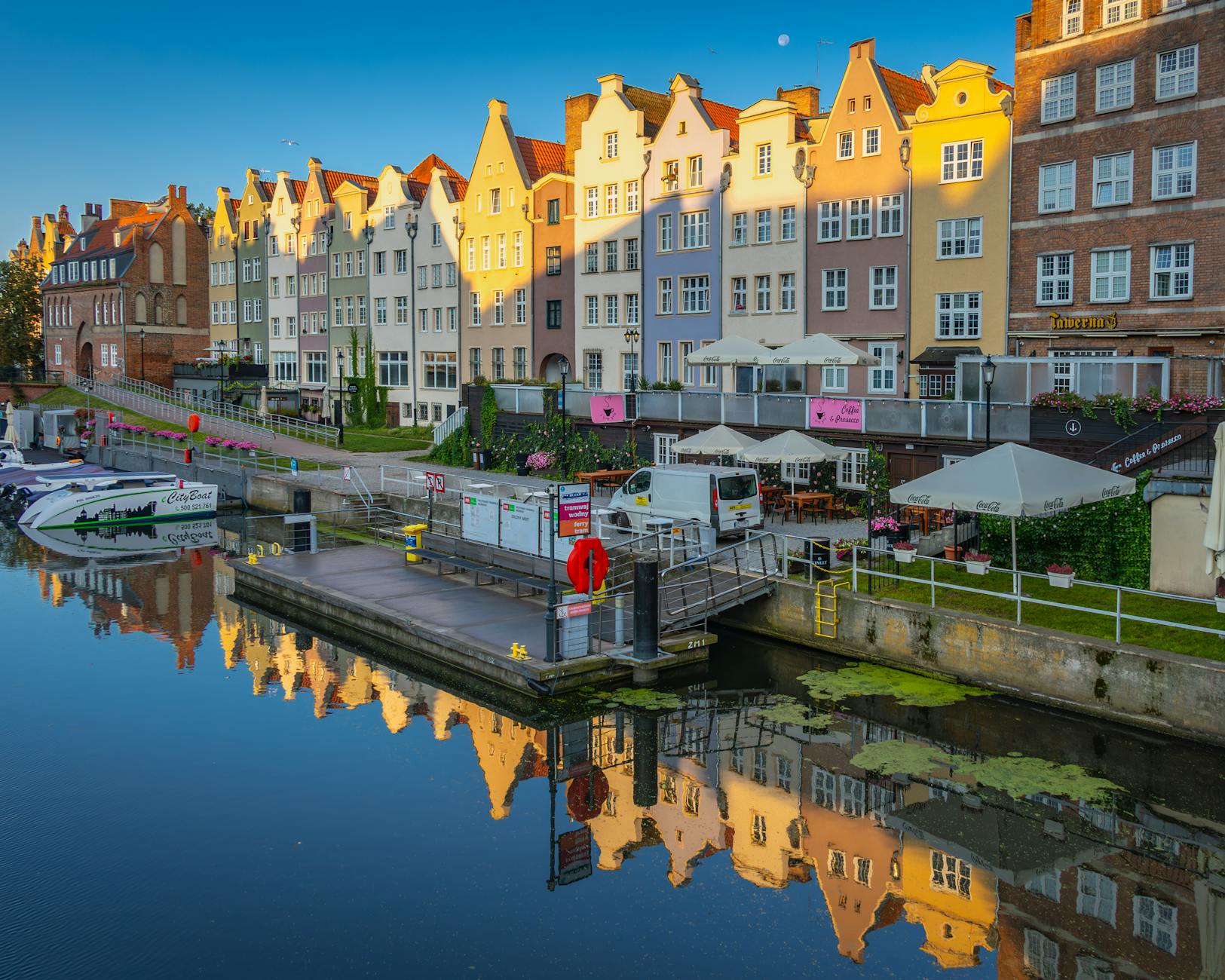
Gdansk is well suited to conference dinners, coffee meetings, waterfront meals, and informal walks, but networking should still be planned around geography and energy. A long dinner across the Tricity can be worthwhile only if it does not harm the next morning's session or departure.
The best networking fits the event rhythm.
- Choose restaurants or cafes near the venue, hotel, or planned evening route.
- Reserve tables for important client, sponsor, or peer meetings.
- Leave one lighter evening if the trip includes early sessions, speaking duties, or a long journey home.
Fit Gdansk around the event
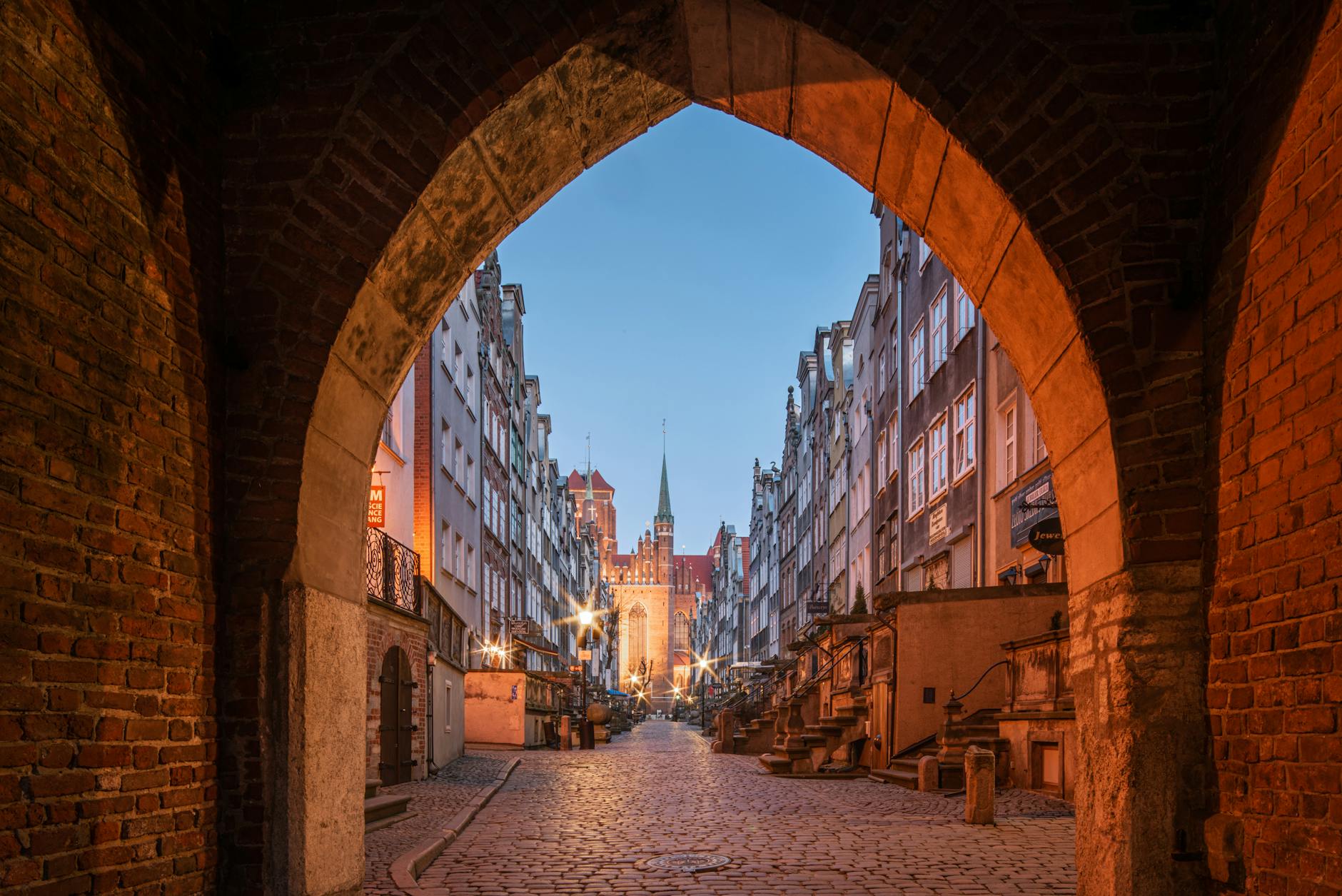
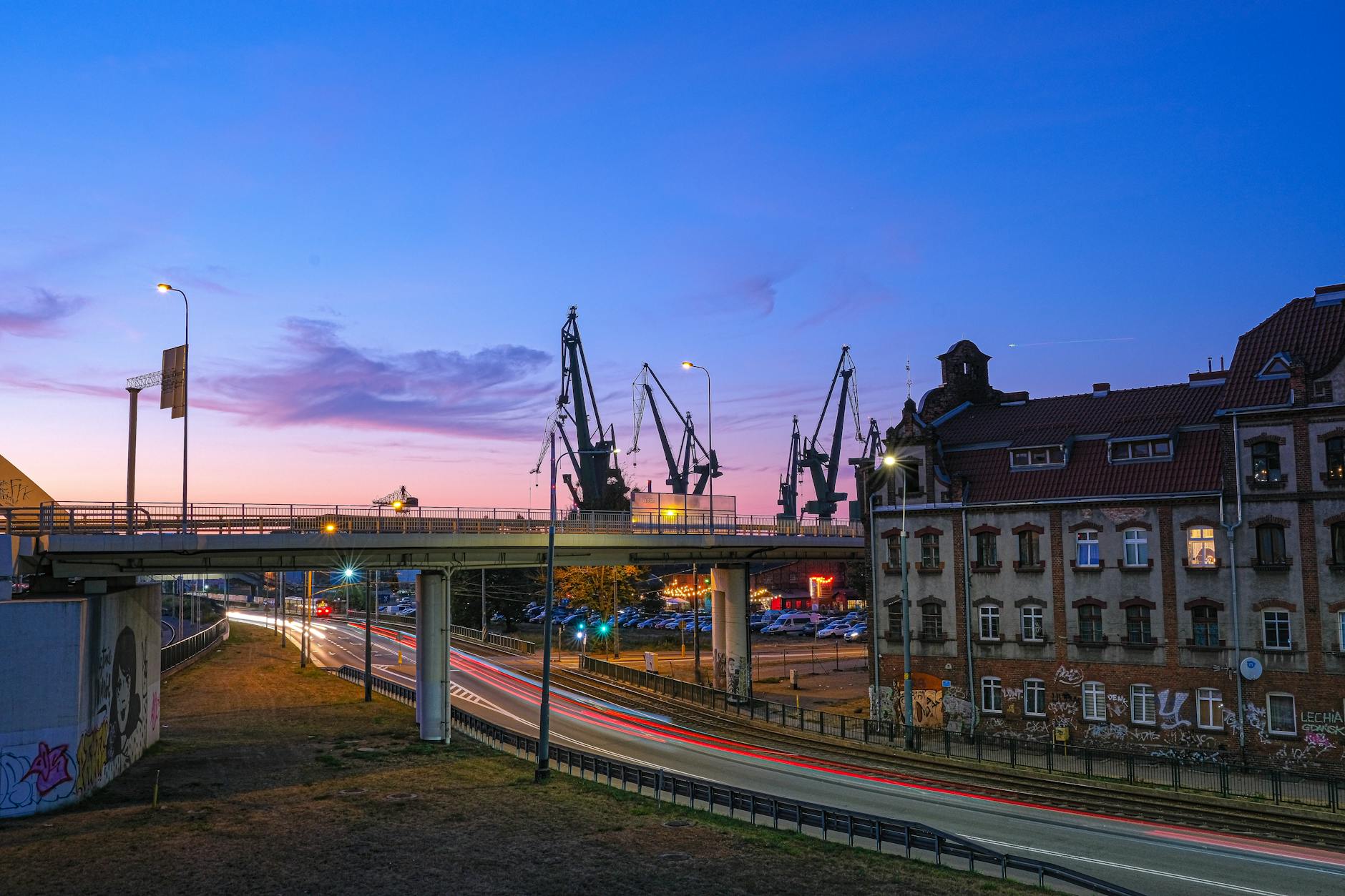
Conference attendees may want to see the old town, shipyard history, the Motlawa waterfront, museums, or Sopot while in Gdansk, but the city should not crowd out the event purpose. A short walk, focused museum stop, or dinner route can be enough when sessions are dense.
The city visit should support the trip, not exhaust it.
- Save longer sightseeing for a free evening, arrival buffer, or post-conference block.
- Keep quick city routes near the venue or hotel.
- Avoid ambitious Tricity plans unless the conference schedule and departure timing are genuinely open.
When to order a short-term travel report
A conference attendee with an event hotel and simple schedule may not need a custom report. A report becomes useful when the trip includes multiple venues, tight arrival timing, speaking duties, sponsor meetings, networking dinners, equipment, accessibility needs, Tricity movement, or departure soon after the final session.
The report should test venue geography, hotel placement, arrival buffers, session flow, meals, networking routes, equipment needs, weather, city time, and departure timing. The value is a Gdansk conference trip where the event stays productive and the city remains manageable.
- Order when venues, hotels, transfers, sessions, equipment, networking, meals, city time, or departure timing need exact planning.
- Provide dates, venue addresses, event schedule, hotel candidates, speaking duties, equipment needs, budget, and arrival details.
- Use the report to keep the conference trip punctual, productive, and realistic.