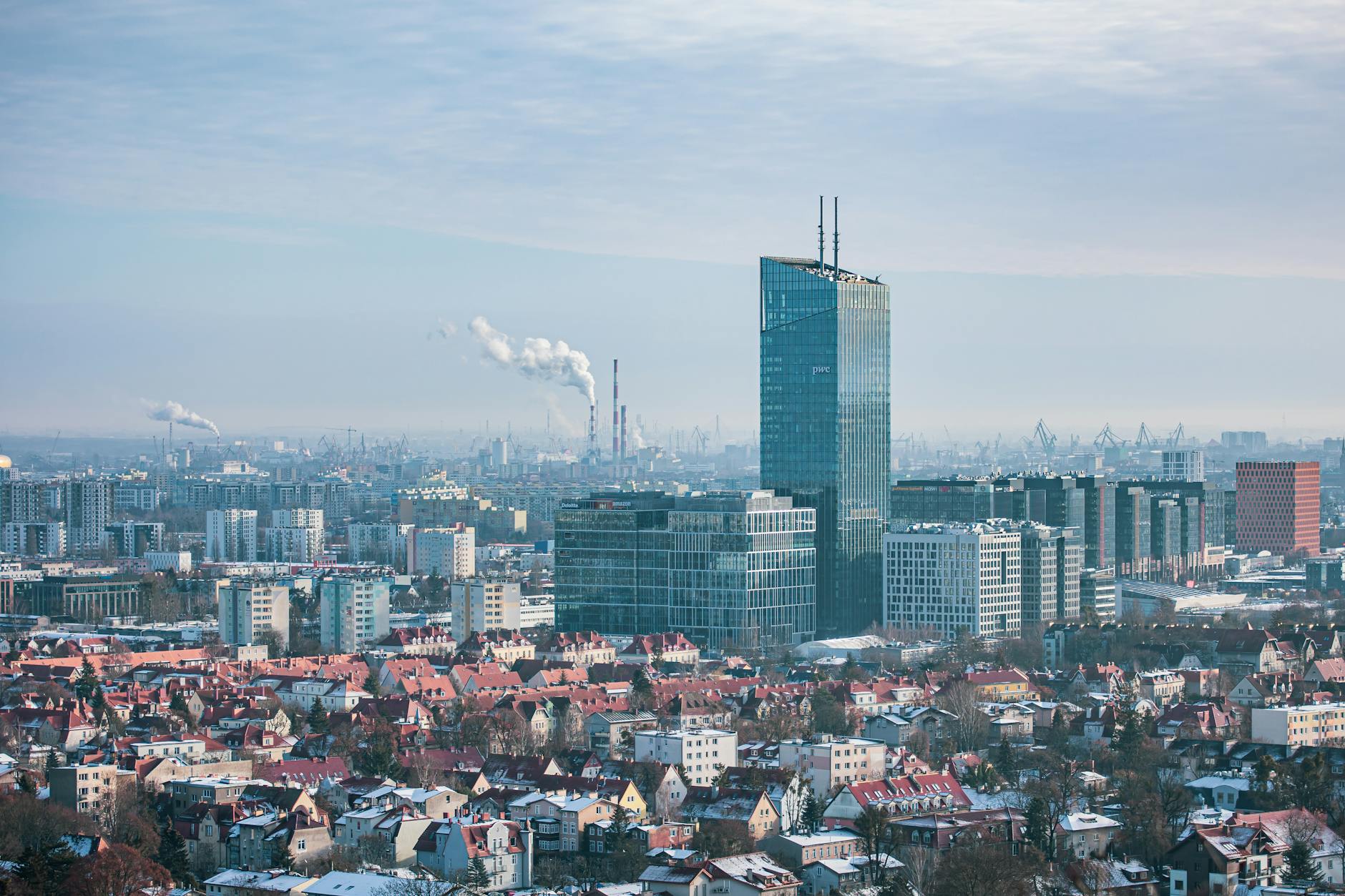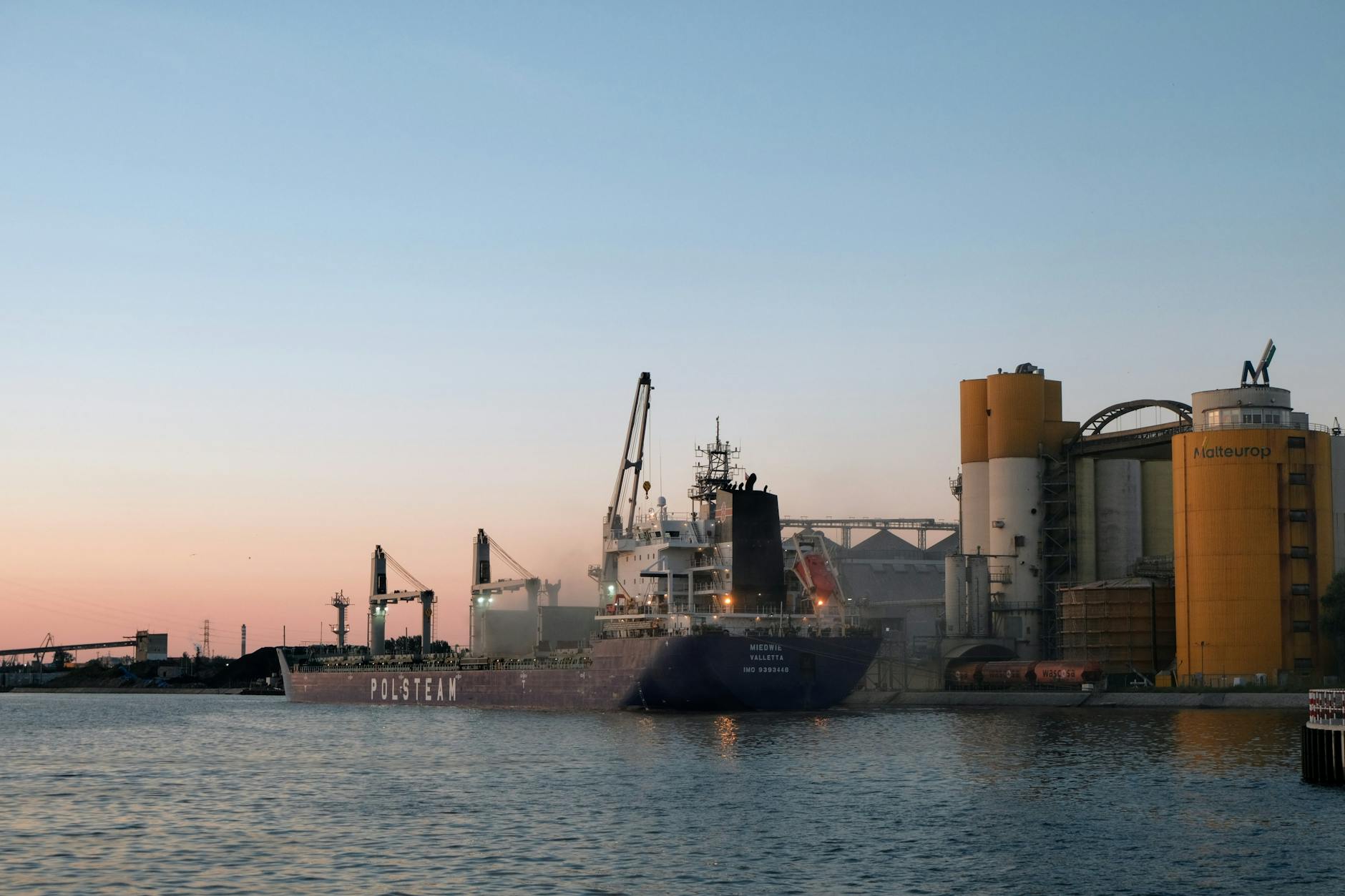
Gdansk is not only an old-town and museum destination. A short outdoor trip can include waterfront walks, kayaking or water activity, Baltic beaches, Tricity rail movement, forested park routes, Westerplatte, and long days outside in changeable weather. The traveler should plan the trip around conditions, gear, transport, and realistic recovery instead of assuming every outdoor idea fits into one short stay.
Treat the waterfront as a route, not a backdrop
The Motlawa waterfront and central bridges can support excellent walking, photography, and orientation, but they can also be crowded, windy, and slippery in poor weather. An outdoor traveler should decide whether the waterfront is a relaxed first-day walk, a morning route, or a connection to another activity.
The route should have a purpose.
- Check wind, rain, temperature, and crowd timing before planning long waterfront blocks.
- Use the first walk to identify bridges, shelter, food stops, and return routes.
- Avoid stacking too many outdoor plans immediately after arrival.
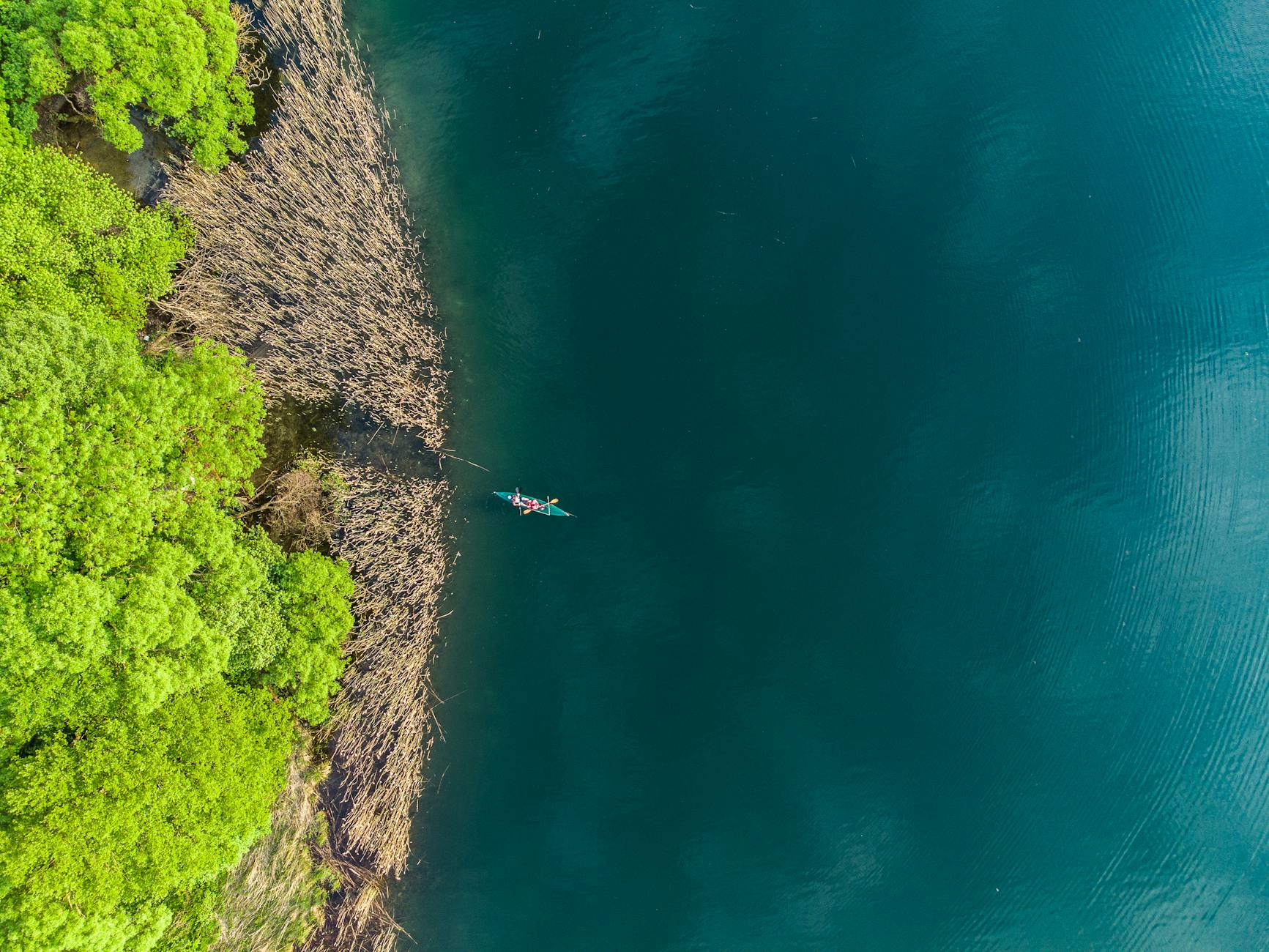
Plan water activities around conditions
Kayaking, boat outings, and river-focused activities can be memorable in Gdansk, but they depend on season, daylight, operator schedules, wind, rain, and the traveler's own comfort level. A short trip should not rely on one weather-sensitive booking with no backup.
Water plans need alternatives.
- Confirm operator schedules, safety rules, clothing needs, and cancellation policies before booking.
- Keep a land-based route ready if wind, rain, or cold changes the plan.
- Do not schedule a water activity too close to airport or rail departure.
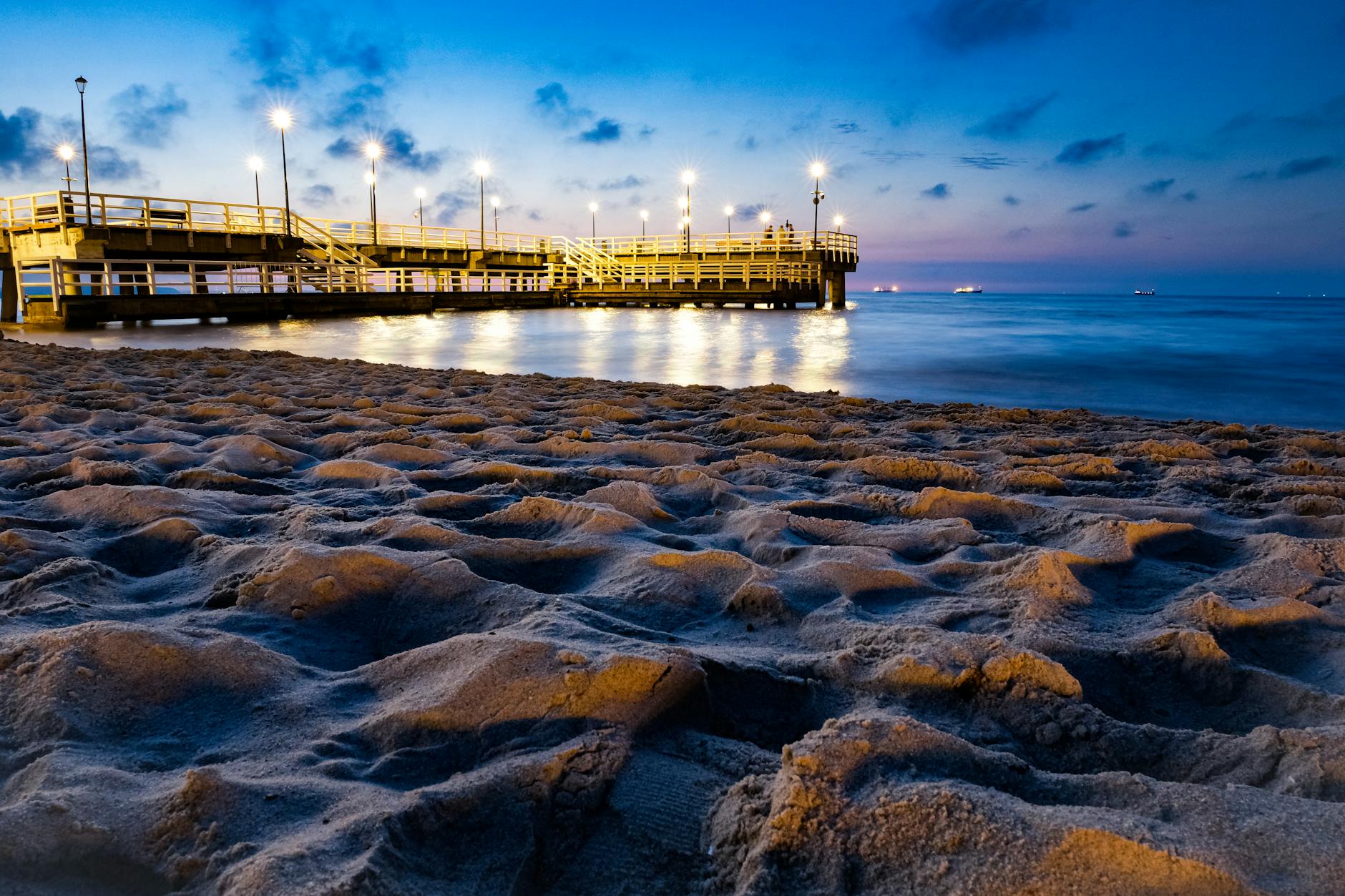
Use the Baltic coast deliberately
Beaches and seaside areas near Gdansk can add fresh air and space to a short stay, especially with rail links toward the wider Tricity. They also add travel time, wind exposure, seasonal closures, and weather uncertainty. The coast should be planned as a real outing, not an afterthought.
The beach plan needs transport discipline.
- Check rail or taxi routes, walking distance, daylight, and return timing before leaving central Gdansk.
- Pack layers, water, sun protection, and shoes that can handle sand and pavement.
- Avoid distant coastal detours if the main trip already has tight timing.
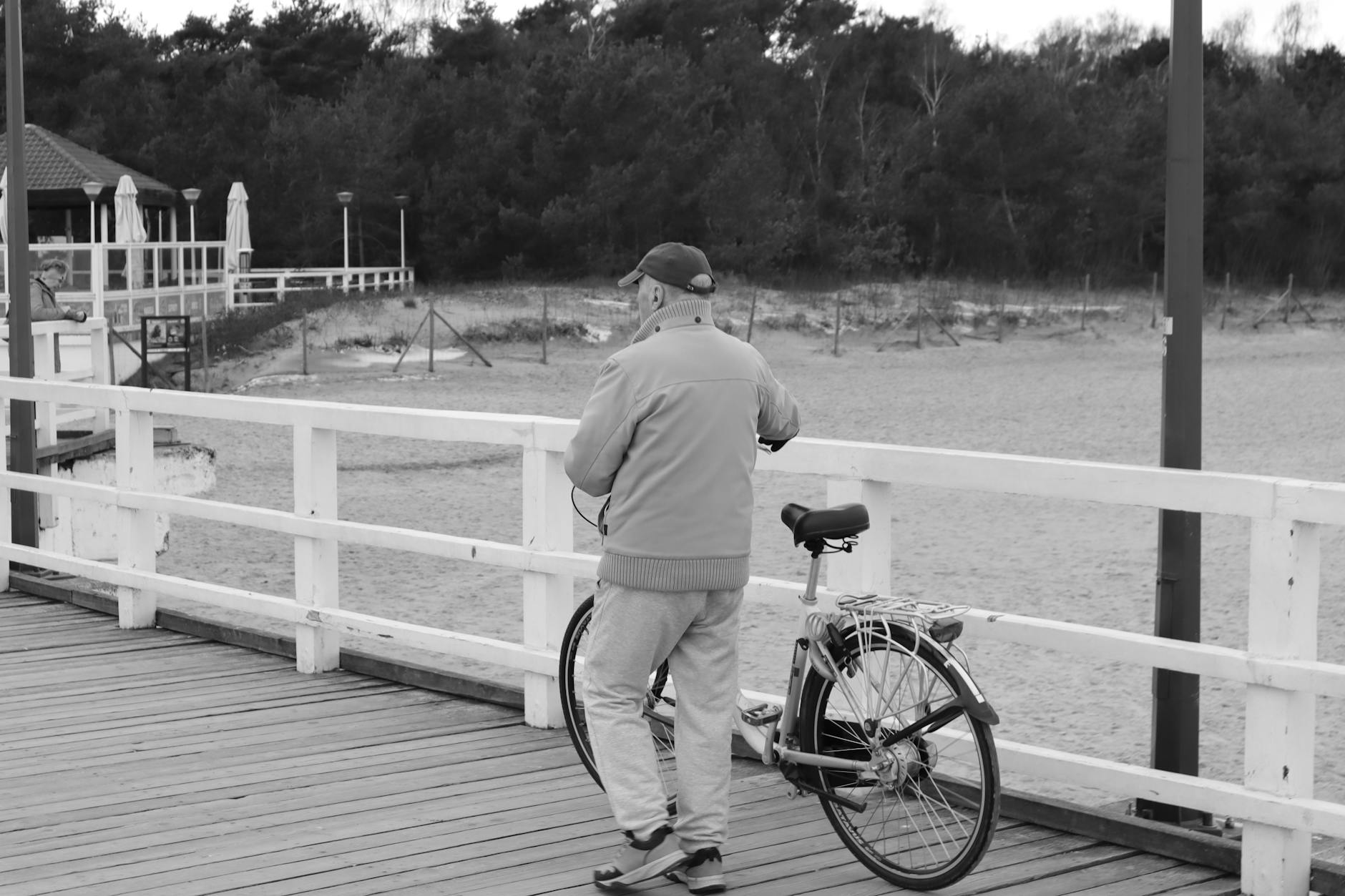
Be realistic about cycling and longer movement
Cycling or longer outdoor routes can work well when the traveler understands distance, road comfort, rental rules, bike storage, and weather. A short trip is not the right time to discover that the route is longer, darker, or windier than expected.
Longer movement needs a conservative plan.
- Check bike rental terms, route surface, traffic exposure, daylight, and secure parking.
- Use transit to shorten one direction if the route may be tiring.
- Keep the phone charged and save offline maps before leaving central areas.
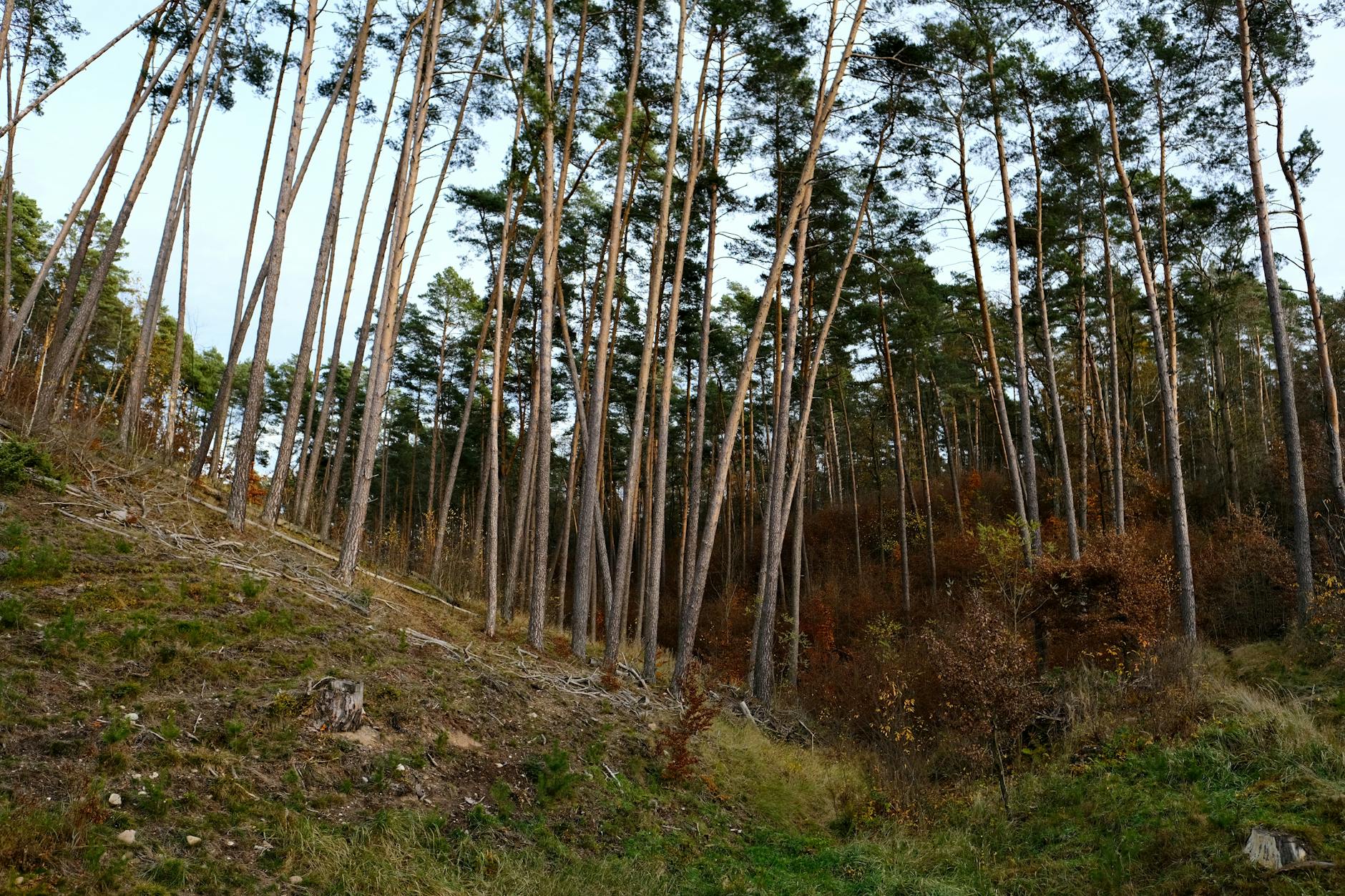
Add forest or park time with a return plan
Forested park routes and green areas around the Tricity can give the trip a different pace from the old town. They also require attention to footwear, daylight, weather, phone signal, trail choice, and transport back. The traveler should choose routes that match the available time and ability.
Nature time should not create a late return problem.
- Choose trail length based on daylight, weather, fitness, and the next day's obligations.
- Carry water, layers, snacks, offline maps, and a charged phone.
- Know the return stop, taxi option, or rail connection before starting.

Protect gear, food, and recovery
Outdoor travelers often underestimate the small logistics: wet clothing, spare socks, battery drain, meal timing, bathroom access, locker needs, and the walk back after a long route. Gdansk's outdoor day should include practical pauses, not only activity blocks.
Gear management keeps the day usable.
- Pack rain protection, warm layers, sunscreen, power bank, water, snacks, and dry storage.
- Plan meals near the end of outdoor routes rather than improvising when tired.
- Leave recovery time before evening plans or early departures.
When to order a short-term travel report
An outdoor traveler with one easy waterfront walk may not need a custom report. A report becomes useful when the trip includes water activities, coastal movement, forest routes, cycling, gear constraints, mobility limits, weather sensitivity, late returns, or a departure soon after an outdoor day.
The report should test routes, activity timing, transport, weather, gear, meals, safety, recovery blocks, and departure buffers. The value is a Gdansk outdoor trip that stays flexible without losing the best parts of being outside.
- Order when routes, operators, weather, transport, gear, meals, safety, or departure timing need exact planning.
- Provide dates, activity goals, lodging candidates, fitness level, gear needs, budget, mobility needs, and arrival details.
- Use the report to keep outdoor time ambitious enough to be worthwhile and realistic enough to work.