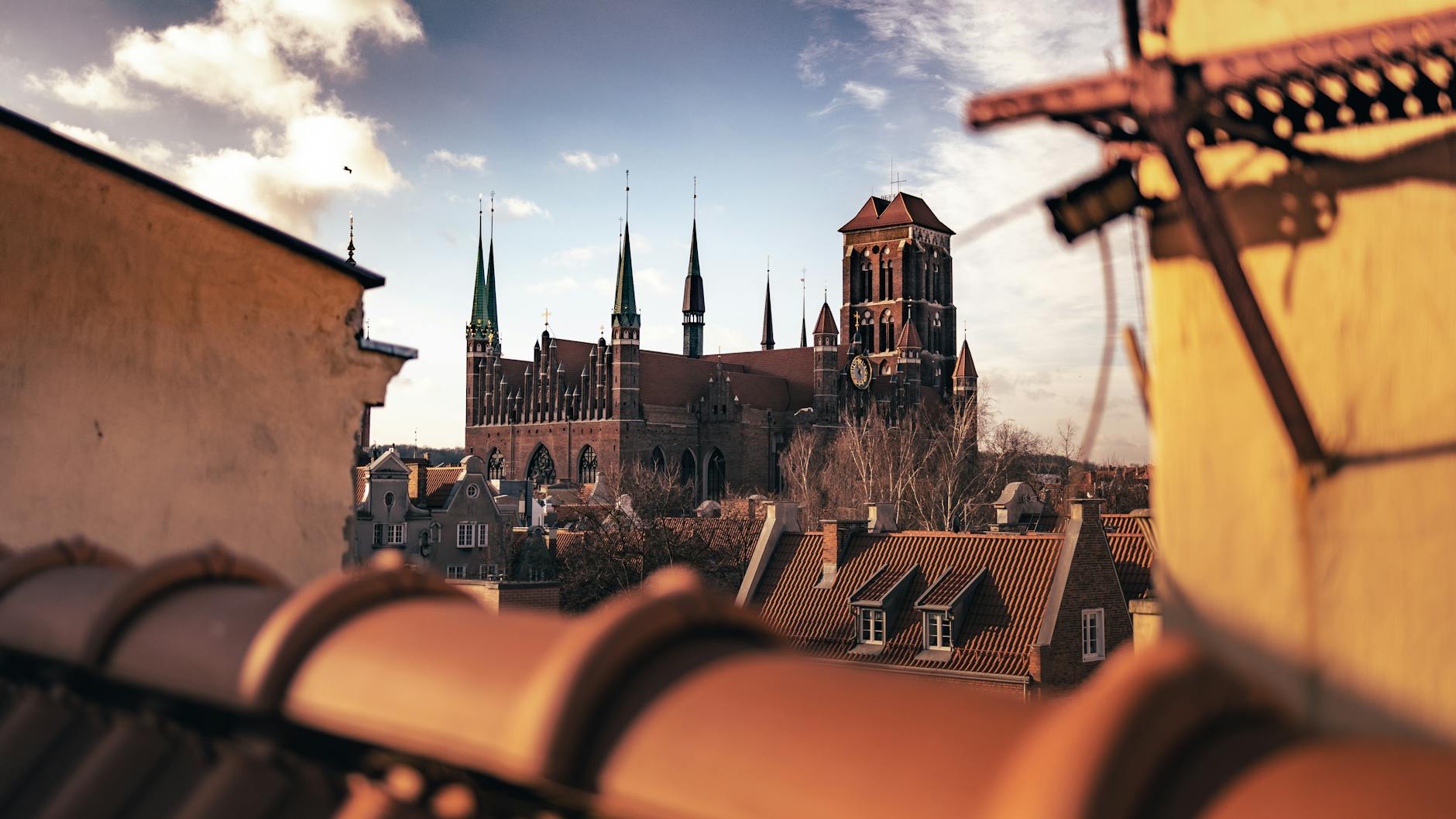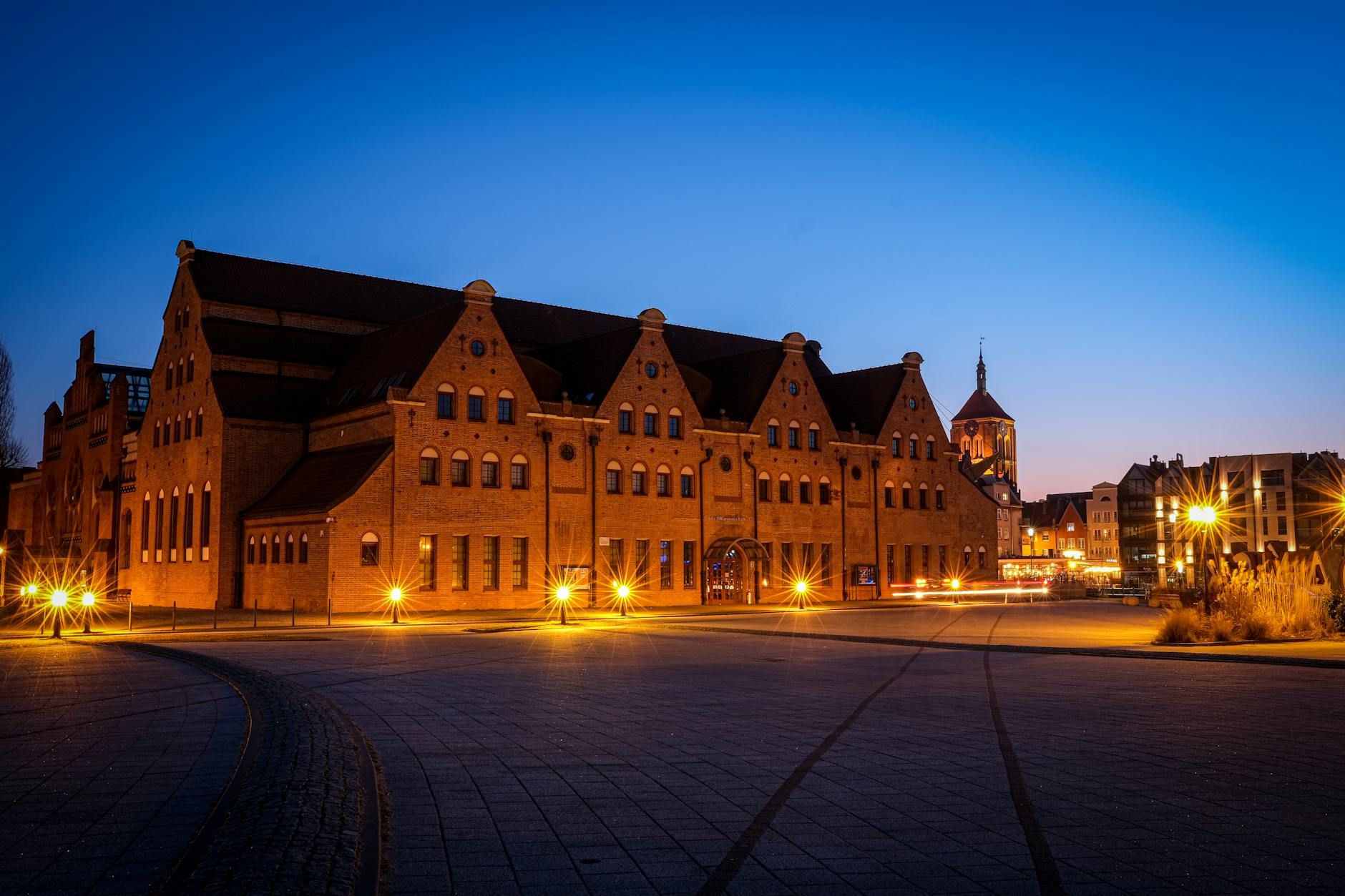
Gdansk can be a strong conference city for academic travelers, especially when the event connects universities, waterfront hotels, museums, maritime topics, European history, technology, or the wider Tricity region. A short conference trip works best when the attendee treats sessions, presentation logistics, networking, and recovery as the core itinerary, then adds Gdansk selectively.
Confirm the venue geography early
A Gdansk academic conference may be in a university building, waterfront hotel, old-town venue, science park, or another Tricity location. The attendee should not assume the event is beside the most scenic part of the city. Exact venue geography affects the hotel, transit, meals, and how much city time is realistic.
The conference map should come before the tourist map.
- Confirm the venue address, building entrance, registration area, poster hall, and evening reception locations.
- Check whether the event is in central Gdansk, Oliwa, Wrzeszcz, Sopot, Gdynia, or another nearby district.
- Build buffers for registration lines, campus navigation, weather, and unfamiliar transit routes.
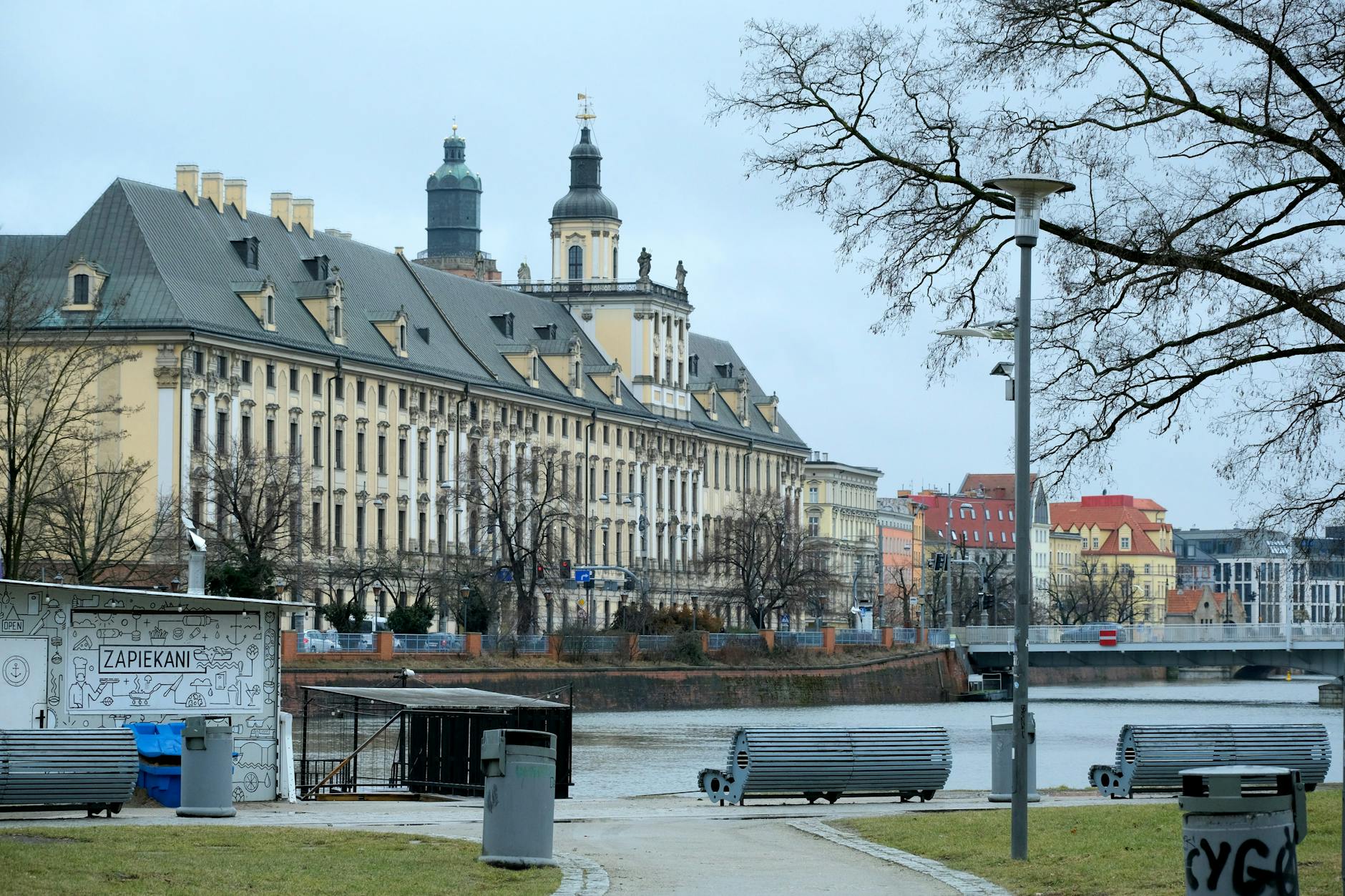
Choose lodging for sessions and work
The right hotel for a conference attendee is not always the most atmospheric one. Early sessions, poster setup, evening receptions, editing slides, video calls, and quiet sleep may matter more than a waterfront view. A short stay leaves little room for a bad base.
The hotel should protect the academic work.
- Check walking or transit time to the venue at morning and evening hours.
- Confirm Wi-Fi, desk space, quiet rooms, breakfast timing, luggage storage, and late check-in.
- Choose a base that allows a short reset between sessions if the schedule is dense.
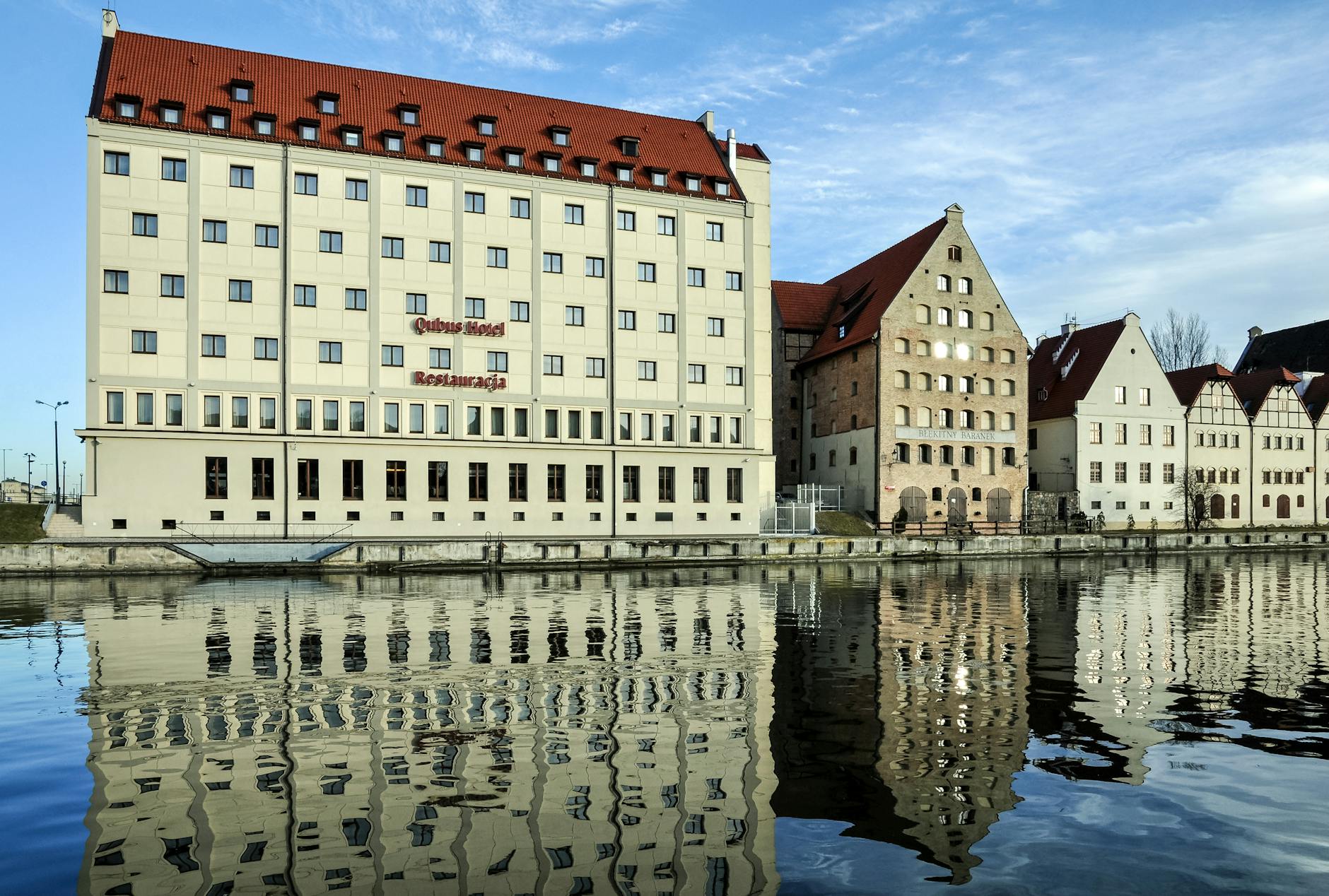
Protect presentation materials
Academic trips can be derailed by ordinary logistics: missing adapters, damaged posters, late printing, unstable Wi-Fi, or a laptop that will not connect. The attendee should treat presentation materials as travel-critical items rather than conference afterthoughts.
The session depends on preparation.
- Carry slides, adapters, chargers, clicker, poster files, handouts, and essential notes in hand luggage.
- Save offline copies of slides, paper drafts, speaker bios, QR codes, and conference schedules.
- Confirm poster dimensions, printing options, upload deadlines, and room technology before departure.
Plan transport between event and city
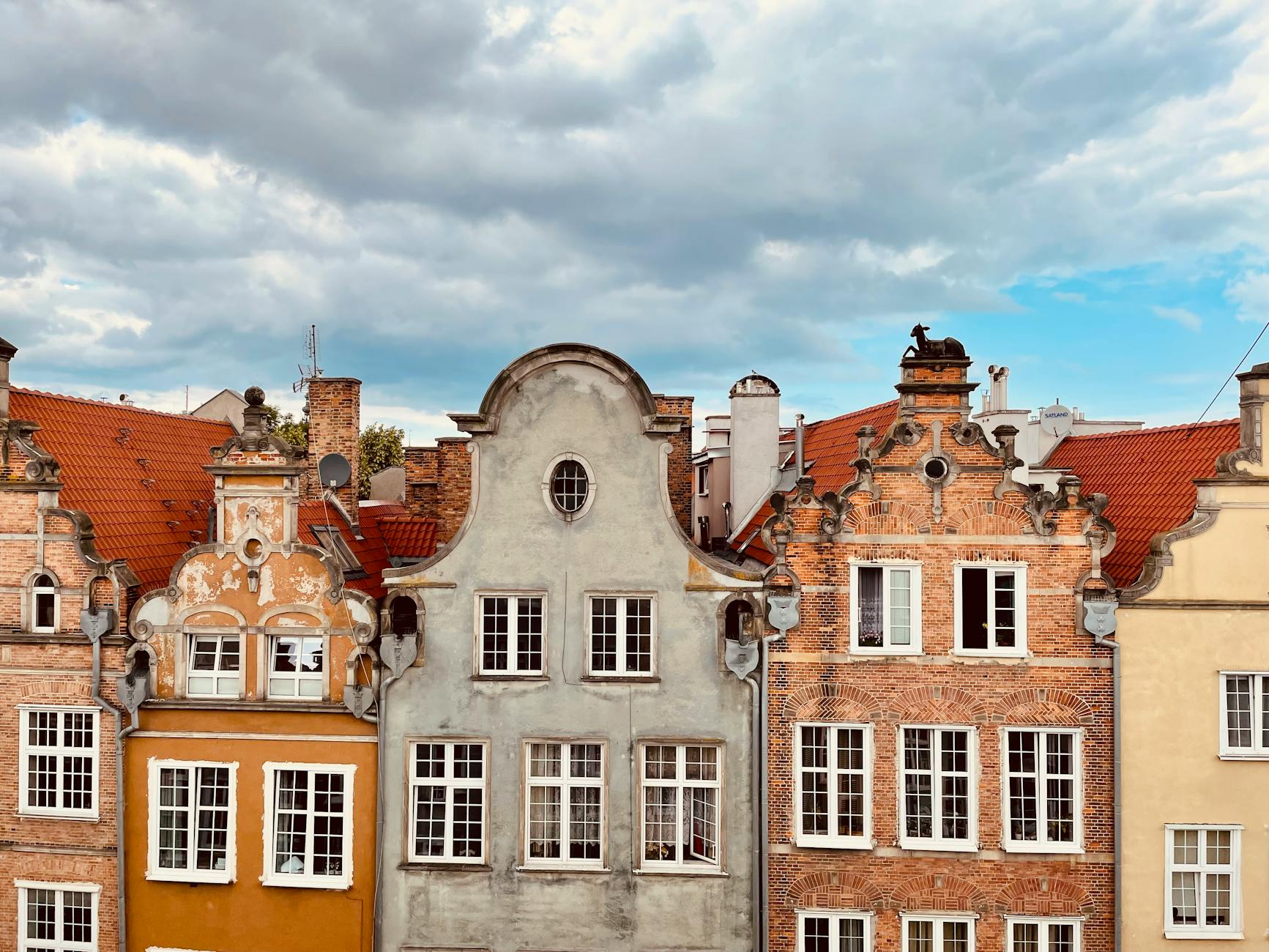
Gdansk conference travel can include airport transfers, rail links, trams, taxis, walking routes, and regional movement through the Tricity. The right transport choice changes with clothing, weather, laptop load, late receptions, and how tired the attendee is after sessions.
Transport should support participation, not drain it.
- Save venue, hotel, station, airport, and reception addresses offline.
- Use direct transport for early talks, bad weather, poster materials, or late evening returns.
- Check final-day timing before accepting breakfast meetings, lab visits, or extra panels.

Use meals and receptions strategically
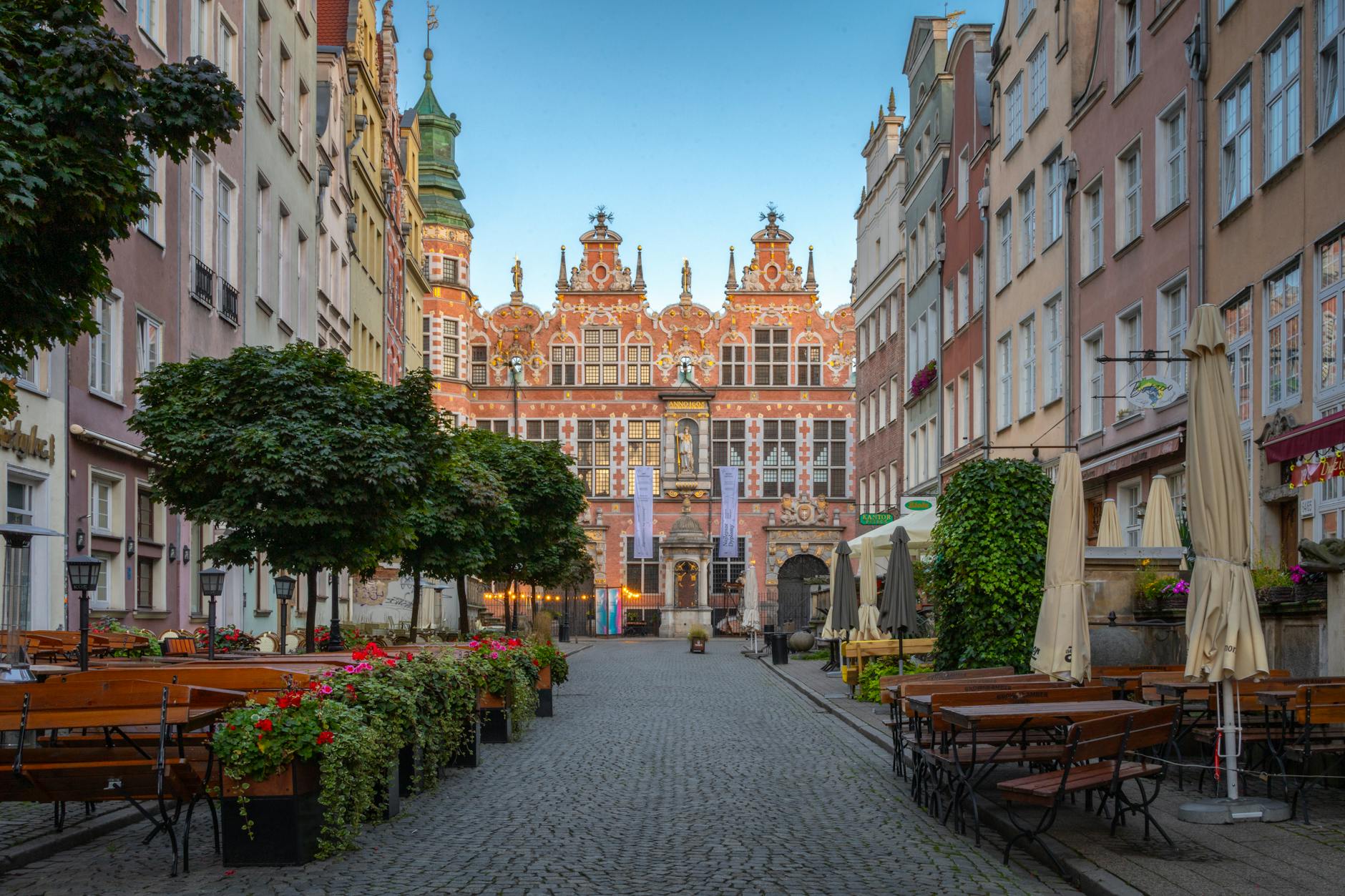
Conference value often comes from conversations outside the formal sessions. Gdansk restaurants, cafes, and receptions can help, but an academic traveler should decide which meals are for networking, which are for recovery, and which need to be quiet enough for serious discussion.
Meals should serve the conference purpose.
- Reserve or identify restaurants near the venue, hotel, and old town before busy conference evenings.
- Use quieter meals for collaboration, mentoring, hiring, or grant conversations.
- Keep at least one simple meal plan for delayed sessions, fatigue, or bad weather.
Add city context without overpacking
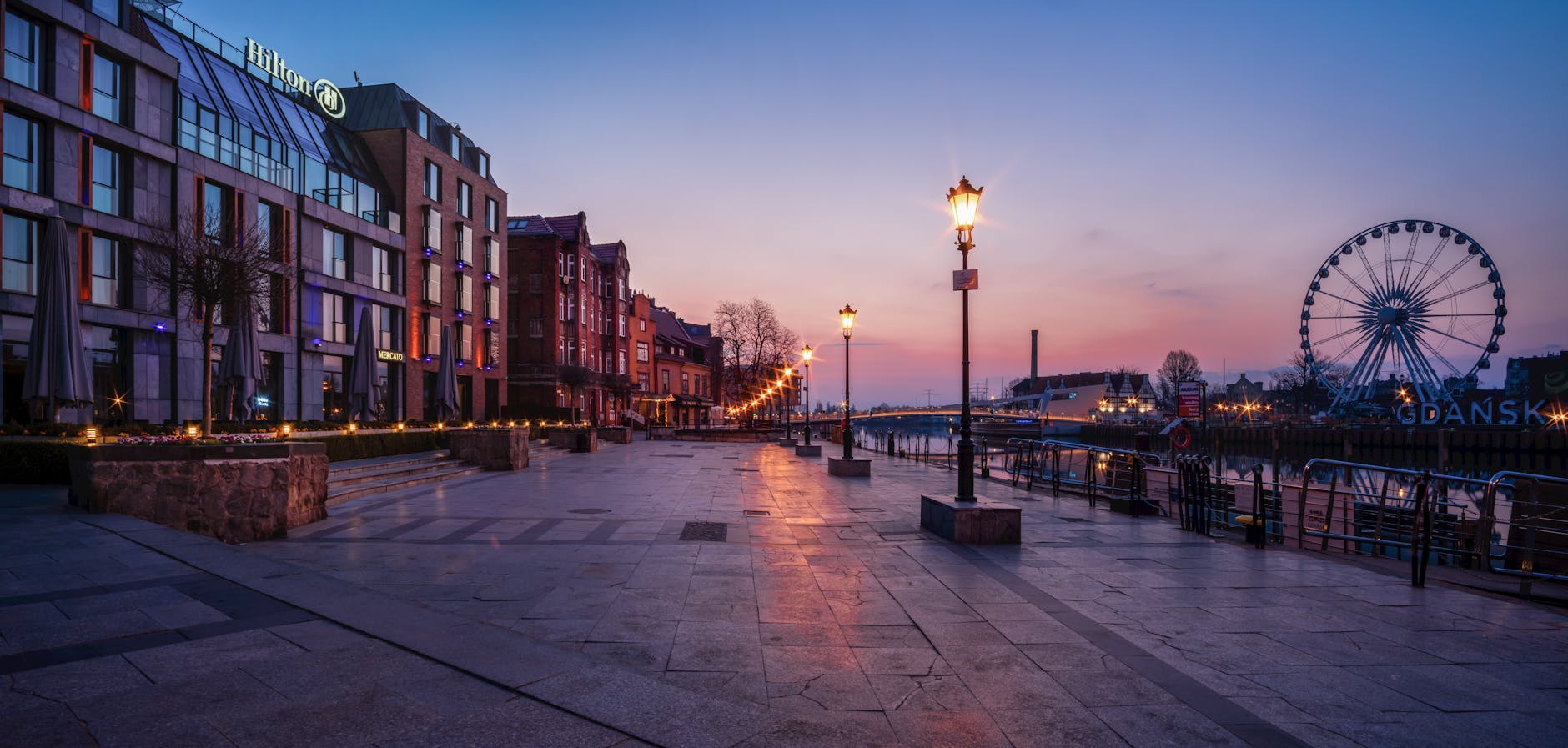
Gdansk can add real depth to an academic trip, especially for travelers interested in maritime history, European politics, architecture, museums, or urban change. The risk is trying to turn a conference stay into a full leisure trip. A focused walk or museum visit may be better than a crowded attraction list.
City time should fit around the event.
- Choose one city priority, such as the waterfront, old town, a museum, or a short Tricity extension.
- Avoid late-night sightseeing before an early talk or presentation.
- Leave a quiet block for notes, follow-up emails, and post-conference contacts.
When to order a short-term travel report
An academic conference attendee with an event hotel and no presentation may not need a custom report. A report becomes useful when the trip includes a talk, poster, multiple venues, Tricity movement, lab visits, receptions, accessibility needs, tight funding rules, or a same-day departure after sessions.
The report should test venue geography, lodging, presentation logistics, transport, meals, networking blocks, weather, and departure buffers. The value is a Gdansk conference trip that lets the attendee focus on the work rather than the friction.
- Order when venue routes, lodging, presentation logistics, meals, networking, weather, or departure timing need exact planning.
- Provide dates, venue addresses, session schedule, hotel candidates, presentation needs, budget, mobility needs, and arrival details.
- Use the report to keep the conference trip punctual, prepared, and academically useful.