A volunteer or NGO trip to Bergen should be planned around the work and the host relationship, not only around the city. Project sites, partner expectations, housing, transport, wet-weather clothing, local norms, receipts, health needs, and recovery time all affect whether a short stay is useful and respectful.
Confirm the purpose and host expectations
The first question is not what to see in Bergen, but what the host actually needs from the traveler. A short volunteer or NGO trip can lose value if expectations, schedule, permissions, language needs, or deliverables are vague.
The purpose should be specific before arrival.
- Confirm the host contact, daily schedule, project purpose, expected tasks, dress norms, and communication channels.
- Ask what preparation, documents, references, insurance, or background checks are required.
- Clarify whether the trip is service work, observation, partnership building, training, or a donor visit.
Map project sites and housing
Bergen's center may feel compact, but project sites, housing, meeting points, and partner offices can still create complicated days. The traveler should understand how every required location connects before choosing where to stay.
Housing should support the work rhythm.
- Plot host sites, housing, transit stops, grocery access, pharmacies, and any evening meeting points.
- Check whether routes are realistic in rain, with equipment, or after a long workday.
- Avoid lodging that saves money but makes early starts, safe returns, or partner meetings harder.
Respect local partners and boundaries
A short NGO visit should not extract time, stories, or images from local partners without a clear reason. Travelers should understand consent, privacy, photography, social media, and donor communication rules before they are in the field.
Respect is operational, not decorative.
- Ask when photos, names, quotes, site visits, and public posting are appropriate.
- Let local partners define sensitive locations, vulnerable groups, and communication boundaries.
- Keep notes and follow-up promises realistic so the visit does not create extra work for hosts.
Plan rain, transport, and practical clothing
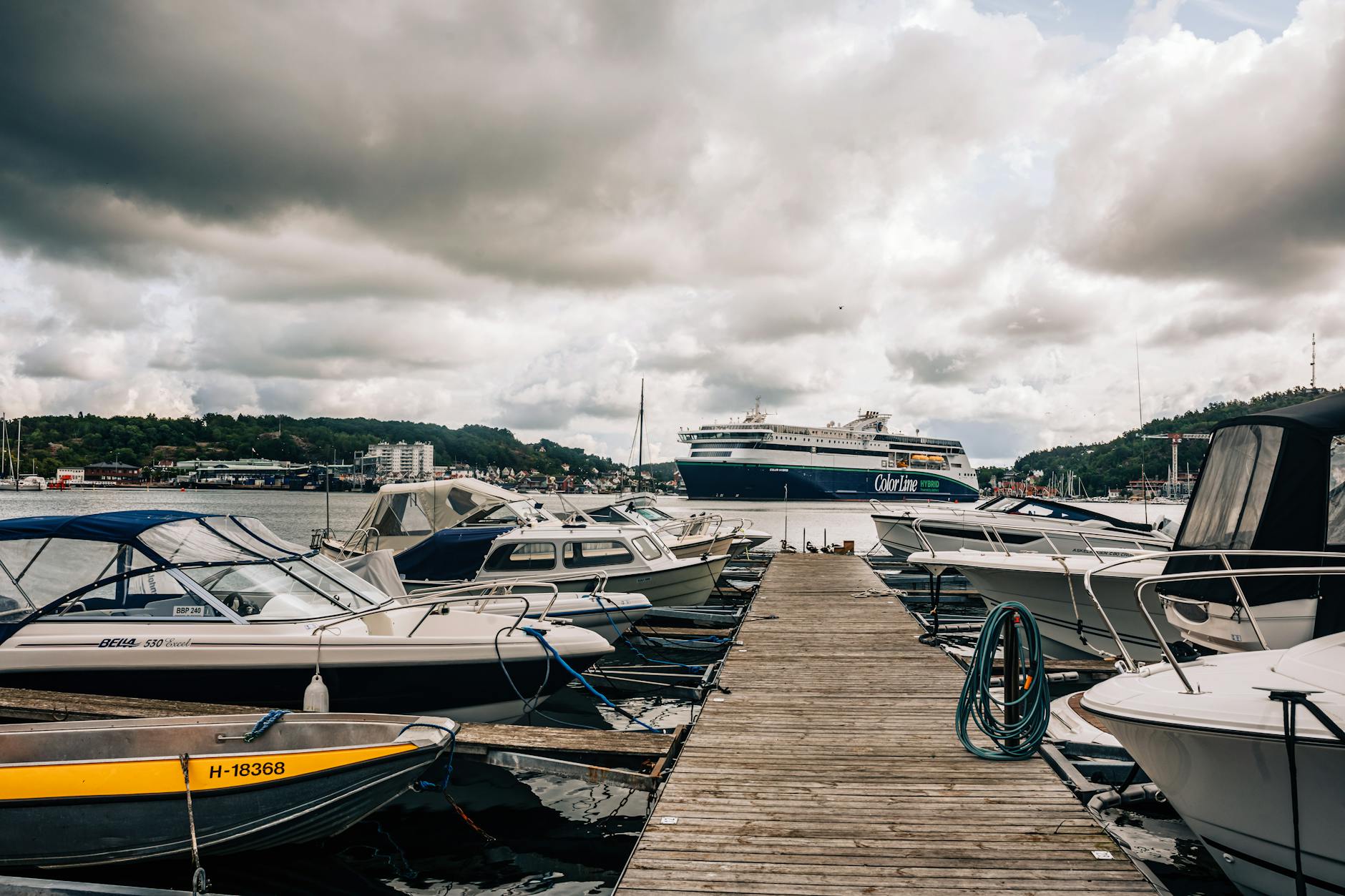
Bergen weather can affect field visits, partner meetings, documents, shoes, and the ability to arrive ready to help. Practical clothing and transport planning should match the actual work, not just the visitor's sightseeing preferences.
Rain planning protects the assignment.
- Pack shoes, rain layers, bags, and work clothing that match wet streets and project settings.
- Confirm whether taxi, public transport, walking, or host pickup is expected for each required move.
- Carry documents, medication, phone power, and contact information in weather-safe form.
Keep money, meals, and receipts clear
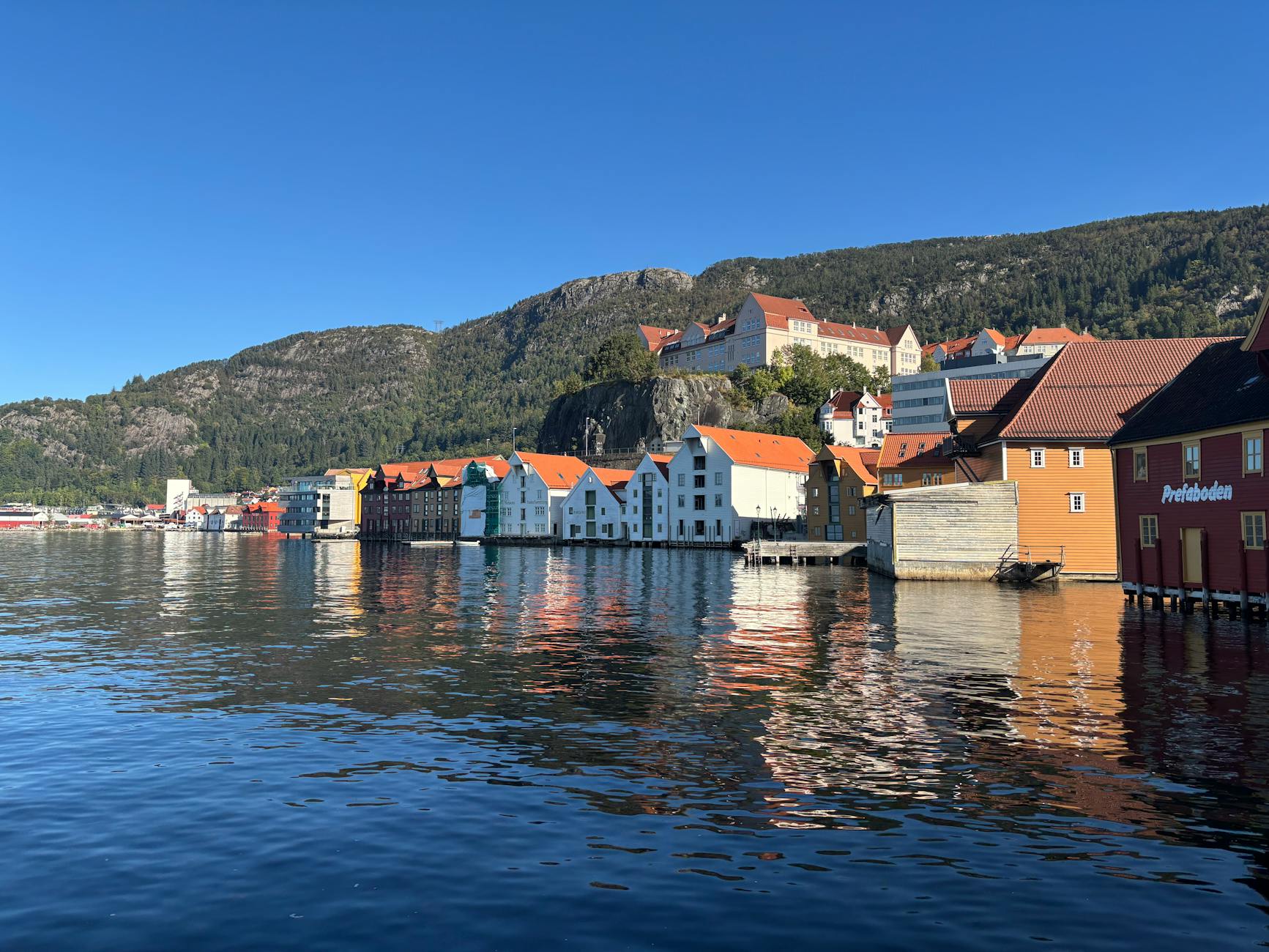
Volunteer and NGO travel can involve mixed expenses: personal meals, donor-funded costs, reimbursable transport, supplies, and host-provided hospitality. These categories should be clear before the traveler starts paying for things informally.
Money rules prevent awkwardness.
- Clarify reimbursement rules, receipt format, per diem expectations, cash needs, and who pays for local transport.
- Plan simple meals near housing or project sites so the day does not become expensive or rushed.
- Separate personal spending from project expenses as soon as the trip begins.
Protect health, downtime, and follow-through
A short service trip can be emotionally and physically tiring even when the schedule looks modest. Health needs, medication timing, sleep, decompression, and follow-up tasks should be built into the trip rather than handled after exhaustion sets in.
Usefulness requires capacity.
- Plan medication, allergies, rest, food, and recovery time around the work schedule.
- Keep a quiet window for notes, host follow-up, donor updates, or internal reporting.
- Avoid overfilling free time if it weakens reliability for the host organization.
When to order a short-term travel report
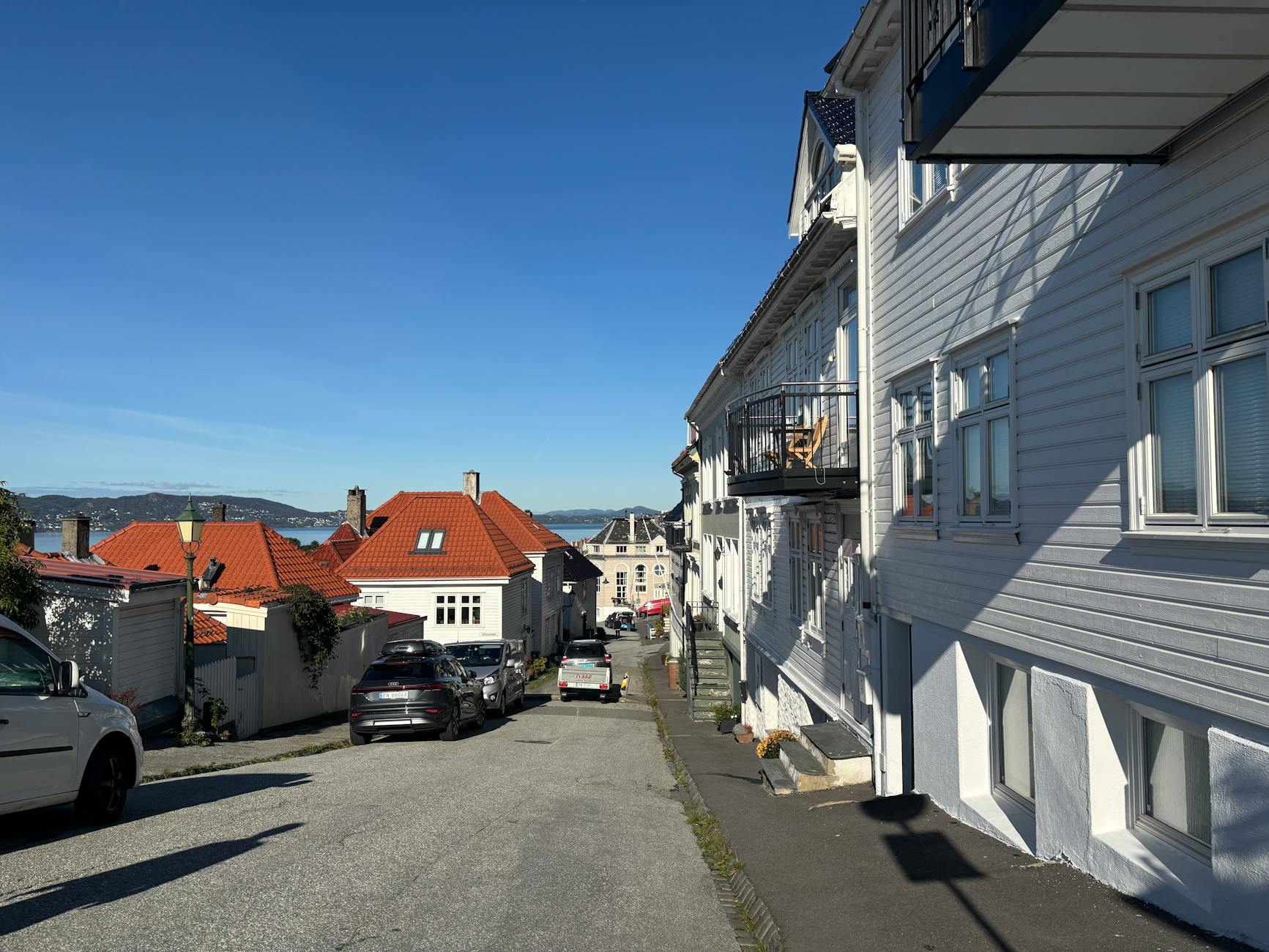
A volunteer or NGO traveler with a fully arranged host itinerary may not need a custom report. A report becomes useful when project sites are spread out, housing is independent, reimbursements are complex, rain could affect fieldwork, partner boundaries need care, health needs matter, or the traveler must add a small amount of city time without weakening the purpose of the trip.
The report should test host expectations, project geography, housing, transport, rain planning, partner boundaries, meal and receipt routines, health needs, downtime, and departure follow-through. The value is a Bergen stay that is practical, respectful, and useful to the organization.
- Order when project sites, housing, transport, rain, expenses, partner boundaries, health needs, or follow-through need exact planning.
- Provide dates, host contacts, project addresses, housing options, budget rules, health constraints, and arrival details.
- Use the report to keep the Bergen volunteer or NGO trip focused, respectful, and workable.