
Bergen can be rewarding for a traveler with mobility limitations, but the trip needs to be designed from the ground up around access rather than around a standard sightseeing list. Rain, slopes, cobblestones, narrow older streets, waterfront routing, hotel entrances, transport choices, and rest points all matter more on a short stay because there is less room to recover from a weak plan.
Start with access, not attractions
The best Bergen plan starts by asking which routes, entrances, surfaces, transport options, and rest points are workable. A famous stop has less value if reaching it requires unsafe slopes, rushed transfers, or too much wet-street fatigue.
Access should decide the shape of the day.
- Map hotel, harbor, Bryggen, meal stops, toilets, taxi points, and transport before choosing the sightseeing order.
- Check whether each route involves slopes, uneven surfaces, stairs, narrow lanes, or exposed rain.
- Treat one successful city circuit as better than several difficult crossings.

Choose lodging by entrance and route
A Bergen hotel should be judged by the whole arrival and daily access pattern, not only by star rating or distance on a map. Door thresholds, lifts, room layout, taxi access, breakfast location, luggage help, and the route to the harbor can all change the trip.
The hotel is part of the access plan.
- Confirm step-free entrance details, lift access, bathroom layout, room position, and luggage support directly with the property.
- Check whether the route from the hotel to key stops is manageable in rain and on tired legs.
- Favor a base that allows a midday rest without turning the day into a long return.
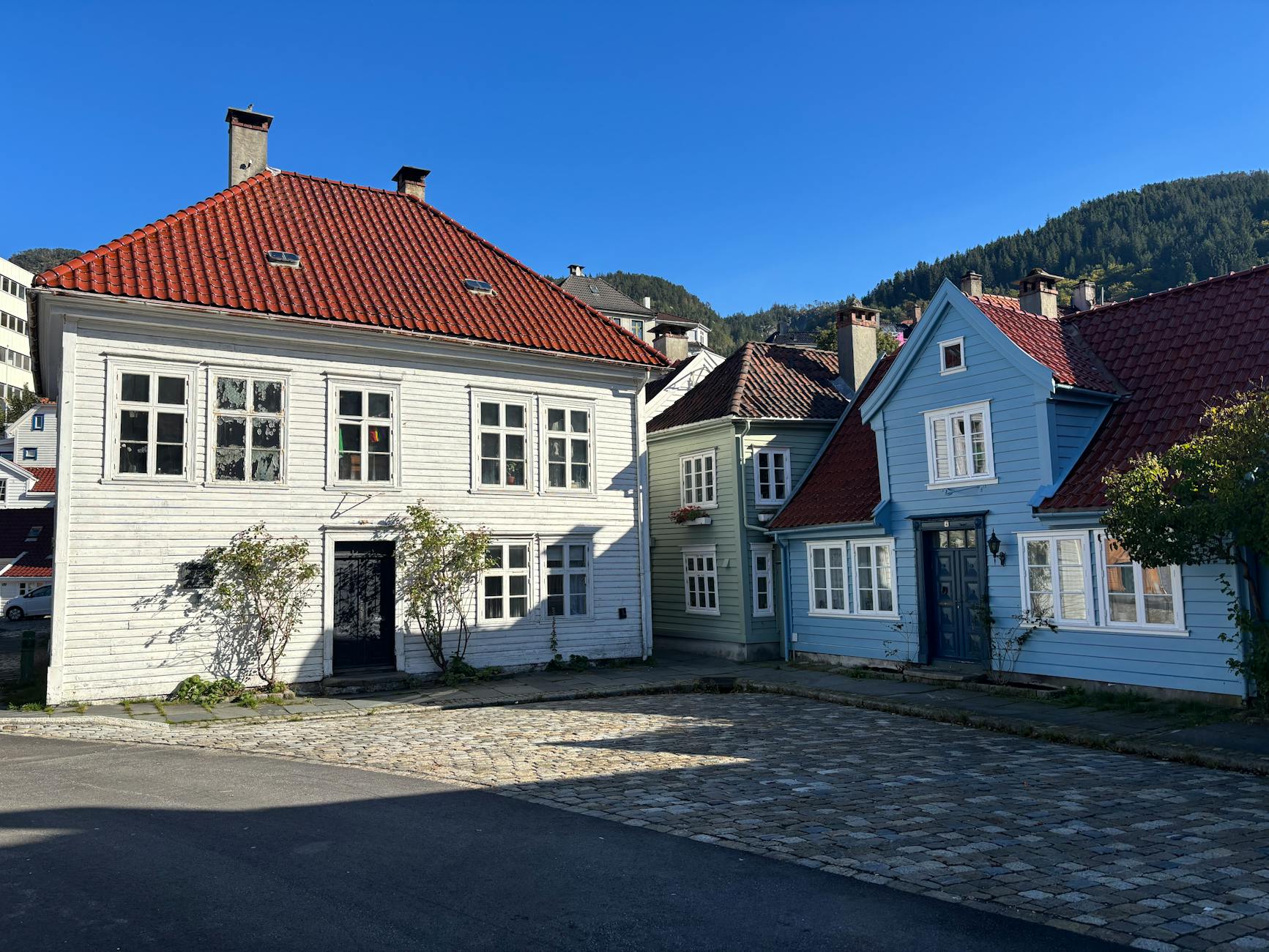
Treat rain, slopes, and surfaces as constraints
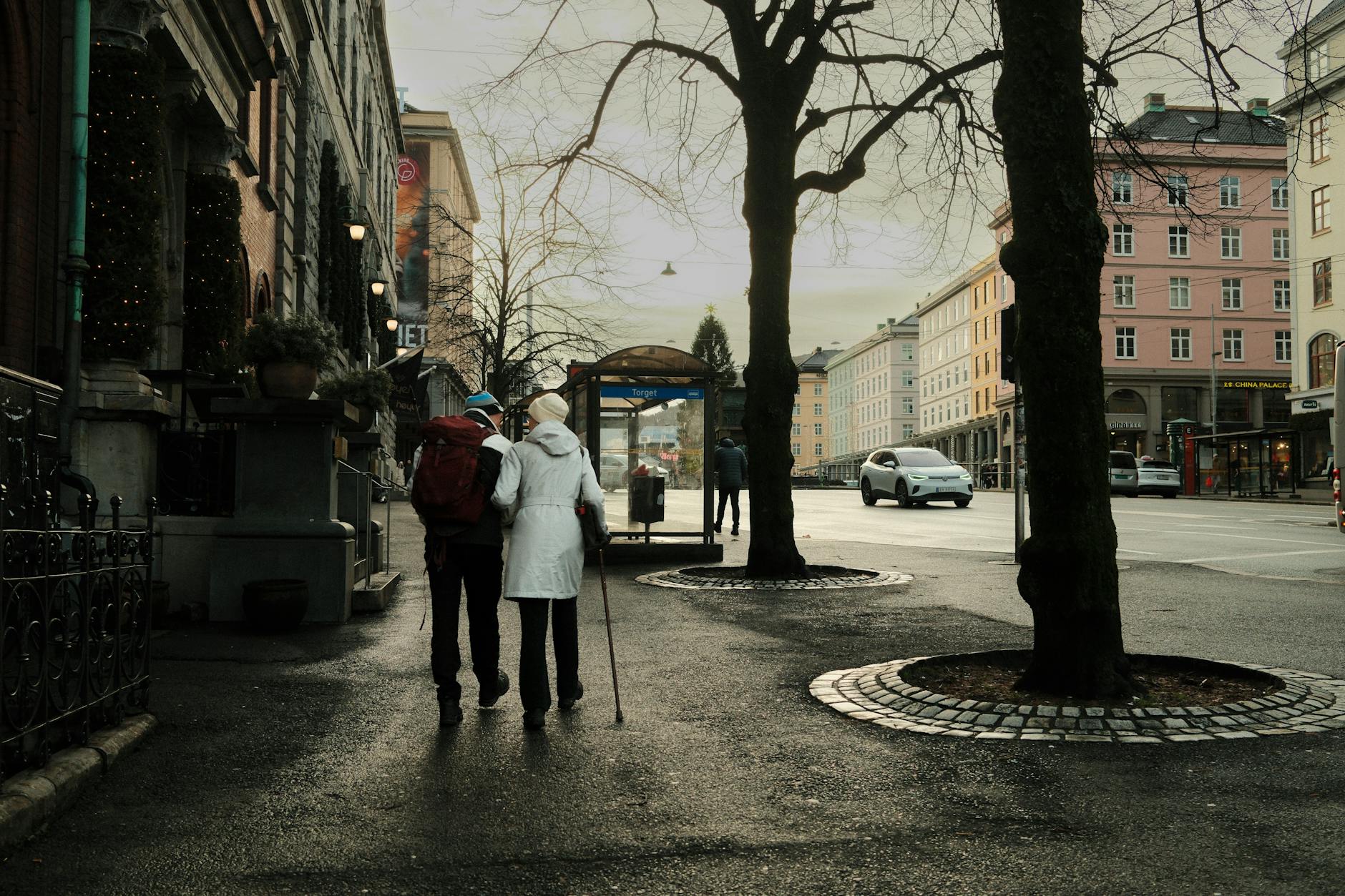
Bergen's rain and older surfaces can make a short walk feel much longer. Cobblestones, timbered areas, curb cuts, wet slopes, umbrellas, crowds, and low visibility should be part of the itinerary discussion before the traveler arrives.
Weather and surface conditions are practical constraints.
- Build shorter wet-weather routes that still feel like Bergen.
- Use shoes, mobility equipment, rain layers, and bag protection that match slick surfaces.
- Avoid assuming that a dry-day walking time will hold during wind, rain, or crowded harbor periods.
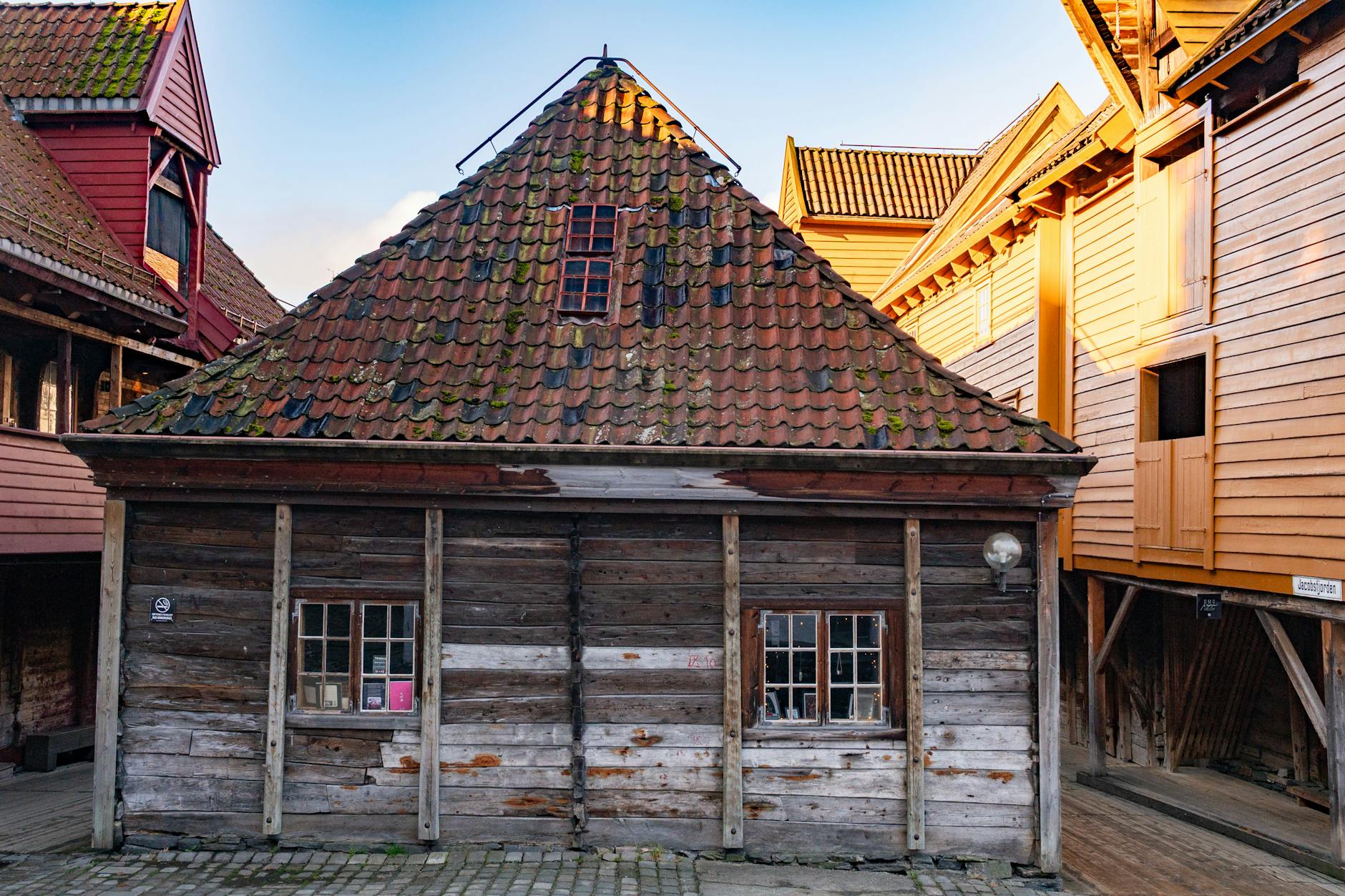
Make transport predictable
Transport should be decided before the trip becomes tiring. Airport transfer, taxis, light rail, station access, ferries, and walking links need to be checked against luggage, mobility equipment, weather, and the time of day.
Predictable movement reduces stress.
- Compare taxi, airport transfer, light rail, and walking options for each arrival and departure point.
- Keep backup taxi points or short transport hops available for rain, fatigue, or schedule pressure.
- Confirm how mobility equipment will work with transfers, luggage, hotel access, and any planned excursions.
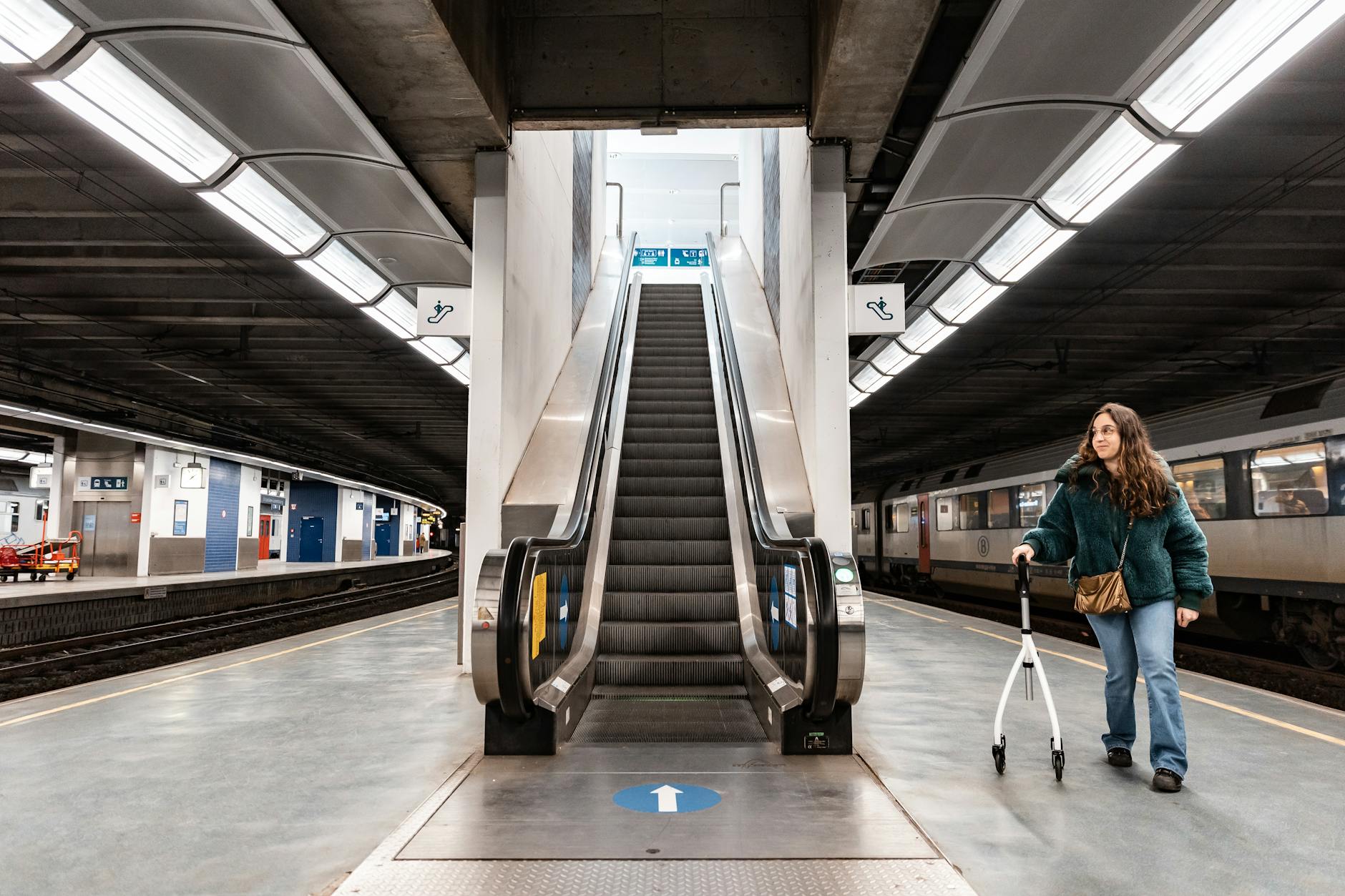
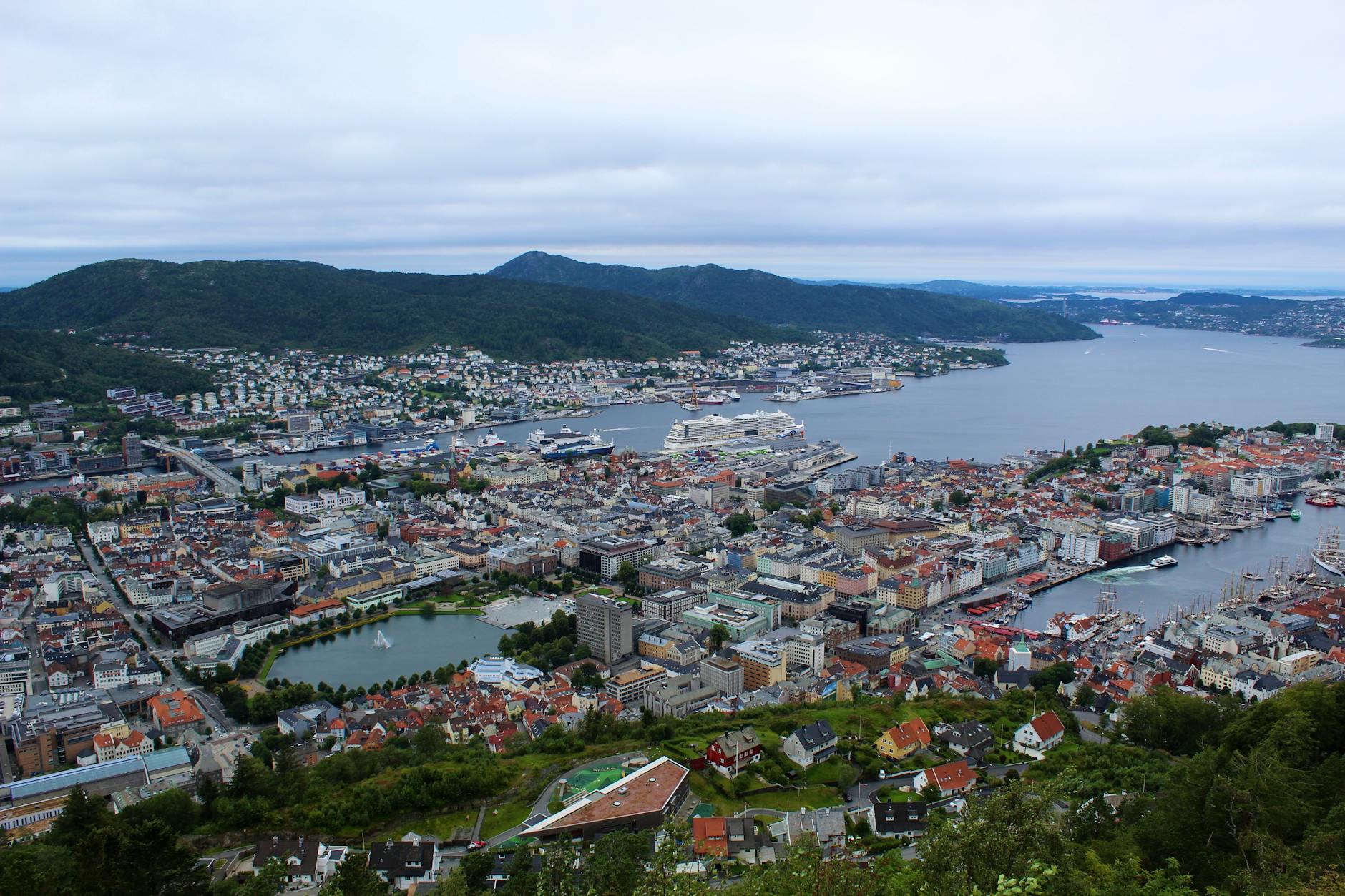
Use viewpoints selectively
Bergen viewpoints can be a highlight, but they should not be treated as automatic. Queues, grade, surface, weather, visibility, transport access, and return timing determine whether a viewpoint supports the trip or drains it.
The view should be optional until conditions are clear.
- Check visibility, wind, queue pressure, access routes, seating, toilets, and return timing before committing.
- Use a lower or easier viewpoint if the standard option creates too much friction.
- Skip the viewpoint when poor weather turns it into an access burden rather than a reward.
Place meals, toilets, and rests into the route
Meals and pauses should not be improvised after the traveler is already tired. Bergen planning should identify restaurants, cafes, toilets, benches, hotel returns, and quiet reset points near the actual route.
Rest points keep the day usable.
- Choose meal stops by entrance, seating, toilet access, noise, reservations, and distance from the route.
- Place rest breaks before difficult streets, transport changes, and evening returns.
- Keep a nearby indoor option ready for rain, pain, medication timing, or sensory overload.
When to order a short-term travel report
A traveler with mobility limitations may not need a custom report for a very simple Bergen stay with a confirmed accessible hotel and flexible plans. A report becomes useful when hotel access is uncertain, routes involve slopes or old streets, transport choices need testing, viewpoint access matters, medical pacing affects the day, or departure timing is tight.
The report should test hotel access, arrival transfer, rain-safe routes, surfaces, transport backups, rest points, toilets, meals, viewpoints, excursion choices, and departure buffers. The value is a Bergen trip that is honest about limits without reducing the city to a few disconnected stops.
- Order when hotel access, surfaces, transport, rain, viewpoints, rest stops, meals, toilets, or departure timing need exact planning.
- Provide dates, hotel candidates, mobility equipment, walking tolerance, stair limits, medical pacing needs, food constraints, and arrival details.
- Use the report to make the Bergen stay workable, paced, and specific to the traveler.