
Bergen can turn a connection or stopover into a worthwhile short visit, but only if the traveler respects the next leg. Airport, rail, ferry, cruise transfer, luggage, rain, hills, and opening hours can either support a compact Bergen route or make the stopover feel like a gamble.
Start with the connection, not the city
A Bergen stopover should be designed backward from the next flight, train, ferry, cruise transfer, or long drive. The city should get only the time that remains after check-in, security, station transfer, luggage handling, weather, and a missed-connection buffer are protected.
The onward leg sets the ceiling.
- Confirm departure point, check-in rules, ticket flexibility, last boarding time, and realistic transfer time.
- Build the stopover around a personal return deadline, not the most optimistic map estimate.
- Keep proof of the onward leg, local transport options, and backup taxi details available.
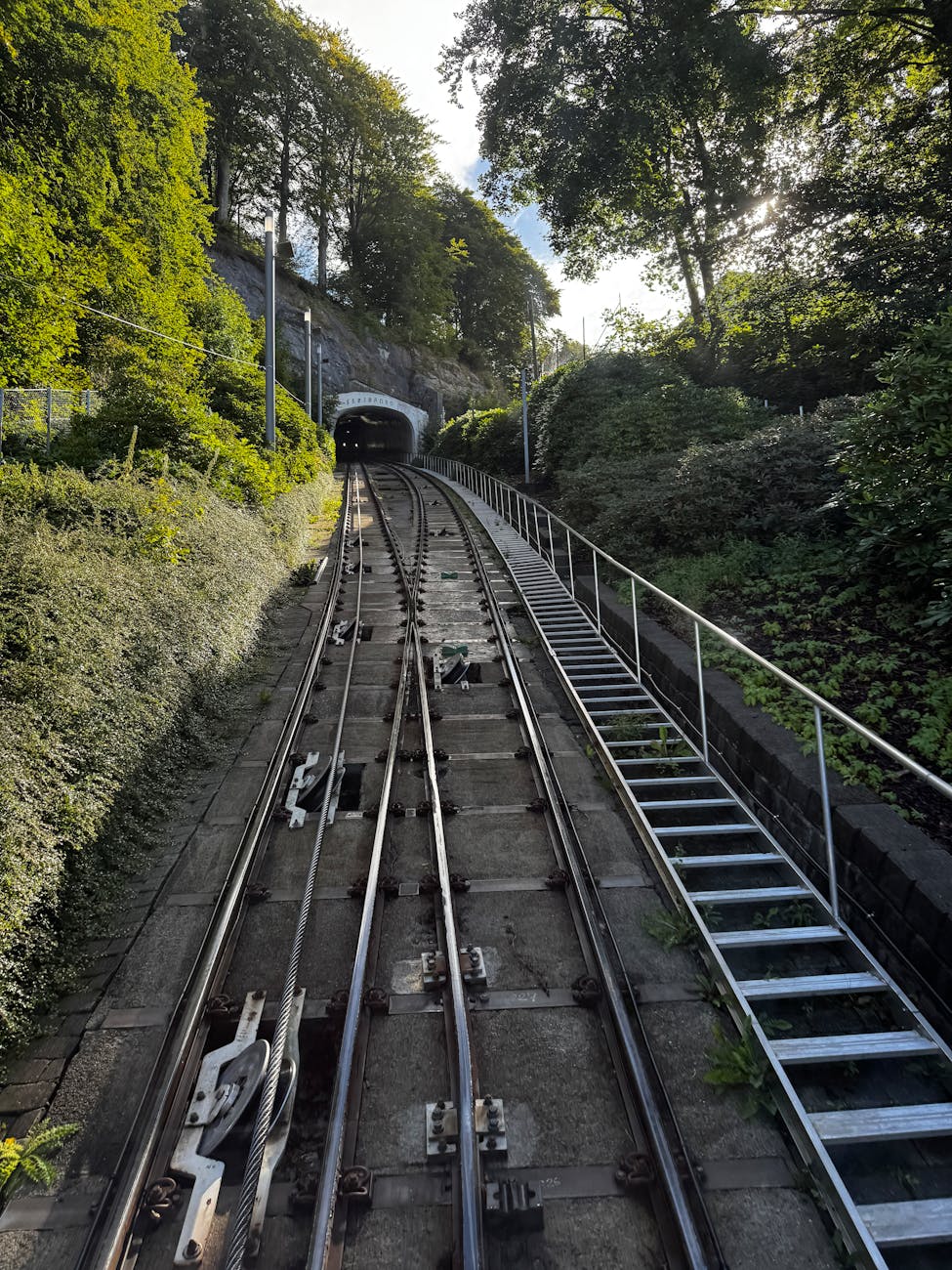
Decide whether to leave the terminal or station
Not every Bergen connection justifies leaving the airport, station, ferry area, or hotel zone. A traveler should compare the usable time against weather, baggage, energy, and the consequences of returning late.
A good stopover can also mean staying close.
- Leave the transfer area only if the traveler has enough time after formalities, luggage, and return margin.
- Use a near-base meal, waterfront walk, or hotel reset when the connection is tight.
- Do not turn a recovery stop into a city sprint before a long onward journey.

Use one compact Bergen route
A stopover traveler should usually choose one compact route rather than a full Bergen itinerary. Harbor, Bryggen, a nearby meal, a short viewpoint, or one museum can work well if the route has an easy return line.
Compactness is the point.
- Pick one route that starts and ends near the onward transport path.
- Avoid combining a hill, harbor, museum, and long meal unless the stopover is genuinely generous.
- Keep a simple walking loop ready if public transport timing becomes awkward.

Solve luggage before sightseeing
Luggage can decide whether a Bergen stopover is pleasant or irritating. Wet streets, hills, steps, crowded transport, and station rules make bag handling a real planning question rather than a minor detail.
Bags should have a plan before the traveler arrives.
- Confirm hotel storage, station lockers, airline baggage rules, or whether bags stay checked through.
- Keep documents, medication, chargers, rain gear, and valuables accessible if checked luggage is unavailable.
- Avoid routes that require pulling bags over steep, wet, or crowded streets.

Build a wet-weather fallback
Bergen weather can turn a neat stopover route into a soggy delay. Rain, low cloud, slippery surfaces, and slower traffic should be expected. The fallback should still feel like Bergen instead of becoming a random wait.
Bad weather needs a useful alternative.
- Keep a sheltered route, cafe, museum, hotel lobby, or covered shopping pause near the return path.
- Choose shoes and layers that can handle rain without making the next leg uncomfortable.
- Drop the viewpoint first if visibility, wind, or timing weakens the value.

Protect the next leg
The next leg may require documents, food, medicine, clean clothing, charging, sleep, or simply a clear head. A Bergen stopover should not consume the traveler so fully that the main journey suffers afterward.
The stopover should support the trip, not steal from it.
- Schedule food, restroom time, charging, medication, and repacking before the return transfer.
- Keep departure documents and transport tickets separate from sightseeing clutter.
- Choose an overnight location by the next morning's departure, not just the prettiest evening street.
When to order a short-term travel report
A transit traveler with a long layover, no luggage, and a flexible onward ticket may not need a custom report. A report becomes useful when the stopover is tight, luggage storage is uncertain, the next leg is expensive to miss, rain could disrupt movement, hotel choice depends on an early departure, or the traveler wants one useful Bergen route without overcommitting.
The report should test transfer timing, airport or station access, luggage storage, wet-weather routes, meal options, public transport, taxi backups, overnight placement, recovery needs, and what to skip first. The value is a Bergen stopover that gives the traveler a real city moment without putting the onward journey at risk.
- Order when connection timing, luggage, weather, transport, meals, overnight placement, or missed-connection risk need exact planning.
- Provide arrival and departure details, luggage status, mobility needs, hotel candidates, budget, and preferred Bergen focus.
- Use the report to keep the Bergen stopover compact, useful, and connection-safe.