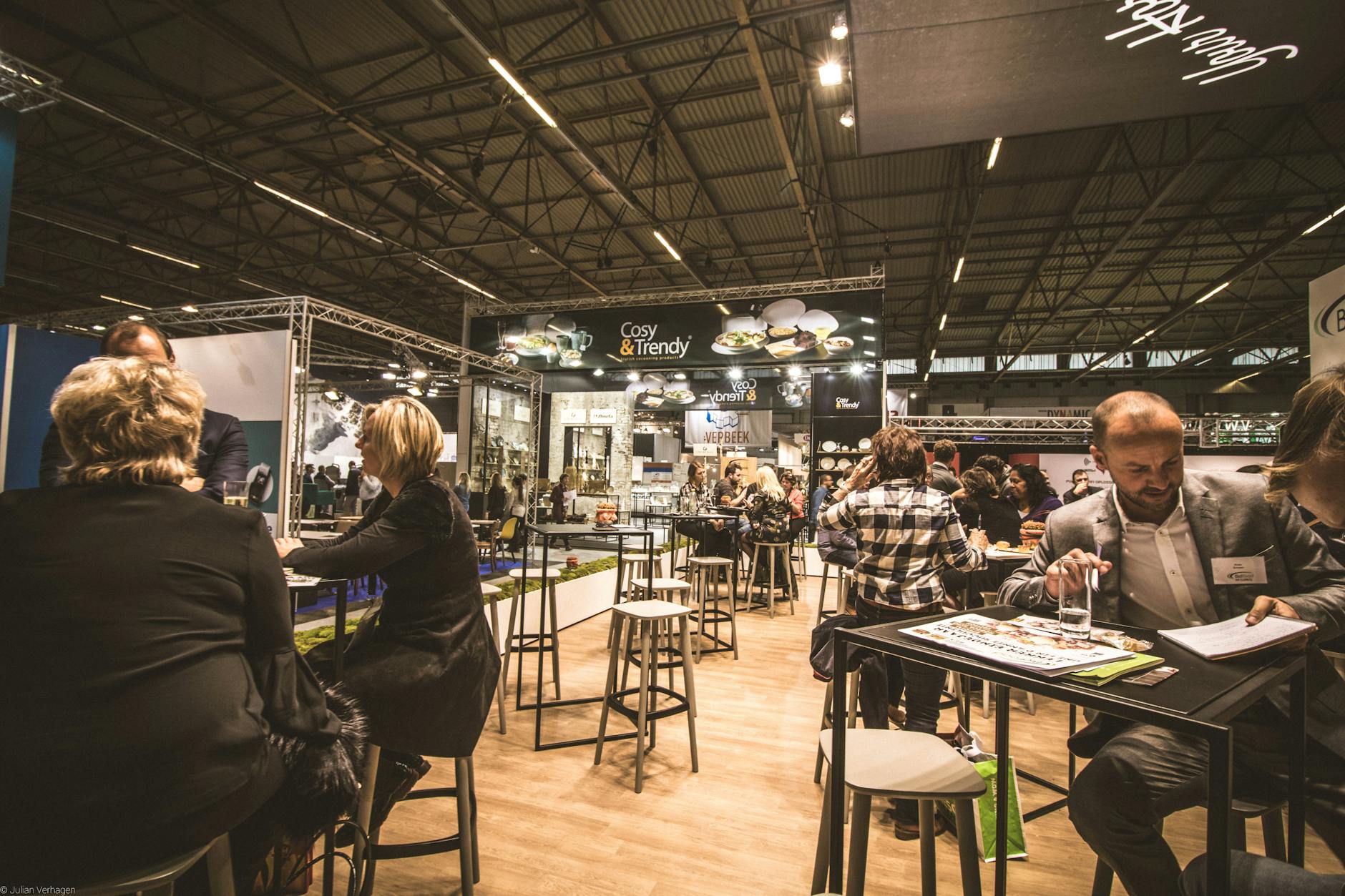
A Bergen trade-show trip is not only about arriving for show hours. The city can support a compact professional stay, but exhibitors and attendees need to manage venue access, freight or samples, booth setup, hotel recovery, rain-safe movement, networking, receipts, and follow-up time so the event does not become a sequence of rushed fixes.
Confirm the venue and exhibitor logistics
The exact venue matters more than the city name. A Bergen trade-show attendee should confirm loading rules, badge pickup, booth hours, setup windows, storage, power, Wi-Fi, shipping, meeting rooms, and any evening events before booking the trip around vague centrality.
Venue logistics should lead the itinerary.
- Confirm the venue address, entrance, loading or sample rules, registration timing, and setup requirements.
- Check whether meetings, receptions, dinners, and hotel blocks are in the same area or spread across Bergen.
- Ask what must be carried by hand and what can be shipped, stored, rented, or left at the venue.
Protect arrival, freight, and setup timing
A trade-show schedule leaves little room for a delayed suitcase, misplaced samples, or a late booth setup. Flights, airport transfer, hotel check-in, freight arrival, badge pickup, and prep time should be sequenced before the attendee commits to a tight arrival.
Setup time needs its own margin.
- Arrive early enough to handle luggage, materials, rain, venue orientation, and setup without weakening the first show day.
- Carry irreplaceable samples, chargers, badge documents, medicine, adapters, and core presentation items in reliable luggage.
- Confirm where shipped or couriered materials will be received and how after-hours issues are handled.
Choose lodging for booth-day recovery
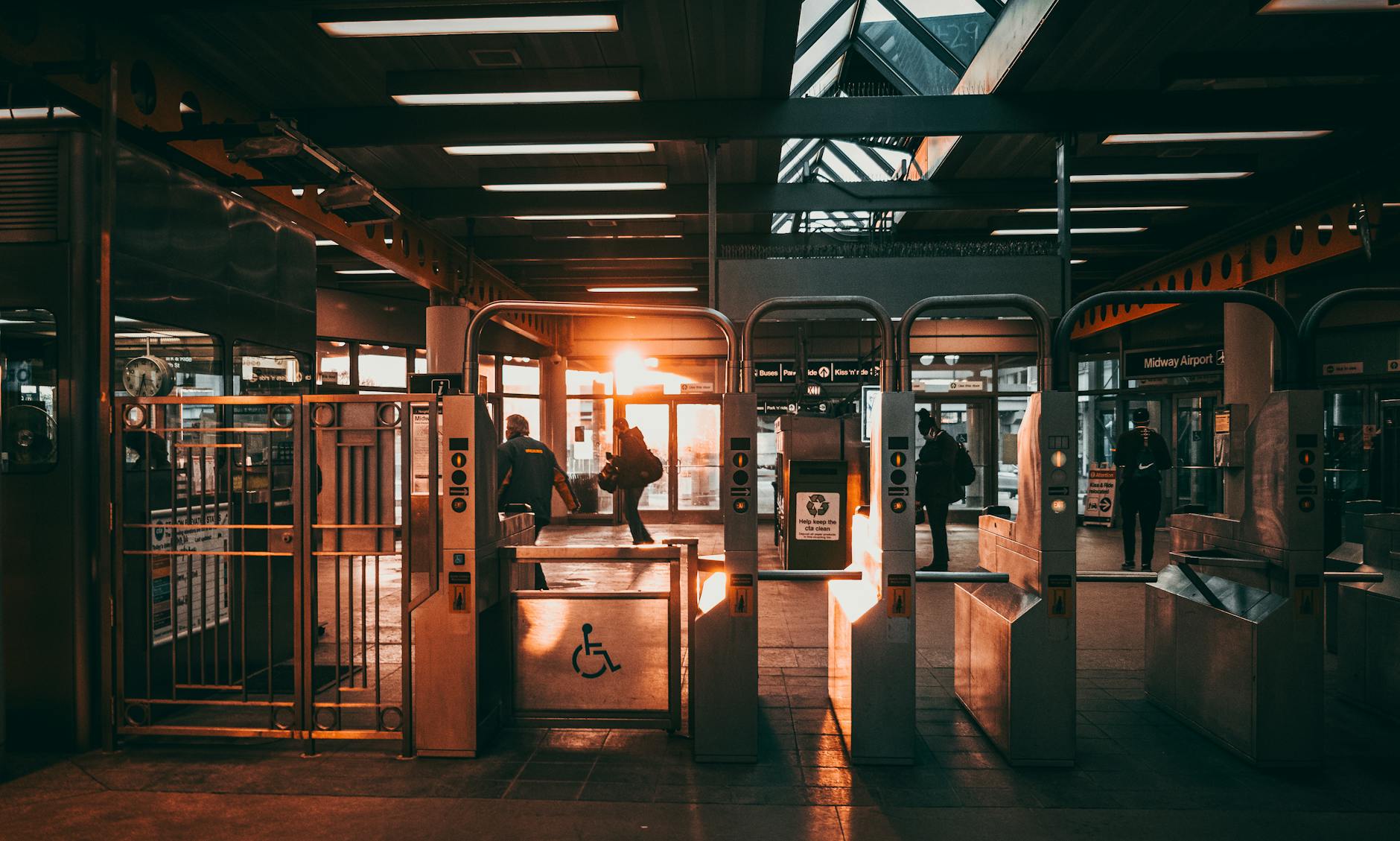
A show hotel should support early starts, receipt handling, luggage, garment care, quiet work, sleep, and a dependable route to the venue. The lowest rate can be expensive if it creates daily taxi pressure or leaves no place to recover between long booth hours.
The hotel should protect performance.
- Check breakfast hours, desk space, Wi-Fi, ironing, storage, lift access, taxi pickup, and receipt format.
- Prefer a base close enough for a reset if the schedule includes a gap.
- Avoid a hotel that makes wet-weather returns or sample transport harder than necessary.
Plan rain-safe movement and presentation
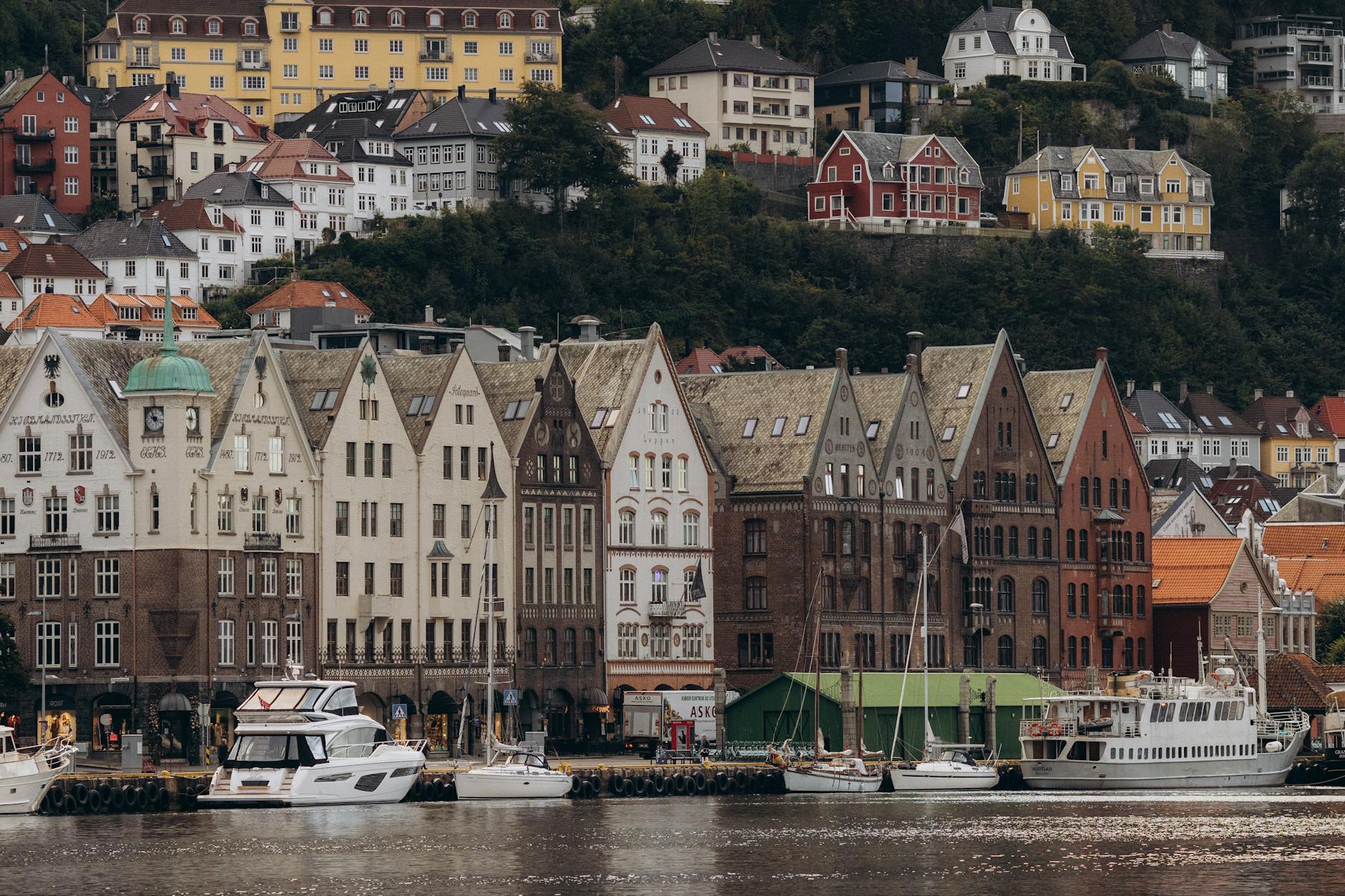
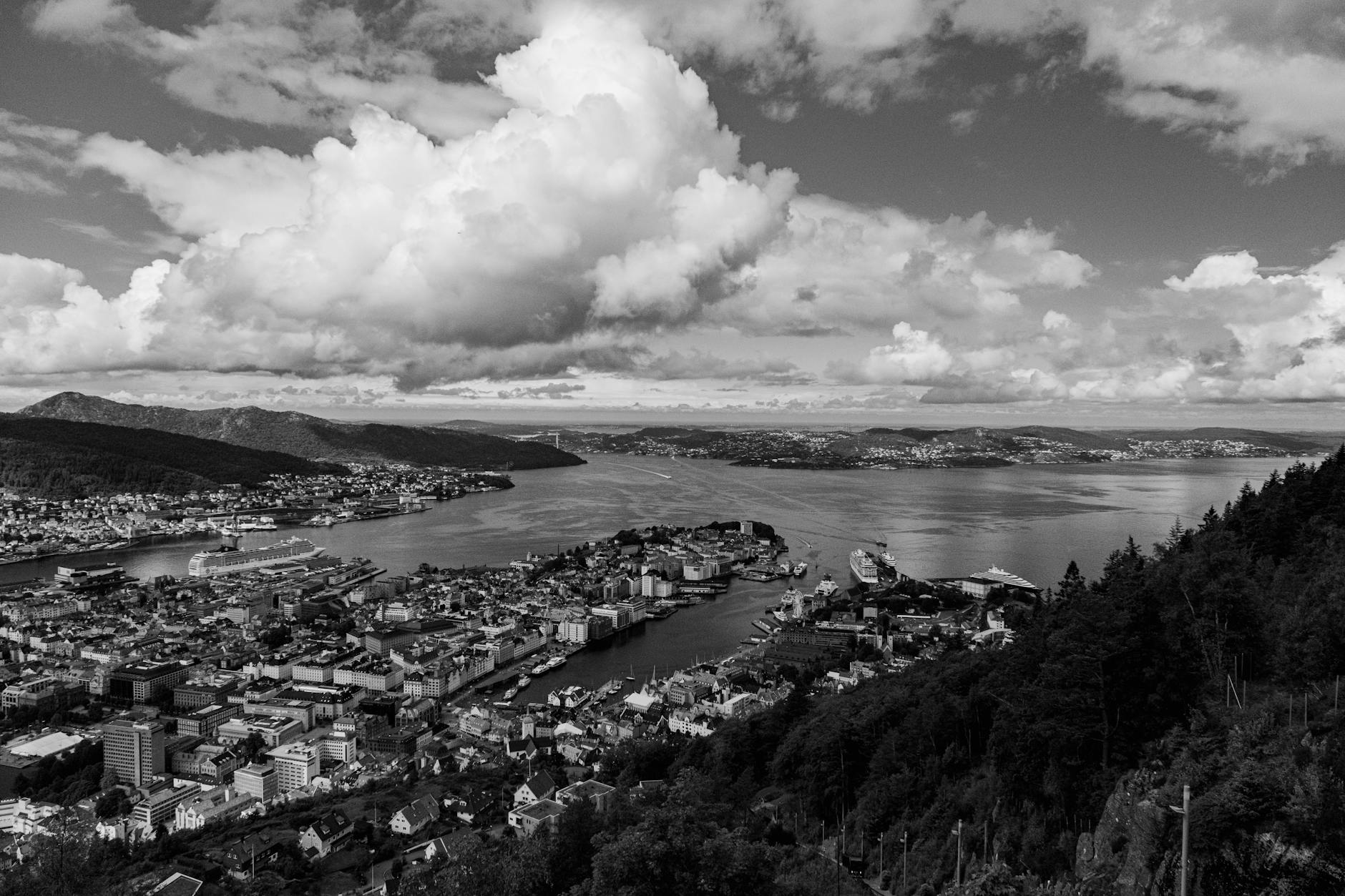
Bergen rain can affect samples, printed materials, shoes, booth clothing, laptop bags, and the walk from hotel to venue. Trade-show travel should include a wet-weather presentation plan rather than hoping the weather cooperates.
Rain can damage both timing and appearance.
- Pack waterproof protection for laptops, documents, samples, name badges, and booth clothing.
- Allow time for coat check, drying, changing shoes, or resetting before client-facing hours.
- Use taxis or short transport hops when a wet walk would damage materials or presentation quality.
Make networking useful rather than expensive
Trade-show networking can produce good meetings, but it can also fill every evening with expensive meals and weak follow-up. In Bergen, networking should be planned around useful contacts, realistic restaurant timing, local prices, and the need to be alert the next morning.
The evening calendar should be selective.
- Choose dinners, receptions, and coffees by business value rather than by every invitation.
- Check reservations, dietary needs, local price levels, alcohol norms, and return routes.
- Keep one evening or early morning slot available for follow-up notes and internal updates.
Protect follow-up and departure time
The value of a trade show often depends on what happens after the booth closes. Bergen departure planning should protect packing, sample returns, lead capture, invoices, internal notes, airport transfer, and any final meetings before the traveler leaves.
Follow-up is part of the trip, not an afterthought.
- Block time to enter leads, label contacts, send priority notes, and pack materials before departure day pressure.
- Confirm checkout, luggage storage, courier pickup, taxi timing, and airport transfer options.
- Avoid scheduling a final meeting so close to departure that one delay breaks the trip.
When to order a short-term travel report
A trade-show attendee with a venue hotel and no materials may not need a custom report. A report becomes useful when setup timing is tight, samples or freight matter, hotels are expensive, rain could affect presentation, side meetings are spread out, networking dinners need pruning, or departure follows the final show block closely.
The report should test venue logistics, airport transfer, hotel rhythm, booth setup, freight or samples, rain-safe movement, networking meals, follow-up windows, receipts, and departure buffers. The value is a Bergen trade-show trip that stays commercially useful instead of merely busy.
- Order when venue logistics, booth setup, materials, hotels, rain, networking, follow-up, or departure timing need exact planning.
- Provide dates, venue address, show schedule, hotel candidates, sample or freight details, meeting addresses, budget, and arrival details.
- Use the report to keep the Bergen trade-show trip punctual, organized, and commercially focused.